Alpine arc
The Alps
One mountain range, eight countries, and everywhere the same slow clock.
This is the Alps
Here, a border is a change of language on a signpost, not of landscape.
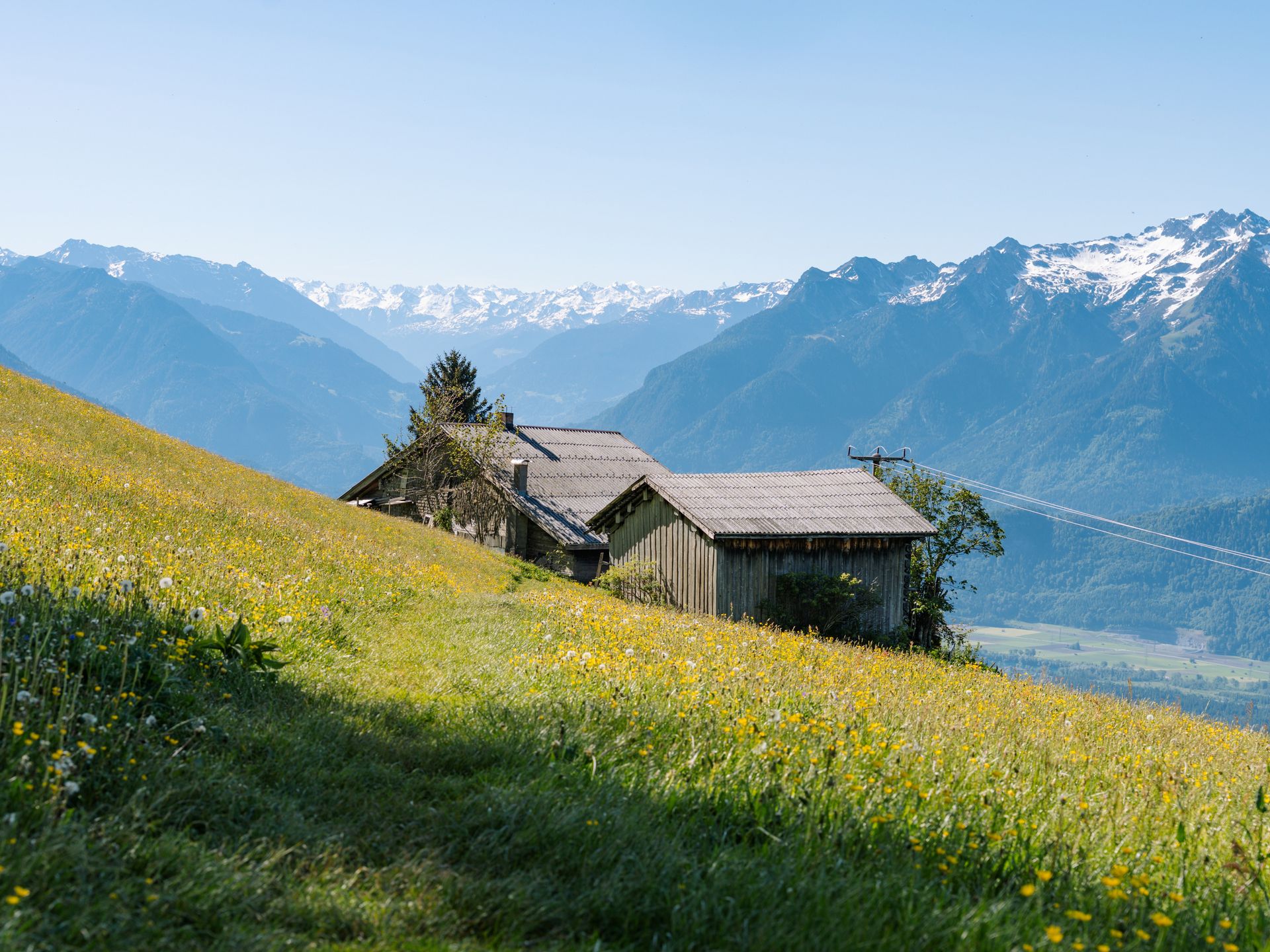
The Alps ignore national borders and impose their own slow rhythm above the treeline. Follow the range from the French Écrins to the Slovenian Julian Alps and you notice that a border post is rarely more than a different language on a sign. The mountain meadow with its cowbells, the narrow ridge, the smell of freshly cut hay in the valley, none of it changes with the flag.
Eight countries share the same range, and each has given it its own accent: French silence above the treeline, Swiss precision in the upkeep of every path, Italian-Ladin colour in the Dolomites, Austrian hospitality in the Almhütte, Slovenian matter-of-factness around the Soča. What stays the same everywhere is altitude as the only real clock.
We don't think in terms of a country you 'do', but a stretch of range you get to know: one valley, one ridge, one culture of huts and herders, long enough to feel the difference between a pass at 1,800 metres and the same pass at 2,600.
In short
- Best time to go
- Mid-June to late September for the high routes, when the passes are clear of snow and the mountain huts are open. May and October are quieter and suit the lower valleys and lakes.
- How long
- A week to ten days for one stretch of the range, two or three neighbouring valleys. That leaves room for walking days of four to seven hours, with rest days in the valley in between.
- Who it suits
- Hikers who would rather get to know one stretch of the range well than tick off summits, from gentle valley walks to multi-day hut-to-hut routes, sometimes across a national border.
- What sets it apart
- The Alps span eight countries and have 82 official summits above 4,000 metres, while the Pyrenees top out at 3,404 metres. A dense network of staffed huts makes multi-day walks possible without a tent.
The regions
One range, five entirely different faces.
The Alpine arc isn't a single whole but a sequence of areas that touch without resembling each other. Where you start decides which Alps you get.
France, Écrins and Vanoise
The high, quiet side
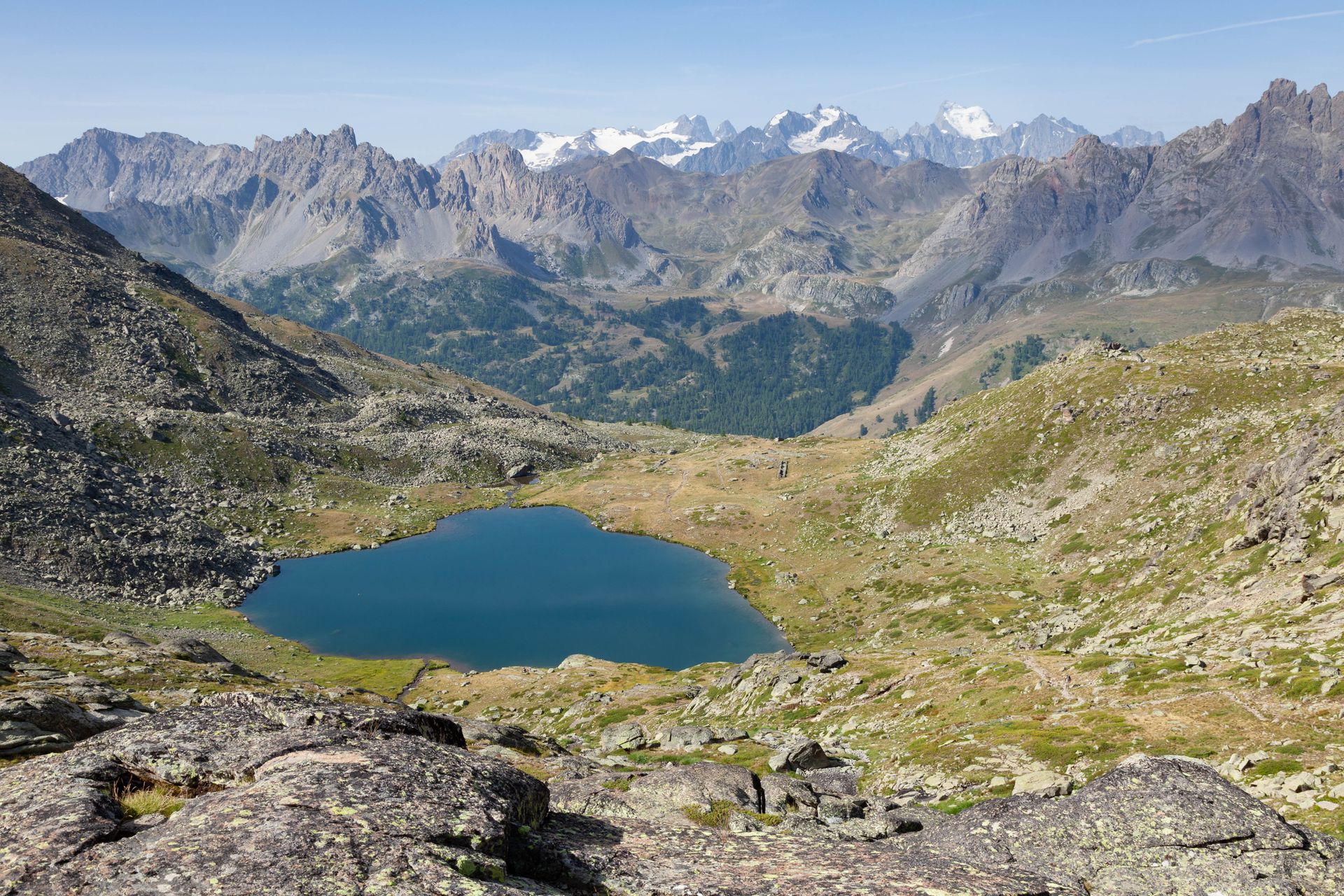
Around the Mont Blanc massif and the Écrins and Vanoise national parks, the range is at its bleakest and highest: granite, glacial remains, few villages. Walking trails run for days between refuges without crossing a single paved road.
Switzerland, Engadin and Valais
The precise side
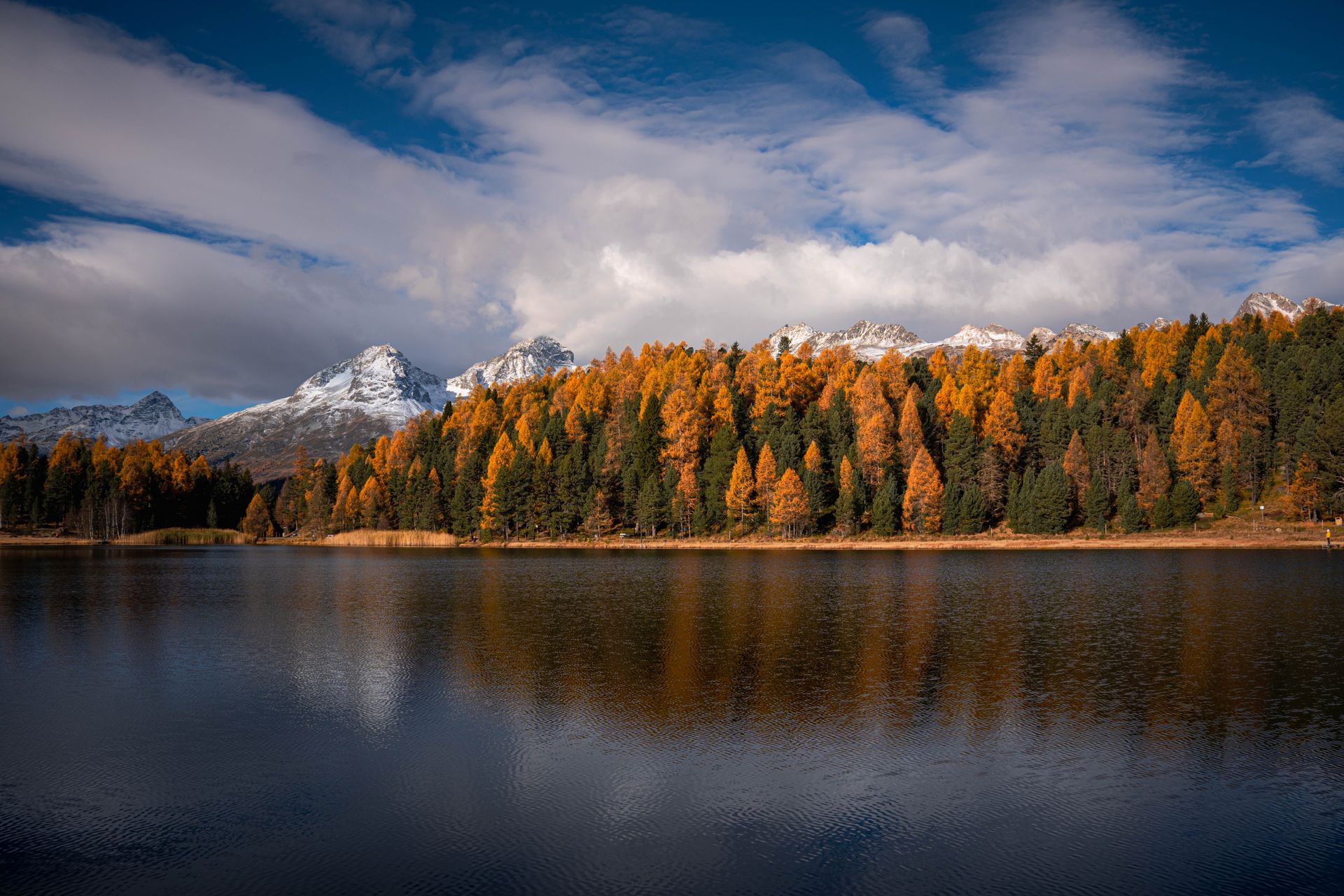
In the Engadin and the side valleys of Valais, every path, every hut, every train runs to the minute. And yet the higher hamlets, with their weathered grey timber façades, feel as if time has stood still there for centuries.
Italy, South Tyrol and the Dolomites
The vertical side
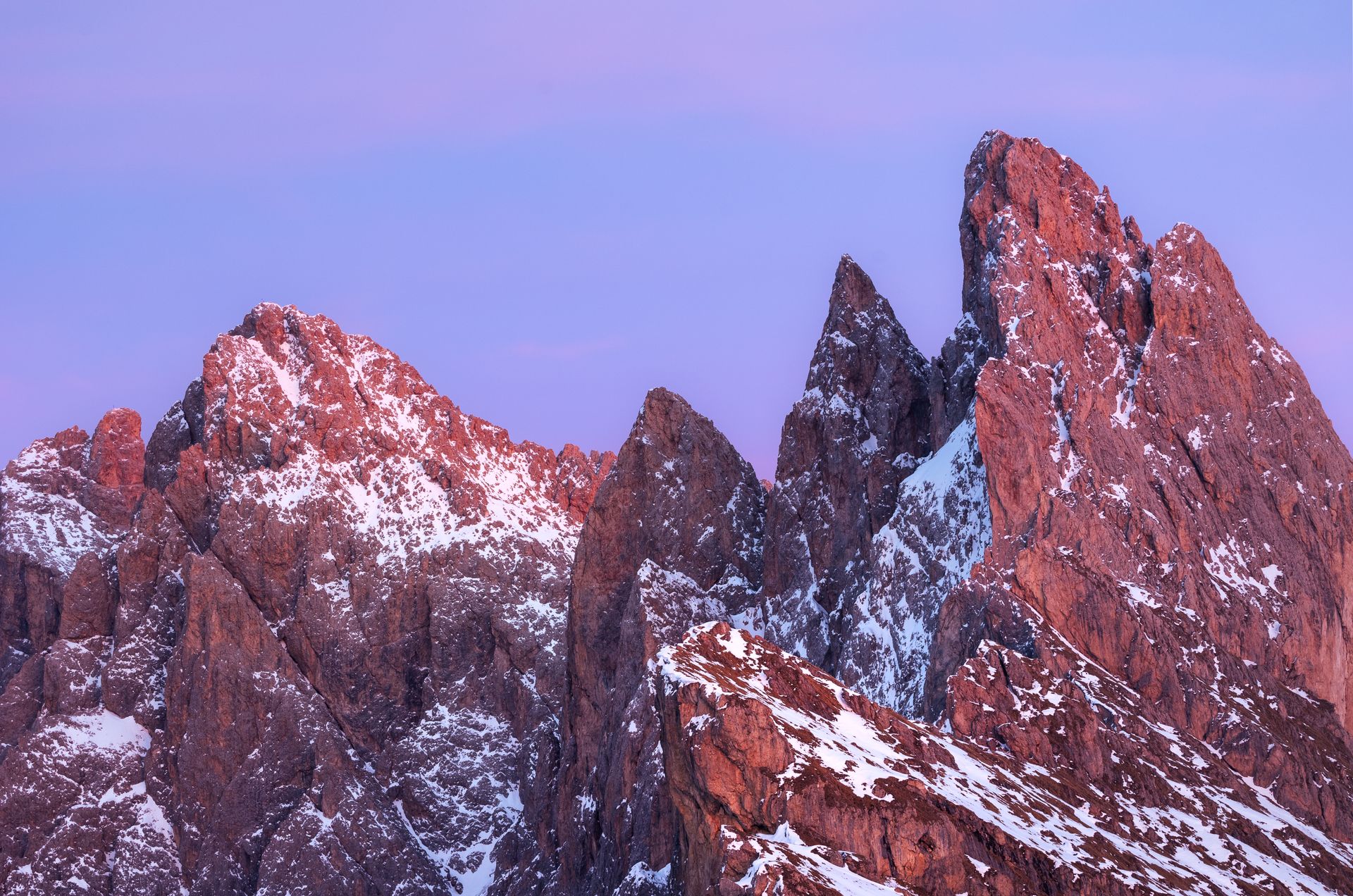
The limestone towers of the Dolomites rise straight up out of green meadows. Three languages, German, Italian, Ladin, live side by side here, just like the rifugios that make the altitude bearable.
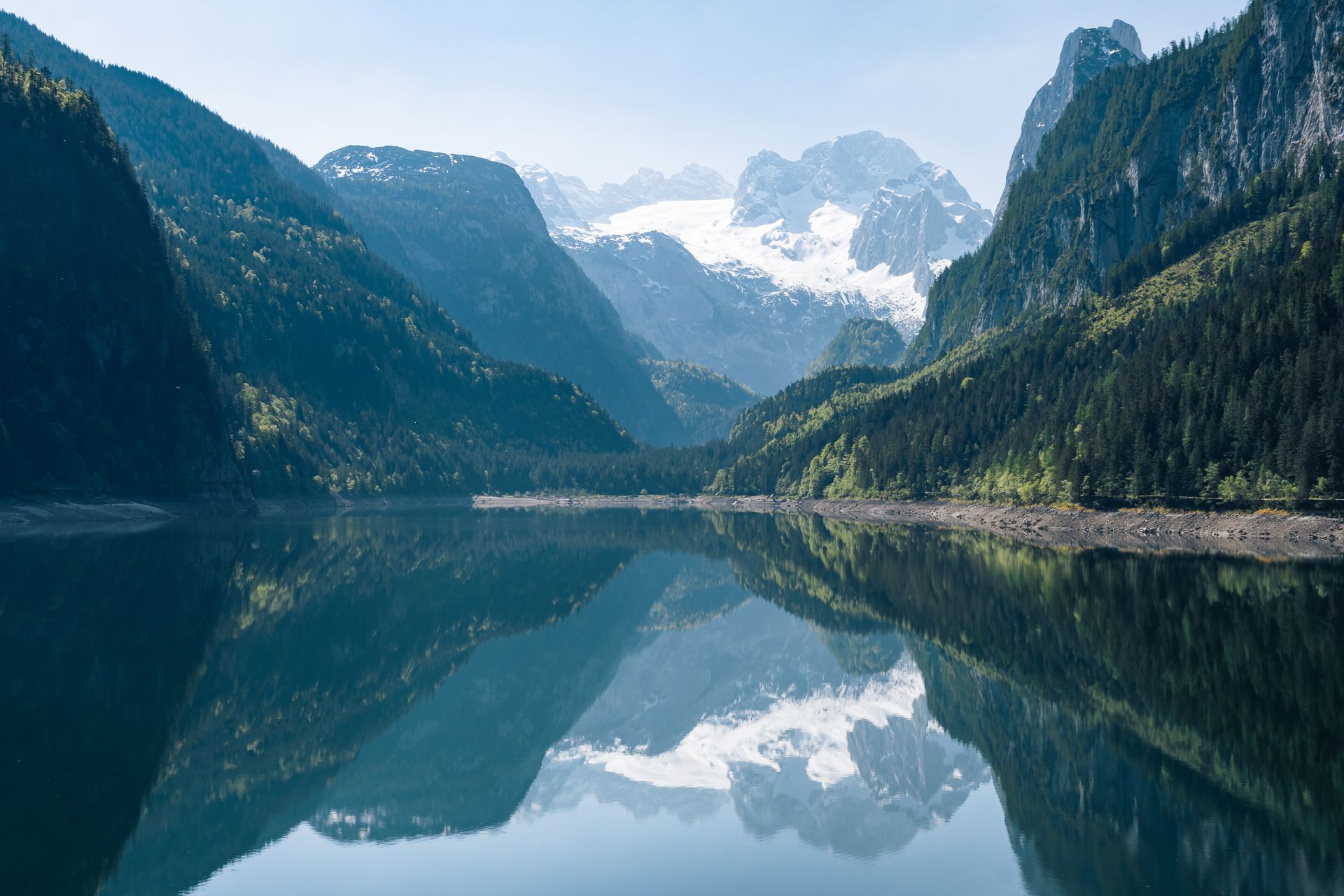
Austria, Tyrol and Salzkammergut
The welcoming side
Between the lakes of the Salzkammergut and the high valleys of Tyrol, the Almhütte belongs to the landscape just as much as the ridge above it: a place where walkers, herders and cheesemakers share the same table.
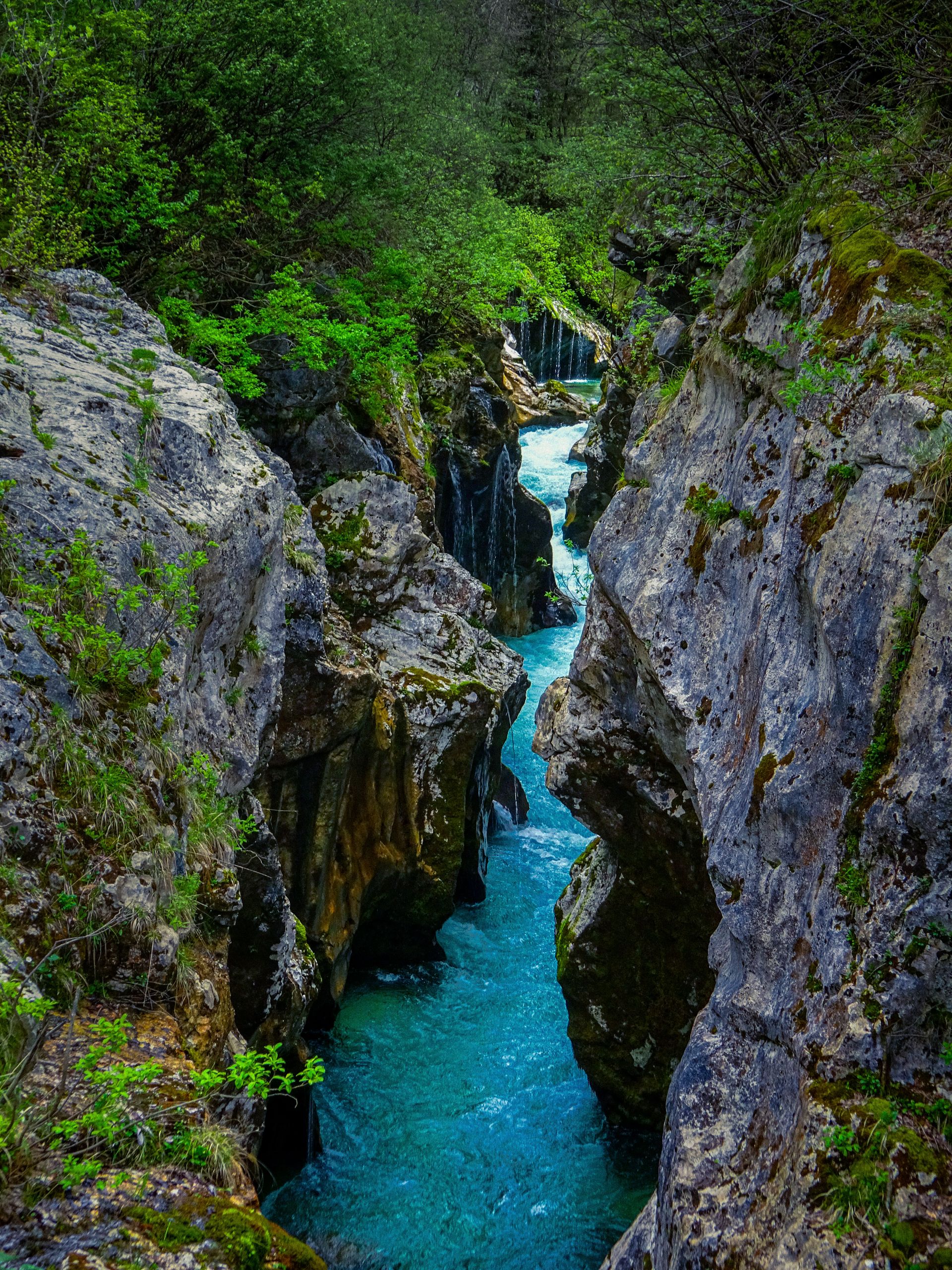
Slovenia, Julian Alps
The unfamiliar side
Around the Triglav and the Soča valley lies the eastern edge of the range, where the emerald water and the limestone cliffs are still discovered without much fuss.
A culture of altitude
The mountain guide and the herder set the pace here, not the ski lift.
Above the treeline lives a culture that can't be measured in piste kilometres. The Bergführer, the guide de haute montagne, the gornik. Whatever he's called, he knows the weather, the ice and the route better than any map, and his authority comes not from a uniform but from decades on the same slopes.
Every June, herds still move up for the summer pasture, and in September back down again, the démontagne, the Almabtrieb, a rhythm older than any border later drawn through it. The cows wear flower garlands and the largest bell for the occasion; anyone who happens to stand along the route sees a celebration that was never staged for tourists.
In the refuges and mountain huts, often reachable only on foot or by cable car, dinner is still eaten at long tables with whoever else happens to be there, a custom that makes a walking holiday here far more social than expected.
What the altitude supports
Life adapted to scarcity.
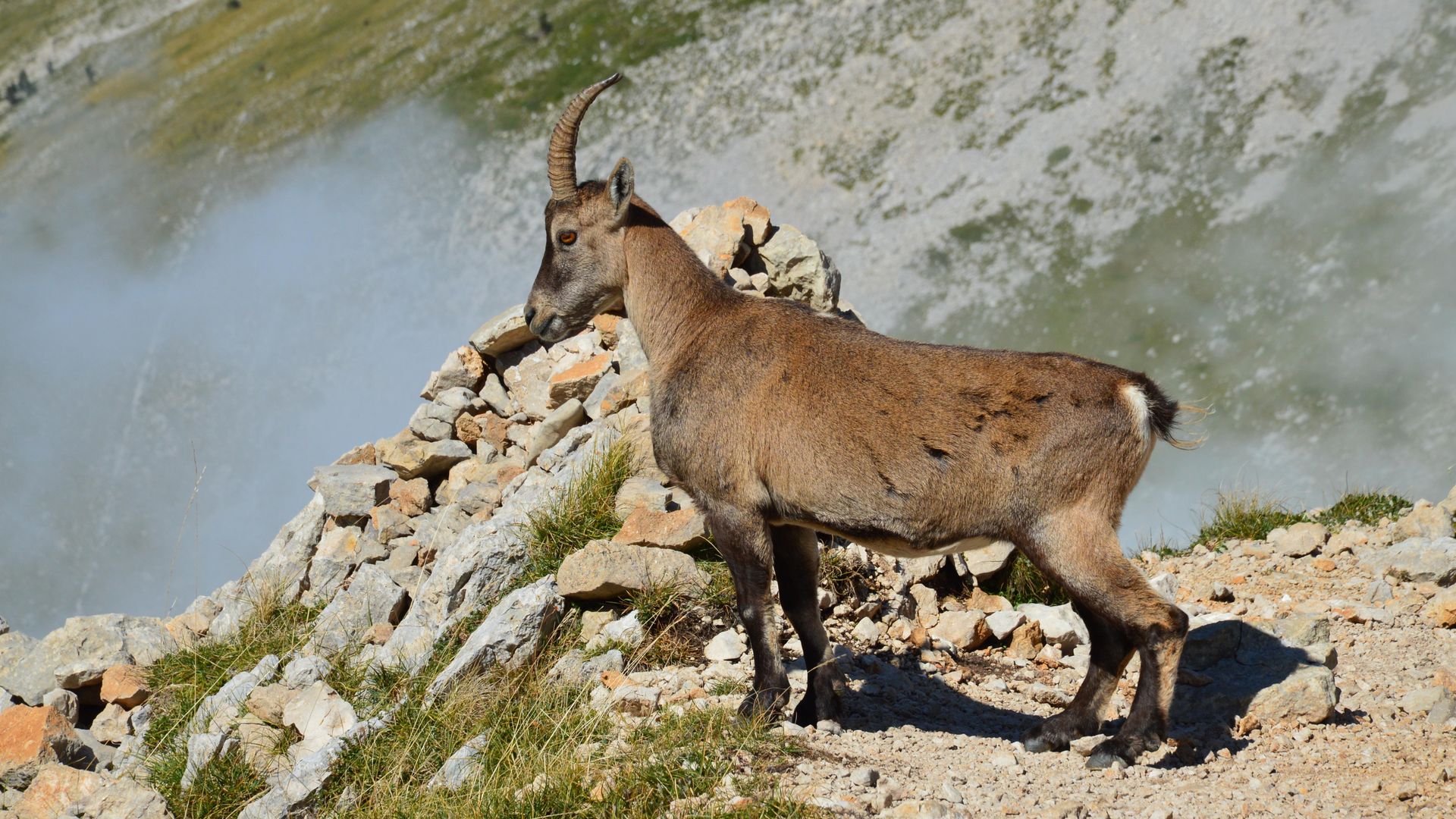
Ibex, chamois and lammergeier
Above 2,000 metres, wildlife is shy but present: ibex on impossible ledges, marmots whistling the alarm, and the lammergeier, with a wingspan of nearly three metres, gliding over the valleys again after decades of absence.
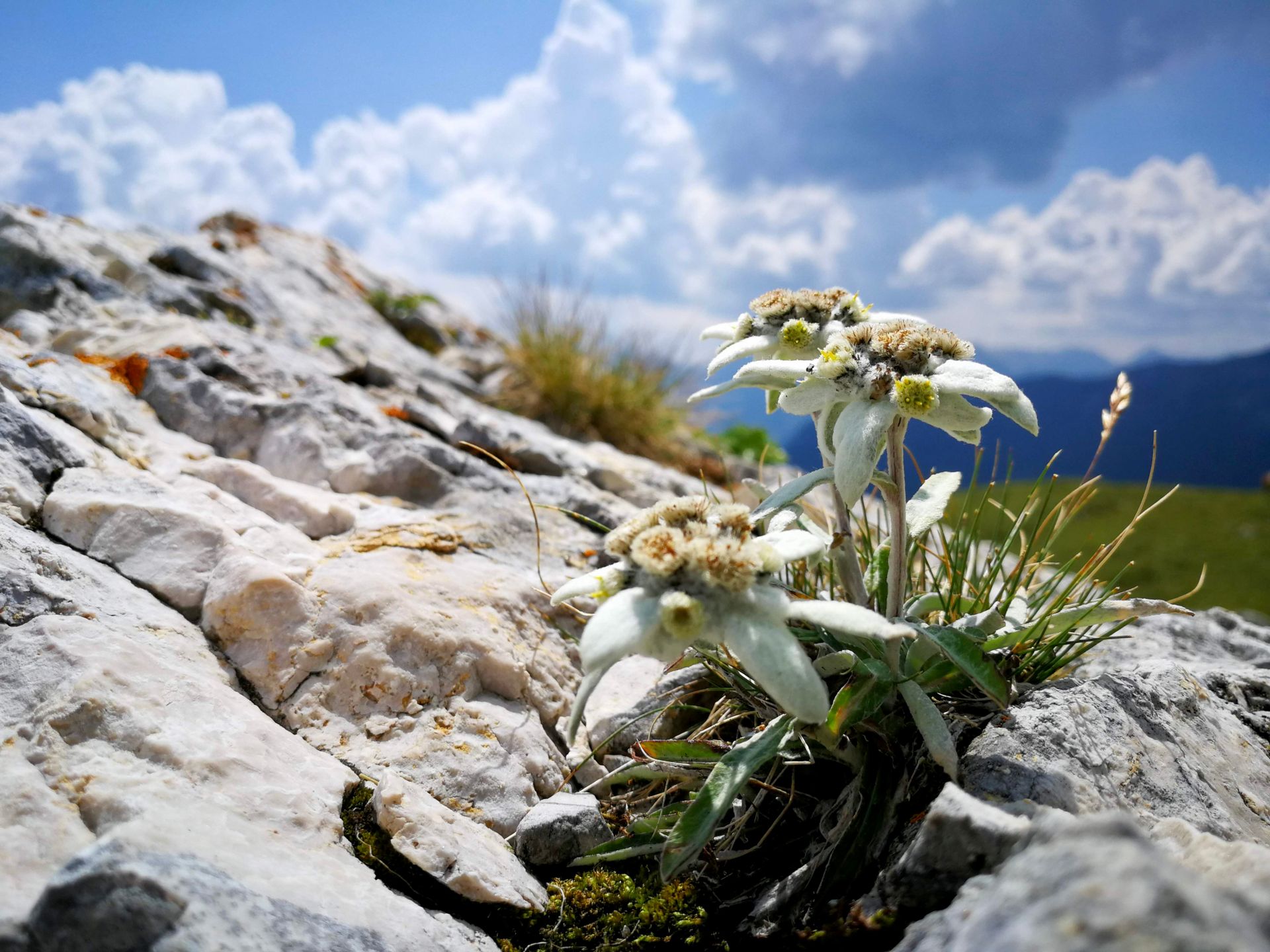
Blooms that last only weeks
As soon as the snow retreats, the high meadows fill with colour within a few weeks: alpine roses, gentians, and on the bare rock faces the edelweiss, less rare than its reputation suggests, but no less worth the effort.
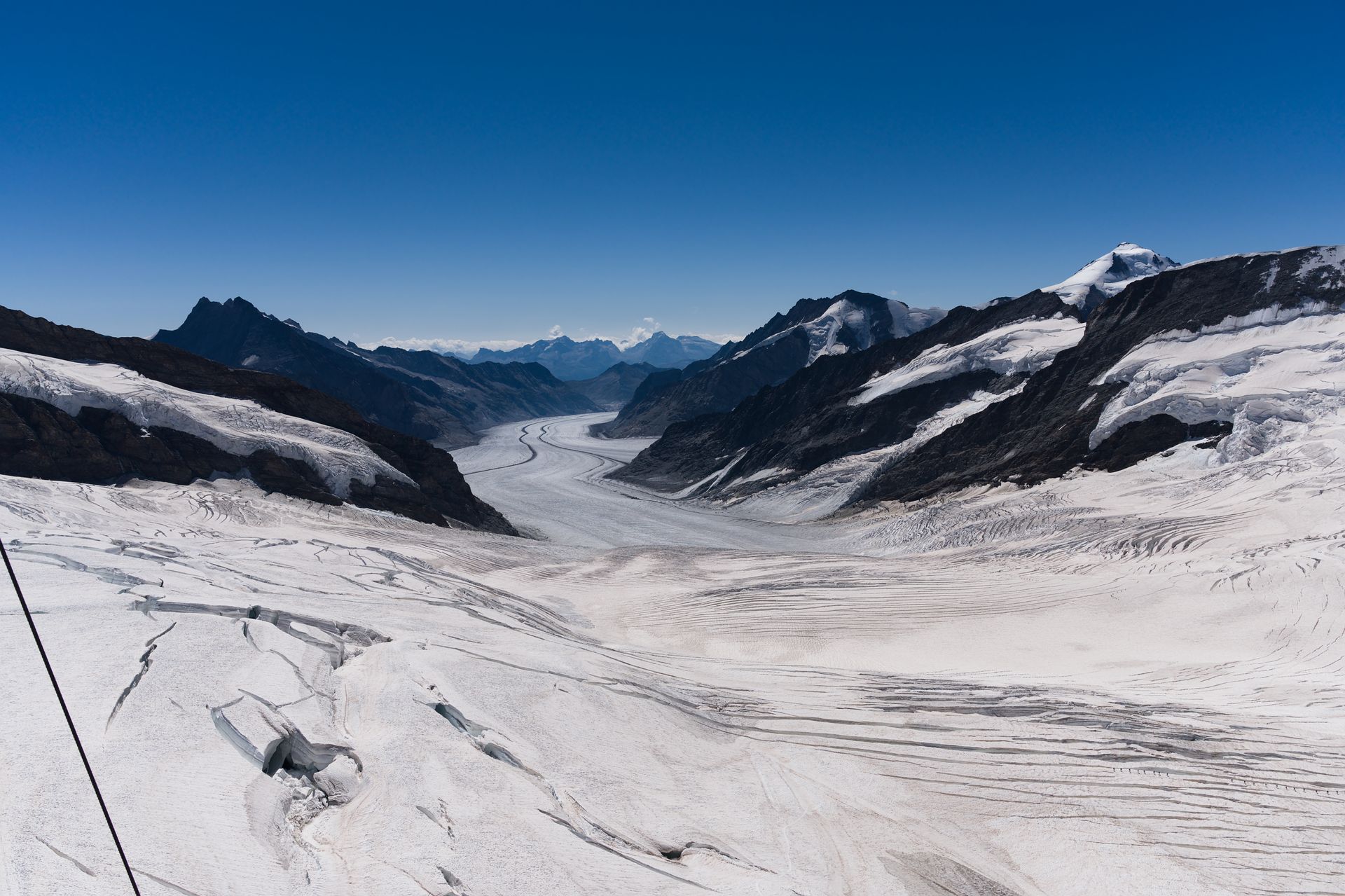
Ice that visibly changes
The glaciers of the Alps are retreating faster than almost anywhere else at this latitude. Compare the moraines of ten years ago with the current glacier edge and you see in a single walk what elsewhere takes a generation to notice.
Here, it's not which country you cross that counts,
but how many metres of altitude you've gained today.
What's possible
No piste, no programme: a range of ways to go up.
We don't build a ready-made route. The list below gives an idea of the building blocks we use, together with you, to put together a route through the range.
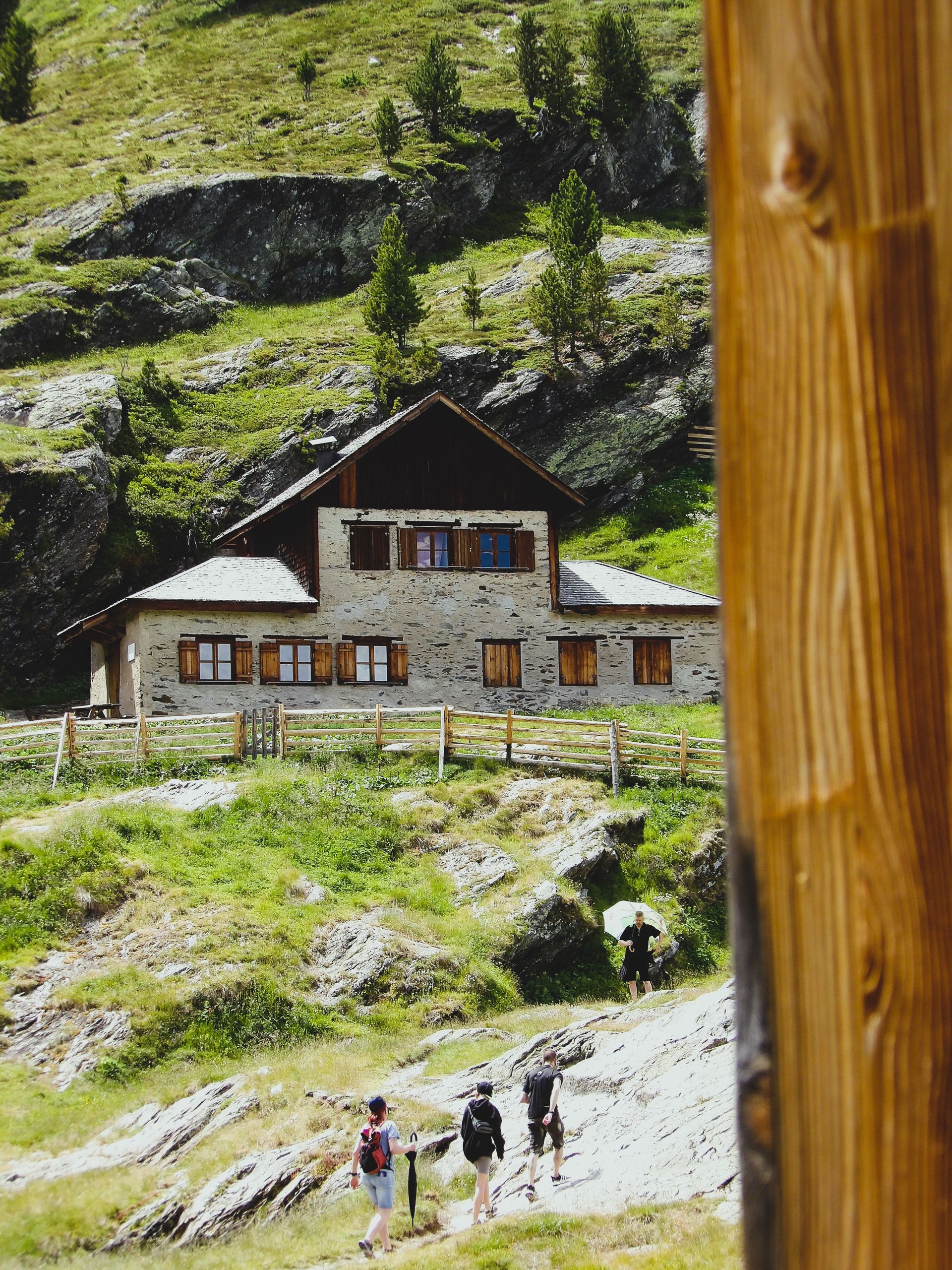
Hut to hut
Multi-day walks that overnight in refuges and mountain huts, with a rucksack that gets lighter each morning as the route becomes clearer.
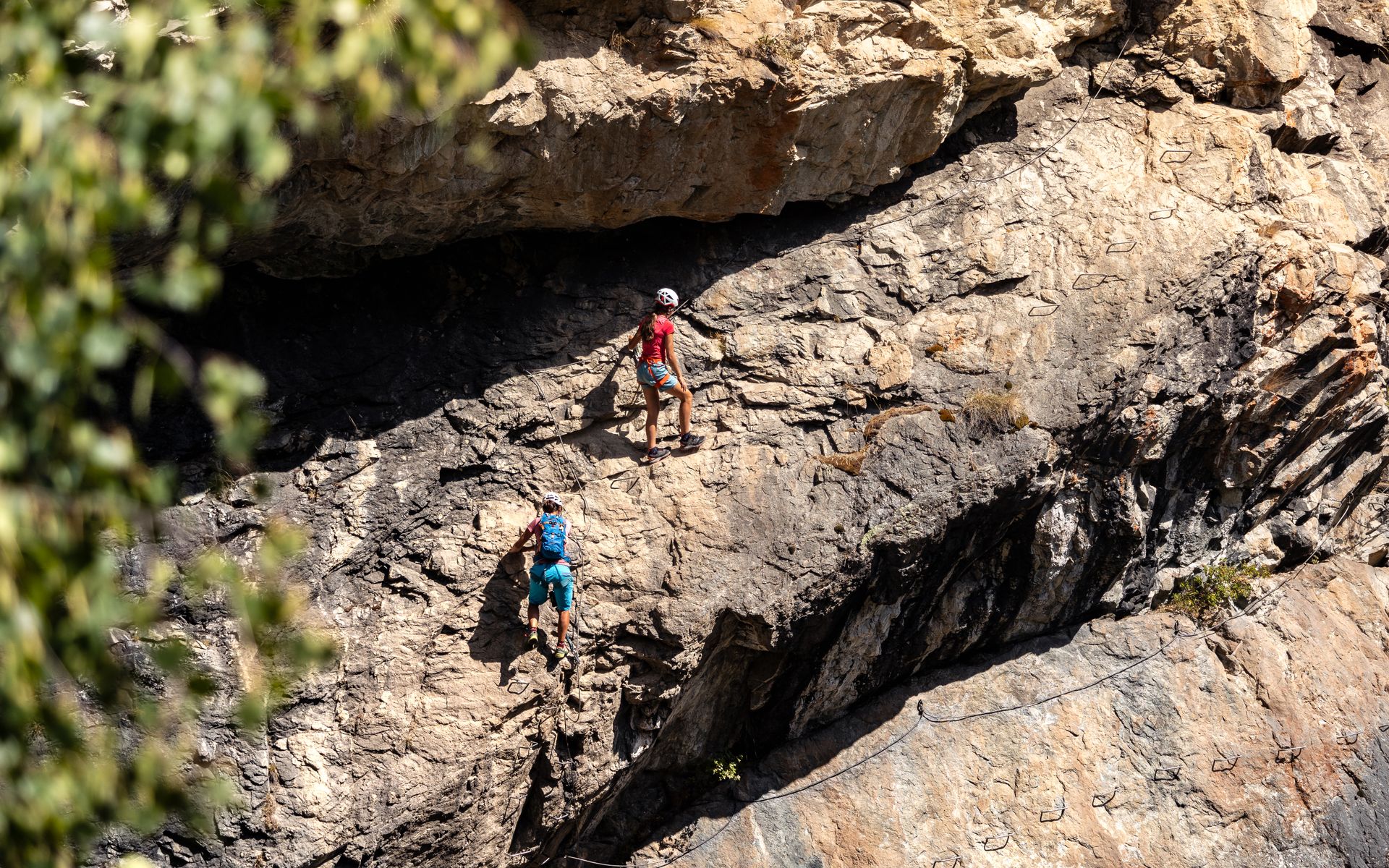
Via ferrata and klettersteig
Protected climbing routes that give access, without climbing experience, to places otherwise reserved for alpinists.
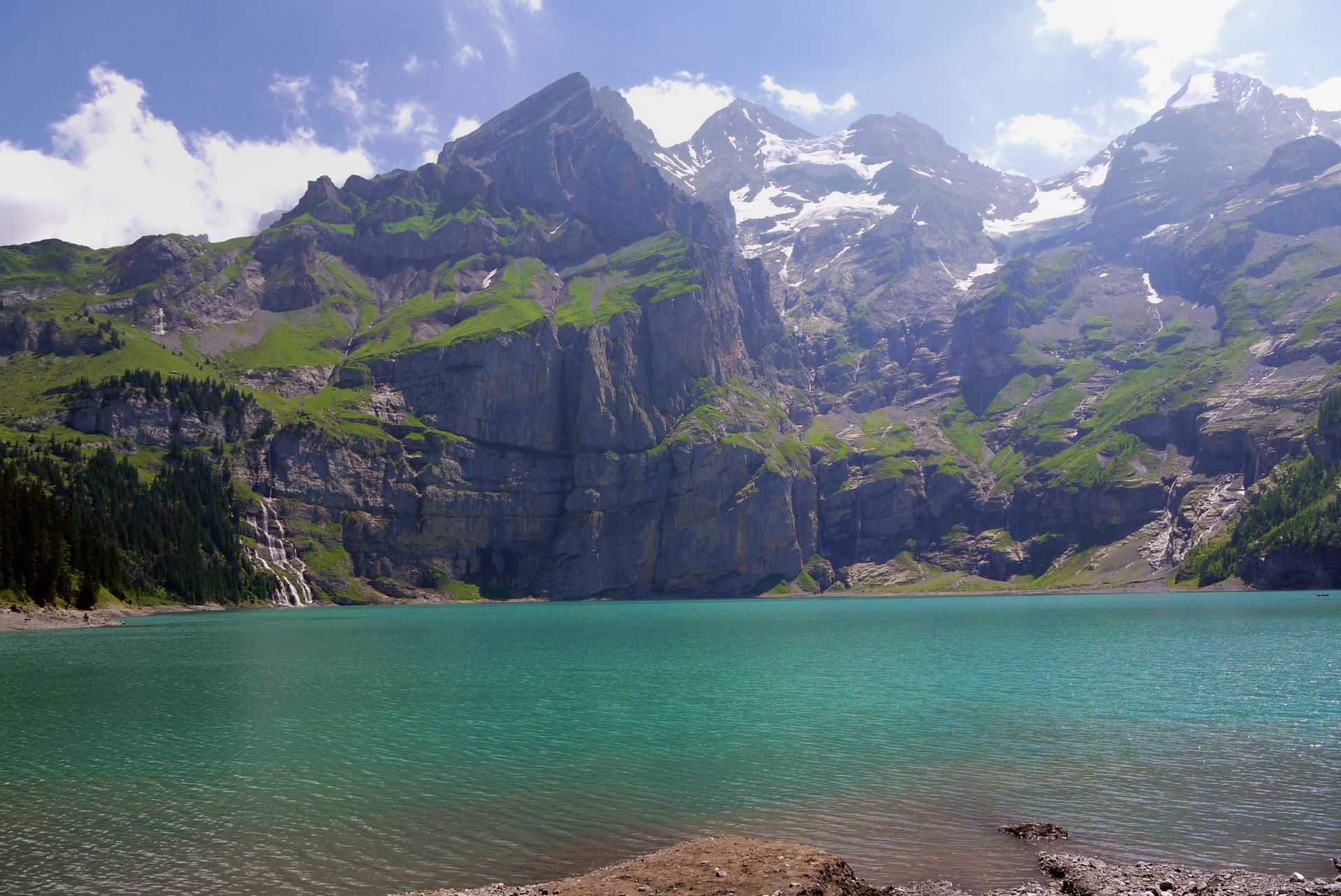
Swimming at altitude
Glacial lakes that only give up their ice-cold water in July, often reachable only after an hour's climb, and usually completely still as a result.
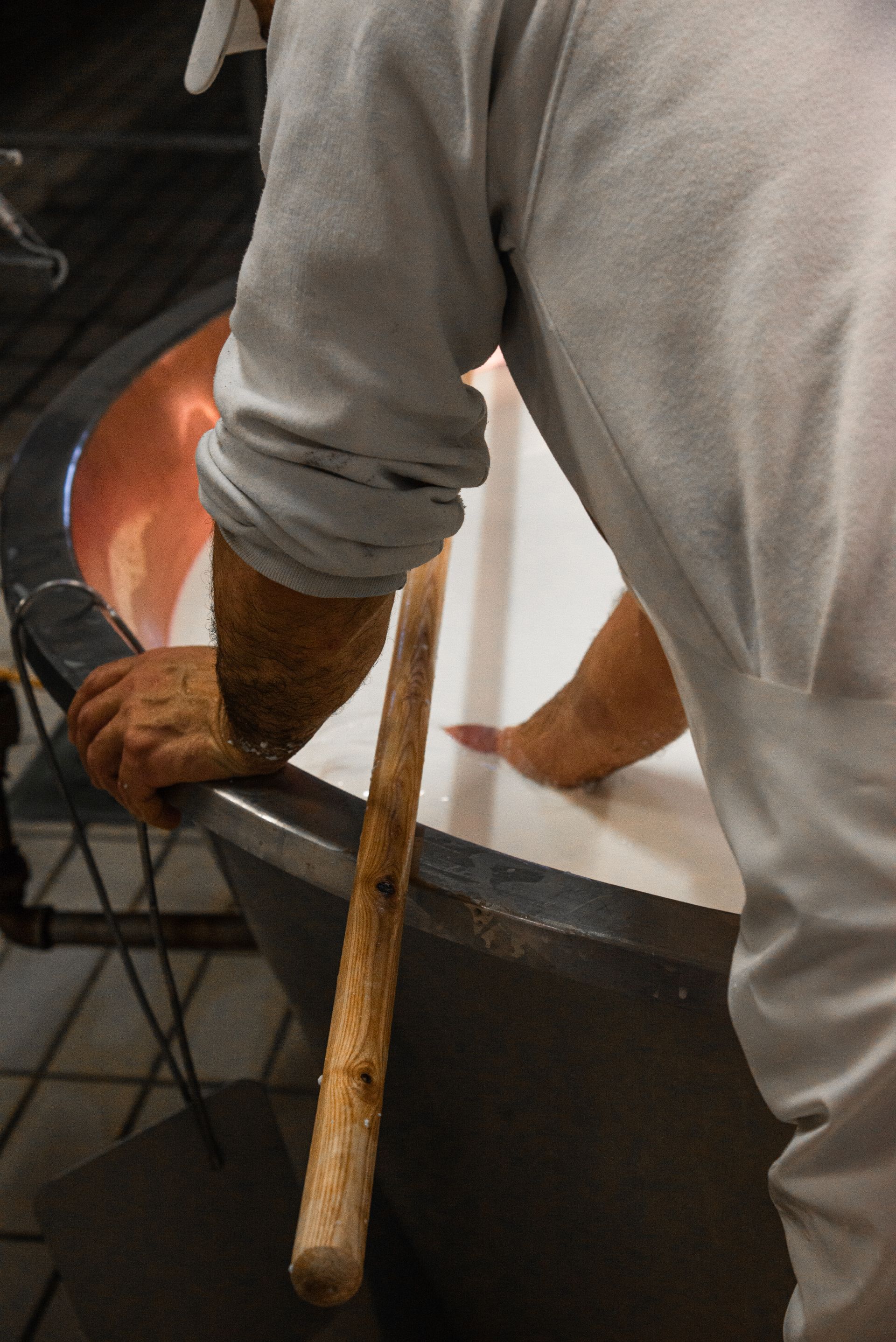
Cheese dairies on the alm
Visits to summer pastures where mountain cheese is still made daily in copper vats, with the herder as your only guide.
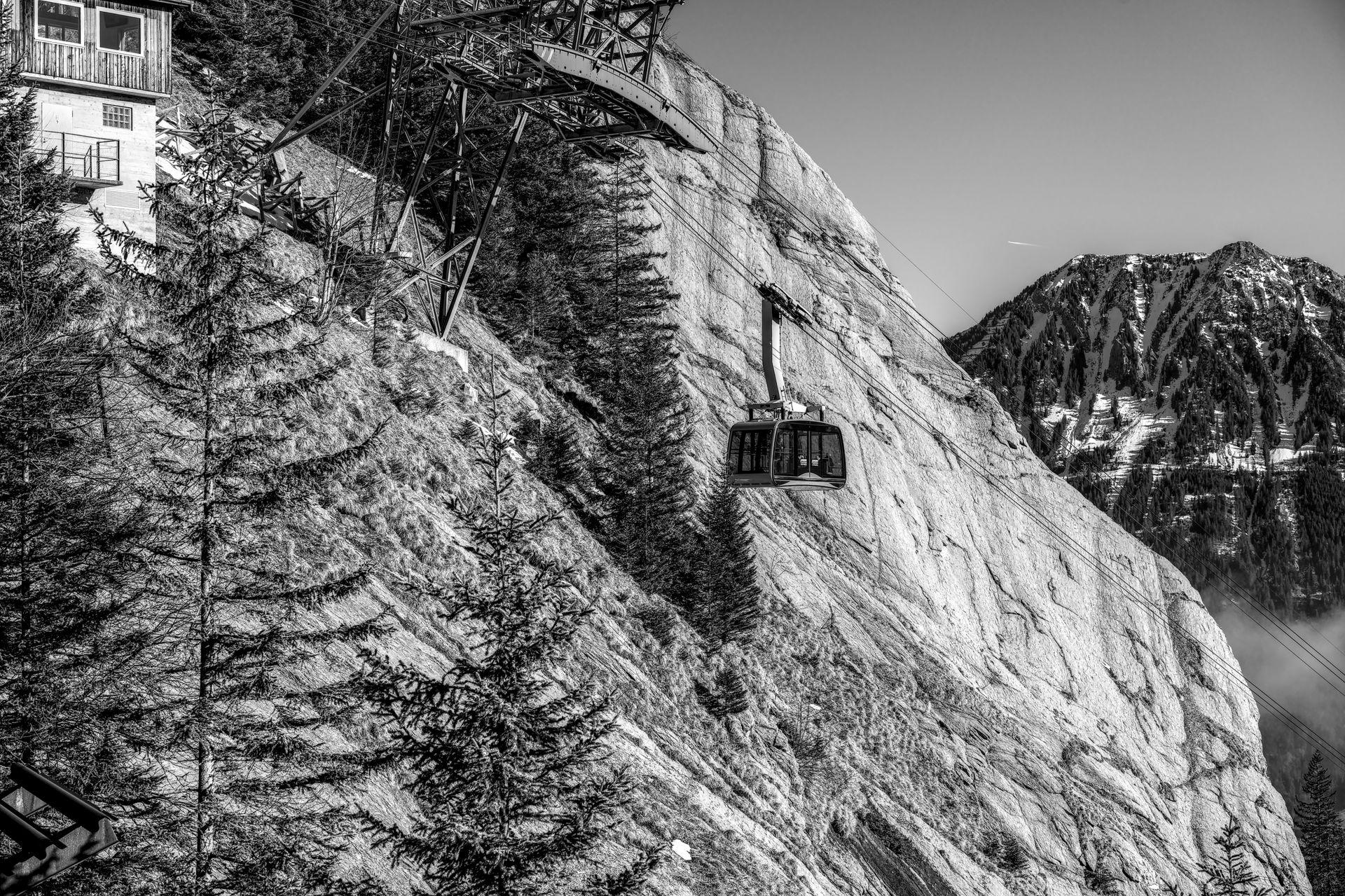
Cable cars as a starting point
Not to ski down, but to clear the treeline quickly and start a high, open route from there.
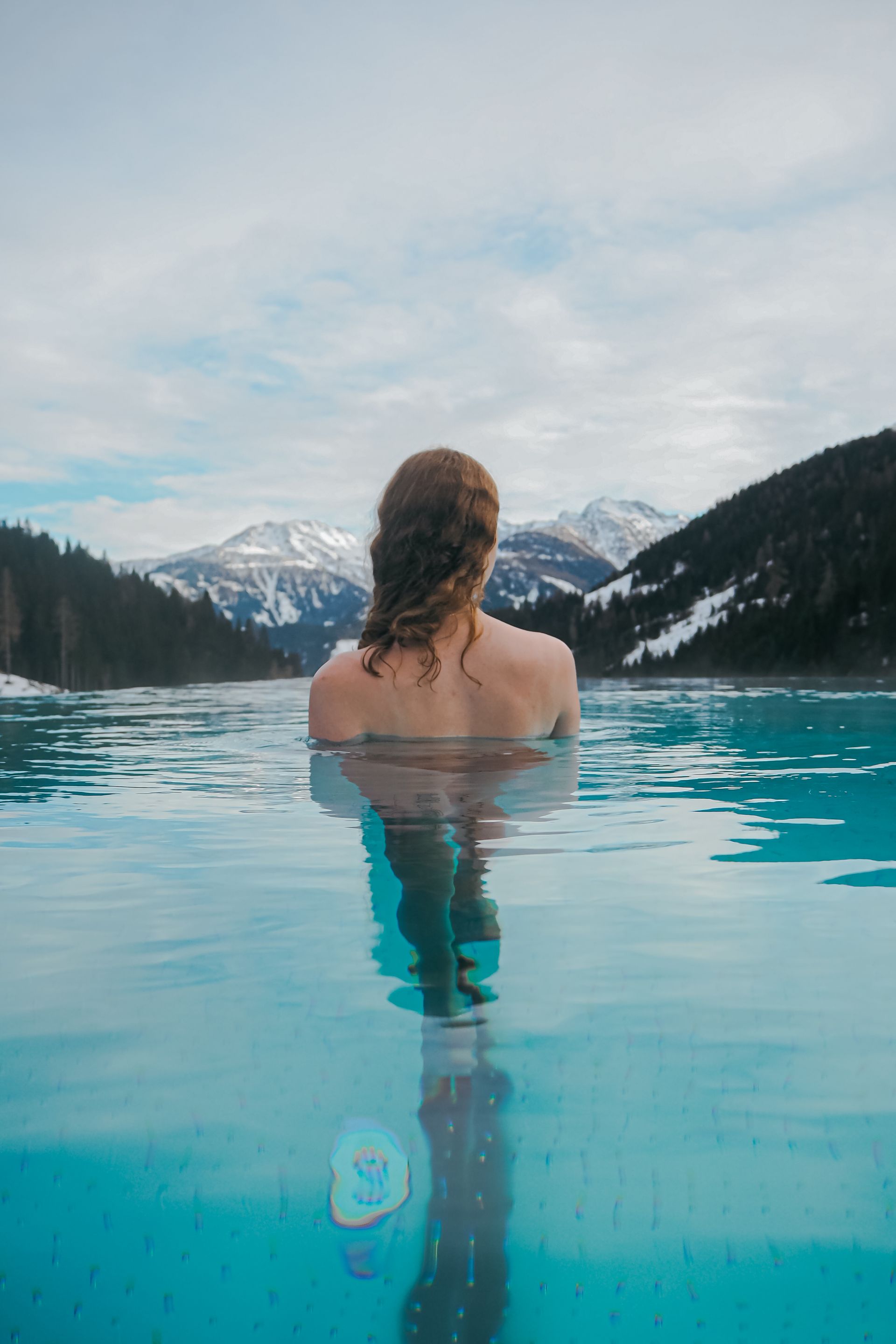
Warm water after a long day
Thermal springs in valleys such as that of Leukerbad or Bad Gastein, right where a day of walking most needs easing.
Every route is built around the pace and level of whoever is going. Never around a fixed daily schedule.
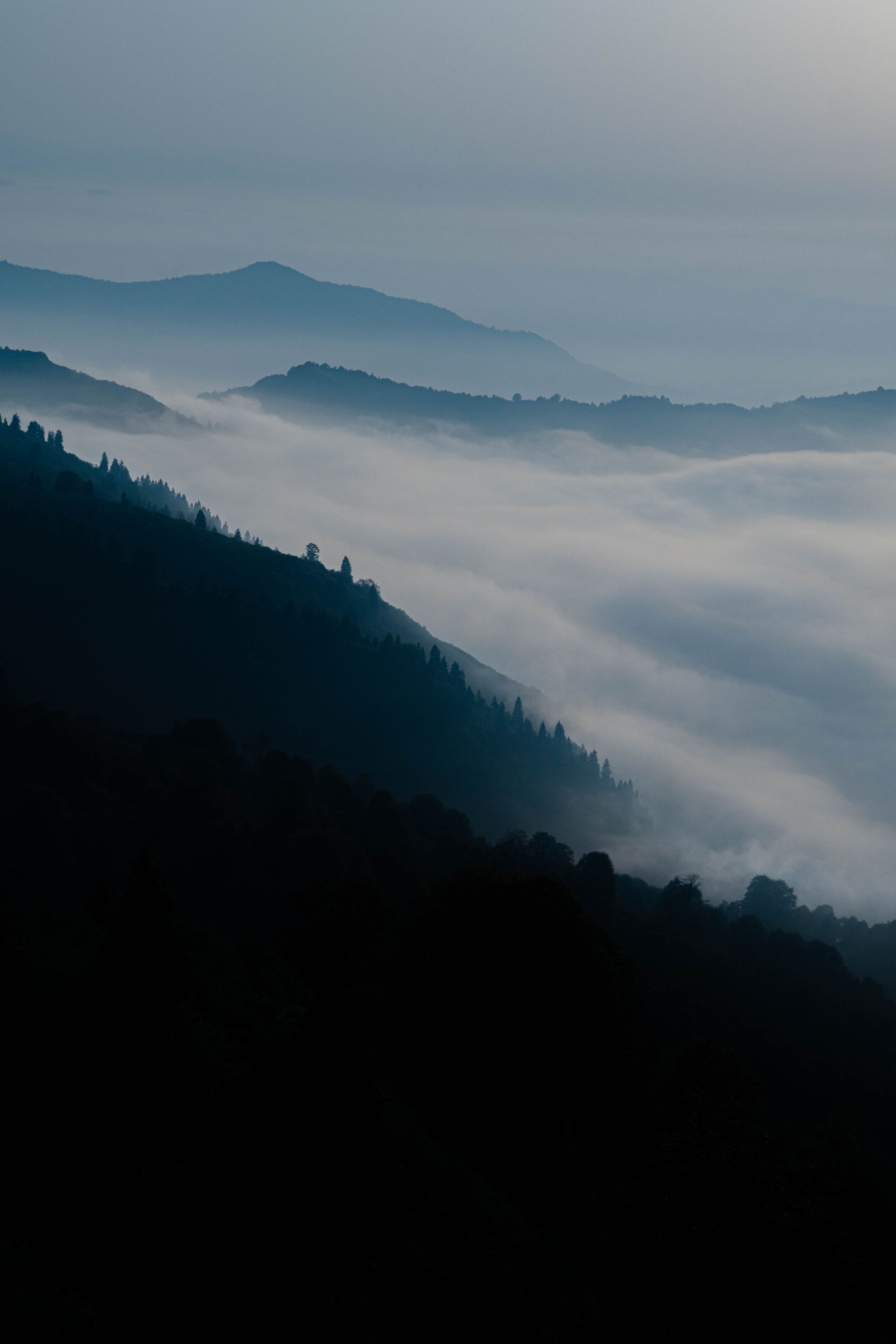
Above the treeline, the perspective shifts faster than the map suggests.
When would you travel?
When the high routes are open.
Altitude sets the season more strictly than the country does. Snow can still lie on many passes into June, and most refuges close again from October. The window for the high routes is narrow but reliable.
Those who prefer the lower valleys and lakes can stretch that window at either end. May and October bring fewer people and sharper light. From January to March the snow lies deepest at altitude: that is a different kind of trip, with a window of its own, and the bar above counts those months in.
Best time to visit The Alps
Jan
Feb
Mar
Apr
May
Jun
Jul
Aug
Sep
Oct
Nov
Dec
Top: high refuges open, passes clear of snow, the alms in full bloom.
Good: lower routes and valleys easily walkable, high passes variable.
Fair: suited to valley walks and towns at the foot of the range, not the high routes.
Same months, other destinations
Who else is at their best in these months?
Not ready to ask yet?
Leave your email address. A month before the good time begins, we send you one reminder. Nothing more.
You will first get an email to confirm. You can unsubscribe at any time, with one click.
Rather talk it over?
Leave your name and number. We will call you at a time that suits you.
Looking past the highlights
Why we don't treat the Alps as one country.
No list of peaks. We don't plan a route to tick off as many summits as possible, but to get to know one stretch of range well, often no more than two or three neighbouring valleys.
The border as a route, not an obstacle. Some of the finest routes deliberately cross a national border, from a French into an Italian valley along the same ridge, precisely because the landscape doesn't notice.
Refuge over hotel. Where we can, we choose a night in a mountain hut over a valley hotel: less comfort, but the only vantage point that truly shows the high mountains.
Quiet valleys over famous names. For every Zermatt or Chamonix there's a lesser-known side valley with the same landscape and a tenth of the crowds.
Worth knowing
Practical, without the noise.
A few things that shape the pace of a trip through the Alps.
- Getting there
- By train into the valleys (TGV, Swiss and Austrian railways), or fly into Geneva, Zurich, Milan, Munich or Ljubljana as a starting point.
- Documents
- Schengen area, but Switzerland pays in Swiss francs, not euros.
- Altitude and health
- From around 2,500 metres, mild altitude fatigue can set in; routes are built with enough acclimatisation days.
- Pace
- Walking days of four to seven hours are standard on the high routes, with rest days in the valley in between.
- Kit
- Sturdy footwear and layered clothing aren't a luxury: temperature and weather can shift sharply within a single day between valley and summit.
Frequently asked questions
Do I need to be an experienced walker?
No. The range offers gentle valley walks and short cable-car outings just as readily as multi-day high routes. We match the level to whoever is going.
What happens if the mountain weather turns?
It happens, and every route allows for alternative, lower-altitude days. Local guides often read the signs hours in advance.
Can a trip through the Alps be combined with a city?
Certainly. Geneva, Milan, Innsbruck or Ljubljana all lie a short distance from the range and work well as a start or finish.
Is staying within one Alpine country enough, or is crossing borders better?
Both work. Some travellers deliberately choose one valley to really slow down, others want to feel exactly the shift between, say, French and Italian mountain culture.
Or perhaps this
Other destinations
Still weighing it up? That is no problem at all. The right country often only becomes clear once the conversation starts.
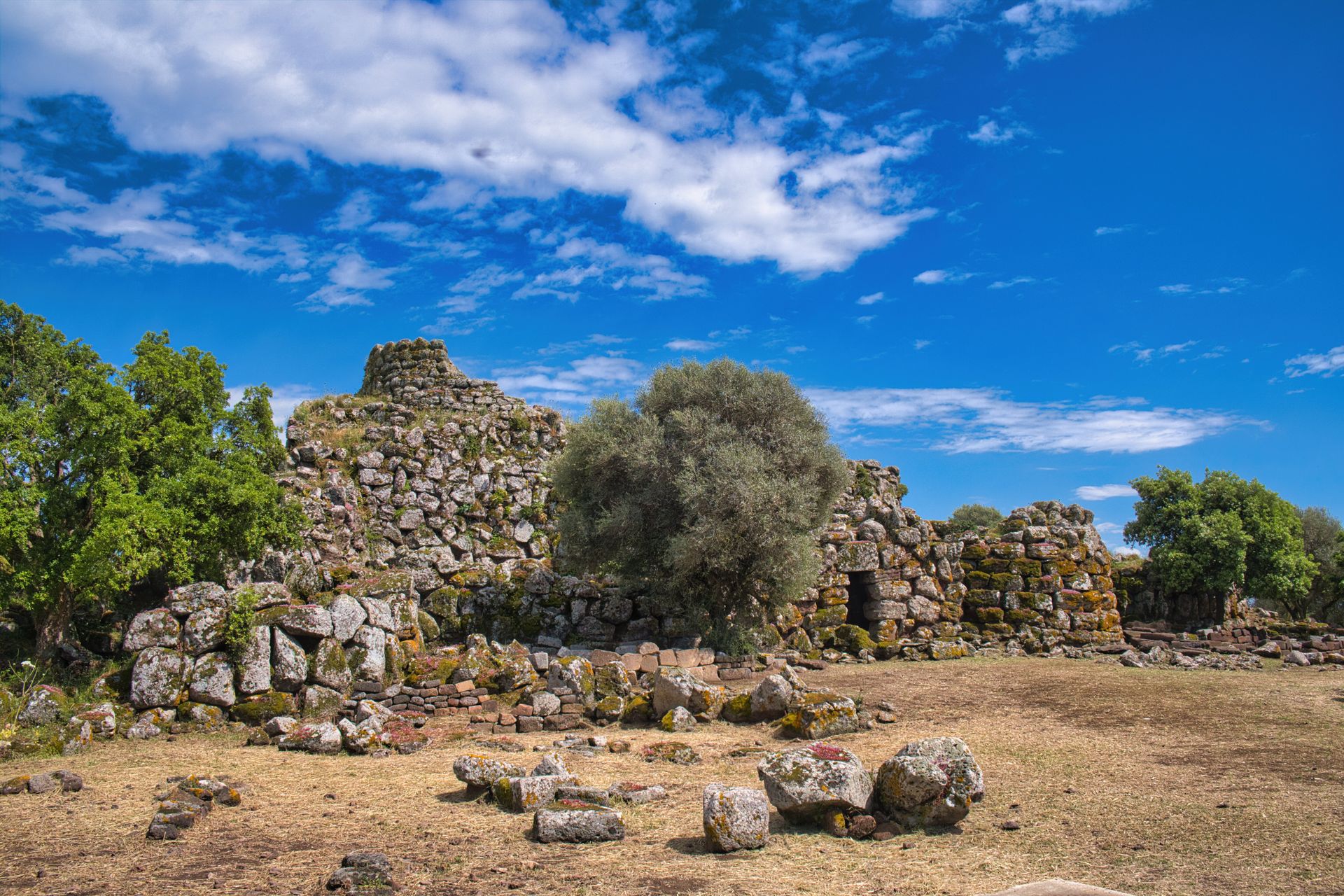
Tyrrhenian Sea
Sardinia
Sardinia has a rugged interior that wants little to do with the glamour of its own coastline.
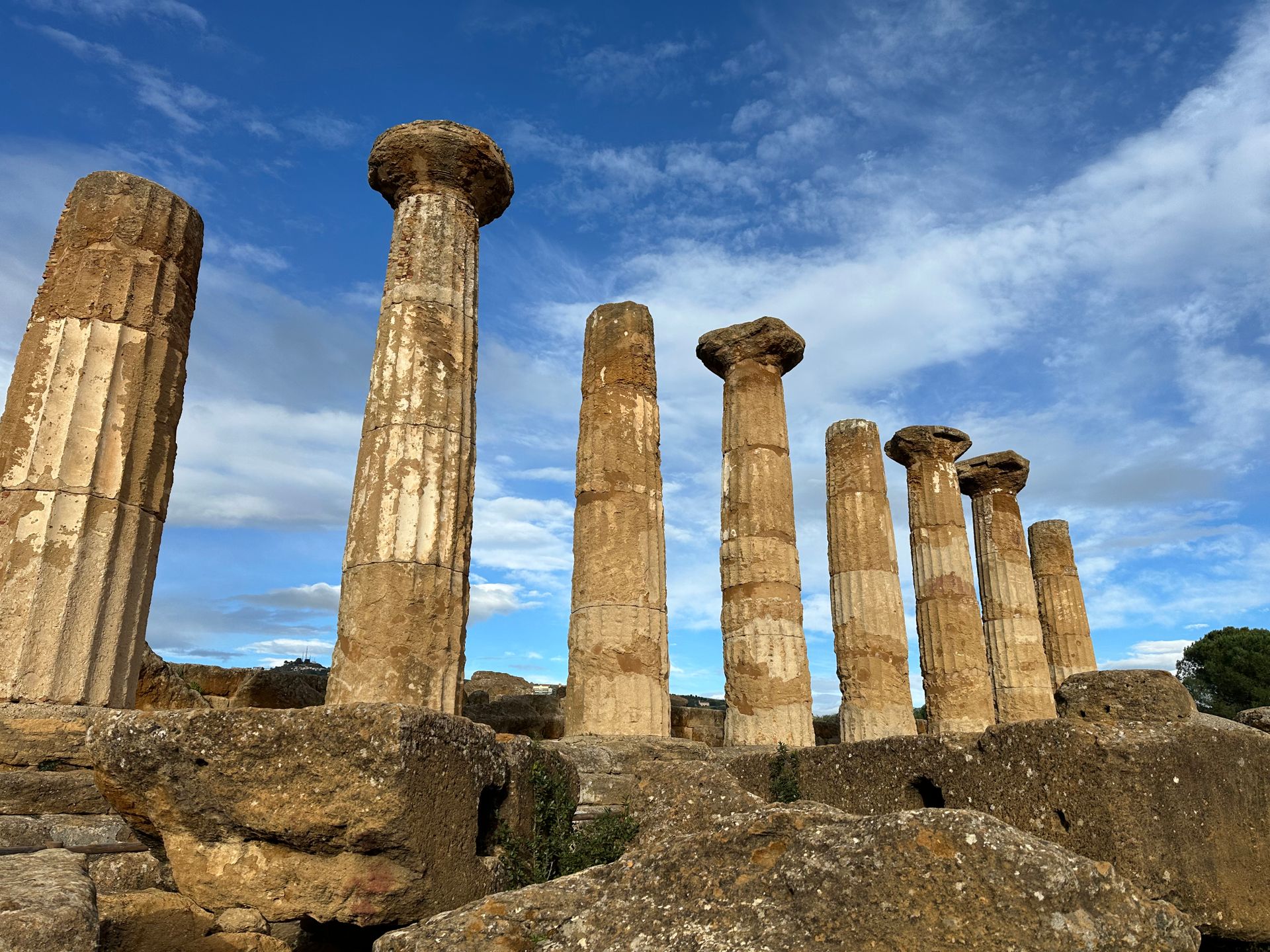
Strait of Sicily
Sicily
Sicily carries the traces of Greeks, Arabs and Normans, with a volcano that always keeps the last word.
Oceania
Australia
A reef off the north-east coast, red rock in the centre, and an Aboriginal history tens of thousands of years deep.
How it works
This is how your journey to The Alps takes shape.
Six steps, from your first story to your homecoming. The conversation and the feasibility check cost you nothing.
-
01
Tell us your story
Fill in the form or give us a call. You do not need a route yet: a country, a period or just an idea is enough.
-
02
The conversation and the check
We call you within two working days. We talk through what you are looking for and check whether it can be done. If it can, we set down together what we will make for you.
-
03
We design your journey
We build your programme up, day by day, together with our own people in the country itself.
-
04
Your proposal
You read your journey day by day, with everything that is included. You say what you would like differently, until it is right.
-
05
Ready to depart
You send us your details, we send you your travel documents. You have one fixed contact who knows your journey.
-
06
Travelling, and after
Your contact stays reachable while you are away. Once you are home, we call one more time.
The next step
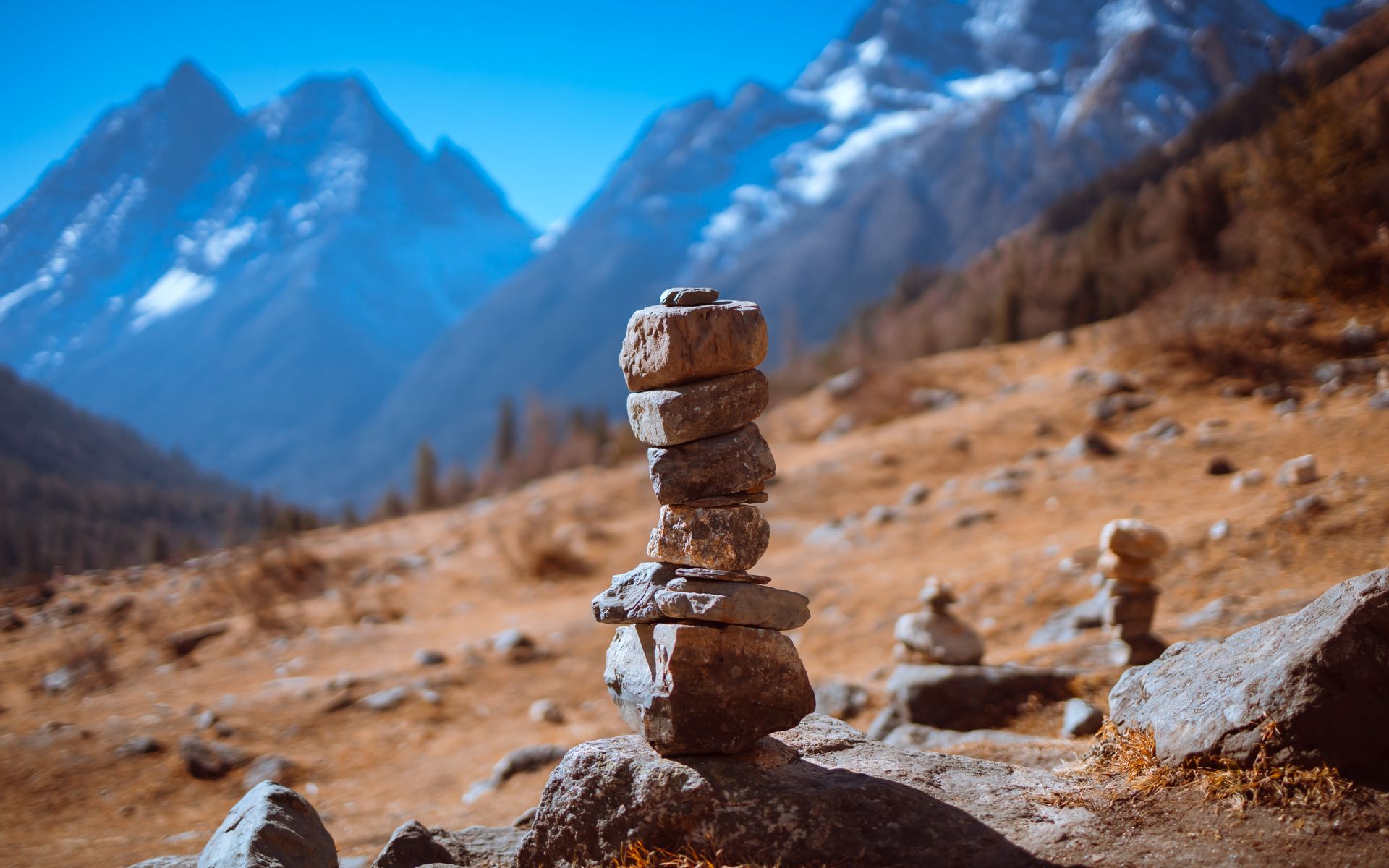
Which stretch of the range calls to you?
Tell us whether you're drawn to the quiet of a high French valley, the colour of the Dolomites, or the lesser-known eastern edge around the Julian Alps. We'll map out a route together.
Updated in October 2026