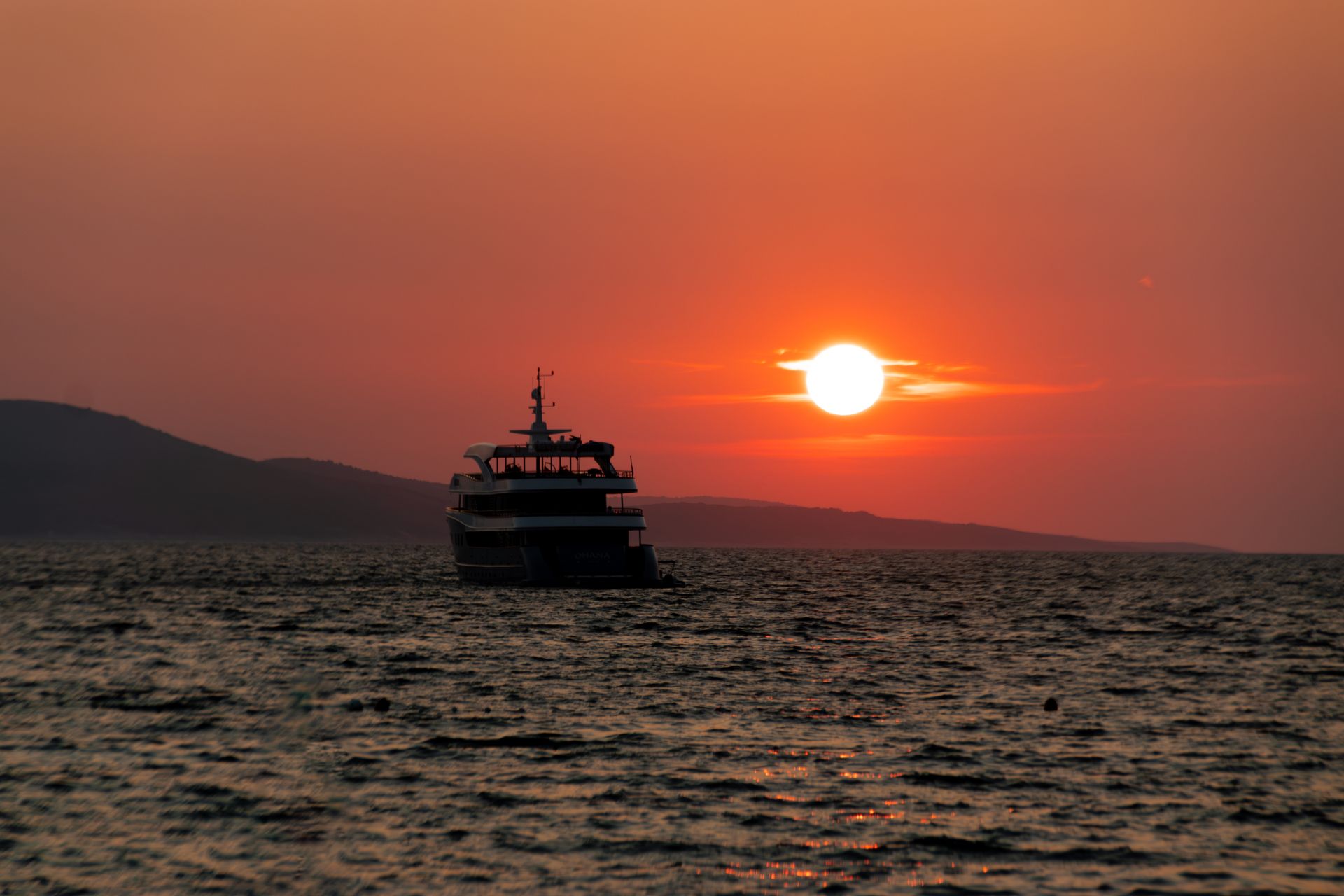
Adriatic coast
Croatia
A thousand islands, and almost no one counts them all.
This is Croatia
A coast of stone and pine, island after island.
The pace slows the moment the roads narrow.
Follow just the coastline and you'll see a country that's easy to sum up: limestone, pine trees, a sea that shifts from turquoise to deep blue the moment the seabed drops away. But between Poreč and Dubrovnik lie hundreds of variations on that theme: Istrian hill villages that recall Tuscany more than the Balkans, Kvarner islands where the wind decides the weather, and a Dalmatian coast where every town has kept its own stone, its own dialect and its own way of cooking.
Behind that coast lies another Croatia, one that most travellers skip. The interior around Zagreb is green and rolling, with vineyards in Zagorje and the Plitvice lakes that recall the Alps more than the Adriatic. Combine both worlds and you notice how quickly the country changes character the moment the motorway disappears behind you.
In short
- Best time to go
- May, June, September and October: warm days, quieter squares and pleasant sea temperatures in June and September. July and August are hot and crowded, especially in Dubrovnik and Split.
- How long
- Ten days to two weeks for a stretch of coast with two or three islands, or for coast and inland together. Ferries run on seasonal timetables, so do not plan too many crossings.
- Who it suits
- For travellers who want to combine coast and islands with walking or cycling, with the hill villages of Istria or with the vineyards and lakes inland, and who prefer to travel outside July and August.
- What sets it apart
- With over 1,200 islands, islets and rocks, Croatia has the largest archipelago in the Adriatic. Inland at Plitvice, travertine barriers form a staircase of sixteen lakes.
The regions
Six faces, five of them on the sea.
Croatia can't be summed up in a single region. From the Italian-tinged hills of Istria to the bare islands of the Kvarner Gulf and the historic city-states of southern Dalmatia, each region has its own rhythm.
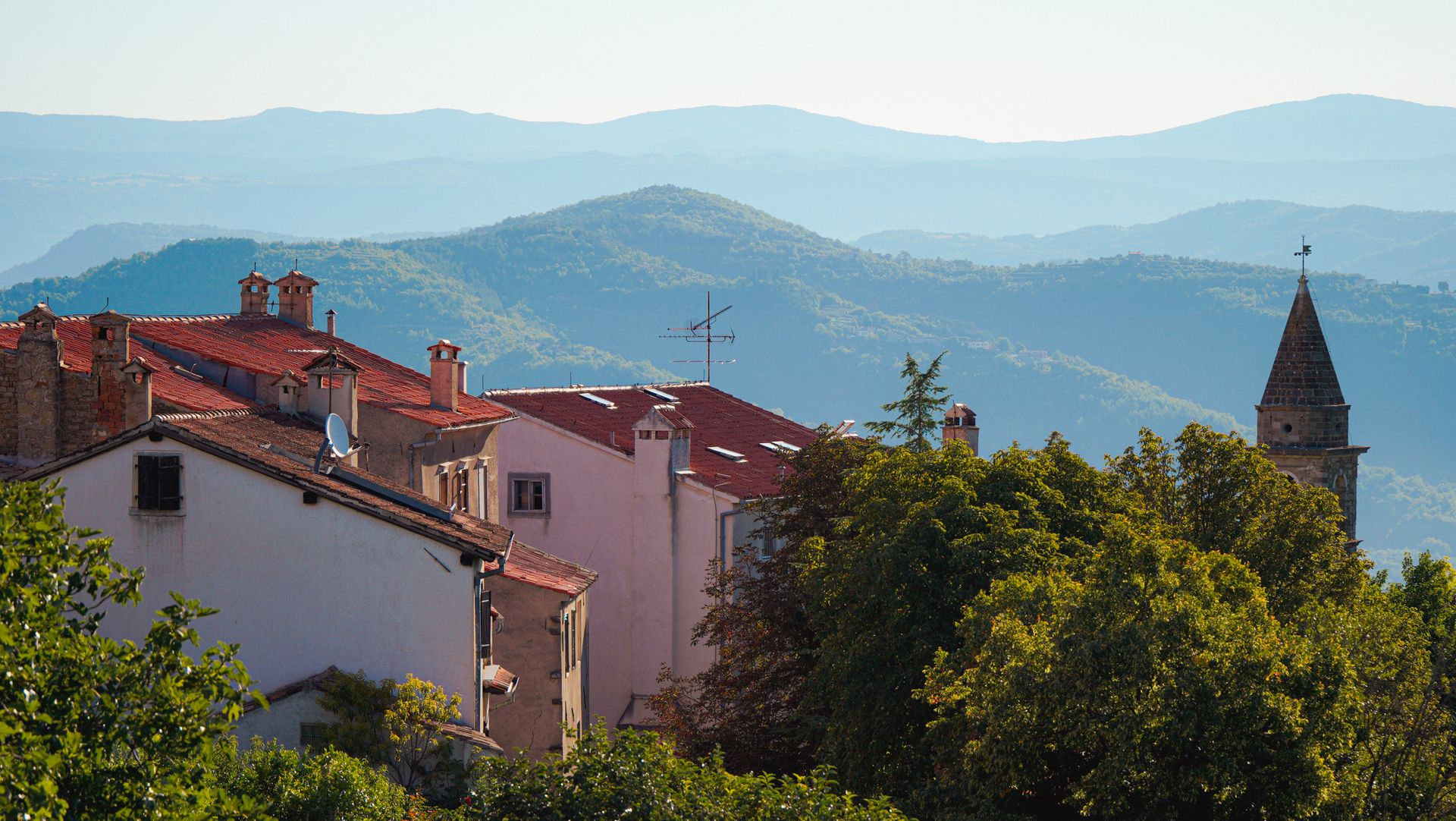
Northwest, across from Venice
Istria
Walled hilltop villages such as Motovun and Grožnjan, truffles from the forests of the Mirna valley, and a coastline with Rovinj as its most photogenic town. It feels Italian, and that's no accident.
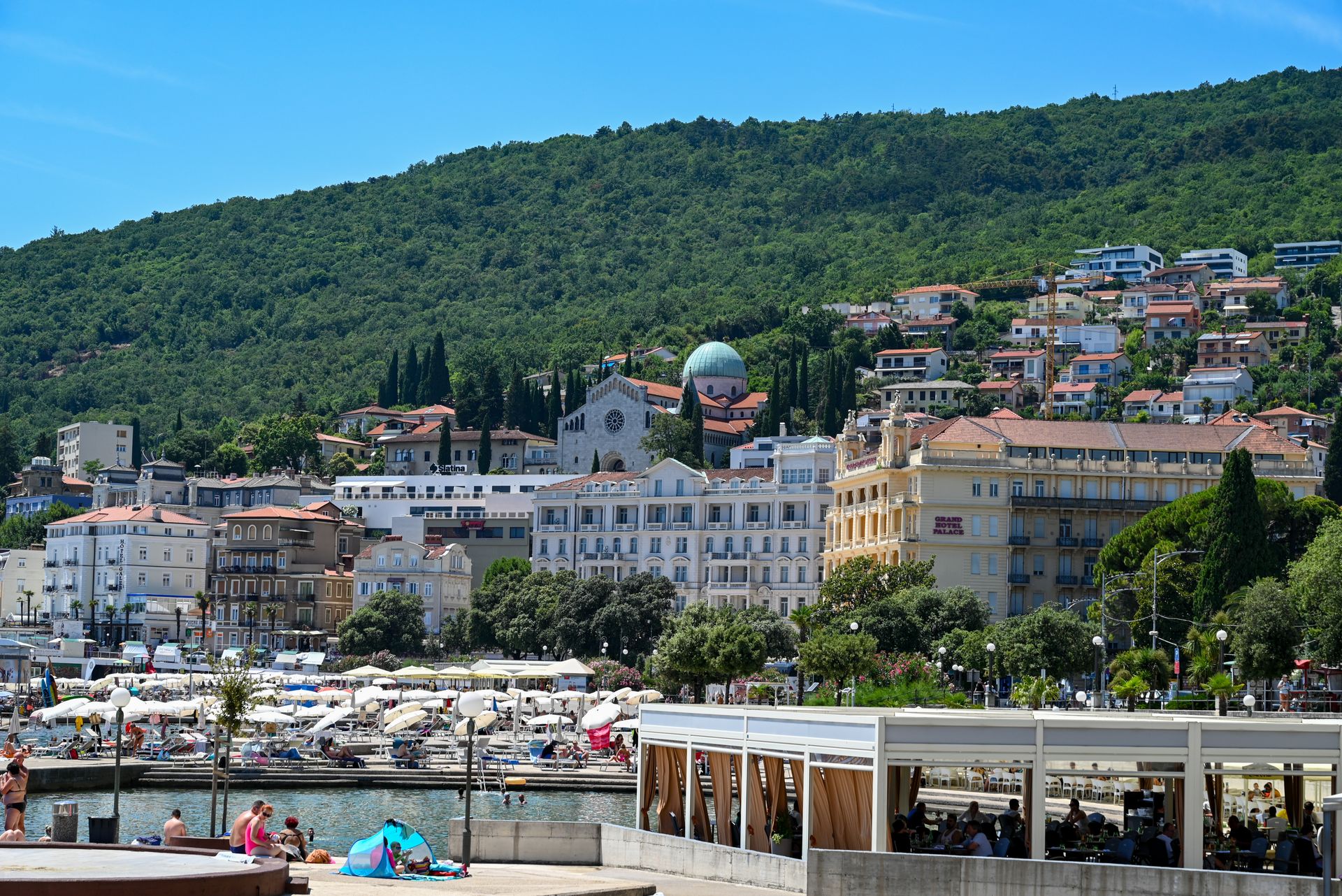
Gulf between Istria and Dalmatia
Kvarner
Opatija with its nineteenth-century boulevards, the island of Krk with a bridge to the mainland, and Cres where the bora wind has bent centuries-old oaks into shape. Less photographed, and therefore quieter.
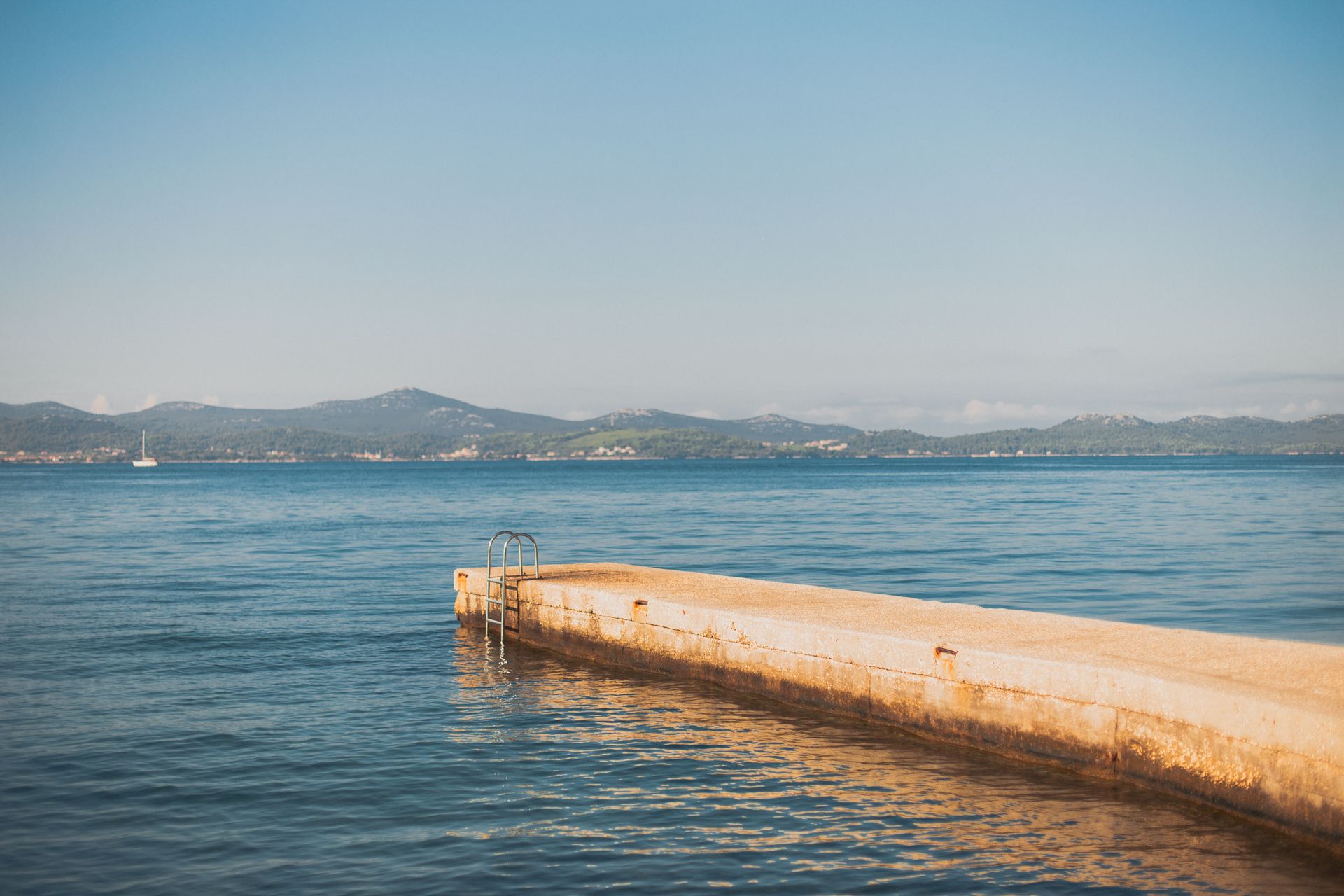
Around Zadar and the Kornati
North Dalmatia
Zadar, with a Roman forum in the middle of town and a sea organ that plays to the rhythm of the waves. Off the coast lie the Kornati, an archipelago of bare limestone islands with no permanent residents.
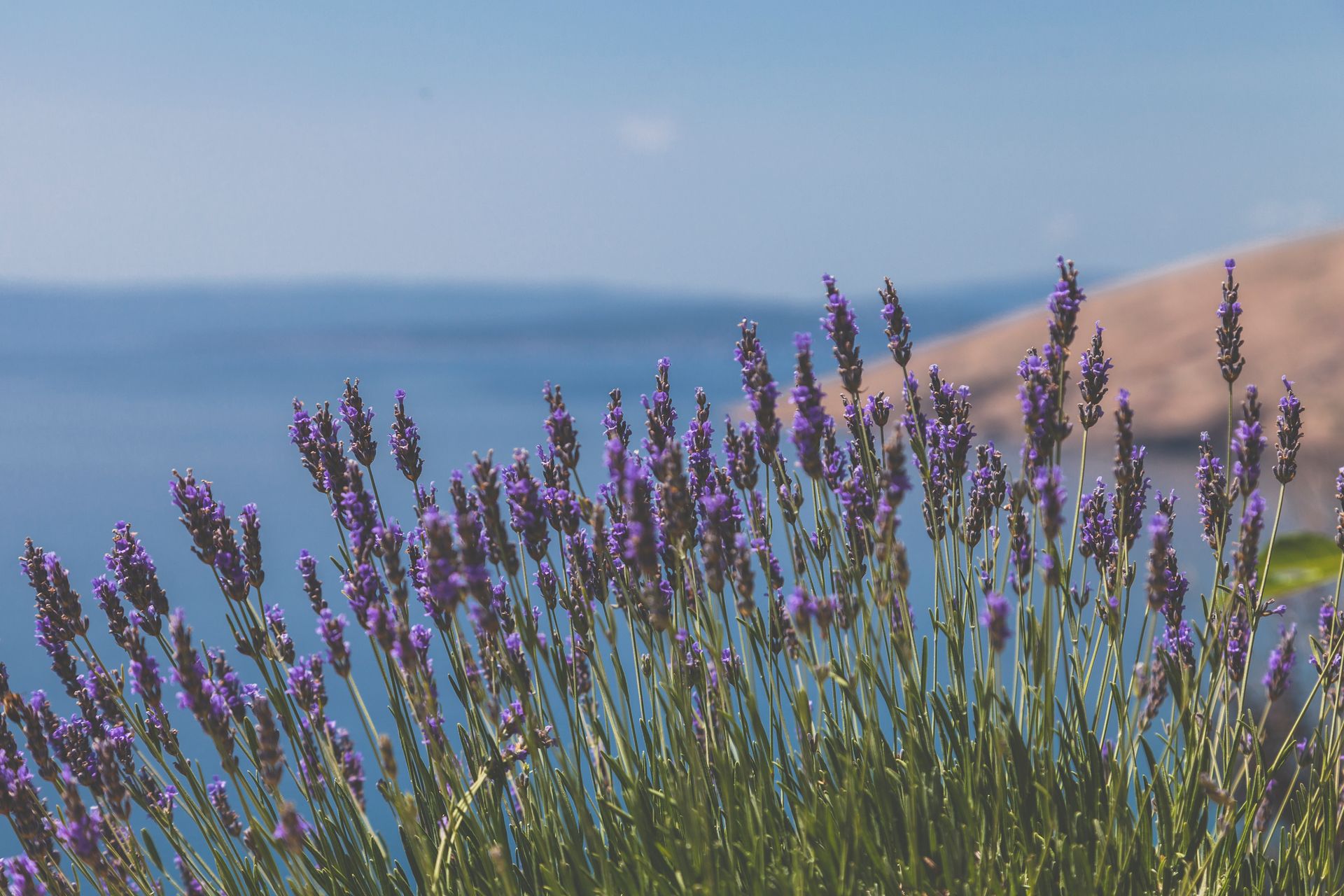
Split and the islands of Hvar, Vis and Brač
Split and the islands
Split, where Emperor Diocletian's palace still forms the old town. From here, ferries sail to Hvar with its lavender fields, Vis, which was closed military territory until 1989, and Brač with the beach at Zlatni Rat.
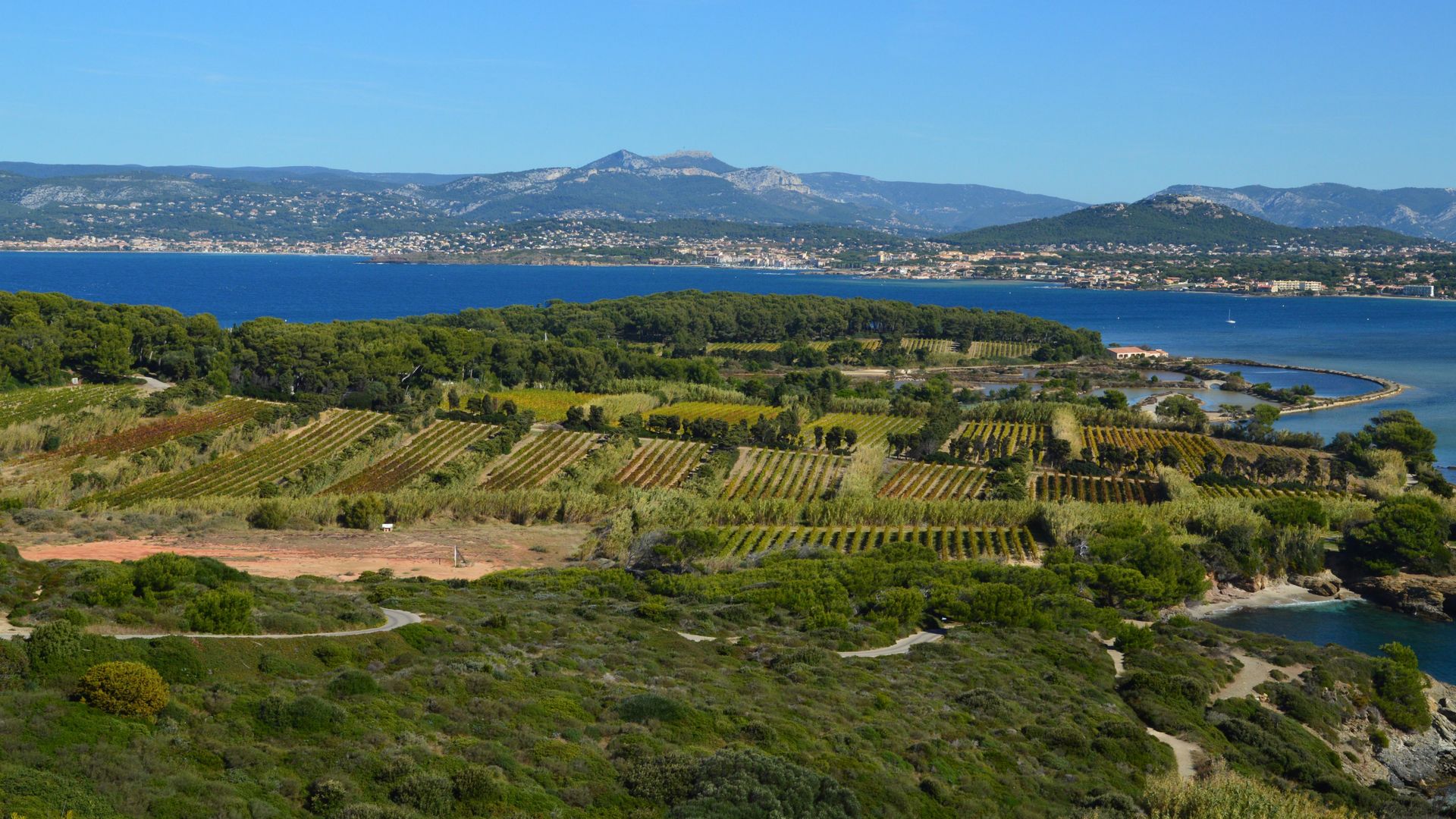
Dubrovnik and the Pelješac peninsula
South Dalmatia
Dubrovnik draws the attention, but the Pelješac peninsula behind it has vineyards, oyster beds in the Bay of Mali Ston, and villages where no one asks for a photo.
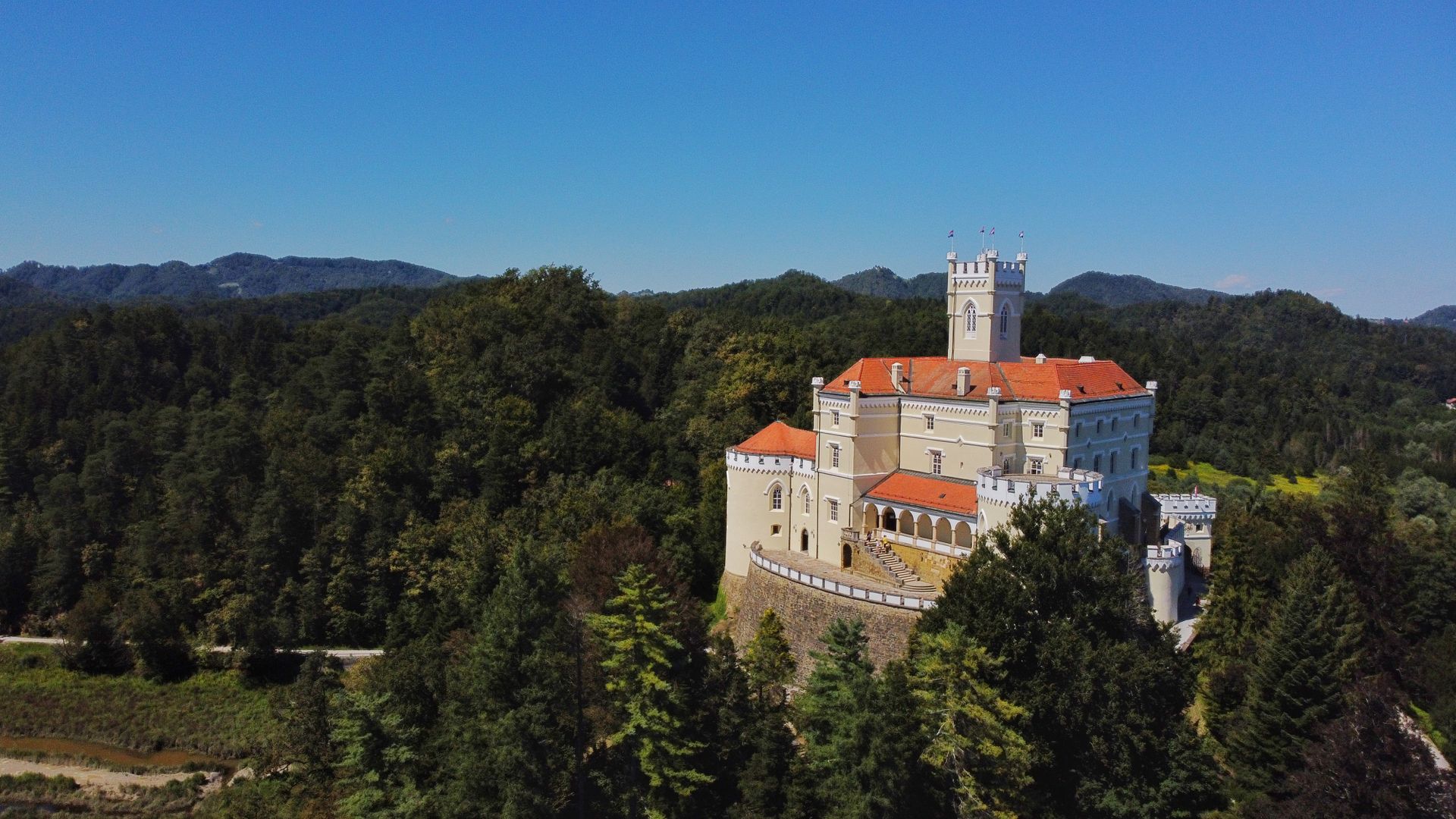
Zagreb and Zagorje
The interior
Zagreb, a Central European capital with Austro-Hungarian flair, and around it Zagorje: rolling hills with castles and spa towns, a completely different Croatia from the coast.
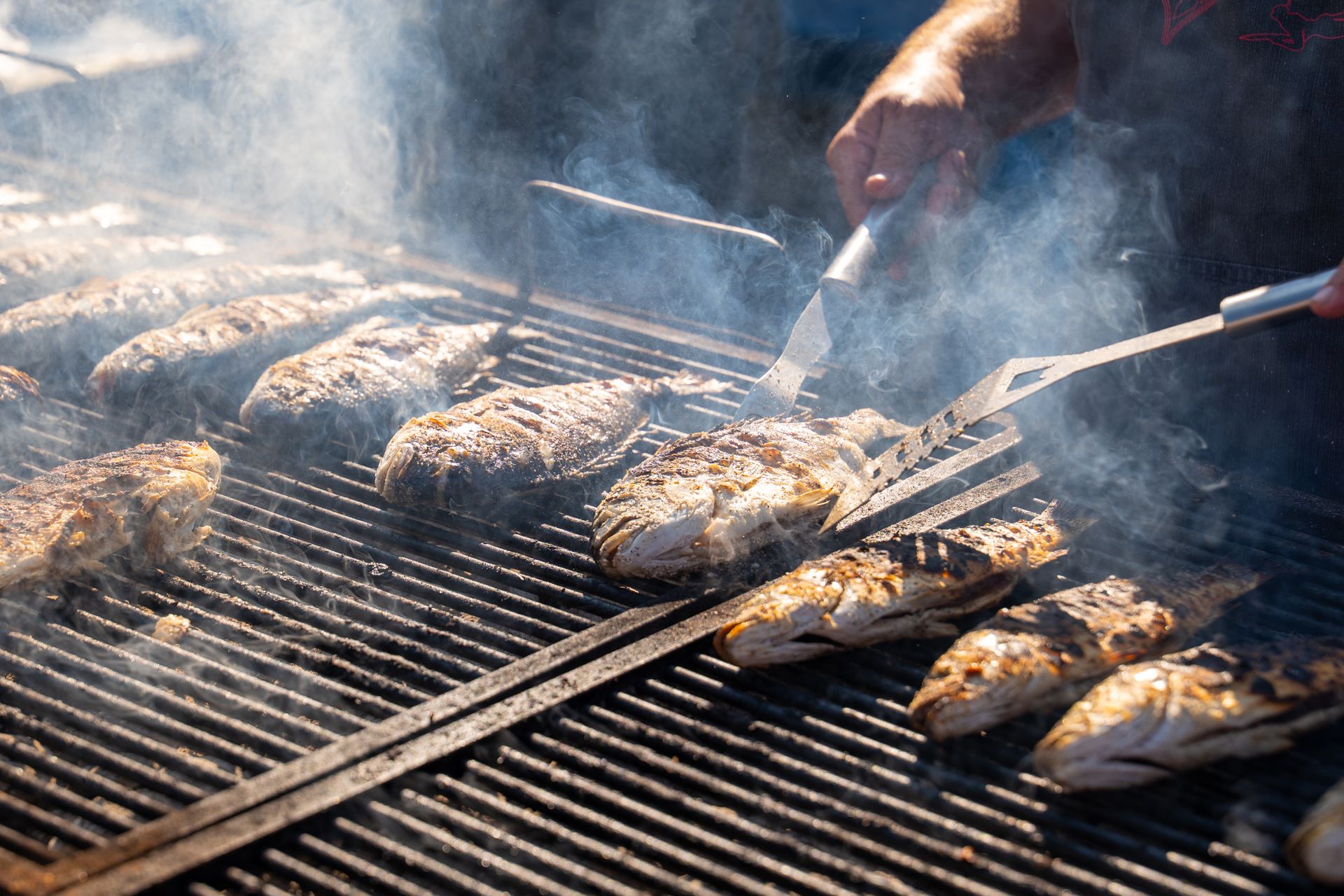
At the table
Two cuisines, one country.
The coast eats Mediterranean: grilled fish, squid, olive oil from Istria ranked among the best in Europe, and truffles that were still in the ground that morning. In every port town you'll find a konoba, a simple eatery where the menu changes with whatever came in that day.
Inland, the table changes completely. In Zagorje, people eat as in Central Europe: stewed meat, štrukli with cheese, and wine from the hills around Varaždin. Slavonia, further east, cooks with paprika and pepper like its Hungarian neighbours. Taste both worlds and you understand better why Croatians never fit easily into a single category.
Nature
Water, stone, and the places in between.
Croatia's nature isn't only in the sea. From terraced waterfalls to bare island chains without a tree in sight, the variety lies in what water can do to limestone.
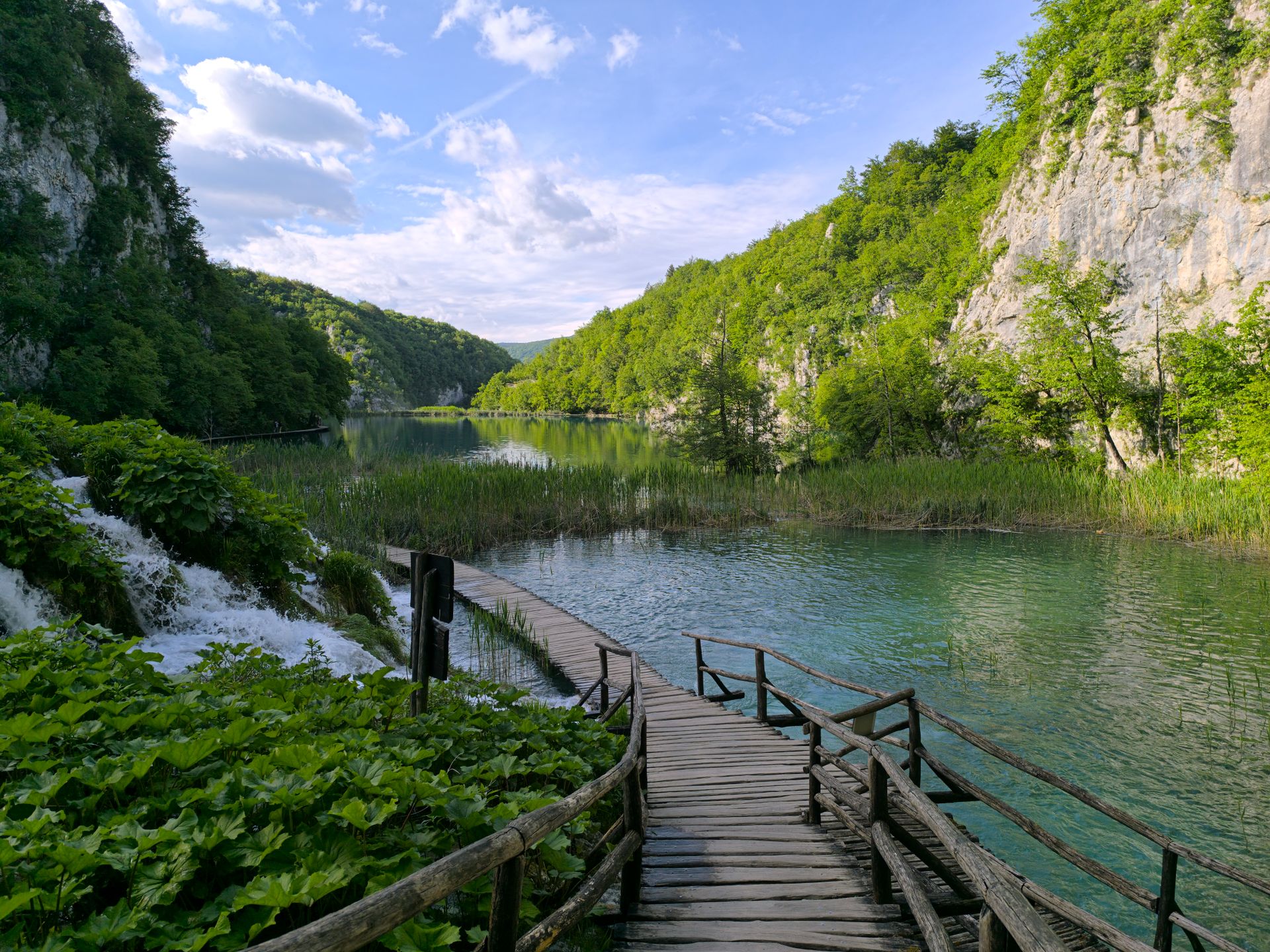
The Plitvice lakes
Sixteen lakes, connected by waterfalls, in a national park that's nearly empty early in the morning. Limestone and moss colour the water a green that shifts with the light.
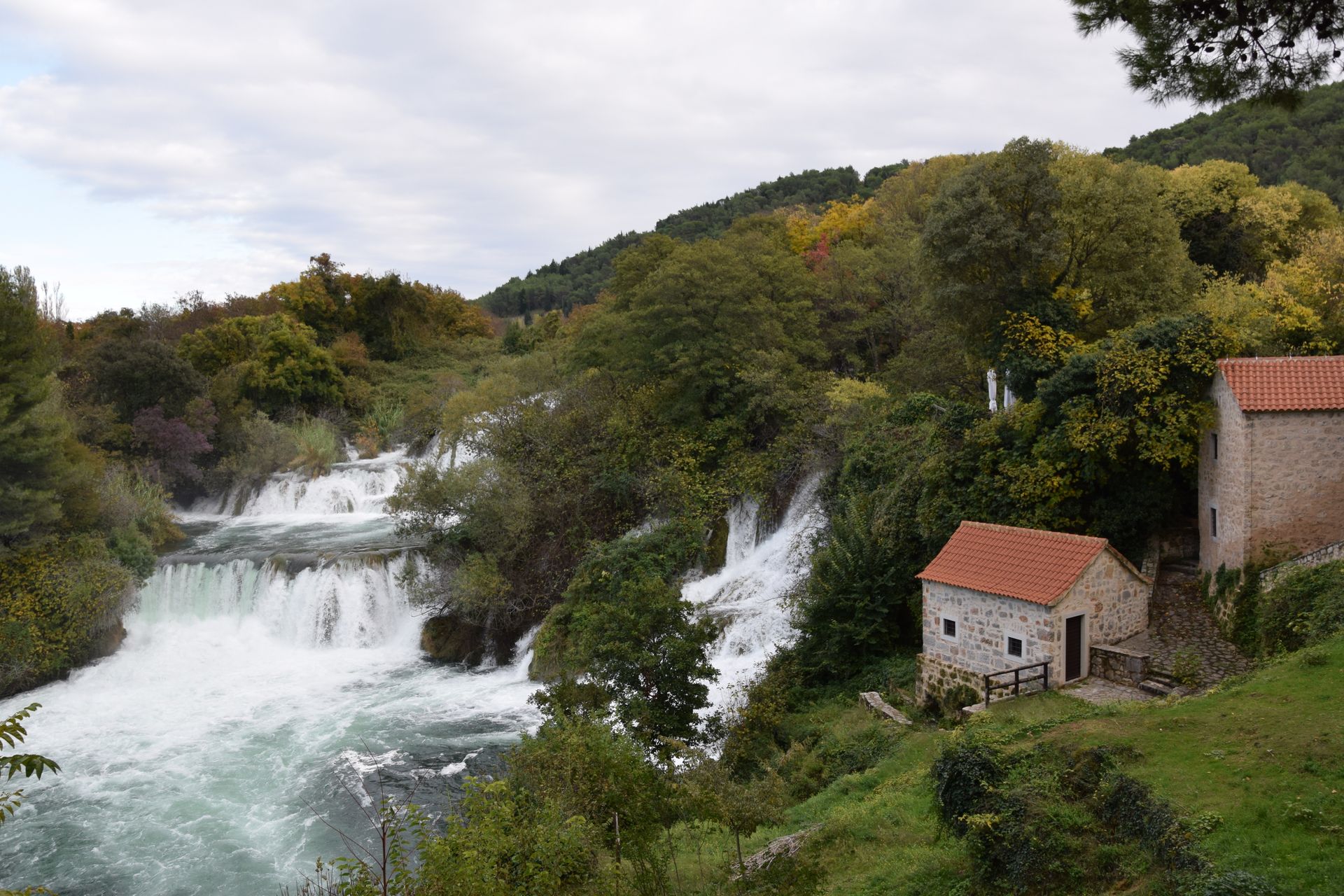
The Krka waterfalls
Rougher and more accessible than Plitvice, with a river working its way down through multiple levels. The old watermills along the bank recall a time when the river worked here, rather than merely putting on a show.
The Kornati archipelago
More than 140 islands with no permanent residents, so bare that George Bernard Shaw once said that on the last day of creation, God threw his remaining stones into the sea here. Reachable only by boat, and therefore quiet.
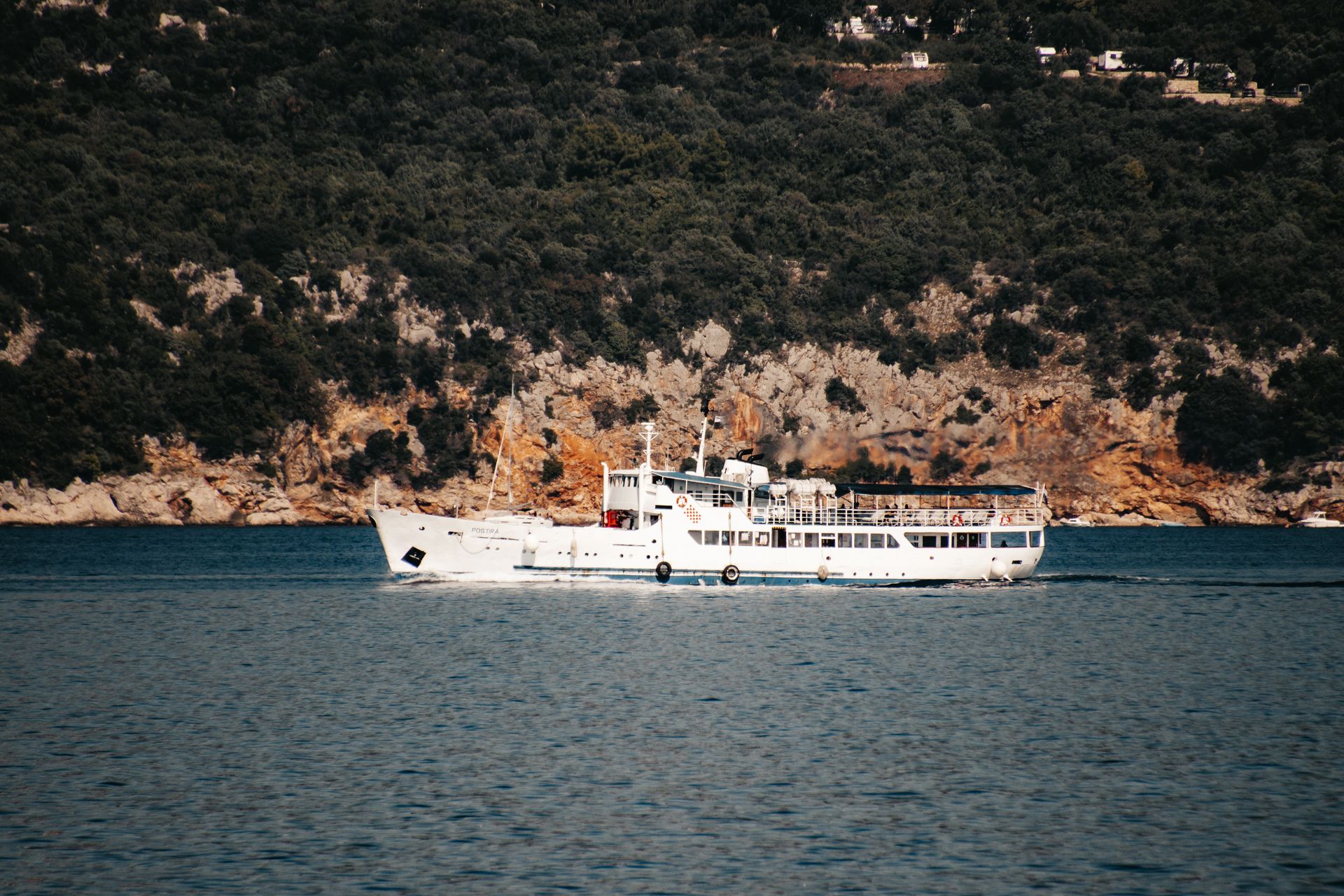
Between the islands, the ferry sets the pace, and that's exactly the point.
What you can do here
No checklist, but a rhythm.
Croatia suits those who take their time: a week on the water, days on foot inland, or a combination that isn't entirely fixed in advance.
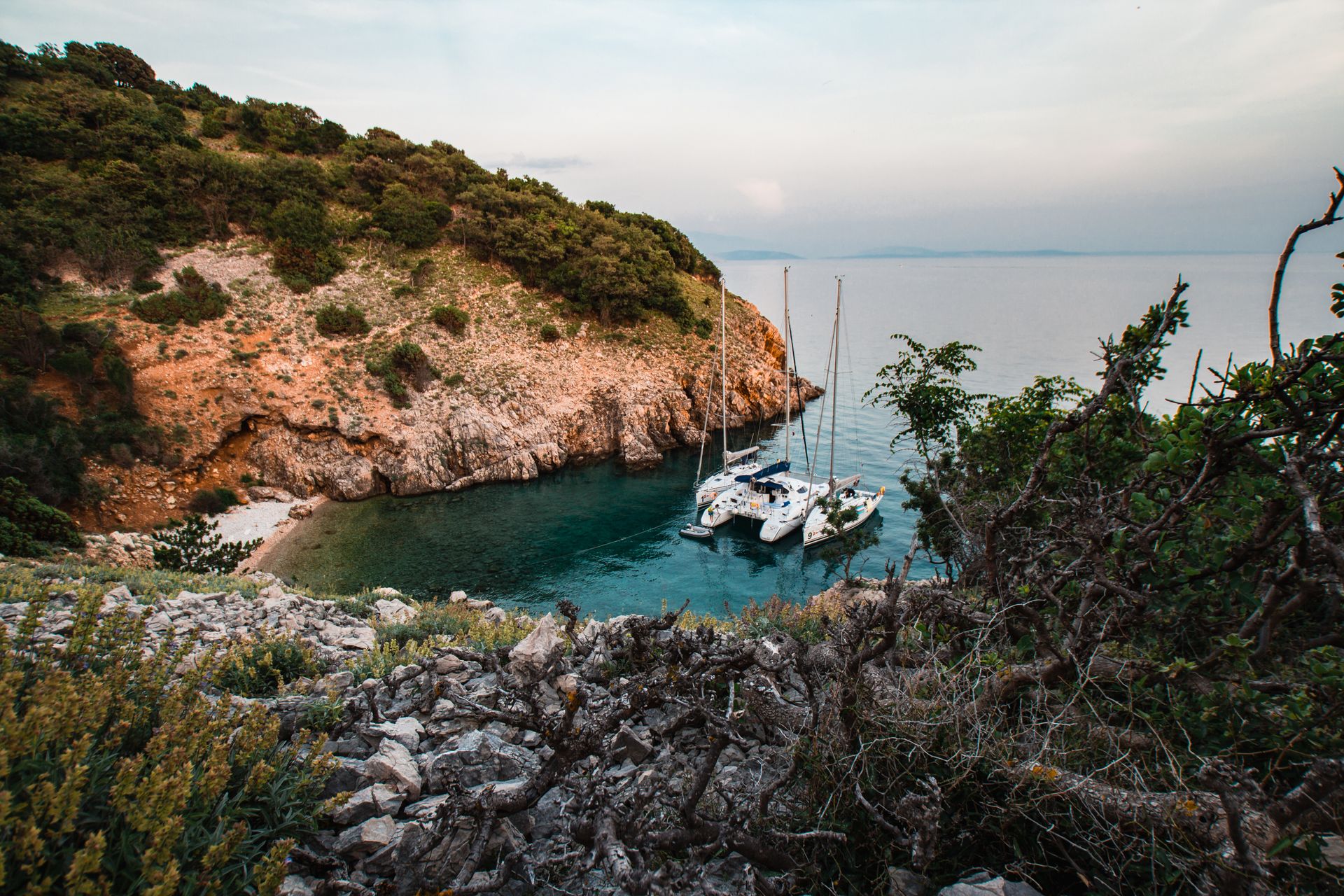
Island-hopping at your own pace
With a skipper or at the helm yourself, from bay to bay, without a fixed harbour for the night. The Kvarner and Central Dalmatia lend themselves to it best.
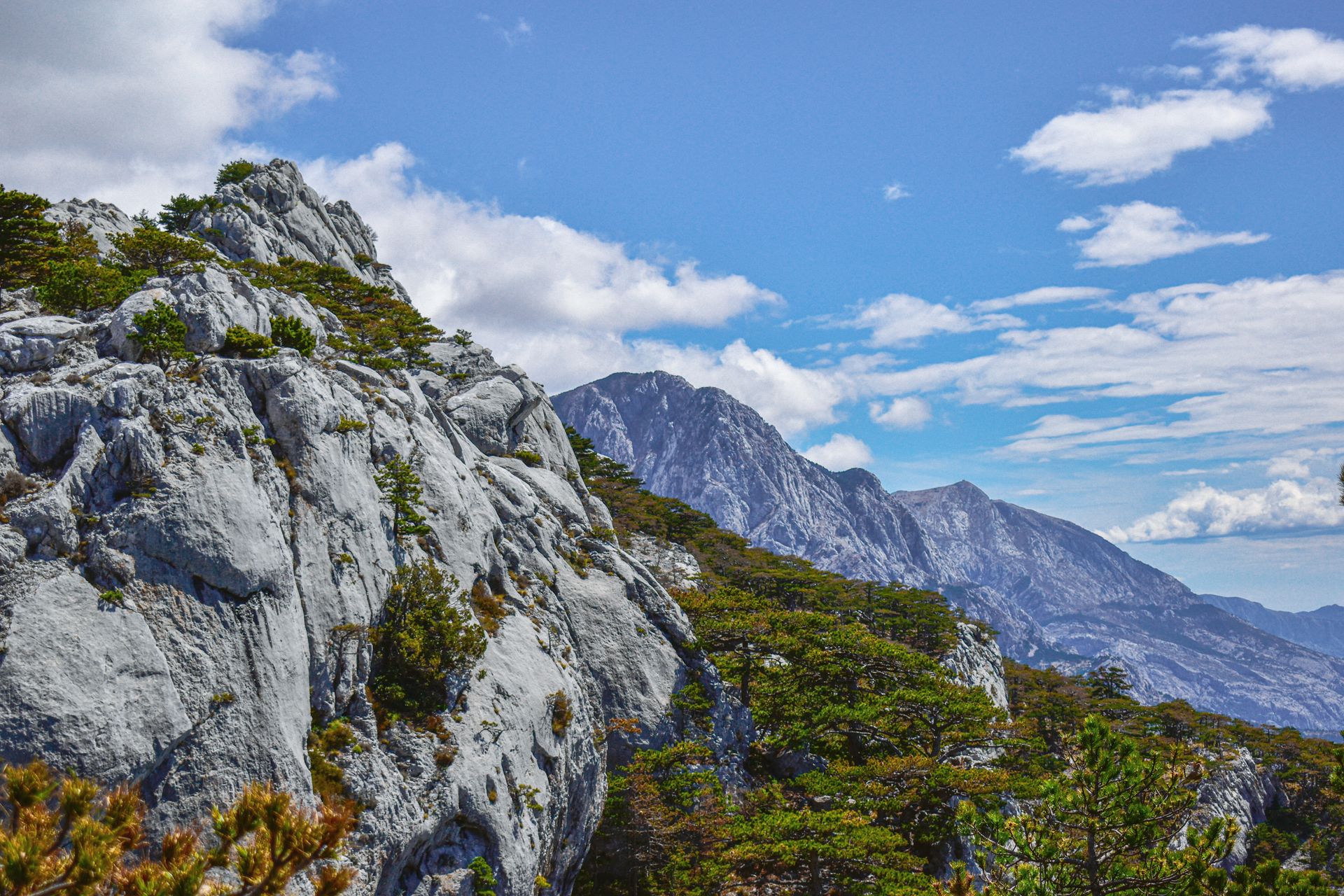
Walking above the coast
The Biokovo mountains behind Makarska and the Velebit massif near Kvarner offer views over the Adriatic without ever having to queue.
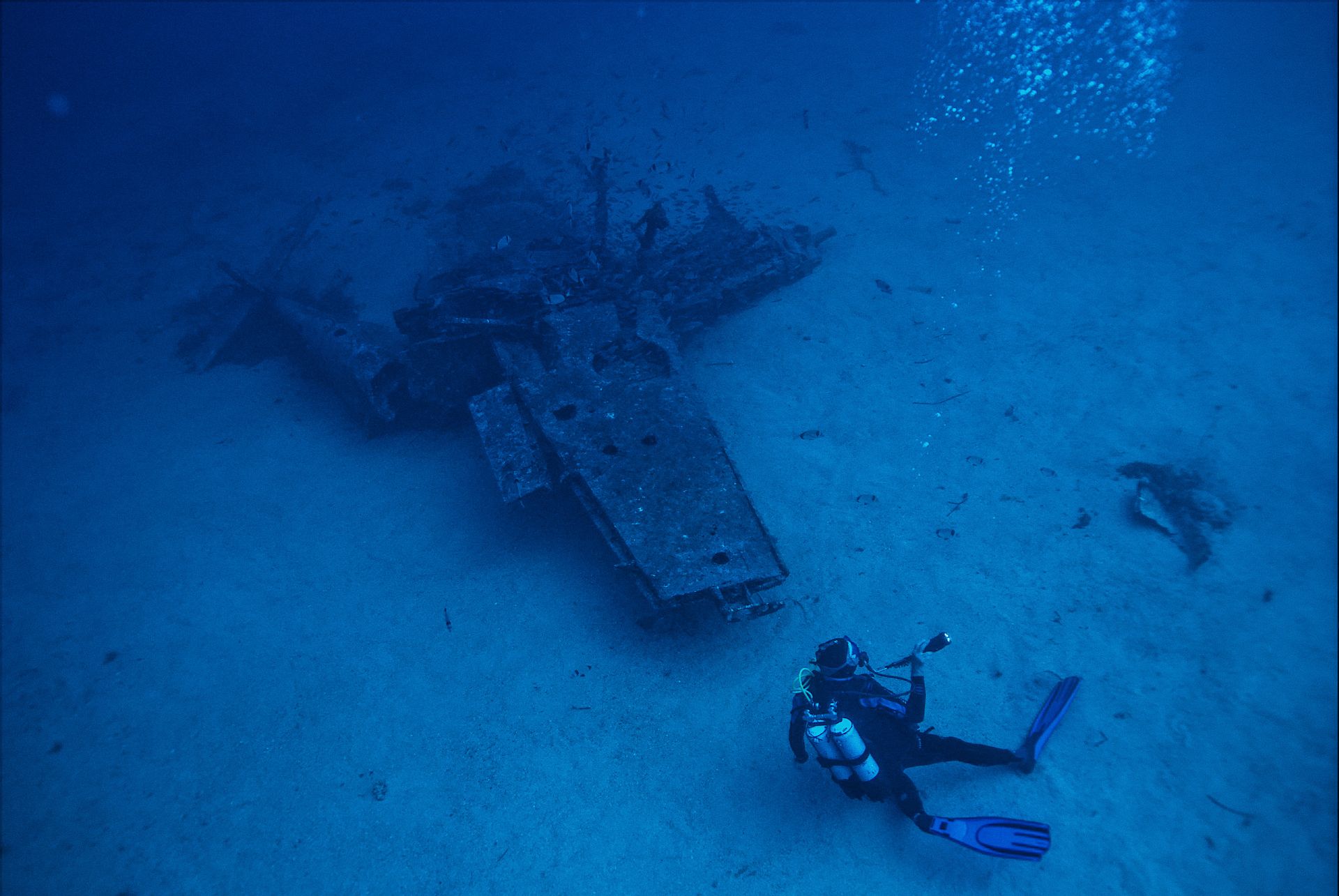
Diving among wrecks and caves
The waters around Vis hold shipwrecks from two world wars, and the Blue Cave near Biševo colours the water around midday with a light found almost nowhere else in the world.
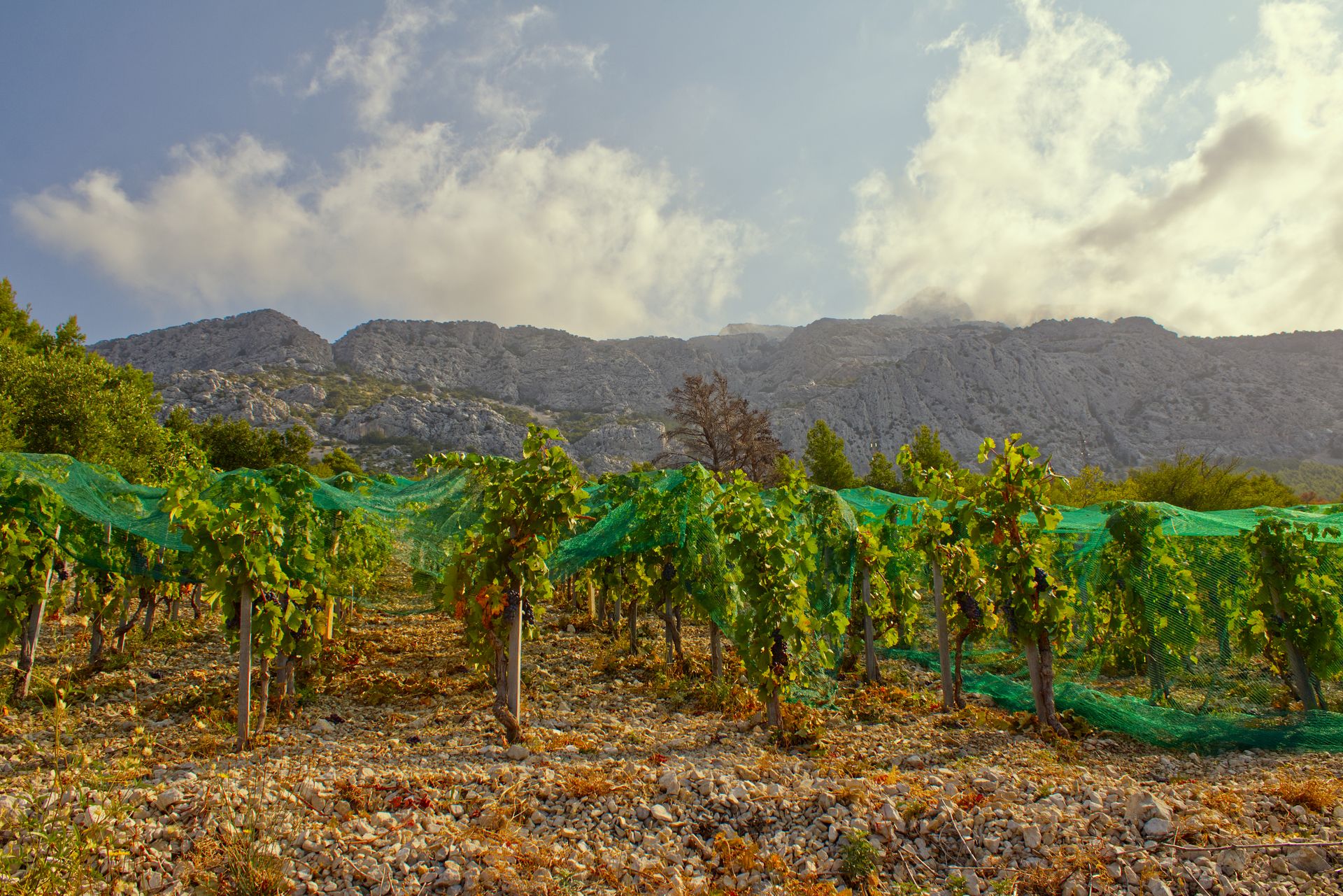
Wine on the peninsula
Pelješac produces Plavac Mali, a robust red grape that reaches its best here. Small winemakers welcome visitors at their own table, not in a sales room.
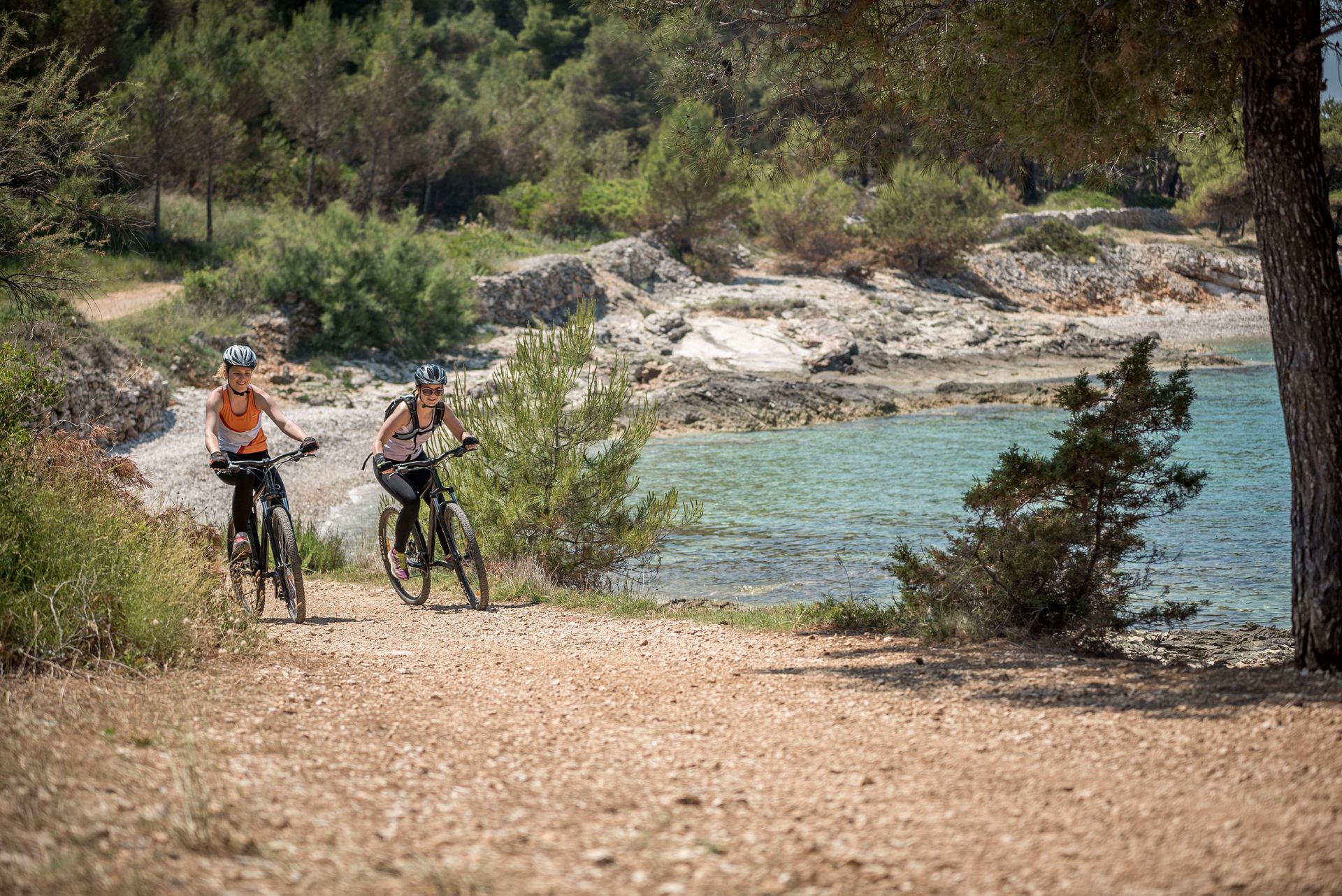
Cycling among olive groves
On islands such as Brač and Korčula, quiet lanes run between stone walls and olive groves, a different pace from the coastal road.
What you end up doing depends on how much structure you want and how much room you leave for what turns up along the way.
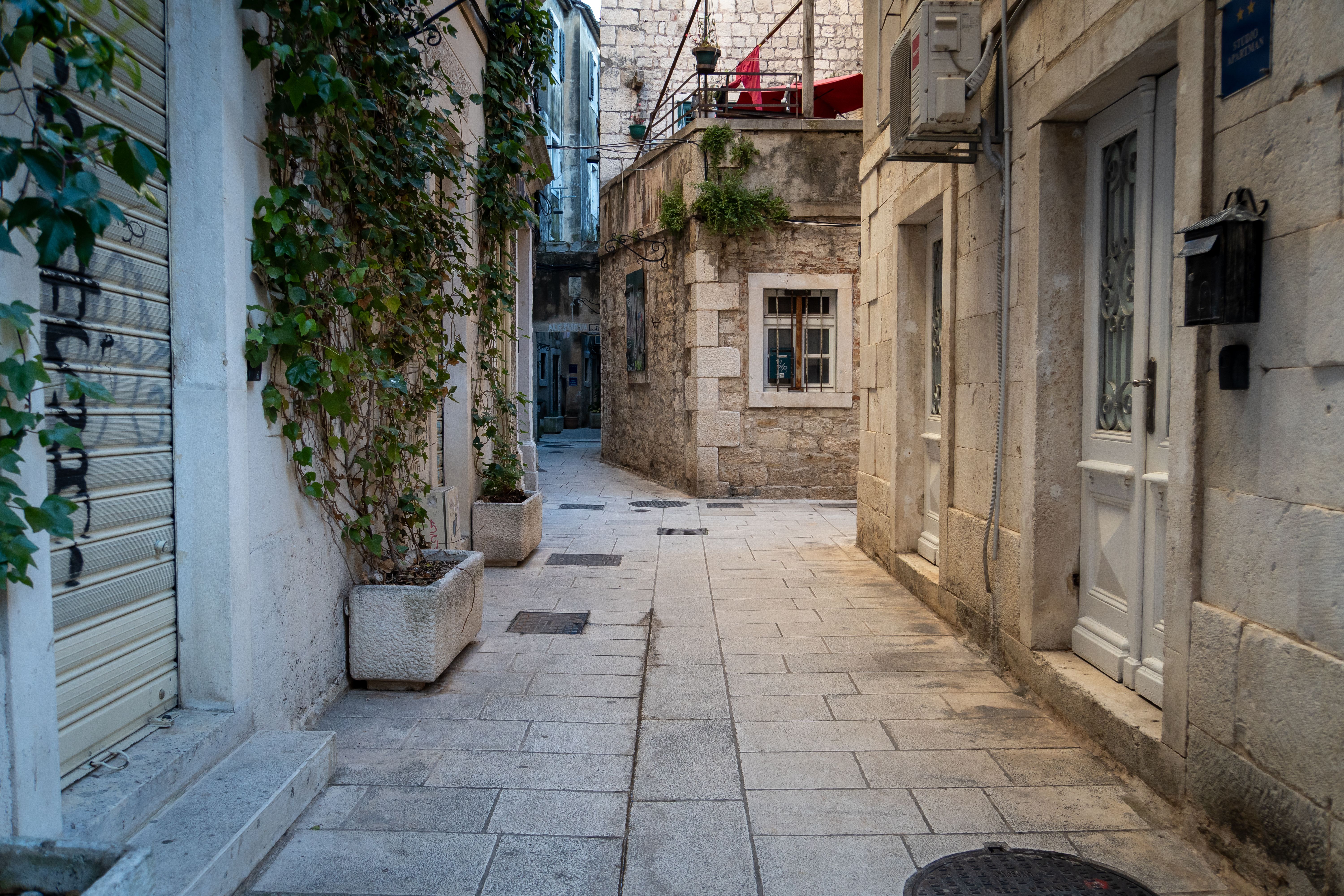
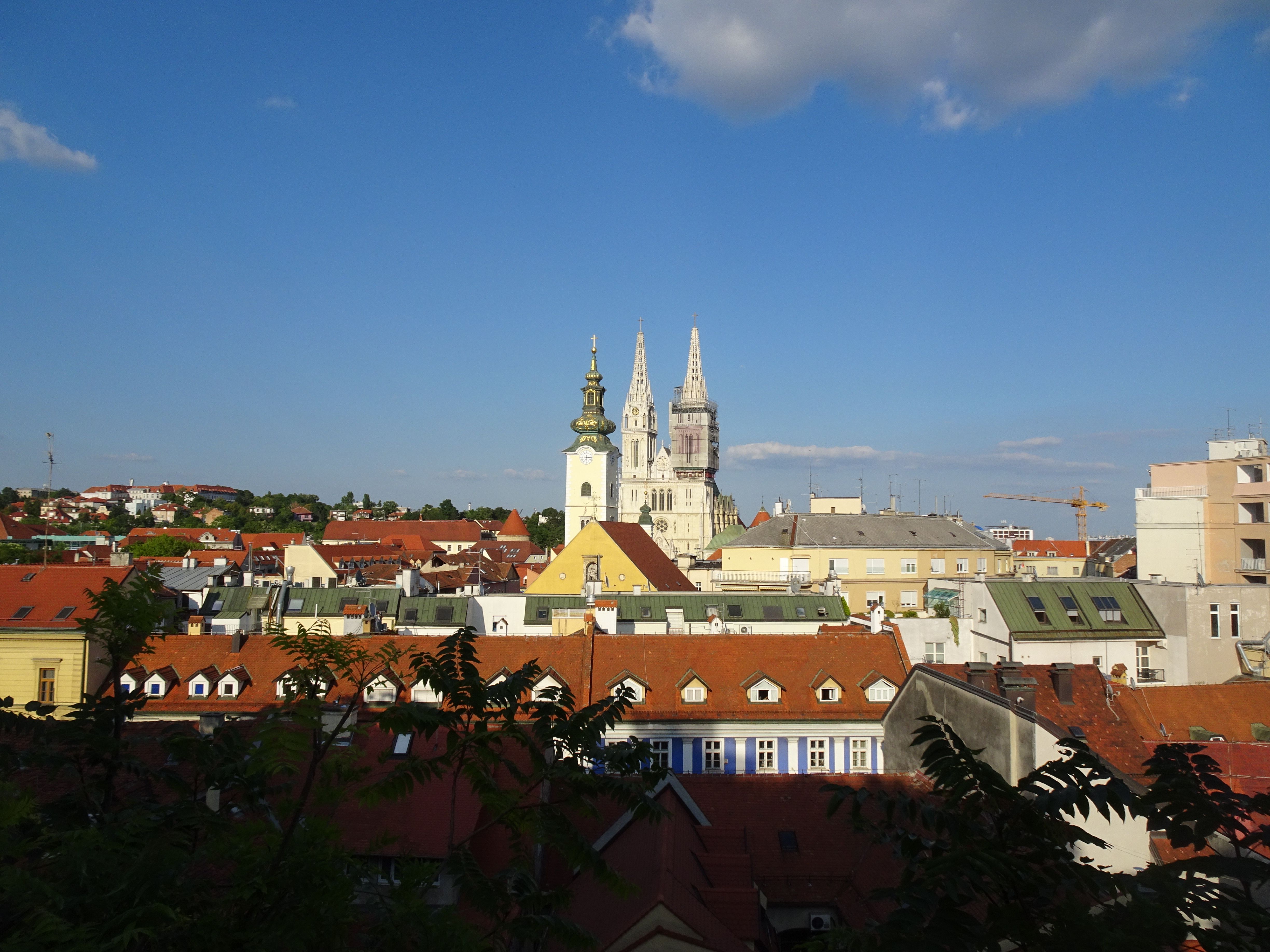
Two speeds, one country: the coast breathes slower than the capital.
Croatia can't be visited in a single direction.
The coast is only half the story.
Looking past the highlights
Why we look at Croatia differently
Beyond the coastline Most trips to Croatia stop at the sea. We take the interior seriously, Zagreb, Zagorje, Slavonia, because the country shows just as much character there.
Islands aren't day trips Squeezing an island into half a day from the coast doesn't do it justice. We'd rather plan fewer islands, with enough time to really land there.
The bora has a say The northeasterly wind can cancel a ferry without warning. We factor that into the planning, rather than pretending the weather sticks to a schedule.
No two coasts are alike Istria, Kvarner and Dalmatia differ more from one another than most guidebooks suggest. We tailor the route to what someone is really looking for, not to whatever links up most easily.
When would you travel?
When to go to Croatia
July and August are busy and hot, especially in Dubrovnik and Split. May, June, September and October offer the same sea and the same towns, with quieter squares and temperatures better suited to walking or cycling. The interior follows its own rhythm: Zagreb works all year round, with a cold but lively Christmas market in December.
Best time to visit Croatia
Jan
Feb
Mar
Apr
May
Jun
Jul
Aug
Sep
Oct
Nov
Dec
Top: warm sea, pleasant by day, less crowded than the summer peak.
Good: high season on the coast, warm and lively, with more people at the well-known spots.
Fair: quieter and cooler, but the interior and the towns remain worth visiting.
Same months, other destinations
Who else is at their best in these months?
Not ready to ask yet?
Leave your email address. A month before the good time begins, we send you one reminder. Nothing more.
You will first get an email to confirm. You can unsubscribe at any time, with one click.
Rather talk it over?
Leave your name and number. We will call you at a time that suits you.
Worth knowing
Practical, without the noise.
A few things that make planning easier.
- Getting there
- Direct flights from Brussels to Zagreb, Split and Dubrovnik; a hire car or ferry for the islands.
- Documents
- Croatia is an EU and Schengen member; a valid identity card is sufficient for Belgians.
- Health
- No special vaccinations required; healthcare on the coast is good, though more limited in remote areas.
- Pace
- Bear in mind that ferry schedules change by season and are sometimes adjusted for wind.
- Getting around
- A hire car gives freedom on the mainland; between islands, the ferry sets the pace.
Frequently asked questions
What travellers most often ask us about Croatia.
Is Croatia worth visiting outside high season?
Certainly. From late May to mid-June and from September to mid-October, the sea is warm enough to swim in and the towns are far quieter.
How many islands can you realistically combine?
That depends on the time available and the ferry connections. Two to three islands with enough time at each stop usually works better than a long list of short ones.
Do you need a hire car?
On the mainland and for the interior, yes. For a trip that mainly stays among the islands, ferries and local transport will largely get you there.
Is Dubrovnik the only highlight?
Dubrovnik is well known, but Split, Zadar, Rovinj and the islands offer just as much character, often with fewer crowds.
Or perhaps this
Other destinations
Still weighing it up? That is no problem at all. The right country often only becomes clear once the conversation starts.
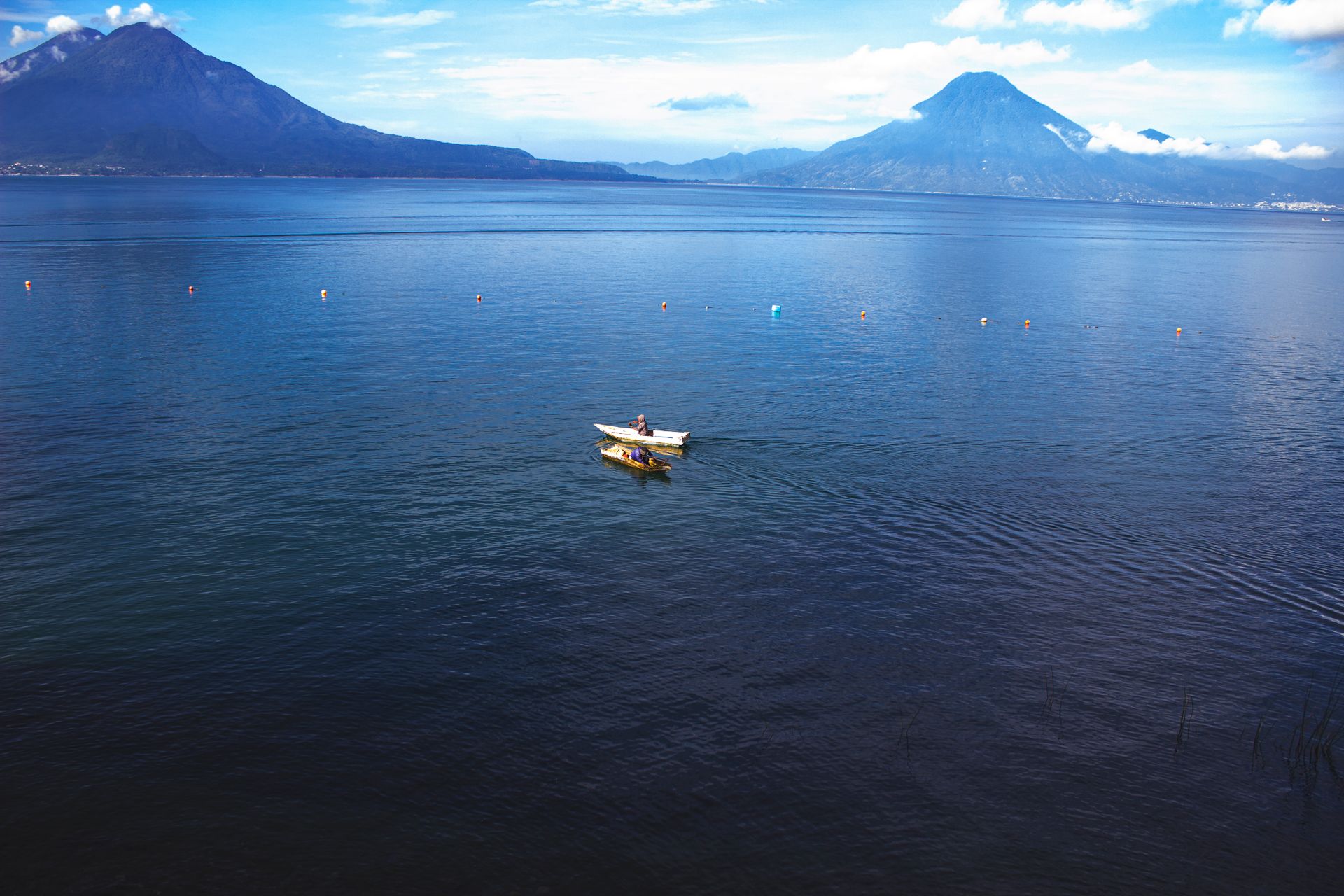
Central American highlands
Guatemala
A highland where Maya culture isn't a backdrop but sets the rhythm of everyday life.
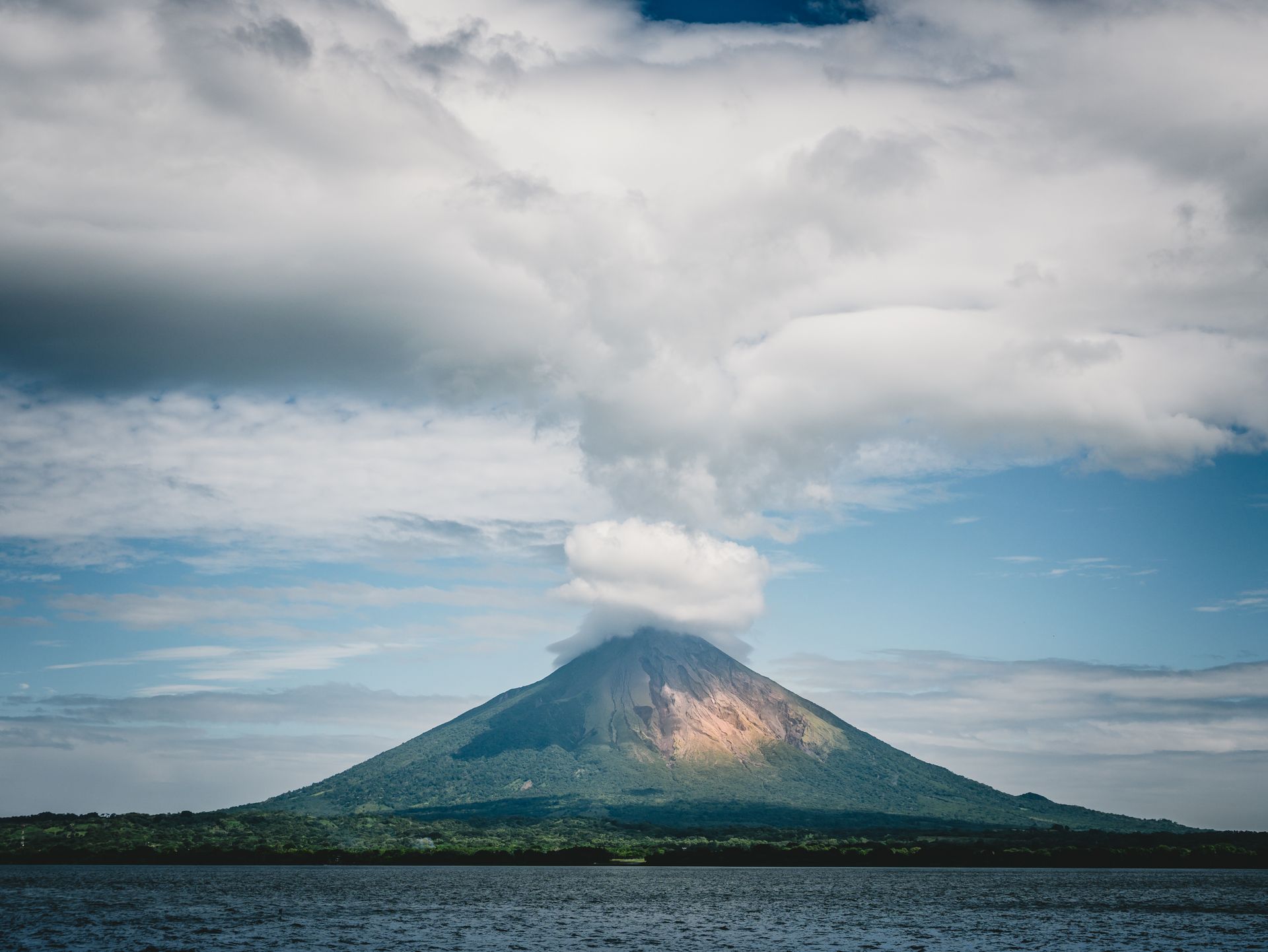
Central American lake district
Nicaragua
Two colonial cities, centuries-old rivals, separated by a lake dotted with volcanic islands, rougher around the edges than its neighbours.
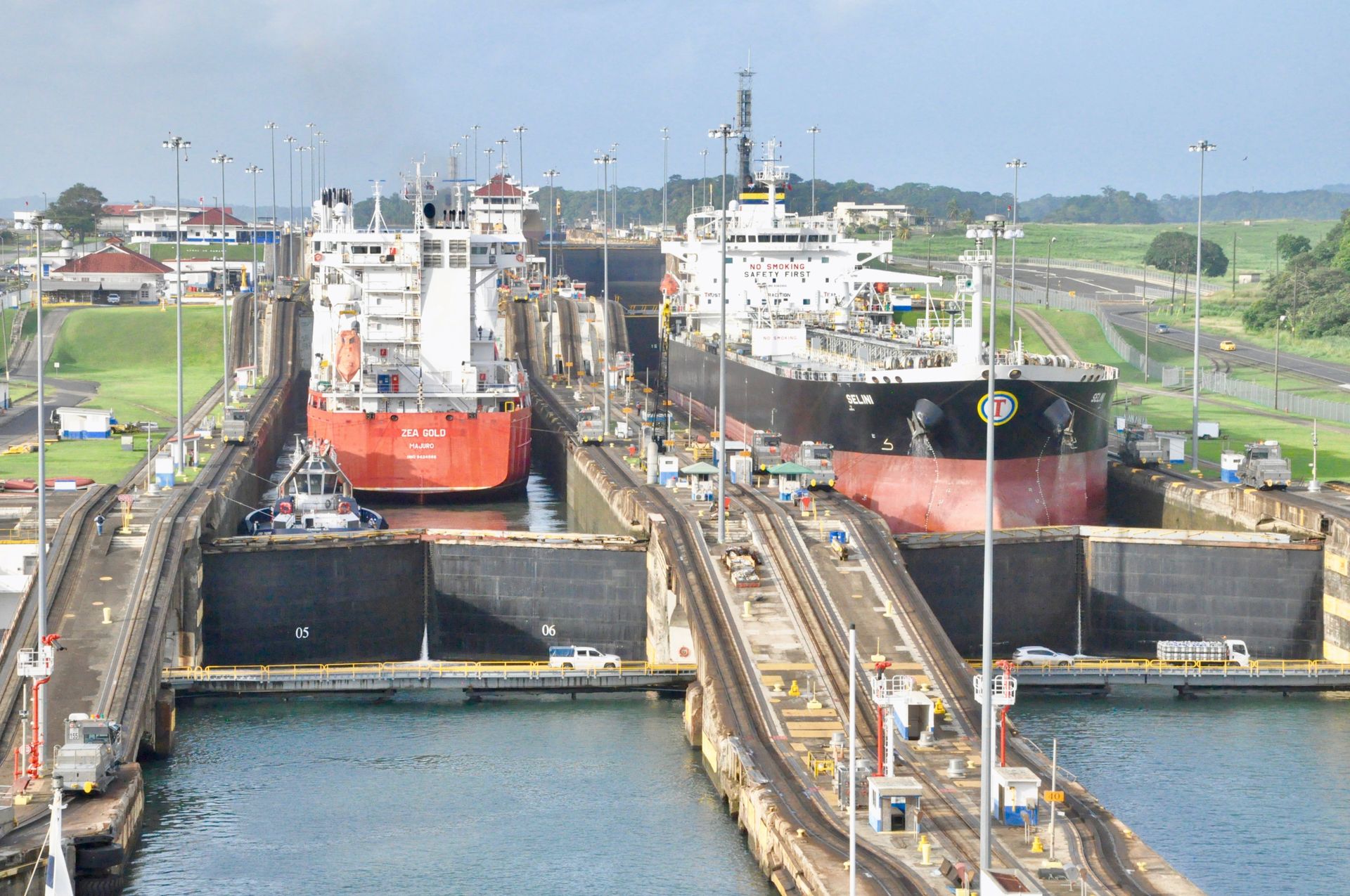
Central American isthmus
Panama
An isthmus where two oceans almost touch and the rainforest reaches right up to the edge of the city.
How it works
This is how your journey to Croatia takes shape.
Six steps, from your first story to your homecoming. The conversation and the feasibility check cost you nothing.
-
01
Tell us your story
Fill in the form or give us a call. You do not need a route yet: a country, a period or just an idea is enough.
-
02
The conversation and the check
We call you within two working days. We talk through what you are looking for and check whether it can be done. If it can, we set down together what we will make for you.
-
03
We design your journey
We build your programme up, day by day, together with our own people in the country itself.
-
04
Your proposal
You read your journey day by day, with everything that is included. You say what you would like differently, until it is right.
-
05
Ready to depart
You send us your details, we send you your travel documents. You have one fixed contact who knows your journey.
-
06
Travelling, and after
Your contact stays reachable while you are away. Once you are home, we call one more time.
The next step
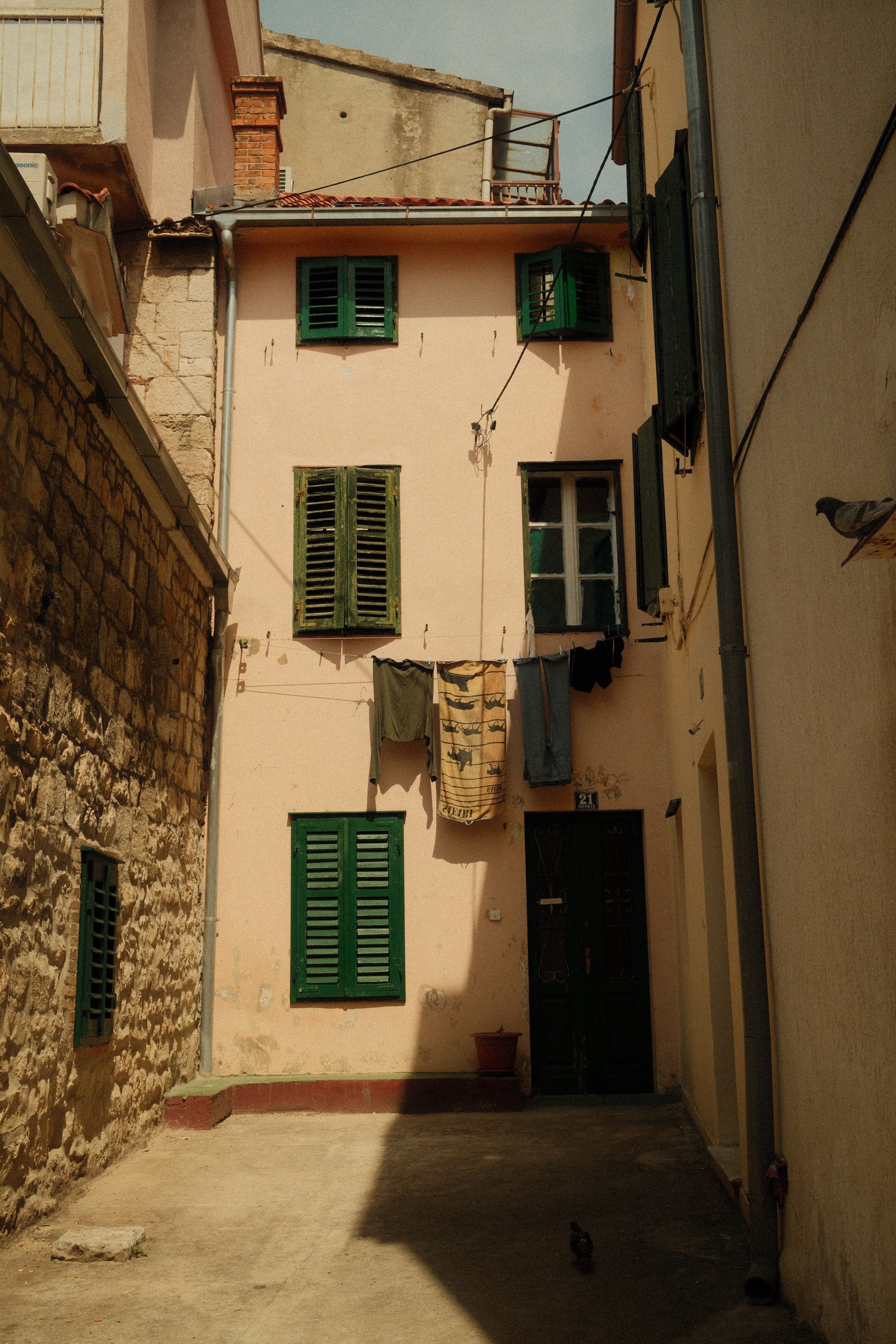
What are you looking for on the Adriatic coast?
Tell us whether you're dreaming of island-hopping with your own skipper, weeks in a stone village inland, or a route that combines both. We build the trip around your rhythm, not the other way round.
Updated in October 2026