Atlantic Europe
France
No two regions that taste the same.
This is France
France changes character at every provincial border and refuses to be reduced to a single image.
Say 'France' and most people mean something quite specific: Parisian boulevards, a glass of wine on a terrace, perhaps Provence in July. But the country behind that one image is a patchwork of pays, each with its own stone, its own dialect and its own pace. The limestone facades of Burgundy have nothing to do with the granite harbours of Brittany. A market stall in the Périgord runs on different rules from an oyster bed at Arcachon.
QualiMundi doesn't start from a list of 'must-sees'. We'd rather ask what you're after: slowness, coast, wine, silence, conversation, and match that to a region that has been built around it for centuries. Not a day-by-day schedule, but a route that fits whoever's in the car.
In short
- Best time to go
- May, June and September are usually best: mild weather, quieter roads than in the summer holidays and the grape harvest in September. The climate differs a lot between the Atlantic coast, the Mediterranean and the mountains.
- How long
- A week for one region, ten days to two weeks if you combine two. Distances between regions are bigger than they look on the map, so keep the number of moves low.
- Who it suits
- For travellers who leave Belgium by train or car and like to travel slowly, getting to know a region through its markets, vineyards, cycle paths and trails, with room to adjust the route along the way.
- What sets it apart
- France has both an Atlantic and a Mediterranean coastline, mountains from the Pyrenees to the Alps and the Jura, and regional languages such as Breton and Occitan that are still spoken.
The regions
Six faces, no two alike.
France can't be squeezed into a single route. These regions show just how far the spread goes, geographically, culinarily and in mood.
Wine country, inland
Burgundy
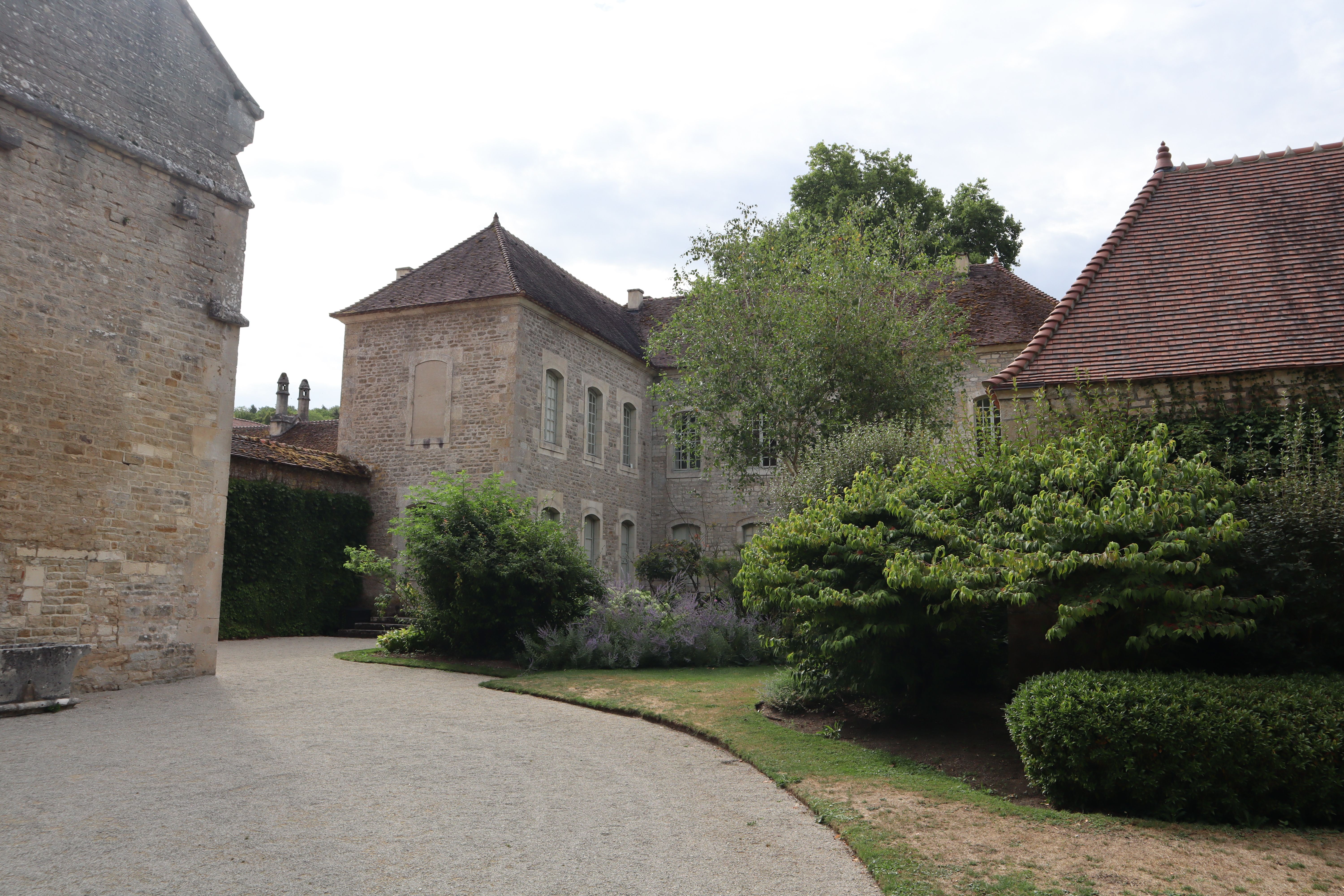
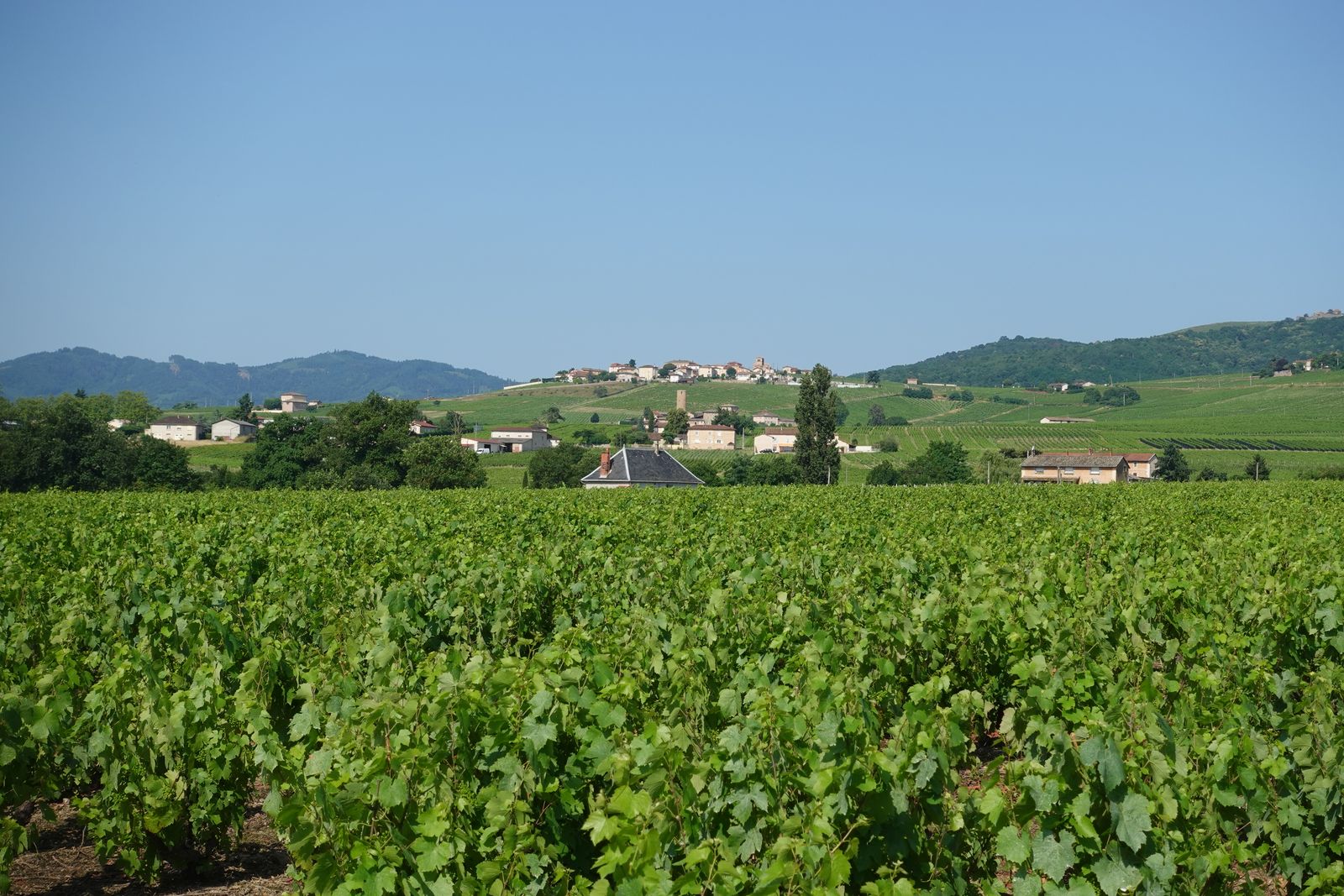
Villages of golden limestone among the vineyards of the Côte d'Or, where a Romanesque church tower is more often the highest point than a castle. The pace here follows the grape: calm, seasonal, unhurried.
Atlantic coast
Brittany
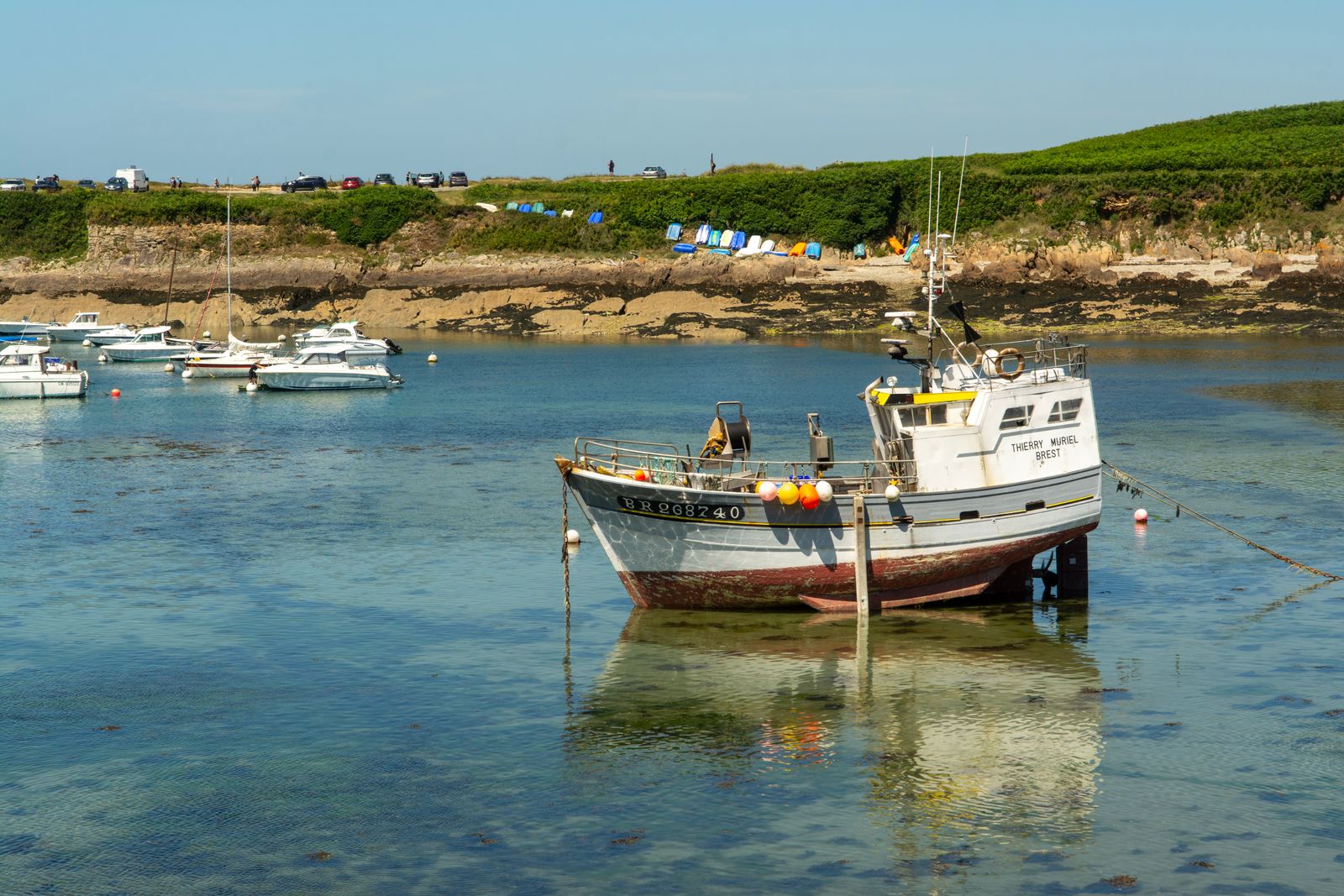
A granite coastline that vanishes into mist one moment and bathes in sharp light the next. Fishing harbours like Le Guilvinec still run on today's catch, not on scenery.
Inland, Dordogne
Périgord
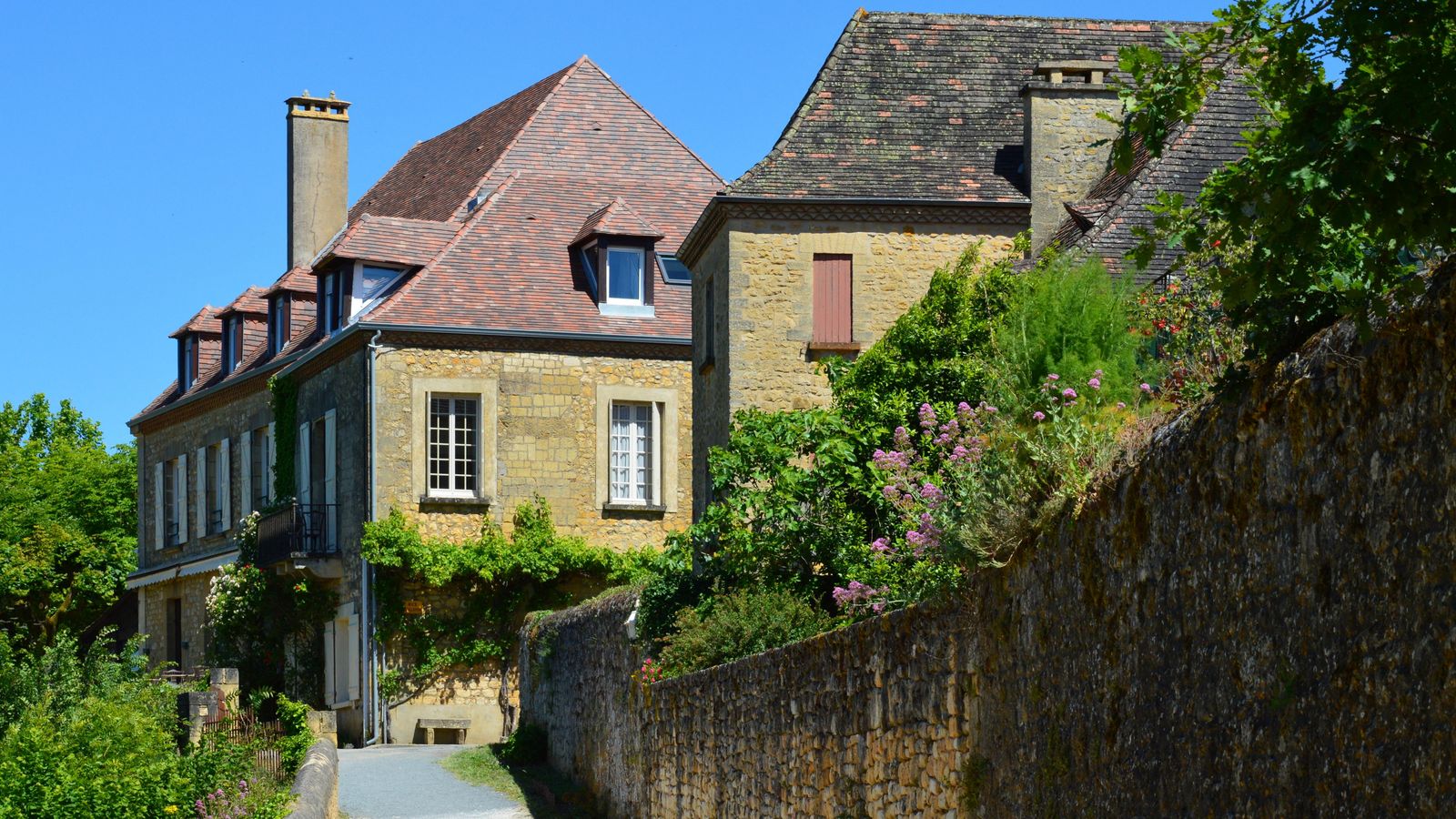
Walnut orchards, prehistoric caves and market towns like Sarlat where the weekly market is still a social event. The landscape folds into small valleys. You rarely see far, and that's the point.
Middle mountains
Jura
A plateau of meadows, pine forests and lakes that rarely makes anyone's list, which is exactly why it's stayed quiet. Comté matures here in cellars you can simply visit, without any fuss.
Wetland, south
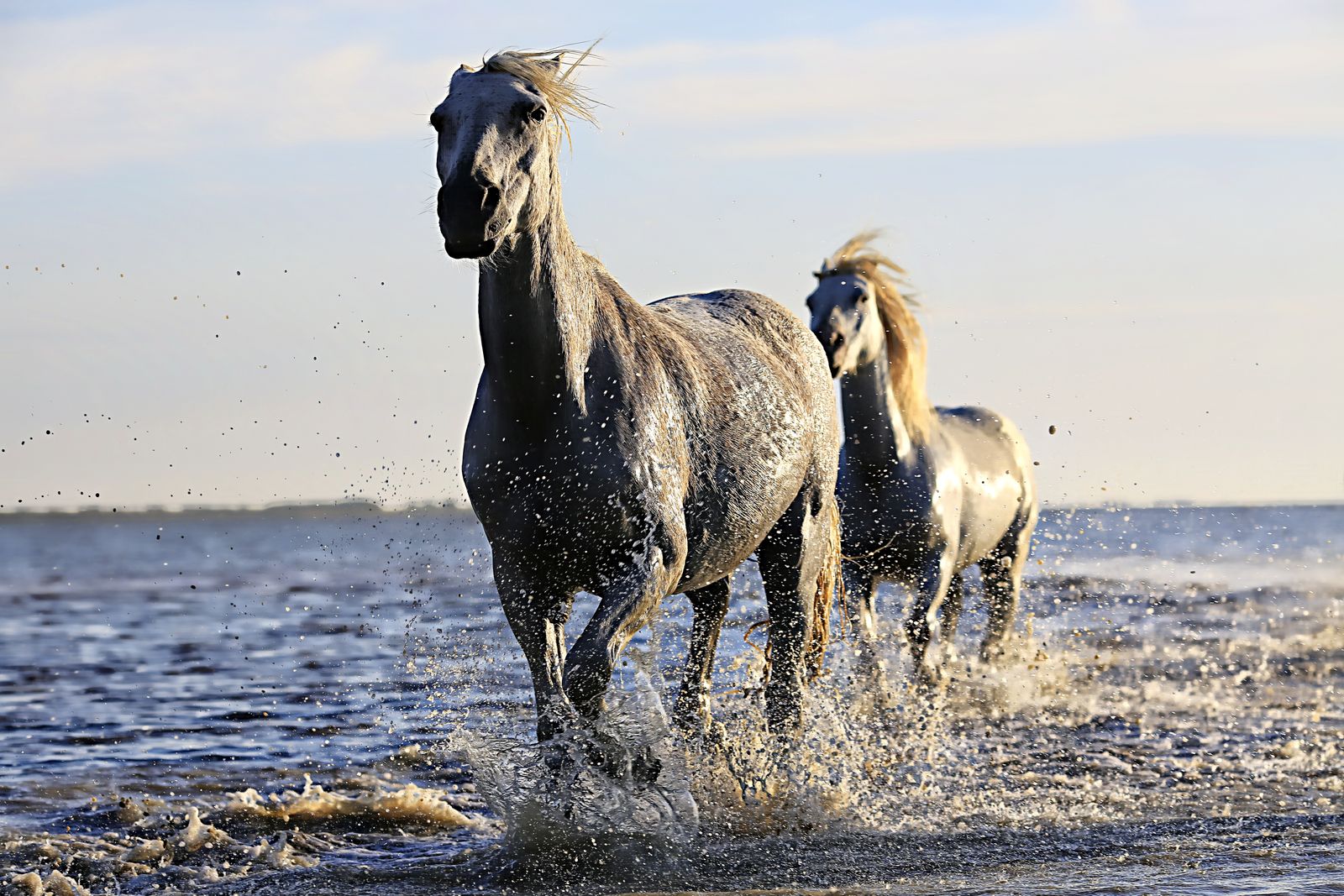
Camargue
Salt marsh and rice paddy where white horses and black bulls roam free under the watch of gardians. Flat, wide open, and utterly unlike the France that begins three hours' drive away.
Island
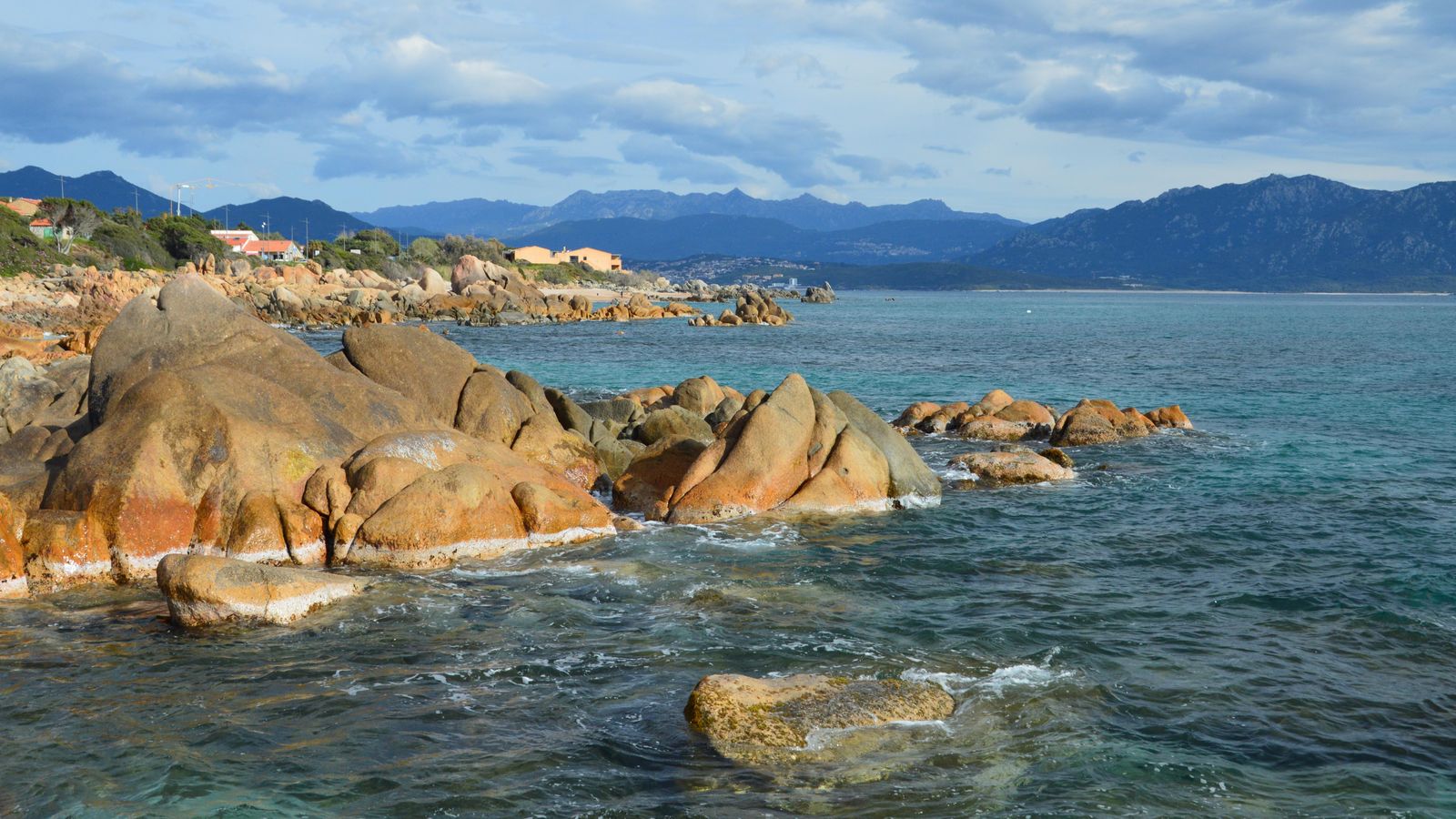
Corsica
Mountains that plunge straight into the sea and a scent of maquis you can smell before you even land. Corsicans rarely call their island simply 'France'. You feel that difference in every village.
Table and conversation
In France, the conversation begins at the table, not before it.
A farmer in Burgundy will talk your ear off the moment his vines come up, and say little about anything else. A fishmonger in Brittany sizes you up instantly on whether you actually know what's fresh. France doesn't reveal itself to whoever walks past. It opens up to whoever takes the time to taste, to ask and to come back.
The same is true of the food, which isn't a national cuisine at all but a sum of regional kitchens that barely know each other: butter and cream in the northwest, olive oil and thyme in the south, goose fat in the southwest. Eating in France always really means eating somewhere very specific.
Landscape and nature
Three landscapes that have little to do with the postcard.
France is bigger and emptier than its image suggests. Away from the well-known routes lie regions where wolves have returned, chamois stand on the rocks and canals wind through marshland.
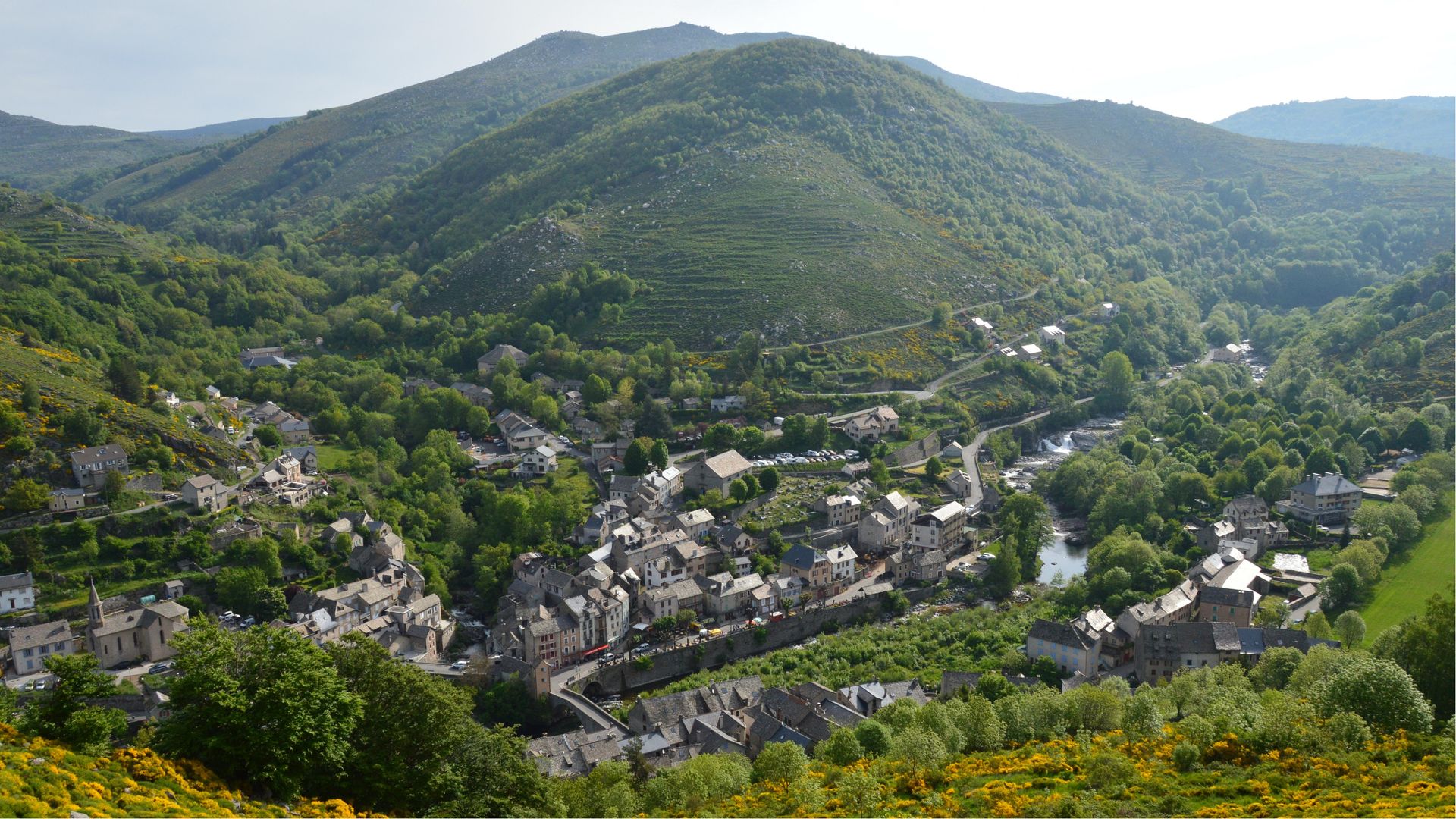
Cévennes
Chestnut forests and dry-stone terraces on steep slopes, where the wolf has quietly returned over the past few decades. The walking paths here are old. Some have lain in the same place for centuries.
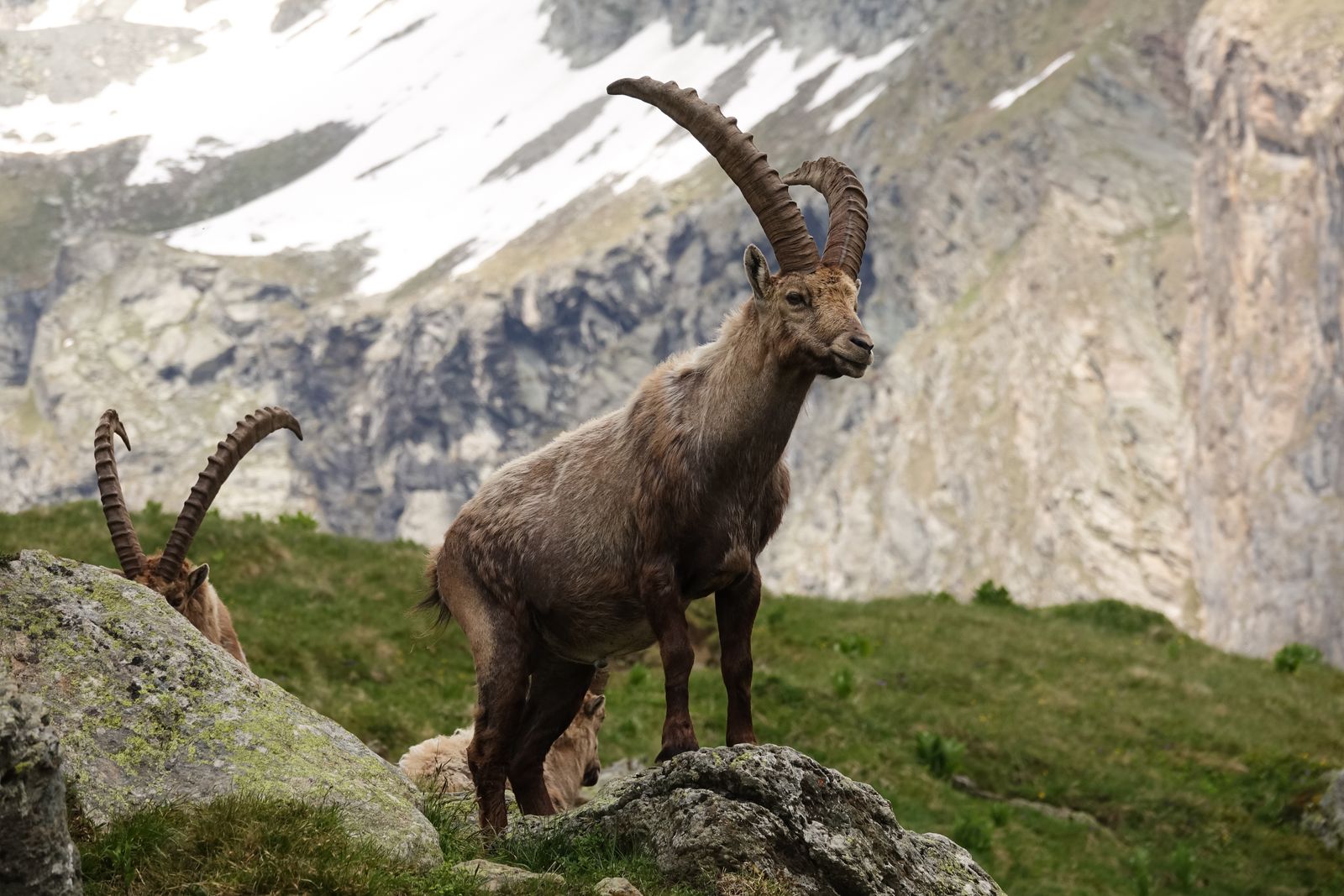
Vanoise
France's oldest national park, where ibex and chamois pay little attention to walkers. In summer, this is the same Alps as in winter, just without the lift.
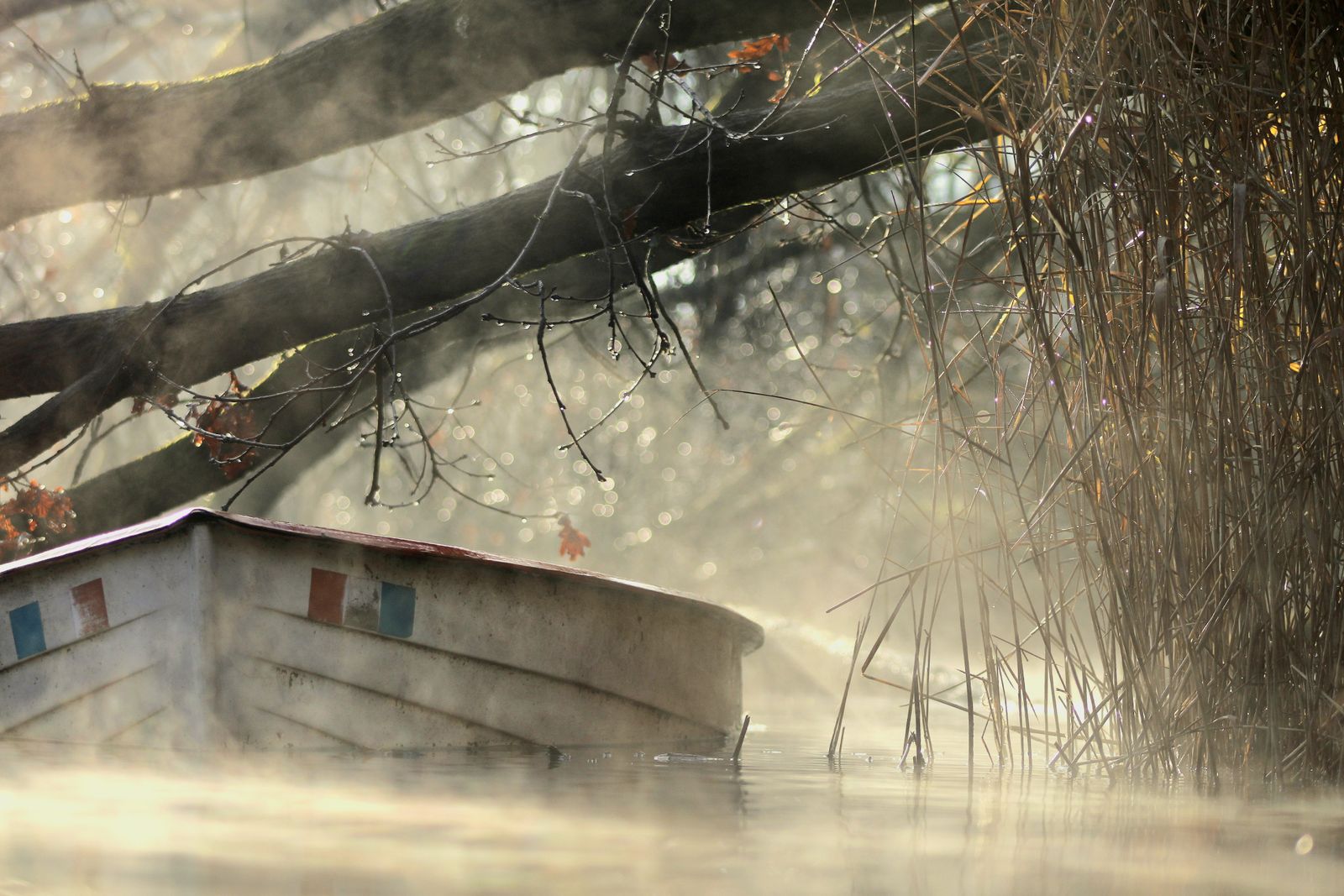
Marais Poitevin
Nicknamed 'green Venice', a network of canals between ash trees where herons and kingfishers are the only bustle. You get around here by flat-bottomed boat, at a walking pace.
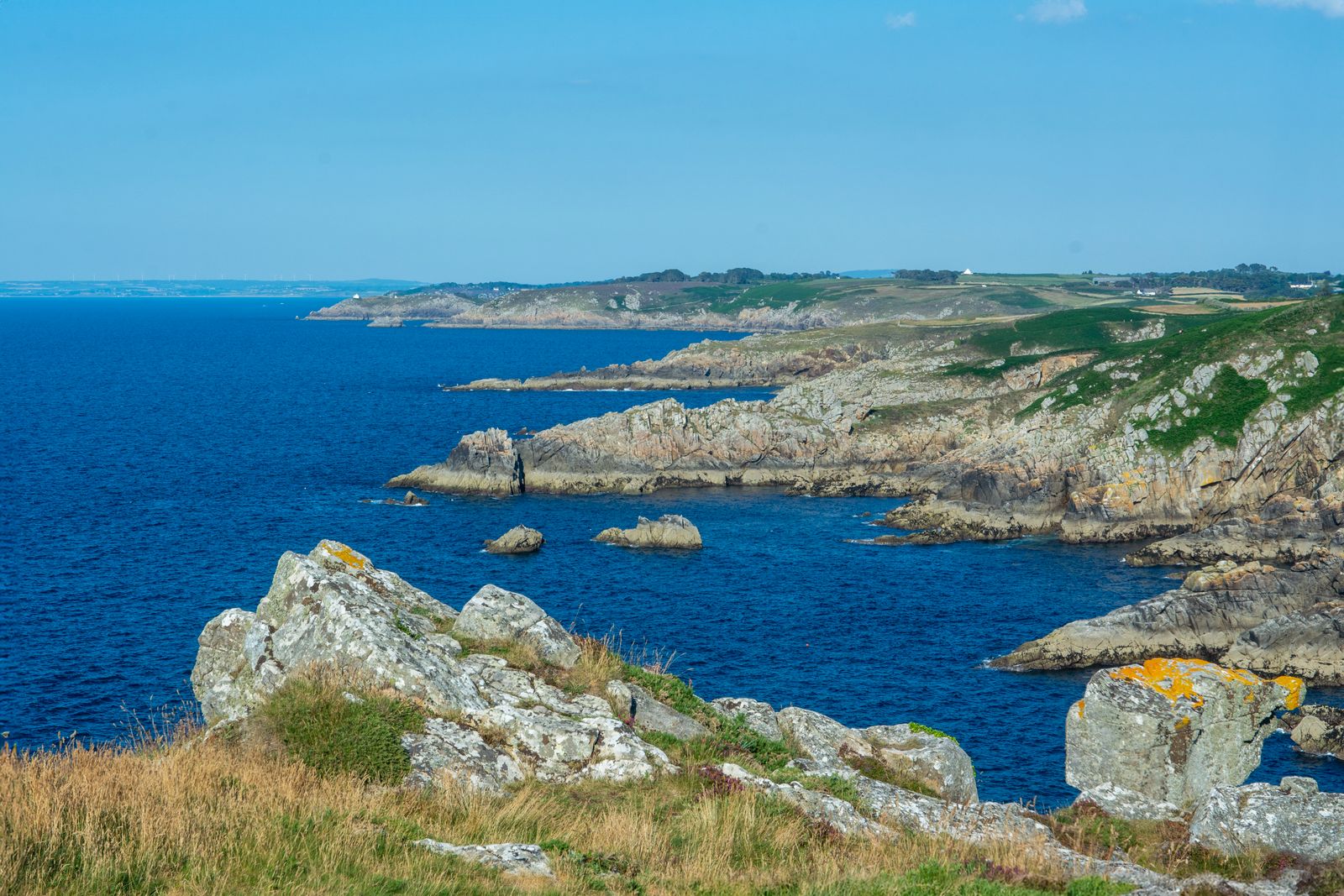
Finistère, Brittany, where the name literally means 'end of the earth' and the coast behaves accordingly.
What's possible here
No programme, but plenty of possibilities.
These aren't days on a schedule, but directions we shape together with you, depending on season, region and what you're after.
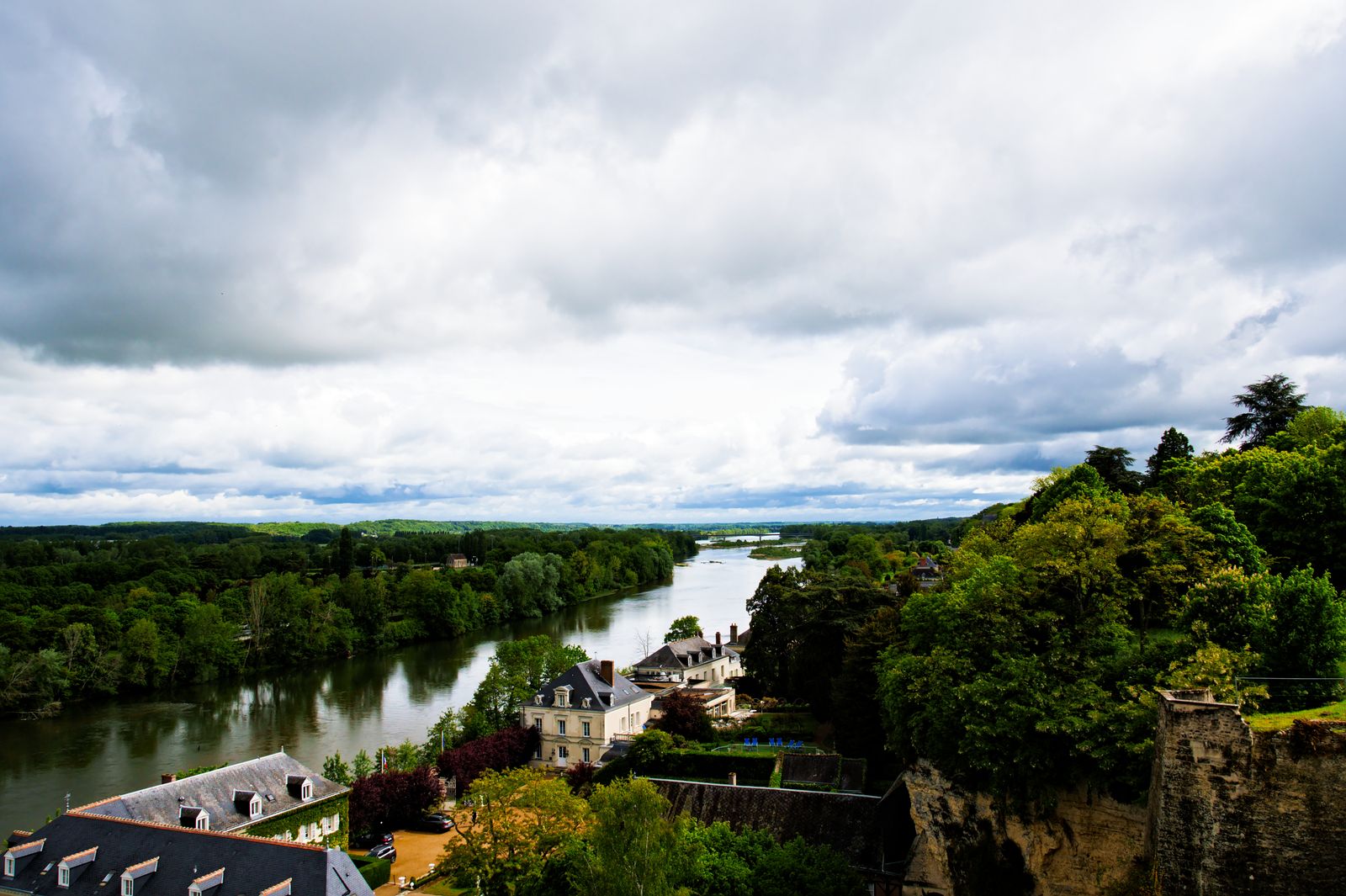
Cycling along the Loire
Flat paths between vineyards and châteaux, with the river as a constant companion, suited to anyone who'd rather travel slowly than jump from sight to sight.
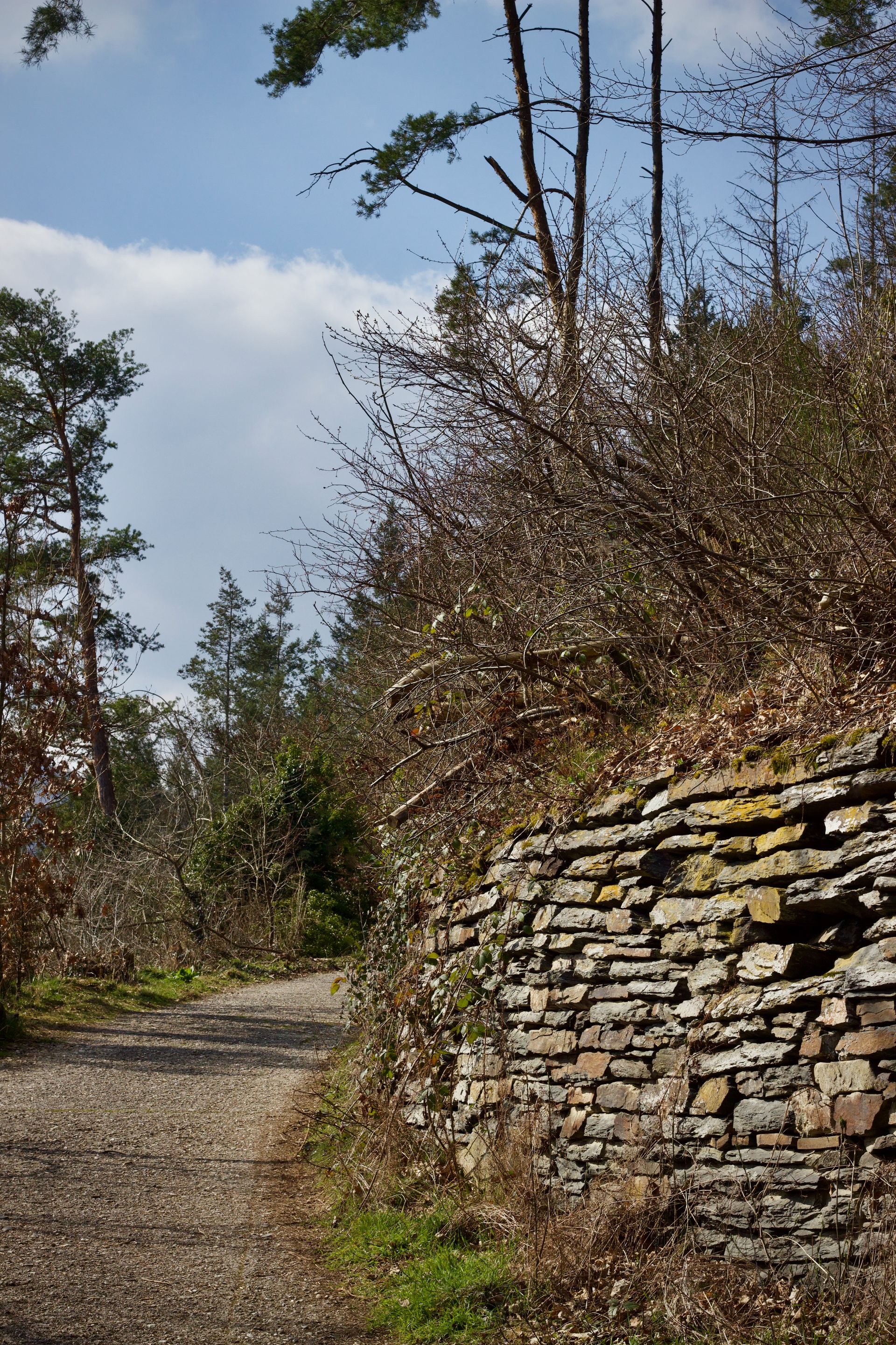
Walking in the Cévennes
Paths that Robert Louis Stevenson once walked with his donkey, still passable and still quiet. Suited to a single day, or to stringing several stages together.
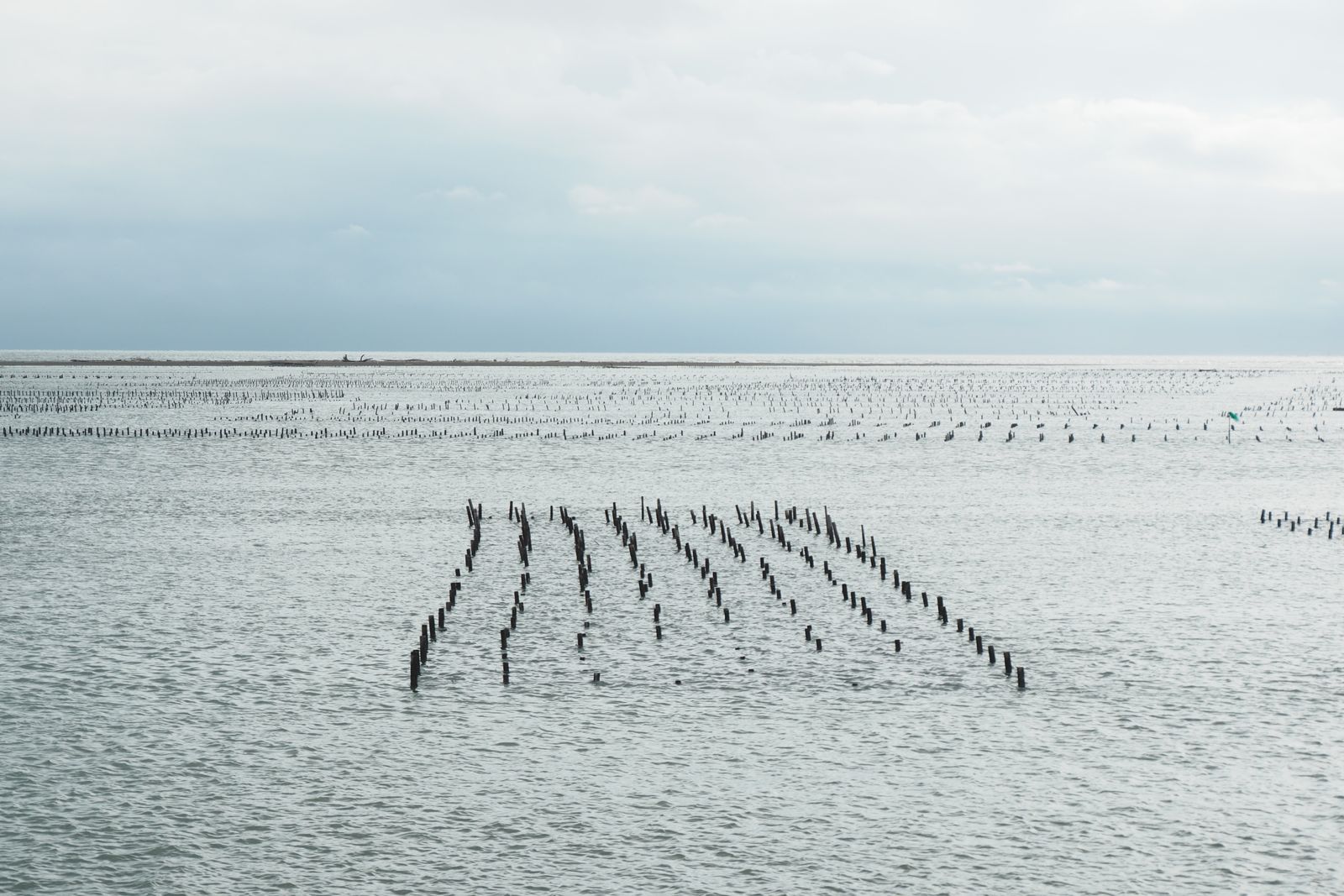
Tasting oysters at Arcachon
Straight from the grower, on a bench by the water, with nothing between you and the oyster but a knife and a slice of lemon.
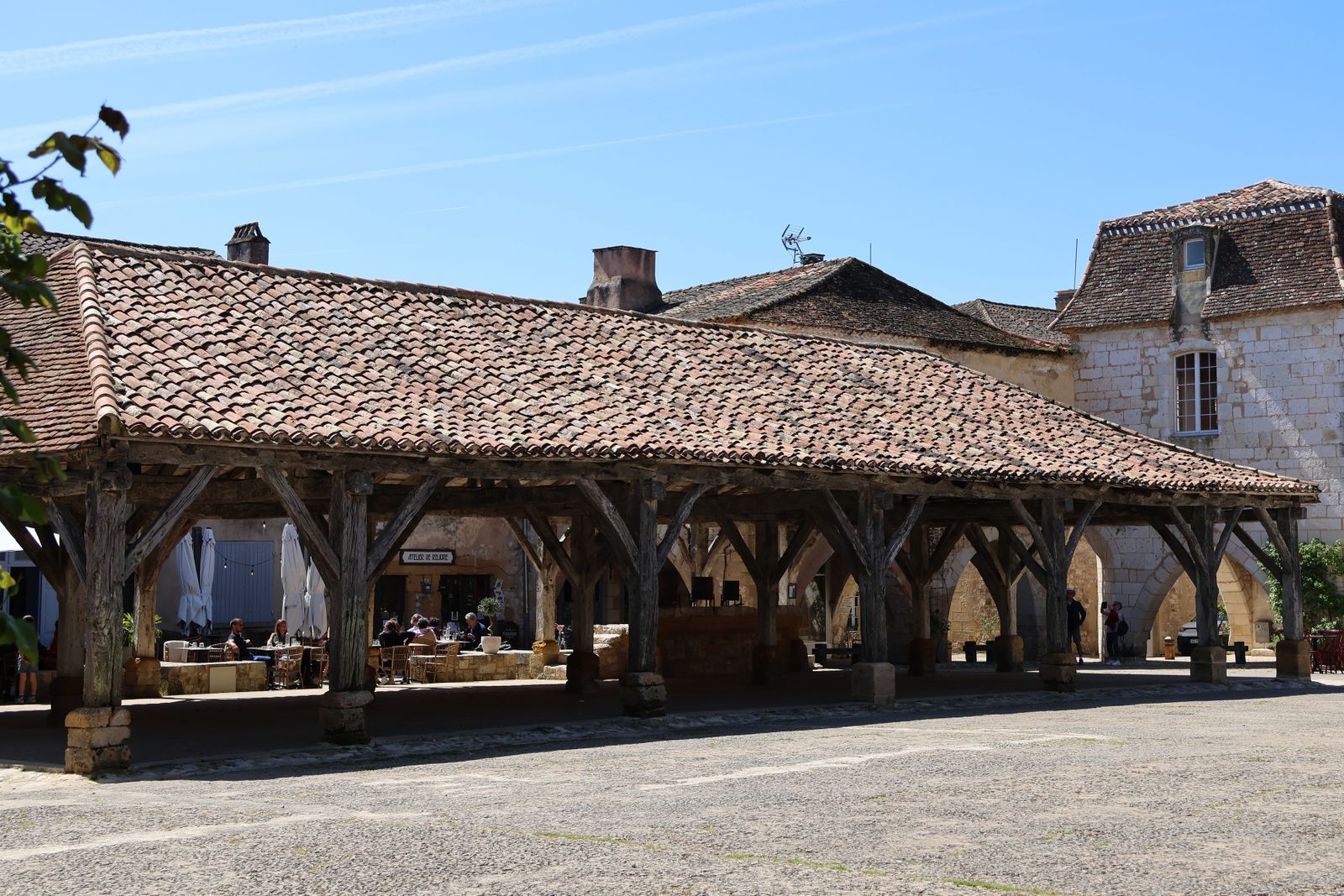
Market day in Sarlat
Saturday morning, when the whole Périgord comes to market for the week ahead. Not an attraction, just everyday life, which you get to witness without disturbing it.
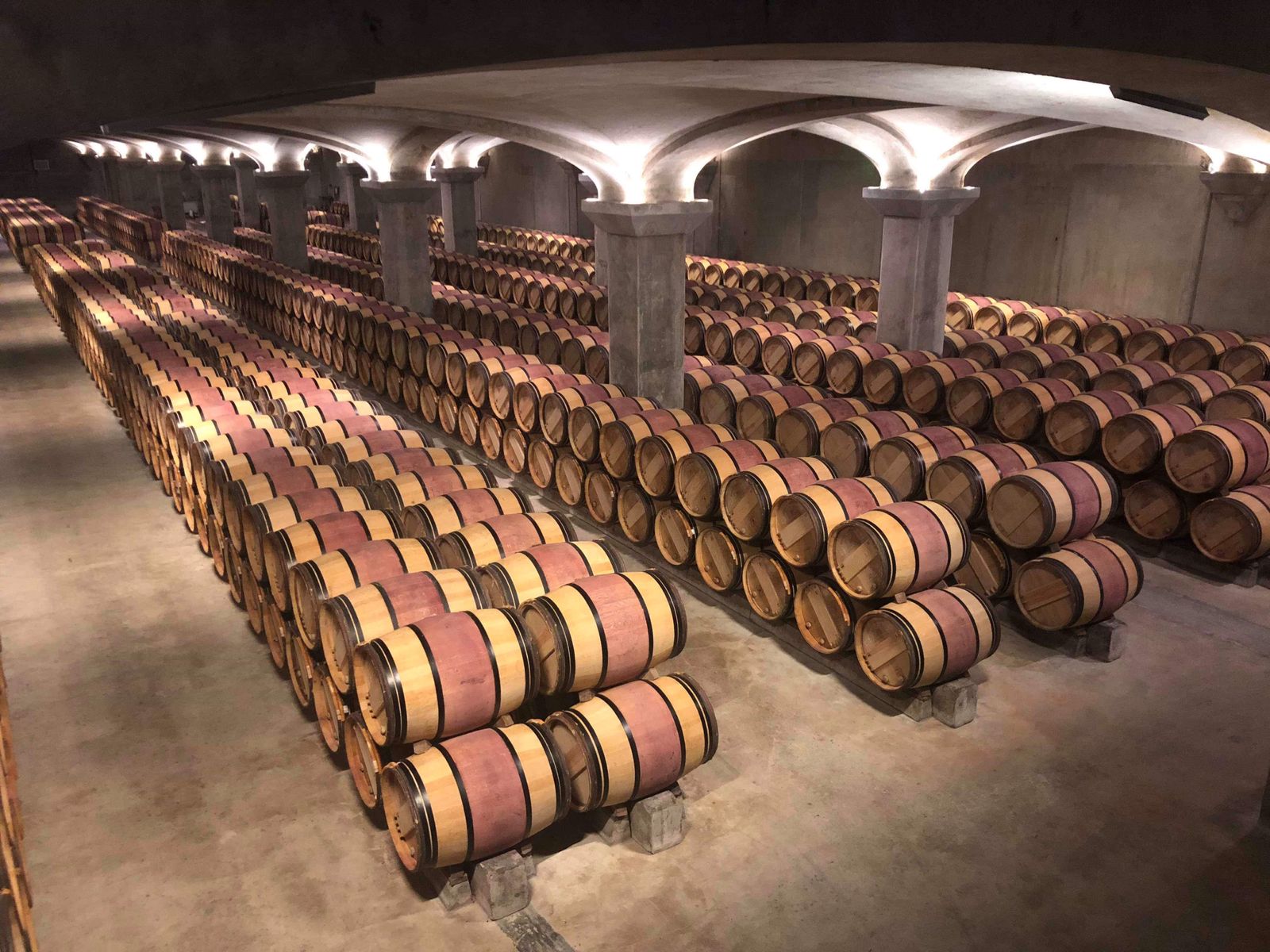
Tasting in a family cellar
With a winemaker who tends his own vineyard, in a cellar often older than the village above it, a conversation instead of a sales pitch.
Each of these directions works alone, or combined with another region in the same rhythm.
Looking past the highlights
Why we look at France differently
No obligatory photo at the Eiffel Tower. Paris can be part of your trip, but it's never the automatic starting point. Some of our best routes begin in a region no tourist ever washes up in by accident.
Regional language isn't scenery. A Breton, an Occitan and an Alsatian identify with their region first and with France second. We plan with that in mind, not around it.
The season decides, not the star rating. We'd rather send you to the Périgord during the walnut harvest than to a guidebook-listed restaurant at the wrong time of year.
Compact enough, different enough. France is compact enough to combine two or three completely different regions without endless travel, if the pace allows it, not the distance on the map.
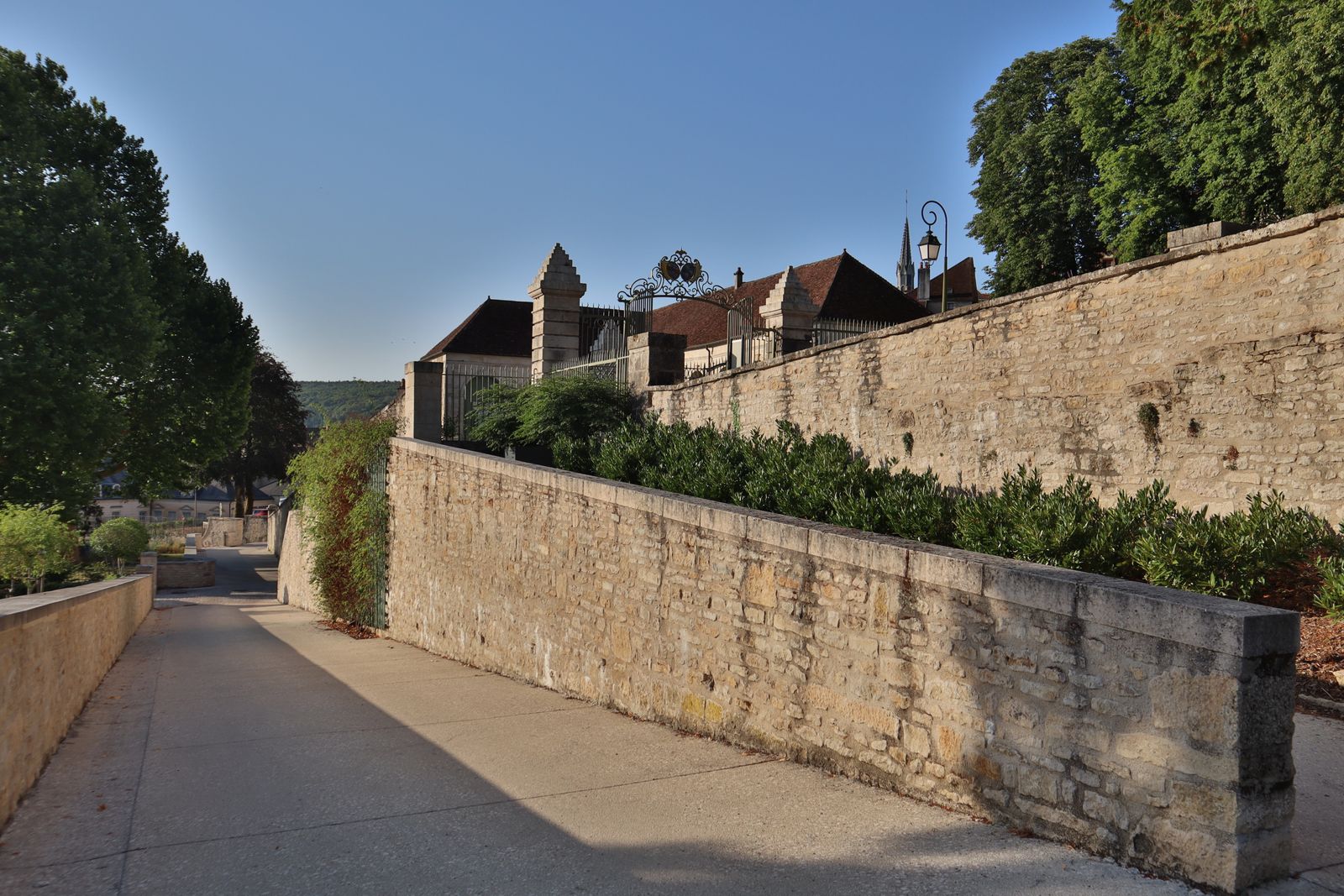
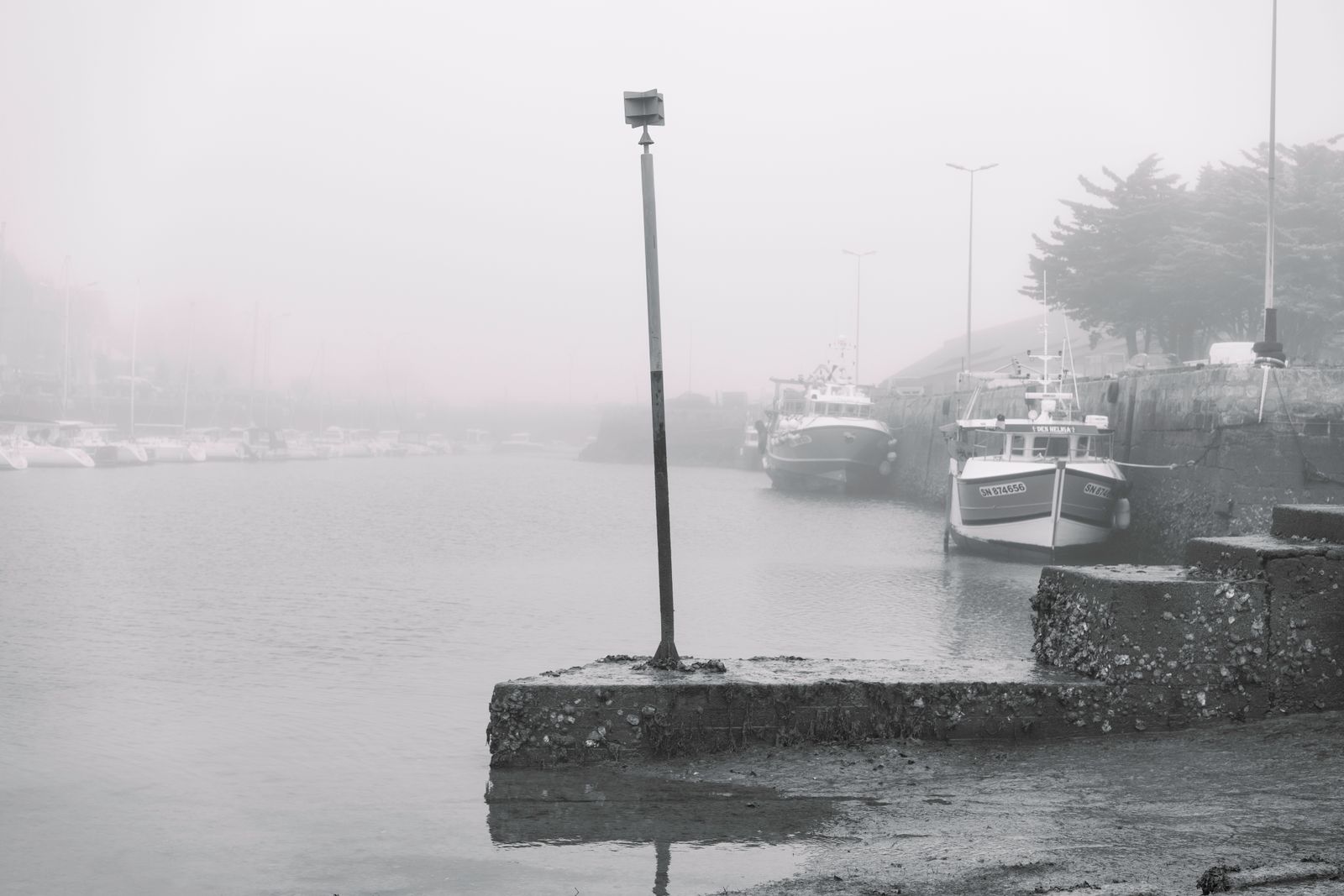
Between limestone and Atlantic mist lies as much France as between two different countries.
When would you travel?
When you go decides which region shows itself.
There's no single 'best time for France'. There's a best time per region. Burgundy comes alive during the wine harvest in September, the Atlantic coast is at its quietest in May and June, and August is exactly when many French people head for the coast themselves, bringing the crowds with them.
Best time to visit France
Jan
Feb
Mar
Apr
May
Jun
Jul
Aug
Sep
Oct
Nov
Dec
Top: quiet roads, terrace season in full swing, or perfectly timed for a harvest.
Good: pleasant travel weather, with a bit more crowding here and there at the well-known spots.
Fair: winter quiet inland or coastal crowds during the summer holidays, not impossible, but worth planning around.
Not ready to ask yet?
Leave your email address. A month before the good time begins, we send you one reminder. Nothing more.
You will first get an email to confirm. You can unsubscribe at any time, with one click.
Rather talk it over?
Leave your name and number. We will call you at a time that suits you.
Worth knowing
Practical, without the noise.
Practical, without crowding out the romance.
- Getting there
- By car or train direct from Belgium to most regions, or a short flight for the south and Corsica
- Documents
- A valid identity card is enough for EU citizens
- Health
- No special vaccinations needed, just make sure your travel insurance is in order
- Pace
- Don't underestimate the distances. Burgundy to the Camargue is a full day's travel, not a stopover
- Language
- French opens doors, especially outside the big cities. English isn't a given everywhere
France isn't a country to tick off.
It's a country to reread, region by region.
Frequently asked questions
Does Paris have to be part of the trip?
No. Paris can make a good starting point, but just as often we deliberately leave it out in favour of a region that's less obvious.
Do you need a car?
For most regions, yes. Public transport away from the main lines is more limited than you'd expect. Some combinations also work well with the train as a backbone.
Is France suited to a trip without a tight schedule?
It's exactly suited to that. The distances are manageable enough to adjust a route as you go, without a missed day throwing the whole plan into disarray.
Or perhaps this
Other destinations
Still weighing it up? That is no problem at all. The right country often only becomes clear once the conversation starts.
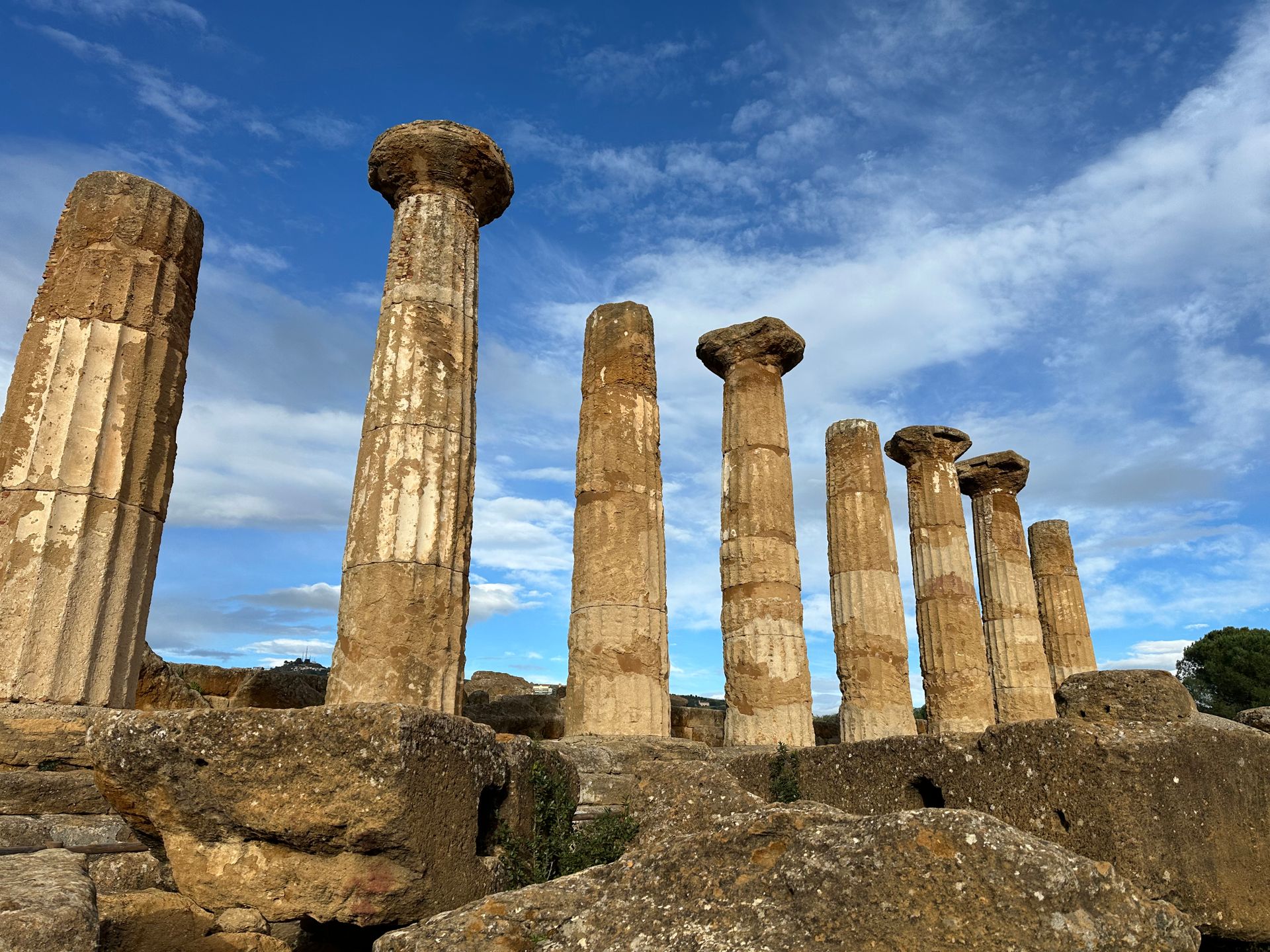
Strait of Sicily
Sicily
Sicily carries the traces of Greeks, Arabs and Normans, with a volcano that always keeps the last word.
Oceania
Australia
A reef off the north-east coast, red rock in the centre, and an Aboriginal history tens of thousands of years deep.
Andes and Pacific
Chile
A country 4,270 kilometres long: desert in the north, glaciers in the south and an island in the middle of the Pacific.
How it works
This is how your journey to France takes shape.
Six steps, from your first story to your homecoming. The conversation and the feasibility check cost you nothing.
-
01
Tell us your story
Fill in the form or give us a call. You do not need a route yet: a country, a period or just an idea is enough.
-
02
The conversation and the check
We call you within two working days. We talk through what you are looking for and check whether it can be done. If it can, we set down together what we will make for you.
-
03
We design your journey
We build your programme up, day by day, together with our own people in the country itself.
-
04
Your proposal
You read your journey day by day, with everything that is included. You say what you would like differently, until it is right.
-
05
Ready to depart
You send us your details, we send you your travel documents. You have one fixed contact who knows your journey.
-
06
Travelling, and after
Your contact stays reachable while you are away. Once you are home, we call one more time.
The next step
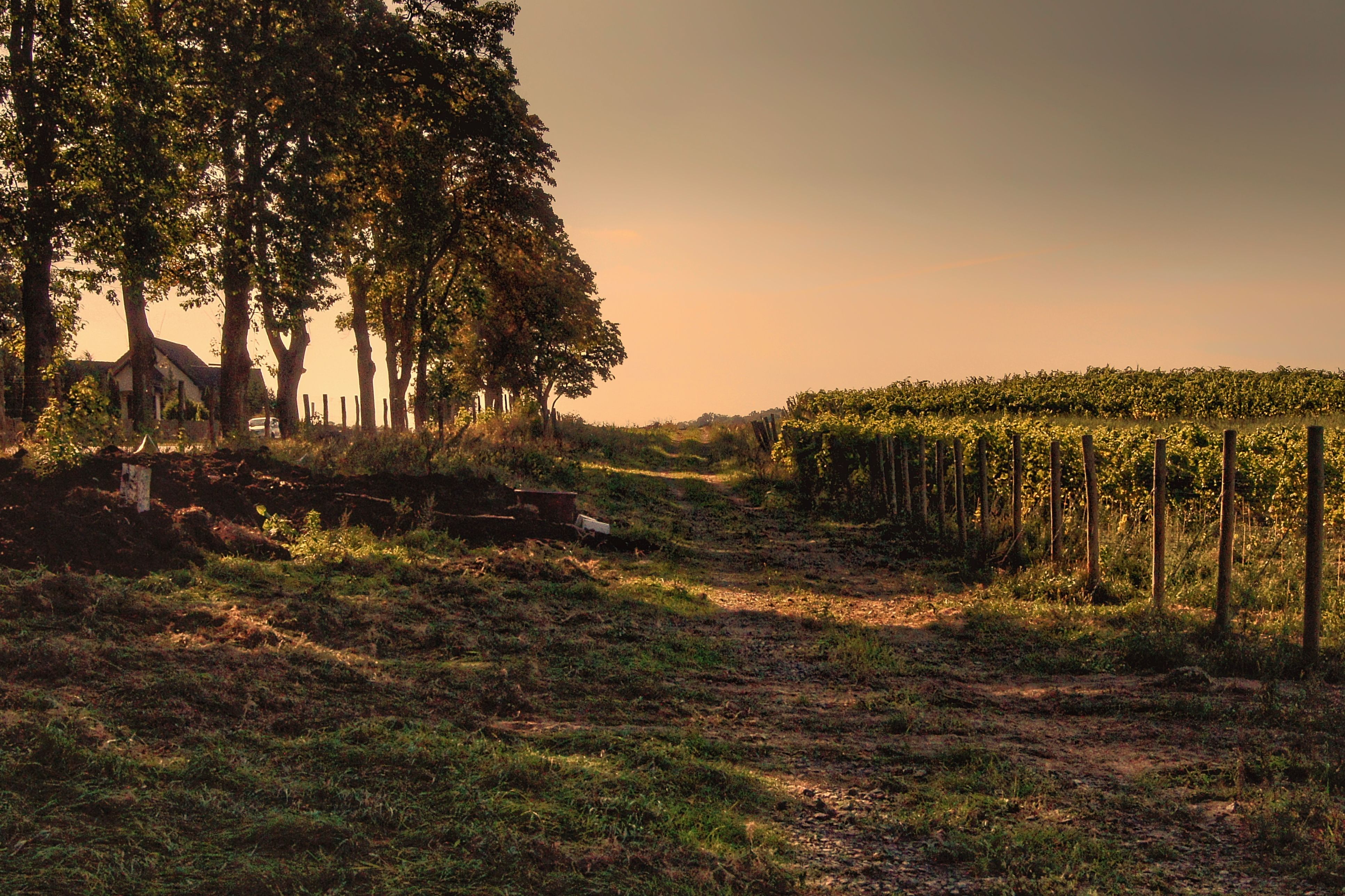
Which side of France speaks to you?
Limestone or granite, inland or coast, a busy season or the quiet just before it. Tell us what you're after and we'll match it to a region that fits.
Updated in October 2026