Southeast Asia
Laos
A country that lets the river decide how fast the day moves.
This is Laos
Time that still flows to the river here.
Five borders, no coastline, and a pace its neighbours traded for speed long ago.
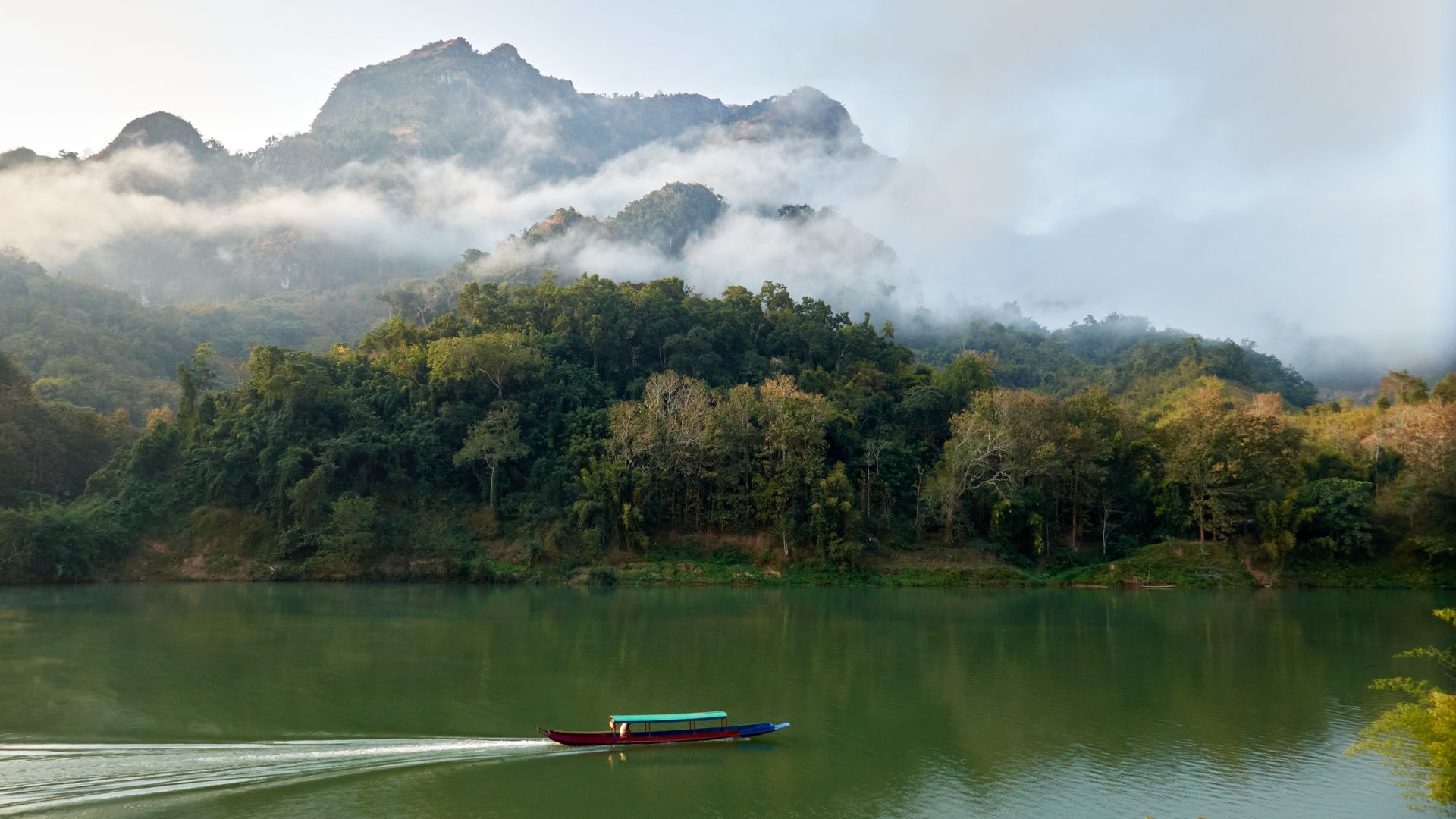
Laos shares borders with five countries and is, alone in the region, without a single metre of coastline. Everything here leads back to the Mekong: the river that connects Vientiane and Luang Prabang, carries fishing boats, and lies hidden under the morning mist until the sun burns it off.
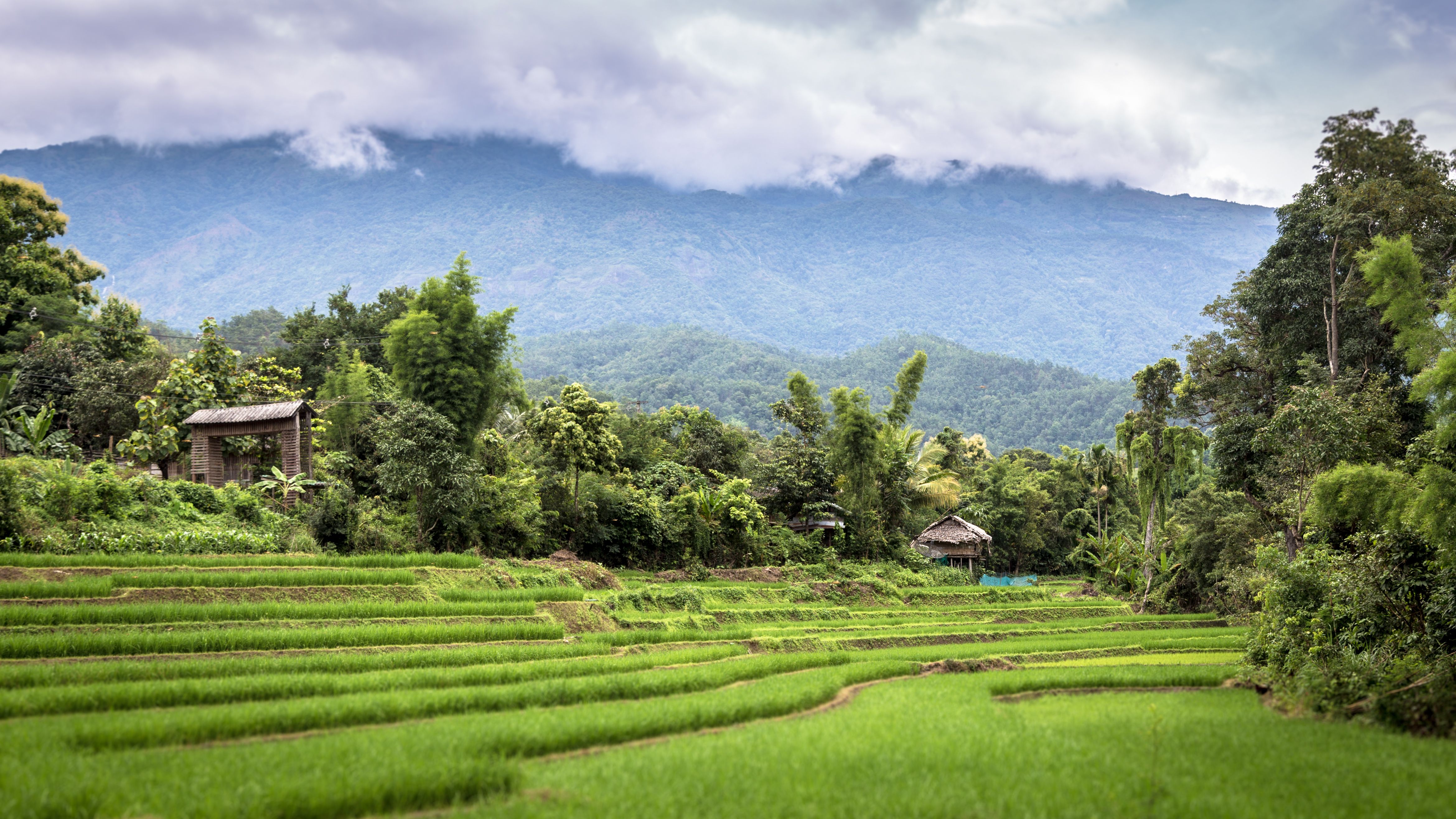
Where Thailand and Vietnam were rebuilt into modern economies within a few decades, Laos largely stayed outside that rush. Not because the country stood still, but because it kept its own pace: monastery schools, rice fields on hillsides, villages that only joined the electricity grid in recent years. That pace is what ultimately shapes a trip here, not a list of sights.
In short
- Best time to go
- November to February: dry, clear and cooler, with good roads. From March to May it is hot and often hazy from field burning, and in the rainy season until October the land is green, though travel in the north is slower.
- How long
- Ten days to two weeks, because the mountain roads in the north are slow and winding. That gives you time for Luang Prabang, a stretch of the Mekong by boat and the south around the islands of Si Phan Don.
- Who it suits
- For travellers looking for the slow rhythm of the Mekong: monasteries and monastery schools, rice fields on the slopes, boat trips on the river, and no hurry to tick off sights.
- What sets it apart
- Laos is the only country in Southeast Asia without a coastline, and the Mekong is the backbone of travel here. In Luang Prabang the whole old royal town, its temples included, is a World Heritage Site.
The regions
One river, several countries along the way.
Laos changes character as the Mekong works its way through the country: from colonial streets to rice terraces, from limestone caves to an archipelago in the south.
North
Luang Prabang and the mountains
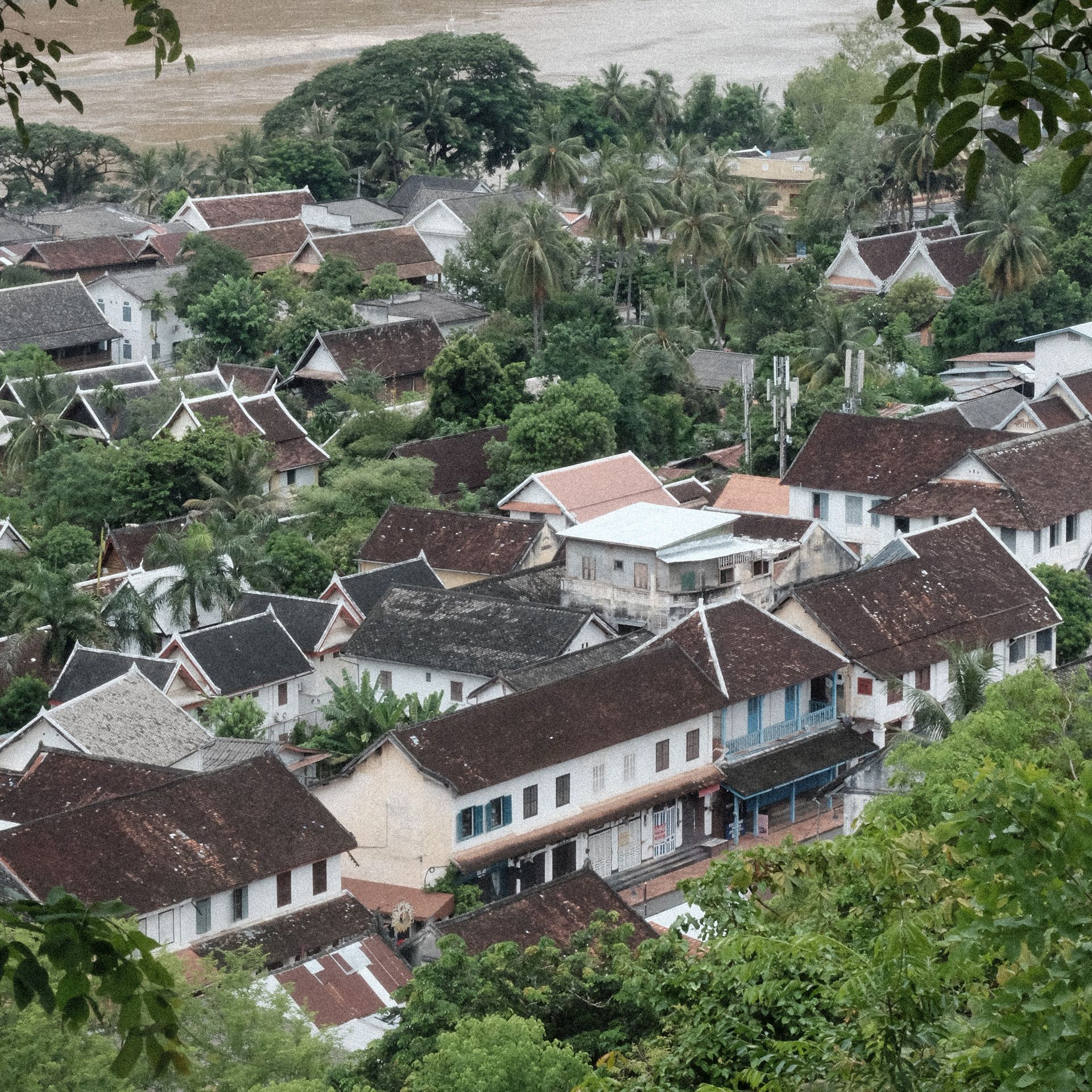
A city of gold-tiled temple roofs and French facades, wedged between the Mekong and the Nam Khan. Around it lie Hmong and Khmu mountain villages, reached by roads that wind around the hillsides.
Capital
Vientiane
The quietest capital in Southeast Asia: wide boulevards, a morning market along the river, and a pace that feels more like a provincial town than a seat of government.
Plateau
Xieng Khouang and the Plain of Jars
Grasslands scattered with hundreds of stone jars over two thousand years old, and no one knows for certain who placed them or why.
Southern highlands
The Bolaven Plateau
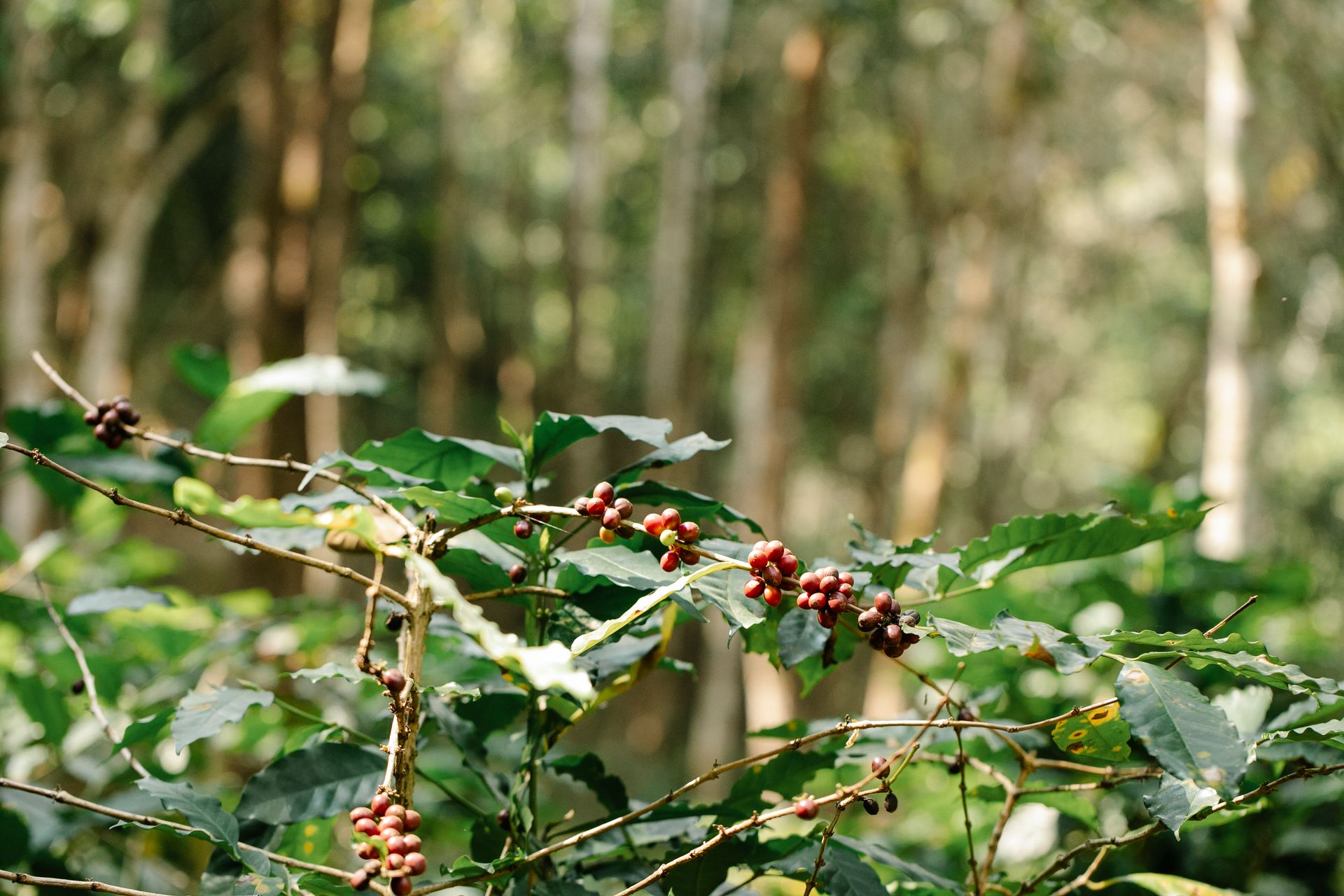
Volcanic soil, coffee plantations and waterfalls that pour over red cliffs after the rainy season. The coolest part of the south, and the least visited.
Deep south
Si Phan Don, the four thousand islands
Where the Mekong spreads out across an archipelago of sandbanks and islets, and the rhythm is set by fishing boats and the sunset.
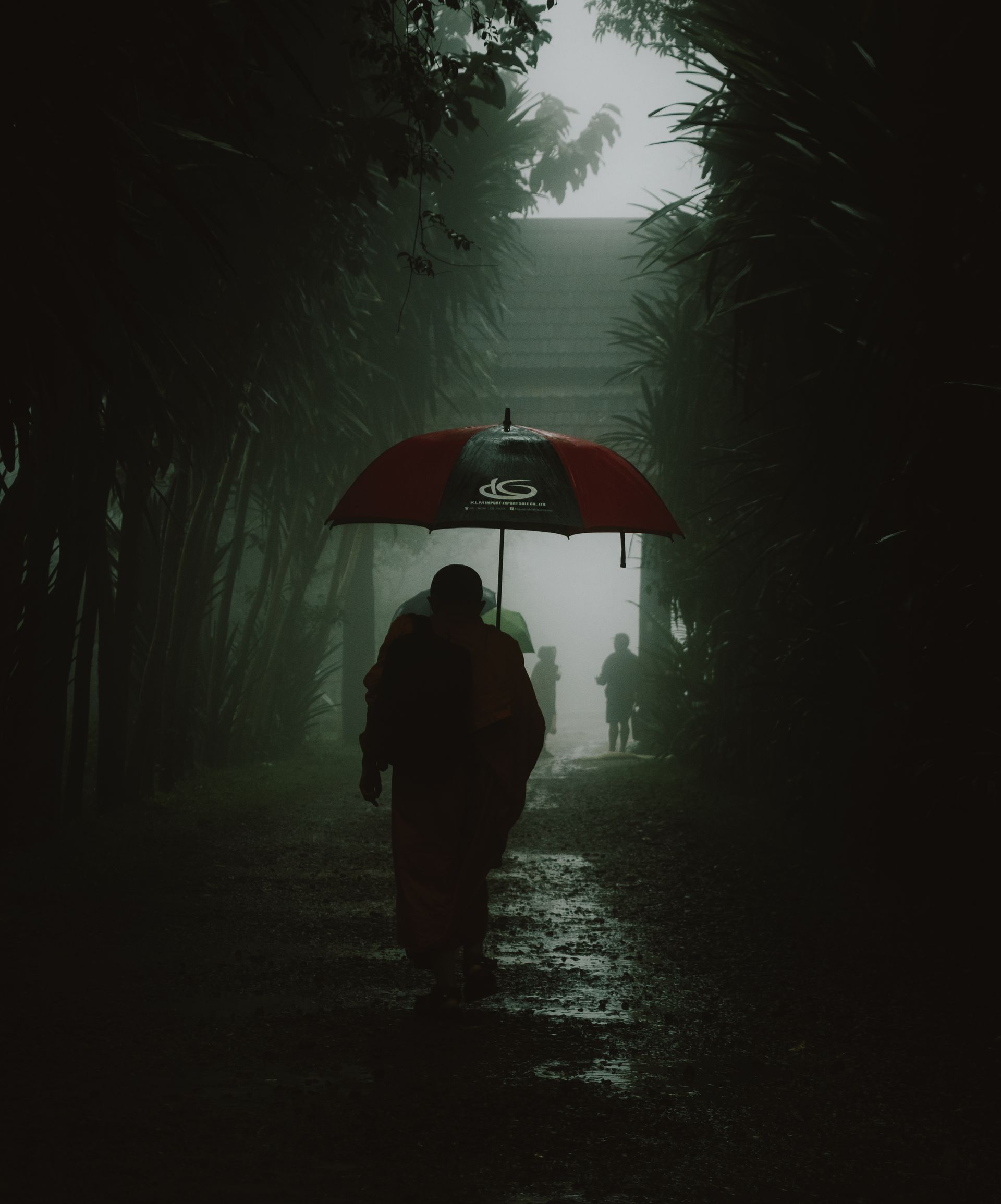
People and faith
A country that falls quiet each morning for the monastery.
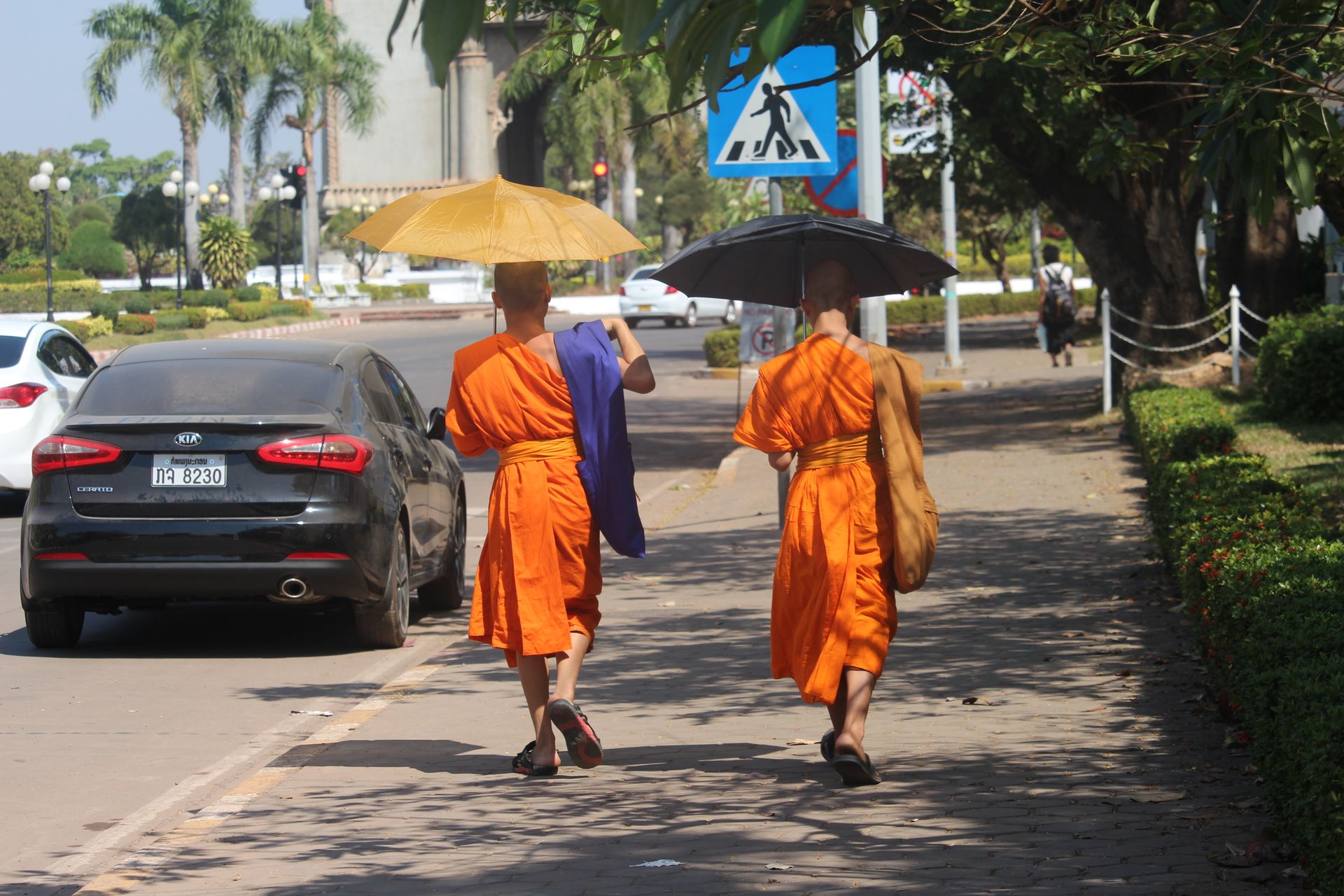
In every town and many villages, Buddhism still shapes the daily rhythm. At first light, monks in orange robes walk the streets for tak bat, the giving of alms. Not a show staged for visitors, but a custom that has continued unchanged for centuries.
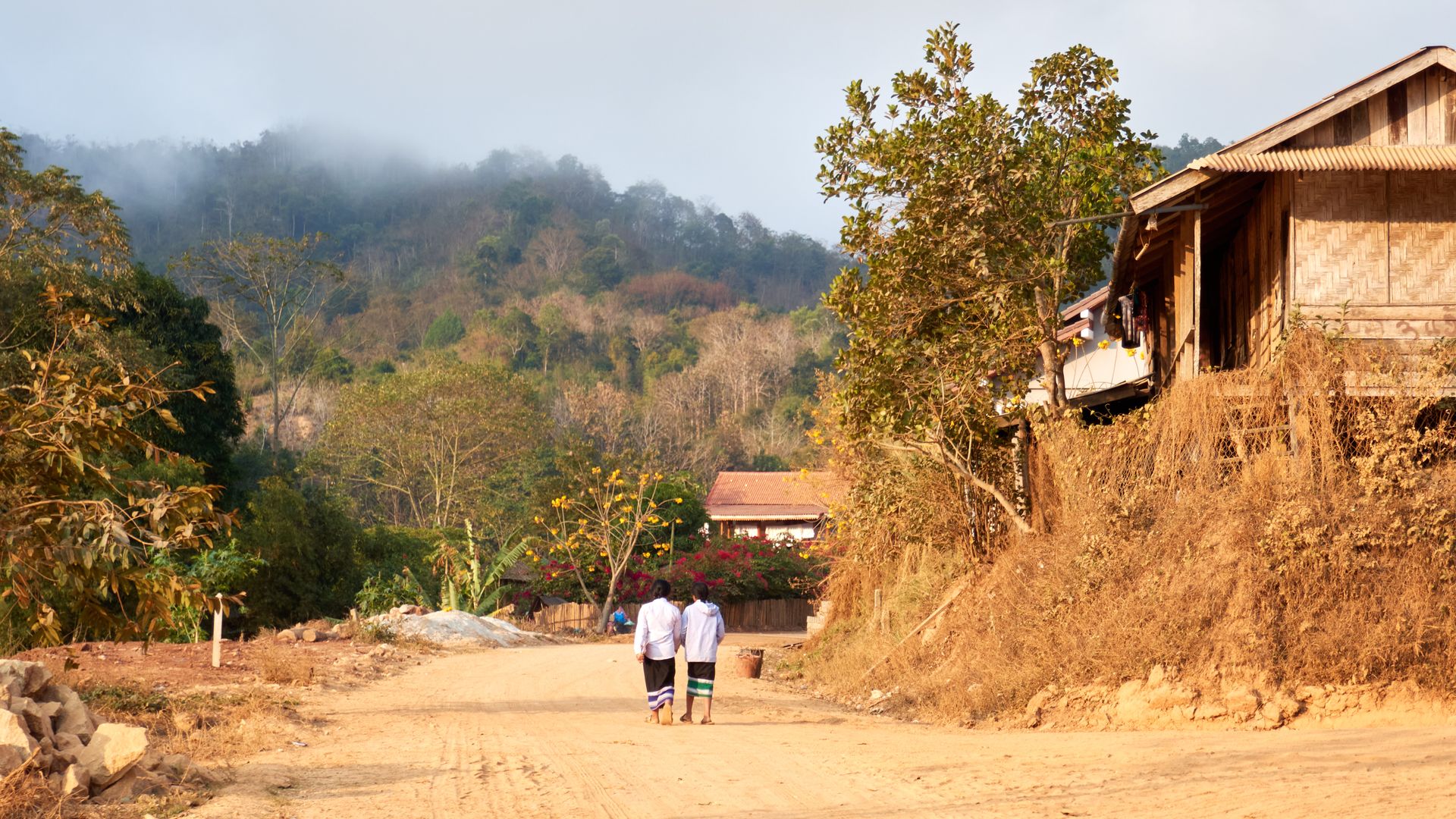
Laos is also home to more than fifty recognised ethnic groups, from the Hmong in the northern mountains to the Khmu and Tai Dam along the rivers. Each group has its own language, textiles and way of growing rice, a diversity that shows more clearly in the villages than in the cities.
Nature and water
Limestone, rainforest and a river that connects it all.
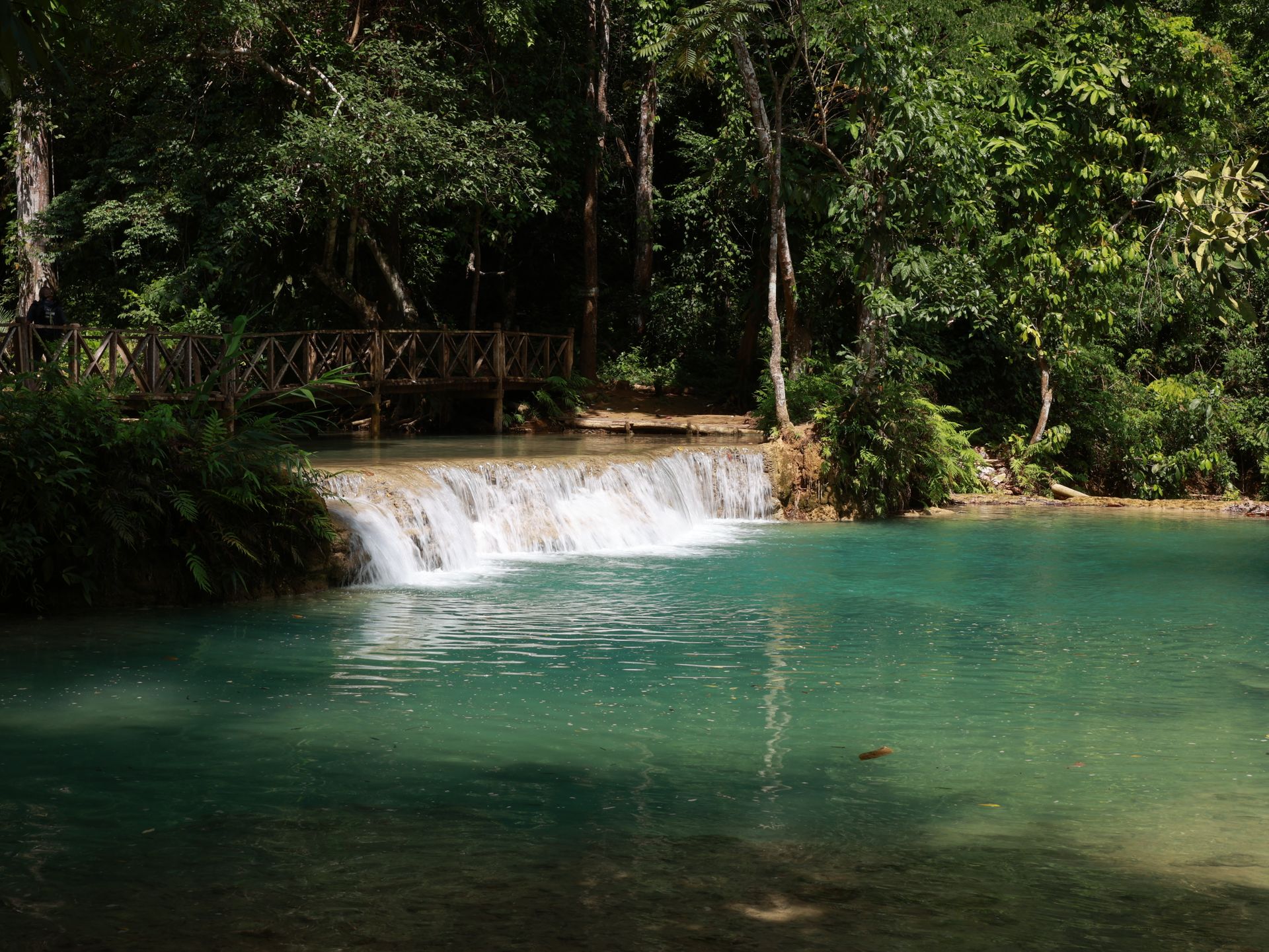
The waterfalls of Kuang Si
Turquoise pools cascading in tiers through the rainforest near Luang Prabang, fed by limestone springs that give the water its colour.
The cave of Konglor
A river that runs seven kilometres straight through a mountain massif, travelled by long boat, in the dark, with only a headlamp for light.
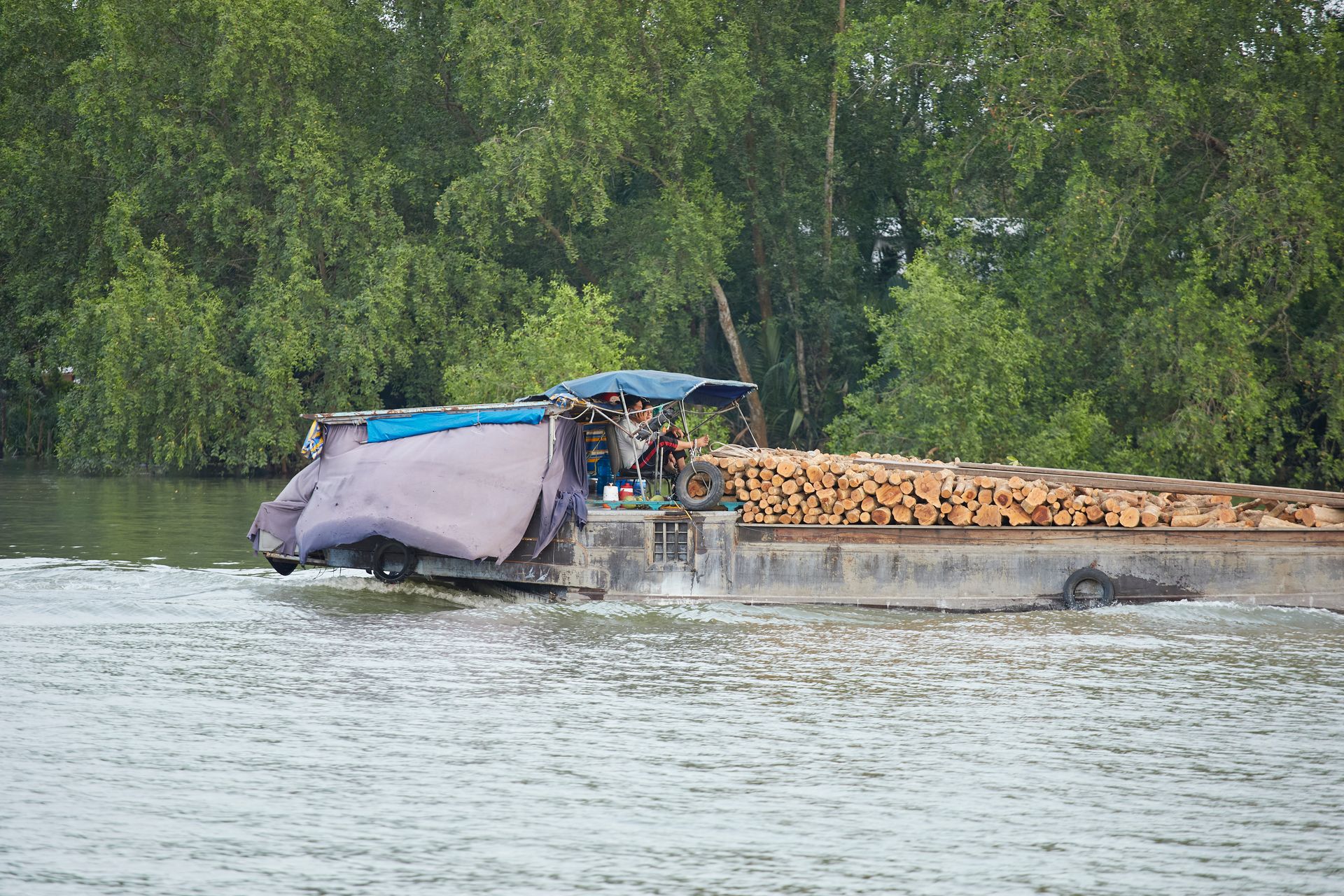
The Mekong itself
Not a backdrop but the main character: the river carries trade, fish, stories and the slow boats that still cross it daily.
What you can do here
Possibilities, not a fixed route.
A trip through Laos doesn't divide neatly into days. These are the experiences we draw on to build a route that matches your pace.
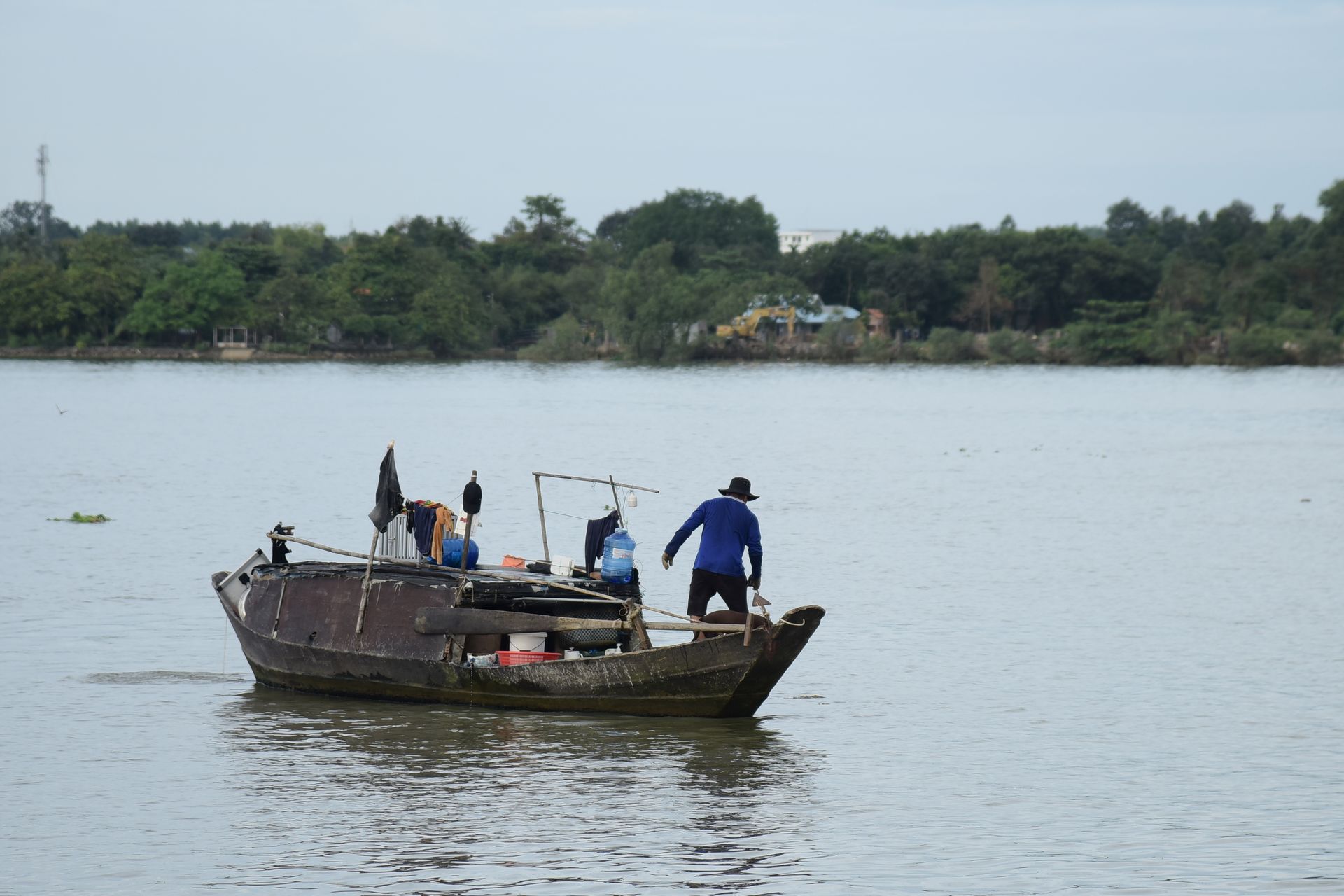
Two days on the Mekong
From the Thai border to Luang Prabang, aboard a slow river boat, with an overnight stop in Pak Beng.
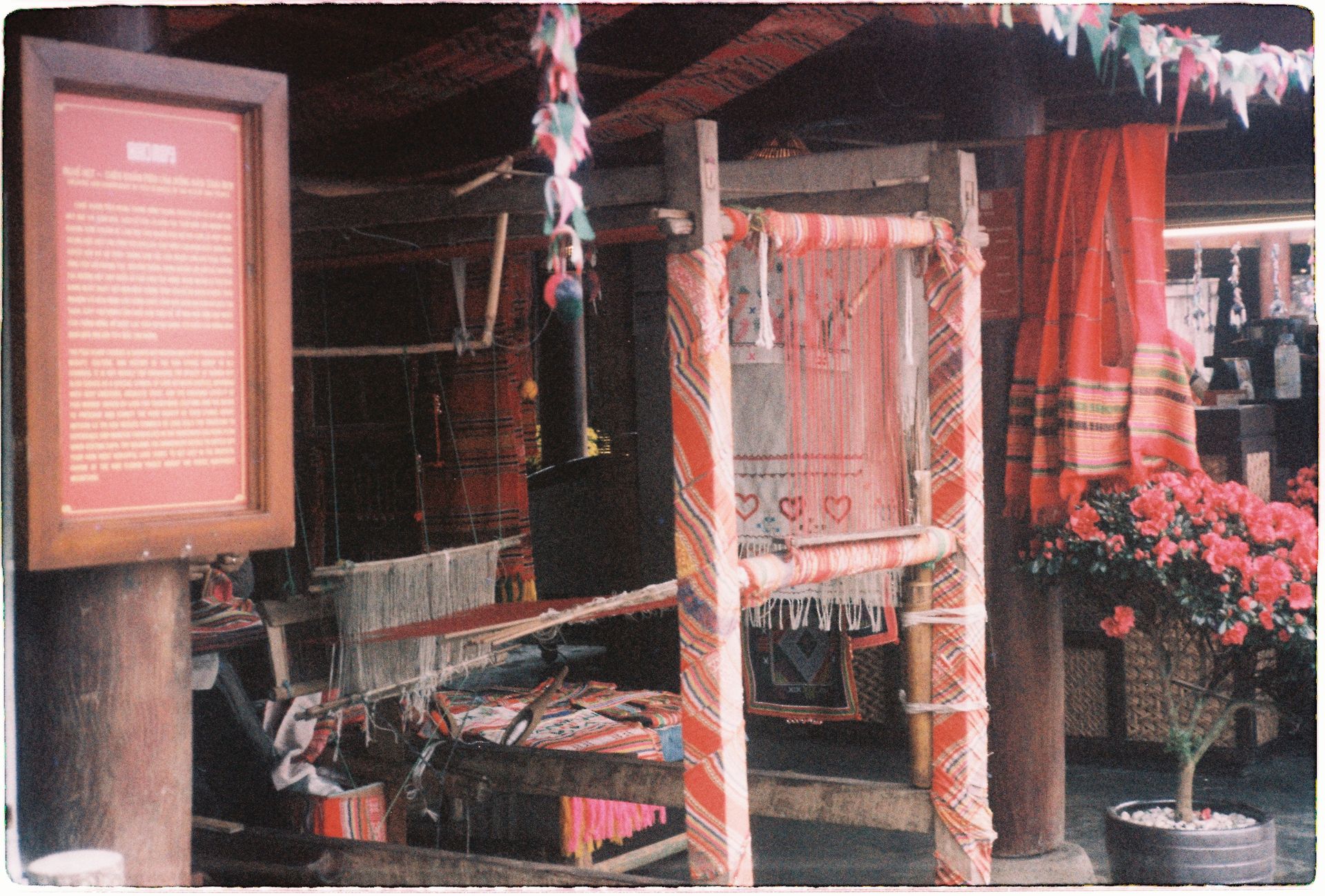
Visiting a weaving village
With the Tai Lue or Hmong, learn how silk and cotton are dyed and woven, in patterns passed from mother to daughter.
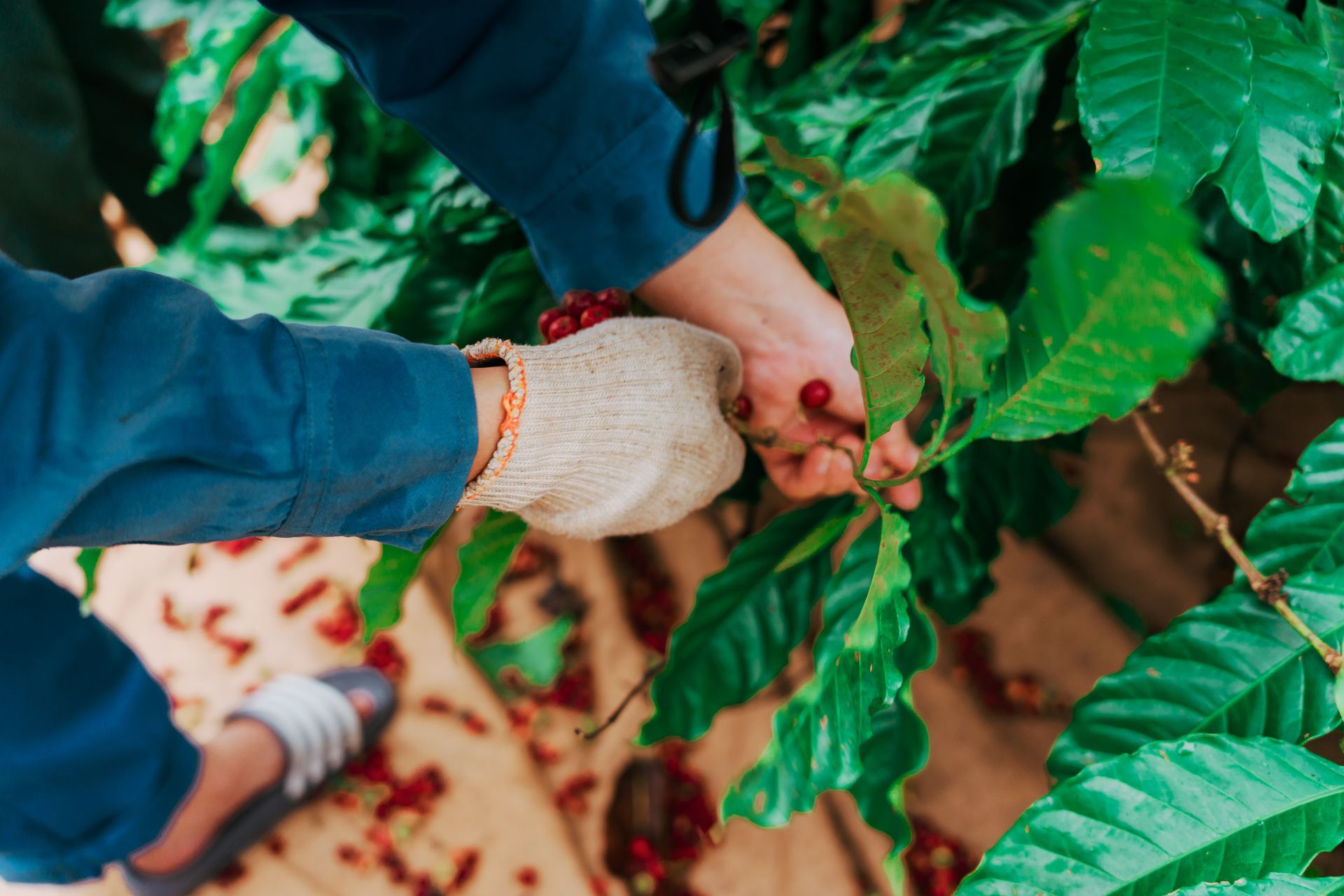
Tasting coffee on the Bolaven Plateau
Arabica and robusta from small family plantations, picked on volcanic soil more than a thousand metres up.
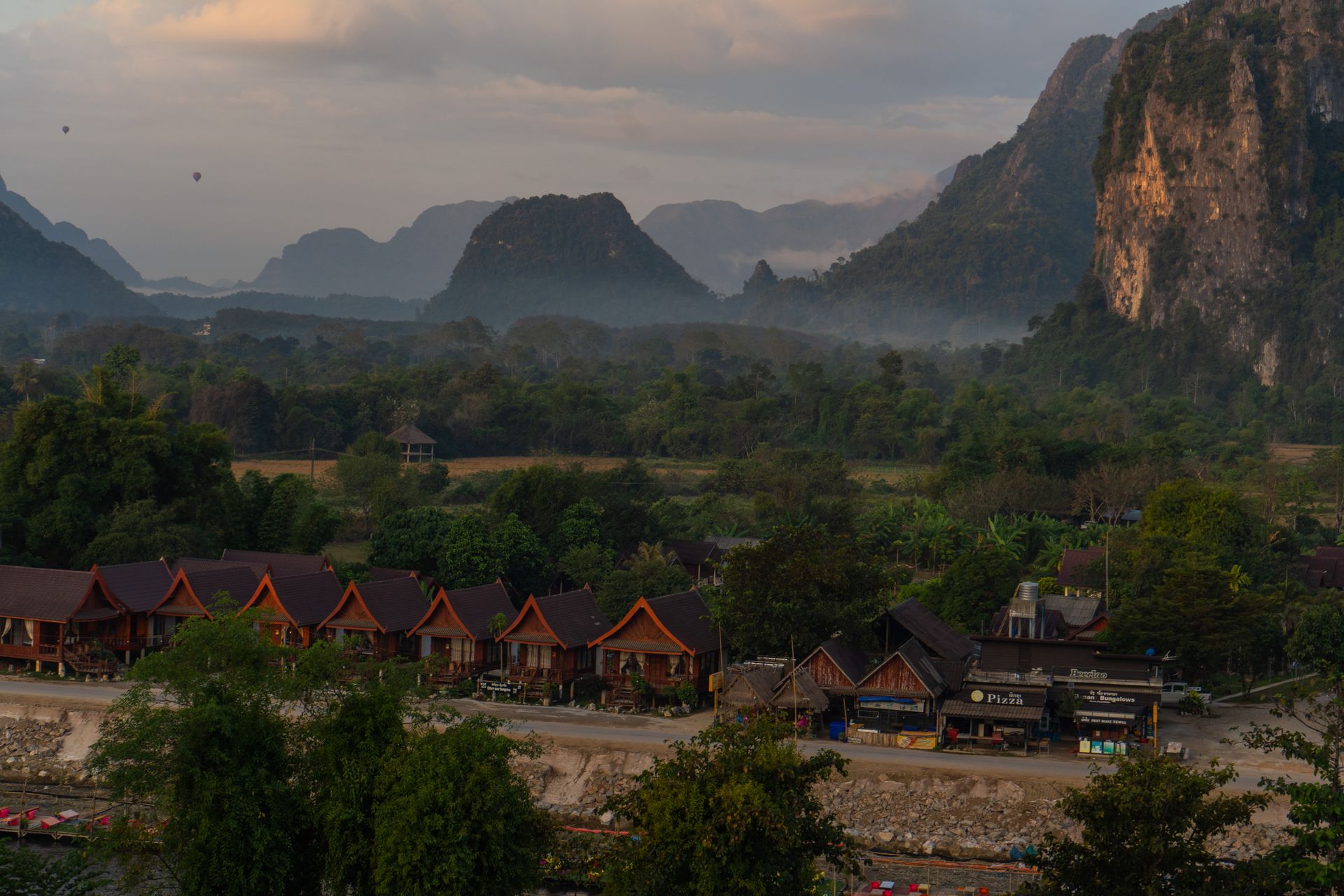
Cycling past rice fields
Quiet roads between Vientiane and Vang Vieng, past limestone karsts and villages where life still plays out on the street.
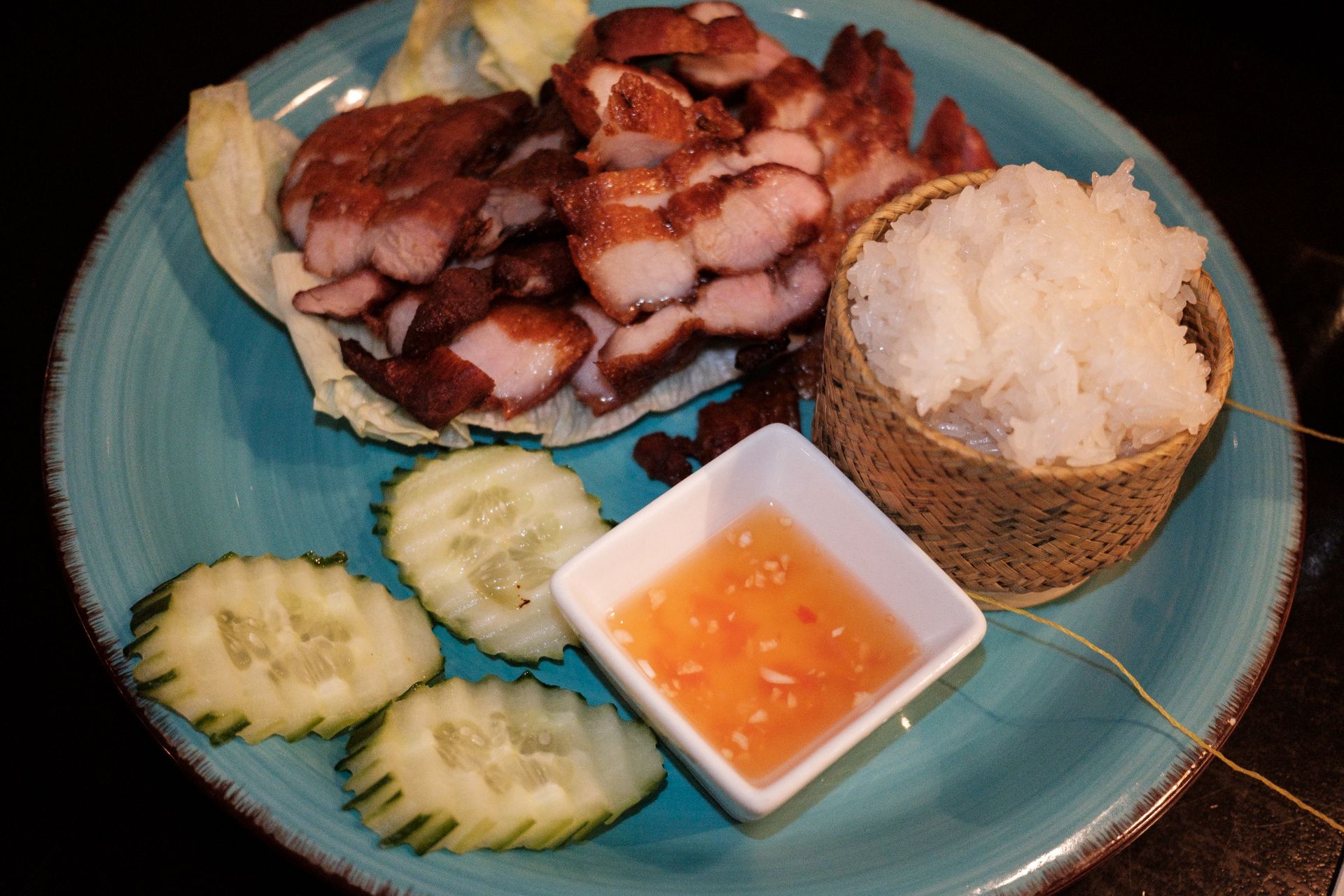
Cooking with laap and sticky rice
Lao cuisine centres on steamed sticky rice, fresh herbs and laap, minced meat with lime, chilli and toasted rice.
Any one of these experiences can be the core of a route, or an addition to a longer trip through the region.
Looking past the highlights
Why we look at Laos differently.
Not the 'last unspoilt place' Laos is developing fast: new roads, a rail line to China, growing cities. We don't sell the country as a time capsule, we show where the old pace still holds.
Pace is the product, not the itinerary A route through Laos doesn't work with a packed schedule. We deliberately build in room: an extra night on the boat, a day with no fixed destination.
Local guides who know the context In villages where Lao isn't the first language, it makes a real difference whether a guide comes from the area and understands the community's customs.
History we don't gloss over Laos is, per capita, the most heavily bombed country in the world, a legacy that's still visible every day. For those who want to understand it, we connect them with initiatives doing real work on the ground.
When would you travel?
When to travel to Laos.
The dry season, from November to February, is the most pleasant: clear skies, cooler evenings and roads in good condition. From March, temperatures climb and smoke from field burning often hangs in the air. The rainy season, from June to October, turns the country green and fills the Mekong, but some roads in the north become harder going.
Best time to visit Laos
Jan
Feb
Mar
Apr
May
Jun
Jul
Aug
Sep
Oct
Nov
Dec
Top: dry, cool enough for the north, good visibility.
Good: rainy season with green landscapes, the odd heavy shower.
Fair: hot and sometimes hazy from field burning.
Same months, other destinations
Who else is at their best in these months?
Not ready to ask yet?
Leave your email address. A month before the good time begins, we send you one reminder. Nothing more.
You will first get an email to confirm. You can unsubscribe at any time, with one click.
Rather talk it over?
Leave your name and number. We will call you at a time that suits you.
Worth knowing
Practical, without the noise.
Practical matters that help shape the pace of a trip through Laos.
- Getting there
- No direct flight from Belgium; usually via Bangkok, Hanoi or Singapore to Vientiane or Luang Prabang.
- Documents
- Which travel documents you need depends on your nationality, and entry rules change regularly. We go through the current requirements with you before you leave.
- Health
- Check vaccination advice; malaria prevention may be recommended outside the cities.
- Infrastructure
- Main roads are good, mountain roads in the north can be slow and winding. Expect longer travel times than the distance suggests.
- Connectivity
- Mobile internet works well in cities, and drops out in remote villages and on the river.
Laos doesn't ask to be seen.
It asks for time.
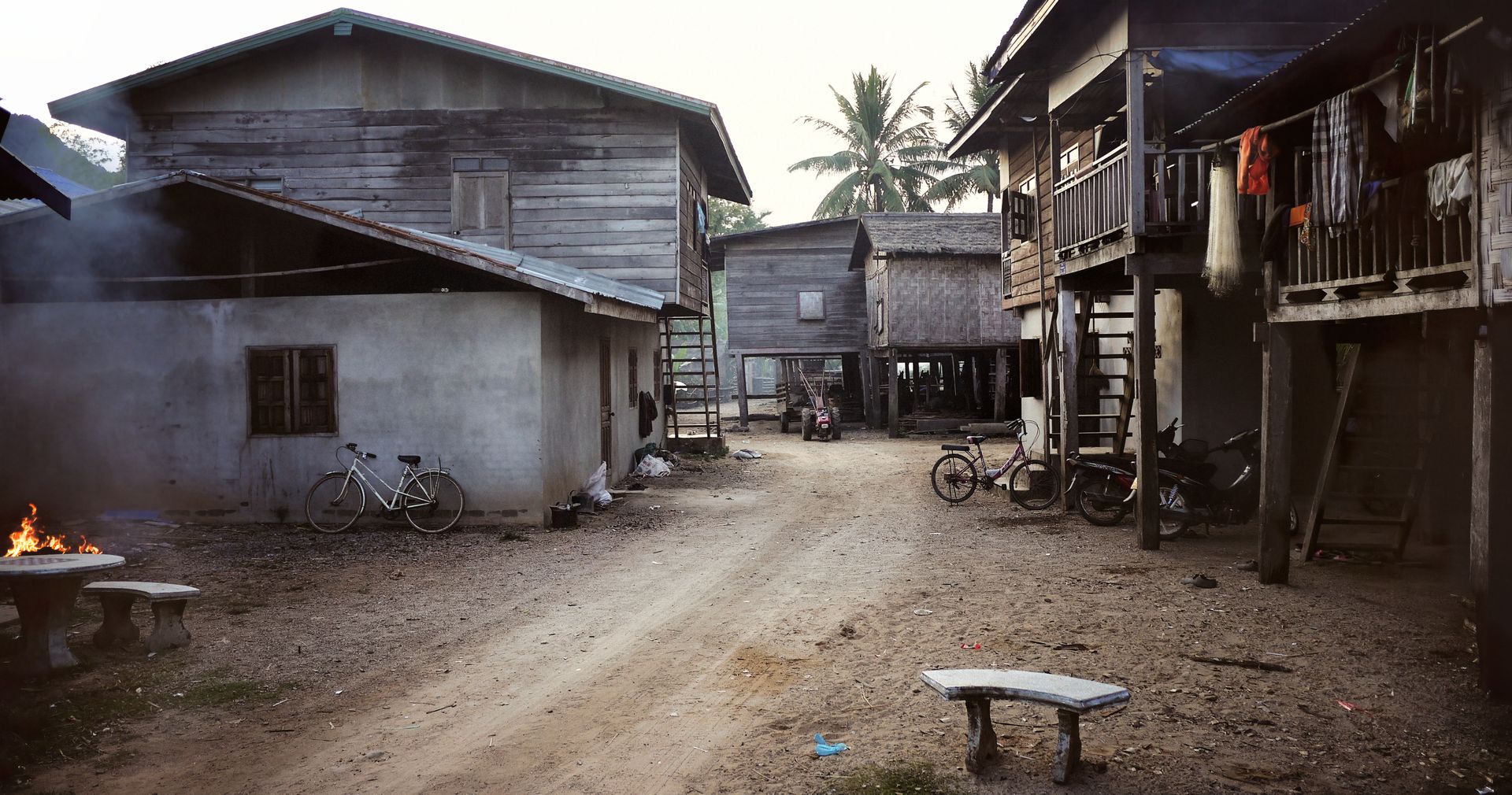
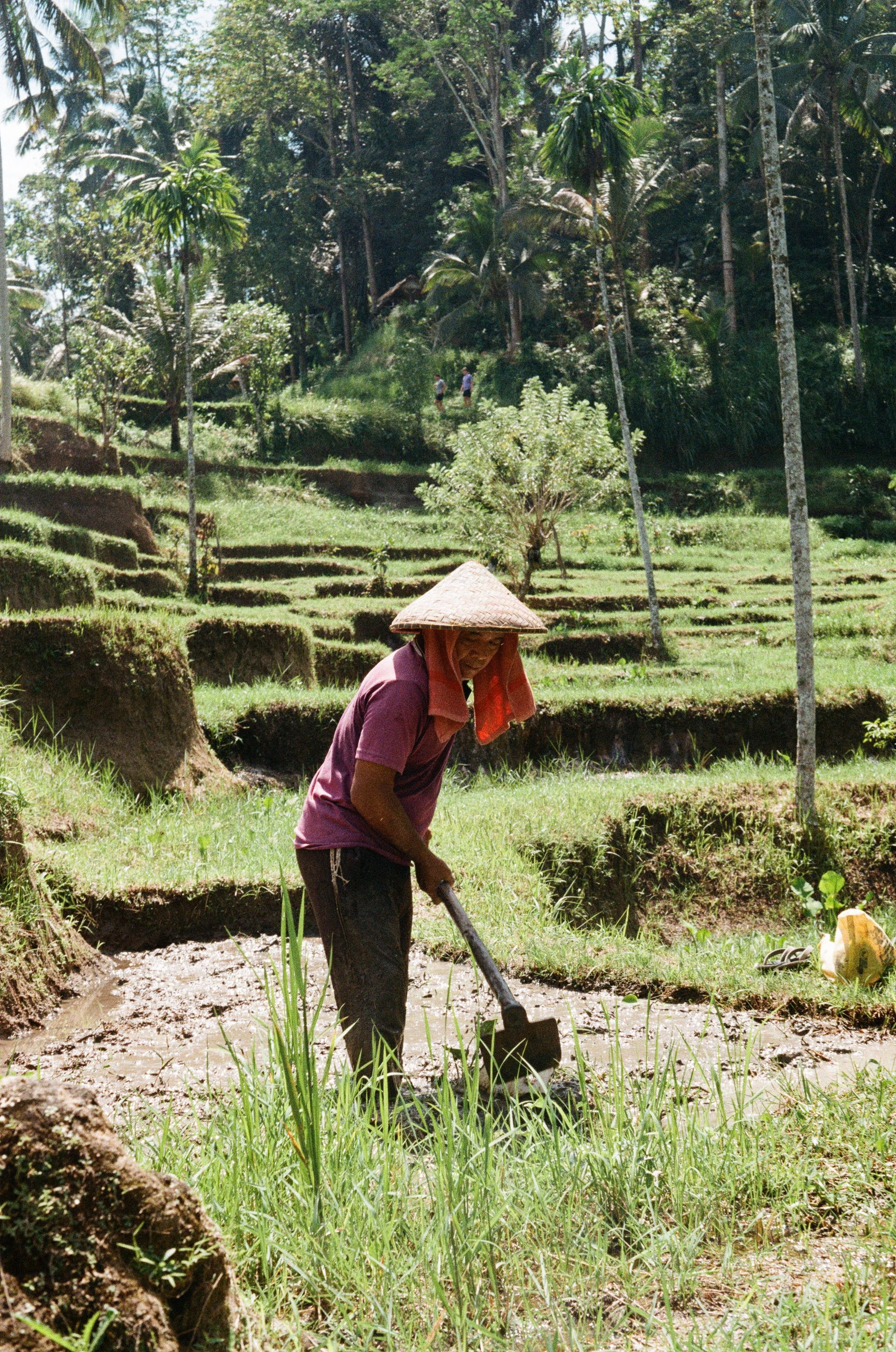
Between two villages here, there's usually no road, just a path.
Frequently asked questions about Laos.
Can Laos be combined with another country in the region?
Yes, often with northern Thailand or northern Vietnam via a land border crossing, or with Cambodia via a flight from Pakse or Vientiane.
How much time do I need for Laos alone?
To do the country justice without constantly moving on, allow at least ten to fourteen days.
Is Laos suitable for a family trip with children?
Certainly, especially the calmer parts such as the Mekong boat trips and the waterfalls near Luang Prabang. Long mountain roads do call for some patience.
What about unexploded ordnance in Laos?
In some remote areas, unexploded bombs from the past still remain. Marked paths and tourist routes give no cause for concern; we take this into account when putting together a route.
Or perhaps this
Other destinations
Still weighing it up? That is no problem at all. The right country often only becomes clear once the conversation starts.
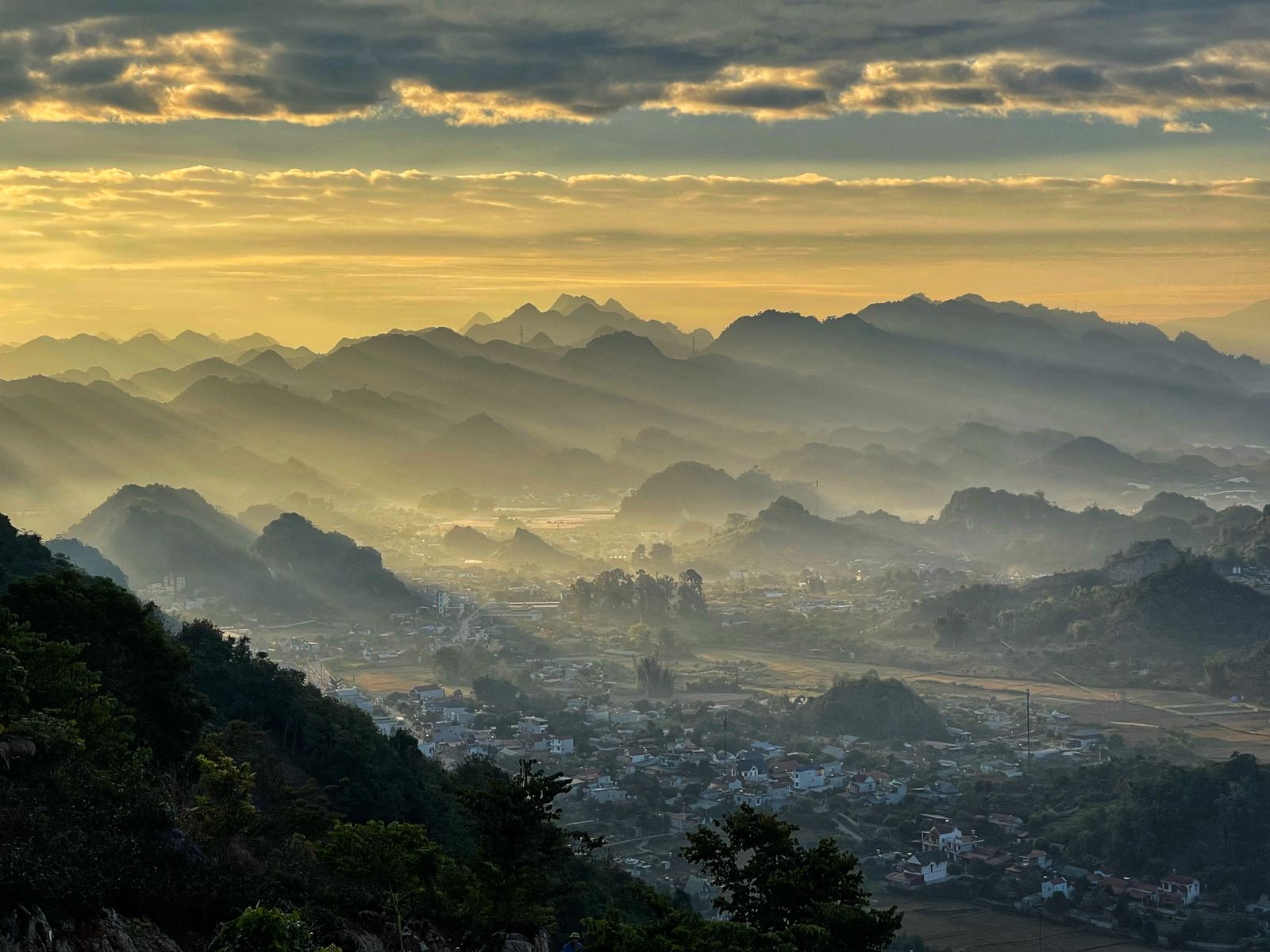
South-East Asia
Vietnam
A country best discovered at the table, one that feels like an almost different place from north to south.
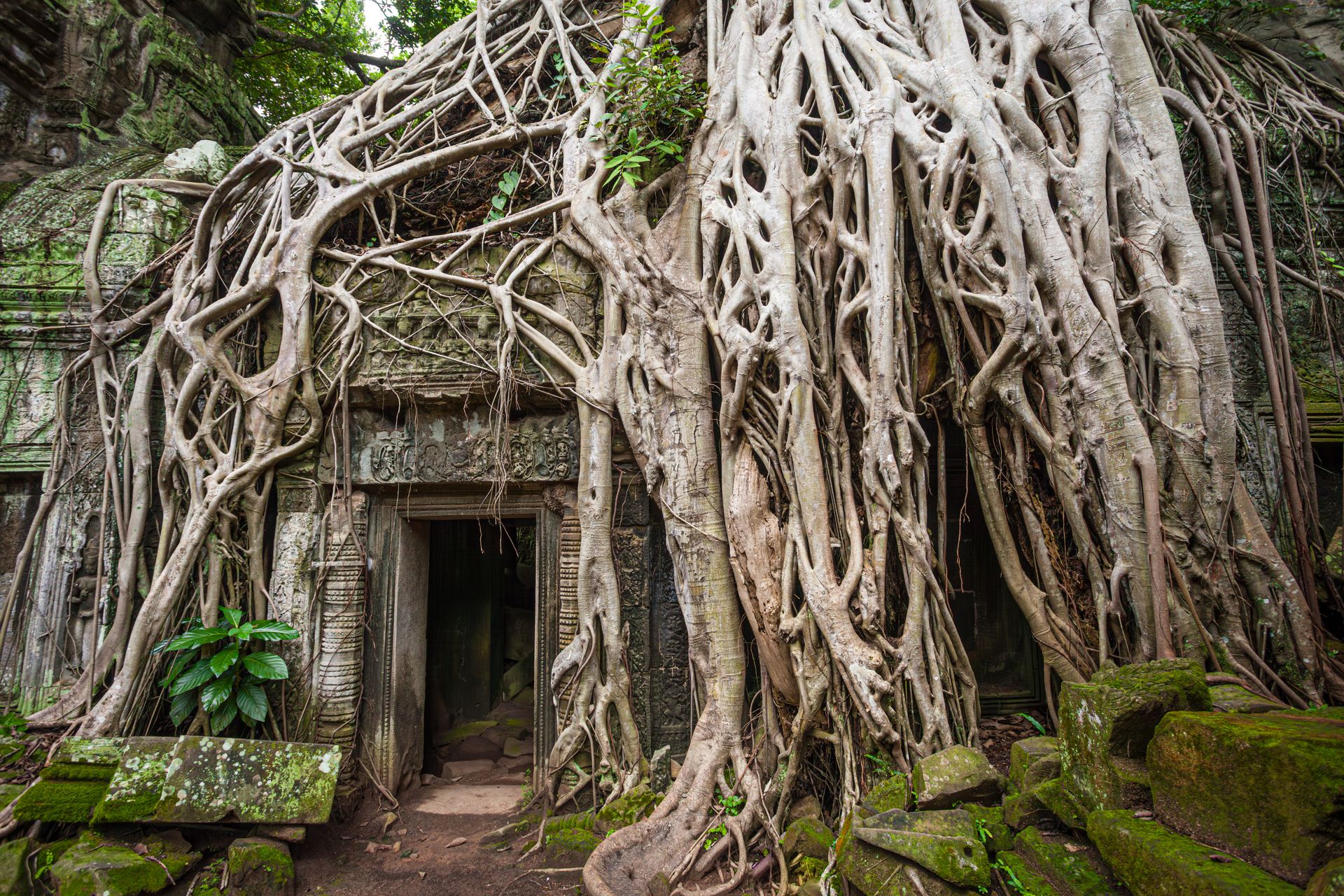
South-East Asia
Cambodia
Overgrown temples and a quiet resilience that say more about the past than any history book.
South-East Asia
Thailand
From busy Bangkok streets to quiet mountain villages in the north, this country has as many faces as it has provinces.
How it works
This is how your journey to Laos takes shape.
Six steps, from your first story to your homecoming. The conversation and the feasibility check cost you nothing.
-
01
Tell us your story
Fill in the form or give us a call. You do not need a route yet: a country, a period or just an idea is enough.
-
02
The conversation and the check
We call you within two working days. We talk through what you are looking for and check whether it can be done. If it can, we set down together what we will make for you.
-
03
We design your journey
We build your programme up, day by day, together with our own people in the country itself.
-
04
Your proposal
You read your journey day by day, with everything that is included. You say what you would like differently, until it is right.
-
05
Ready to depart
You send us your details, we send you your travel documents. You have one fixed contact who knows your journey.
-
06
Travelling, and after
Your contact stays reachable while you are away. Once you are home, we call one more time.
The next step
How would you like to experience Laos?
Tell us what pace you're after and which places draw you in: the Mekong, the mountains in the north or the islands in the south. We build a route around what suits you.
Updated in October 2026