Baltic states
Lithuania
Once the largest country in Europe, today the least predictable of the Baltic three.
This is Lithuania
Lakes, forests and a baroque old town that feels surprisingly southern for a Baltic capital.
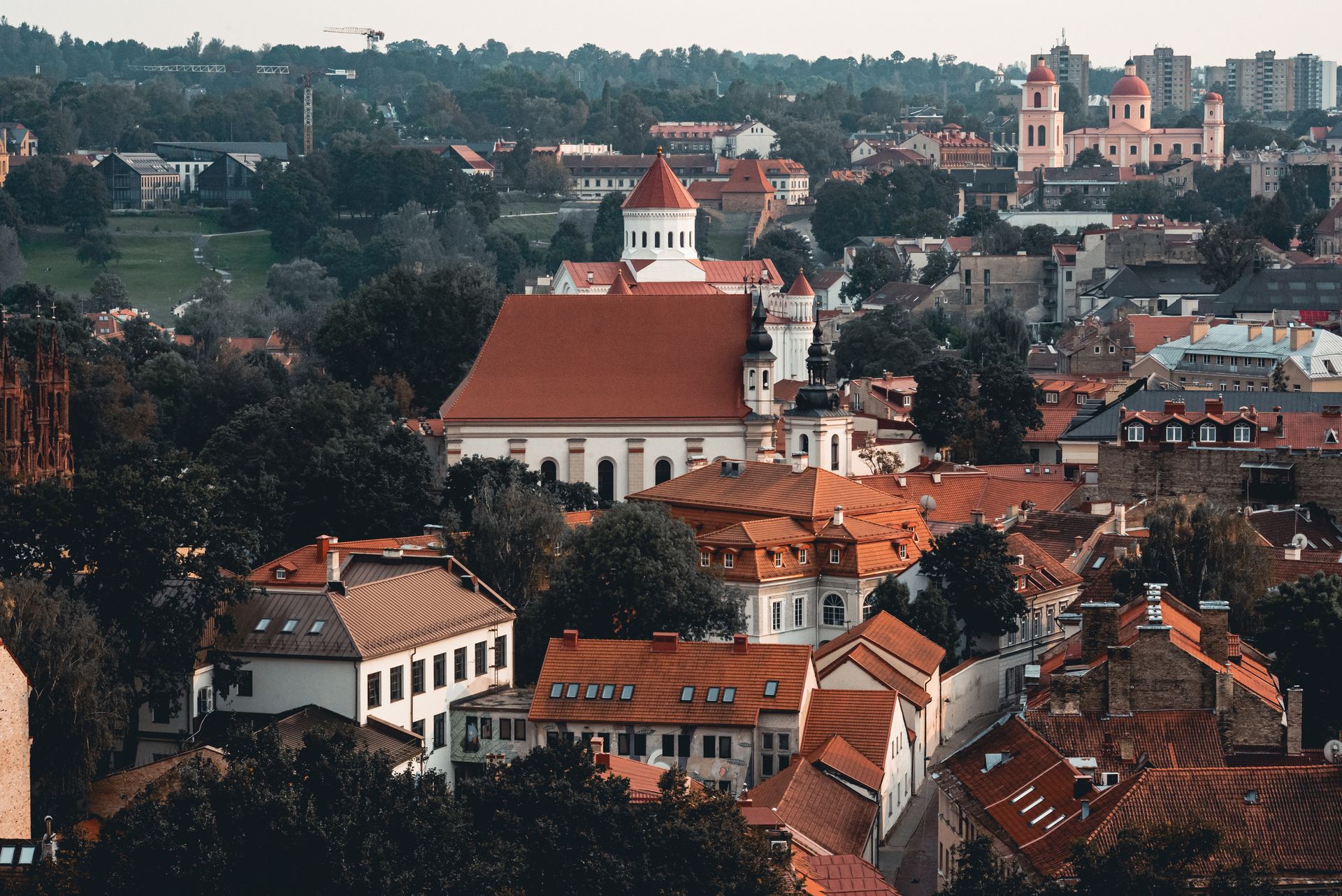
Lithuania is often mentioned in the same breath as Estonia and Latvia, as if the Baltic states were one experience sampled in three bites. Anyone who actually goes soon finds that's not true. Vilnius has no crisp Hanseatic facades but a lavish baroque old town, with church towers that bring Kraków or Vienna to mind sooner than Tallinn. Lithuanian itself isn't a Finno-Ugric language like Estonian, but one of the most archaic Indo-European languages still spoken, a linguistic fossil that has fascinated linguists for over a century.
The country was once anything but small. As the Grand Duchy of Lithuania, it stretched in the fifteenth century from the Baltic Sea to the Black Sea, at the time the largest realm in Europe. That history leaves its traces: in the architecture of Vilnius, in the fortress town of Trakai on its island in the lake, and in a self-assurance you wouldn't immediately expect from a country of three million people.
Beyond the cities the country falls quiet. More than two thousand lakes, sweeping forests home to storks and elk, and on the coast a peninsula of walking sand dunes that has no equal in Europe.
In short
- Best time to go
- May, June and September: long light or a quiet late summer, ideal for the lake district and the forests. In July and August the Baltic is at its warmest, but that is also when most visitors head for the coast.
- How long
- Nine to eleven days for Vilnius, the lake district and the coast. Distances are short, so you can stay a few nights in each place rather than moving every day.
- Who it suits
- For travellers who want to move calmly between a baroque capital, lakes and forests and the Baltic coast, and who would rather get to know one country well than rush through all three Baltic states.
- What sets it apart
- The historic centre of Vilnius, a World Heritage Site, is largely Baroque rather than Hanseatic Gothic. And Lithuanian is regarded as one of the most archaic Indo-European languages still spoken.
The regions
A country that changes with every hour you drive.
Lithuania is small enough to cross in a few days, and varied enough that you won't want to.
capital
Vilnius
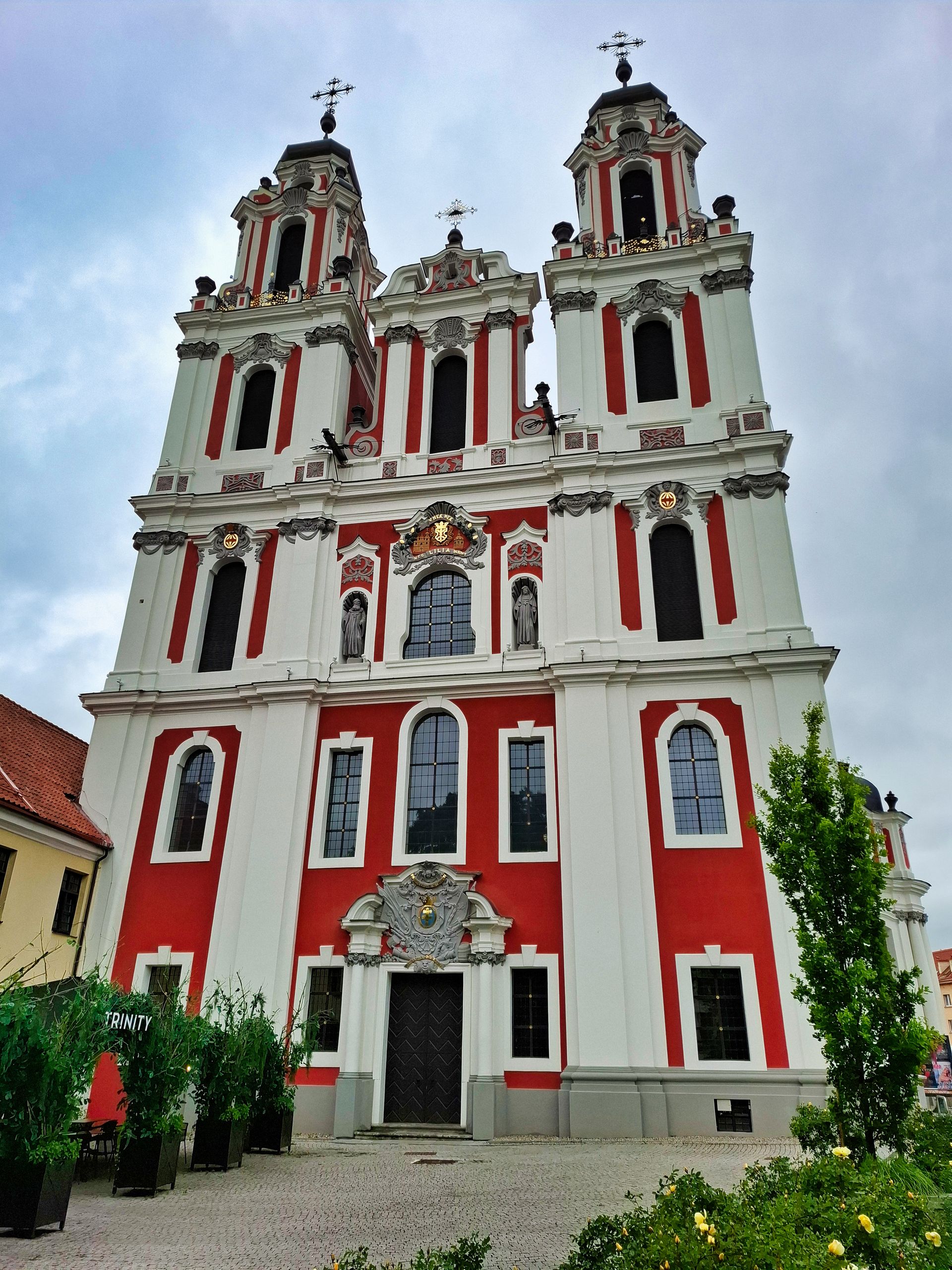
The largest baroque old town in Northern Europe, UNESCO-listed and built by Italian architects for the Lithuanian nobility. Narrow streets, hidden courtyards, and the self-declared artists' republic of Užupis, which once wrote its own constitution on the wall.
lakes
Trakai and the lake country
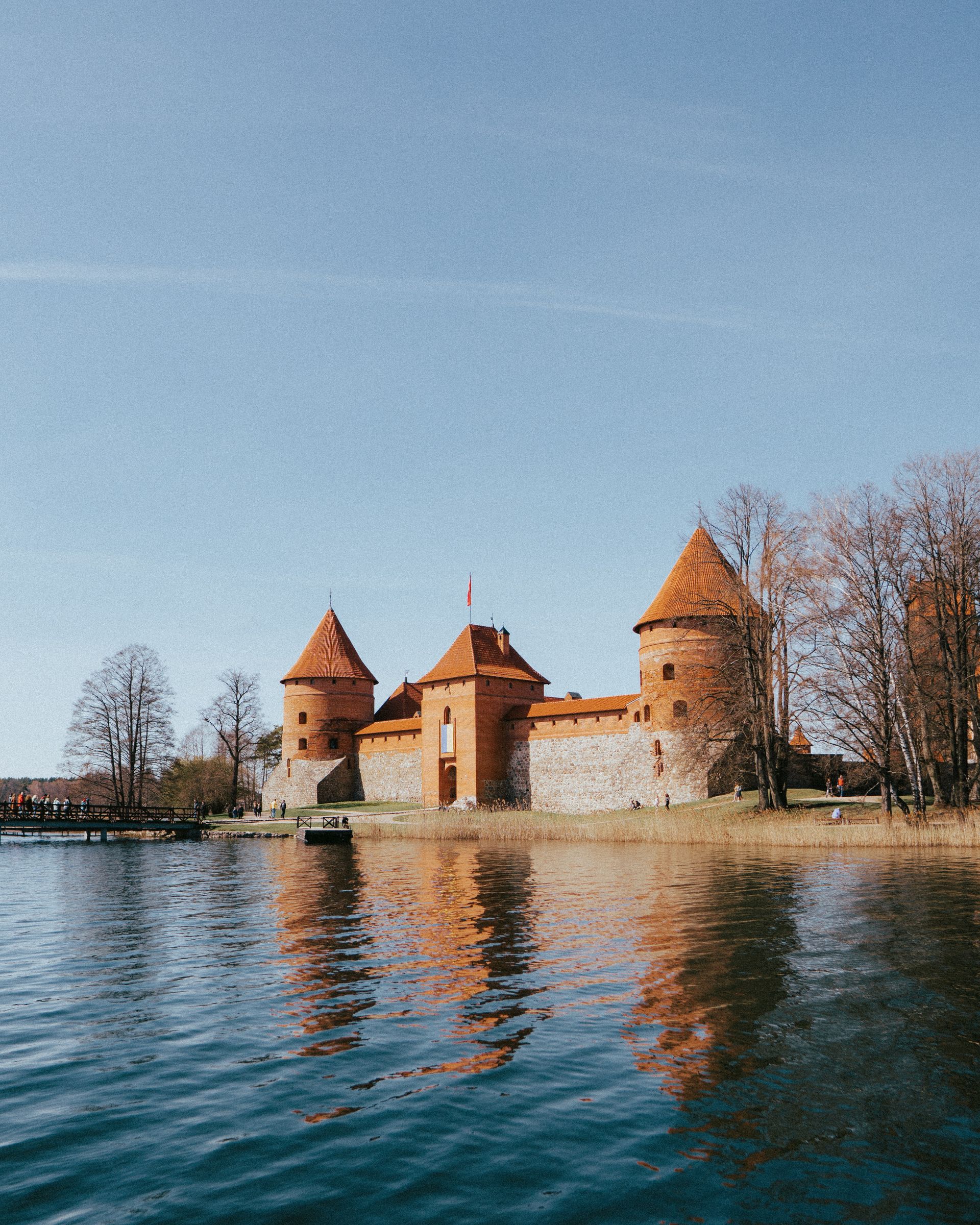
Half an hour from Vilnius stands the red-brick castle of Trakai, built on an island in the lake. The Karaite community that settled here centuries ago still cooks its own cuisine beside the water.
coast
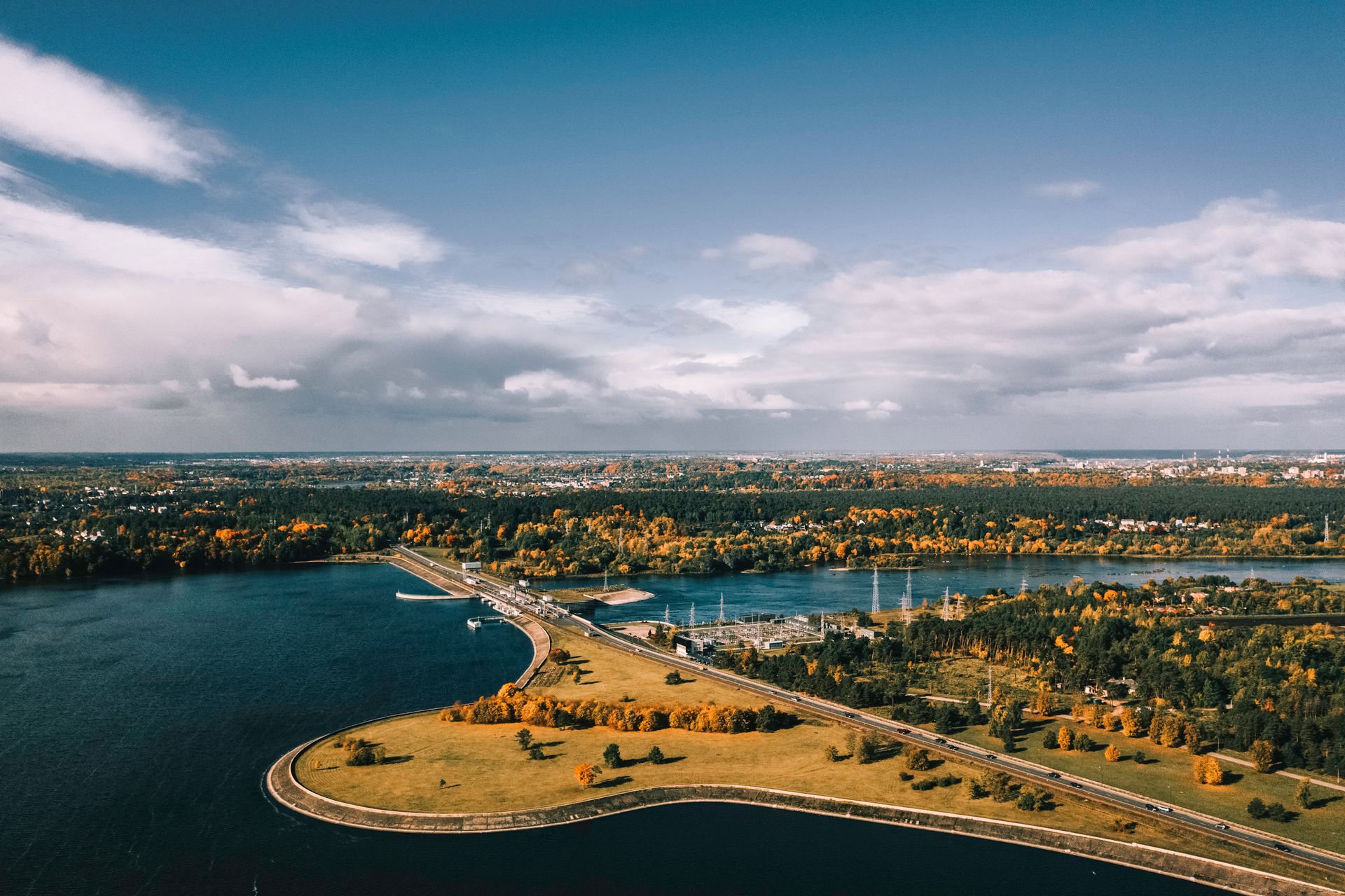
Kuršių Nerija (Curonian Spit)
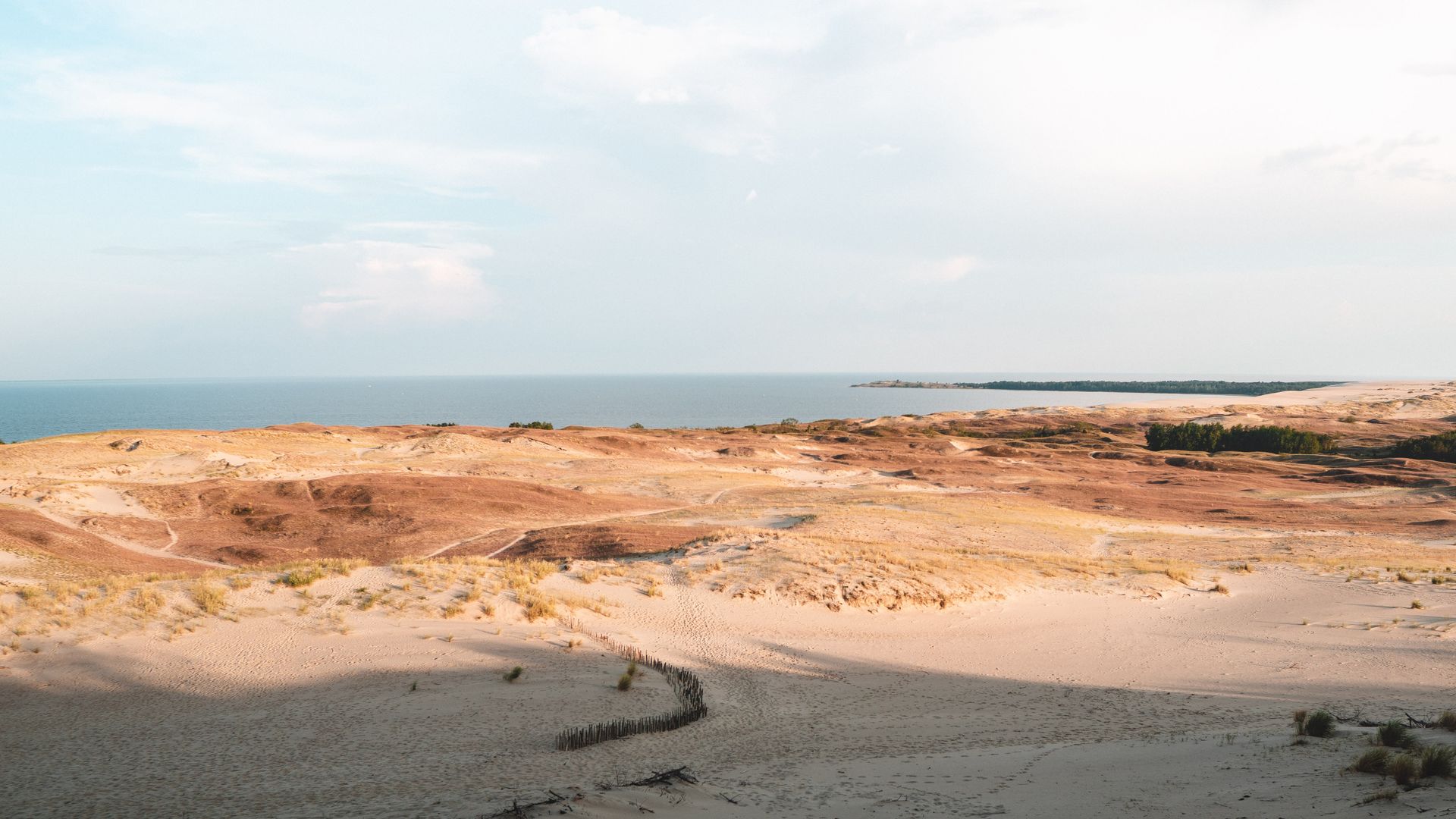
Ninety-eight kilometres of walking dune between the Baltic Sea and the Curonian Lagoon, with fishing villages like Nida that lived off wooden boats until recently. The Parnidis dune above Nida still shifts a little further every year.
architecture
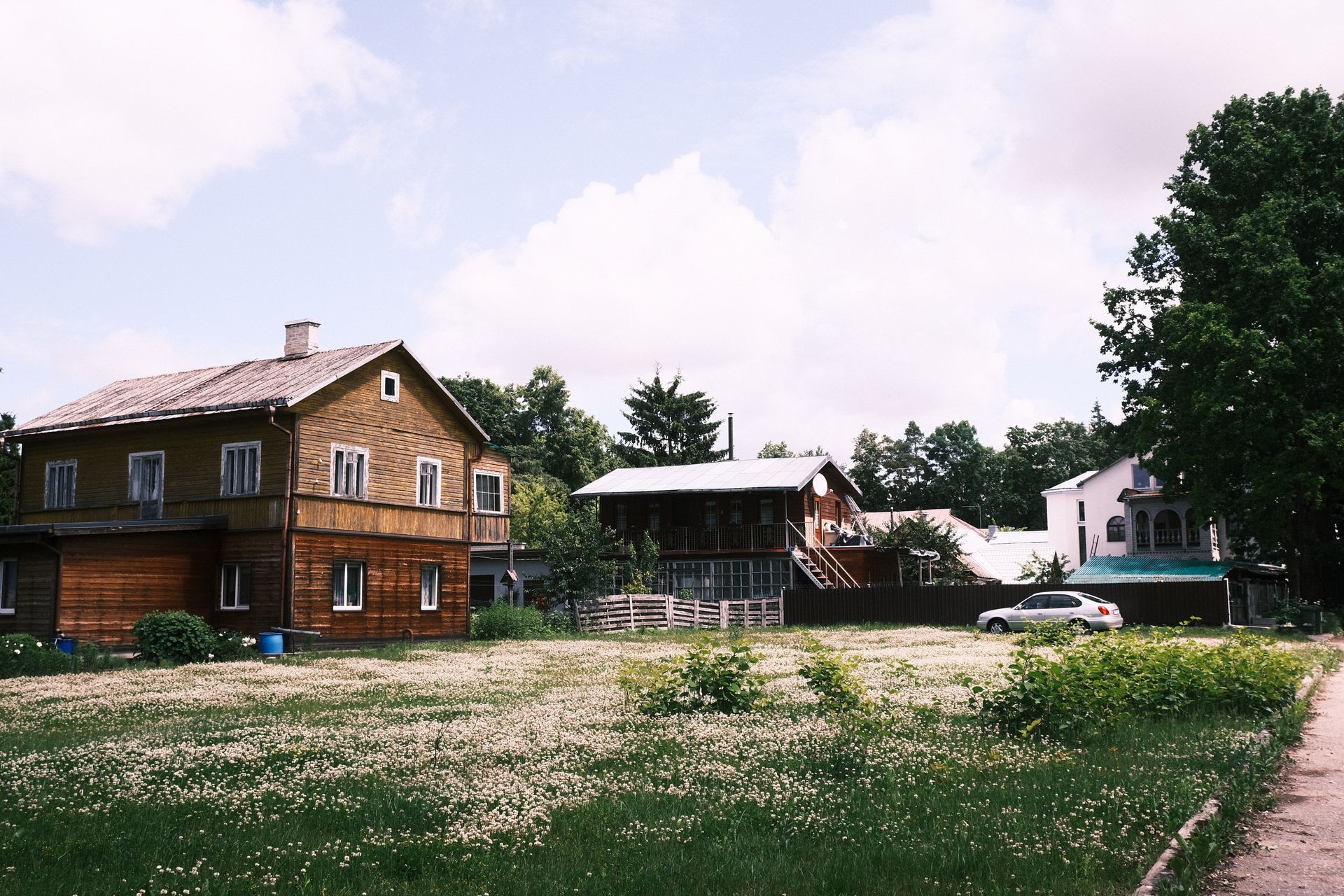
Kaunas
Lithuania's second city briefly served as capital between the wars, and in those twenty years built up a collection of art deco buildings that has since gained UNESCO recognition. Less polished than Vilnius, and more honest for it.
hills
Žemaitija and the Hill of Crosses
In the north-west, near Šiauliai, stands a hill holding an estimated hundred thousand crosses, left behind by generations of pilgrims since the nineteenth century. Beyond it stretches the national park of the same name, with lakes, forests and wooden villages that have changed little.
People and faith
The last country in Europe to accept Christianity.
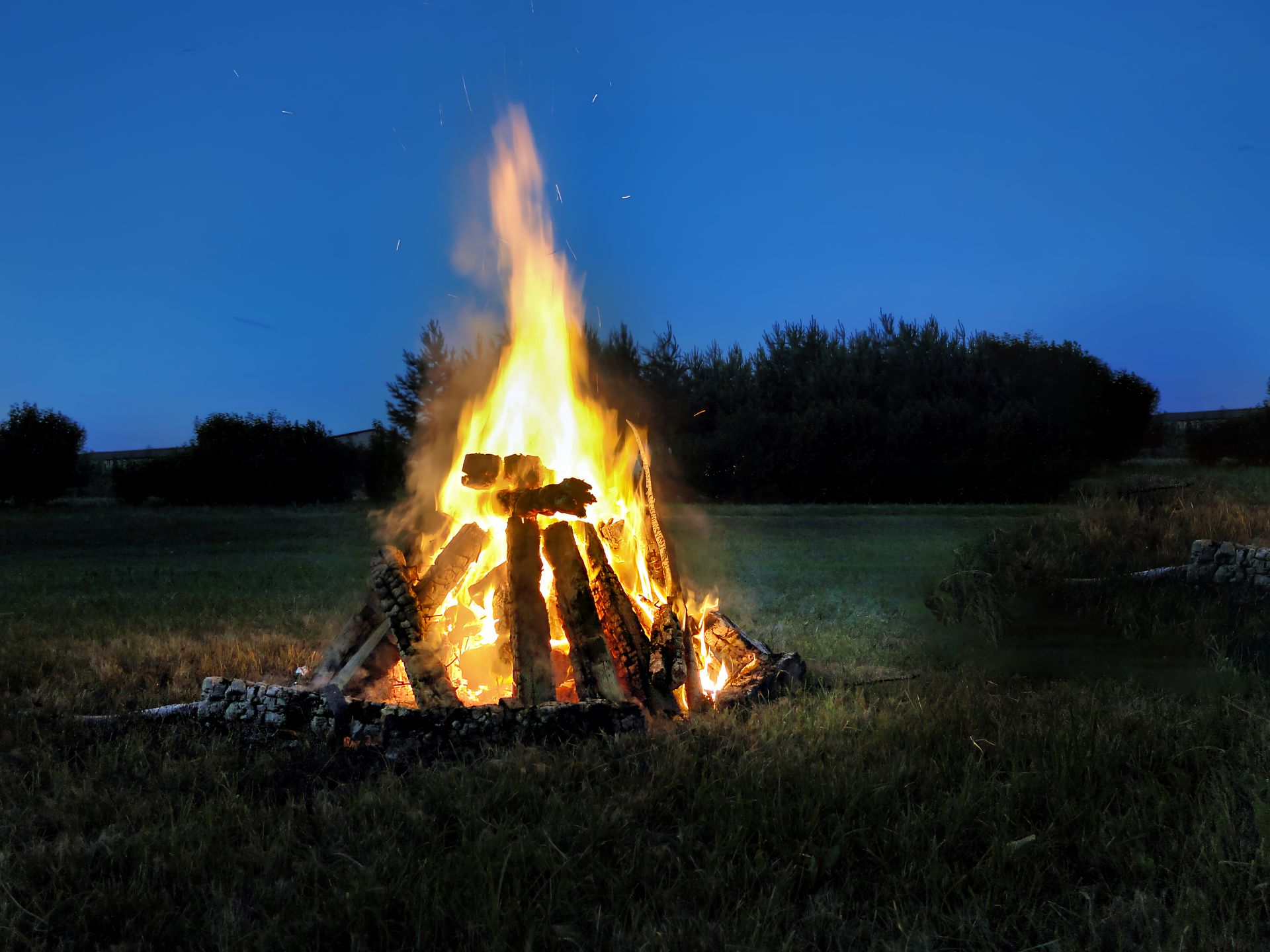
Until 1387, Lithuania was the last pagan country in Europe, and that history has never fully disappeared. Old rituals around sun, fire and the oak live on in festivals such as Rasos, the midsummer celebration where people spend the whole night searching for the fern blossom that legend says brings luck.
Anyone visiting now notices a hospitality that never pushes itself forward. Lithuanians aren't quick to talk about themselves, but once you're invited to the table, you get their full attention, and probably a glass of home-made midus, the local honey wine.
Stillness and nature
One of the least densely populated countries in the EU, and it shows.
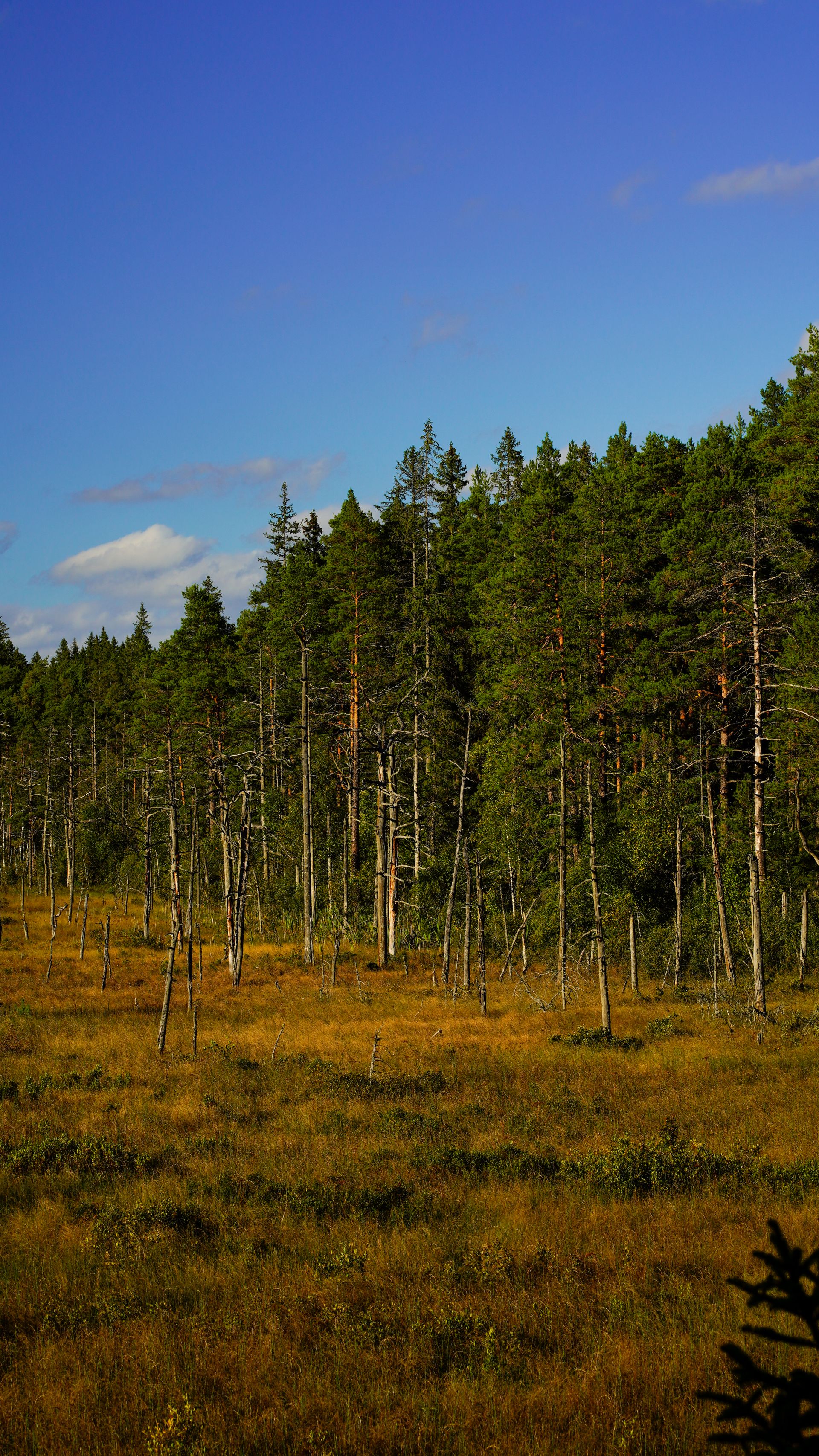
Forests and marshes
A third of Lithuania is forest. In the Nemunas delta and the marshes of Žuvintas, herons, cranes and white-tailed eagles nest, often without another person in sight.
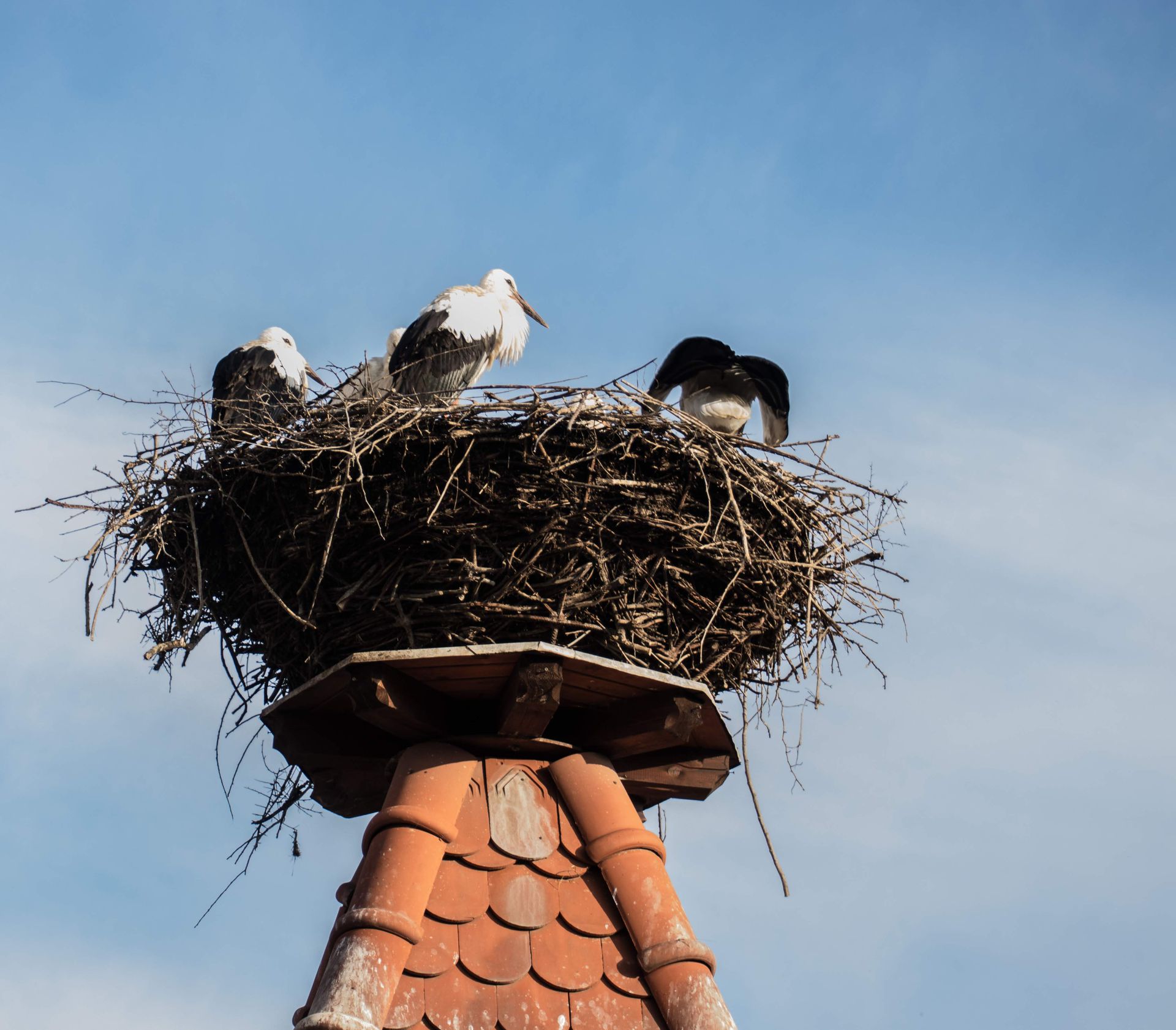
The land of the stork
Lithuania has the highest density of white storks in the world: nearly twenty thousand breeding pairs. Every village seems to have its own nest on a chimney or power pole.
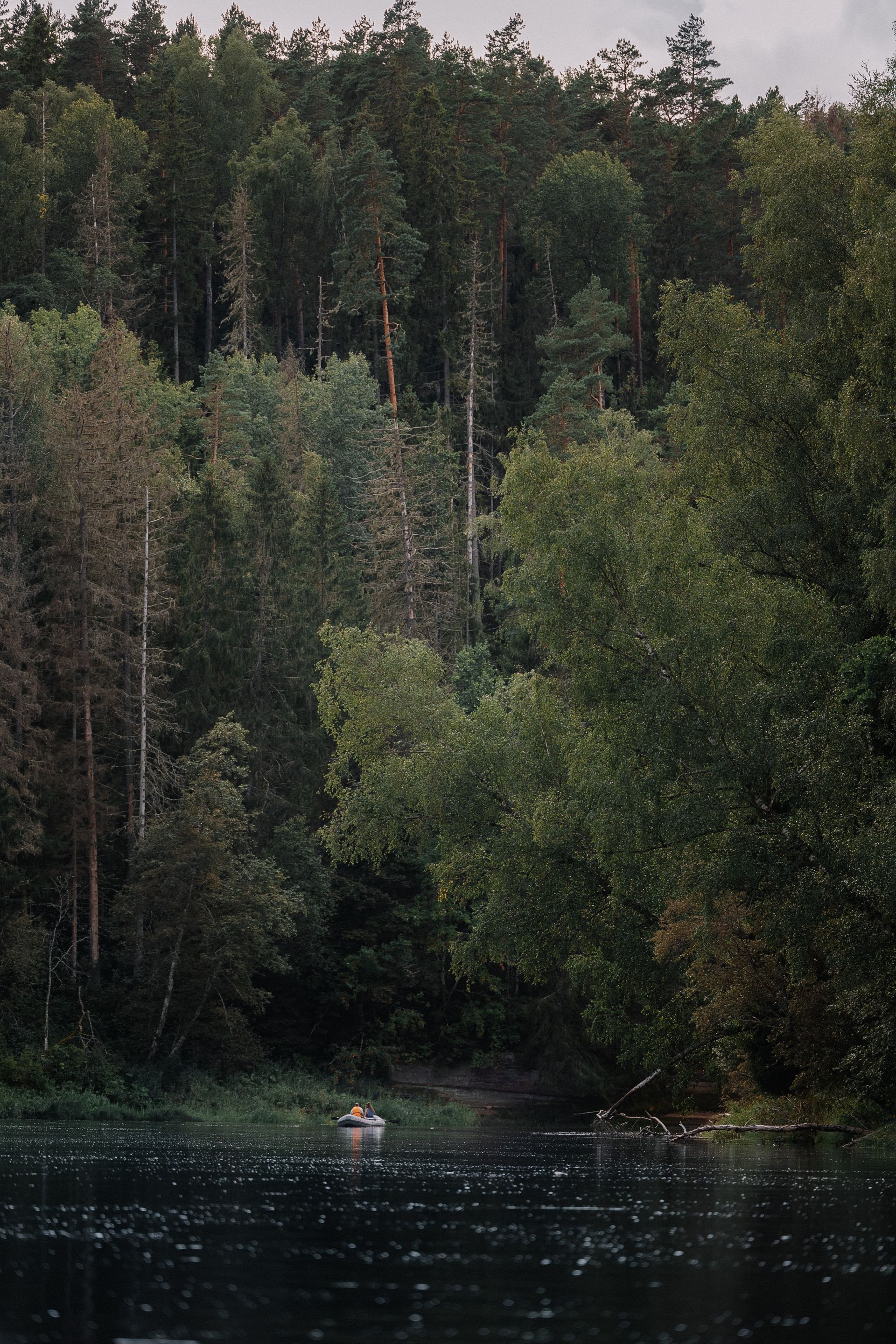
Two thousand lakes
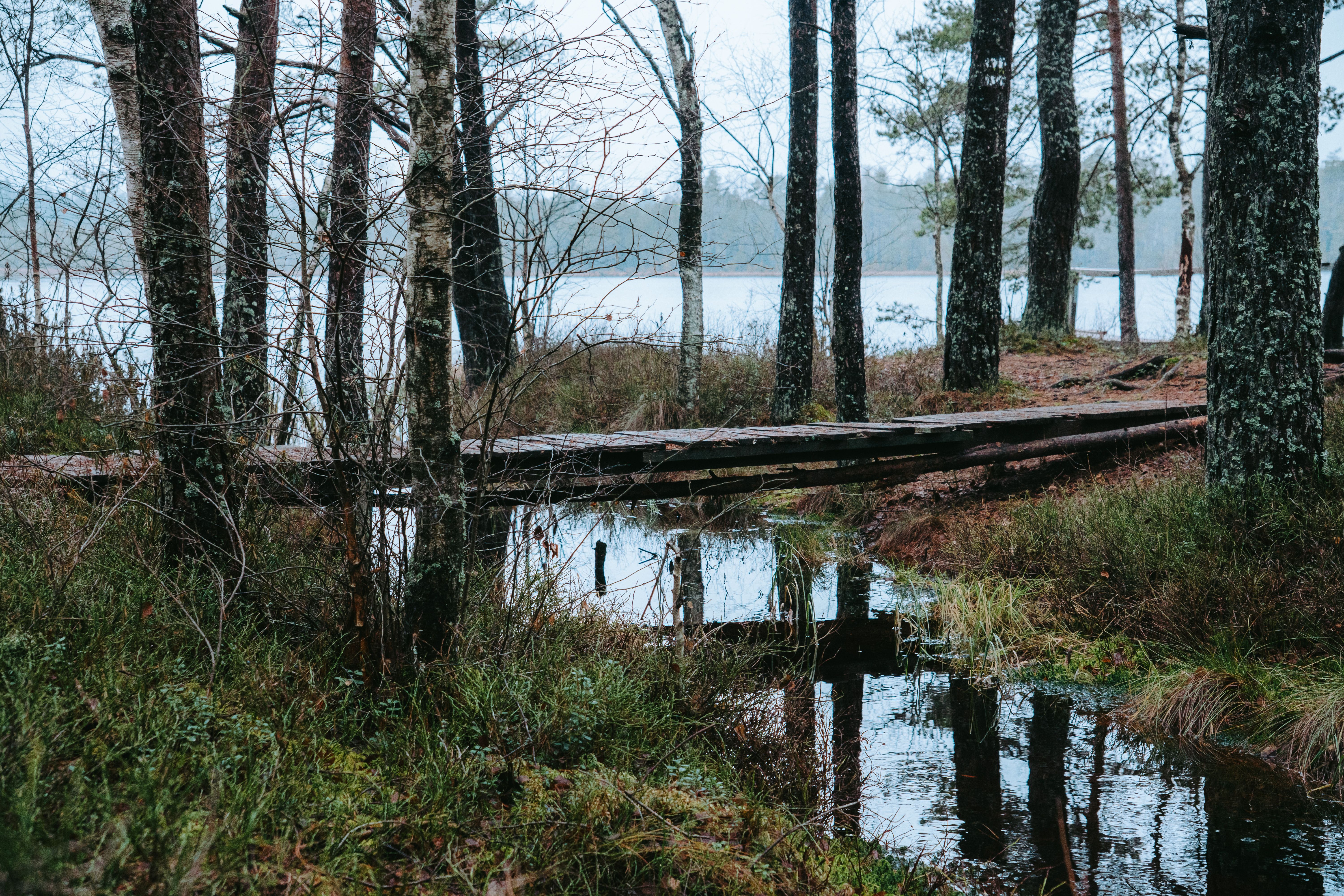
Aukštaitija in the north-east is a patchwork of lakes and pine forest, crossed by canoe routes that can run for days without meeting a road.
Looking past the highlights
Why we don't sell Lithuania as 'just another Baltic city'
It's not a copy of Tallinn or Riga. Vilnius's baroque skyline, the Lithuanian language, and a Catholic, once pagan past make this a culturally different story from its Finnish and German-influenced neighbours on the Baltic.
It was once a great power. See only the small capital and you miss that this country was for centuries one of the most powerful realms in Europe, with all the architecture and self-assurance that comes with it.
The nature is every bit as worthwhile as the cities. We don't just plan Vilnius and a day trip, we give the lake country and the coast equal weight. That's where the country sets itself apart the most.
The pace is slower than you'd expect. Lithuania is compact, but we don't rush anyone from highlight to highlight. An unplanned afternoon by a lake belongs on the itinerary just as much.
What's on offer
No fixed programme, but plenty to choose from.
These aren't days we fill in for you. They're the possibilities we draw on, together with you, to build a route that fits.
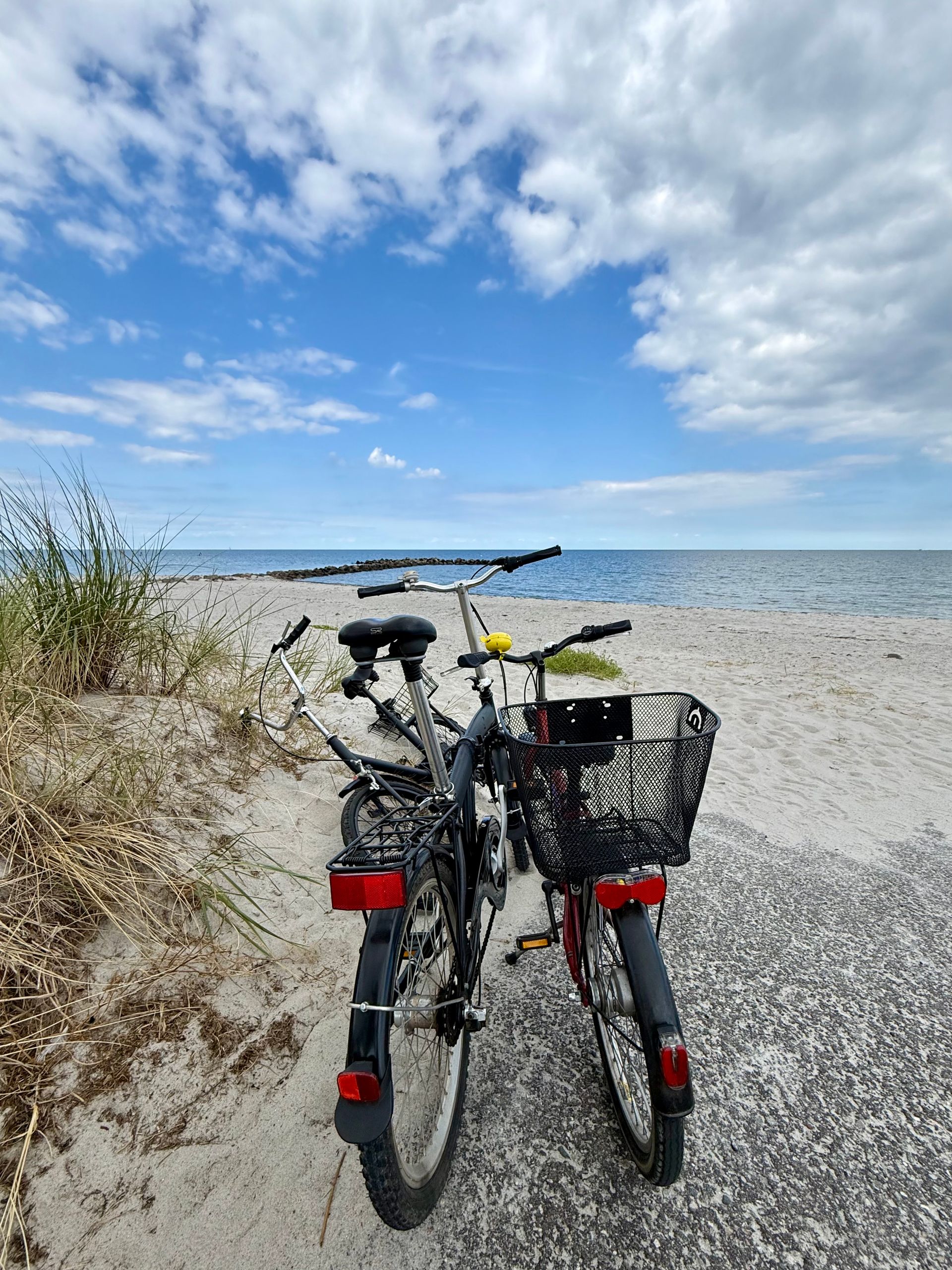
Cycling across the dunes
A cycle path follows almost the entire Curonian Spit, past forest, dune and lagoon, with Nida and Juodkrantė as resting points.
Canoeing the lakes of Aukštaitija
Multi-day canoe trips between campsites and wooden villages, with no sound but the water.
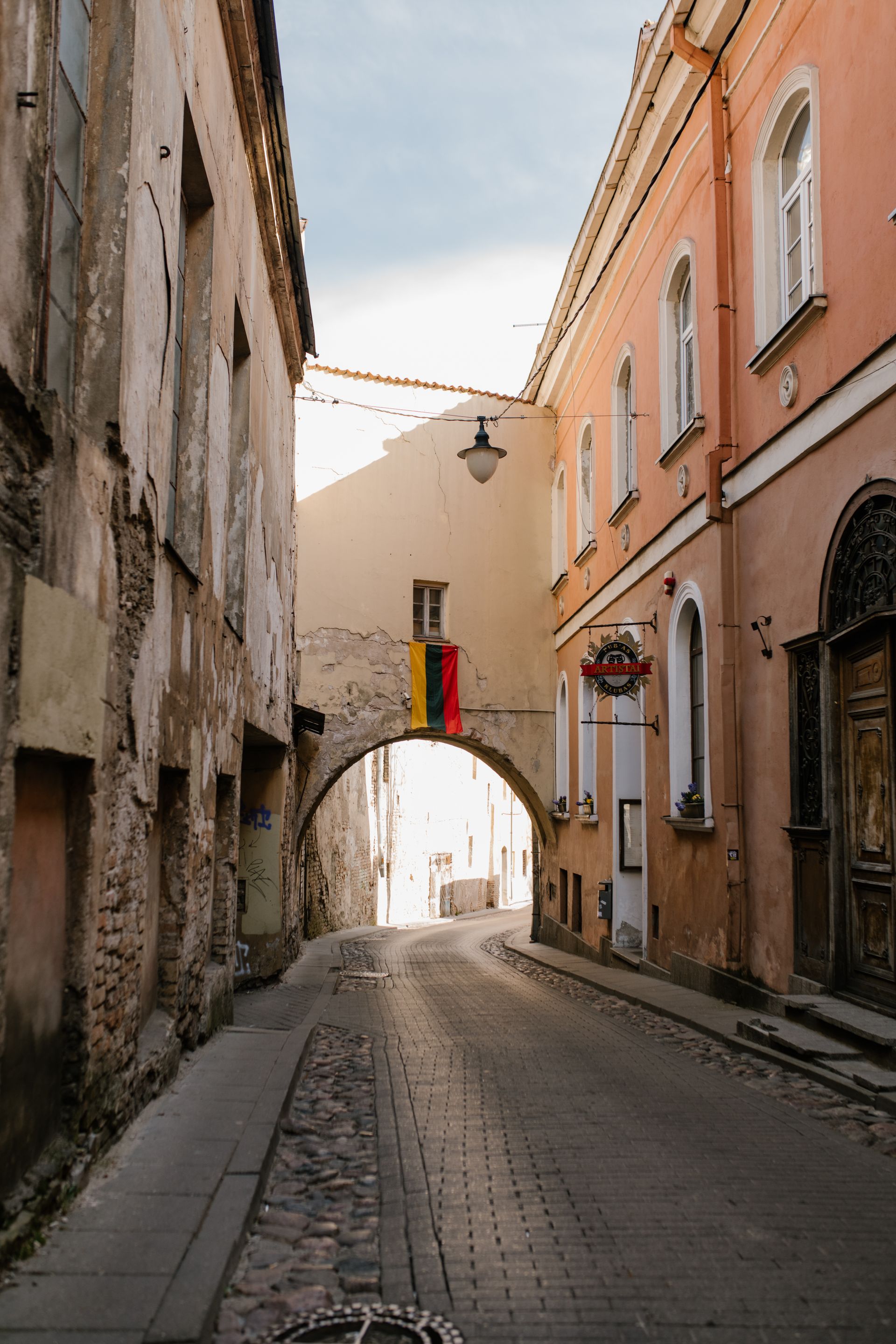
Wandering Vilnius's old town
From the baroque Church of St Peter and St Paul to the artists' republic of Užupis, a city best discovered on foot.
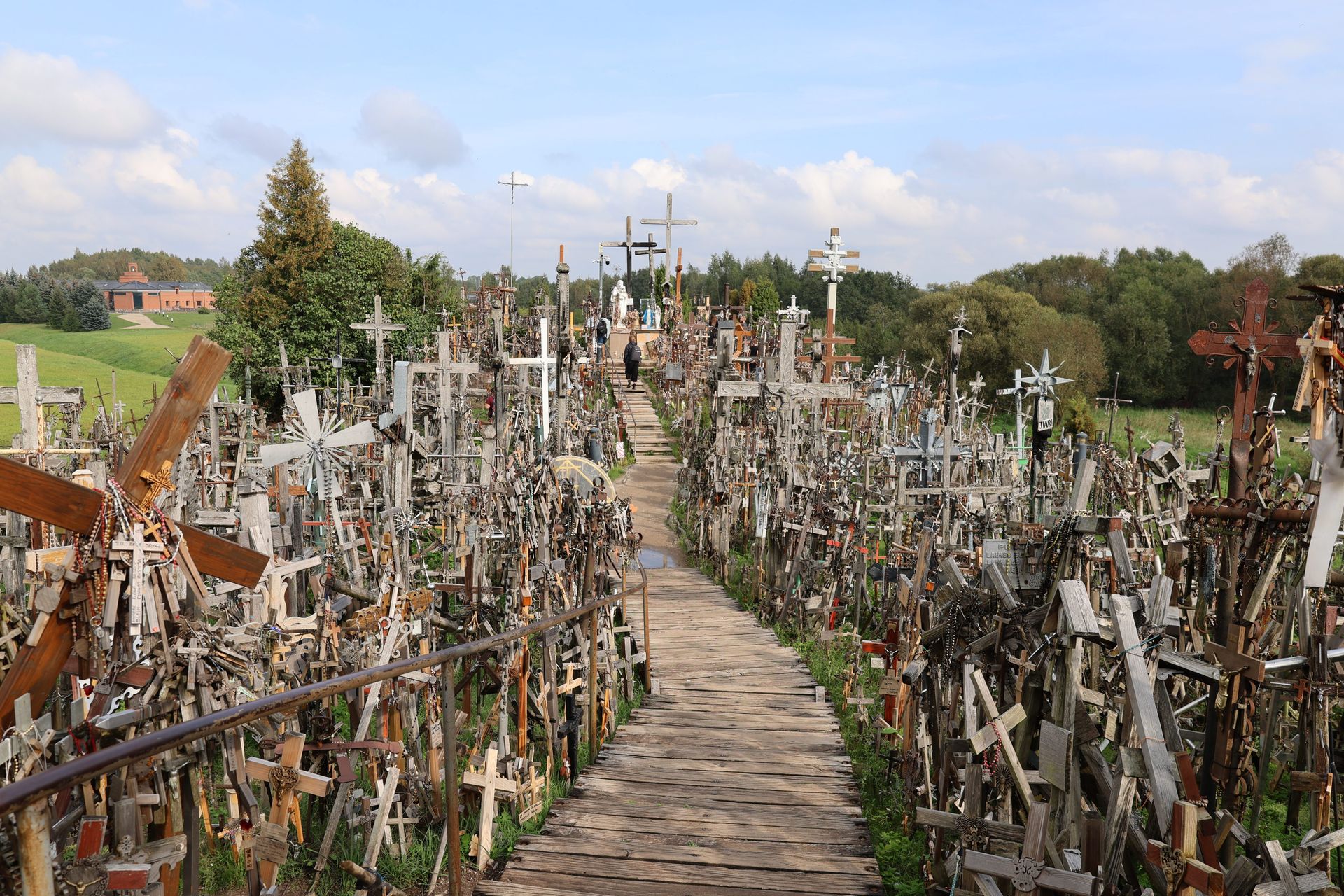
Visiting the Hill of Crosses
One of the country's most striking, quietest places, best experienced early in the day, before the first coaches arrive.
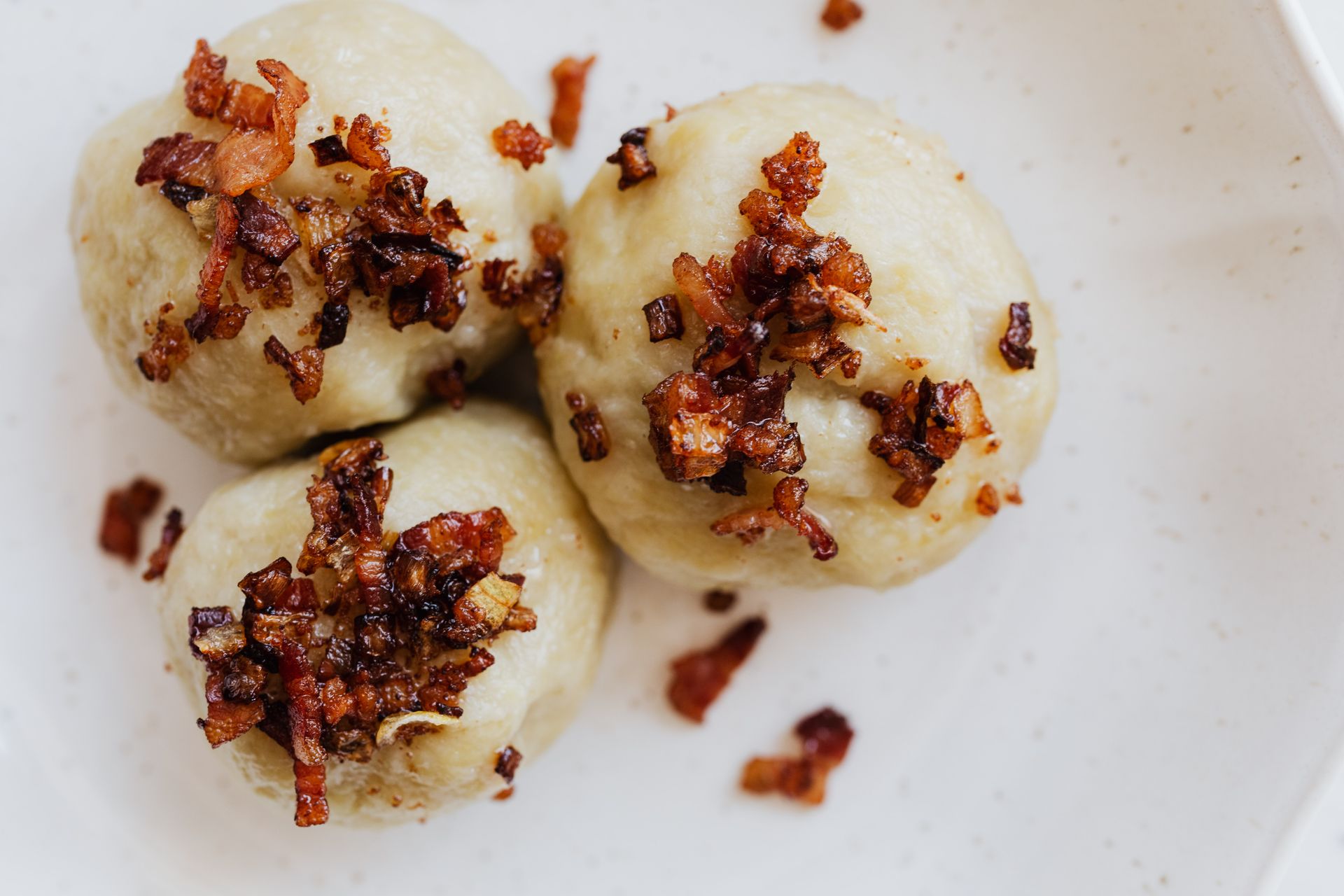
Tasting Lithuanian food
Cepelinai (potato dumplings), cold beetroot soup šaltibarščiai, and home-made midus: simple fare that holds its own surprisingly well against more refined neighbours.
What we put together for you depends on what you're after: stillness, architecture, or both.
When would you travel?
Early summer for the lakes, August for the coast.
Lithuania has four distinct seasons. May and June are ideal for the lake country: long daylight, not too many mosquitoes yet, and nature at its greenest. July and August draw the most visitors to the coast, when the Baltic Sea finally warms up to something bearable.
September is a quiet favourite: calmer than summer, with the forests turning to mushroom season. Winter is harsh and dark, but anyone who loves snow finds a lit-up Christmas market in Vilnius and a frozen scene in Trakai.
Best time to visit Lithuania
Jan
Feb
Mar
Apr
May
Jun
Jul
Aug
Sep
Oct
Nov
Dec
Top: long daylight, warm coast, nature in full swing.
Good: quieter, cooler, still well worth it.
Fair: short daylight or chilly temperatures, for anyone who isn't bothered by that.
Not ready to ask yet?
Leave your email address. A month before the good time begins, we send you one reminder. Nothing more.
You will first get an email to confirm. You can unsubscribe at any time, with one click.
Rather talk it over?
Leave your name and number. We will call you at a time that suits you.
Worth knowing
Practical, without the noise.
A few things that make travelling easier.
- Getting there
- Direct flights from Brussels to Vilnius; a layover can sometimes be quicker depending on the season.
- Documents
- A valid ID card is enough for EU citizens.
- Getting around
- Distances are small. Vilnius, Kaunas and Trakai are all under ninety minutes apart. The coast is further, around three to four hours' drive.
- Health
- No special vaccinations needed. A tick bite in the forest in summer isn't unthinkable. Long trousers on a walk are advisable.
- Pace
- Lithuania suits a relaxed trip. There's no need to move on every day. A few nights in the same place often works better.
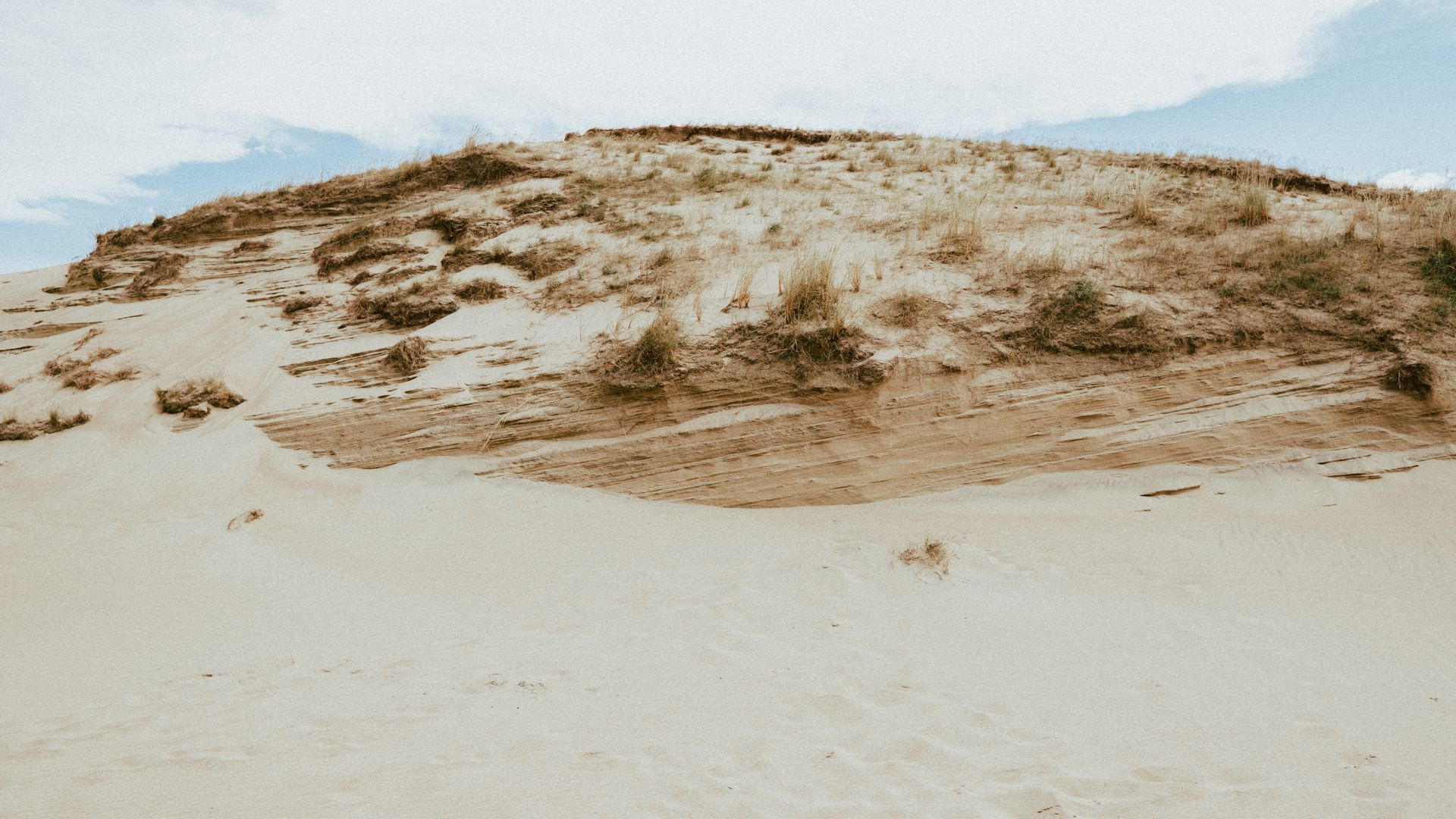
The Curonian Spit, where the dune still shifts a little further each year.
No imitation of its neighbours.
A country with a history, language and rhythm all its own.
Frequently asked questions
Is Lithuania a good introduction to the Baltic states?
Certainly, and it's a good starting point precisely because it's culturally the least like its neighbours. You get a story of its own straight away, rather than an extension of Scandinavia.
Can you combine Lithuania with Latvia or Estonia?
You can, though we'd recommend allowing enough time per country. A rushed tour through three countries does justice to none of them.
Is the language barrier a problem?
In Vilnius, Kaunas and the tourist towns on the coast, English is spoken well. Less so in the countryside, but that's exactly the kind of travel we plan for.
How many days do you need?
For a first introduction to the capital, the lake country and the coast, plan on nine to eleven days without having to rush.
Or perhaps this
Other destinations
Still weighing it up? That is no problem at all. The right country often only becomes clear once the conversation starts.
Baltic states
Estonia
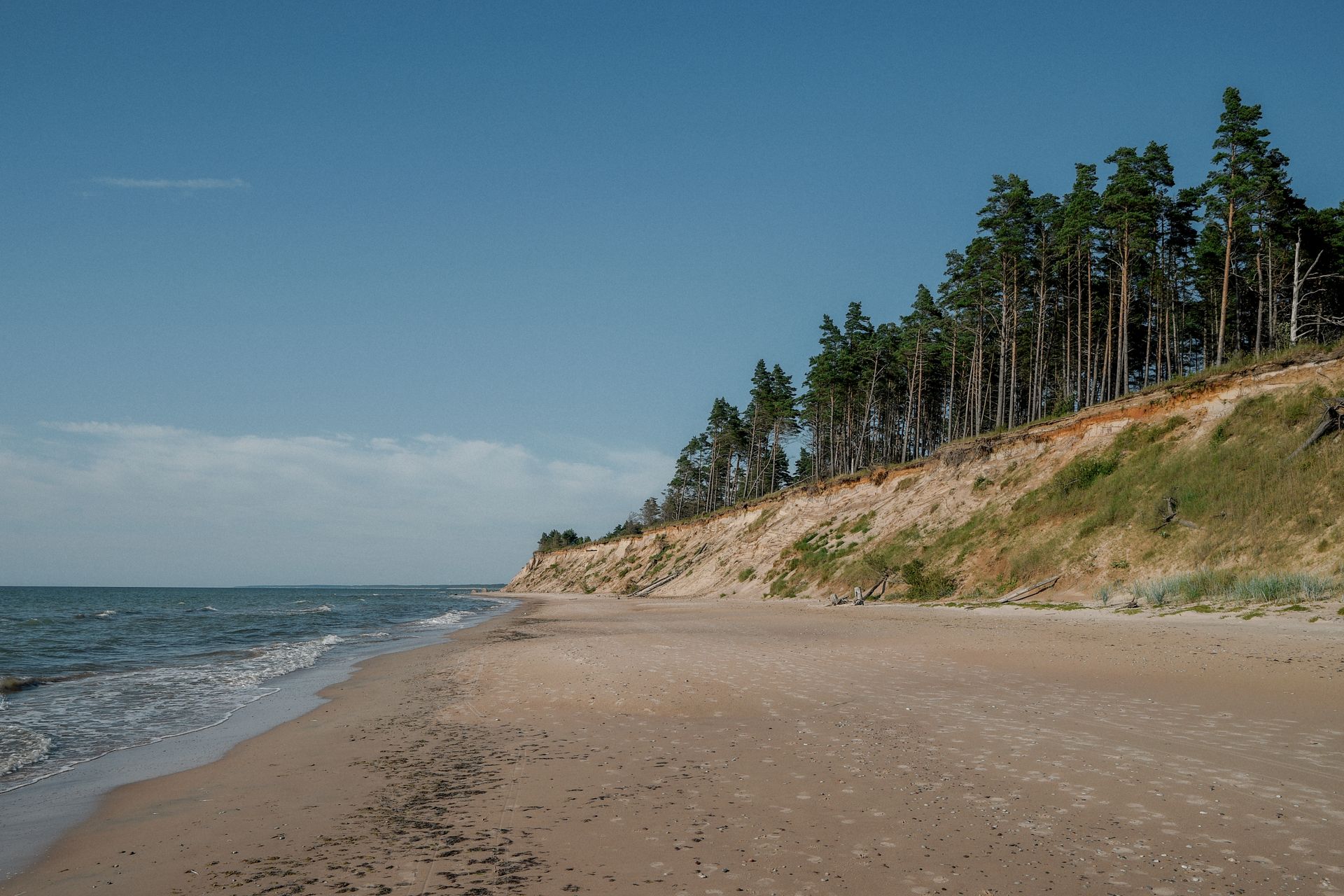
Forest and marsh stretch to the horizon, a digital capital, and a stillness that feels further north than the map suggests.
Baltic states
Latvia
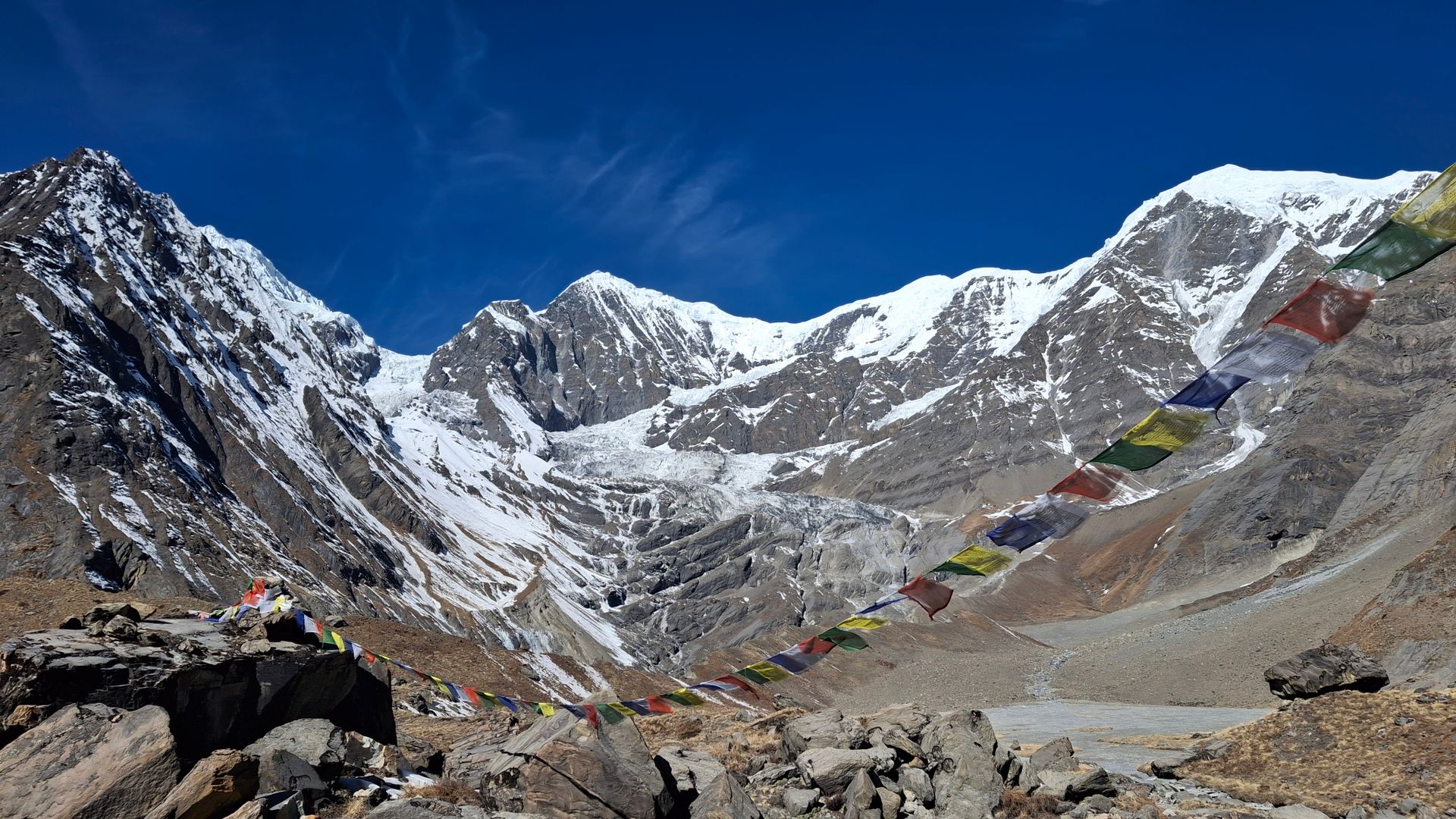
Woodlands, coastal dunes and an architecture that refuses a single style, in a country that quietly goes its own way.
Central Himalaya
Nepal
Valleys and temple towns that reveal as much about the country as its mountains do: there is far more here than Everest.
How it works
This is how your journey to Lithuania takes shape.
Six steps, from your first story to your homecoming. The conversation and the feasibility check cost you nothing.
-
01
Tell us your story
Fill in the form or give us a call. You do not need a route yet: a country, a period or just an idea is enough.
-
02
The conversation and the check
We call you within two working days. We talk through what you are looking for and check whether it can be done. If it can, we set down together what we will make for you.
-
03
We design your journey
We build your programme up, day by day, together with our own people in the country itself.
-
04
Your proposal
You read your journey day by day, with everything that is included. You say what you would like differently, until it is right.
-
05
Ready to depart
You send us your details, we send you your travel documents. You have one fixed contact who knows your journey.
-
06
Travelling, and after
Your contact stays reachable while you are away. Once you are home, we call one more time.
The next step
What draws you to Lithuania?
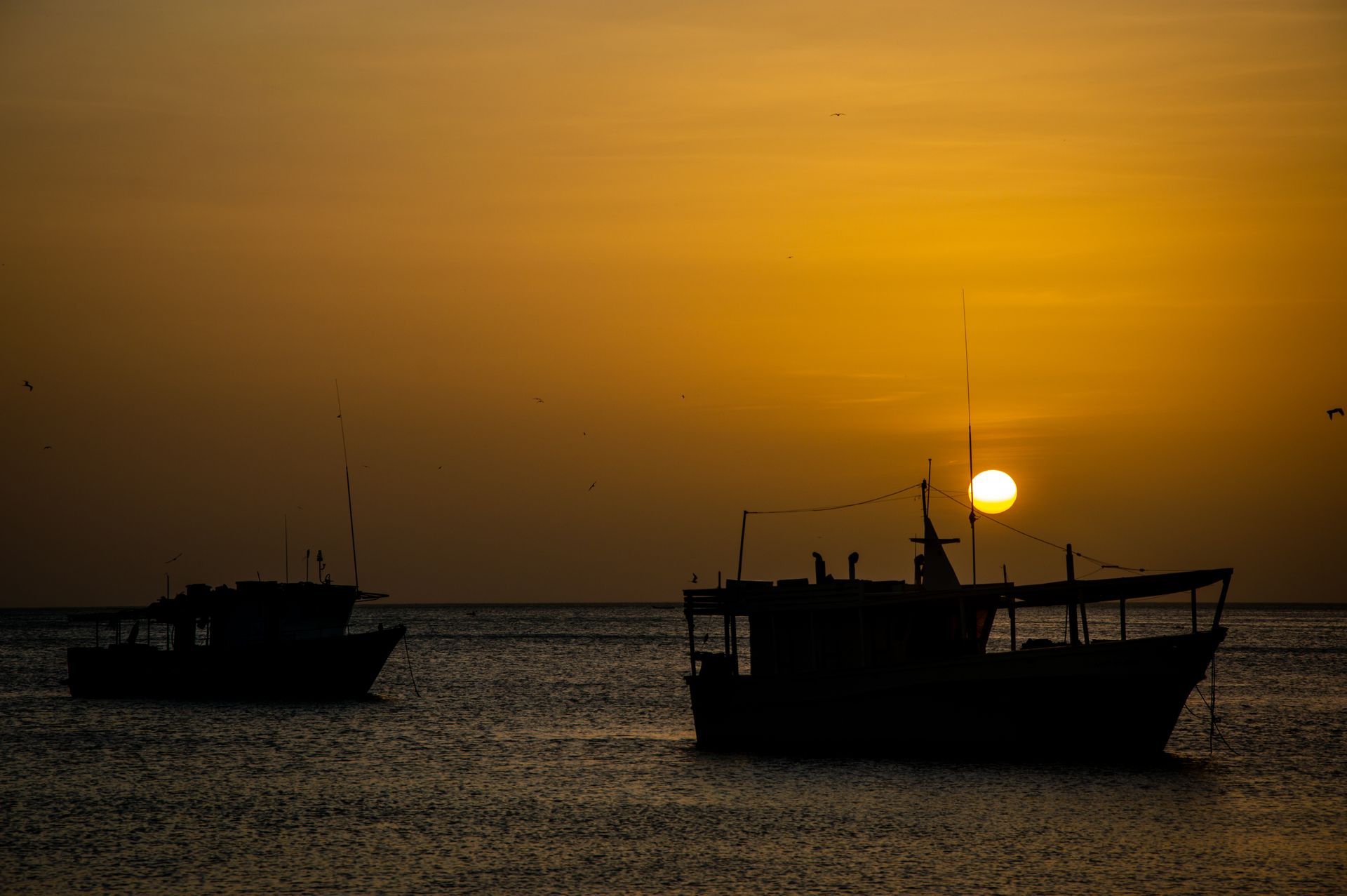
Tell us whether you're more of a lake traveller, a city person who loves baroque facades, or someone after the coast and the dunes. We'll map out a route to match.
Updated in October 2026