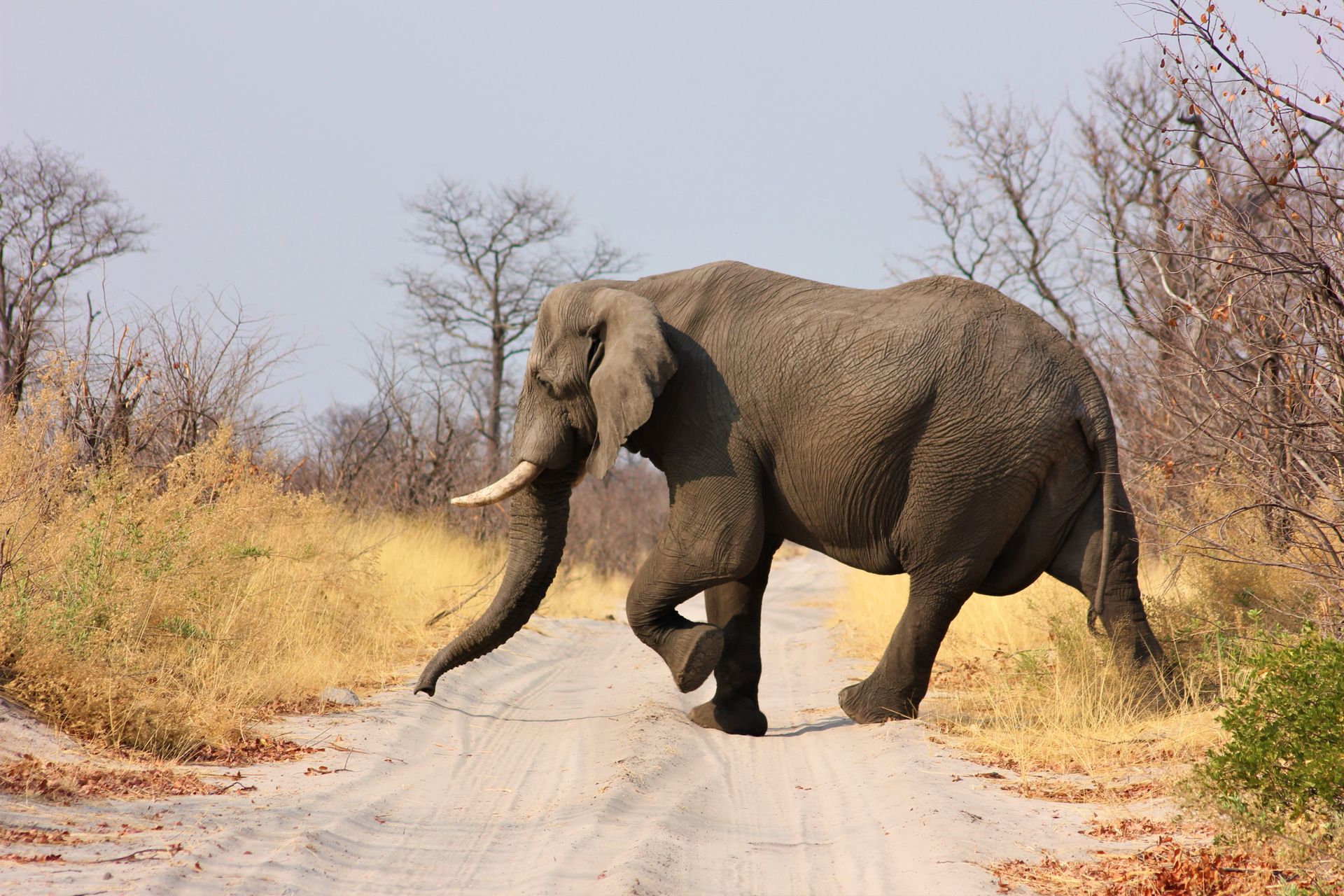
Southern Africa, Zambezi Valley
Zambia
A country that doesn't curate the wilderness, but lets it be.
This is Zambia
A country where the wilderness still gets literal room to breathe, and the waterfall at its edge becomes almost an afterthought.
Zambia has fewer than twice as many inhabitants as Belgium, spread across an area almost twenty-five times the size, and that difference is felt the moment you leave the road. In the Luangwa Valley, where the walking safari was invented in the 1950s, you still walk behind a guide who reads the tracks before he spots the animal. There are no lines of jeeps around a leopard, because there simply isn't room for lines. The camps are small, the concessions vast, and the silence between two sightings belongs to the day just as much as the sightings themselves.
On the country's southern edge, the Zambezi plunges more than a hundred metres over a width of almost seventeen hundred metres, and everyone calls that Victoria Falls. From the Zambian side, it looks different: fewer people, more rainforest, and a river that simply finds its way onward to Lake Kariba and the Lower Zambezi beyond. That's the pattern of this country. The spectacle gets its place, but it's never the only thing that matters.
In short
- Best time to go
- May to October is dry, with most wildlife gathered around the remaining water from August to October, when the Luangwa Valley turns hot. The rains fall from November to April, when some camps close.
- How long
- Ten days to two weeks for two or three areas, with three to four nights per camp. Between parks you usually fly by small charter, because distances by road are long.
- Who it suits
- Travellers who want to approach wildlife on foot or by canoe, with few other vehicles around, and to pair a safari in quiet valleys with Victoria Falls at Livingstone.
- What sets it apart
- The walking safari was born in South Luangwa, where night drives are also possible. At around 22,400 km², Kafue is Zambia's largest national park and one of the largest in Africa, bigger even than Kruger.
Victoria Falls is the reason people come.
The Zambezi Valley is the reason they come back.
The regions
Four faces of the same river
Zambia's landscape follows the Zambezi and its tributaries, and each valley has an entirely different character.
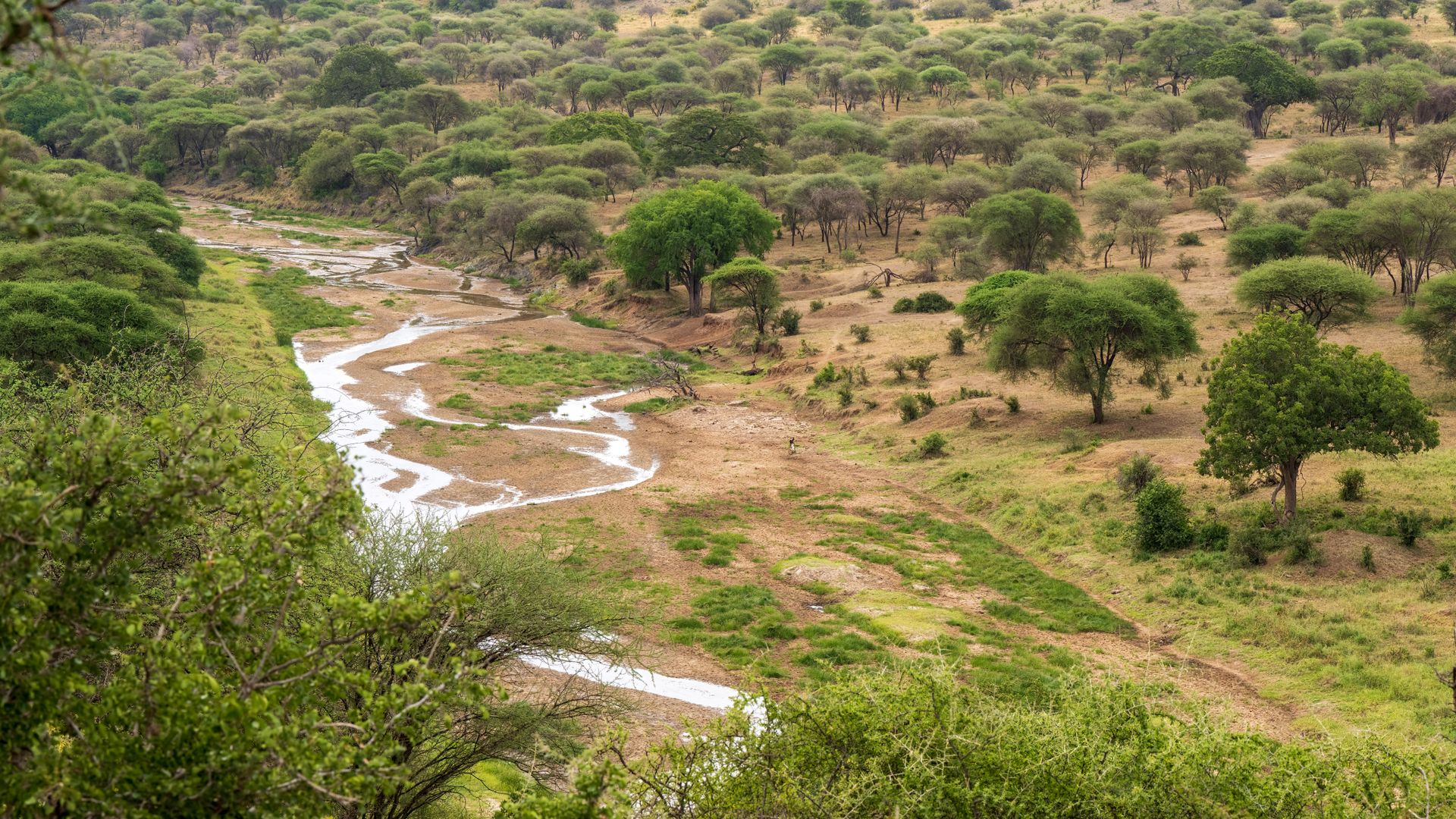
Luangwa Valley
South Luangwa
The birthplace of the walking safari, and still the place where the tradition feels most authentic. Dense vegetation along the river, one of the highest leopard densities in Africa, and camps that rarely hold more than a handful of guests.
Zambezi Valley
Lower Zambezi
A broad, slow river with islands full of wild fig trees, where a canoe gives you as good a view as a vehicle. Elephants swimming, hippos breathing in the dark, and on the far bank, unseen, Zimbabwe.
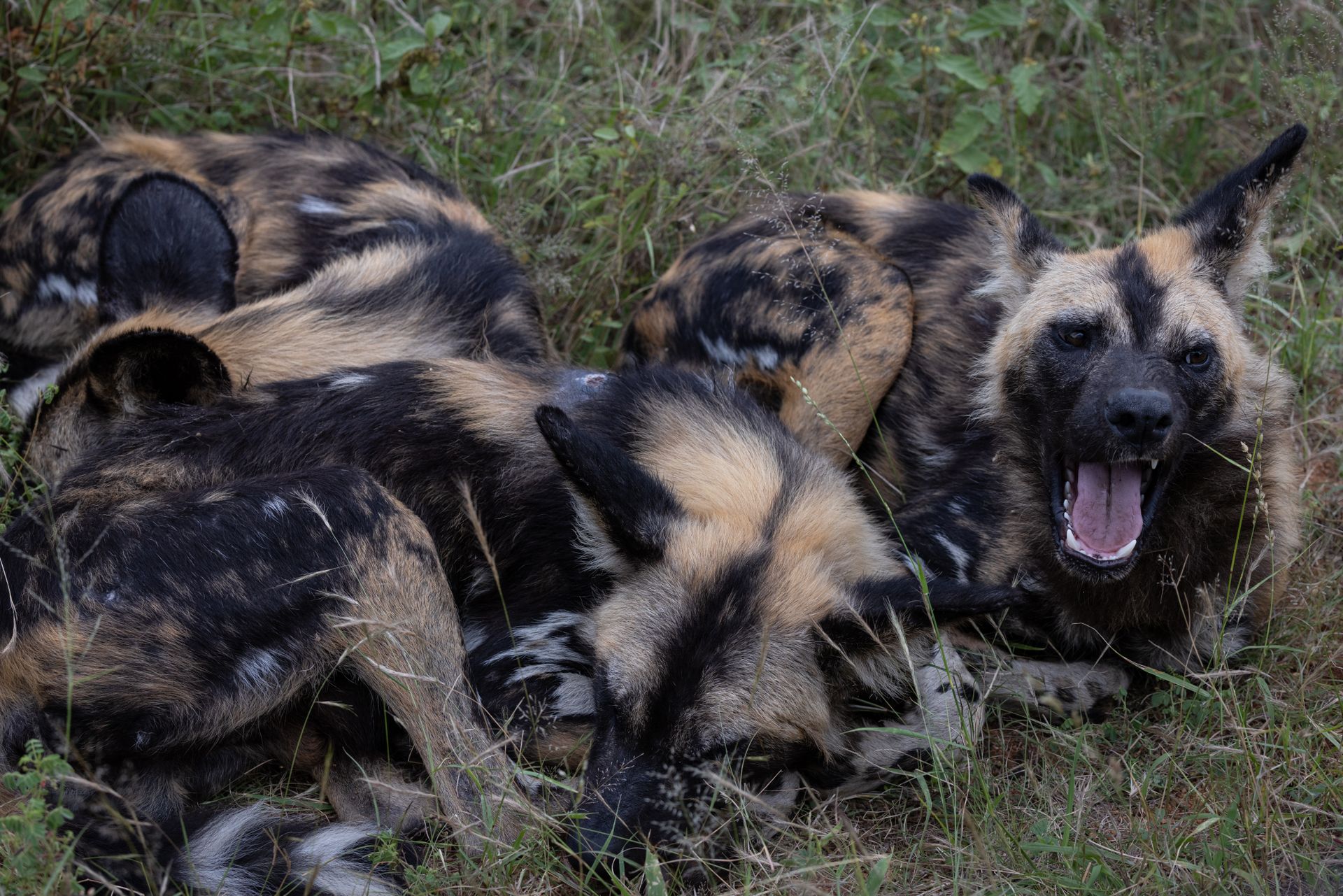
Central Plateau
Kafue
One of the largest national parks in Africa, and one of the least visited. Miombo woodland, open plains such as Busanga, and enough empty space to follow wild dogs without seeing another vehicle.
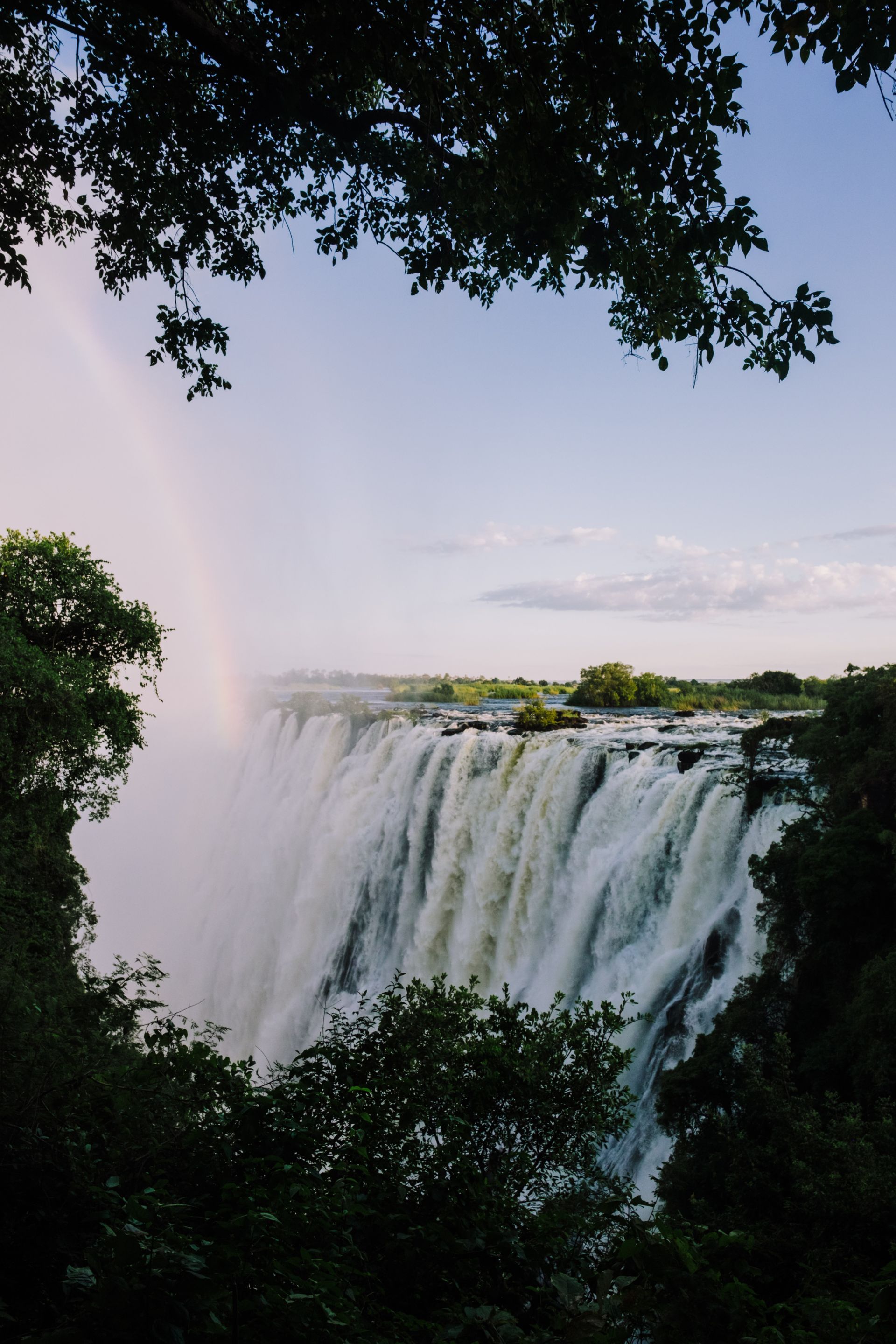
Southern border
Livingstone and Victoria Falls
The town named after the explorer David Livingstone, with a rhythm of its own alongside the natural spectacle: a colonial-era railway bridge over the gorge, markets full of woodcarving, and a riverbank that is far quieter than the Zimbabwean one.
On safari
On foot, by canoe, or simply still
Zambia all but forces you into a different pace. Most camps offer at least one of these three forms, often in combination within the same week.
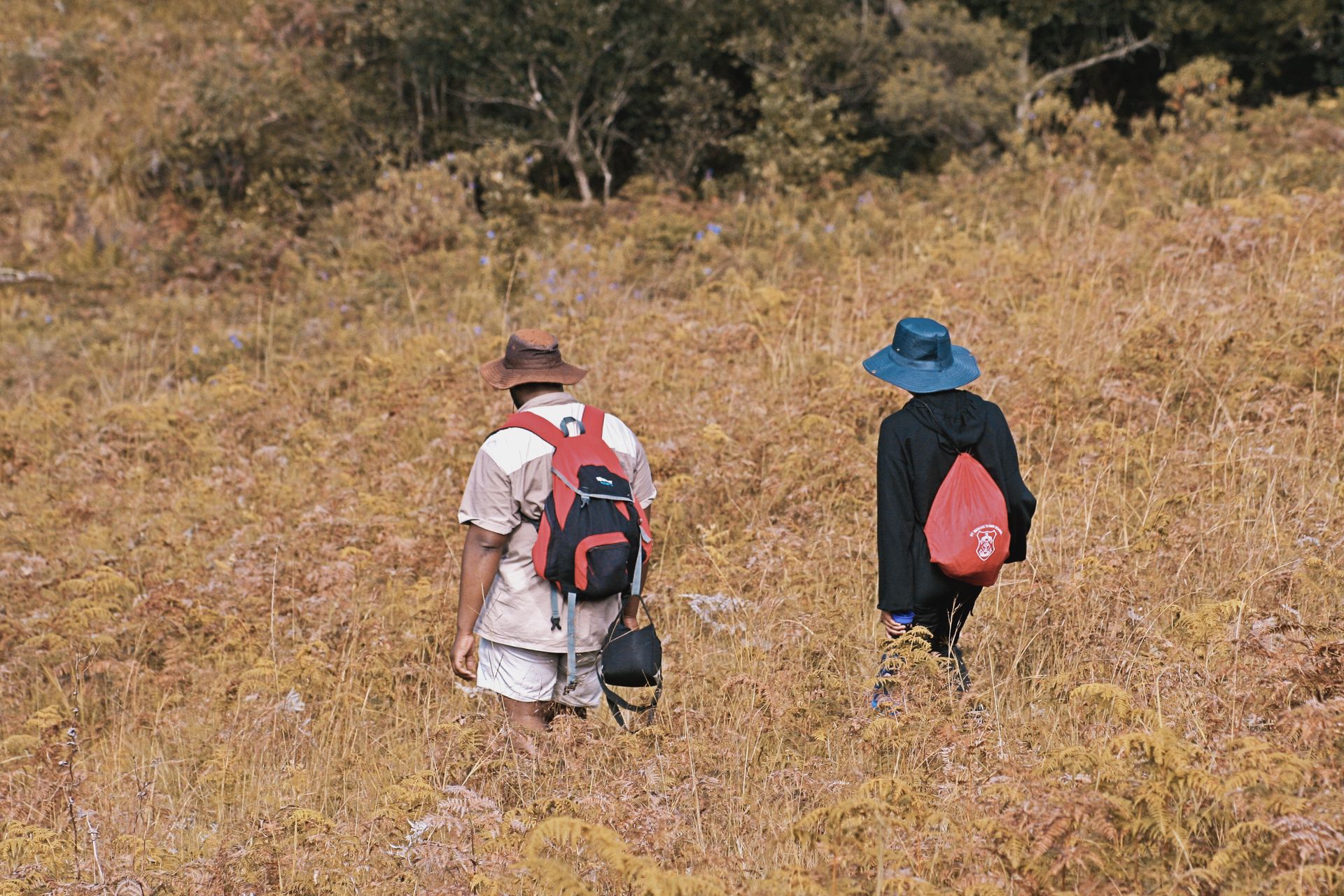
The walking safari
No engine, no door slamming shut: just footsteps, wind, and a guide who knows exactly how close is close enough. It forces you to notice what happens between the big animals.
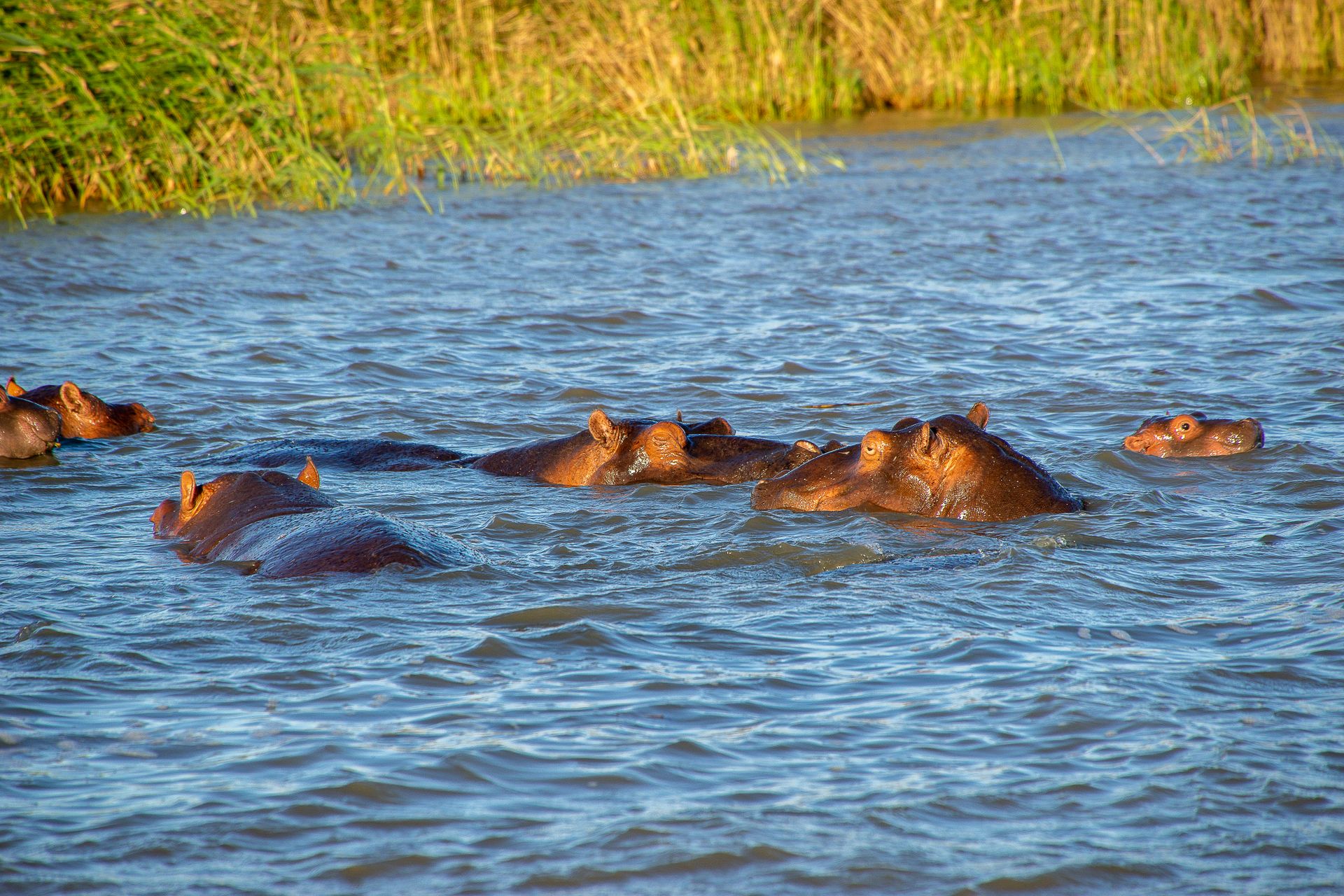
Canoeing the Zambezi
Paddling between pods of hippos and elephants drinking at the bank, with only the sound of water against the hull. A different way of getting to know the same river.
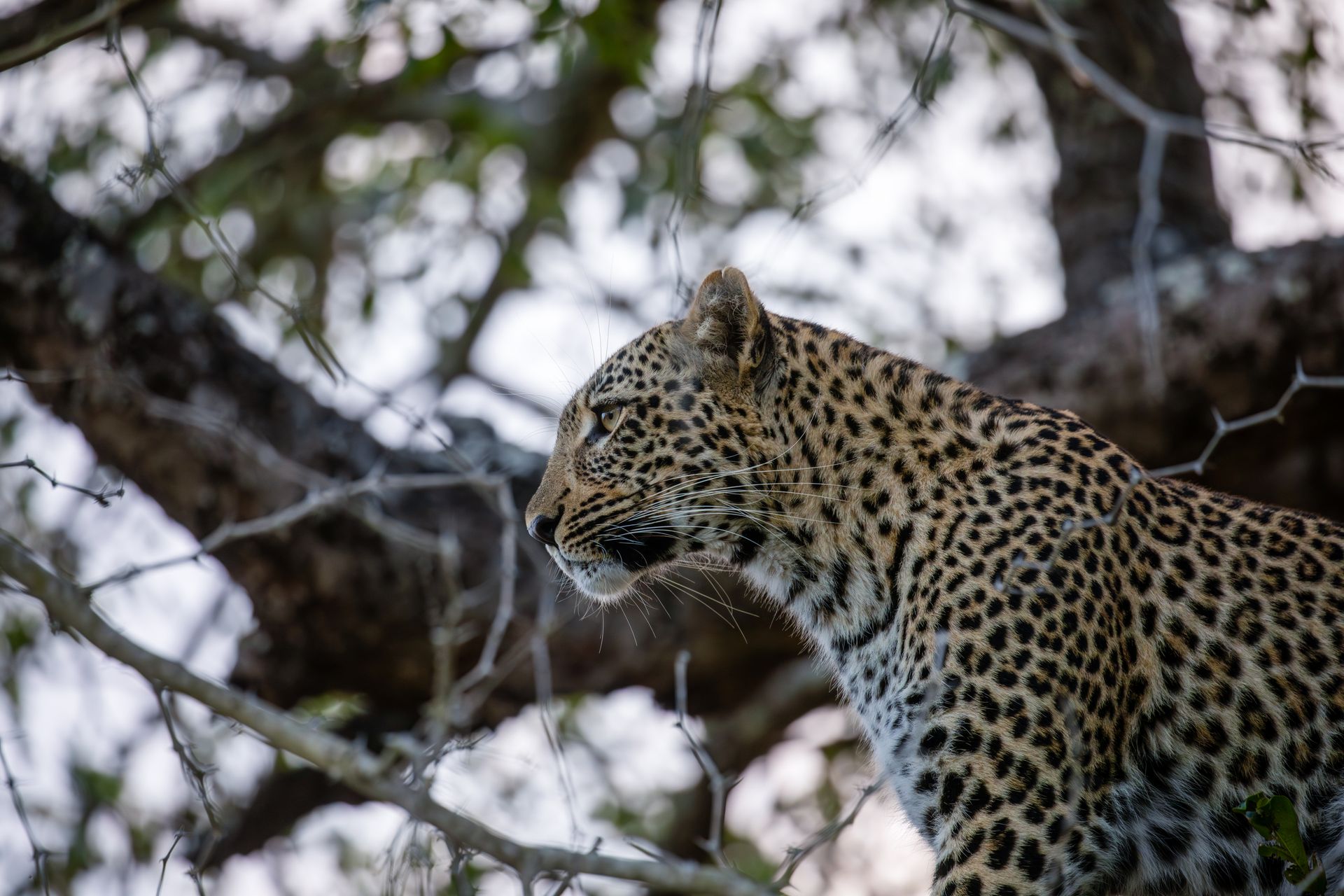
Leopards of the Luangwa
Nowhere in Africa are your odds of a leopard on a night drive better than here. Not because they're tame, but because the guides have decades of experience with this exact stretch of river.
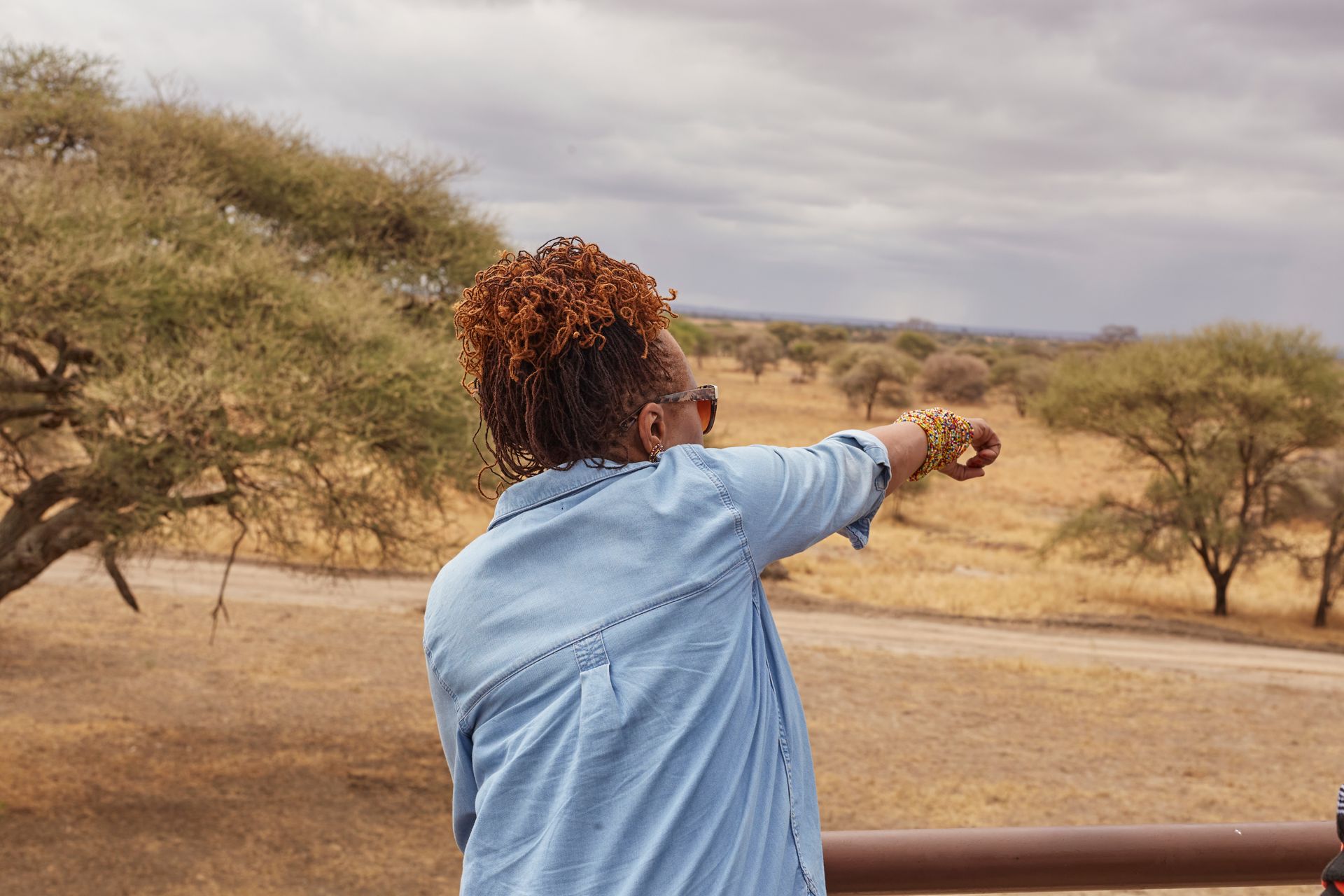
The guides
A profession that is a true craft here
To work as a walking guide in Zambia, you go through one of the toughest qualification processes on the continent: years apprenticing under a senior guide, an oral and practical exam covering animal behaviour, botany, first aid and firearms handling, and only then the licence to take guests into the bush on foot yourself. Not a job you pick up after a three-week course.
You notice it out on the trail. A good guide in the Luangwa doesn't just tell you what's standing in front of you, but reads why: why those impala suddenly freeze, why that scent on the wind is fresh. We've worked with the same handful of camps and guides for years, not because it's easier, but because we know who's walking alongside you.
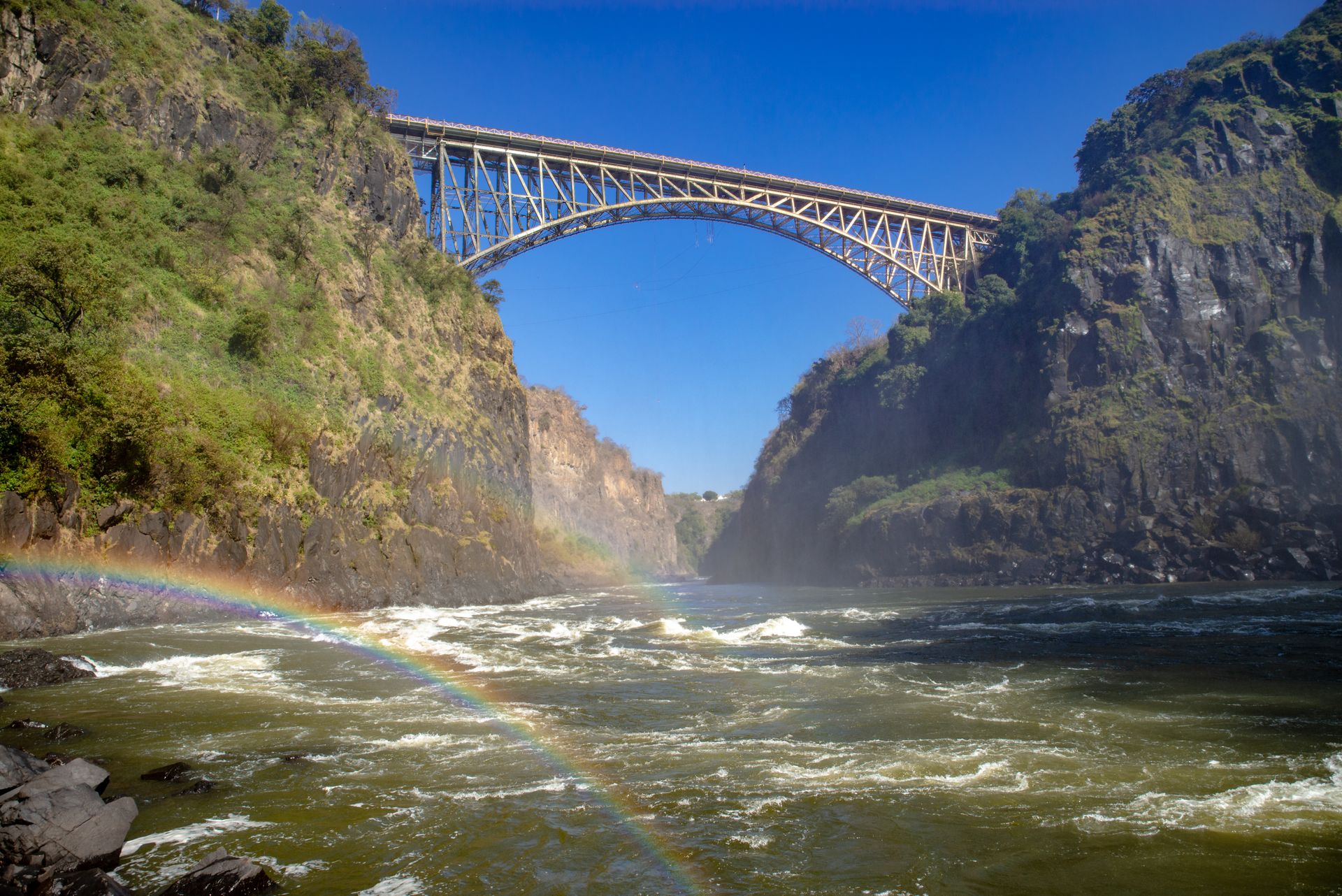
Victoria Falls from the Zambian bank: fewer crowds, more rainforest, and a river that simply finds its way onward after the drop.
What you can do here
Beyond the game park
Zambia is more than the sum of its national parks. A selection of what else is possible, depending on season and interest.
Tigerfishing on the Zambezi
In September and October, when the water is low and warm, the tigerfish bite hardest, and the Zambezi at Lower Zambezi National Park counts as one of the better spots on the continent to try, with or without experience.
Kuomboka, water levels permitting
When the Zambezi floodplain in Barotseland floods, the Lozi king moves to higher ground in a carved ceremonial canoe, a procession of drums and colour that doesn't fall on the same date every year, but is well worth asking about.
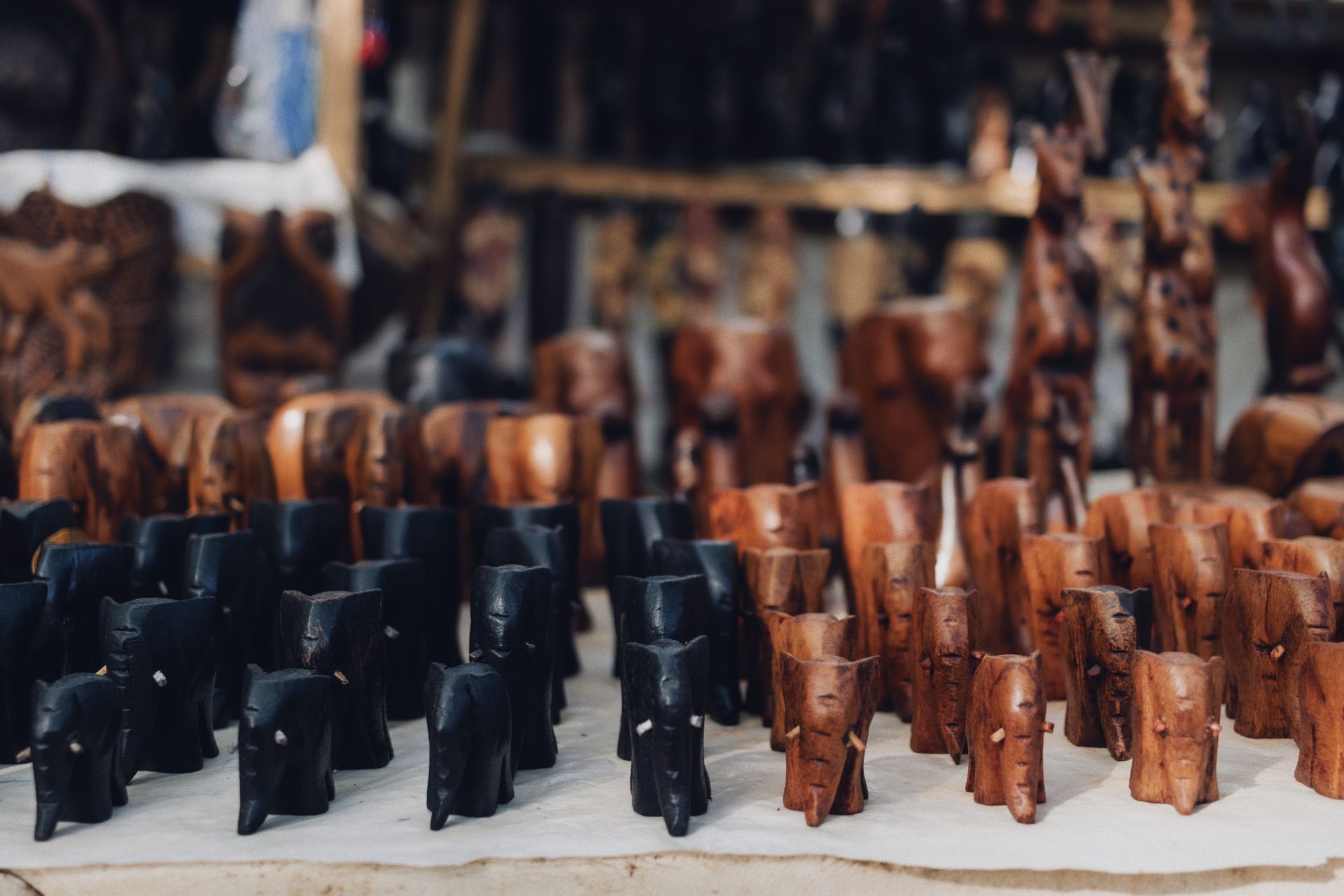
Livingstone, more than a stopover
The town by the falls has a rhythm of its own, from the railway bridge over the gorge to the markets where woodcarving and fabric sit side by side, a good reason to stay a day longer than the flight schedule dictates.
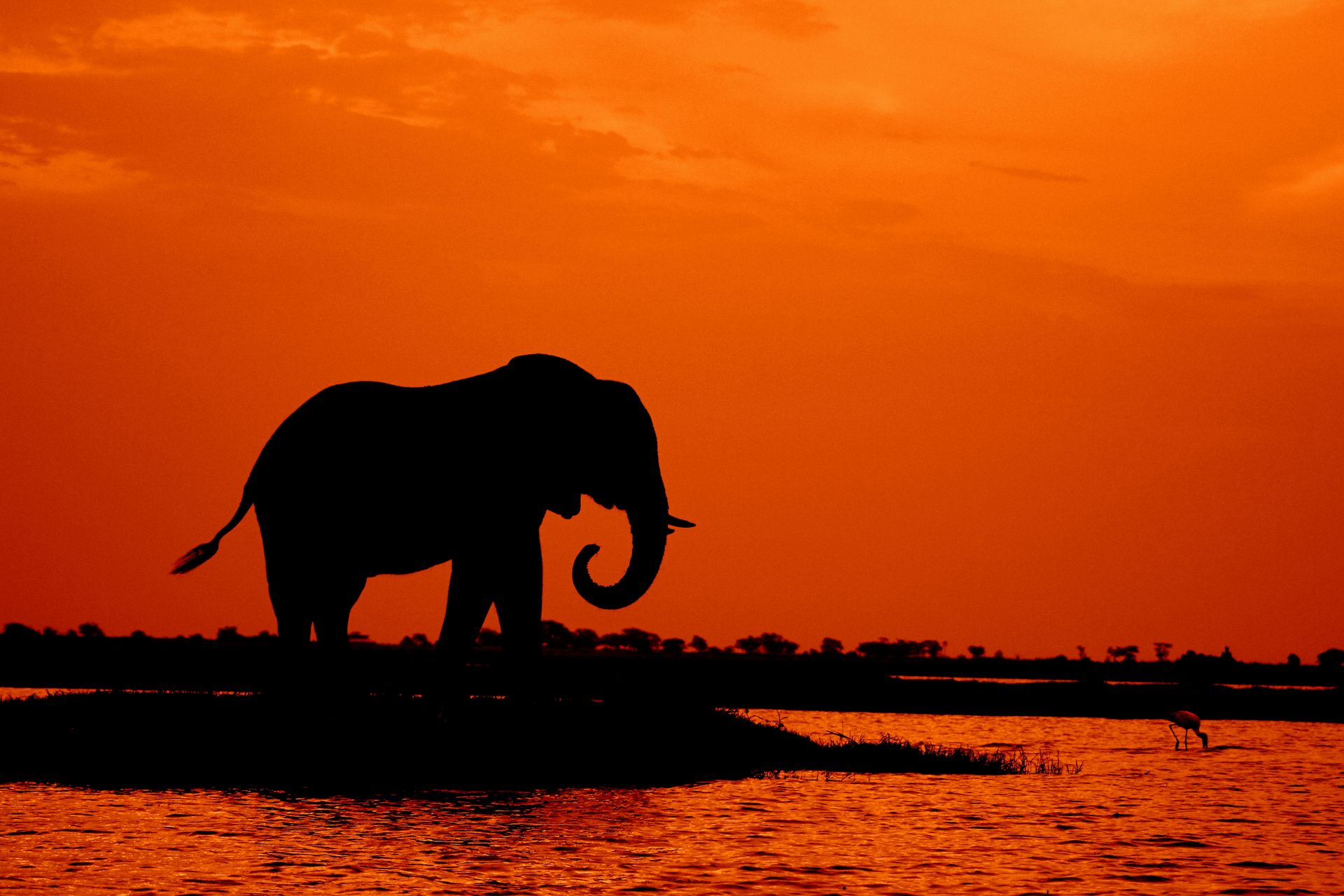
A night on the water
On the Lower Zambezi or Lake Kariba, a simple houseboat can replace the camp for one night: no engine running, just the sound of hippos breathing in the dark.
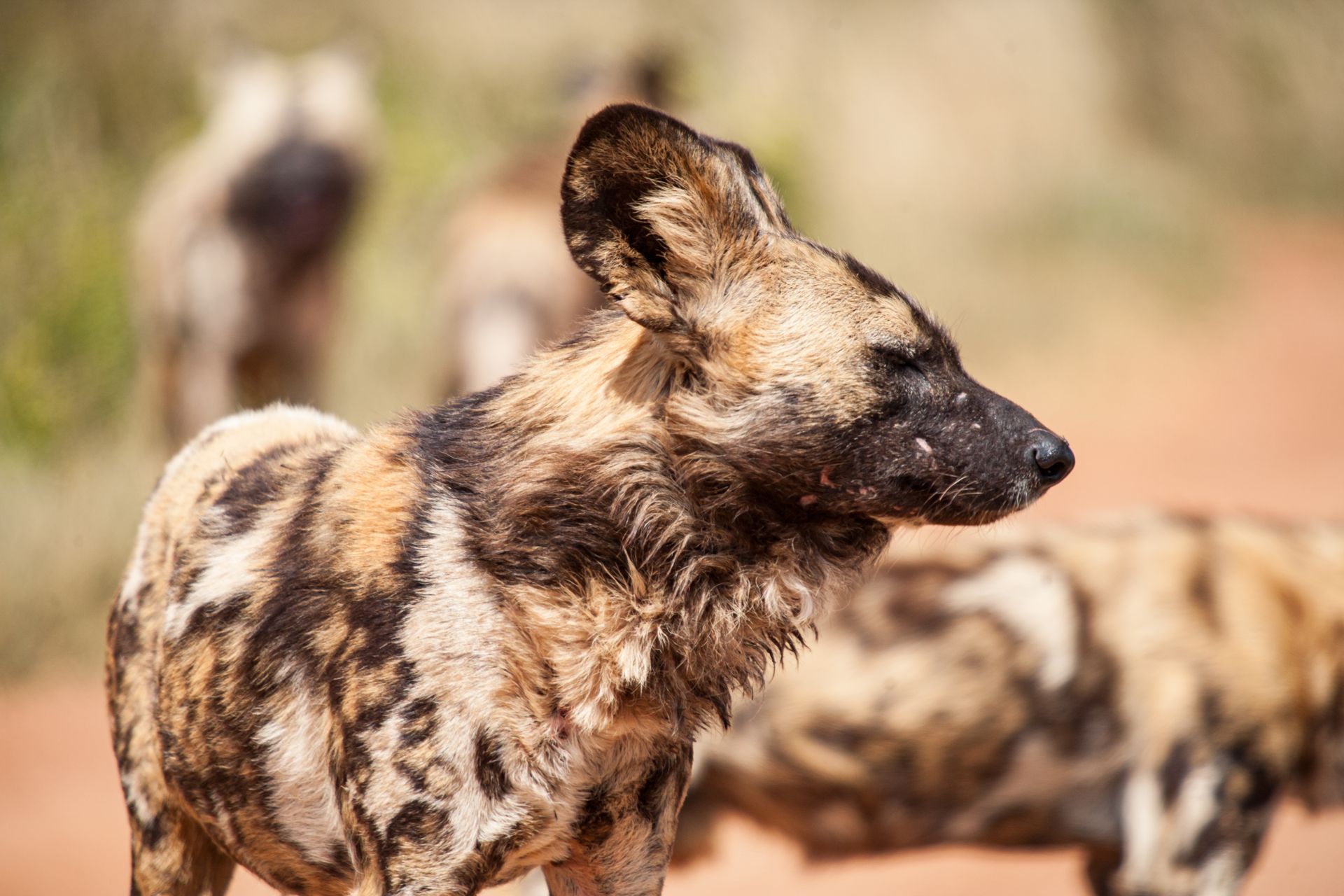
Following wild dogs in Kafue
Kafue is large enough to have places almost no one visits, and the Busanga Plain is one of the most reliable spots in southern Africa to see a pack of wild dogs in action.
This isn't a complete list. It's an indication of what's possible, depending on season and what you're looking for.
Looking past the highlights
Why we look at Zambia differently
Fewer cameras per leopard Zambia draws a fraction of the visitors that Kenya or Tanzania do, and that's a deliberate choice by the country itself: concessions are large, camps small, and the number of vehicles per sighting is limited. The result is a safari that feels slow in the best sense. You share a leopard with no one, or at most with the other guests at your own camp.
The season decides the route, not the other way round The Zambezi and Luangwa valleys flood every year, and some camps simply close their doors when they do. We don't plan around a fixed circuit that happens to run through the rainy season, but build the route around what is actually passable, navigable and worthwhile at that moment.
The guide is the itinerary In a country where you travel largely on foot or by canoe, the connection with your guide matters more than the hour you set off. So we look as closely at who's walking with you as at where you're going.
A valley that touches three countries The Zambezi forms the border with Zimbabwe and reaches Botswana and Namibia further on, which makes Zambia a natural link in a wider story, a few days on the other bank, a detour along the Chobe, without it ever feeling like a bolted-on extra.
When would you travel?
When you go decides what you see
Zambia has a pronounced dry and wet season, and that drives almost everything, from which camps are open to how much water pours over Victoria Falls. Between May and October the country is at its driest and the wildlife at its most visible, peaking from August to October when animals gather around the last remaining water sources.
The falls themselves work the other way round: from February to May the Zambezi runs high and part of the falls disappears into its own spray, while September to December brings the lowest water level and the best view of the rock face. Anyone who wants both, plentiful wildlife and a good view of the falls, usually aims for September or October.
Best time to visit Zambia
Jan
Feb
Mar
Apr
May
Jun
Jul
Aug
Sep
Oct
Nov
Dec
Top: the dry season at its peak, dense wildlife concentrations around the remaining water, most camps open.
Good: transition months, high water at the falls in April, green bush and young animals in November.
Fair: the rainy season, when some lodges in the Zambezi and Luangwa valleys close and roads become impassable, but nature is at its most lush.
Same months, other destinations
Who else is at their best in these months?
Not ready to ask yet?
Leave your email address. A month before the good time begins, we send you one reminder. Nothing more.
You will first get an email to confirm. You can unsubscribe at any time, with one click.
Rather talk it over?
Leave your name and number. We will call you at a time that suits you.
Worth knowing
Practical, without the noise.
A few things that make planning easier.
- Arrival
- Most international flights land in Lusaka or fly directly into Livingstone at Victoria Falls
- Visa
- Which travel documents you need depends on your nationality, and entry rules change regularly. We go through the current requirements with you before you leave
- Health
- Malaria prevention is advisable in the lowlands of the Zambezi and Luangwa valleys
- Getting around
- Travel between the parks is usually by small charter flight, because the distances by road are considerable
- Pace
- Allow at least three to four nights per camp, so the rhythm of walking, paddling and stillness can do its work
Frequently asked questions
When is the best time to visit Zambia?
Between May and October the country is at its driest and wildlife at its most visible, peaking from August to October around the last water sources. In the rainy season some lodges in the Zambezi and Luangwa valleys close and roads become impassable, but nature is at its lushest.
When is the best time to see Victoria Falls?
It depends on what you want to see. From February to May the Zambezi runs high and part of the falls disappears in its own spray. From September to December the water is lowest and you see the rock face best. If you want plenty of wildlife and a good view of the falls, September or October is usually the aim.
What is a walking safari, and how safe is it?
In the Luangwa Valley, where the walking safari was invented, you walk behind a guide who reads the tracks before seeing the animal. Walking guides in Zambia go through one of the strictest training paths on the continent: years of apprenticeship, and exams in animal behaviour, botany, first aid and firearms handling.
How many nights per camp make sense in Zambia?
Count on at least three to four nights per camp, so the rhythm of walking, paddling and silence can do its work. Between parks you usually travel by small charter flight, because distances by road are long.
Can you combine Zambia with neighbouring countries?
Yes. The Zambezi forms the border with Zimbabwe and further on touches Botswana and Namibia. A few days on the other side or a detour along the Chobe fits naturally into the journey, without ever feeling like a separate add-on.
Or perhaps this
Other destinations
Still weighing it up? That is no problem at all. The right country often only becomes clear once the conversation starts.
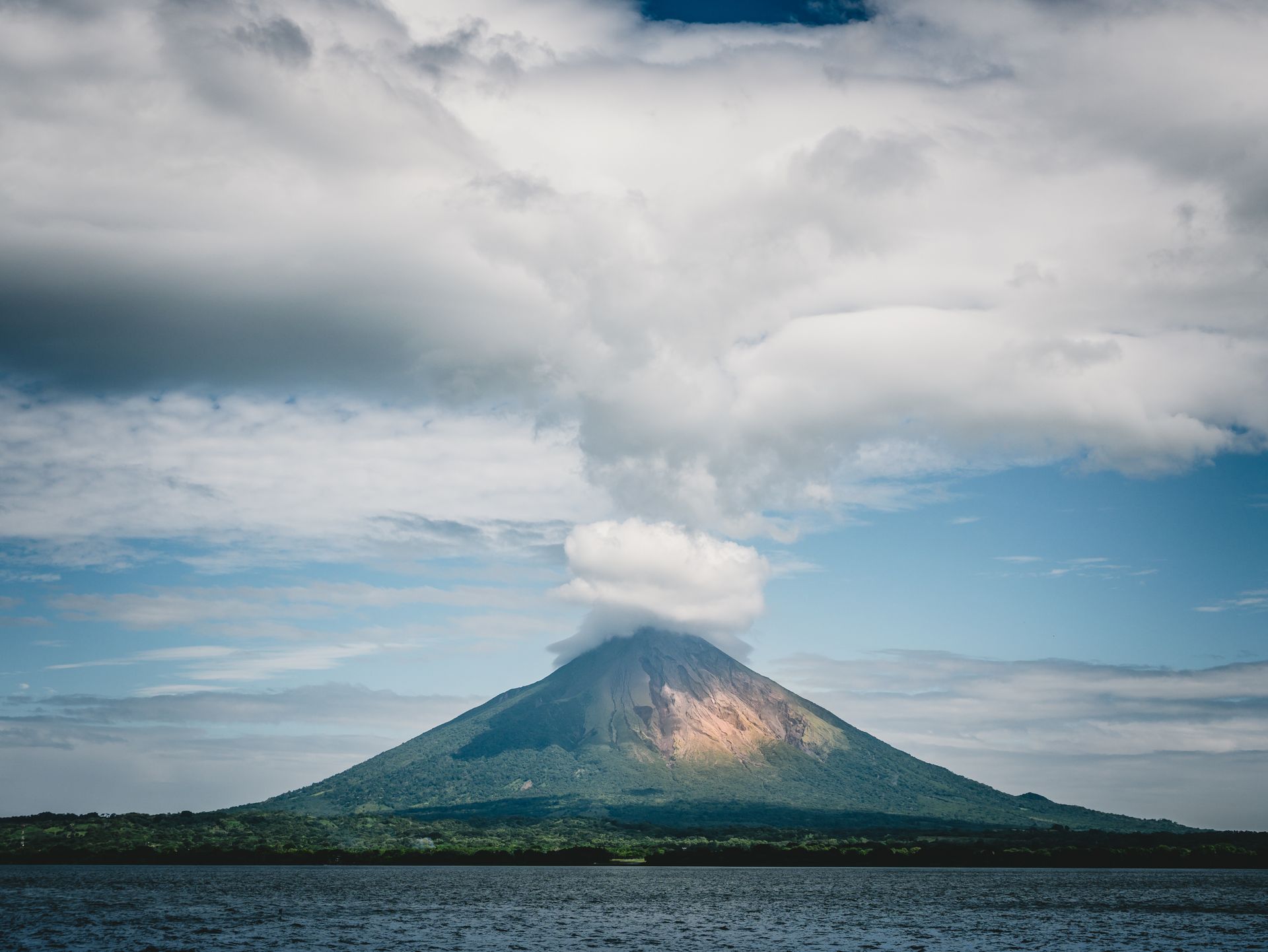
Central American lake district
Nicaragua
Two colonial cities, centuries-old rivals, separated by a lake dotted with volcanic islands, rougher around the edges than its neighbours.
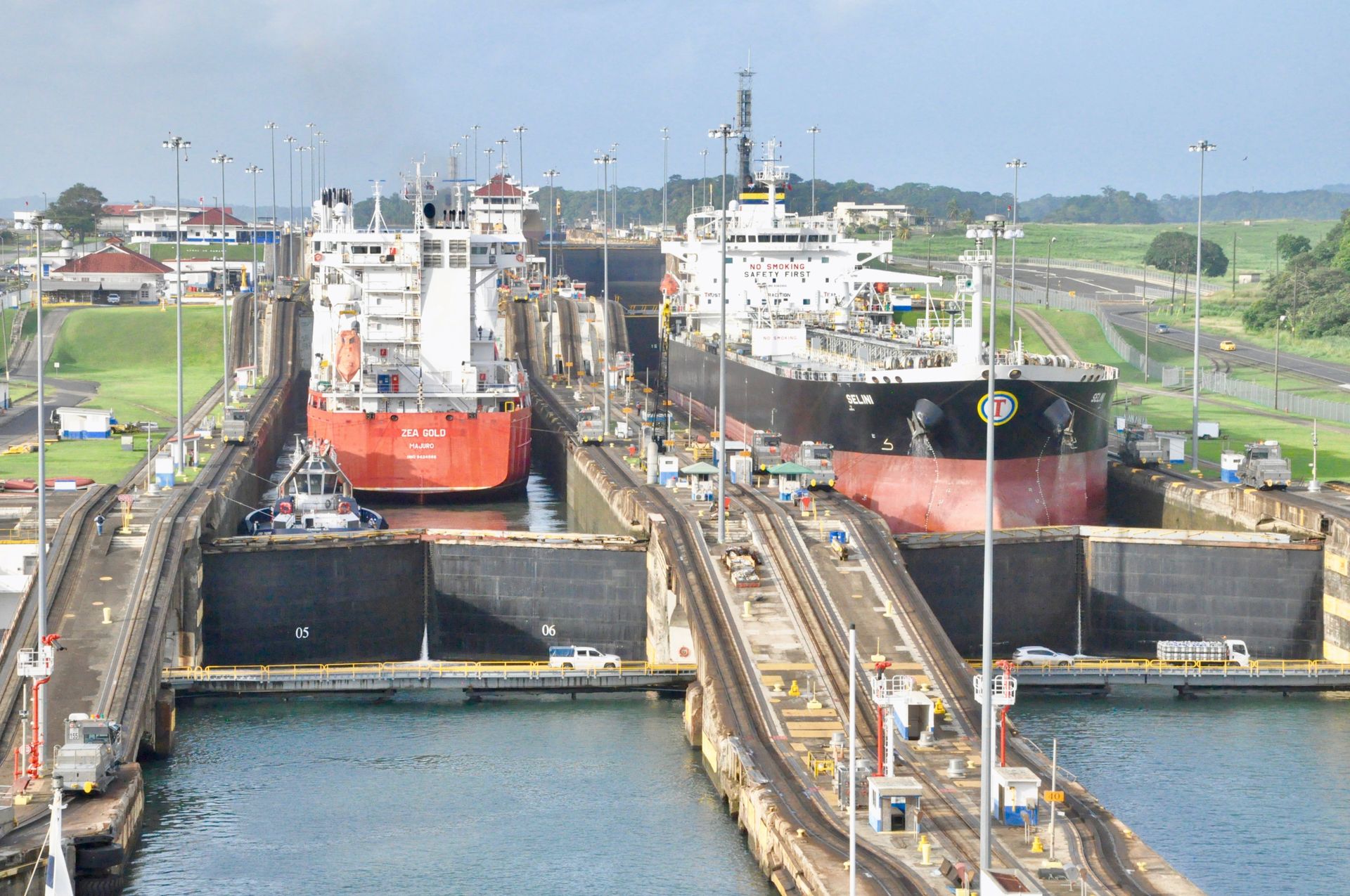
Central American isthmus
Panama
An isthmus where two oceans almost touch and the rainforest reaches right up to the edge of the city.
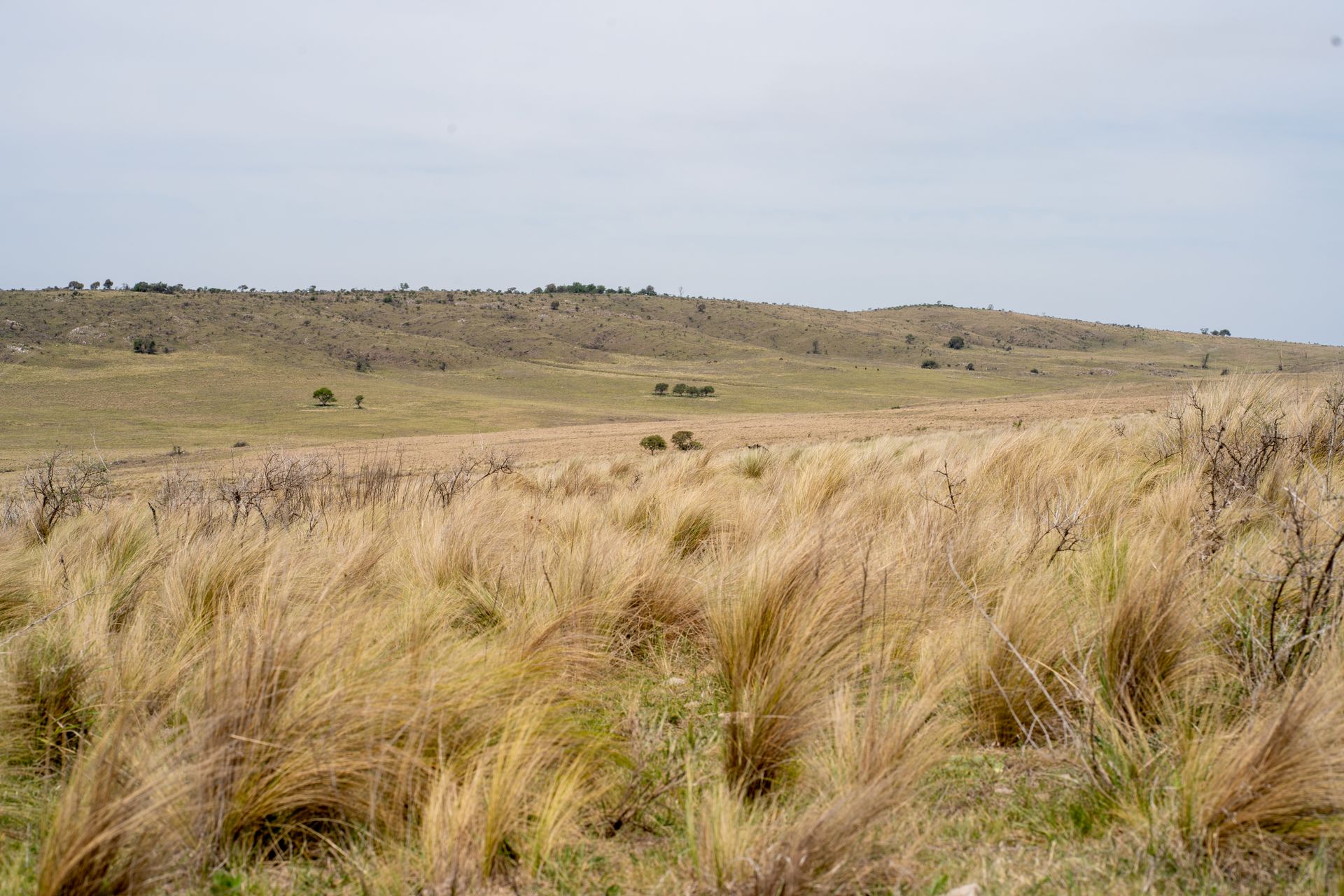
Southern South America
Uruguay
Flat, green and rarely loud, a country that prefers quiet over the spectacle of its neighbours.
How it works
This is how your journey to Zambia takes shape.
Six steps, from your first story to your homecoming. The conversation and the feasibility check cost you nothing.
-
01
Tell us your story
Fill in the form or give us a call. You do not need a route yet: a country, a period or just an idea is enough.
-
02
The conversation and the check
We call you within two working days. We talk through what you are looking for and check whether it can be done. If it can, we set down together what we will make for you.
-
03
We design your journey
We build your programme up, day by day, together with our own people in the country itself.
-
04
Your proposal
You read your journey day by day, with everything that is included. You say what you would like differently, until it is right.
-
05
Ready to depart
You send us your details, we send you your travel documents. You have one fixed contact who knows your journey.
-
06
Travelling, and after
Your contact stays reachable while you are away. Once you are home, we call one more time.
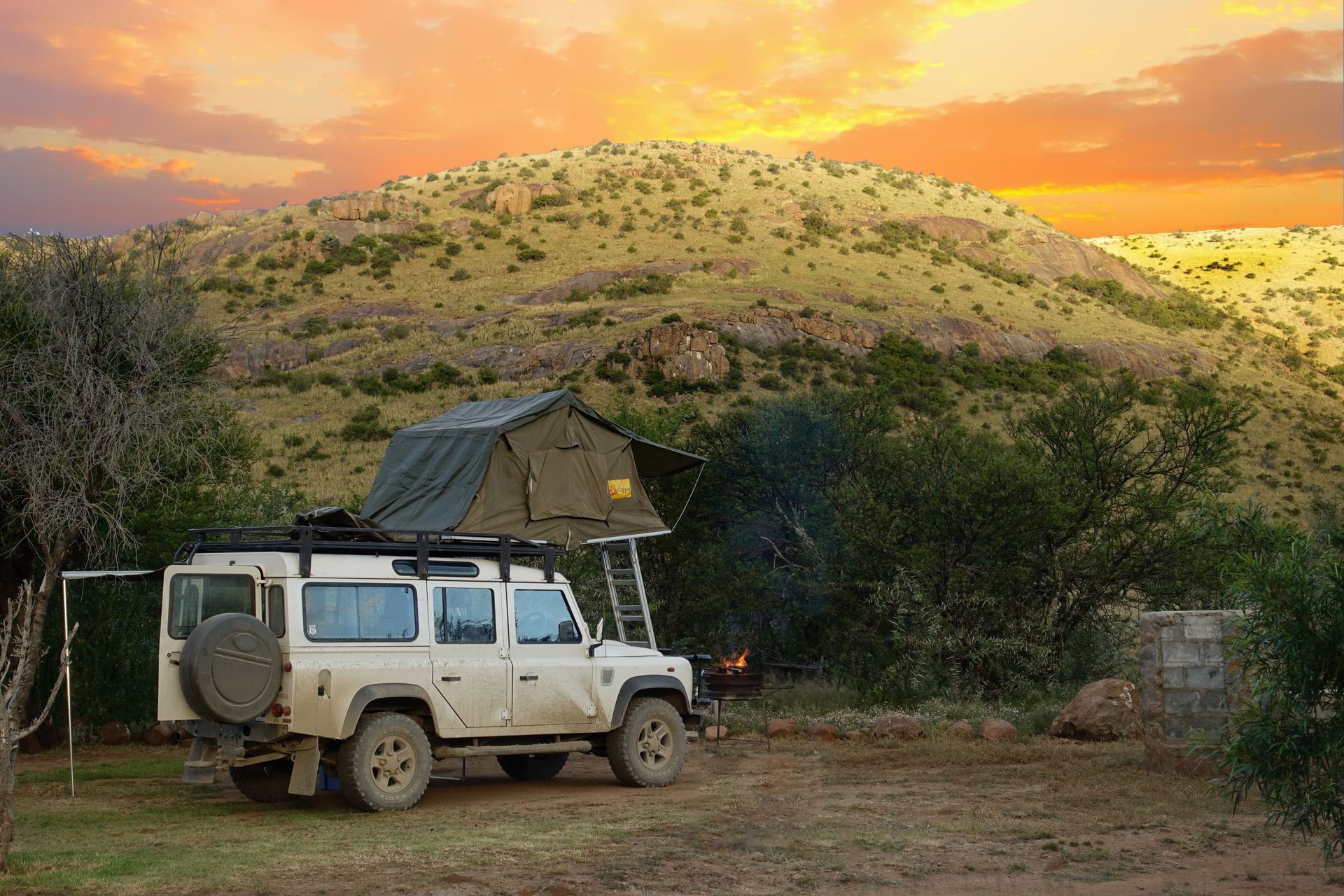
The next step
How would you like to experience Zambia?
On foot through the Luangwa, paddling quietly on the Zambezi, or that one particular stretch of waterfall without the crowds of the other side. Tell us what you have in mind, and we'll work out exactly what that looks like in Zambia.
Updated in October 2026