Atlantic Ocean
Madeira
An island you get to know on foot, from the levadas to peaks at 1,862 metres.
This is Madeira
An island that rises straight out of the sea.
Funchal lies on the south coast, on a slope that faces the Atlantic like an amphitheatre. Behind the city the island climbs to Pico do Areeiro, at 1,818 metres, and Pico Ruivo, at 1,862 metres, the highest point on Madeira.
On the north side lies the laurel forest, the Laurisilva. It covers a series of steep, V-shaped valleys running from the central plateau down to the north coast. UNESCO describes it as the largest surviving area of laurel forest.
Through that forest and along the mountainsides run the levadas, irrigation channels with a path beside them. Walking is how you get to know this island.
In short
- Best time to go
- April to September: the driest months, with days of 21 to 27 degrees in Funchal. July and August see hardly any rain. October to March is mild, with more rainy days. December is the wettest month.
- How long
- Seven to ten days for Madeira itself. Add a few days if you include Porto Santo.
- Who it suits
- For travellers who love walking, from a level path along a levada to a mountain route between the highest peaks. And for anyone who wants a few days by the sea after the walking, on Porto Santo.
- What sets it apart
- On an island this size you go from the sea to 1,862 metres in a single day. Since 2026 you reserve a time slot in advance for the best-known trails.
Tailor-made tour
A tailor-made tour of Madeira
A tour of Madeira usually splits the nights between two or three places: Funchal on the south coast, and somewhere in the north or west, such as around Santana, Porto Moniz or Calheta. That keeps the walks in the centre, north and west within easy reach. For Madeira itself, count on seven to ten days. Porto Santo is reached by the daily ferry or by plane.
On the island you get around by hire car, with a driver or by bus. For the well-known mountain route from Pico do Areeiro to Pico Ruivo a driver is useful: beyond the Pedra Rija viewpoint the trail is one-way, so you finish on the other side.
As a couple you decide how far and how high you walk. With children Madeira works well if you choose shorter trails, such as the Levada do Risco at one and a half kilometres, and a few days on the sandy beach of Porto Santo. Travelling alone, a guide on the mountain trails helps a great deal. With your own group of friends or family, the group can split for a day: half on the mountain route, the other half along a level levada.
The most unusual stays are in one of the island's traditional quintas, or in the north, closer to the laurel forest than to the city. On Porto Santo you stay in the centre of the island, where everything is within reach on foot or by bike.
The regions
From the city by the sea to the forest in the north.
The island is small, but each side has a different landscape. That shapes where you choose to stay.
The capital
Funchal
Funchal lies in a bay on the south coast, on a slope shaped like an amphitheatre. It became a city in 1508. The market hall from 1940 and the Monte toboggans, dating from the early nineteenth century, belong to any visit.
The centre
Pico do Areeiro and Pico Ruivo
The trail between the three highest peaks, Pico do Areeiro (1,818 m), Pico das Torres (1,851 m) and Pico Ruivo (1,862 m), is 6.1 kilometres long and takes about three hours. It passes through tunnels in the volcanic rock and up steep stairways.
The north
The laurel forest
The Laurisilva covers some 15,000 hectares, about 20 percent of the island, mostly in the high areas of the north. The forest is around 20 million years old and has been on the World Heritage List since 1999.
The west
Rabaçal and Paul da Serra
The Levada das 25 Fontes starts in Rabaçal: about 4.3 kilometres and three hours' walking to a lake fed by 25 springs. The shorter Levada do Risco, one and a half kilometres, starts at the same point.
The neighbouring island
Porto Santo
Porto Santo is 11 kilometres long and 6 kilometres wide, with a 9-kilometre sandy beach along almost the entire south coast. The ferry runs daily between Madeira and Porto Santo.
Walking by reservation
Since 2026 you reserve a time slot for the well-known trails.
Since 1 January 2026, Madeira's official walking trails, the PR routes, require a reservation in advance. This applies to everyone, whether alone, in a group or with a guide.
You reserve through SIMplifica, the regional government's portal. Each trail works with 30-minute time slots, and you must start within your slot. Walking a PR trail without a reservation can lead to a fine.
Trails sometimes close because of the weather or for maintenance. Check before each walk that the trail is open.
We plan the walks with you, reserve the time slots and check the day before that the trails are open.
The valleys on the north side, where the laurel forest covers the steep slopes entirely.
Possibilities
What could Madeira be for you?
Directions to help you notice what draws you and what you would rather leave out.
From Areeiro to Ruivo
The route between the three highest peaks, 6.1 kilometres, with a driver collecting you on the other side.
Pico Ruivo the short way
From Achada do Teixeira, 2.8 kilometres to the island's highest point, and back the same way.
The 25 Fontes
Along a levada from Rabaçal to a lake fed by 25 springs.
A day in the Laurisilva
A walk through the laurel forest in the north, with a guide who knows the trees and birds.
Funchal on foot
The market, the old town, and back down on the Monte toboggan.
A few days on Porto Santo
By ferry to the neighbouring island and its 9-kilometre sandy beach.
What you end up doing, we build around what drives you.
When would you travel?
April to September, the driest months.
April to September are the driest months. Funchal reaches 21 to 27 degrees by day, and July and August see on average less than 2 millimetres of rain.
October to March stays mild, with daytime temperatures of 20 to 25 degrees in Funchal, but there are more rainy days. In the mountains the weather can change quickly.
December is the wettest month: about 95 millimetres on average in Funchal, spread over about nine days.
Best time to visit Madeira
Jan
Feb
Mar
Apr
May
Jun
Jul
Aug
Sep
Oct
Nov
Dec
Dry and mild, the best walking weather
Mild, with more rainy days
The wettest month of the year
Same months, other destinations
Who else is at their best in these months?
Not ready to ask yet?
Leave your email address. A month before the good time begins, we send you one reminder. Nothing more.
You will first get an email to confirm. You can unsubscribe at any time, with one click.
Rather talk it over?
Leave your name and number. We will call you at a time that suits you.
Looking past the highlights
What we look at differently.
Time slots first, then the rest. Time slots for the best-known trails are limited. We reserve them first and build the days around them.
The mountain route is one-way. From Pico do Areeiro to Pico Ruivo, you cannot return the same way beyond Pedra Rija. A driver meets you on the other side.
Porto Santo comes as a separate part. If you want a few days on the beach, you go to Porto Santo, by ferry or plane. The island has a 9-kilometre sandy beach. We place those days at the start or the end of the trip.
Worth knowing
Practical, without the noise.
We go through the full, current picture with you personally, including what matters specifically for your trip.
- Getting there
- From Brussels you fly to Funchal. Between Madeira and Porto Santo you travel by ferry or plane.
- Documents
- Which travel documents you need depends on your nationality, and the rules change. The current travel advice states that a Belgian identity card is enough. Check with the Belgian Foreign Affairs service. We confirm the current requirements before departure.
- Health
- Recommended vaccinations are listed on Wanda, the travel health site of the Institute of Tropical Medicine in Antwerp. Discuss it with your doctor too.
- Travel advice
- The current travel advice is published by the Belgian Foreign Affairs service. We follow it and adapt the trip where needed. Also register your trip on Travellers Online.
- Driving yourself
- According to the current travel advice you can drive with your Belgian or international licence, and you also carry your identity card. You can also travel with a driver or by bus.
- Walking trails
- Since 1 January 2026 you reserve a time slot in advance through SIMplifica for every official PR trail.
- At the table
- The bread, butter and olives brought to your restaurant table unasked are called the couvert and are charged. If you do not want them, say so straight away.
Frequently asked questions
When is the best time to go to Madeira?
The best time for Madeira is April to September. Those are the driest months, with days of 21 to 27 degrees in Funchal. October to March is mild but wetter, and December is the wettest month.
Do you need to reserve Madeira's walking trails in advance?
Yes, since 1 January 2026 you reserve a time slot in advance for every official PR trail on Madeira, through SIMplifica, the regional government's portal. The slots last 30 minutes, and without a reservation you risk a fine. Also check before you set off that the trail is open.
How do you get from Madeira to Porto Santo?
From Madeira to Porto Santo you take the ferry, which sails daily, or a plane. Porto Santo is 11 kilometres long and 6 kilometres wide, with a 9-kilometre sandy beach.
What is the travel advice for Madeira?
The travel advice for Madeira is on the Portugal page of the Belgian Foreign Affairs website, diplomatie.belgium.be, under Travel advice. We follow it before departure and during your trip, and adapt the trip if the advice changes.
Or perhaps this
Other destinations
Still weighing it up? That is no problem at all. The right country often only becomes clear once the conversation starts.
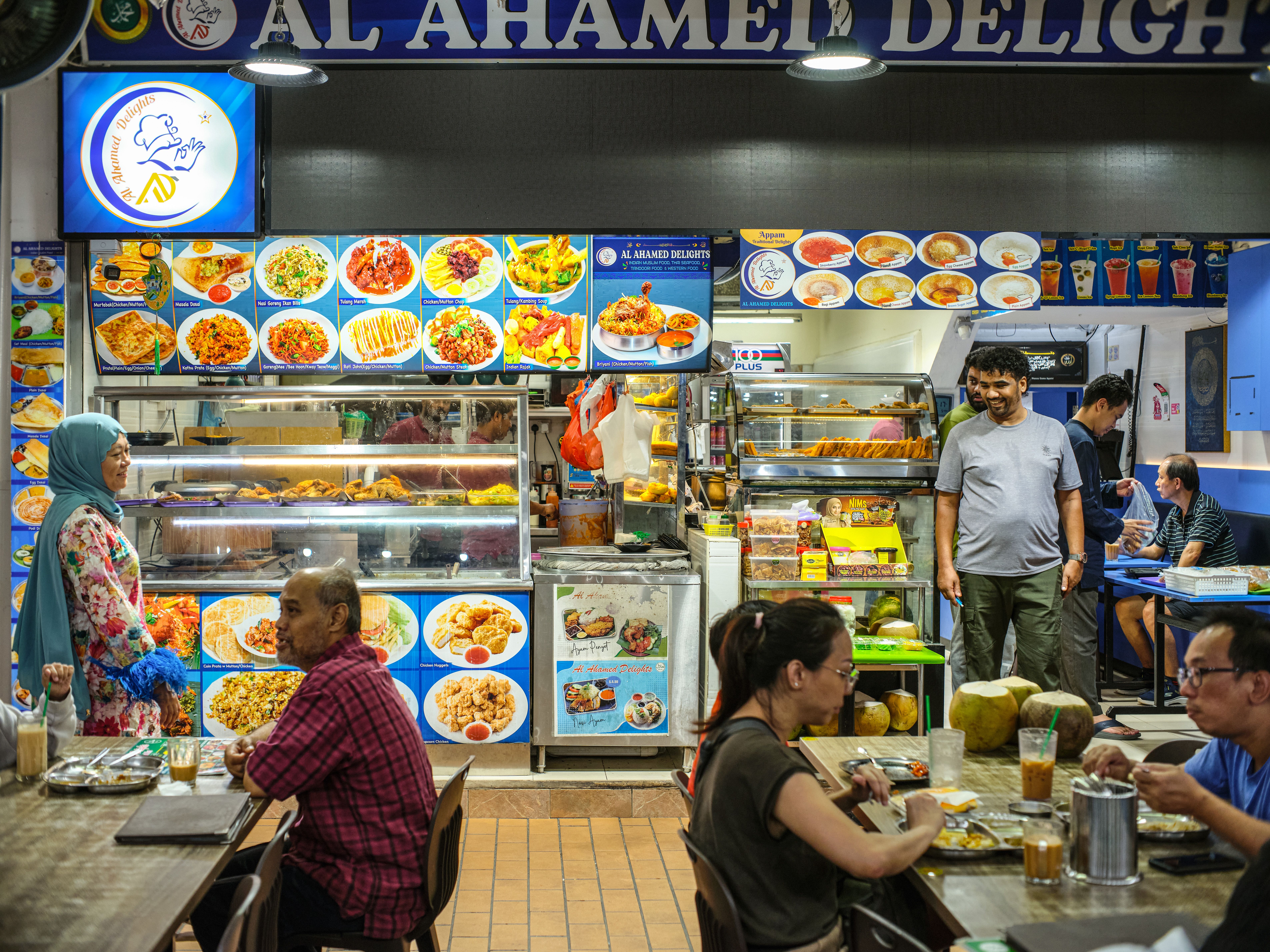
South-East Asian city state
Singapore
Order and jungle blend here with ease, and the food comes closer to the country's true character than its skyline does.
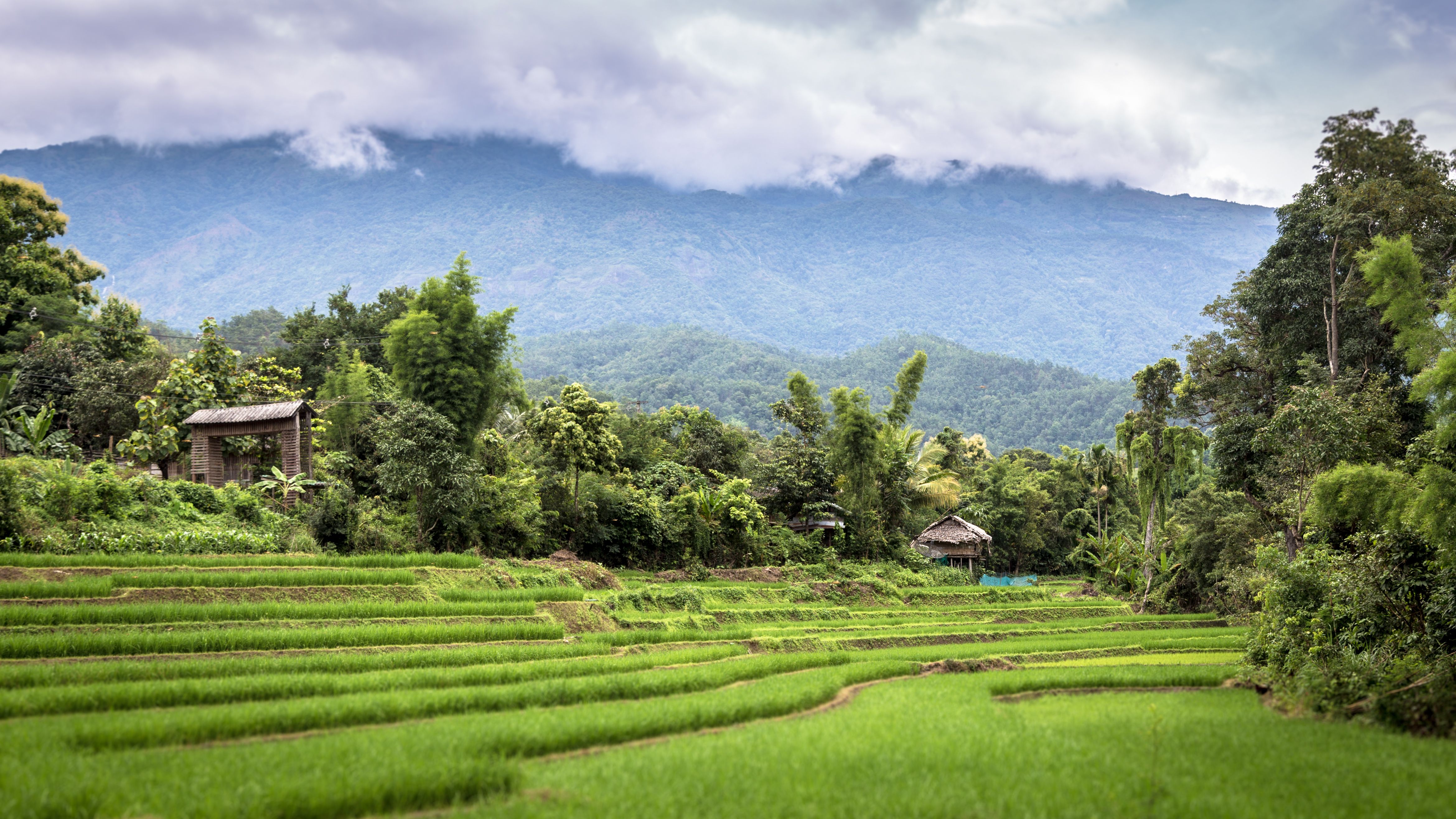
South-East Asia
Thailand
From busy Bangkok streets to quiet mountain villages in the north, this country has as many faces as it has provinces.
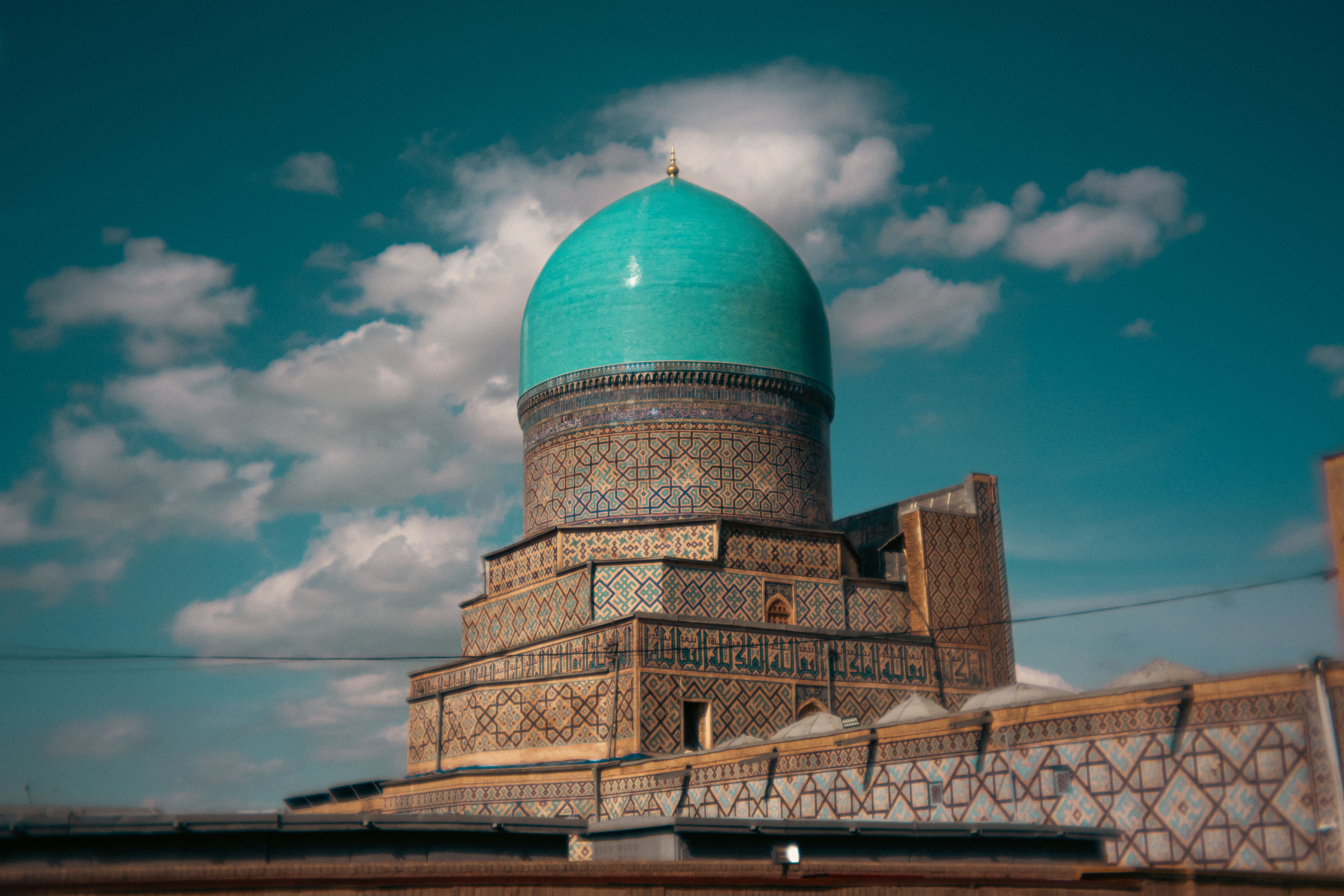
Silk Road, Central Asia
Uzbekistan
Turquoise domes and hushed caravanserais that still tell the story of where the Silk Road once converged.
How it works
This is how your journey to Madeira takes shape.
Six steps, from your first story to your homecoming. The conversation and the feasibility check cost you nothing.
-
01
Tell us your story
Fill in the form or give us a call. You do not need a route yet: a country, a period or just an idea is enough.
-
02
The conversation and the check
We call you within two working days. We talk through what you are looking for and check whether it can be done. If it can, we set down together what we will make for you.
-
03
We design your journey
We build your programme up, day by day, together with our own people in the country itself.
-
04
Your proposal
You read your journey day by day, with everything that is included. You say what you would like differently, until it is right.
-
05
Ready to depart
You send us your details, we send you your travel documents. You have one fixed contact who knows your journey.
-
06
Travelling, and after
Your contact stays reachable while you are away. Once you are home, we call one more time.
The next step
How would you like to experience Madeira?
Tell us what draws you to Madeira, who you are travelling with and how much you want to walk. We get to know you as a traveller first and build from there, together with a local partner who knows the island from the inside.
Updated in October 2026