South America
Argentina
A country whose distances you have to be willing to embrace.
This is Argentina
From subtropical rainforest to almost Antarctica.
Argentina spans more than 3,700 kilometres from north to south. At the top lie waterfalls set in subtropical rainforest; at the bottom lies Tierra del Fuego, where the wind blows in from the Southern Ocean and summer stays cool. In between: the highest peaks of the Andes, vineyards planted at great altitude, an endless grass plain and a coastline where whales come to calve.
It is also a country with a distinctly European character. Italian and Spanish migration has shaped the language, the food and the manners deeply. That makes Argentina both familiar and completely different for European travellers.
What almost everyone underestimates is the scale. Buenos Aires and the Patagonian mountains lie as far apart as Brussels and Morocco. Domestic flights here are not a luxury but a necessity.
The skill with this destination is not choosing what you want to see, but daring to leave things out.
In short
- Best time to go
- March, April, October and November suit a trip across several regions best. Patagonia is open from October to April, while the northwest is dry and clear from June to August.
- How long
- Two weeks for two regions, three weeks if you want to see more. Buenos Aires and the Patagonian mountains are so far apart that you usually fly between regions.
- Who it suits
- Travellers who want to pair landscape with culture: hiking in Patagonia, whales on the Atlantic coast, wine at the foot of the Andes and the late nights and milongas of Buenos Aires.
- What sets it apart
- Unlike Chile, Argentina has a long Atlantic coastline. Southern right whales come to calve off the Valdés Peninsula from June to December, and at El Doradillo beach you can sometimes see them from the shore.
The distances
Two weeks is enough for two regions. Not for four.
The most common mistake with this destination is an itinerary that looks wonderful on paper: the capital, the waterfalls in the north, the glaciers in the south and the wine region in between. In practice that means four domestic flights, four rounds of checking in and out, and four half-days lost to getting from A to B.
Argentina rewards the opposite approach. Two regions, with real time built in, make for a trip you actually remember. Travellers who want more should allow three weeks. That is no problem at all.
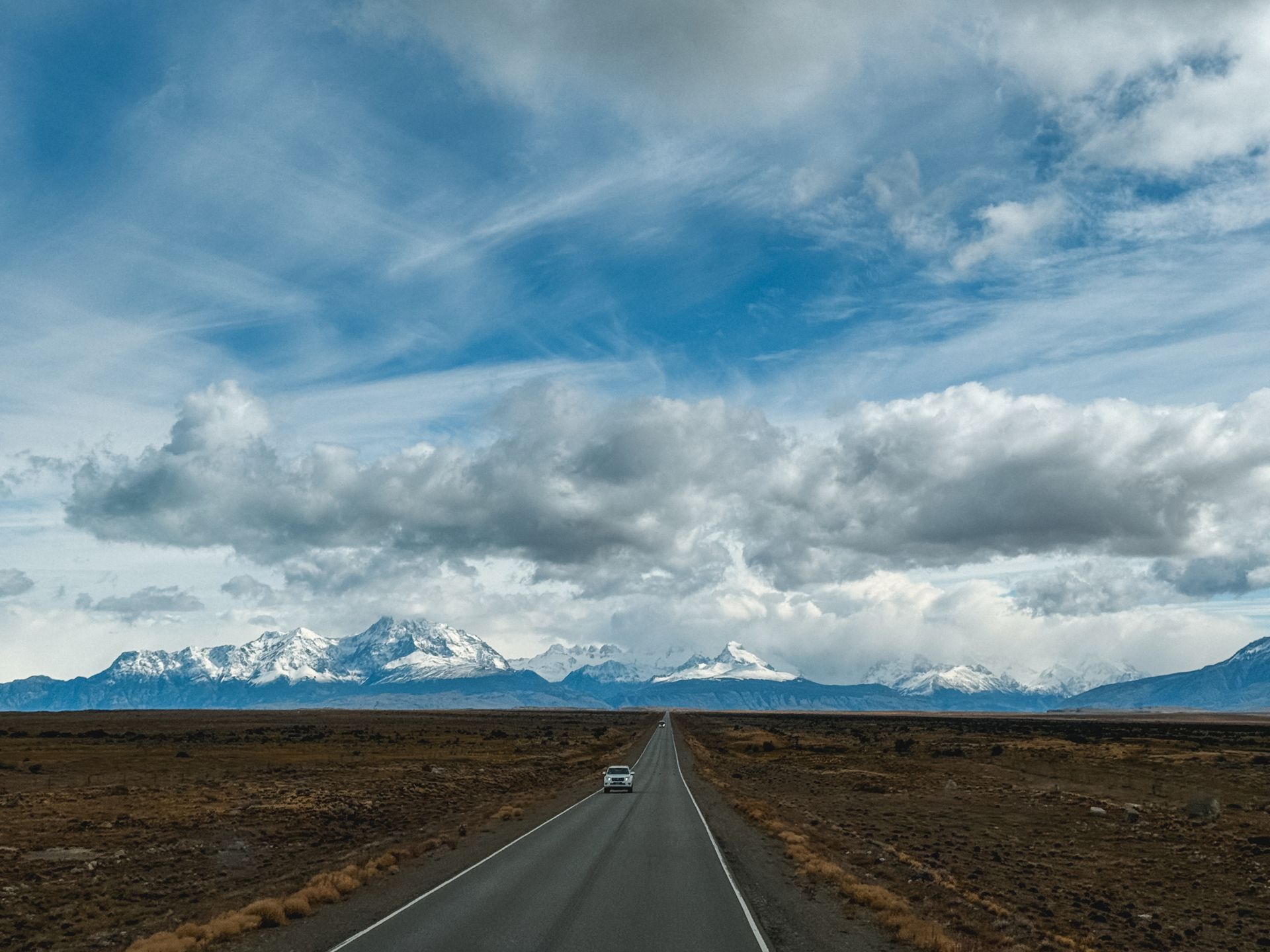
There is one exception: some travellers simply love the road. For them there are the long routes through the Andes or across the steppe, with stops in villages no guidebook mentions.
Both are good trips. They are just not the same trip, and that is a difference worth knowing beforehand.
The different faces
Six countries under one flag.
Climate, landscape and pace differ so sharply that every leg of the journey means packing differently all over again.
The capital
Buenos Aires
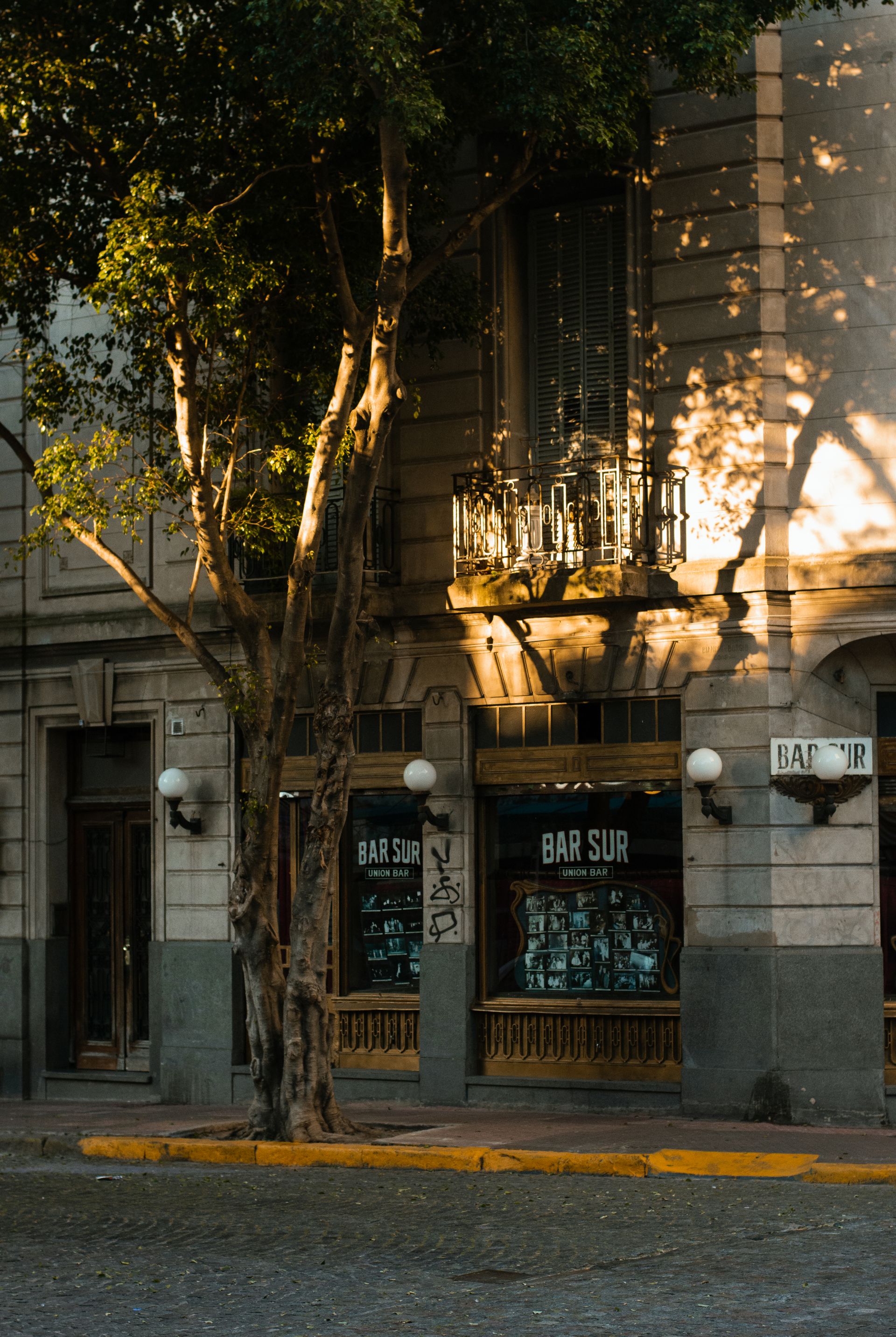
A city of Parisian facades, Italian eating habits and a melancholy all its own. Neighbourhoods that barely resemble each other: an elegant north side with bookshops in old theatres, a southern side layered with paint and history, a design district full of studios. People eat late here. Before nine o'clock, almost nobody is at the table. And they go out even later. Anyone who wants to see tango can go to a show, or to a hall where people simply dance it. Those are not the same thing.
The northwest
The Andes and the coloured mountains
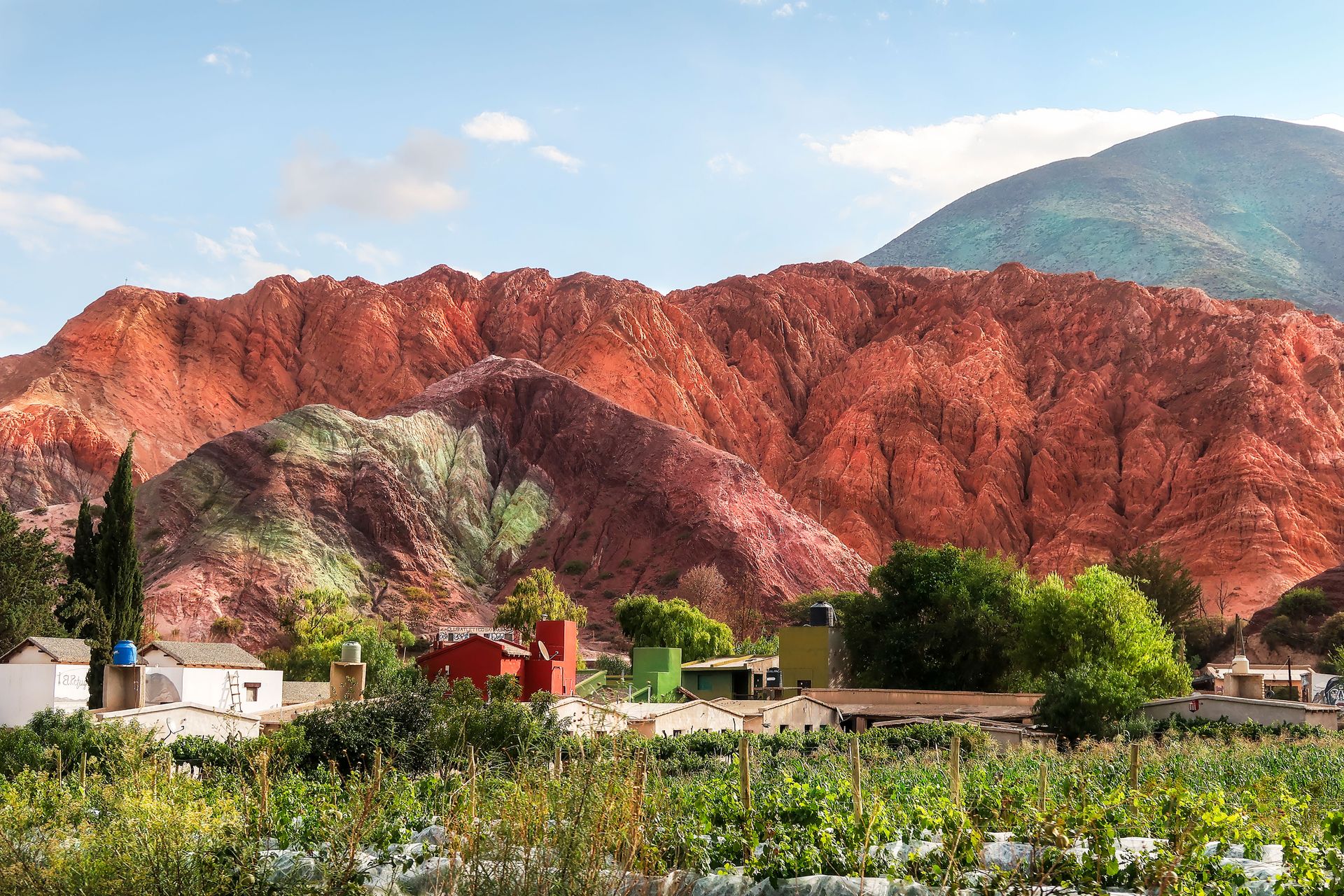
A completely different Argentina: high, dry and with a strong indigenous culture. Ravines with layered mountains in seven colours, adobe villages, salt flats at over 3,400 metres and vineyards ranking among the highest in the world. Here the country feels Andean rather than European.
The northeast
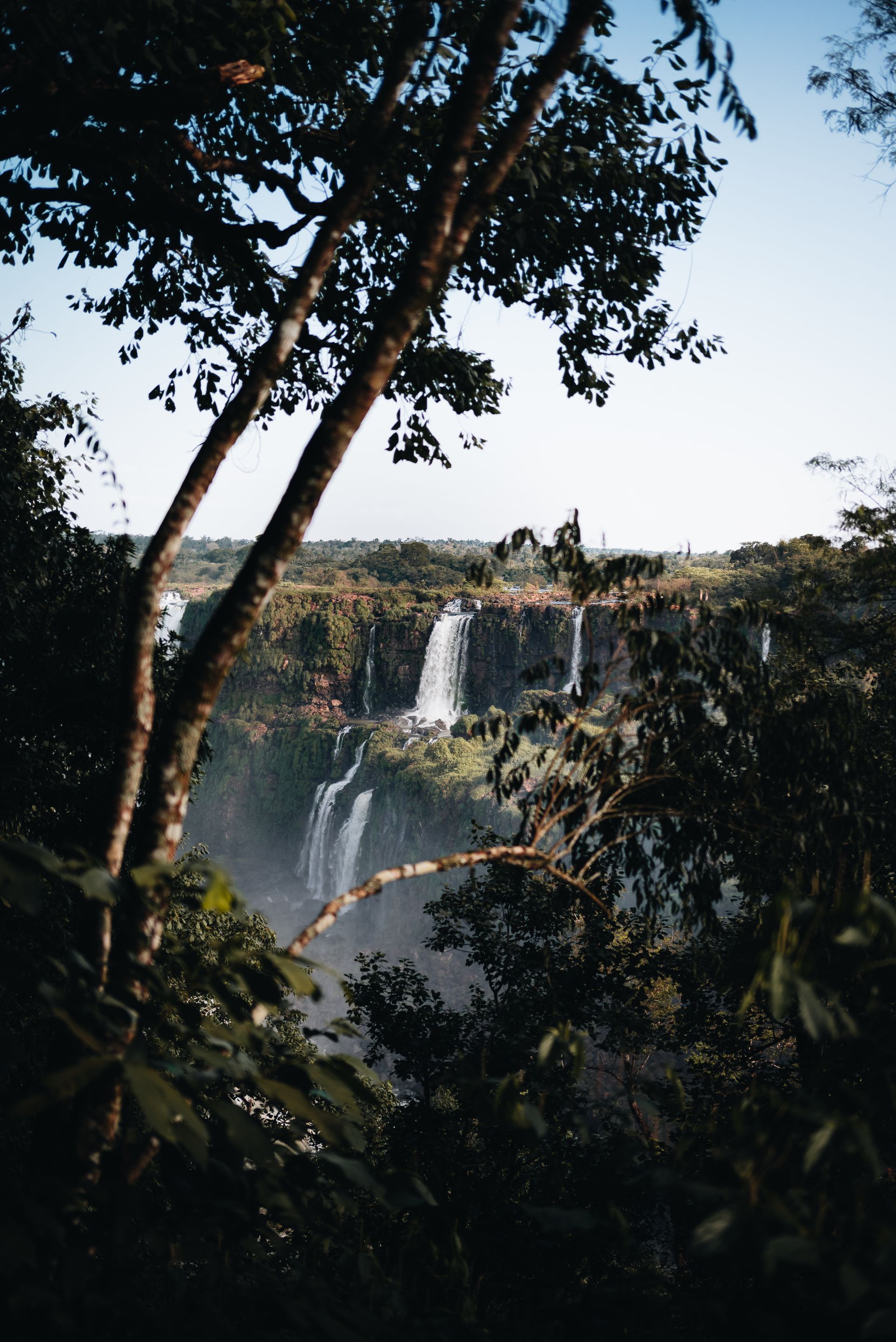
The waterfalls and the wetlands
On the border with Brazil, a river drops over a front nearly three kilometres wide, deep in subtropical forest. Further south lie vast wetlands that have become one of the best wildlife spots in South America, with jaguars reintroduced there after decades of absence.
The west
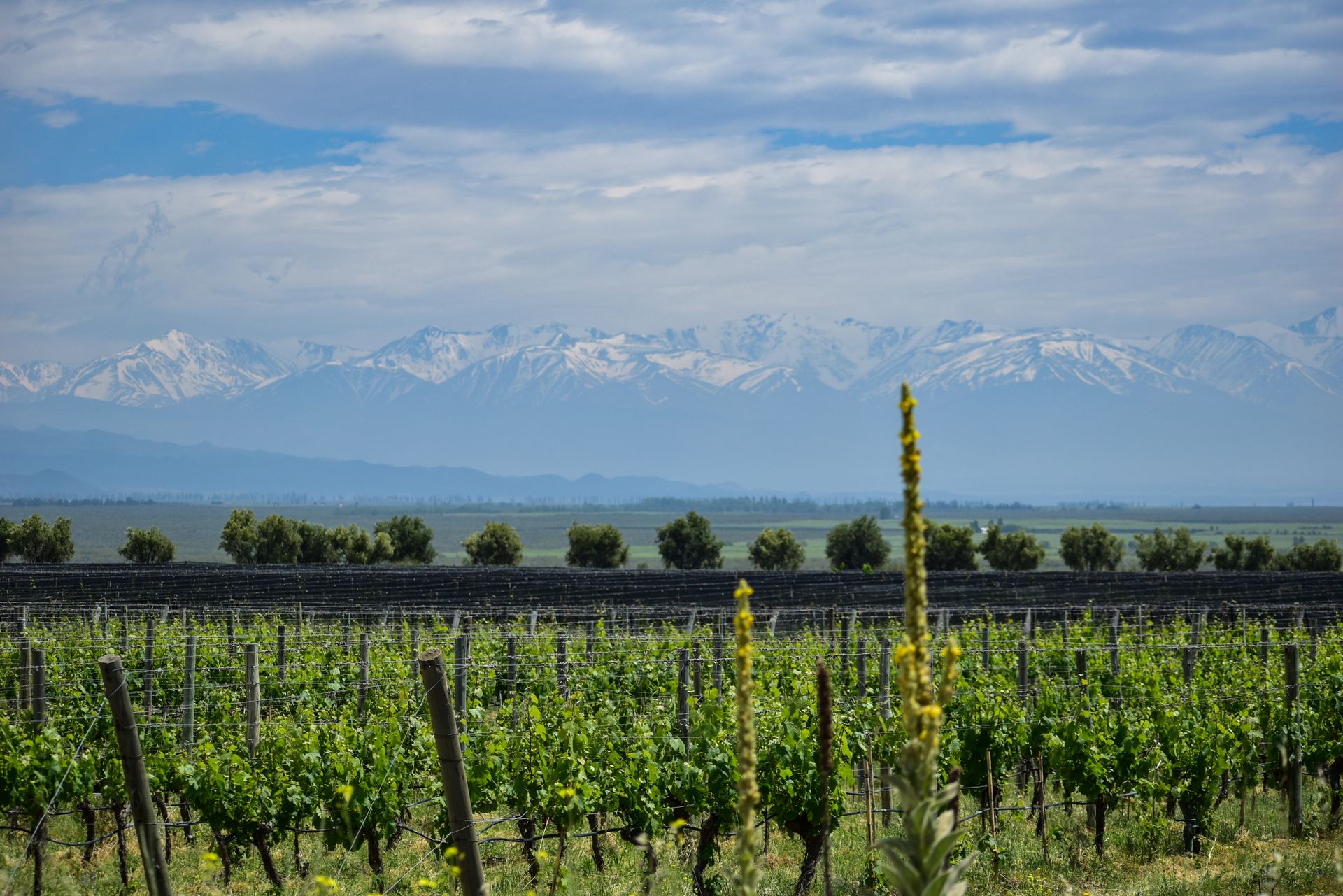
Wine country
At the foot of the highest mountain in the western hemisphere lie vineyards planted at altitudes where the grapes get plenty of sun and cool nights. It has long stopped being just about malbec: winemakers are experimenting at great height with results that draw international attention. Combine it with mountain roads and you have a region that easily fills a week.
Patagonia
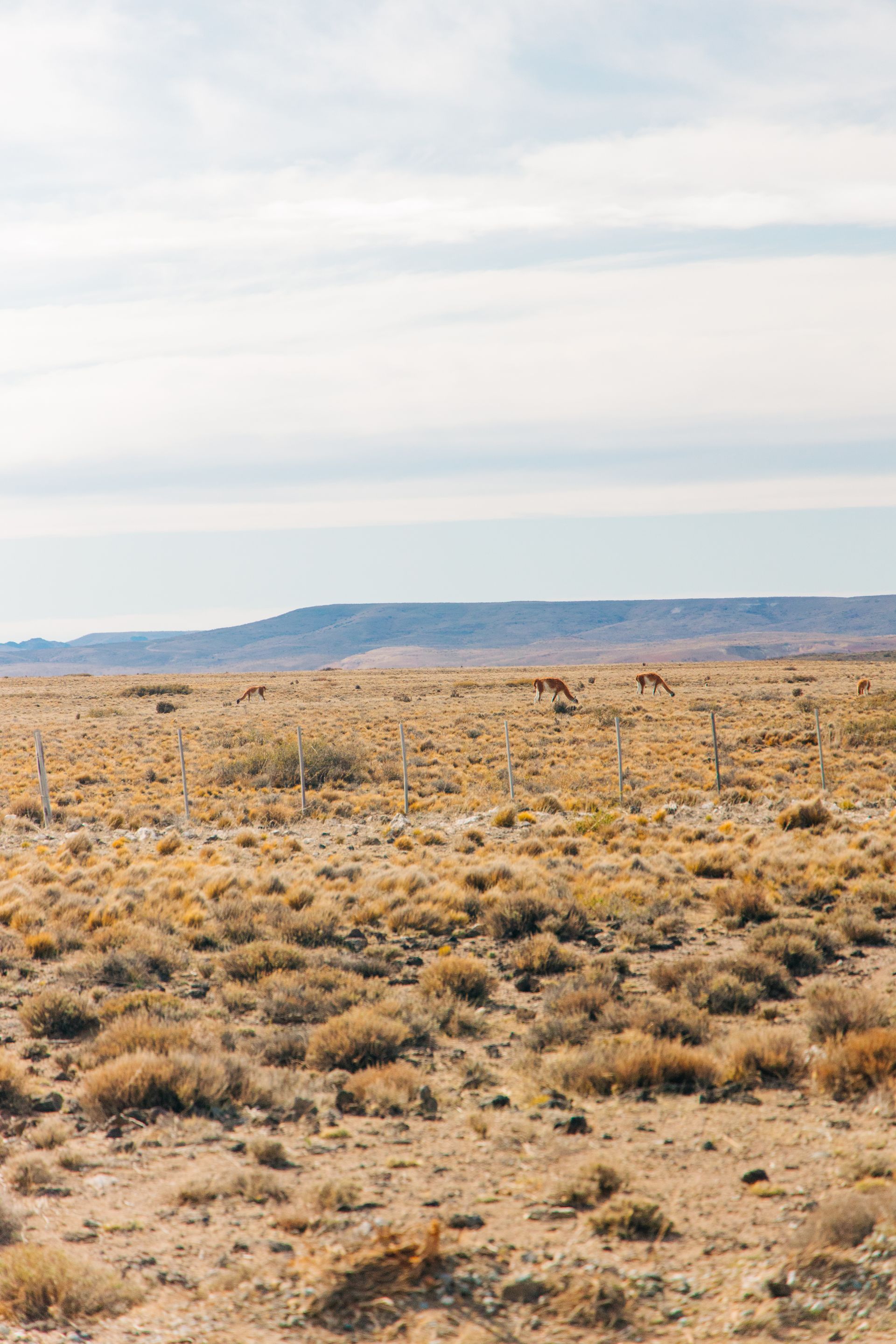
Mountains, glaciers and steppe
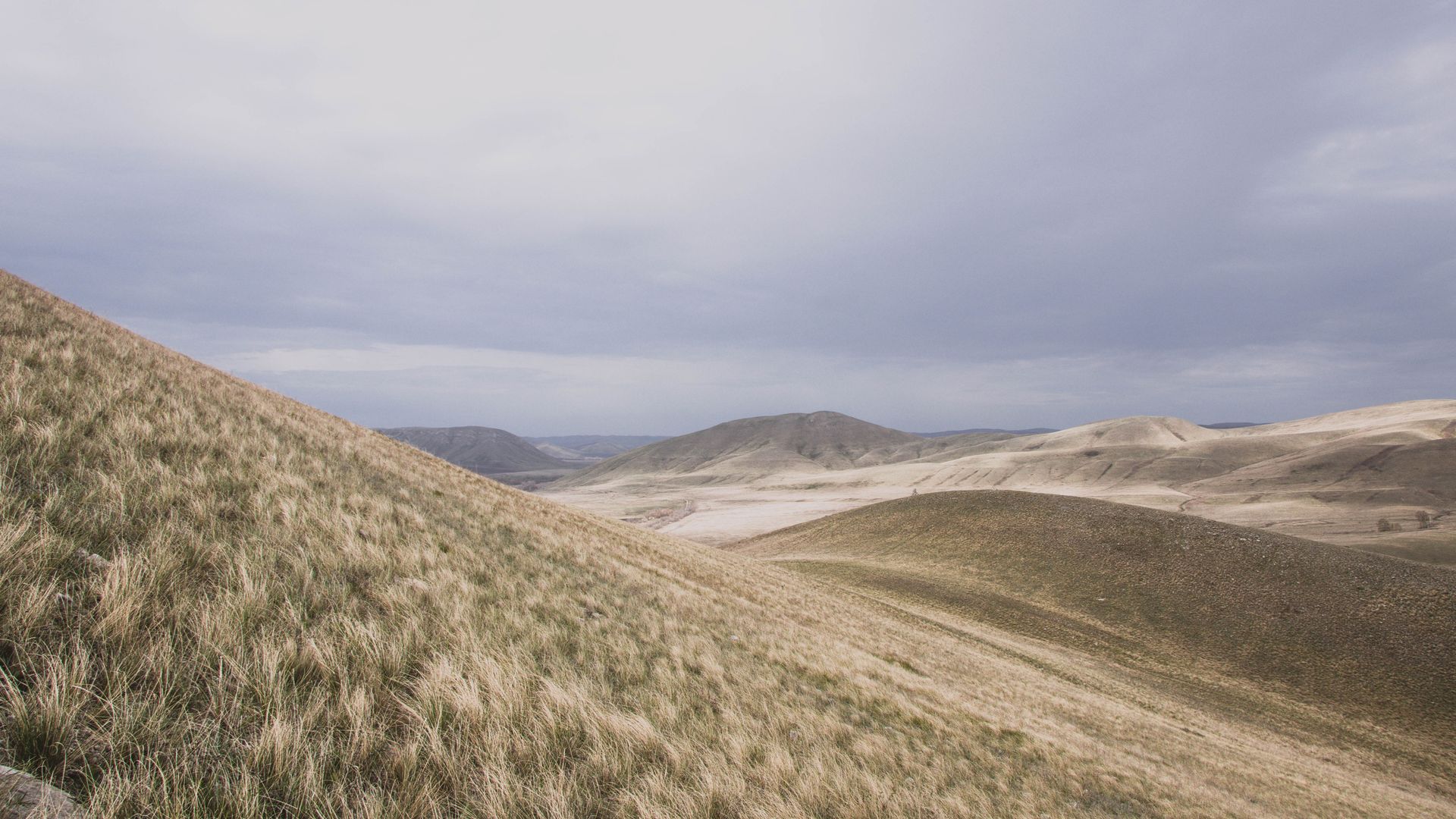
The south everyone pictures: granite towers, glaciers that calve with a sound like thunder, lakes in a blue that looks almost unreal. But most of Patagonia is not mountain landscape at all. It is a windswept steppe dotted with estancias running thousands of sheep, where the emptiness itself is the attraction. Both belong to the picture.
The Atlantic coast
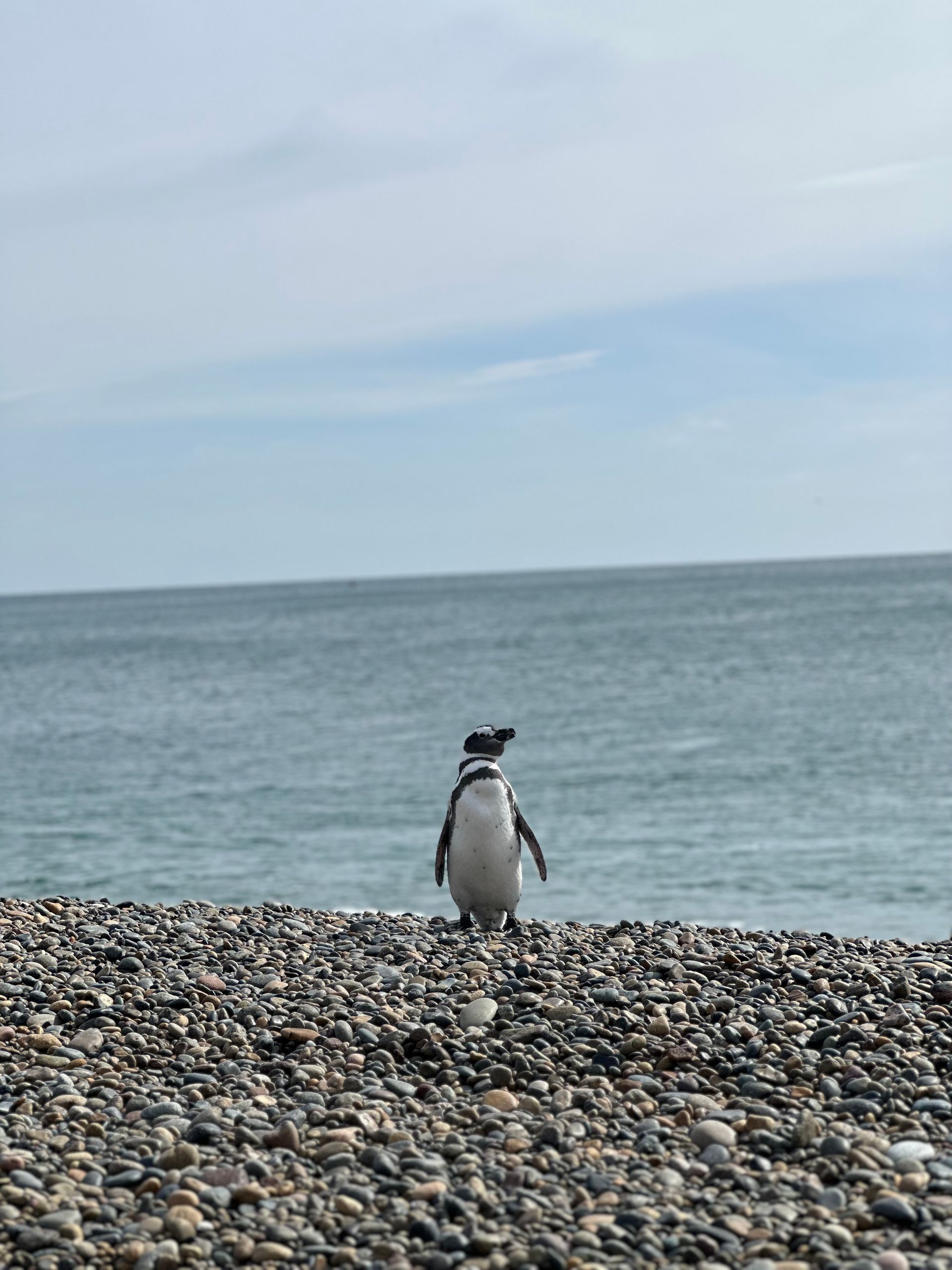
The peninsula and the south
Halfway down the coast lies a peninsula where southern right whales come to calve from June to December, sometimes just metres offshore. There are also colonies of elephant seals, penguins and orcas that have specialised in hunting from the beach. Right at the southern tip lies Tierra del Fuego, with forests that reach down to the water.
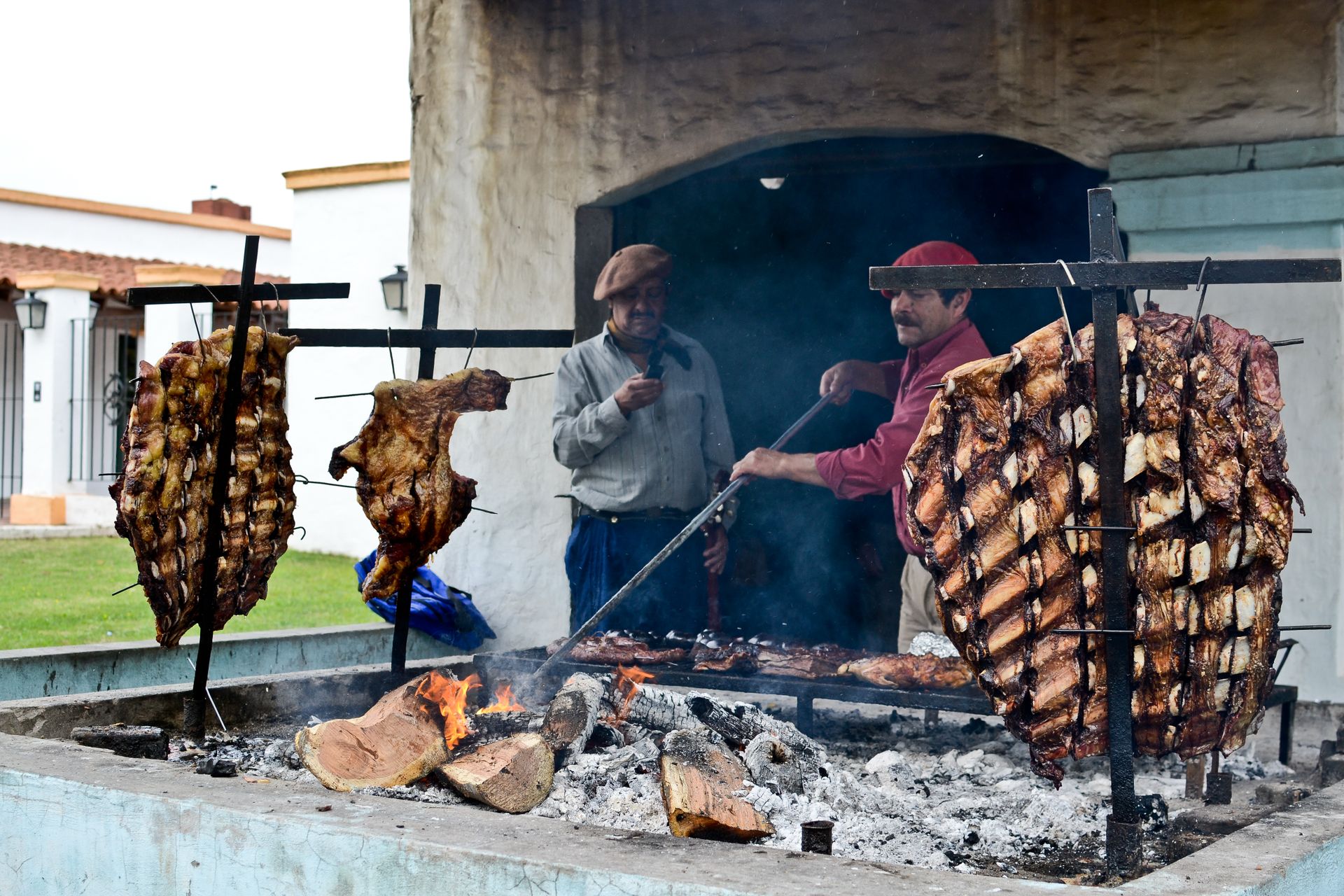
At the table
Here, meat is not a dish but an occasion.
The asado is not a barbecue but a social ritual that lasts for hours. One person tends the fire, the meat cooks slowly over charcoal or wood, and the food arrives in waves. Anyone who has sat through an asado with a local family will understand more about the country afterwards than a week of museums could teach them.
But Argentina long ago moved beyond meat alone. Buenos Aires has a dining scene with strong Italian roots, a growing number of chefs working with indigenous ingredients from the north, and a baking tradition barely known in Europe. In the northwest you eat empanadas that differ from province to province, and stews built on maize and pumpkin that trace back to the Andes.
And there is mate: the shared herbal tea everyone carries with them, drunk from the same cup, through the same straw. Being offered one is a sign that you belong. Turning it down does not have to be impolite.
Rhythm & culture
A country that starts late and never rushes.
Argentinians eat late, talk for hours and like to leave room for conversation. Appointments are more a direction than a fixed time. For some travellers that is liberating; for others it takes getting used to. Either way, it helps to know it in advance.
There is also history that still feels close: the dictatorship of the seventies and eighties, and the economic crises that recur with some regularity. Argentinians are strikingly open about it.
Anyone who comes here only for the landscape misses the best part.
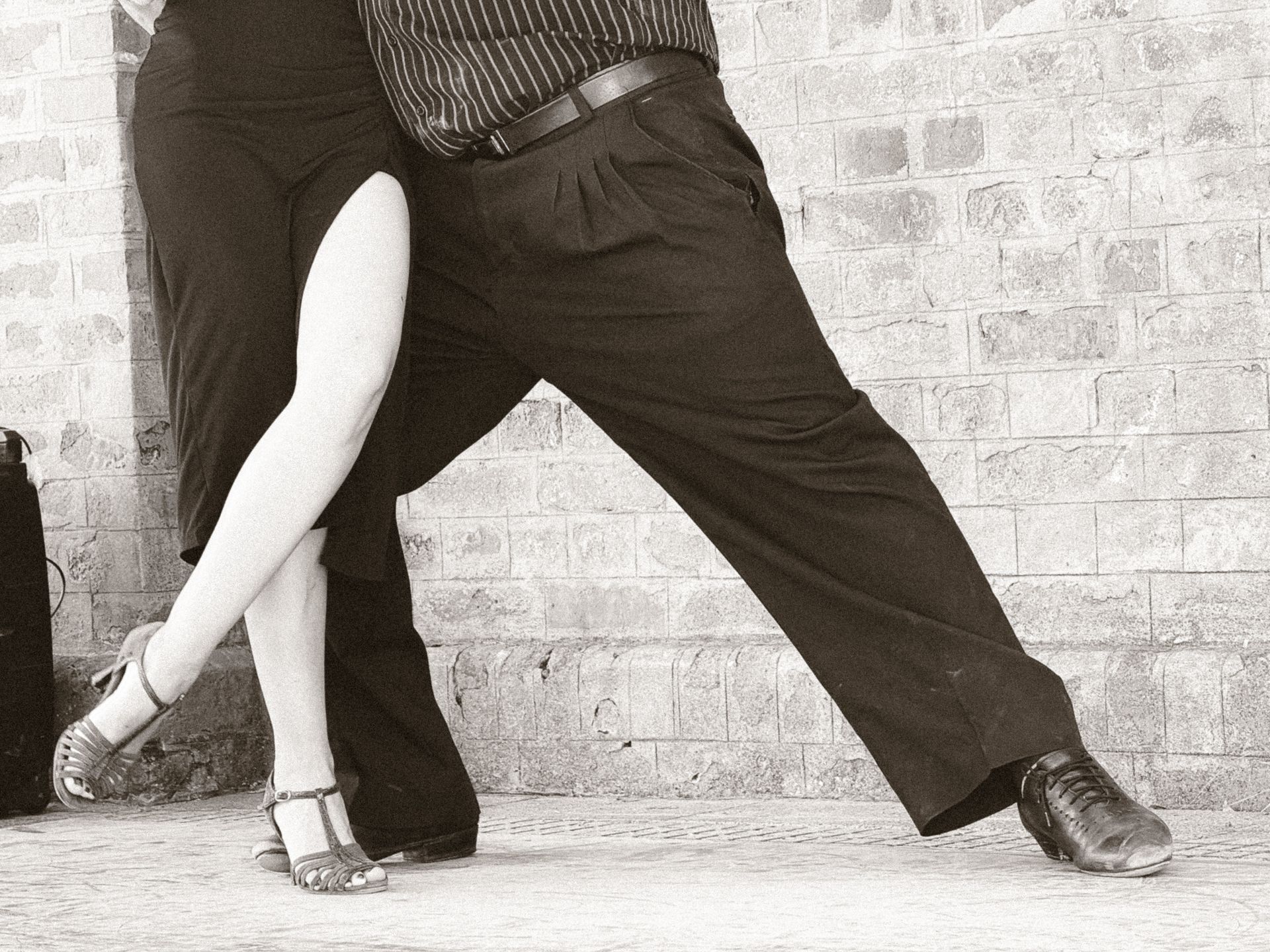
Tango, for real
Alongside the shows staged for visitors, there are the milongas: halls where people of every age simply come to dance. Watching is welcome, and it is an entirely different world.
Life on an estancia
The cattle ranches of the pampa and Patagonia welcome guests. Ride out with the gauchos, eat at one long table, and take in a silence that is overwhelming.
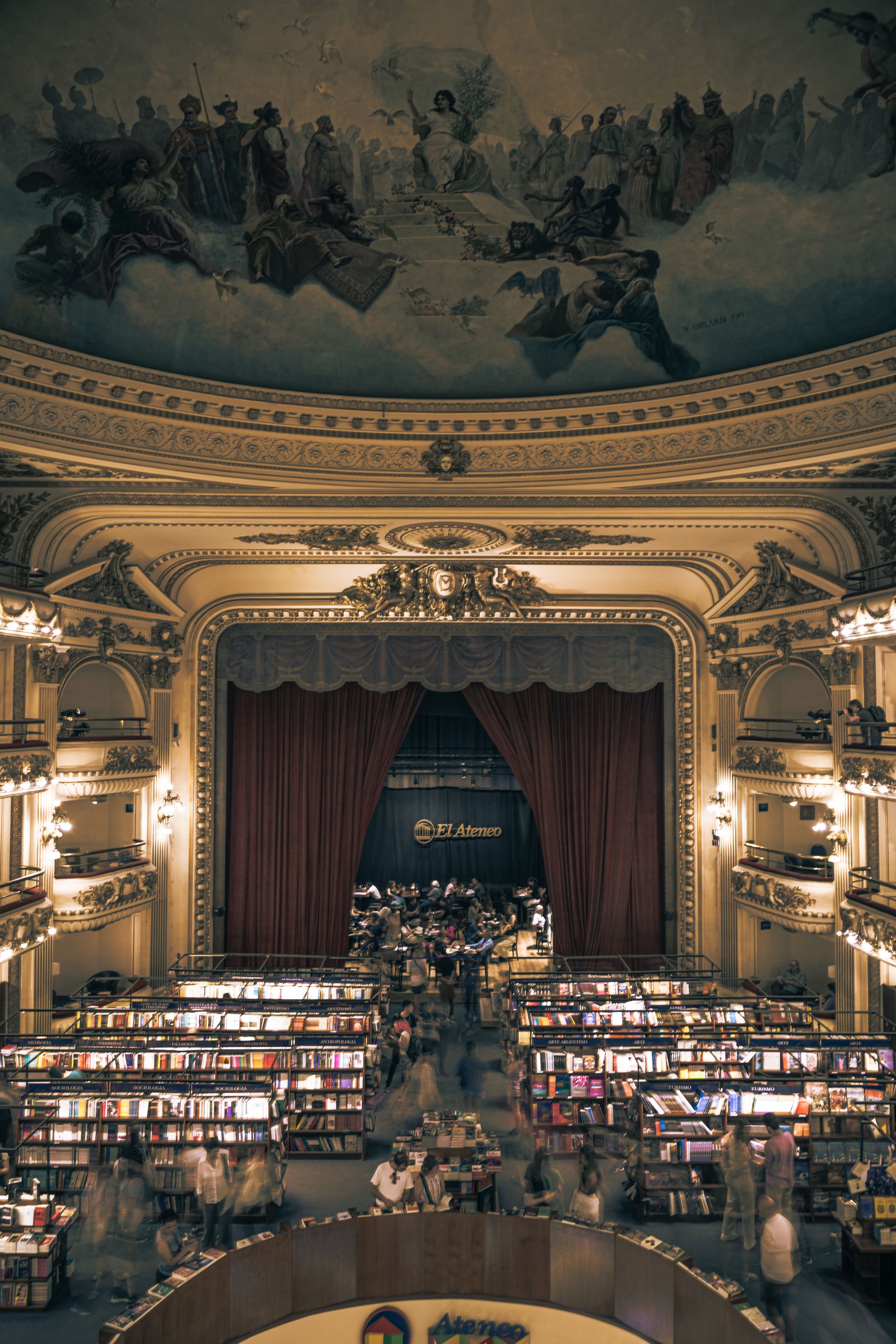
Books and cafes
Buenos Aires has more bookshops per resident than almost any other major city, and a cafe culture where sitting for hours is never a problem.
Possibilities, not an itinerary
What could Argentina be for you?
Not fixed stops on a set route, but directions to help you notice what draws you in and what you would rather skip.
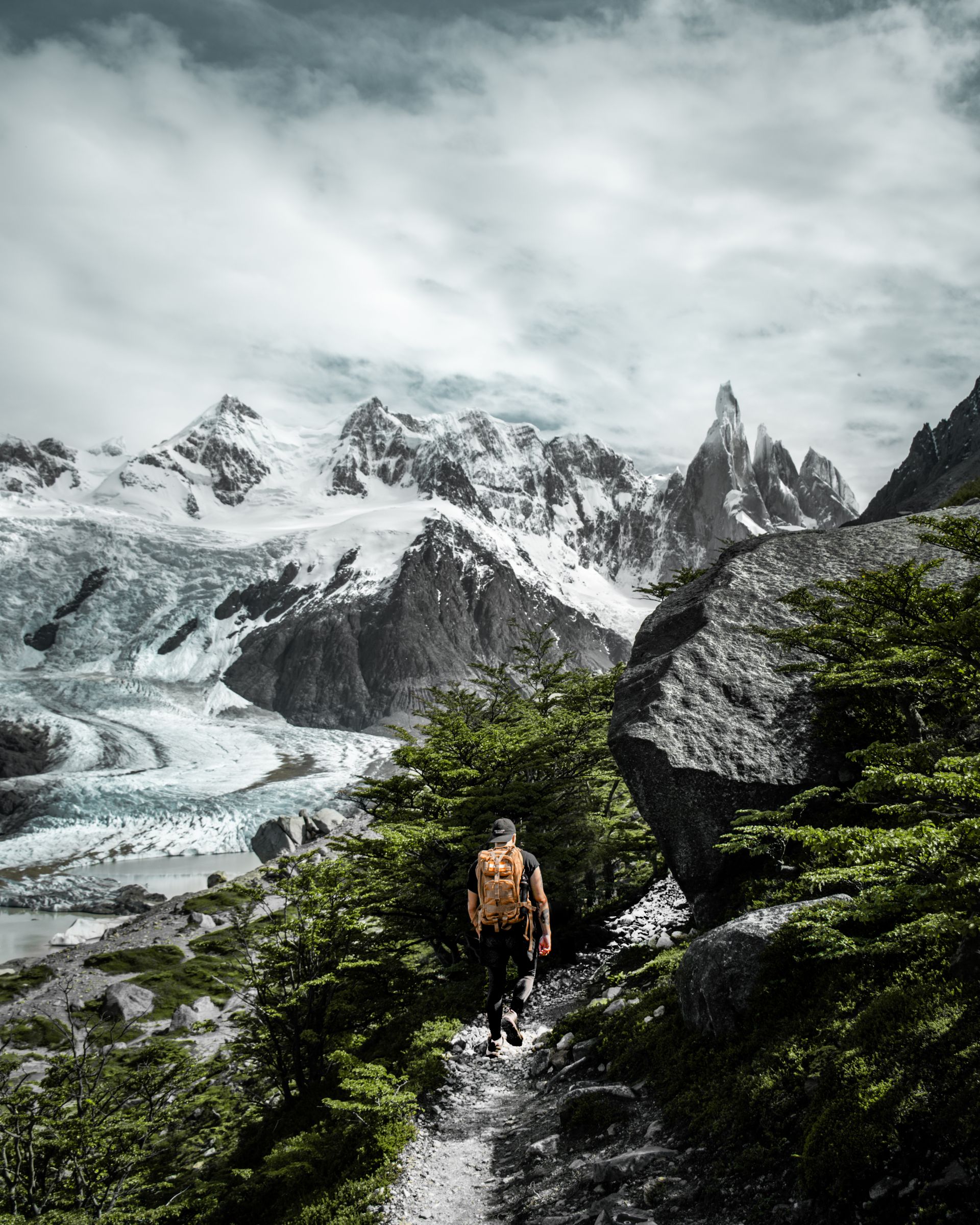
On foot in Patagonia
From day walks to multi-day treks with huts or tents. The best-known routes get busy in high season; there are side valleys where almost no one walks.
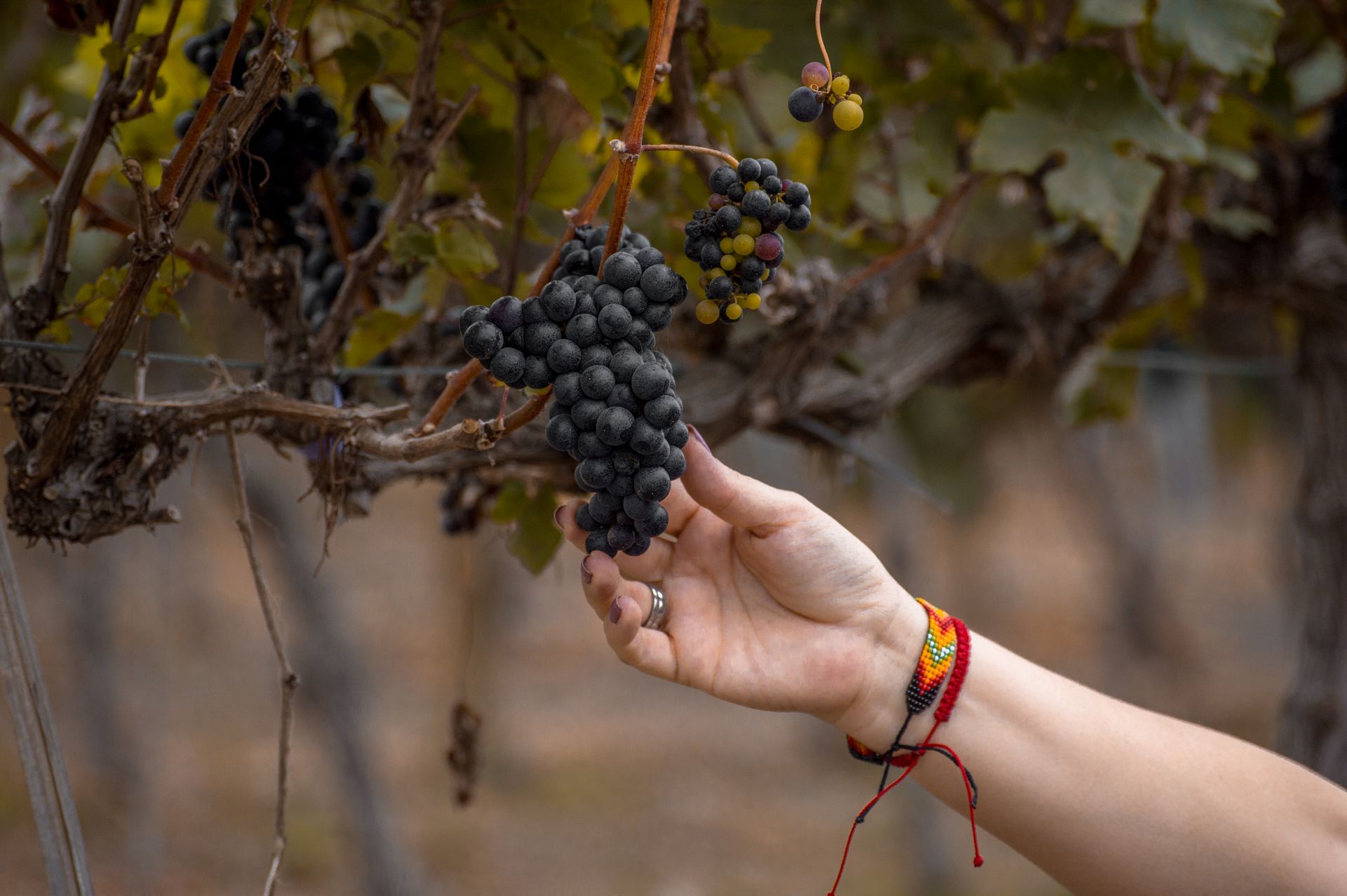
Wine country from the inside
Not three tastings in a day, but time at a winemaker's table, during a harvest or a barrel tasting. Up in the high valleys, where the most interesting work happens.
Staying on an estancia
Ride along with the cattle drovers, cross the steppe or the pampa on horseback, and eat with the family. For many travellers, the unexpected highlight of the trip.
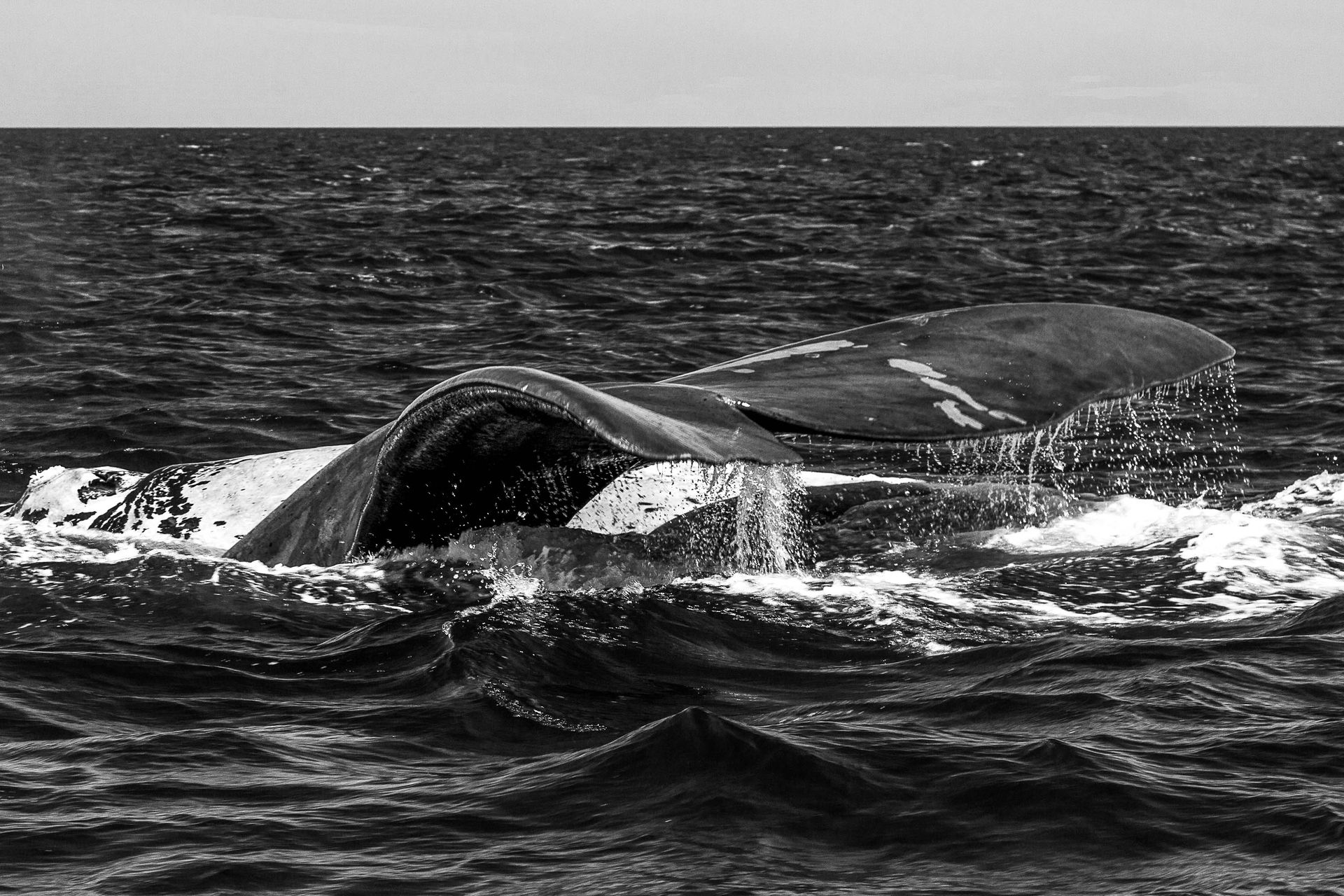
Whales and the coast
From June to December, southern right whales come to calve off the peninsula. There are spots where you can watch them from the beach, with no boat and no crowds.
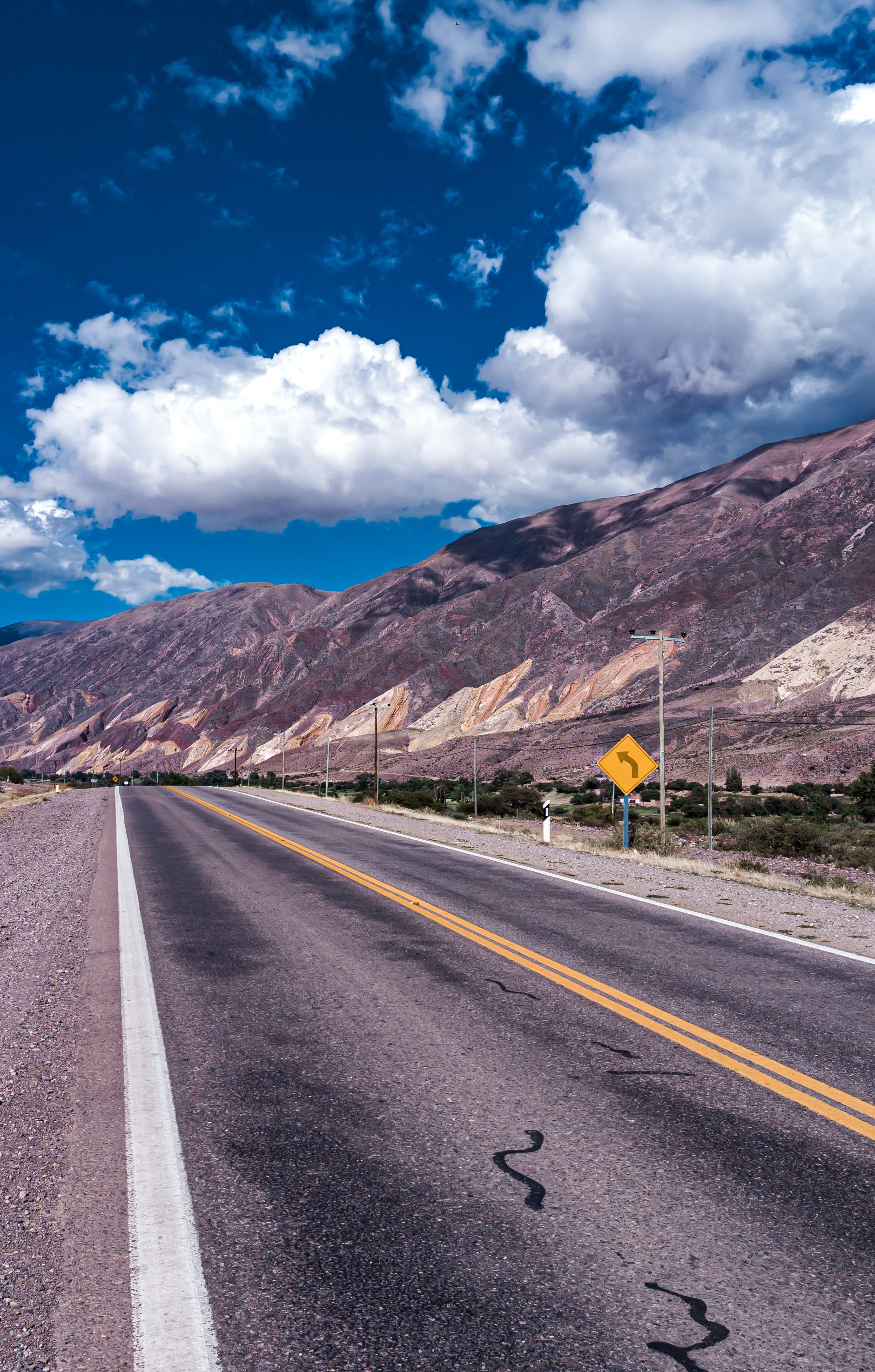
The high route north
Driving through ravines and over passes above four thousand metres, past salt flats and adobe villages. Slow, high, and the most culturally rich part of the country.
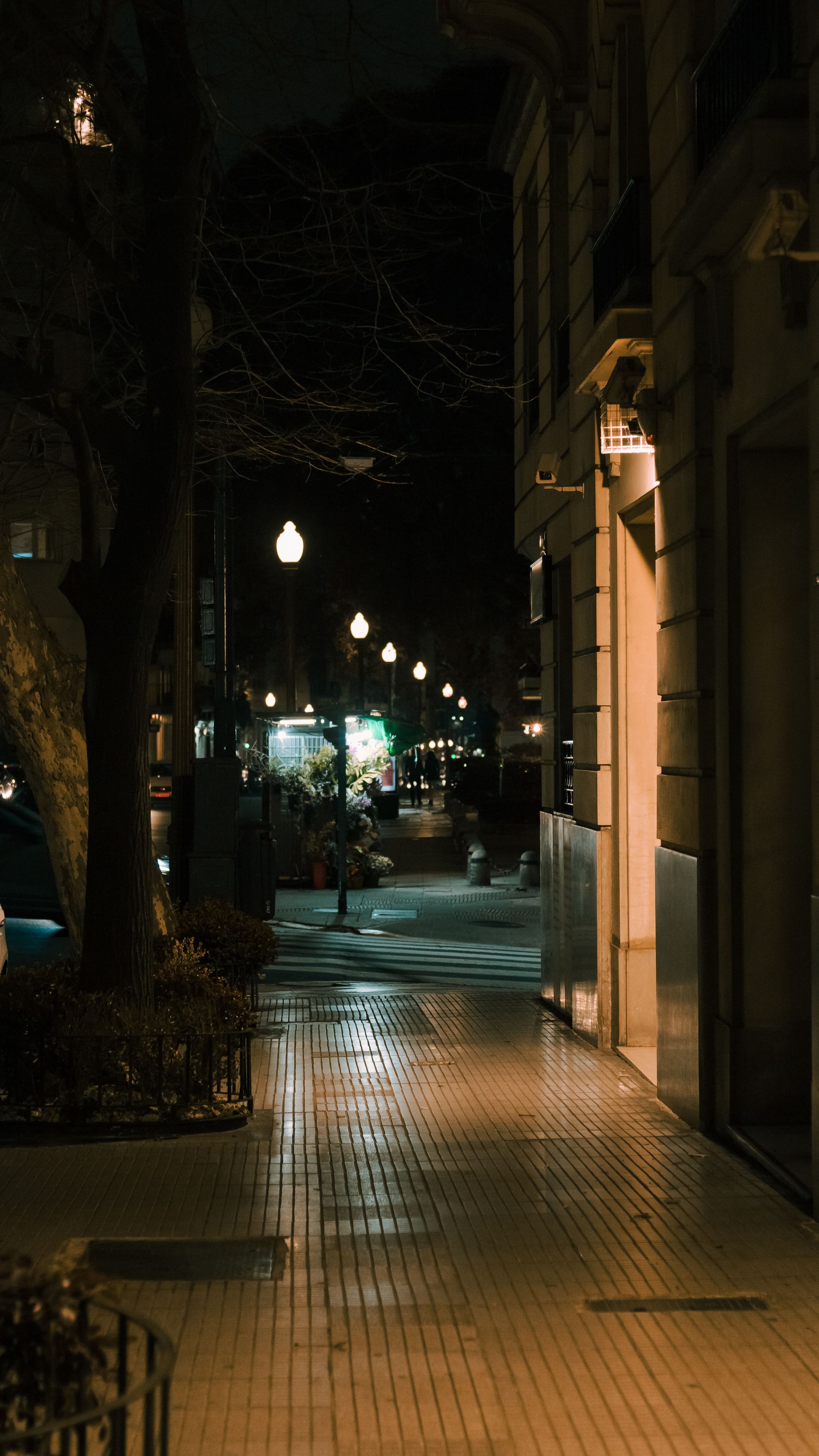
The city, late at night
Buenos Aires with someone who knows which door opens when: eateries with no sign outside, milongas, bookshops open until midnight.
These are possibilities.
Not your journey.
When would you travel?
The southern hemisphere turns everything around.
The seasons run in reverse. December to February is Argentine summer: the only time Patagonia and Tierra del Fuego are fully open, with long days. But also the most visitors, the highest prices and plenty of wind in the south.
March to May is, for many regions, the finest stretch: the south turns autumn-red, the wind drops, the wine region is in harvest and the north is pleasant. October and November are the mirror image, with blossom and young wildlife.
June to August is winter. Patagonia largely shuts down, but the northwest is then clear and dry, and the ski resorts around the Andes are open. On the coast, this is the start of whale season.
So there is no bad month. There is only the wrong pairing of month and region.
Best time to visit Argentina
Jan
Feb
Mar
Apr
May
Jun
Jul
Aug
Sep
Oct
Nov
Dec
Broadly suitable
Regionally excellent
Same months, other destinations
Who else is at their best in these months?
Not ready to ask yet?
Leave your email address. A month before the good time begins, we send you one reminder. Nothing more.
You will first get an email to confirm. You can unsubscribe at any time, with one click.
Rather talk it over?
Leave your name and number. We will call you at a time that suits you.
Looking past the highlights
What we look at differently.
Two regions, or three weeks for more. The temptation to do it all is strong and the distances are unforgiving. Travellers who do two regions properly in a fortnight come home more satisfied than those who did four by halves.
Patagonia is more than the mountains. The steppe, the estancias and the Atlantic coast get skipped because they seem less photogenic. Yet they deliver exactly the sense of vastness people come for.
The northwest gets forgotten. Culturally, this is the richest part of the country, with a strong indigenous history and some of the highest vineyards in the world. It rarely makes it into a standard itinerary.
Buenos Aires deserves more than two nights. The city is usually treated as a landing point. Three or four nights, with someone who knows the neighbourhoods, turns it from a stopover into a destination.
Count on the wind. In Patagonia, wind is not a weather condition but a constant. It shapes what you wear, which way you walk, and sometimes the whole shape of the day. And it is part of the experience.
Worth knowing
Practical, without the noise.
We discuss the full, current picture in person, including anything specific to your own trip.
- Getting there
- Flights with one stopover to Buenos Aires. Domestic flying is common; some of those flights leave from a second airport in the city.
- Documents
- Which travel documents you need depends on your nationality, and entry rules change regularly. We go through the current requirements with you before you leave.
- Money
- The financial system is changeable and exchange rates can swing sharply. We explain the sensible approach at the time of departure.
- Altitude
- In the northwest you reach over four thousand metres. That calls for acclimatisation, and we plan the order of the route with that in mind.
- Travelling with children
- Very possible, provided you keep the distances in check. Estancias, whales and wine country all work brilliantly for families.
- Walking
- From short walks to multi-day treks. Permits and huts in high season book up long in advance.
- Language
- Outside the big cities and tourist centres, English is limited. A good guide or driver makes a real difference here.
- Eating and timing
- Restaurants rarely open before eight in the evening. If you want to eat early, arrange it explicitly.
Frequently asked questions
When is the best time to visit Argentina?
The seasons are reversed. December to February is summer, the only time Patagonia and Tierra del Fuego are fully open. March to May is the finest period for many regions, with autumn colour in the south and harvest in the wine country. In winter Patagonia largely closes, but the northwest is clear and dry. There is no bad month, only a wrong combination of month and region.
How many regions can you visit in two weeks?
Two. Buenos Aires and the Patagonian mountains are as far apart as Brussels and Morocco, and four regions mean four domestic flights and four half-days of travel. If you want to see more, plan on three weeks.
Is Patagonia only mountains and glaciers?
No. Most of it is a windswept steppe with estancias and thousands of sheep, where emptiness itself is the attraction. Together with the Atlantic coast it is often skipped, yet it gives exactly the sense of space people come for. Wind there is not weather but a constant.
When can you see whales in Argentina?
From June to December southern right whales come to calve off the peninsula halfway down the coast, sometimes a few dozen metres from the beach. There are places where you can watch them from the shore, without a boat and without the crowds. The area also has colonies of elephant seals and penguins.
What should you keep in mind in northwest Argentina?
The altitude. You reach more than four thousand metres there, past salt flats and adobe villages, and that takes gradual acclimatisation. We plan the order of the trip around it. Culturally it is the richest part of the country, with a strong indigenous history and some of the highest vineyards in the world.
Or perhaps this
Other destinations
Still weighing it up? That is no problem at all. The right country often only becomes clear once the conversation starts.
South America
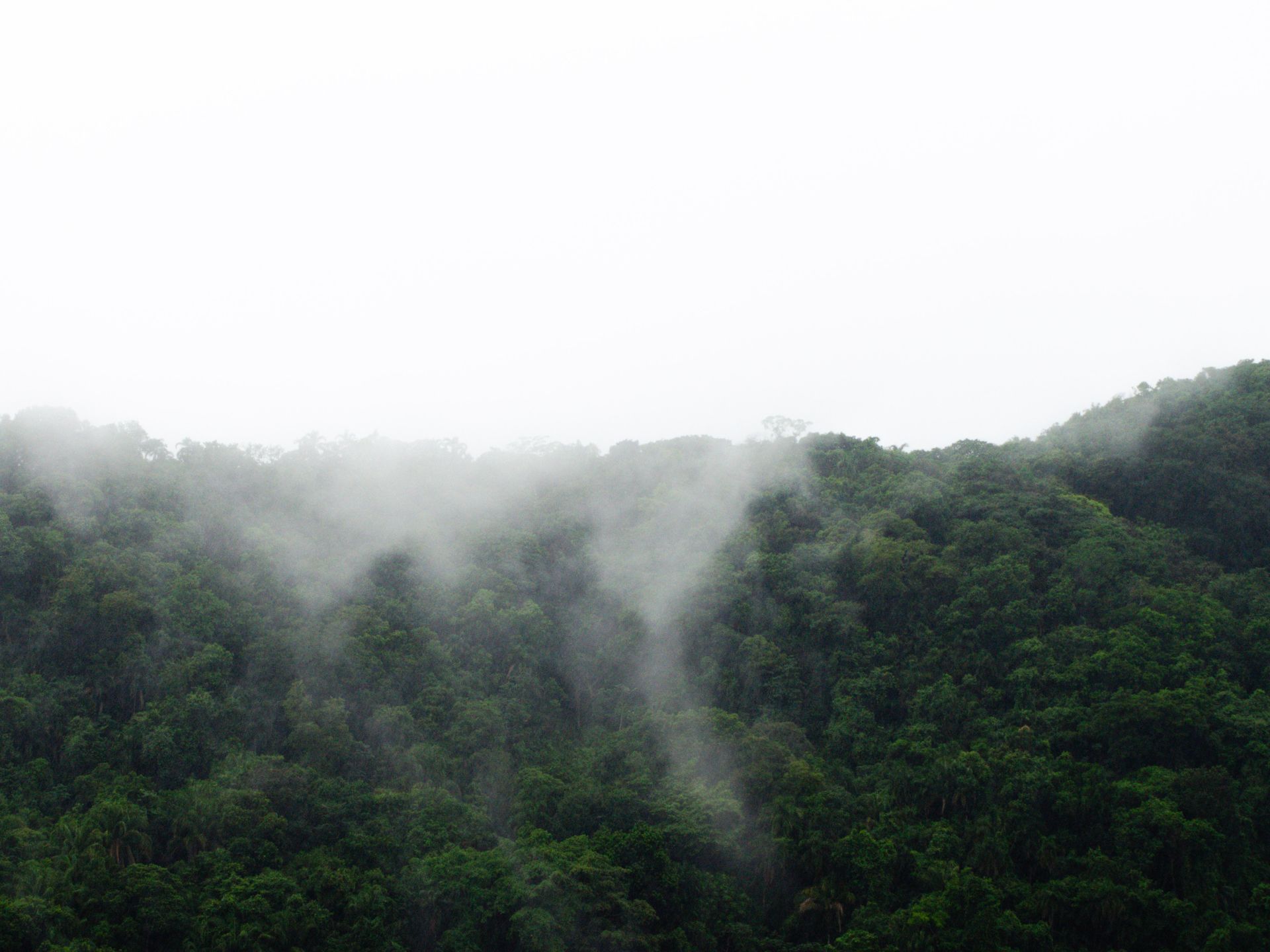
Brazil
A country so vast it constantly contradicts itself, with rainforest, coast and metropolis each living at their own pace.
South-East Asia
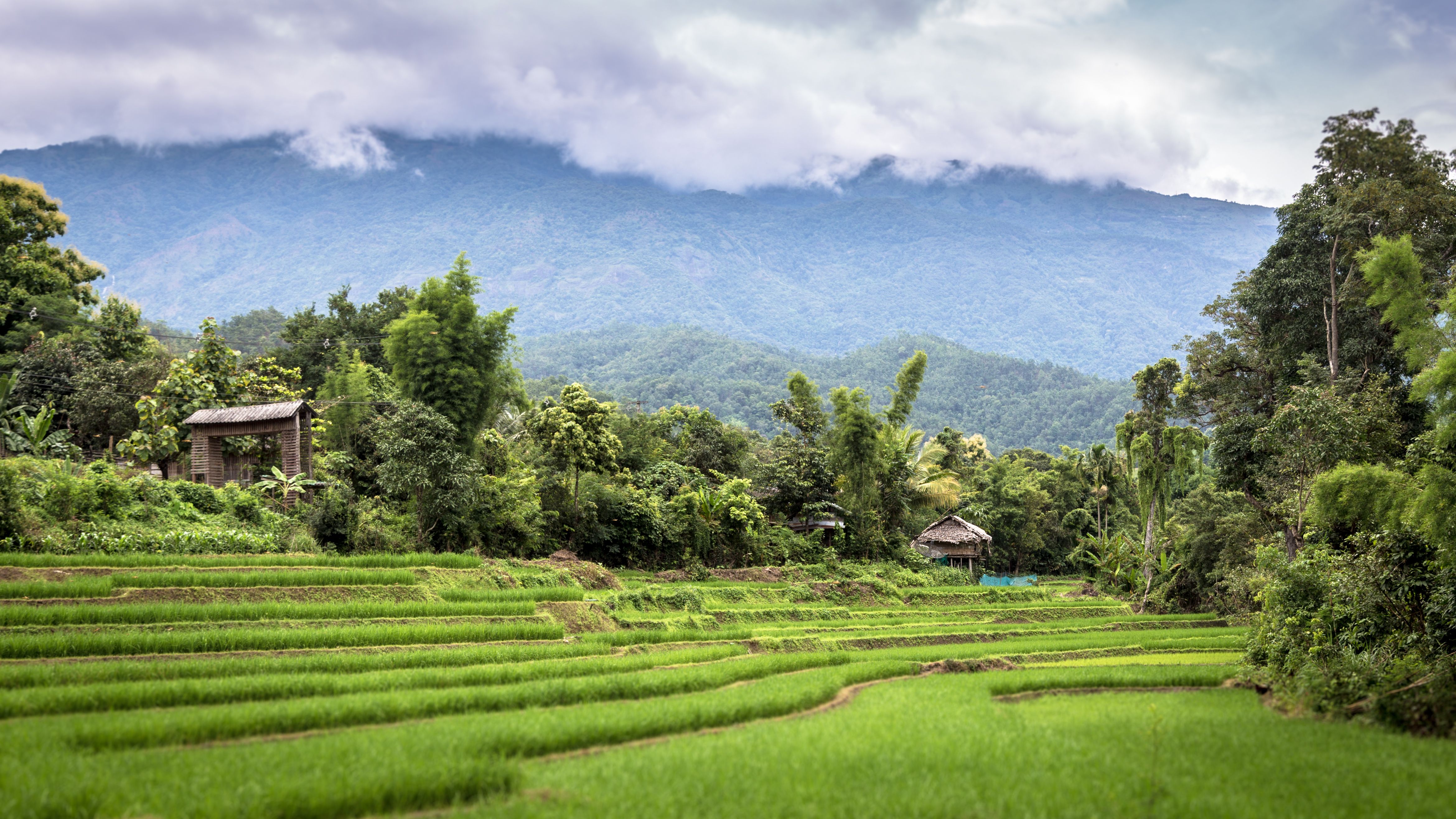
Thailand
From busy Bangkok streets to quiet mountain villages in the north, this country has as many faces as it has provinces.
Silk Road, Central Asia
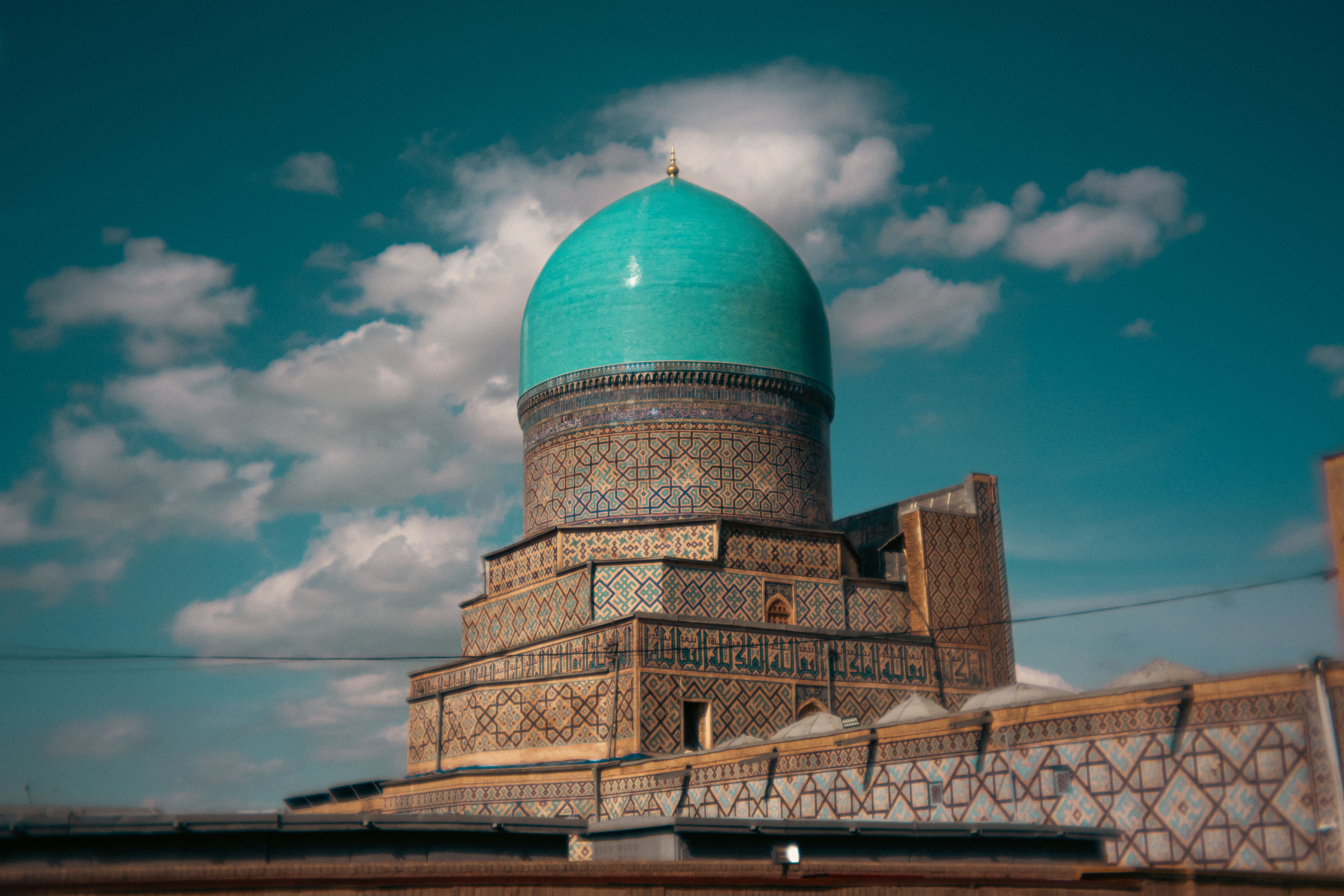
Uzbekistan
Turquoise domes and hushed caravanserais that still tell the story of where the Silk Road once converged.
How it works
This is how your journey to Argentina takes shape.
Six steps, from your first story to your homecoming. The conversation and the feasibility check cost you nothing.
-
01
Tell us your story
Fill in the form or give us a call. You do not need a route yet: a country, a period or just an idea is enough.
-
02
The conversation and the check
We call you within two working days. We talk through what you are looking for and check whether it can be done. If it can, we set down together what we will make for you.
-
03
We design your journey
We build your programme up, day by day, together with our own people in the country itself.
-
04
Your proposal
You read your journey day by day, with everything that is included. You say what you would like differently, until it is right.
-
05
Ready to depart
You send us your details, we send you your travel documents. You have one fixed contact who knows your journey.
-
06
Travelling, and after
Your contact stays reachable while you are away. Once you are home, we call one more time.
The next step
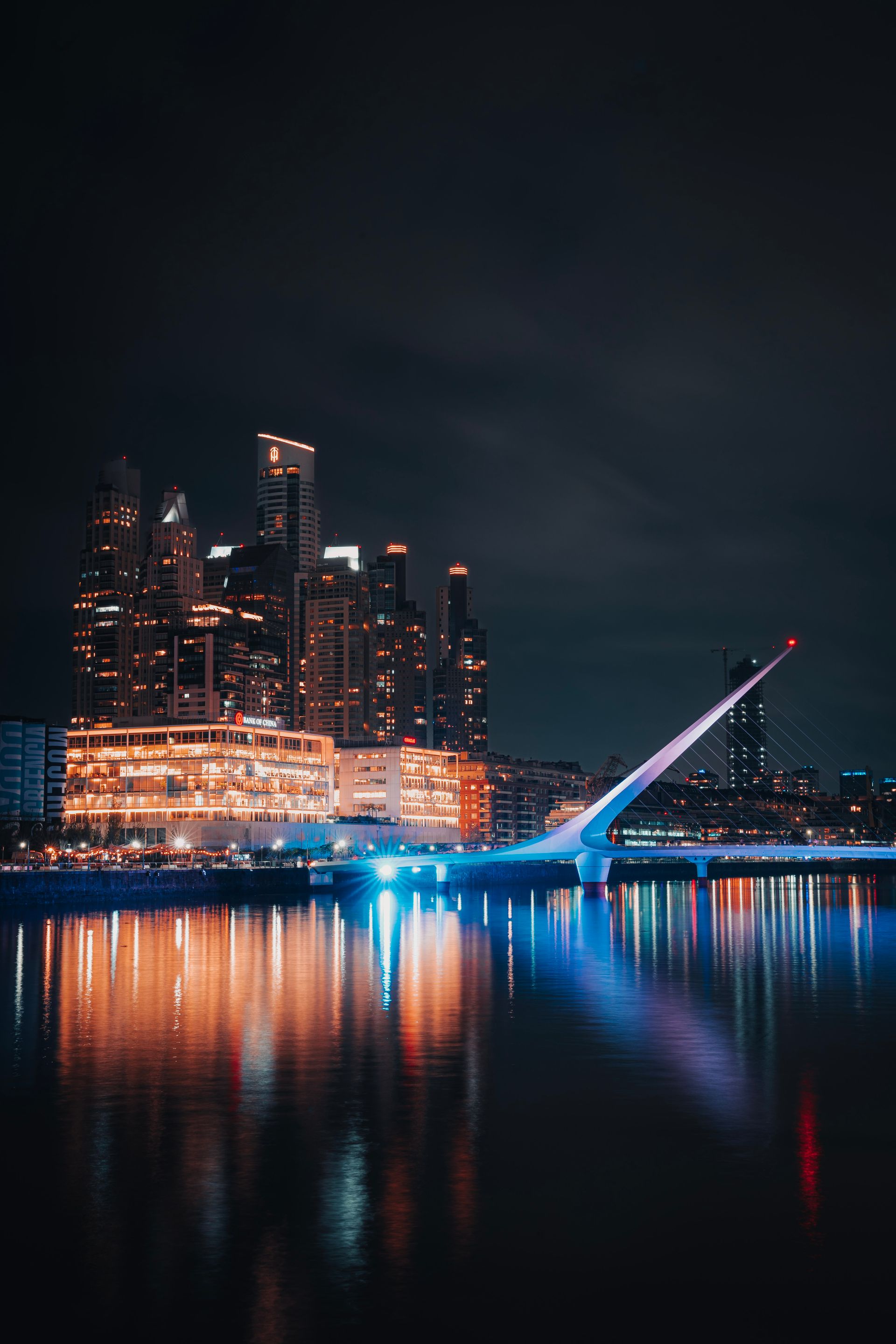
How would you like to experience Argentina?
Tell us what draws you to Argentina, how much time you have and how much distance you want to cover. We start by getting to know you as a traveller, then build from there with a local partner who knows this country from the inside.
Updated in October 2026