The Aegean world
Greece
Not one country, but an archipelago of them.
This is Greece
Six thousand islands, and almost nobody looks past three of them.
Every island is a different Greece, and the mountainous mainland remains unknown territory to most visitors. Anyone who knows only Santorini knows an exception: a small volcanic island with a photogenic shape that happened to become the image of an entire country.
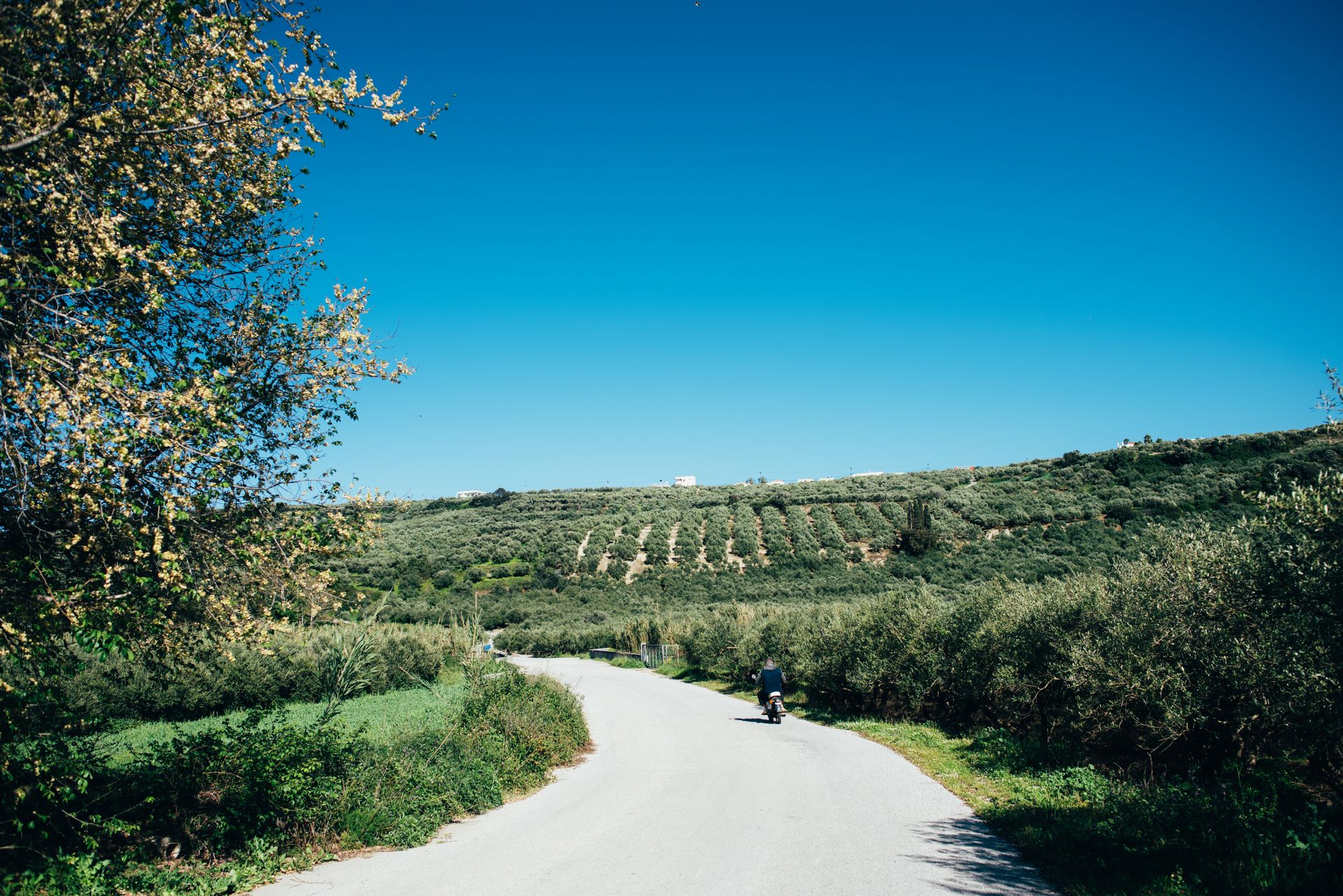
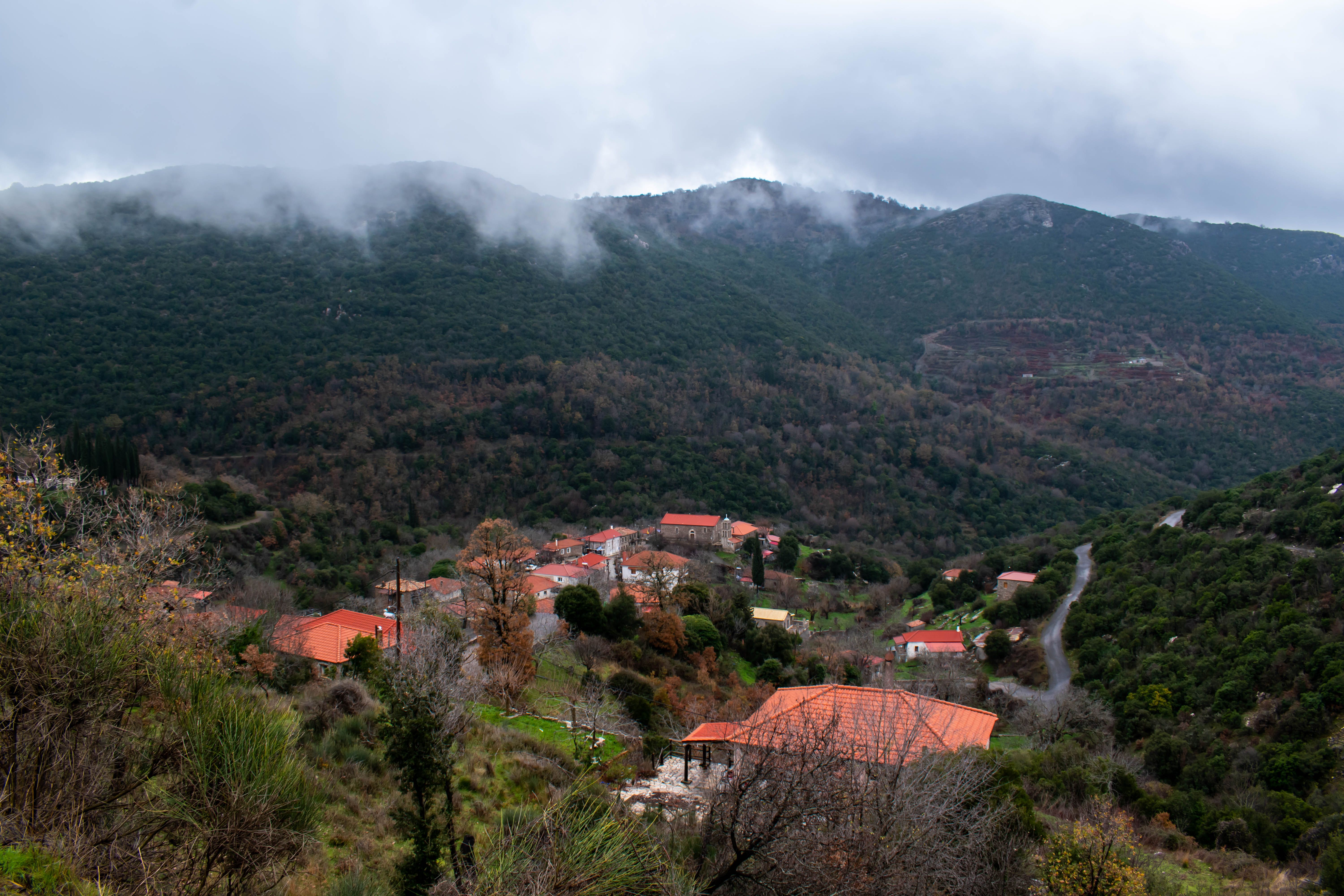
The reality is more varied. Crete is almost a country of its own, with a cuisine and a dialect that owe little to Athens. The Peloponnese is densely forested and historically densely settled at once, Mycenaean burial mounds next to olive groves that have stayed in the same family for generations. And then there is Epirus, where the Pindus mountains disappear into cloud and villages like Papingo sit at the end of a winding mountain road.
We don't look for the image of Greece, because it doesn't exist. We put together a route from the islands and regions that suit whoever is travelling: an archipelago tailored to you, not a postcard.
In short
- Best time to go
- May and June, and September to mid-October: warm and dry, but less hot and crowded than July and August on the Cyclades. Winter stays mild in Athens and on Crete, while the mountains of Epirus can see snow.
- How long
- Ten days to two weeks for two or three islands or regions. Ferry timetables depend on the season and the weather, so build in slack and choose fewer crossings.
- Who it suits
- For travellers who want to combine islands with the mainland, from the Pindus mountains of Epirus to the olive groves and Mycenaean sites of the Peloponnese, and who prefer to take their time.
- What sets it apart
- Greece has around 6,000 islands and islets, of which just over 200 are inhabited, spread across the Aegean and Ionian Seas. Ferries and domestic flights largely set the rhythm of a trip here.
Greece is not a country with islands.
It is a collection of countries that happen to share the same sea.
The regions
Every island carries its own weight, and the mainland carries just as much.
We rarely think of 'Greece' as one whole, but as regions that have little in common with each other, in landscape, cuisine and pace.
peninsula
Peloponnese
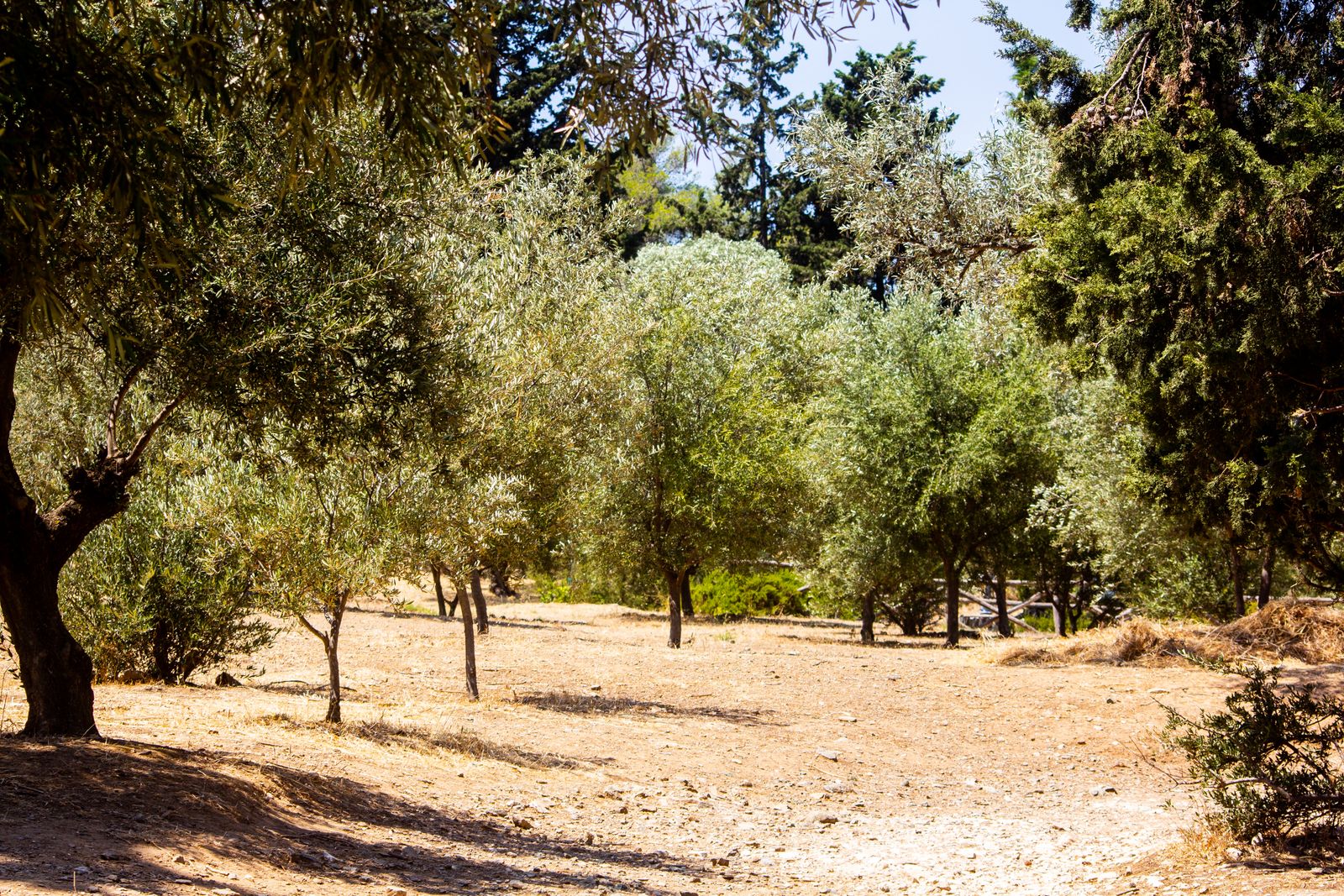
More densely forested and closer to antiquity than most visitors expect. Mystras, the tip of the Mani peninsula and olive groves that have stayed in the same family for centuries, a stone's throw from the mainland.
mountain country
Epirus & the Pindus
The Greece that most guidebooks skip. Zagorochoria, the Vikos Gorge and slate villages where winter is still properly winter.
a world of its own
Crete
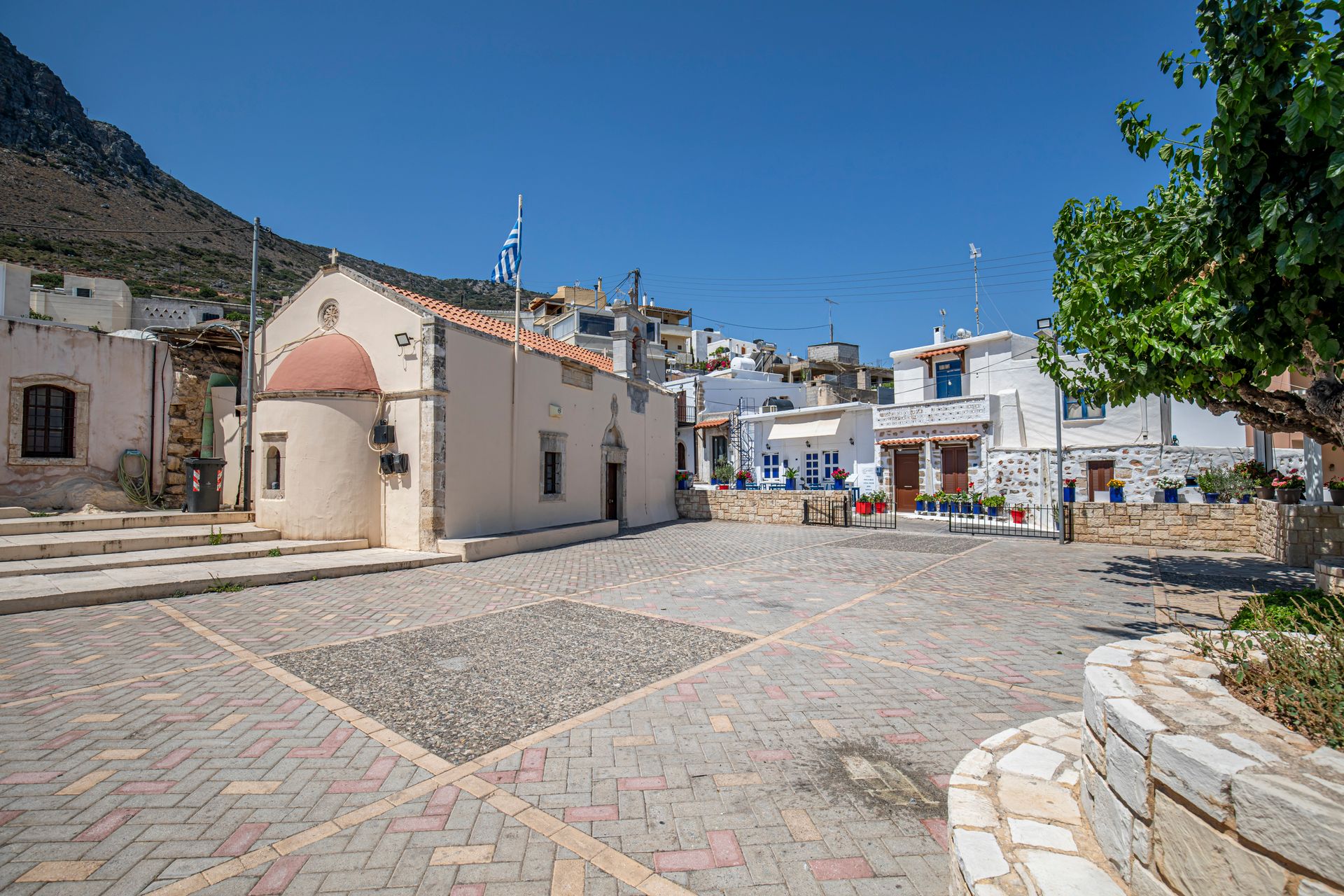
Large enough to be a country in itself. A cuisine, a dialect and a mountain range, the White Mountains, that owe little to the rest of the country.
island group
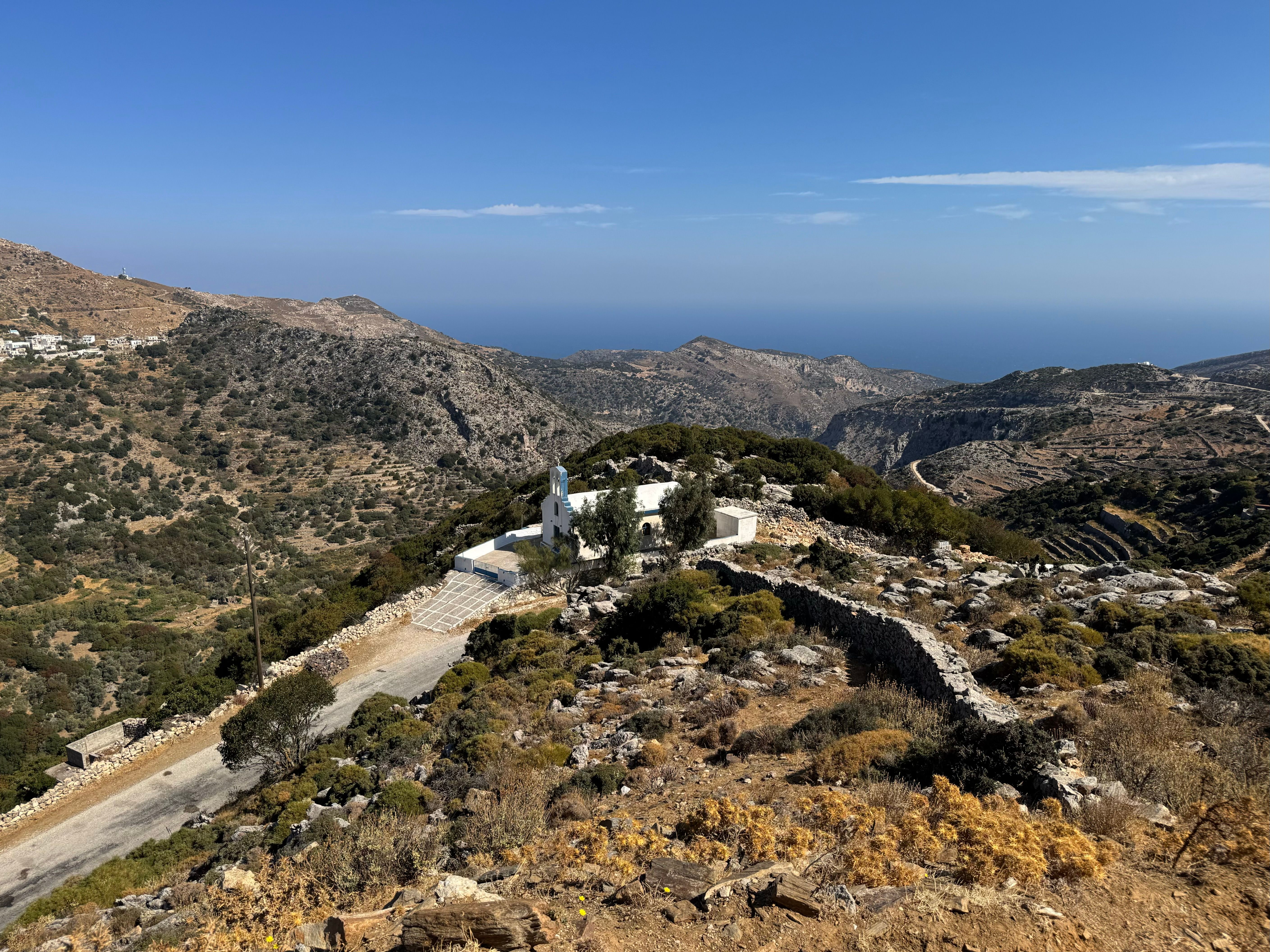
The Cyclades beyond Santorini
Naxos has farming valleys, Milos has volcanic cliffs, Folegandros has little more than quiet. The same island group, an entirely different pace.
borderland
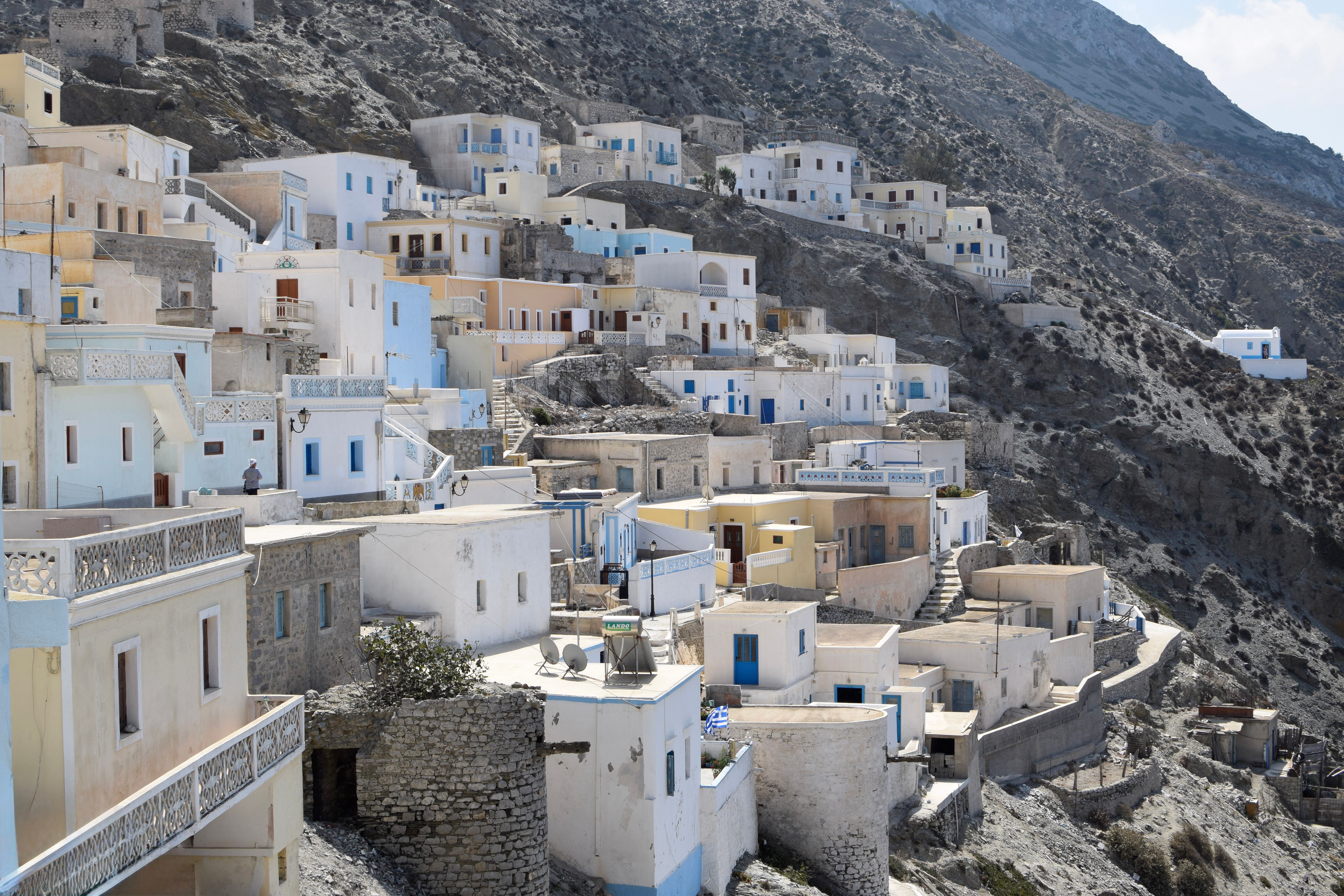
Dodecanese
Close to Turkey, with a history of Italian and Ottoman layers. Karpathos and Symi keep traditions that have long since faded elsewhere.
unknown territory
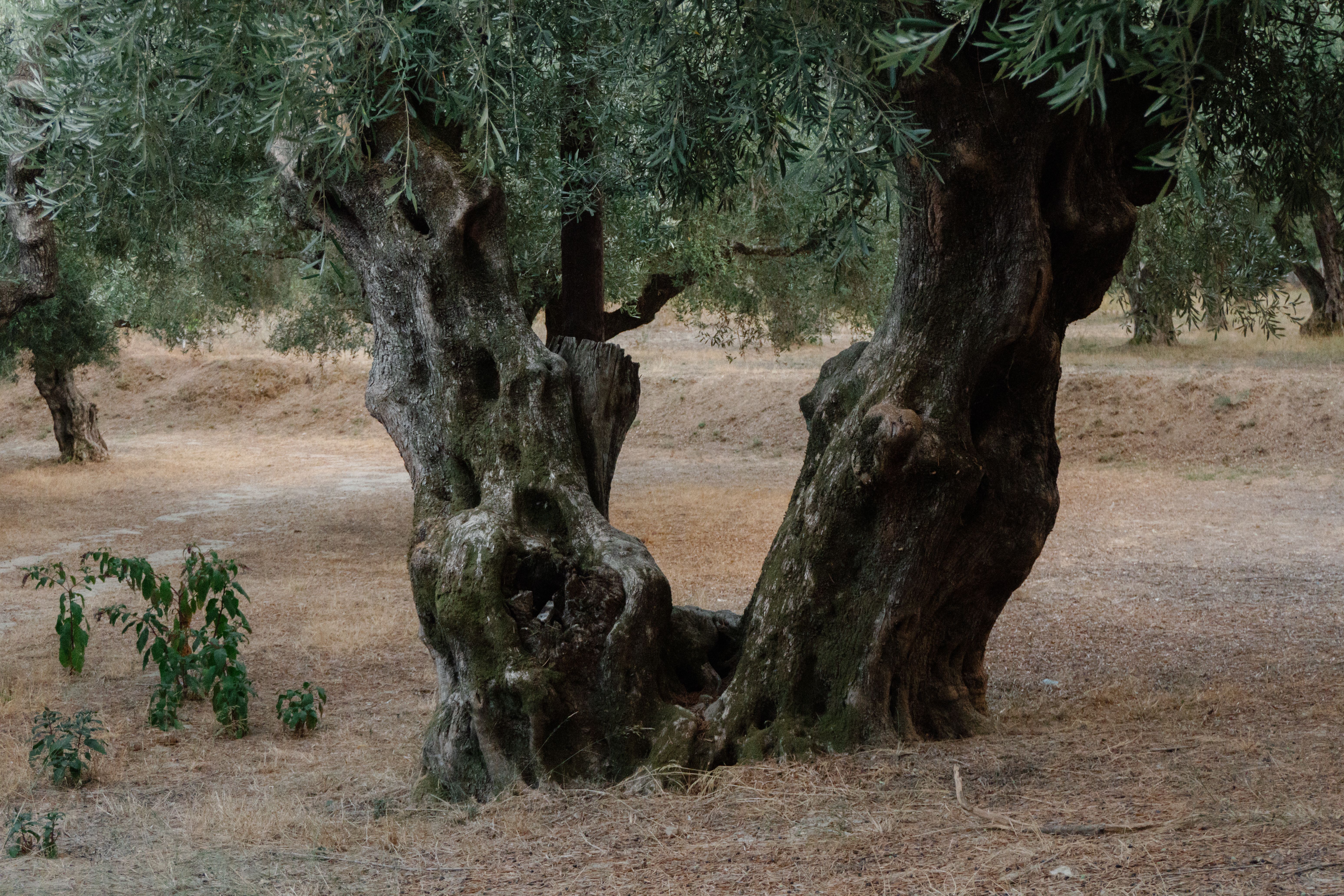
North Aegean islands
Lesbos with its centuries-old olive trees and ouzo distilleries, Chios with its mastic villages: islands that rarely make anyone's list, and still deserve to.
Food and people
Philoxenia is not a word for the brochure.
In Greece, hospitality towards the stranger, philoxenia, is not a marketing term but a social duty older than the country itself. It rarely shows itself in grand gestures, more often in an extra plate of meze that nobody ordered, or a taverna owner explaining where the bread came from.
The cuisine varies from region to region more than most visitors expect. Cretan dakos with wild herbs is a different thing from the stuffed pies of Epirus, and the smoked syglino of the Mani tastes like nothing you'll find in Athens.
We look for tables where that difference is still tangible: family businesses, no menu in five languages, dishes that change with the season because the market does too.
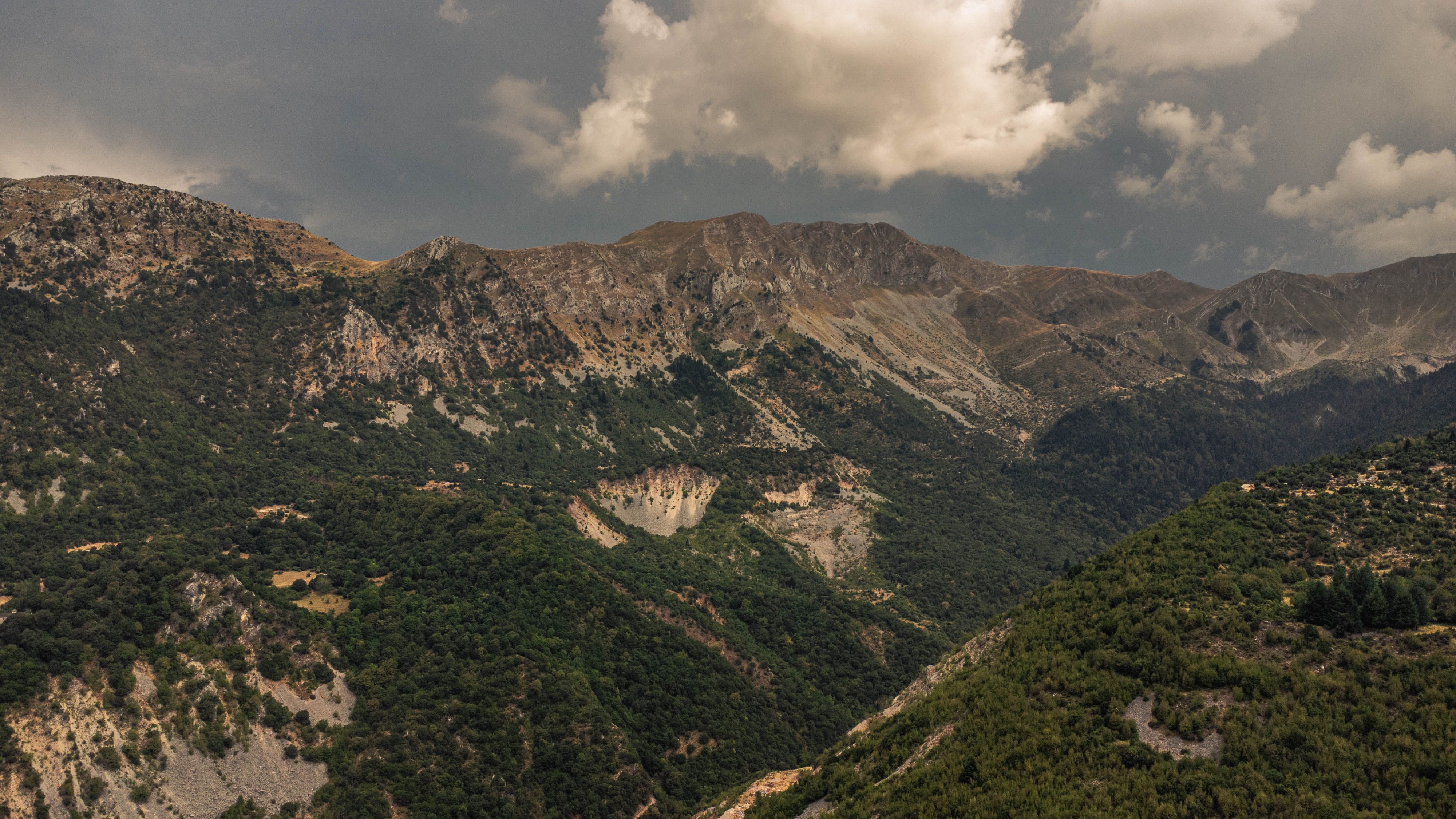
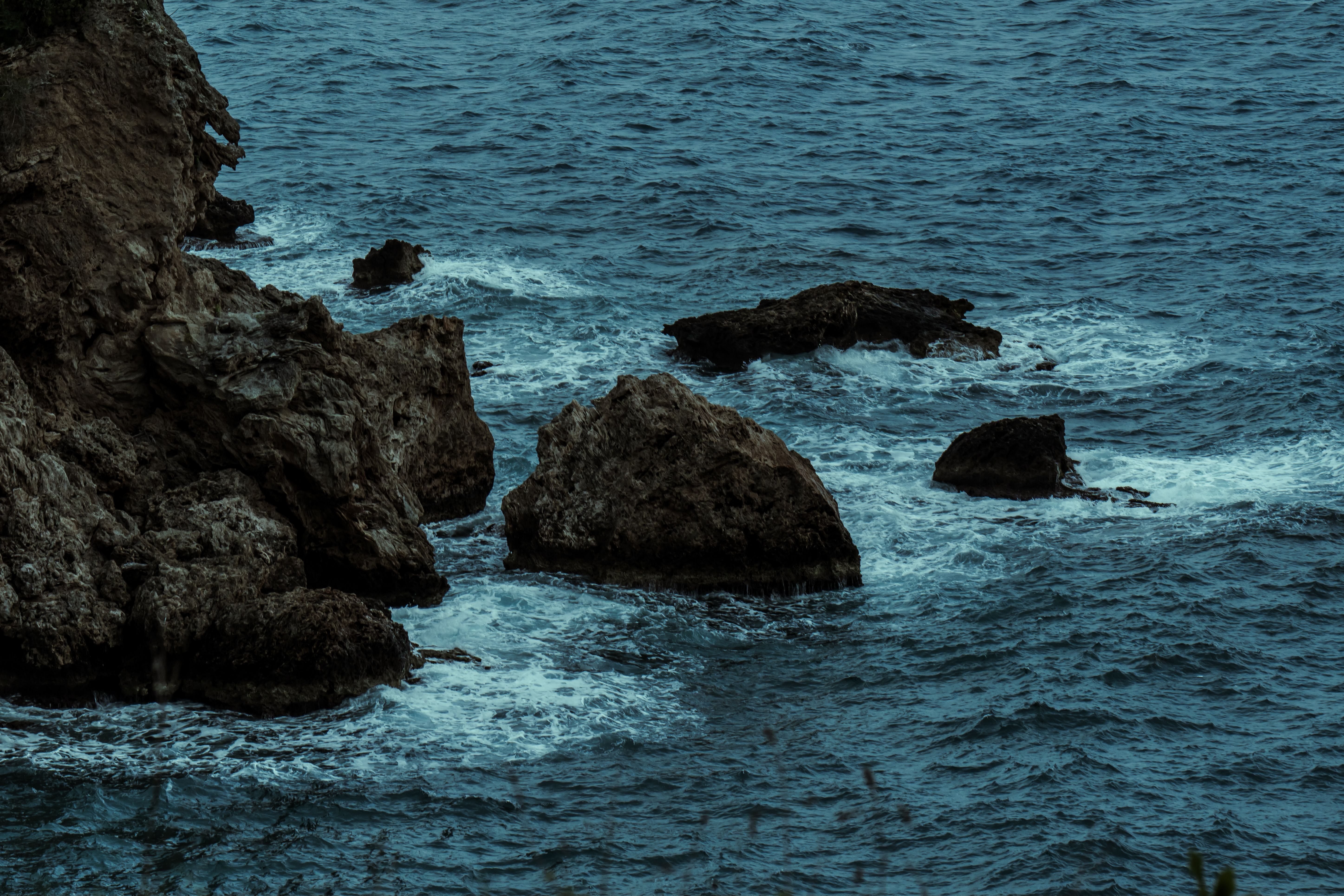
Within two hours' drive from snow-capped peaks to a deserted bay.
Land and sea
The other Greece isn't wet, it's high.
The sea draws the attention, but more than three quarters of the country is mountainous. Anyone who thinks of Greece as only beach misses half the story.
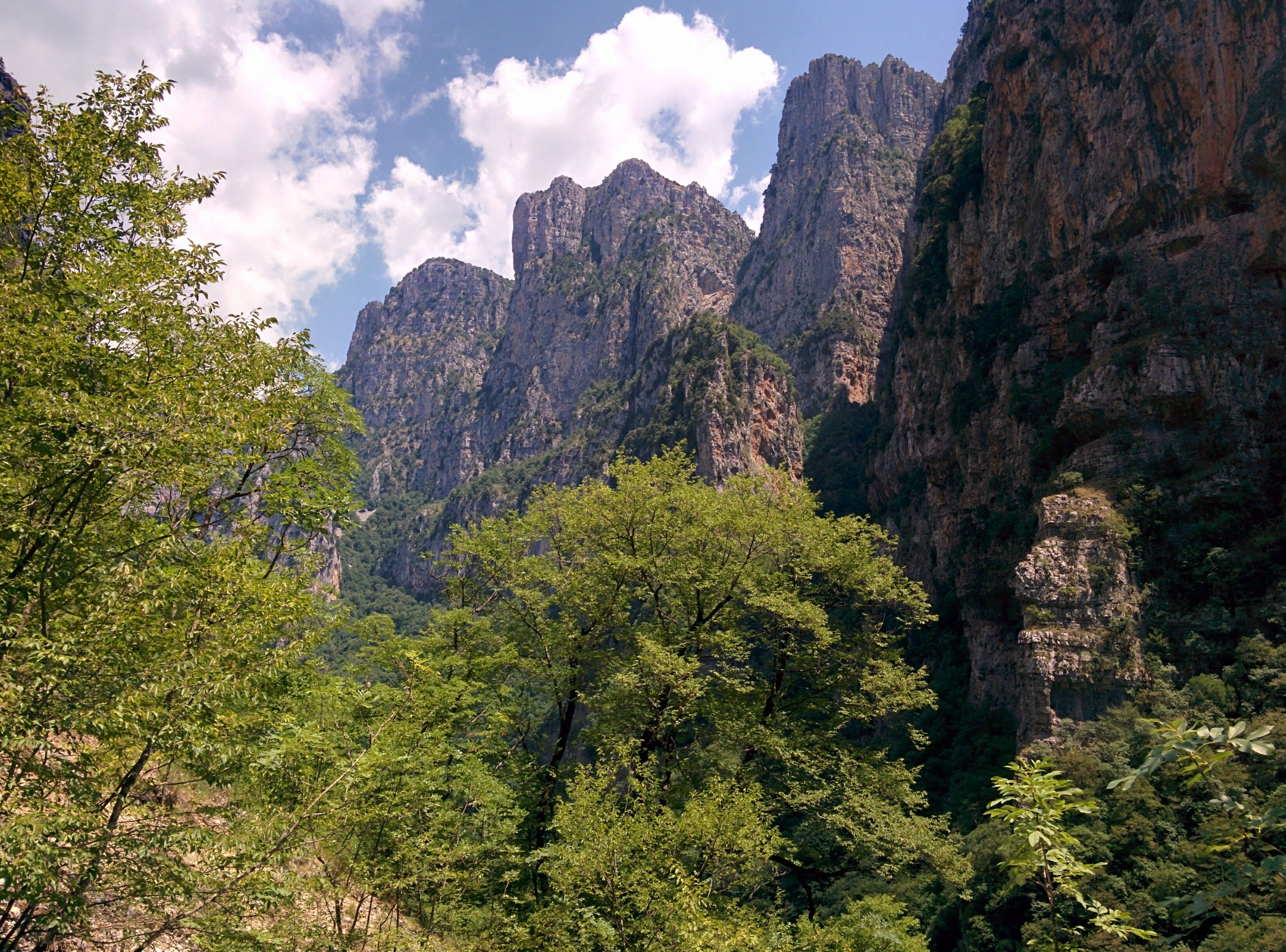
The Pindus
A mountain range that stretches across nearly the entire mainland, with the Vikos Gorge among the deepest in Europe. Trails here run between villages, not between viewpoints.
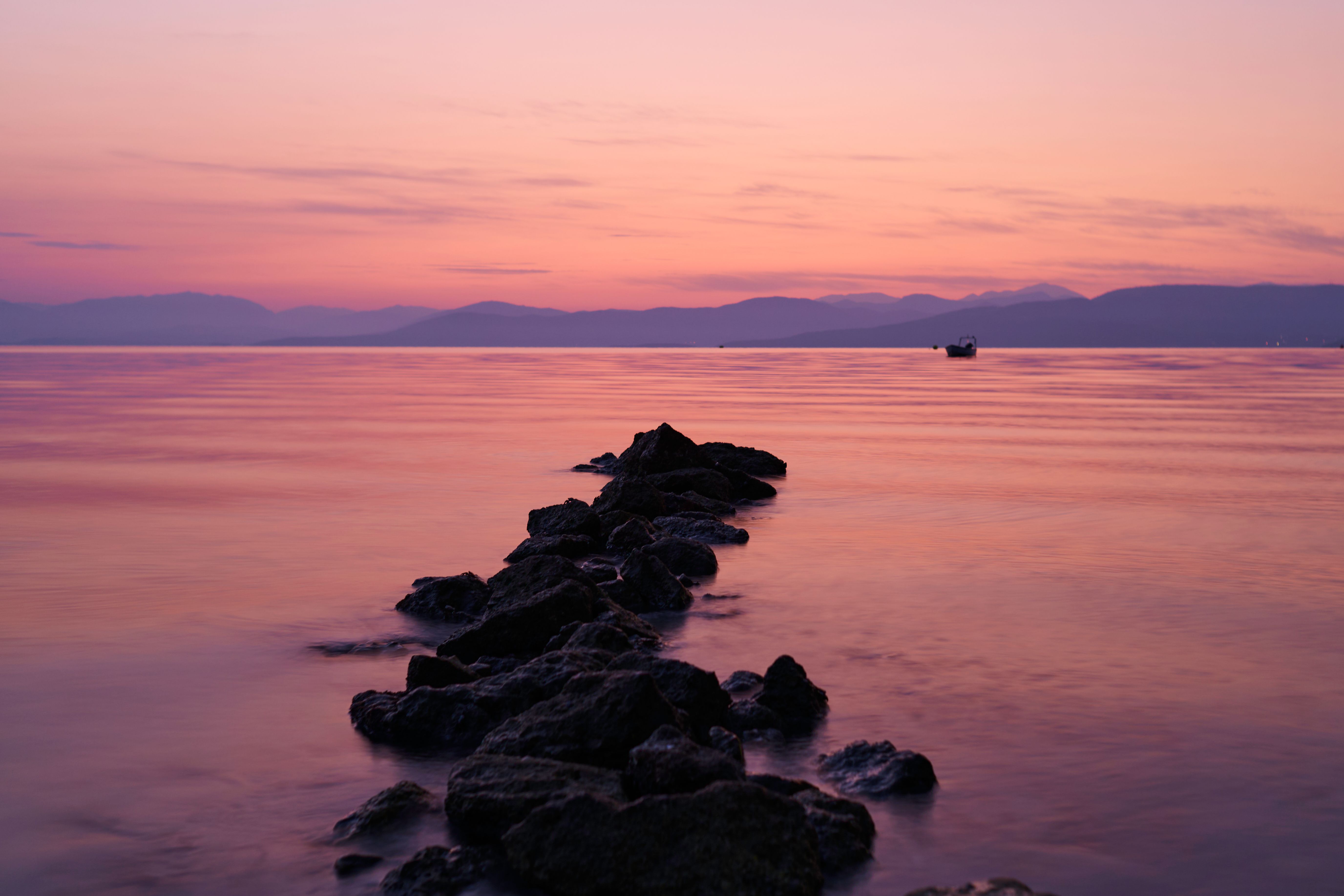
The Aegean coast
Thousands of kilometres of coastline mean the busy beaches are easy to avoid. Sea caves, pebble bays and fishing villages often lie within walking distance of the well-known spots.
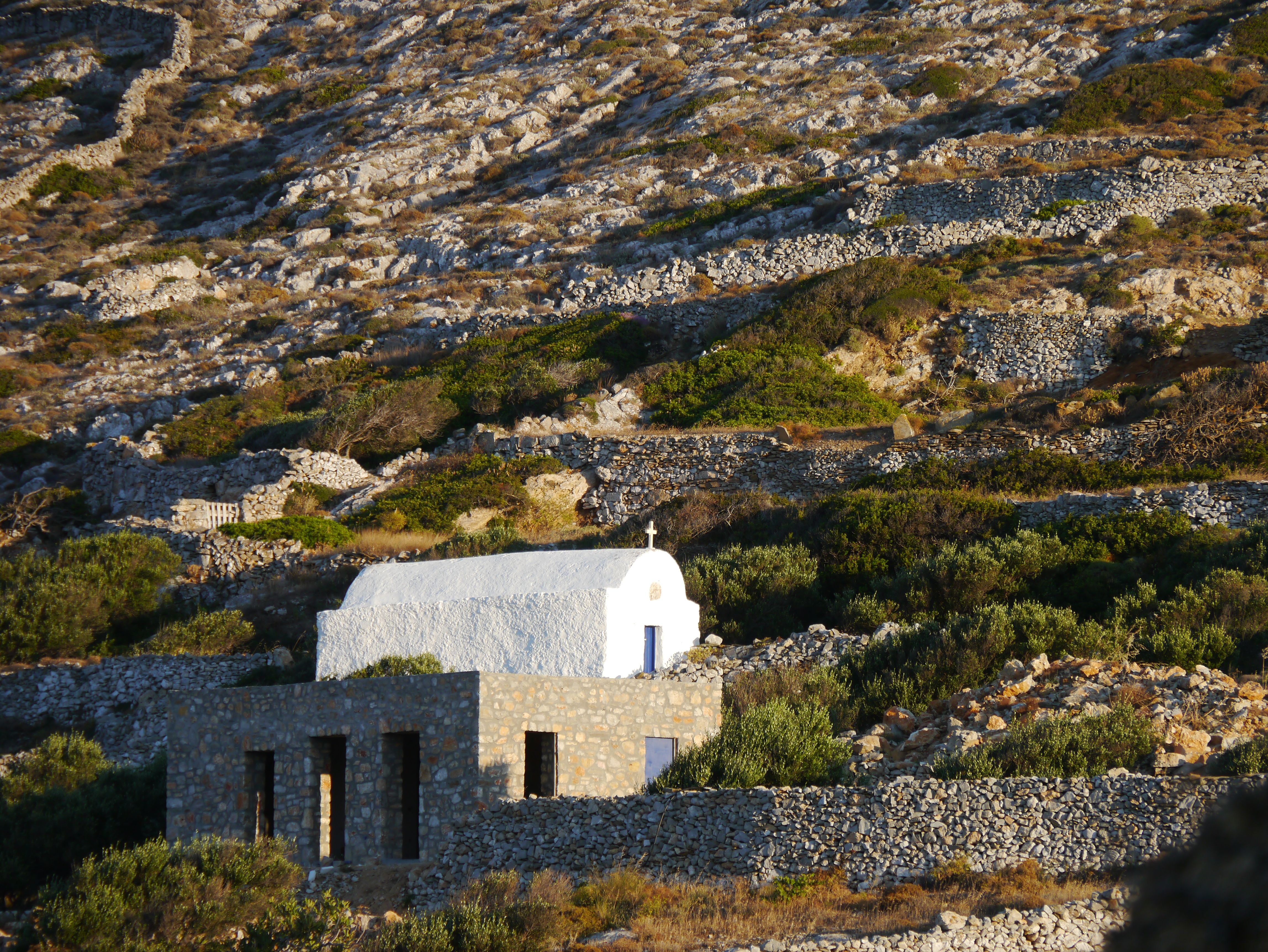
The countryside
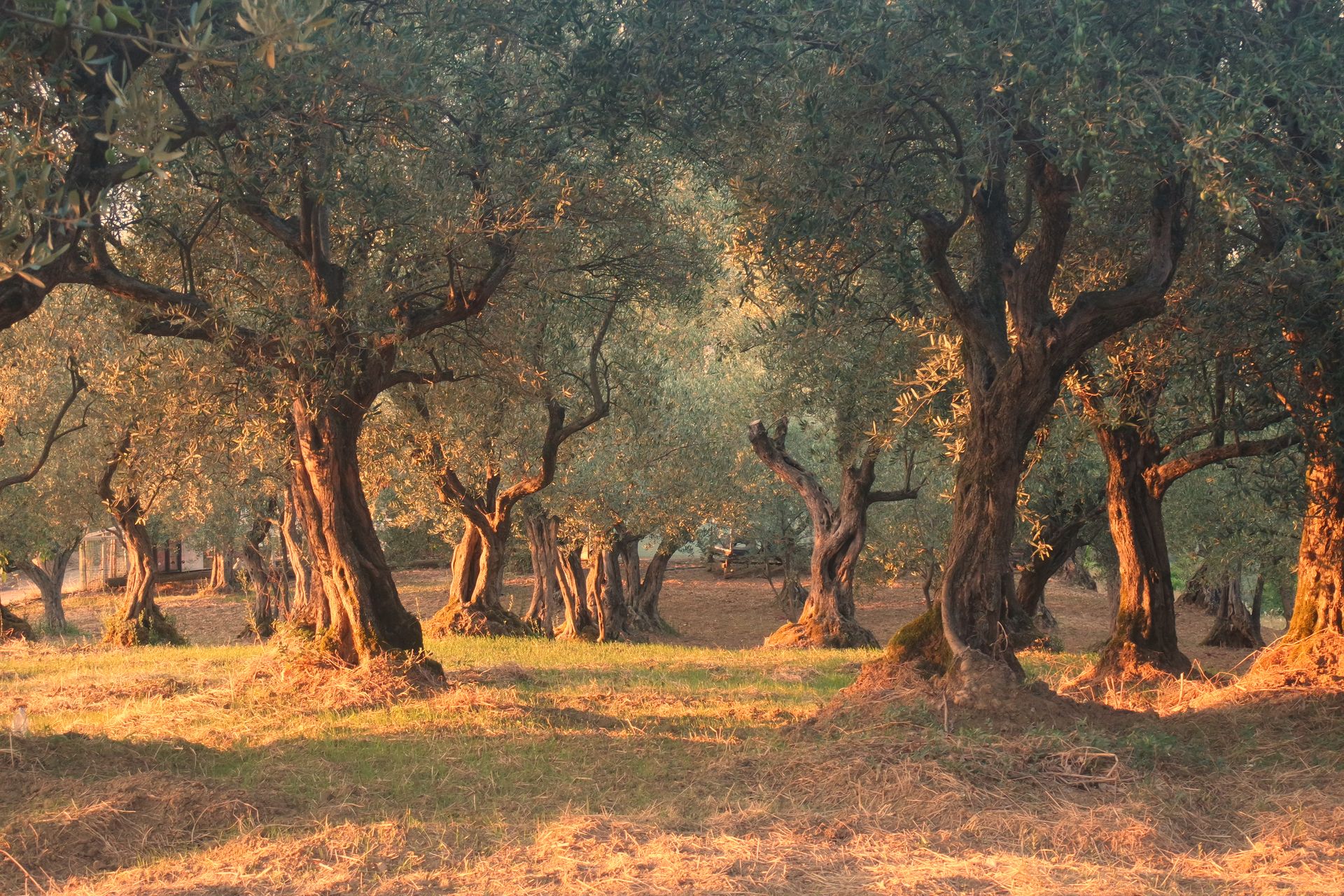
Dry-stone terrace walls, olive groves sometimes older than the country itself, and a farming rhythm that largely ignores tourism.
What's possible
Possibilities, not a programme
No day-by-day schedule. Rather a number of directions a journey through Greece can take, depending on what someone is looking for.
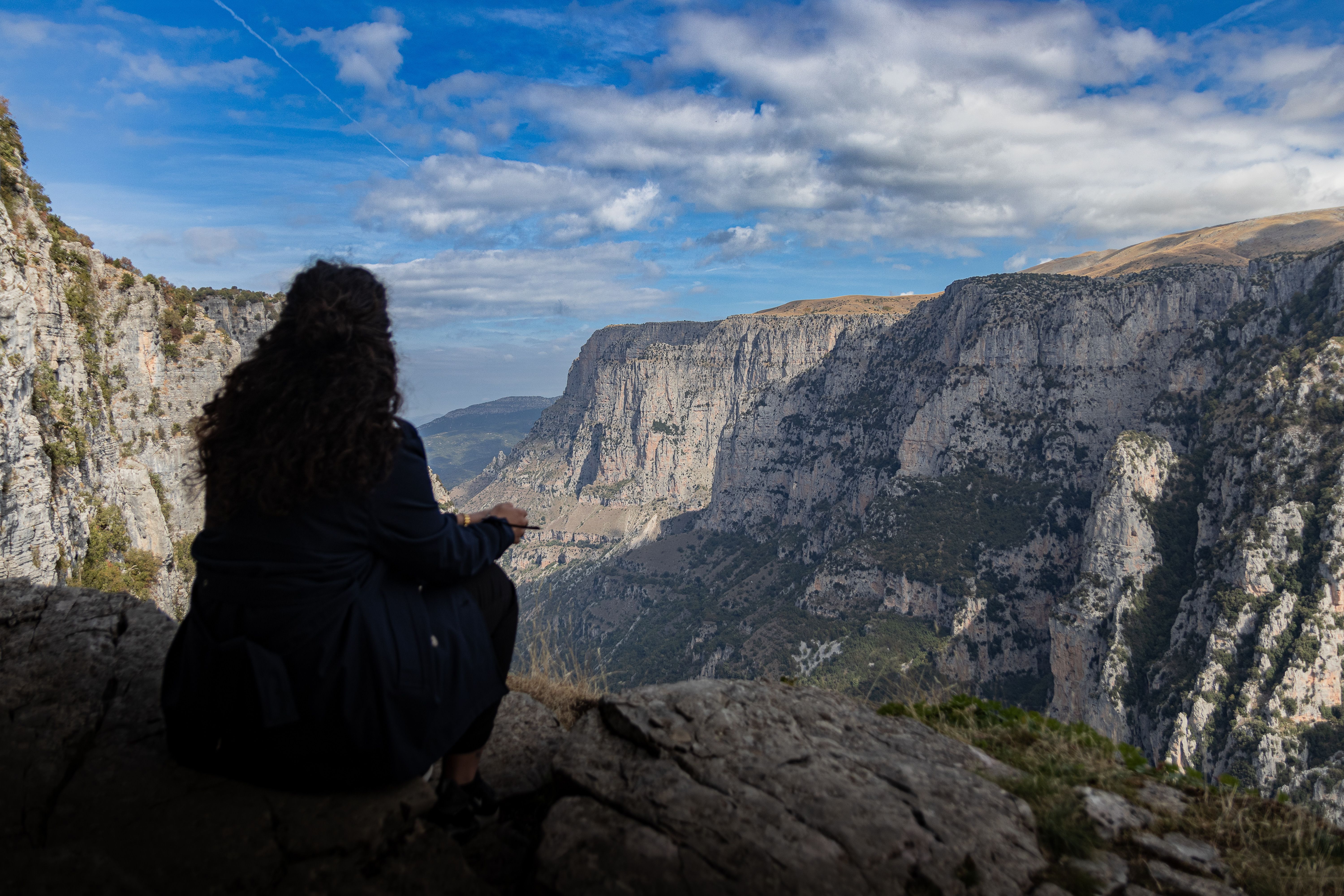
Walking in Zagorochoria
Stone arched bridges and path after path through the Vikos Gorge, between villages that only got a paved road in the last few decades.
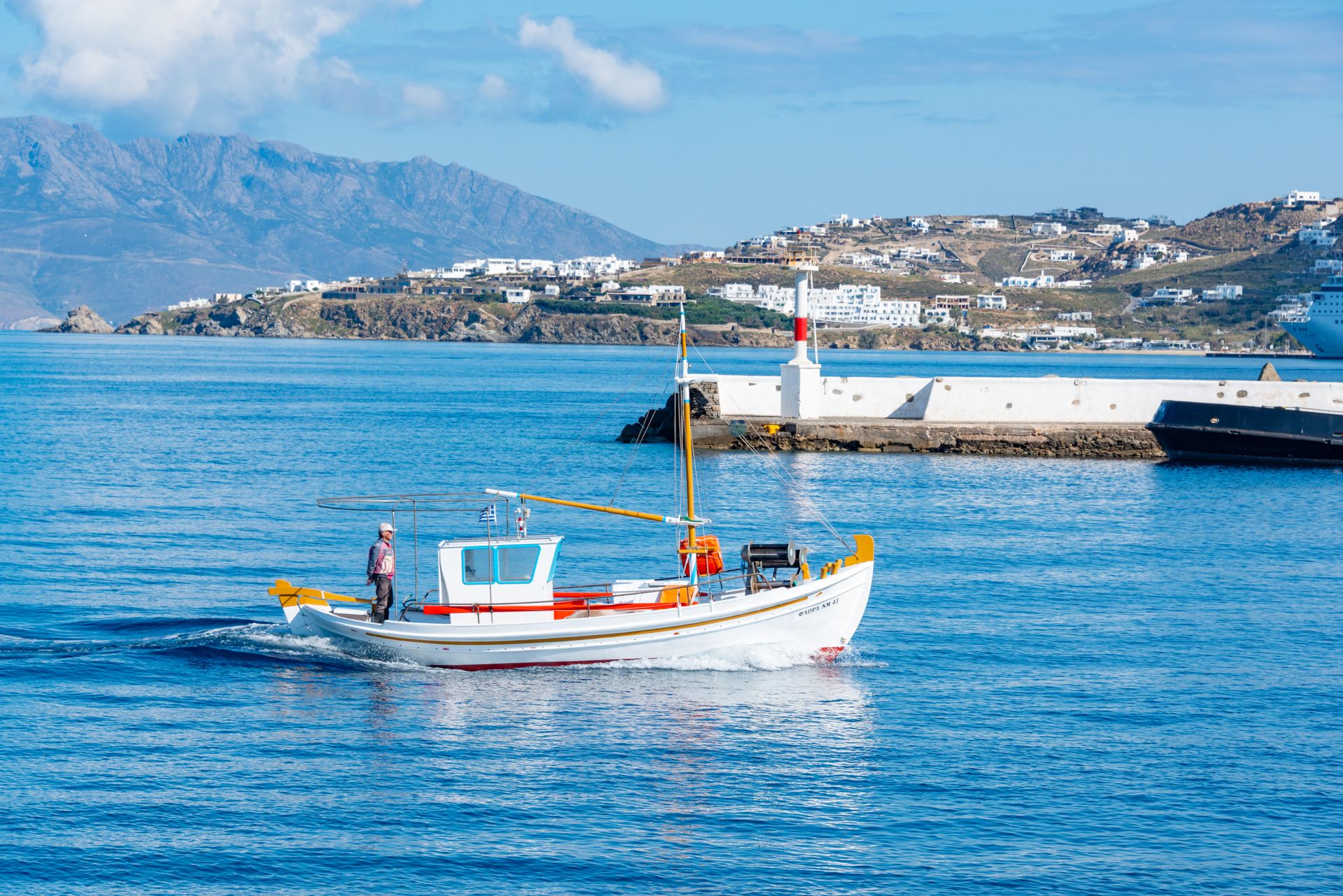
Sailing between small islands
Islands without a regular ferry service, reached with a local skipper who knows the currents and the hidden bays.
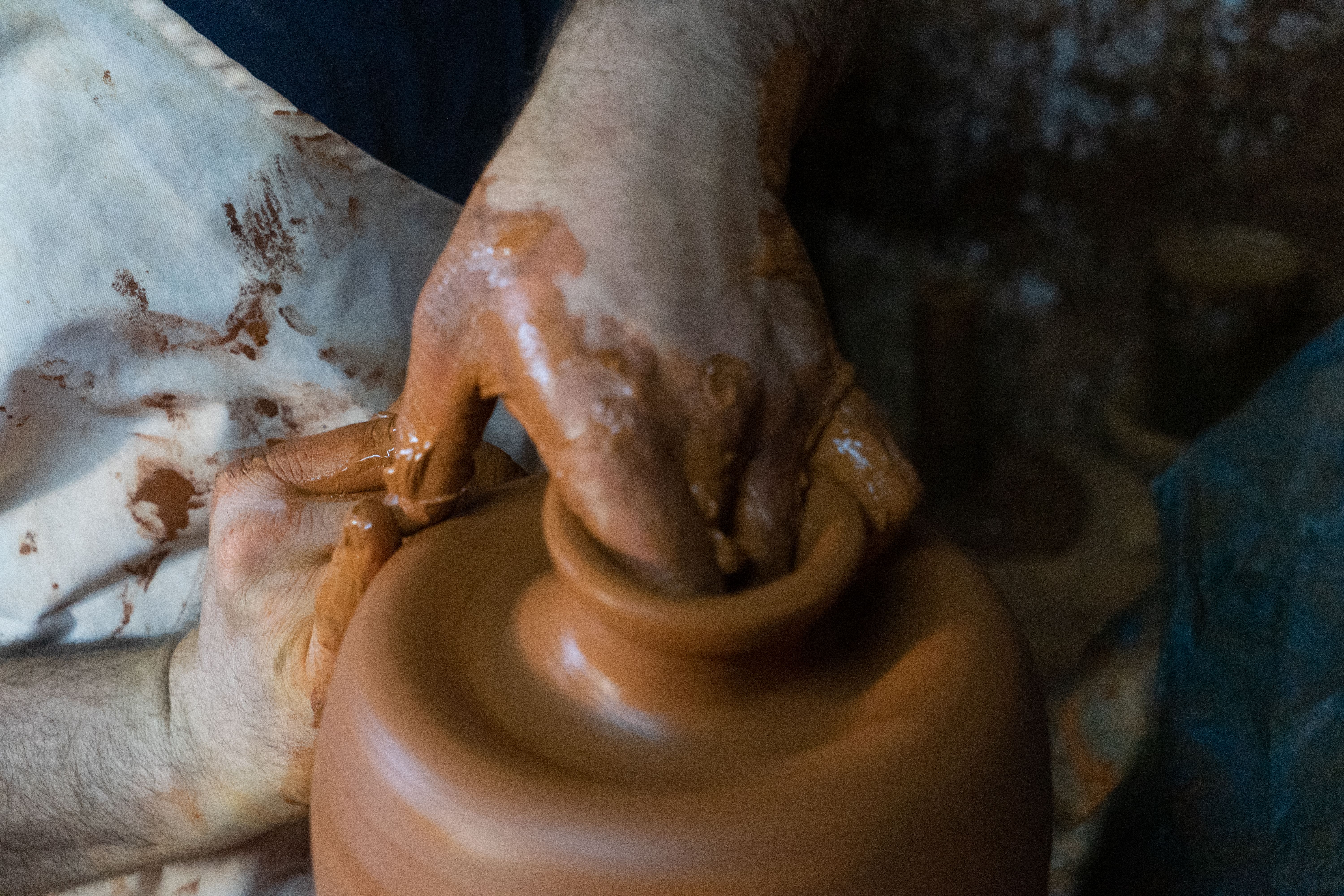
At the producer's
Watching an olive oil pressing on Crete, or seeing how a potter on Sifnos still works the same clay as generations before him.
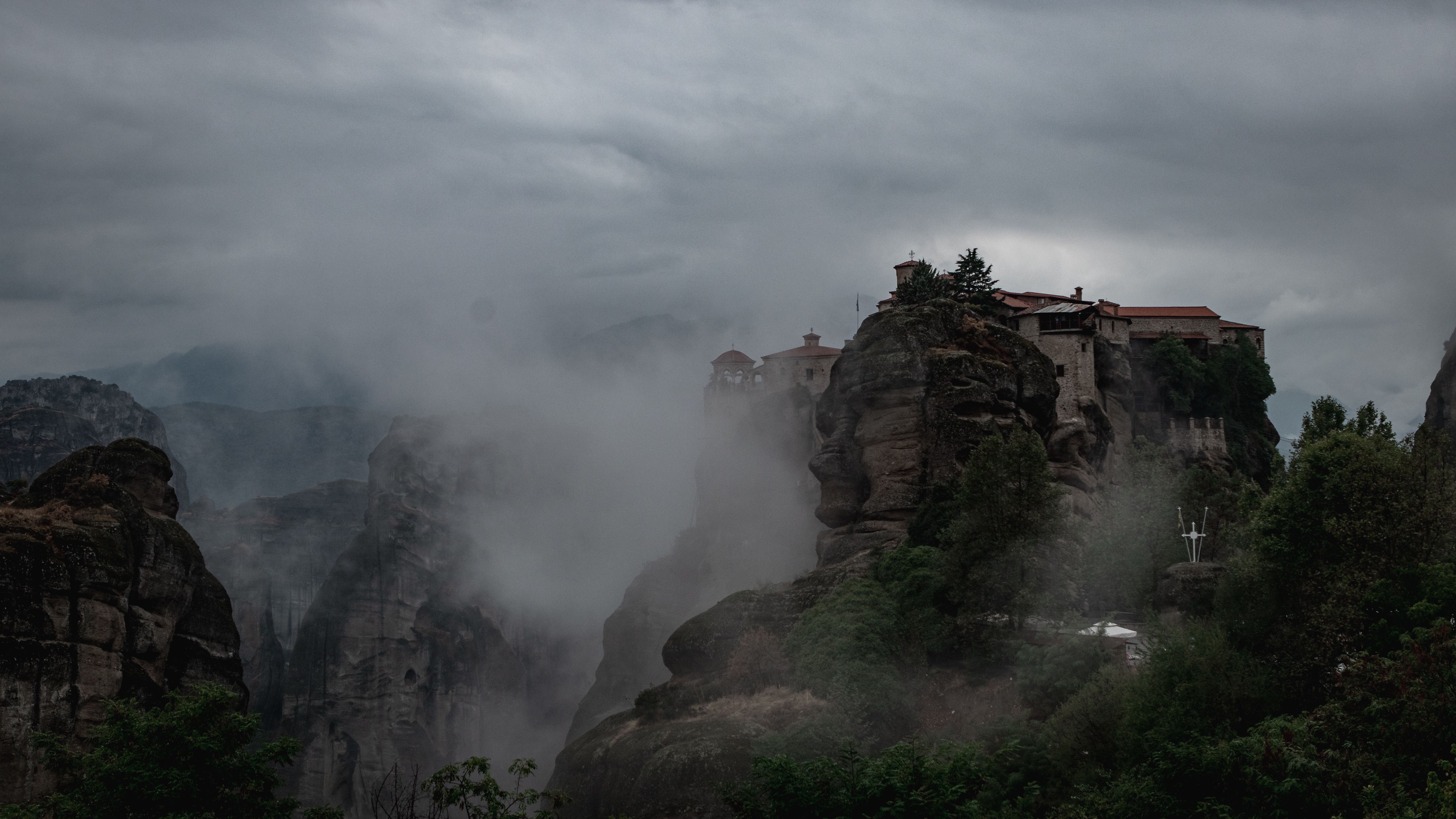
Meteora at sunrise
The monasteries on the rock pillars look different an hour before the first coaches arrive, quiet, and without the usual crowds.
Diving at archaeological sites
Shipwrecks and sunken settlements off the coast of Crete and the Dodecanese, guided by local dive centres that know the sites.
These are possibilities.
Not your journey.
Looking past the highlights
Why we look at Greece differently
Island-hopping isn't a goal in itself Trying to fit in as many islands as possible mainly means a lot of time on ferries. We more often advise fewer islands, visited for longer, than ticking off a list.
The mainland counts just as much Epirus, the Peloponnese and Thessaly rarely get the attention the islands do, even though in landscape and history they offer at least as much.
Season decides the island, not the other way round An island packed in July can show an entirely different character in May or September. We match the destination to the moment, not just the reverse.
Ferry connections are a discipline of their own Services between smaller islands are seasonal, weather-dependent and sometimes irregular. Anyone who doesn't know that risks planning an accidental day stuck on the quay.
When would you travel?
When to travel to Greece
Late April to mid-June and September to mid-October usually offer the best balance: pleasant weather, less crowding on the well-known islands. July and August are warm and lively, but the Cyclades and Dodecanese are then at their busiest. The mainland and mountain regions stay quieter. Winter is mild in Athens and on Crete, colder and sometimes snowy in Epirus and the Pindus.
Best time to visit Greece
Jan
Feb
Mar
Apr
May
Jun
Jul
Aug
Sep
Oct
Nov
Dec
Top: pleasant weather and noticeably quieter than peak season
Good: warm and lively, busier on the well-known islands
Fair: colder or wetter, suited to Athens and Crete, less to the smaller islands
Same months, other destinations
Who else is at their best in these months?
Not ready to ask yet?
Leave your email address. A month before the good time begins, we send you one reminder. Nothing more.
You will first get an email to confirm. You can unsubscribe at any time, with one click.
Rather talk it over?
Leave your name and number. We will call you at a time that suits you.
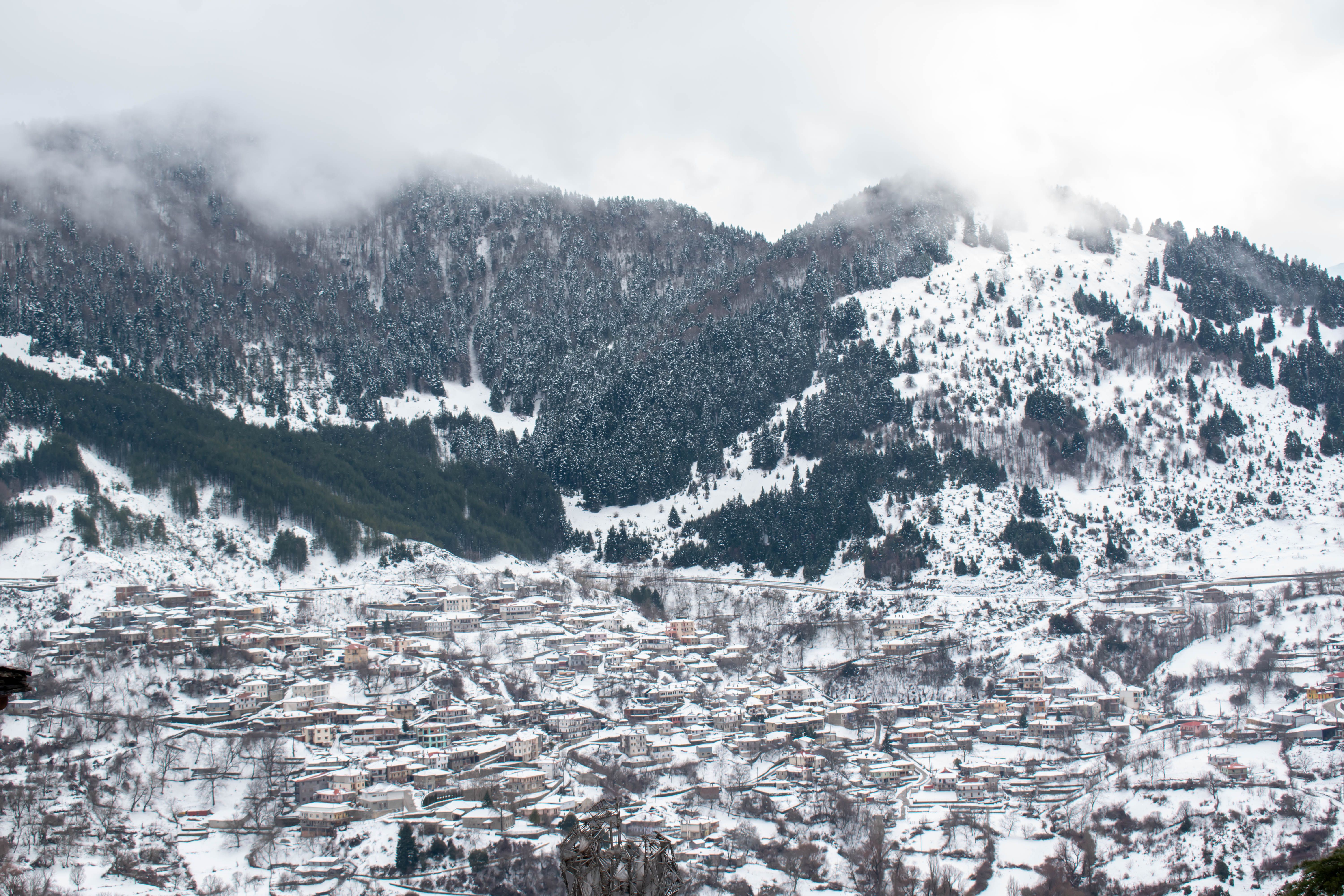
Papingo, in the Pindus: here begins the Greece that most guidebooks skip.
Worth knowing
Practical, without the noise.
A few practical points that make a difference when planning a route through Greece.
- Getting there
- Direct flights to Athens, Thessaloniki and a few larger islands; smaller islands often reached by ferry or domestic flight
- Documents
- A Belgian identity card is sufficient within the EU
- Health
- No specific vaccinations required; European health insurance card valid
- Pace
- Ferry schedules are seasonal and sometimes weather-dependent. Build slack into the route
- Car hire
- Recommended on most islands and on the mainland; roads in mountain regions can be narrow and winding
Frequently asked questions
Is Greece worth visiting outside peak season?
Certainly. Athens and Crete stay pleasant for most of the year, and the shoulder months give many islands a quieter, more authentic feel than July and August.
How many islands can you combine in one trip?
Fewer than most people think. We usually recommend two to three destinations with enough time at each, rather than a long list of short stops.
Is the mainland worth it alongside the islands?
For anyone with the time, definitely. Epirus, the Peloponnese and Thessaly offer a completely different Greece from the Aegean islands, with just as much depth.
How intense is the heat in July and August?
On the Cyclades and Dodecanese it can climb steeply, with crowds on top of it. The mountain regions and the north tend to stay milder and quieter.
Or perhaps this
Other destinations
Still weighing it up? That is no problem at all. The right country often only becomes clear once the conversation starts.
Baltic states
Lithuania
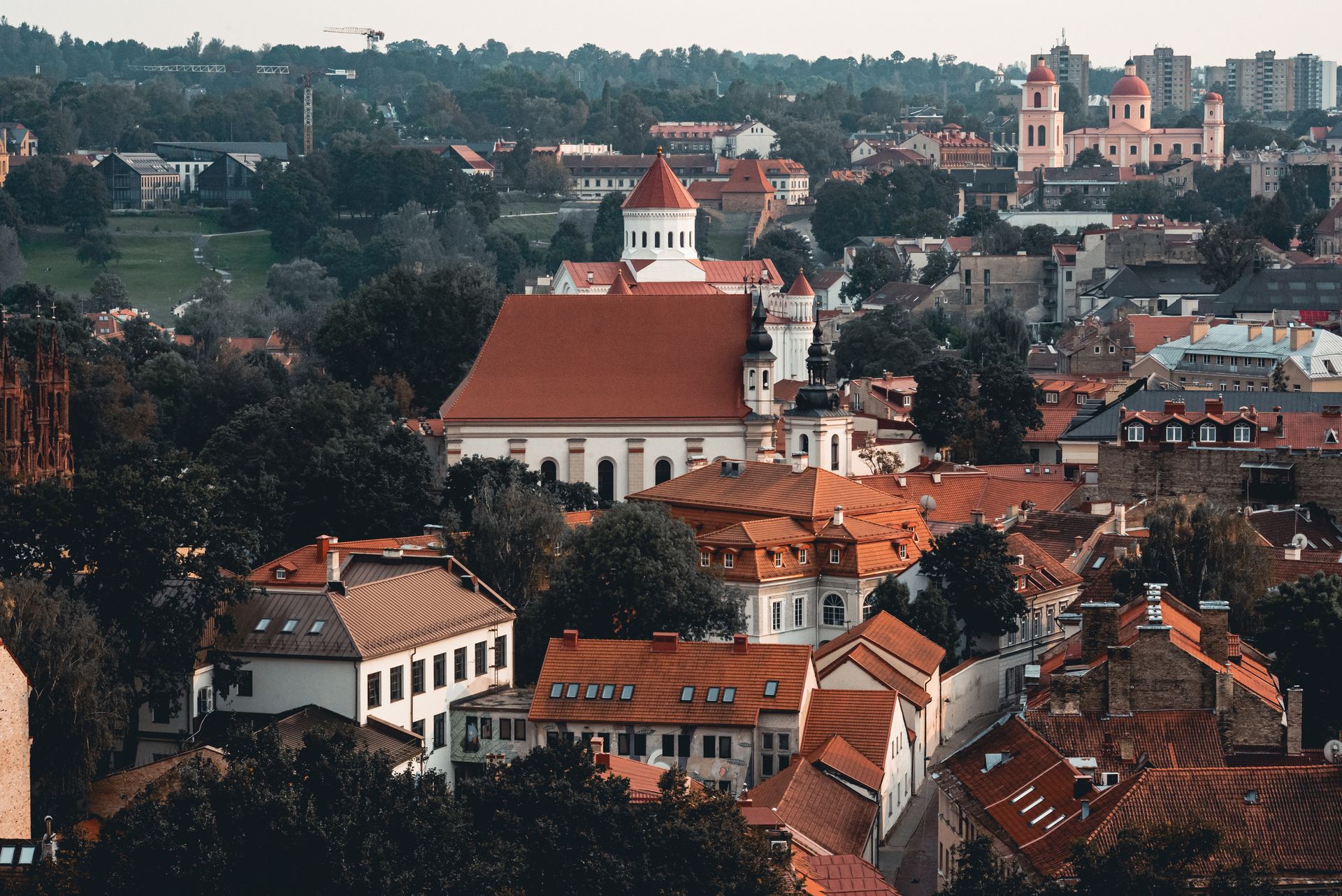
Lakes, forests and a baroque old town that feels surprisingly southern for a Baltic capital.
Southern Adriatic coast
Montenegro
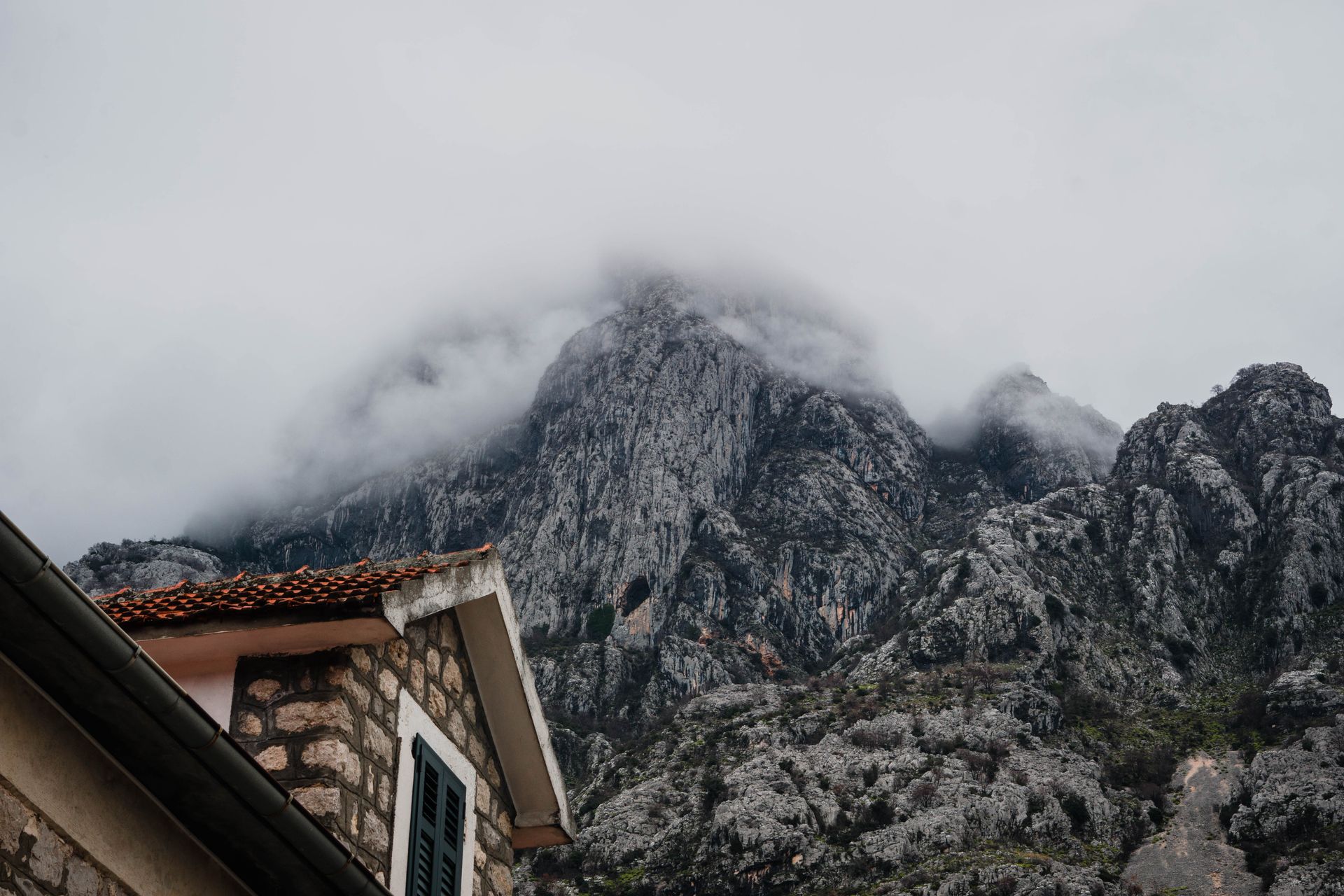
A fjord that is not really a fjord, mountains that fall straight into the sea, and a country smaller than its landscape suggests.
Central Europe
Poland
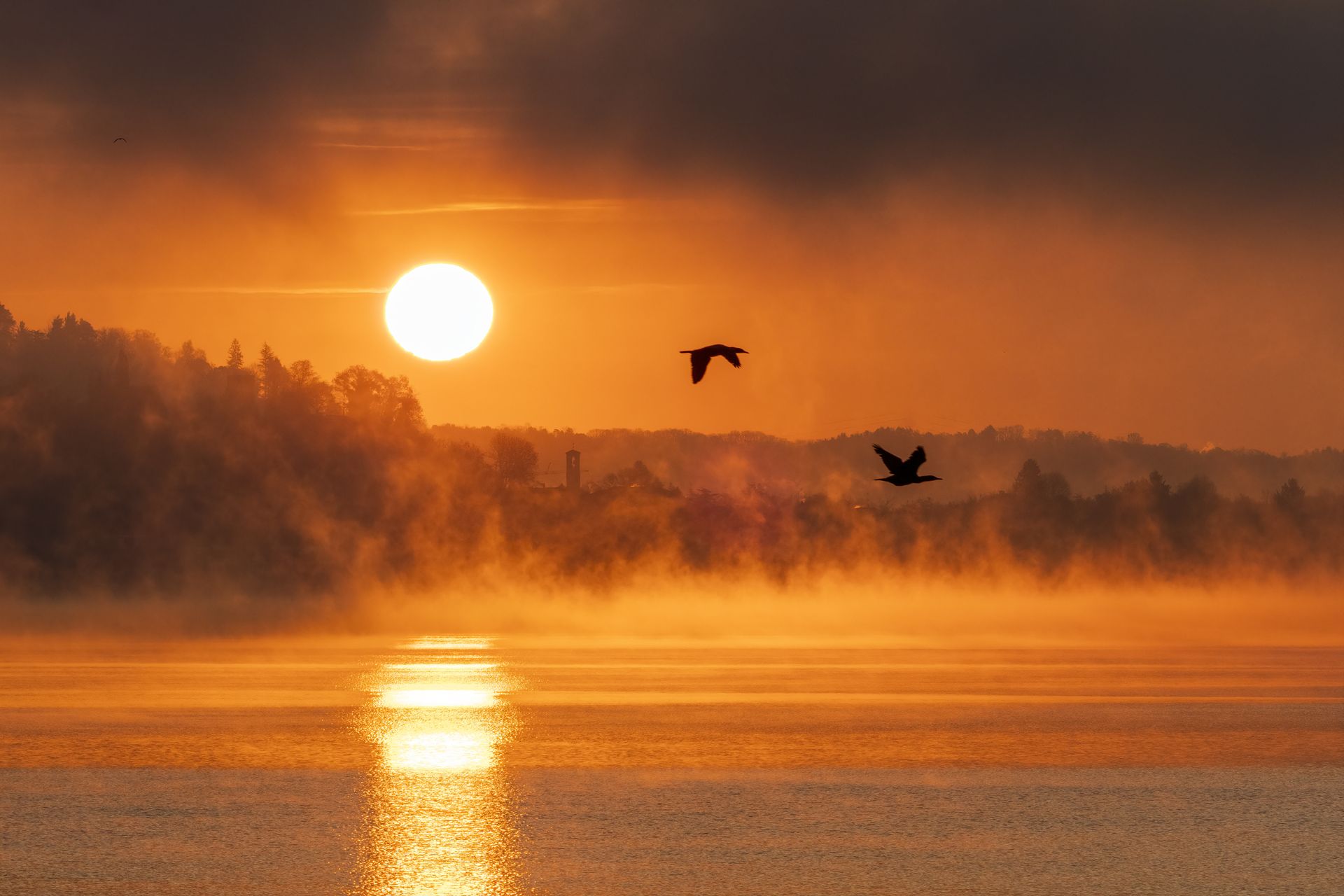
A country with more landscape than its history suggests, with forests, lakes and towns each rebuilt with real character.
How it works
This is how your journey to Greece takes shape.
Six steps, from your first story to your homecoming. The conversation and the feasibility check cost you nothing.
-
01
Tell us your story
Fill in the form or give us a call. You do not need a route yet: a country, a period or just an idea is enough.
-
02
The conversation and the check
We call you within two working days. We talk through what you are looking for and check whether it can be done. If it can, we set down together what we will make for you.
-
03
We design your journey
We build your programme up, day by day, together with our own people in the country itself.
-
04
Your proposal
You read your journey day by day, with everything that is included. You say what you would like differently, until it is right.
-
05
Ready to depart
You send us your details, we send you your travel documents. You have one fixed contact who knows your journey.
-
06
Travelling, and after
Your contact stays reachable while you are away. Once you are home, we call one more time.
The next step
What does your Greece look like?
Tell us whether you're dreaming of a mountain village in the mist, a harbour without a cruise ship, or something in between. We look for the islands and regions that fit: no fixed route, no compulsory stops.
Updated in October 2026