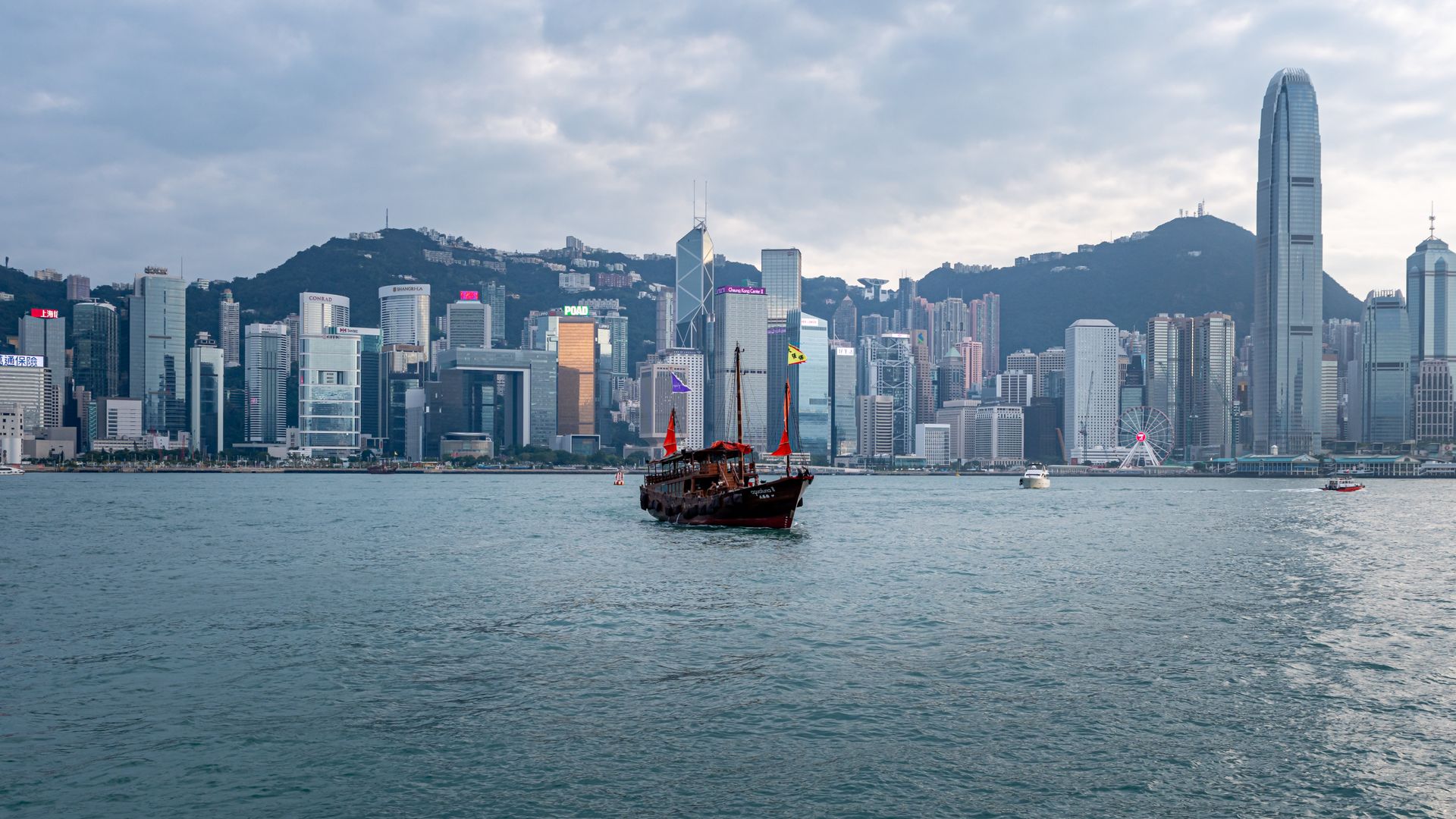
South China coast
Hong Kong
A city of millions with a mountain trail around the corner.
This is Hong Kong
Vertical to the extreme, green within half an hour.
Skyscrapers that give way to green islands and walking trails within half an hour: a city that rarely stands still.
From the Mid-Levels escalators in Central, you look straight into the living rooms of hundreds of flats, while the Peak Tram is already crawling upward below. Hong Kong is stacked vertically because there was simply nowhere else to go: the mountains begin where the streets end. First-time visitors mostly see the skyscrapers of Central and the neon streets of Kowloon across the harbour.
Yet more than seventy per cent of the territory has never been built on. Country parks cover the hills behind the skyline, walking trails such as the Dragon's Back start ten minutes from a bus stop, and islands like Lamma and Cheung Chau run at an entirely different pace from Central. Hong Kong is not one city. It is a city that keeps switching between itself and its own back garden.
In short
- Best time to go
- October to December: drier, sunny and mild, the best weather for walking. From June to September it is hot and very humid, and that is when typhoons are most likely.
- How long
- Four days to a week for the city, a hike in the hills and an island such as Lamma or Cheung Chau. As a short stopover you miss exactly the green side of Hong Kong.
- Who it suits
- For travellers who want to pair a busy Asian city with hiking: trails such as the Dragon's Back start at the edge of the built-up area, and the islands are a ferry ride from Central.
- What sets it apart
- Around 40 per cent of the land is protected as country park or special area. That puts dense high-rise districts and wooded hills right next to each other.
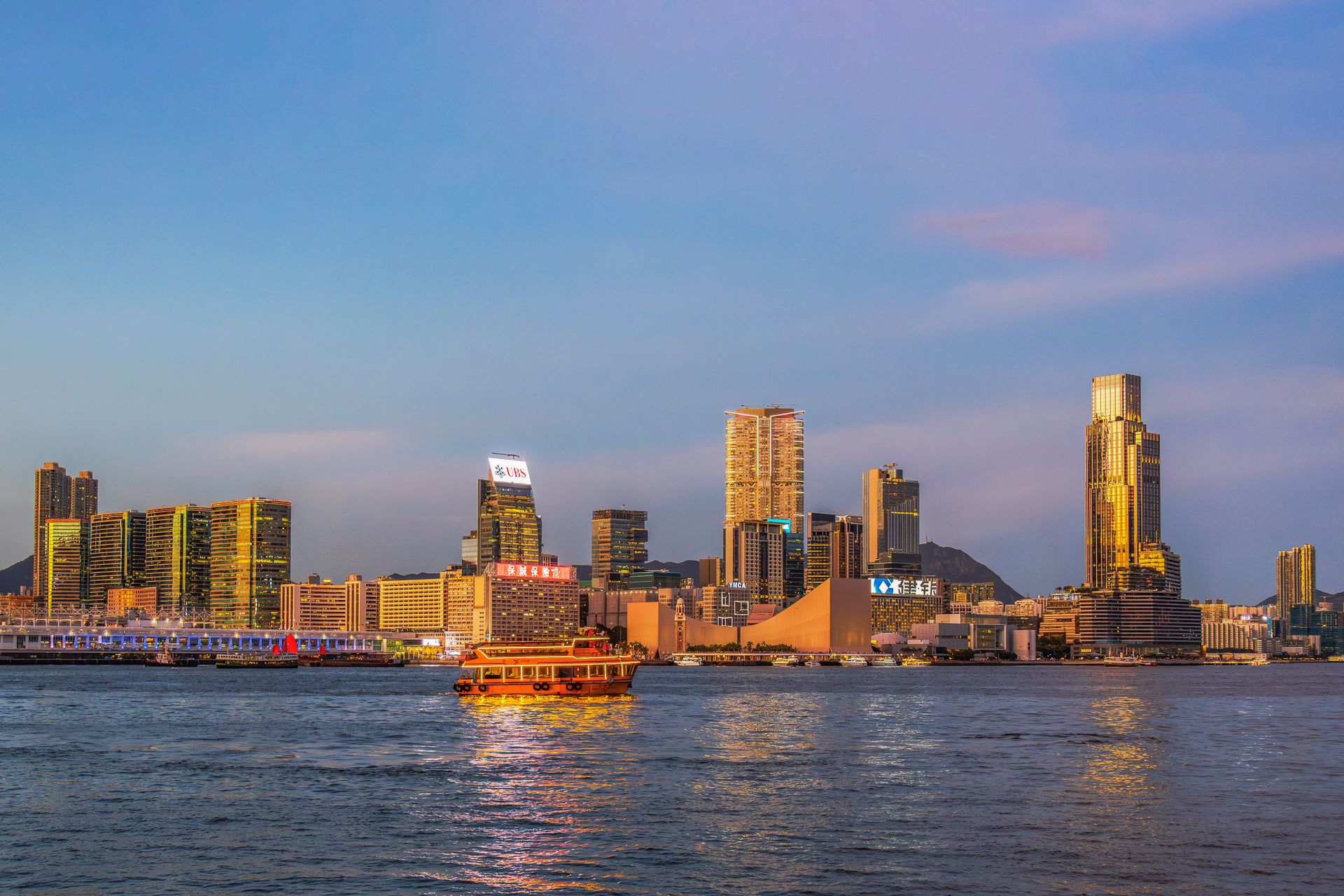
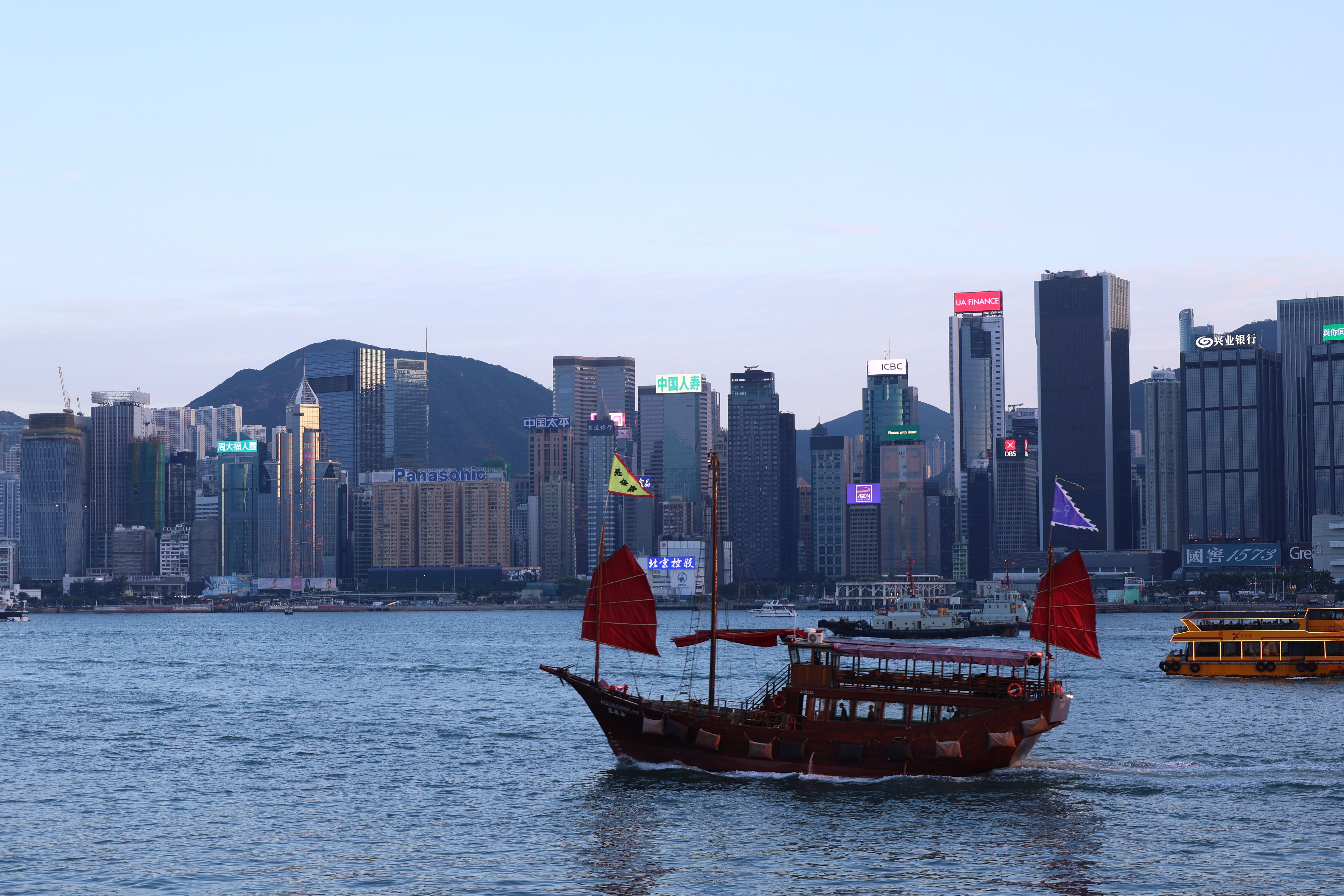
Victoria Harbour: not a backdrop, but the water that connects the two sides of the city.
The many faces of Hong Kong
Five districts, five paces.
Hong Kong is not a uniform block of skyscrapers. Every part of the city, and the islands around it, has a rhythm of its own.
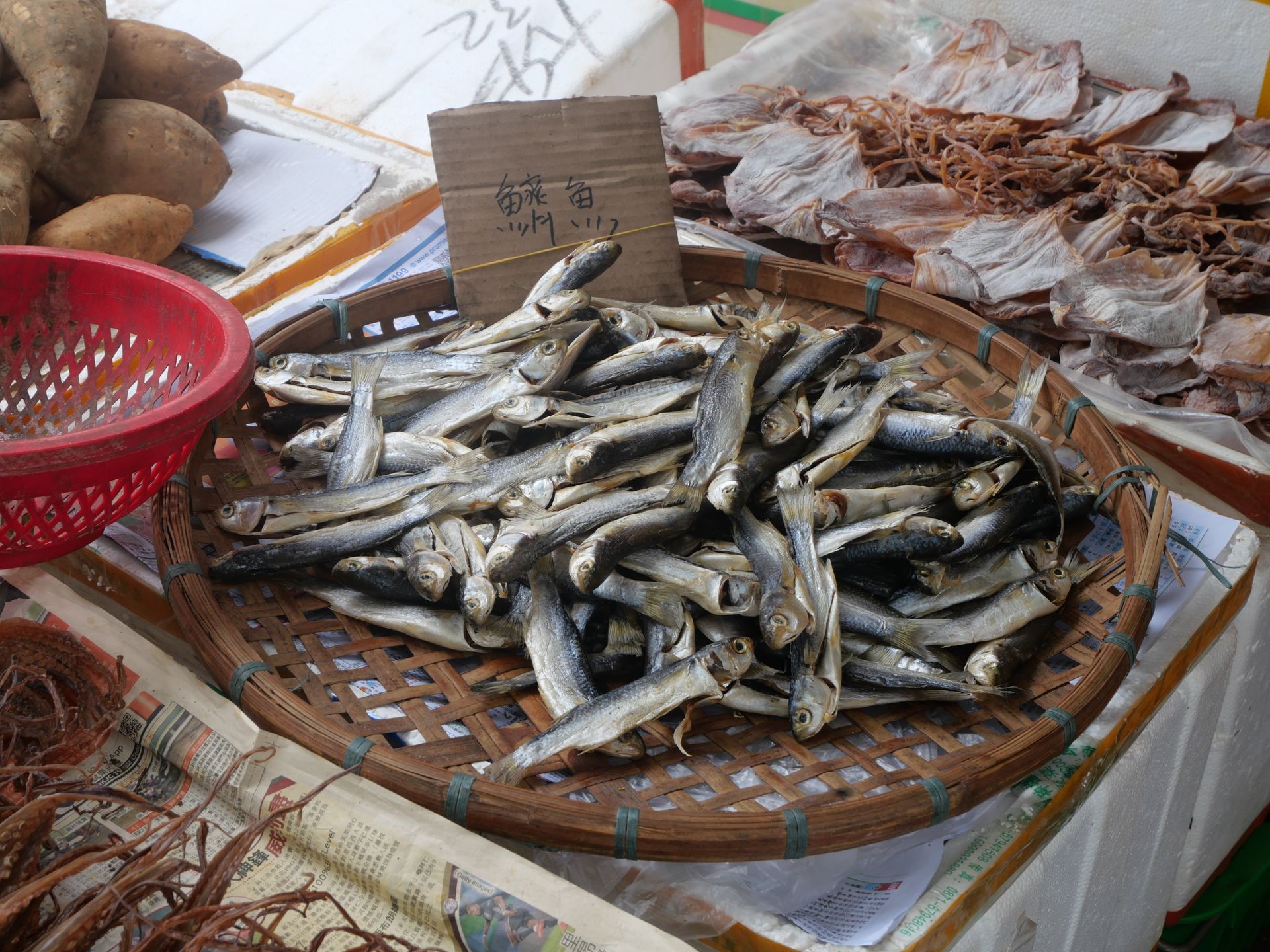
Financial heart
Hong Kong Island: Central & Sheung Wan
Bank towers next to centuries-old temples, escalators that pull an entire district uphill, and alleys in Sheung Wan where dried seafood dries right out on the street.
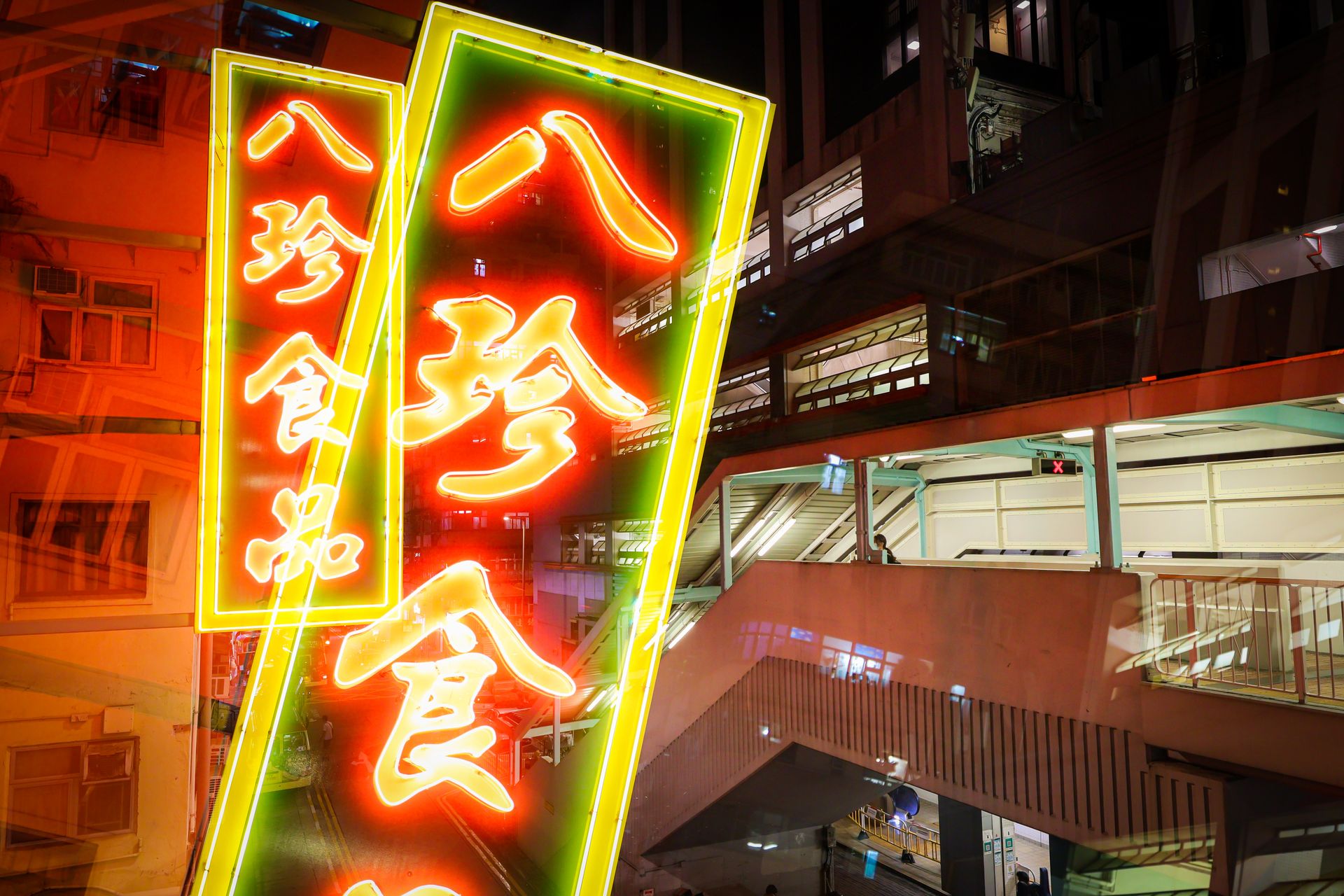
Street life
Kowloon: Yau Ma Tei & Mong Kok
The densest streets in the city: night markets on Temple Street, neon signs tumbling over each other, and more people per square kilometre than anywhere else on earth.
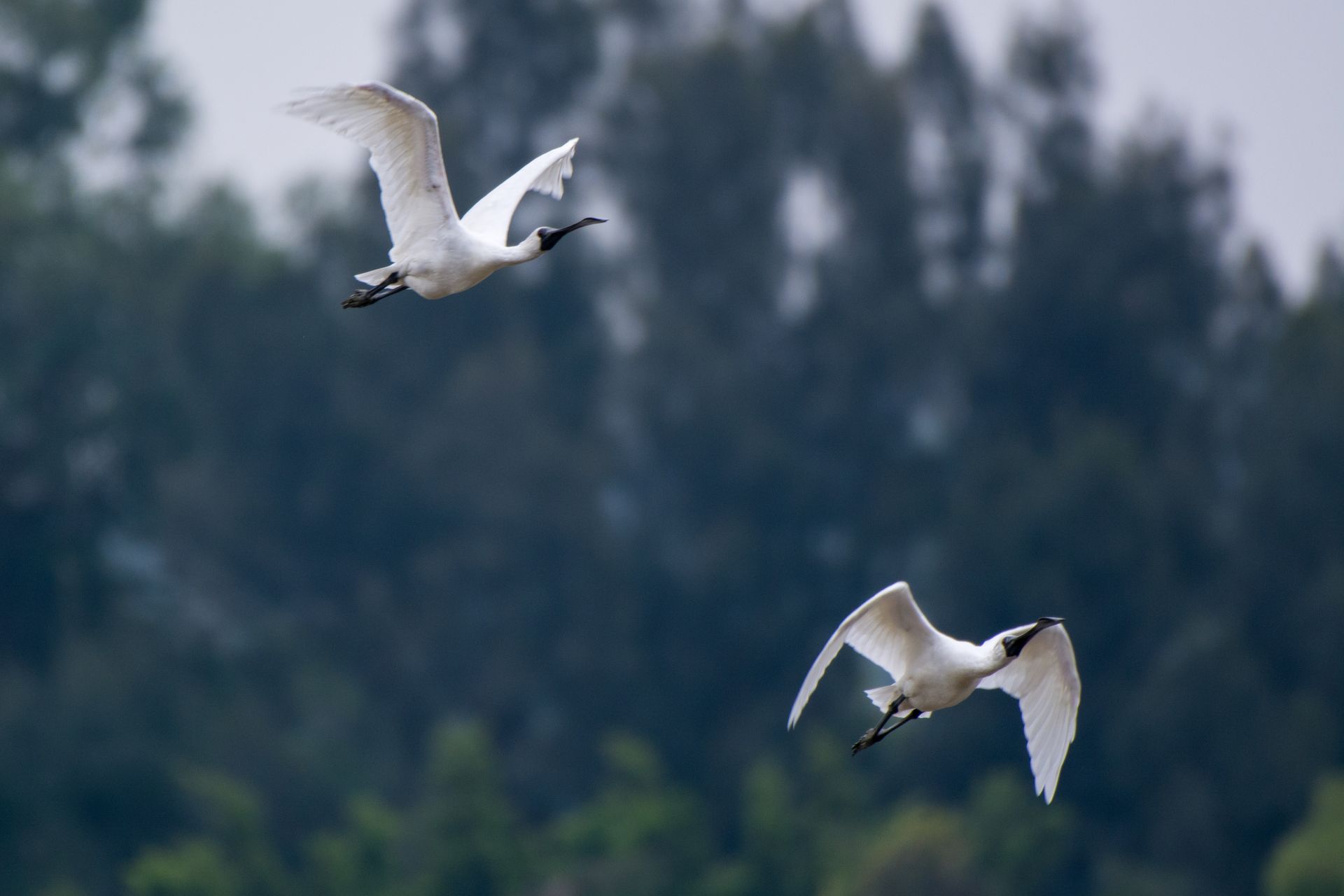
Mountains and wetlands
New Territories
Country parks, the walking trails of Sai Kung, and the wetlands of Mai Po, where thousands of migratory birds winter within a stone's throw of the skyscrapers.
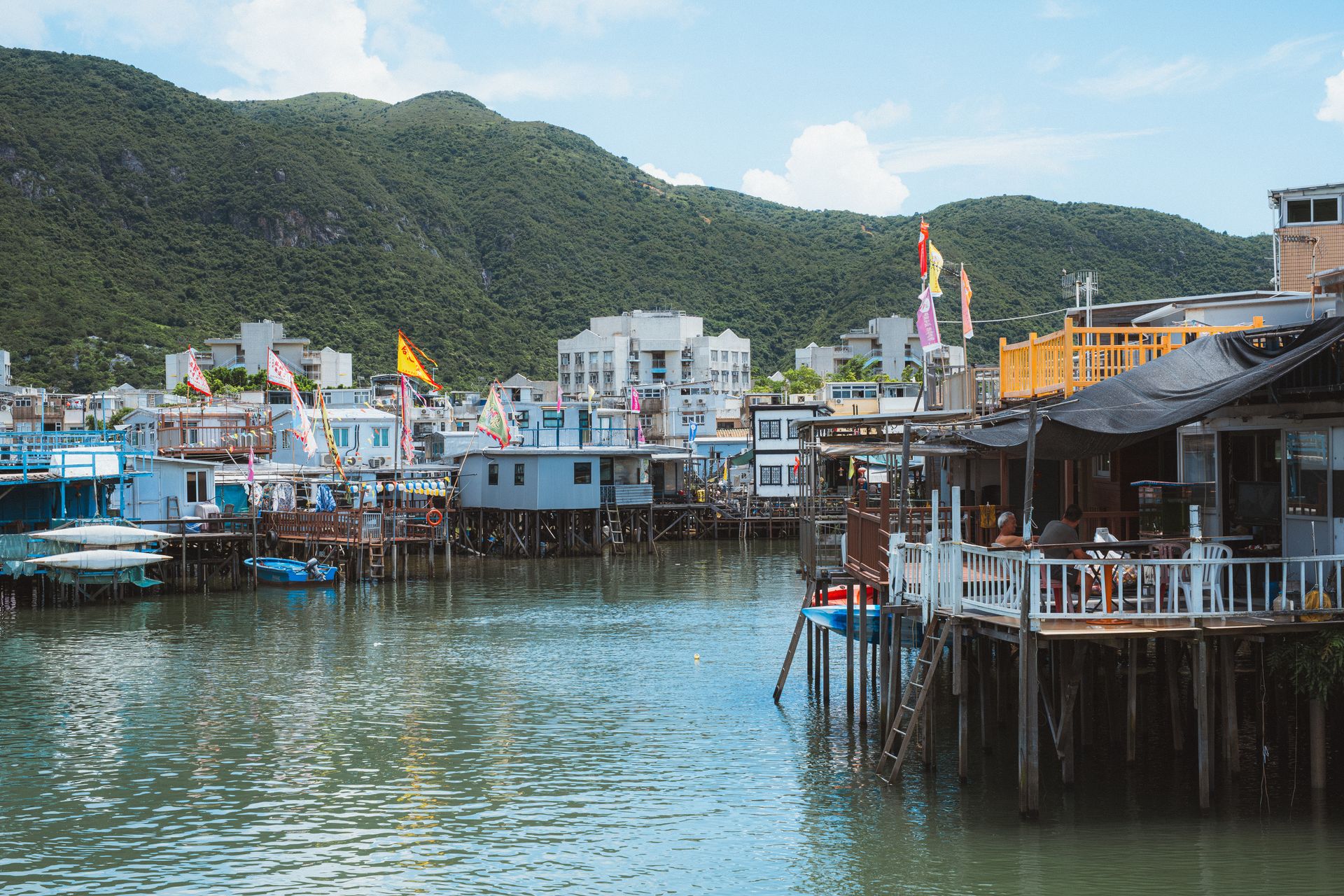
Island pace
Lantau, Lamma & Cheung Chau
The Tian Tan Buddha and the stilted fishing village of Tai O on Lantau, car-free streets and fresh fish on Lamma, a bun-festival island that falls back into silence come evening.
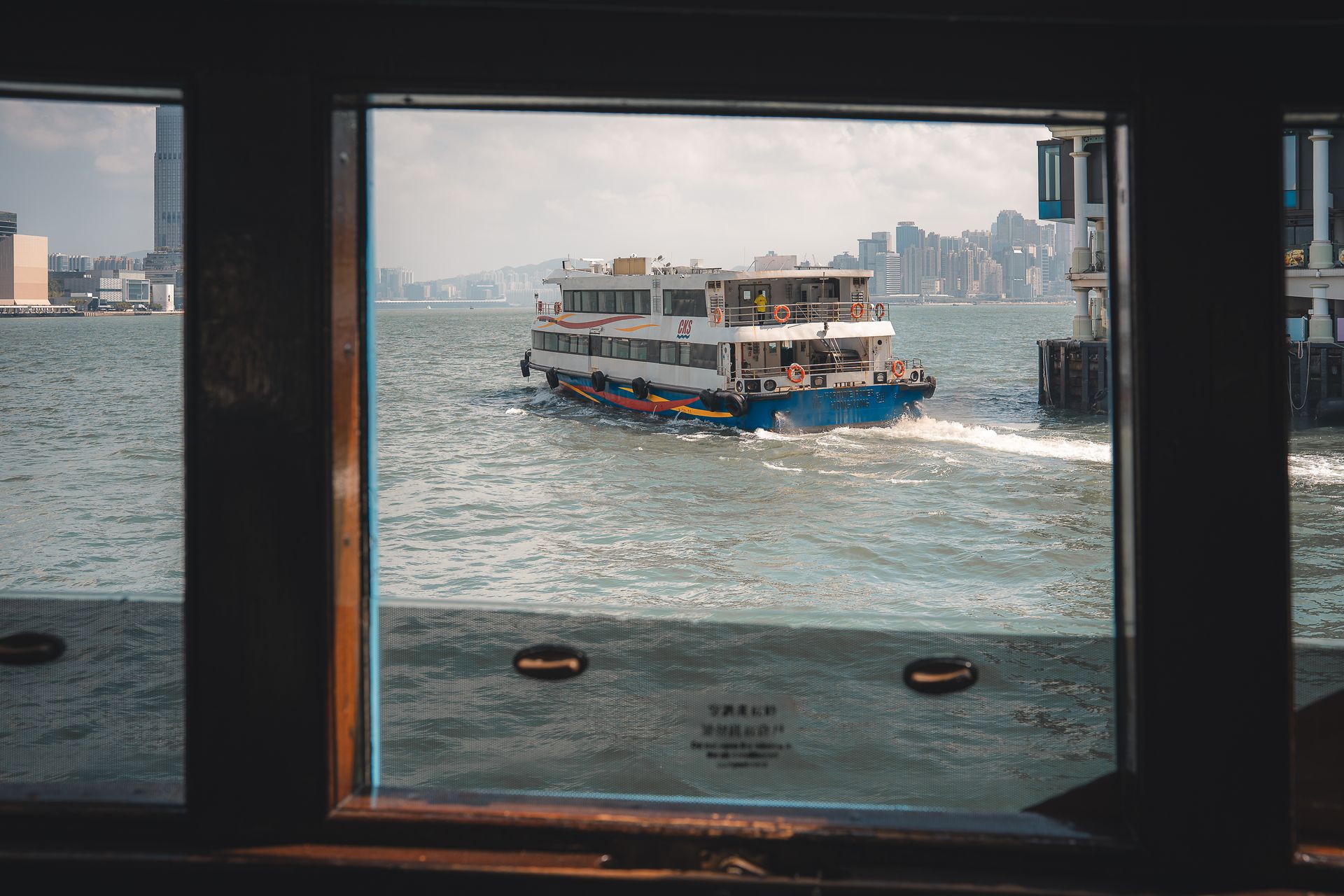
Connecting water
Victoria Harbour
Junks, ferries and the Star Ferry, which has connected both shores for more than a century: the water as the city's backbone.
At the table
Yum cha isn't breakfast, it's a gathering.
In a cha chaan teng you order macaroni in broth alongside toast with condensed milk, and nobody finds that strange. Hong Kong has breakfasted this way for decades. The city never cooked to a single fixed recipe; it took what worked and made something of its own from it.
Dim sum remains the ritual families fight for a table over on Sunday mornings: trolleys of har gow and char siu bao, tea that must never run dry. At the wet markets of Sheung Wan or Kowloon City you can smell why: fresh produce, no refrigerated displays, an economy that still buys in daily.
Nature within the city limits
Where the skyscrapers stop.
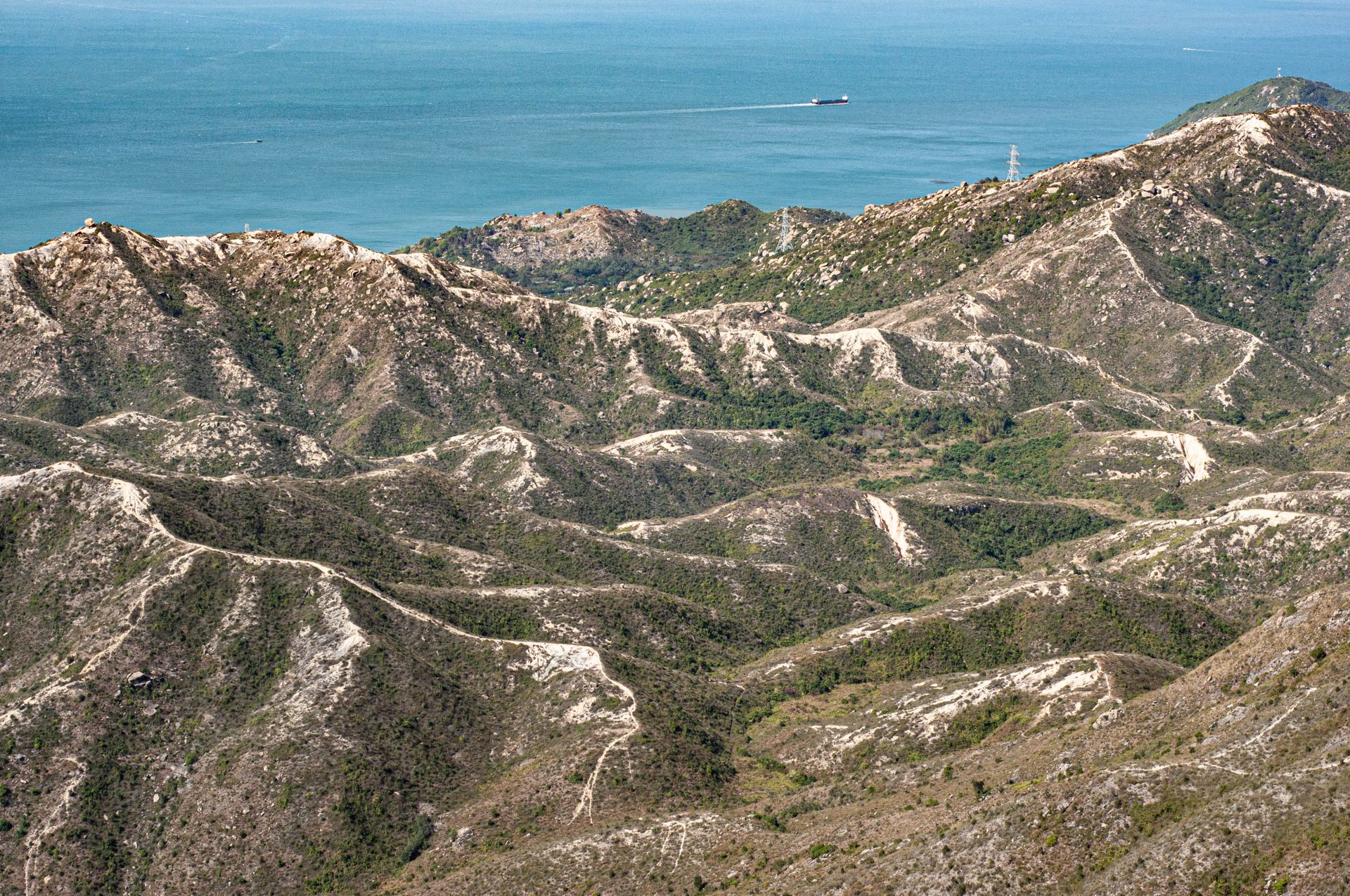
Dragon's Back
A ridge line above Shek O and Stanley Bay, starting just ten minutes from a bus stop yet with views stretching to the South China Sea.
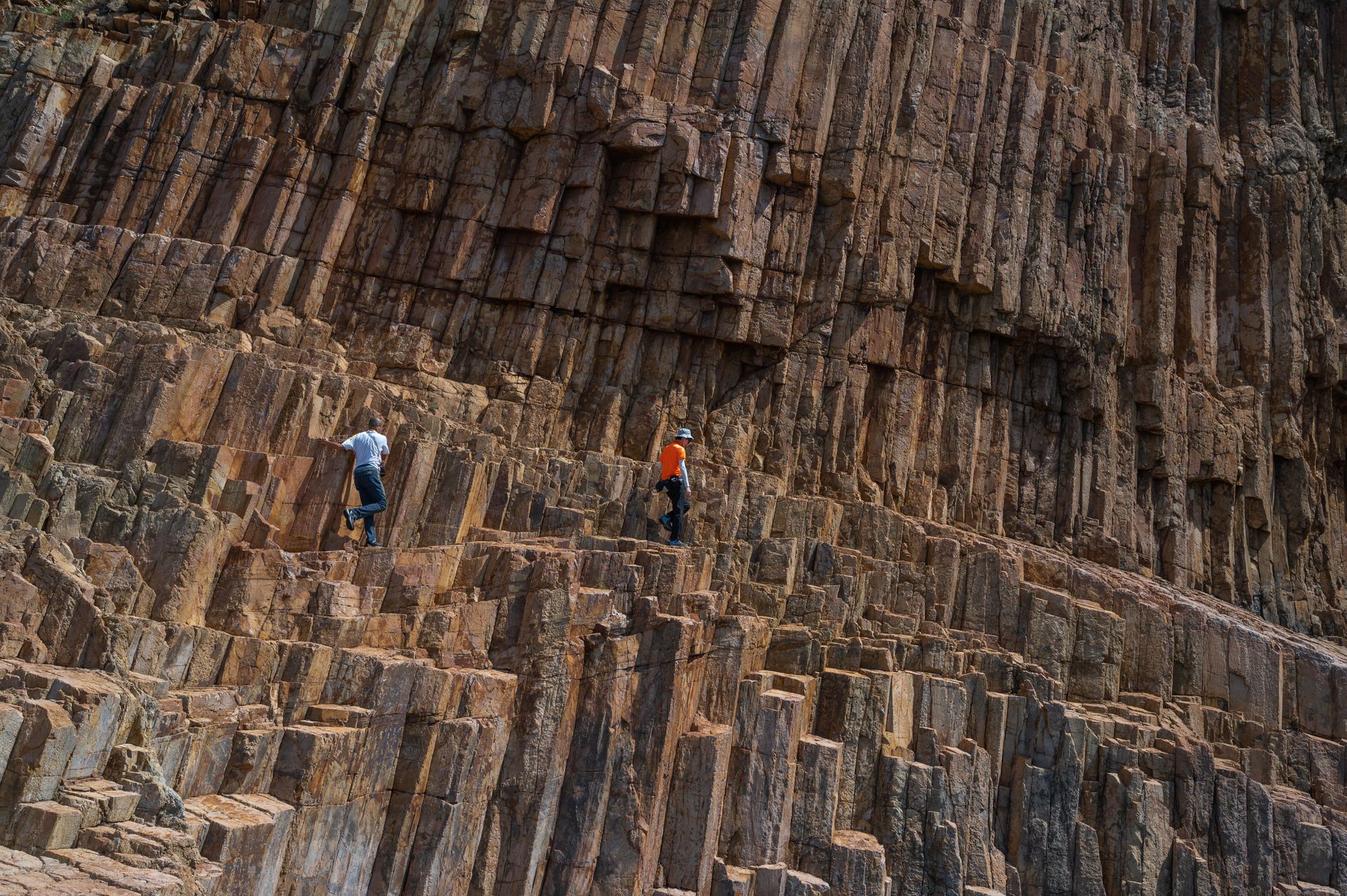
Sai Kung Geopark
Hexagonal volcanic columns, kayak trips along deserted bays, and a peninsula still known as 'Hong Kong's back garden'.
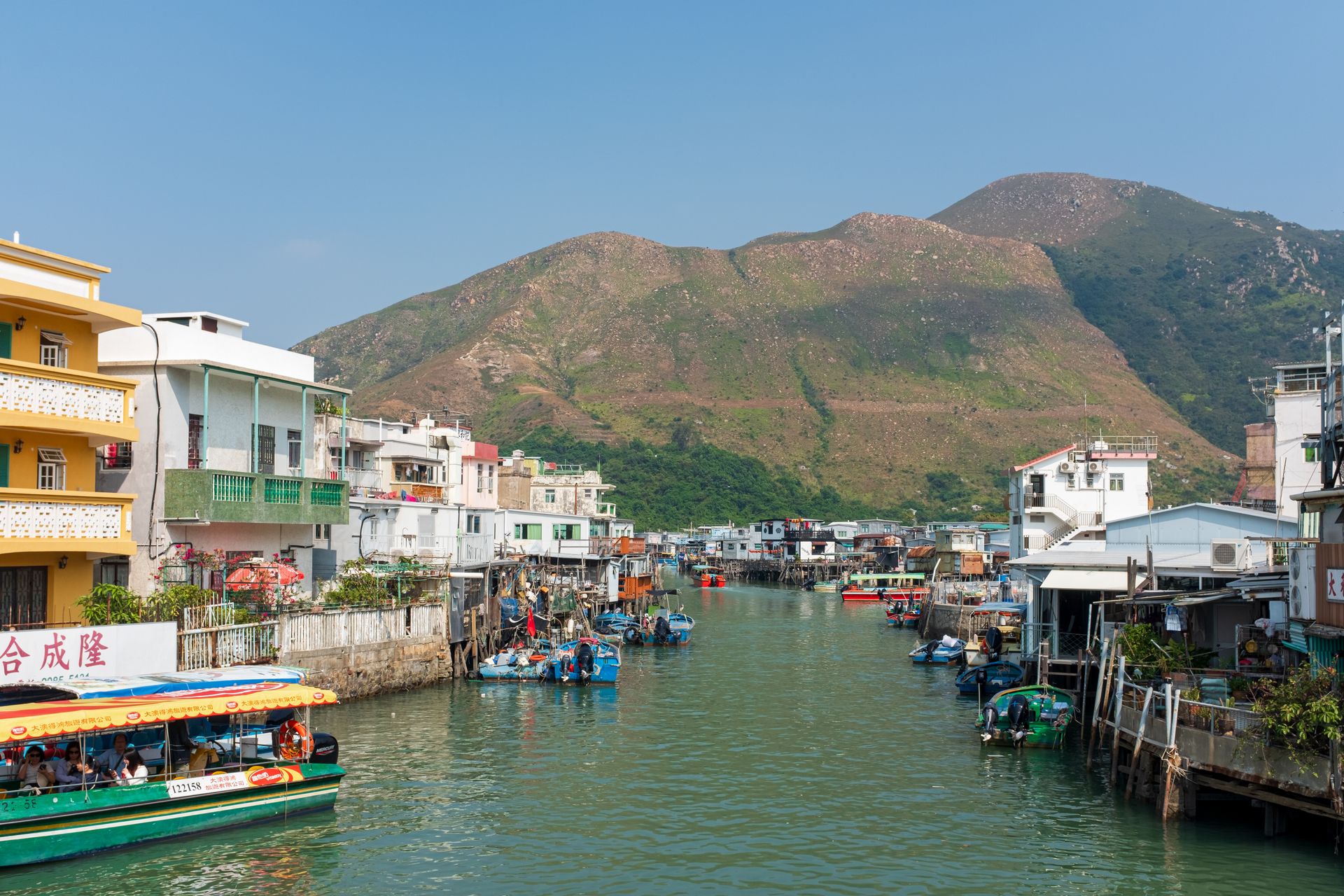
Tai O and the pink dolphins
A stilted fishing village on the west side of Lantau, where the region's last Chinese white dolphins still hunt in the bay.
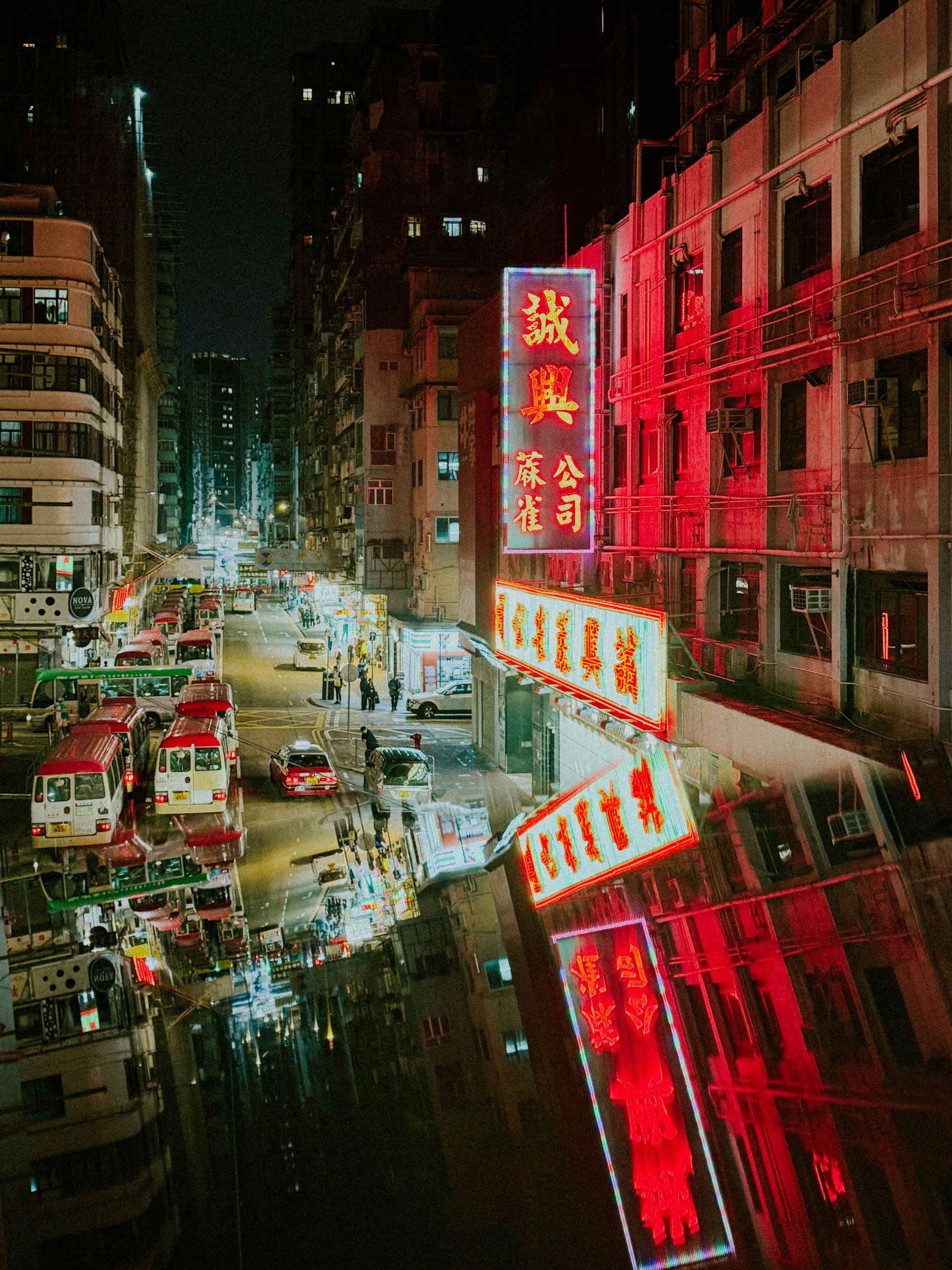
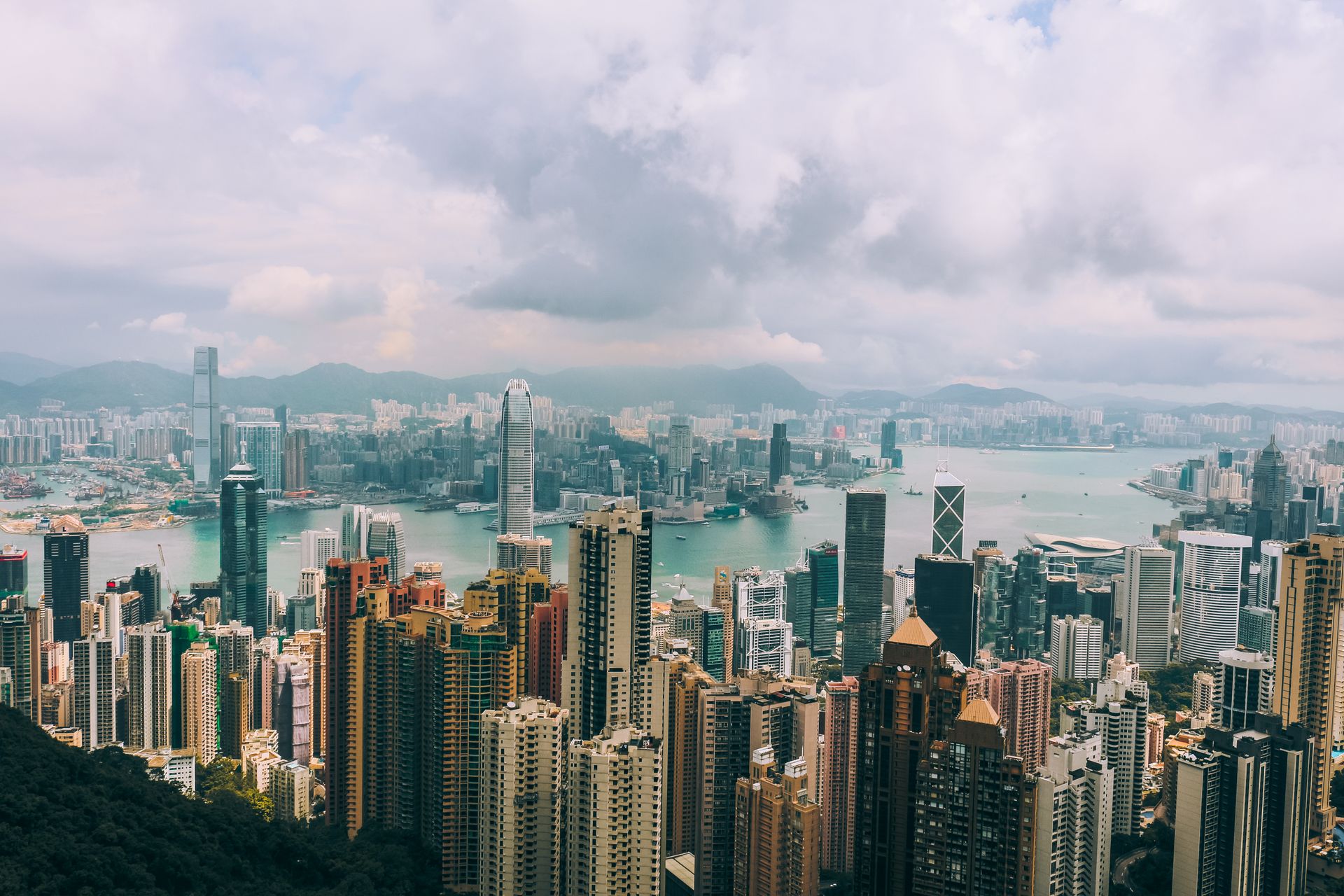
Forty minutes from neon to nothing but wind.
What you can do here
Hong Kong cannot be captured in a single register.
No fixed programme. But a city that opens up the moment you change register.
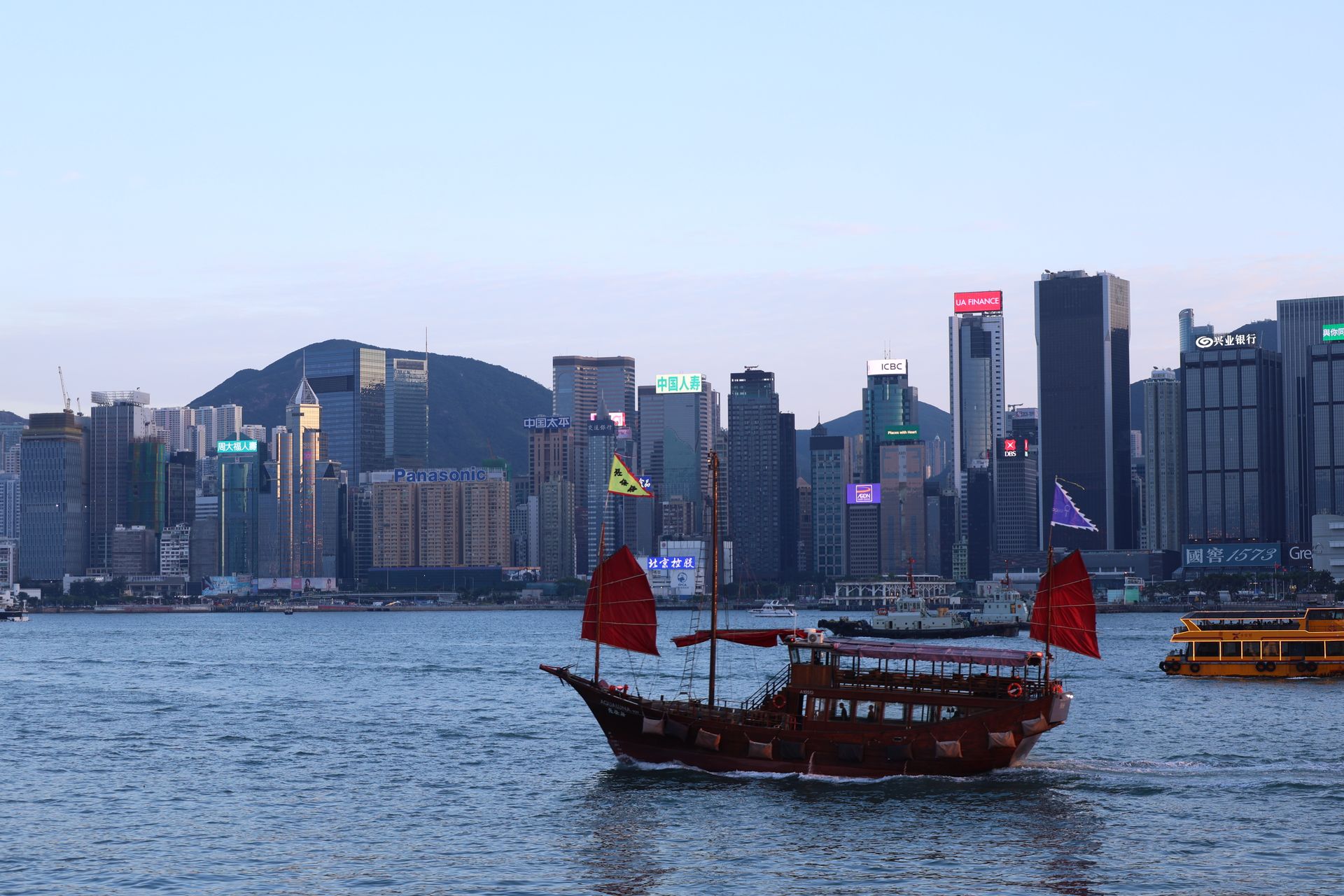
A junk across the harbour
At sunset, as the skyline slowly switches on its lights: the classic way to see Victoria Harbour from the water.
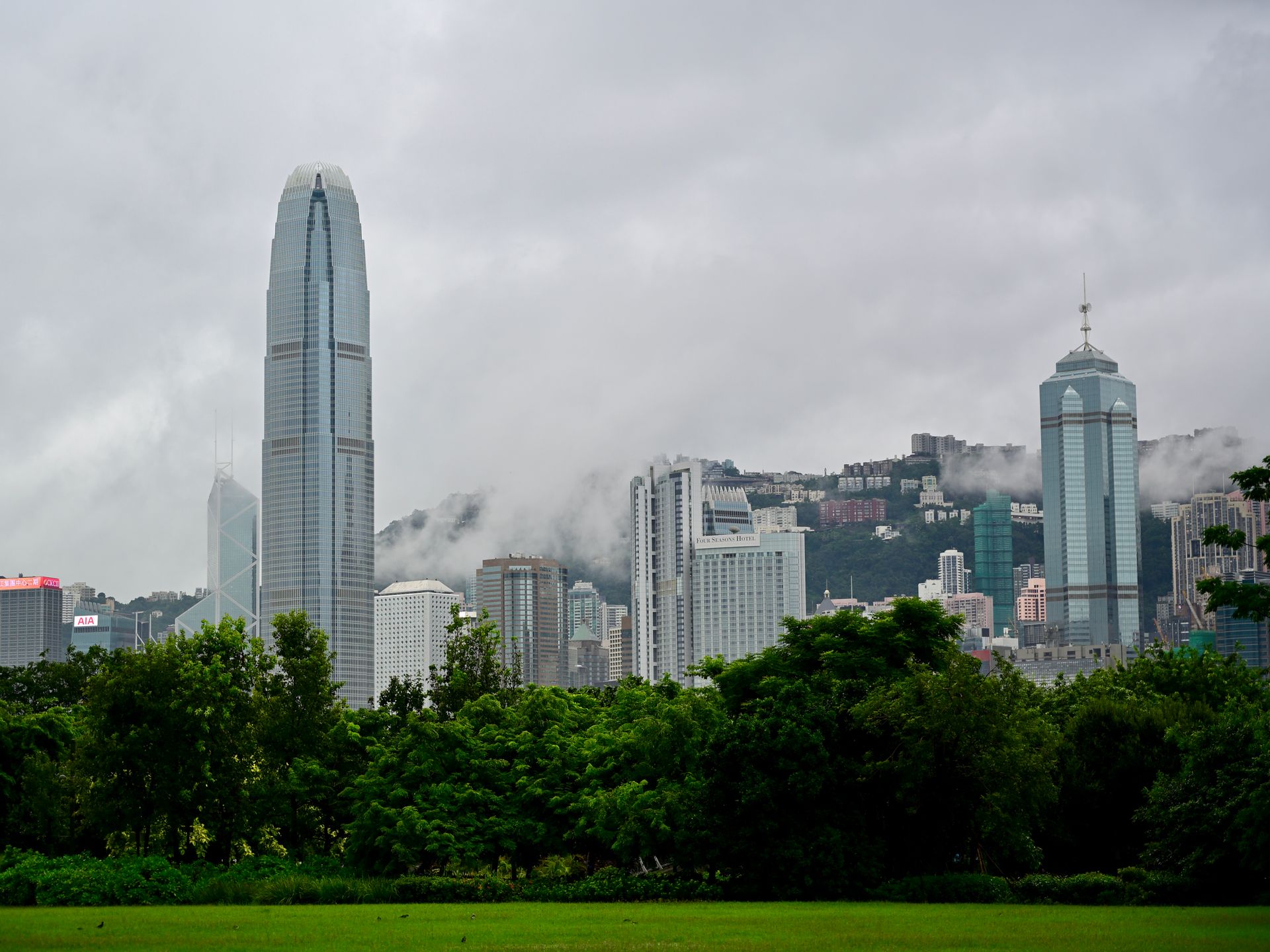
Early to the Peak
Before the Peak Tram wakes up with day-trippers, walk the Peak Circle Walk around the summit while the city below still hangs in mist.
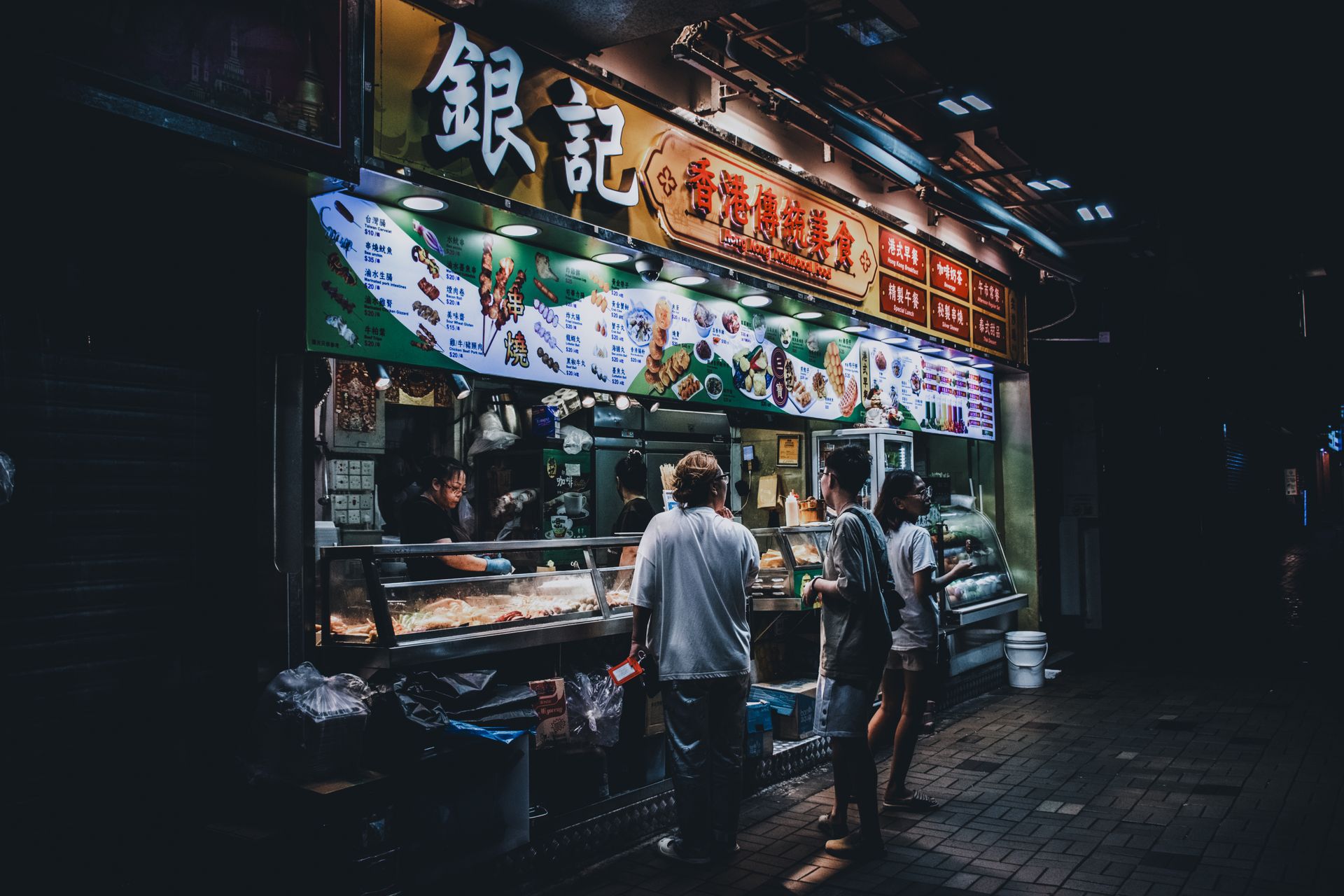
Temple Street by night
Fortune tellers, street opera and stalls grilling squid: the Kowloon night market as it has existed for decades.
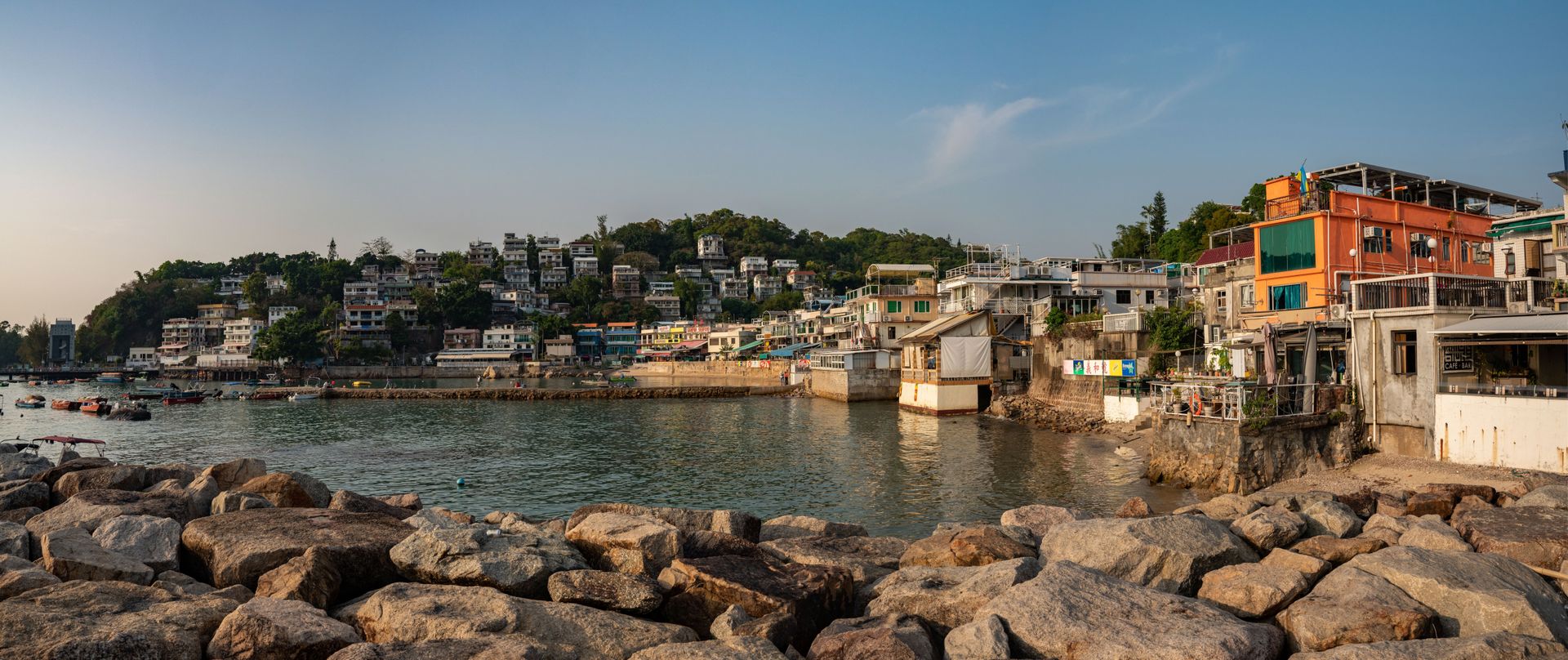
Crossing over to Lamma
Twenty minutes by boat for a completely different pace: no cars, fresh fish on the terrace, a walk back to the ferry pier.
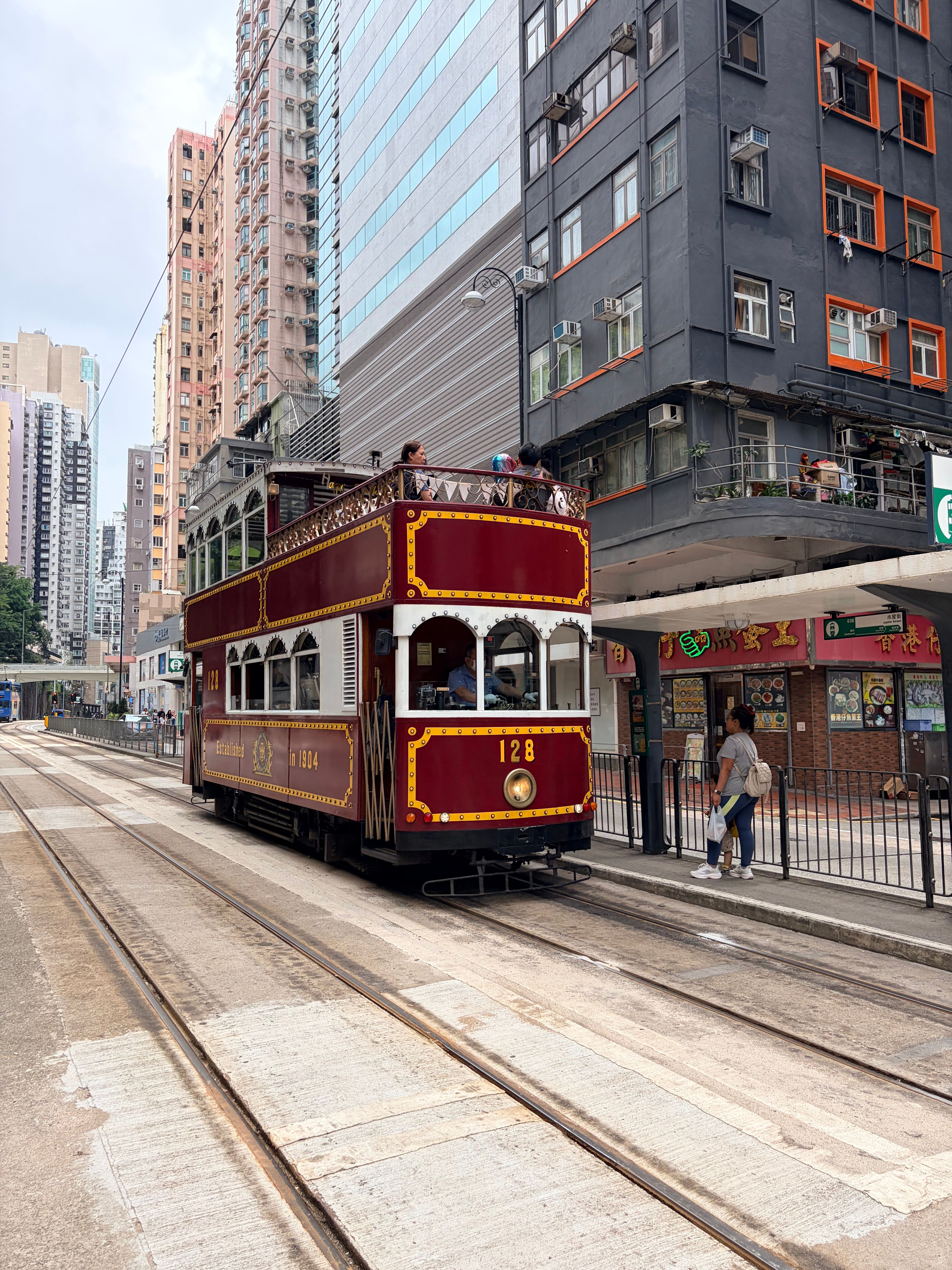
Taking the Ding Ding
The double-decker tram that has run across the north of Hong Kong Island since 1904: slow enough to really see the city.
What you combine shapes the trip. We help work out the order that suits you, not a fixed schedule.
Looking past the highlights
How we look at Hong Kong
More than a stopover Hong Kong is often booked as a stopover. Anyone who gives it four days to a week discovers a city that is already a complete trip in itself.
Density and emptiness in balance The tension between the busiest streets in the world and quiet country parks is not incidental. It's what Hong Kong is about.
Eat as the city eats Not the tourist menu, but the cha chaan teng around the corner and the wet market where the neighbourhood does its own shopping.
Islands are not a day-trip tick box Lamma or Cheung Chau deserve time, not a photo squeezed between two metro stops.
When would you travel?
When to travel to Hong Kong
Hong Kong sits just within the tropics, and you can feel it: summer is hot, oppressively humid, and the period when typhoons most often track towards the coast.
From October to December it turns drier, sunnier and pleasantly mild: the months when the city itself lives most outdoors, from the country parks to the rooftop terraces in Central.
Best time to visit Hong Kong
Jan
Feb
Mar
Apr
May
Jun
Jul
Aug
Sep
Oct
Nov
Dec
Top: dry, sunny and mild, the best months for walking the city or the trails.
Good: warming up with a chance of showers, still perfectly travel-friendly.
Fair: high humidity, oppressive heat or the risk of typhoons in summer.
Same months, other destinations
Who else is at their best in these months?
Not ready to ask yet?
Leave your email address. A month before the good time begins, we send you one reminder. Nothing more.
You will first get an email to confirm. You can unsubscribe at any time, with one click.
Rather talk it over?
Leave your name and number. We will call you at a time that suits you.
Worth knowing
Practical, without the noise.
A few things that make planning easier.
- Getting there
- There is a direct route from Brussels several times a week; with a stopover in Doha, Istanbul or Frankfurt, the journey takes 15 to 18 hours.
- Documents
- Which travel documents you need depends on your nationality, and entry rules change regularly. We go through the current requirements with you before you leave.
- Health
- No mandatory vaccinations, and excellent medical care available in the city itself.
- Pace
- The metro (MTR) is fast and easy to navigate, but pedestrian density in Central and Mong Kok calls for route planning during rush hour.
From neon light to mountain top in forty minutes.
Hong Kong is never just one city.
Frequently asked questions
What travellers ask us most often about Hong Kong.
Is Hong Kong best combined with a stopover, or does it deserve a full stay?
As a stopover you miss most of it: the country parks, the islands, the change of pace between Kowloon and the New Territories. A full stay of several days does the city more justice.
Is it a suitable destination to combine with another country in the region?
Yes, Hong Kong sits particularly centrally in Southeast and East Asia, and its airport is one of the best-connected hubs in the region. Which combination makes sense depends on what else you want to see.
What about the humidity and summer typhoons?
From June to September it can be oppressively warm, and typhoons can temporarily disrupt travel plans. That doesn't rule out summer, but it's something we take into account when planning.
Is Hong Kong a good destination for walkers, or mainly a city destination?
Both, and that's exactly what makes the city special: trails such as the Dragon's Back and the MacLehose Trail start literally on the edge of the built-up area.
Or perhaps this
Other destinations
Still weighing it up? That is no problem at all. The right country often only becomes clear once the conversation starts.
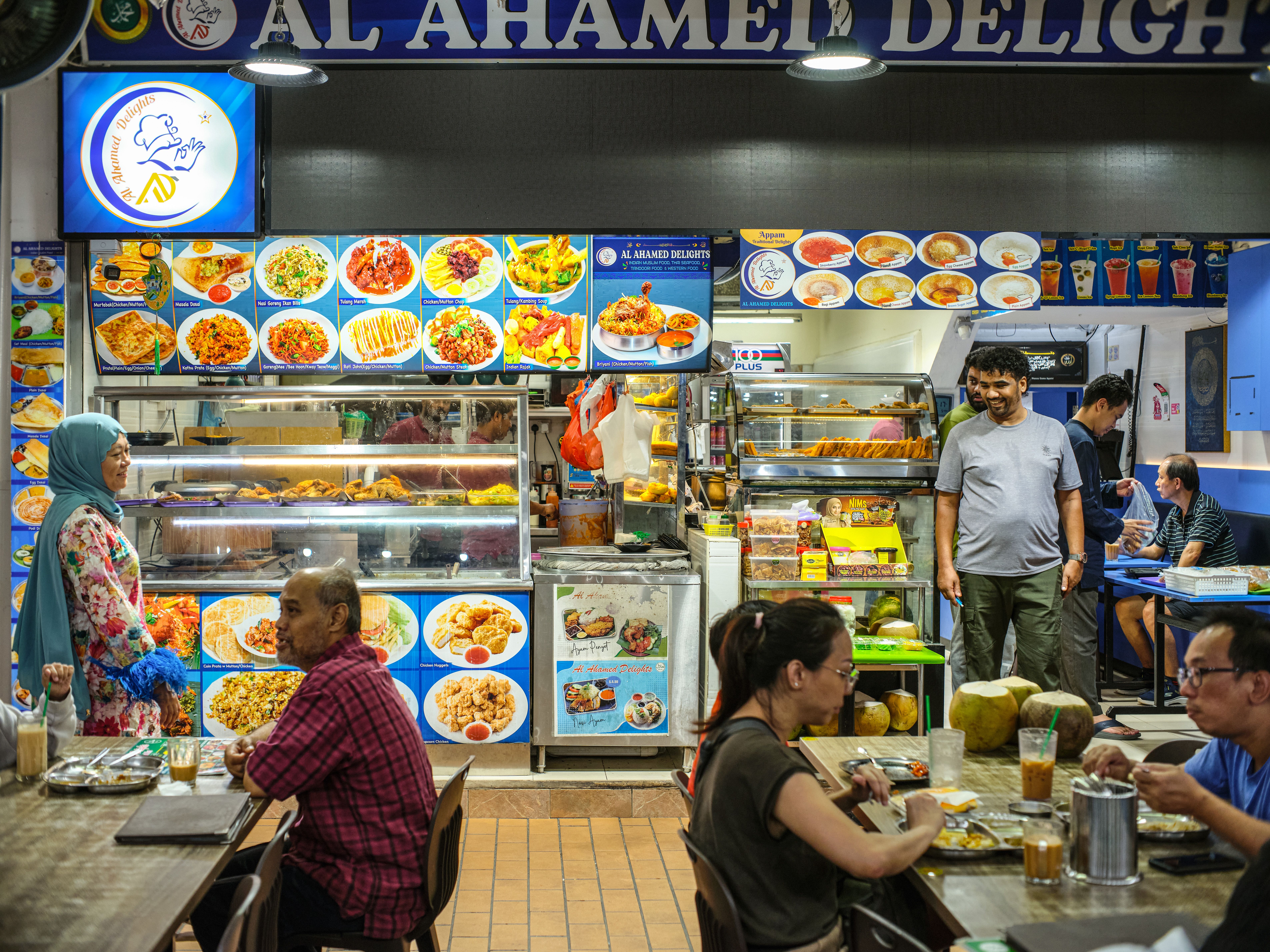
South-East Asian city state
Singapore
Order and jungle blend here with ease, and the food comes closer to the country's true character than its skyline does.
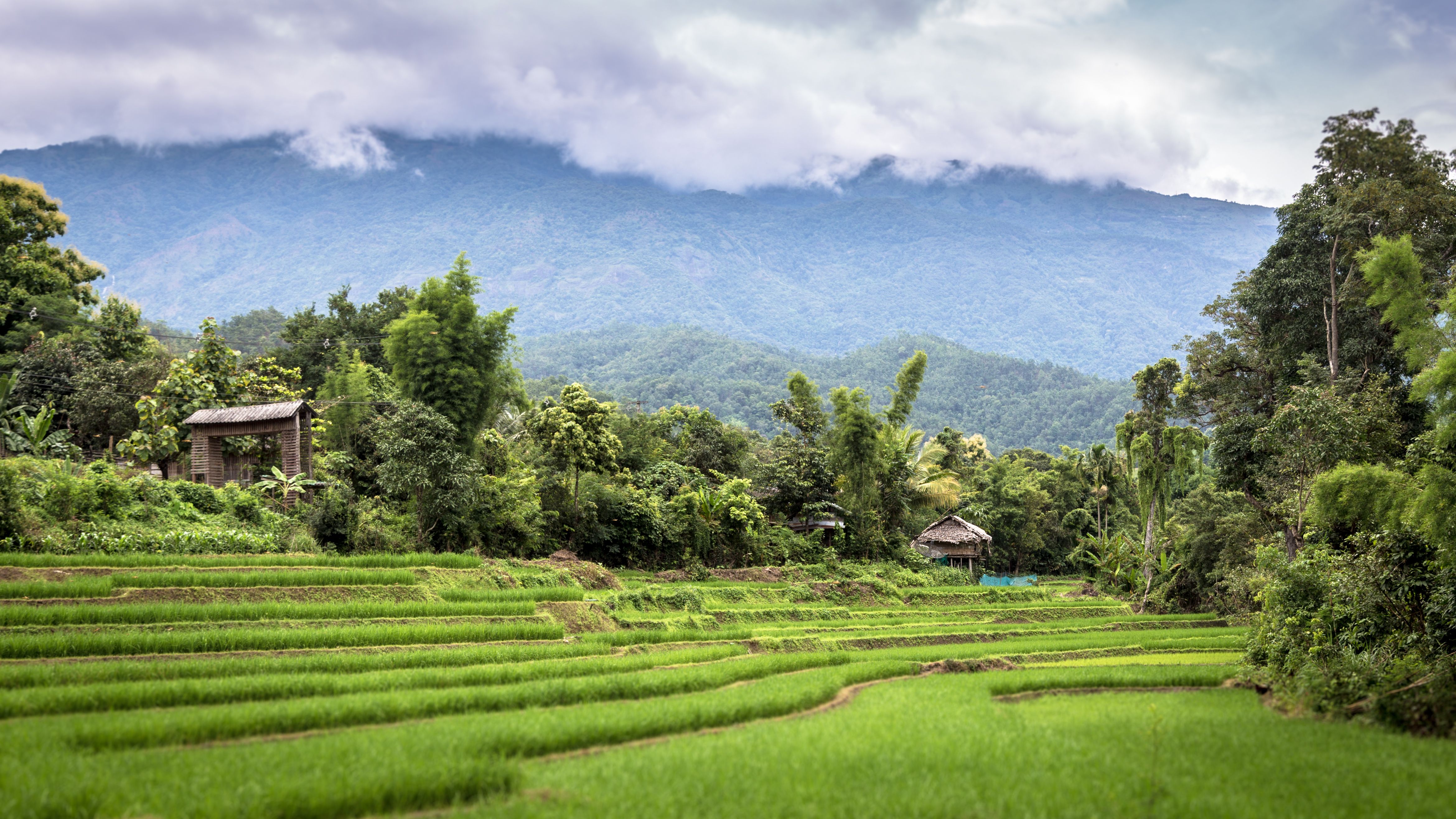
South-East Asia
Thailand
From busy Bangkok streets to quiet mountain villages in the north, this country has as many faces as it has provinces.
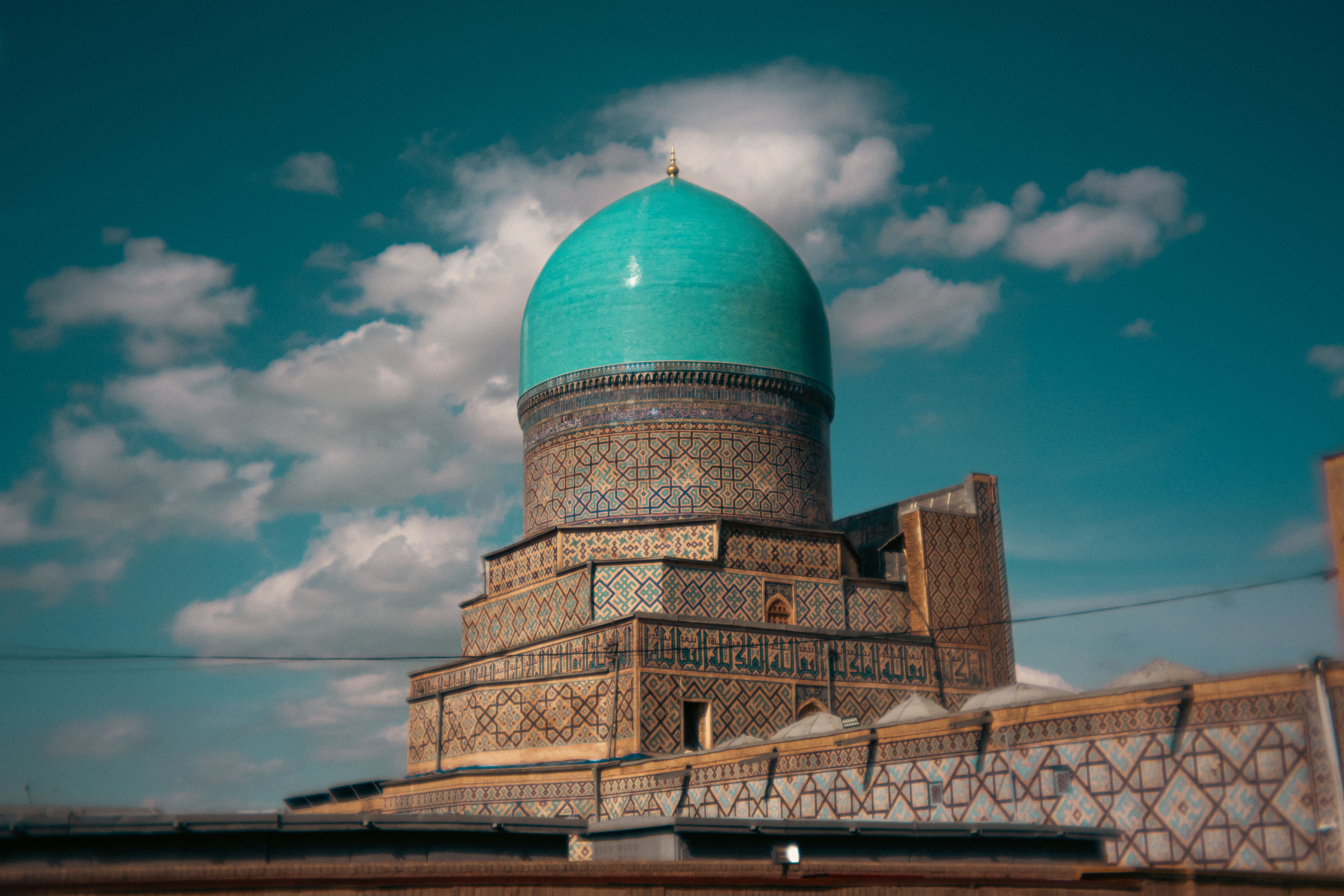
Silk Road, Central Asia
Uzbekistan
Turquoise domes and hushed caravanserais that still tell the story of where the Silk Road once converged.
How it works
This is how your journey to Hong Kong takes shape.
Six steps, from your first story to your homecoming. The conversation and the feasibility check cost you nothing.
-
01
Tell us your story
Fill in the form or give us a call. You do not need a route yet: a country, a period or just an idea is enough.
-
02
The conversation and the check
We call you within two working days. We talk through what you are looking for and check whether it can be done. If it can, we set down together what we will make for you.
-
03
We design your journey
We build your programme up, day by day, together with our own people in the country itself.
-
04
Your proposal
You read your journey day by day, with everything that is included. You say what you would like differently, until it is right.
-
05
Ready to depart
You send us your details, we send you your travel documents. You have one fixed contact who knows your journey.
-
06
Travelling, and after
Your contact stays reachable while you are away. Once you are home, we call one more time.
The next step
How would you like to experience Hong Kong?
Tell us whether you want to feel the streets of Kowloon, seek the calm of the islands, or combine both. We'll help you work out what fits.
Updated in October 2026