Mediterranean Europe
Italy
Twenty regions, no two alike, and no reason to rush.
This is Italy
Beauty here is not the exception. It's the habit.
Italy isn't one country. It's twenty, which happen to share a border.
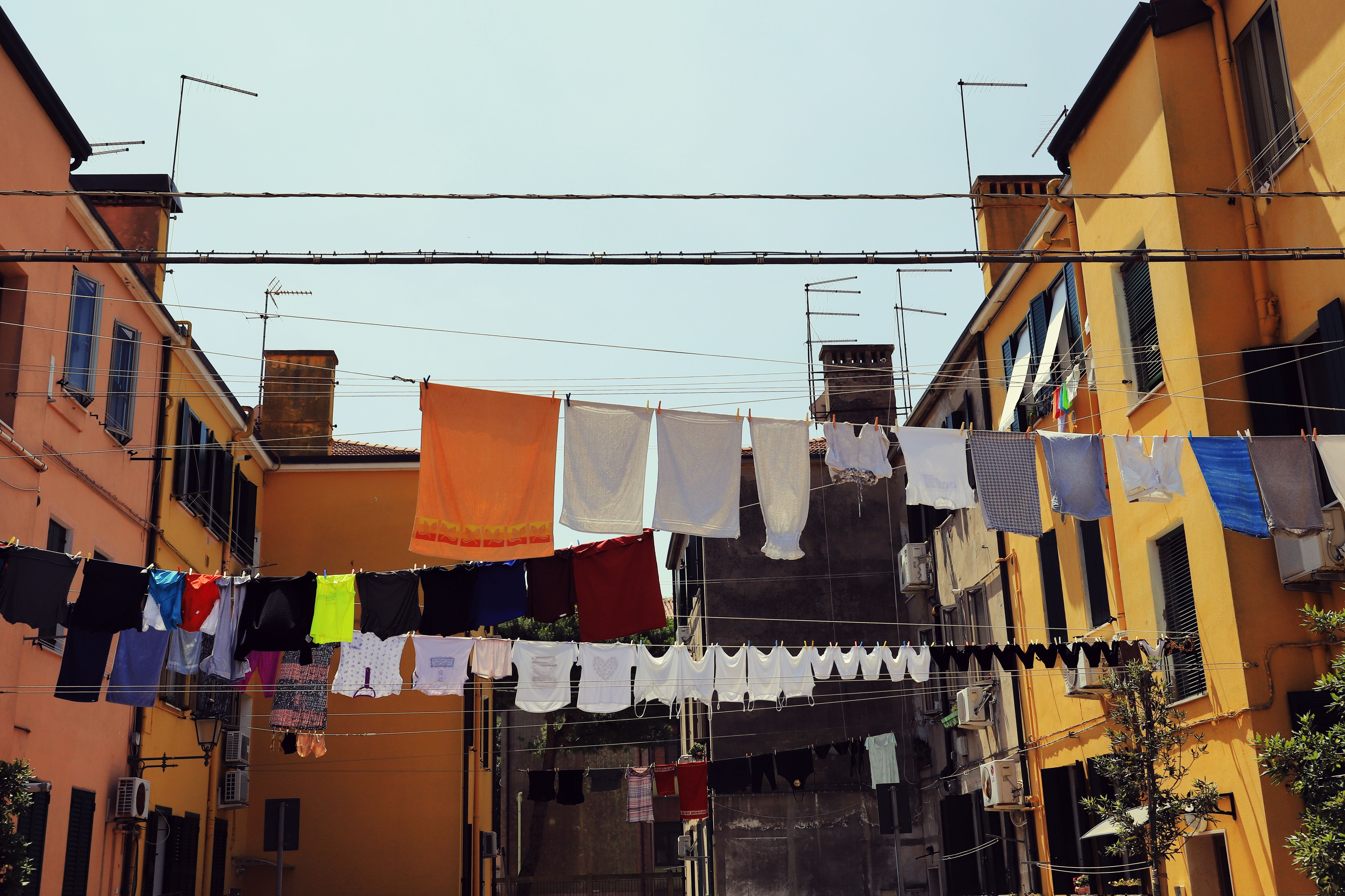
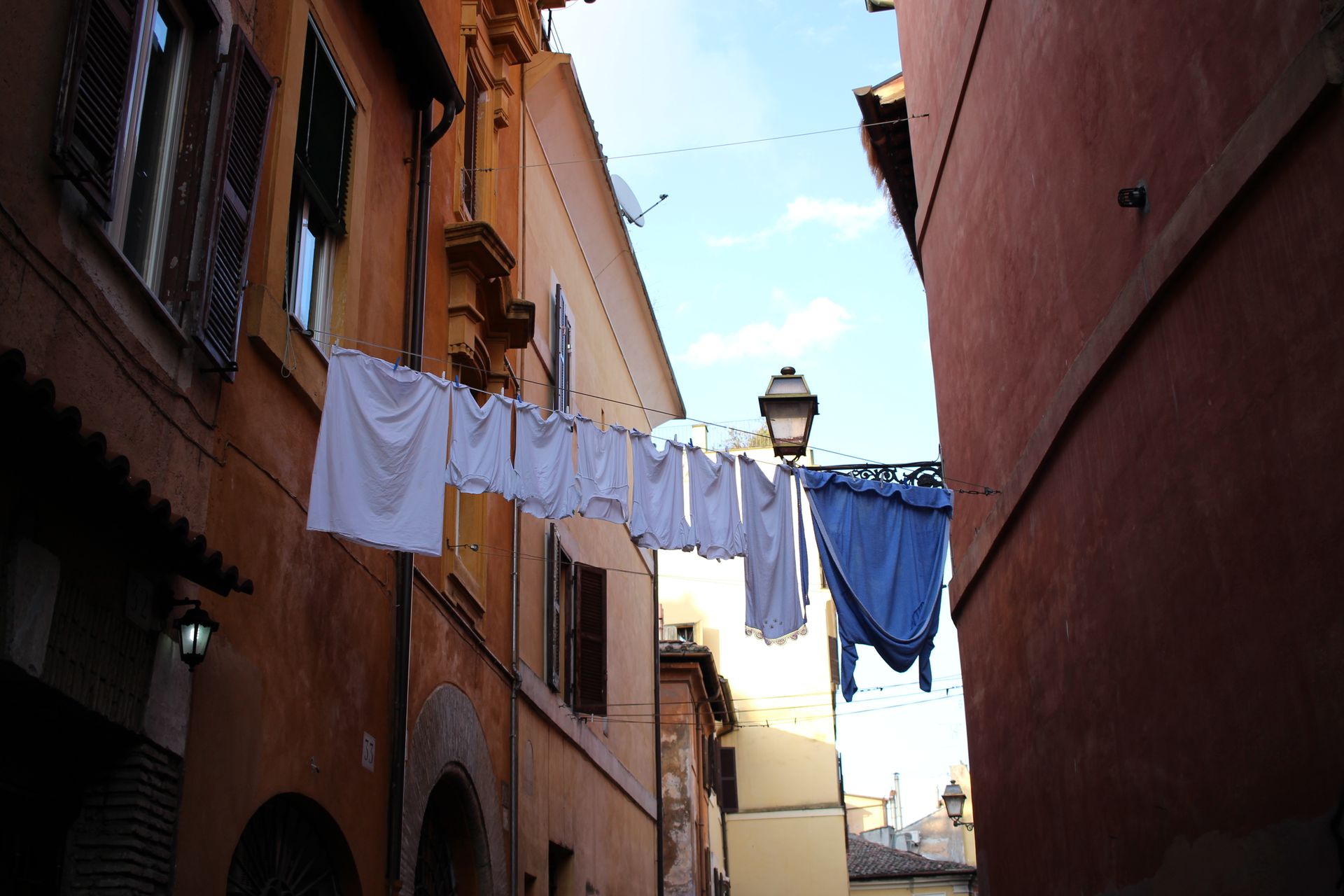
It shows in the smallest things, from a kitchen table to a piazza façade. A blue door that's had the same coat of paint for three generations, washing hung out to dry between two façades as if it were a flag, a church with no queue outside where the altar boy still carries the key in his trouser pocket. No one points it out. It doesn't need admiring to be true.
What most trips overlook is that Italy isn't one country but a collection of countries that happen to share a border. Piedmont eats, drinks and talks differently to Puglia, and Sicily has more in common with North Africa than with Milan. So we don't cram three cities and two coastlines into one trip. We choose one, perhaps two regions with you, and let you actually land there.
In short
- Best time to go
- April and May, and September and October: long light, pleasant temperatures and terraces that are not yet full. July and August are hot in the cities and busy on the coast, because that is when Italy itself goes on holiday.
- How long
- Ten days to two weeks for one, at most two regions. Try to fit more into one trip and you mostly spend time on the road rather than at the table or on the piazza.
- Who it suits
- For travellers who would rather get to know one region well than tick off cities: food and wine from the people who make them, villages away from the tourist centres, walking in the Dolomites.
- What sets it apart
- Italy has only been a single state since 1861, and it still shows: twenty regions, each with its own cuisine and dialect, and in South Tyrol and the Aosta Valley German and French are official alongside Italian.
The regions
Twenty countries on one passport
Italy resists a summary. Every region has its own kitchen, its own pace, and its own way of looking at the light.
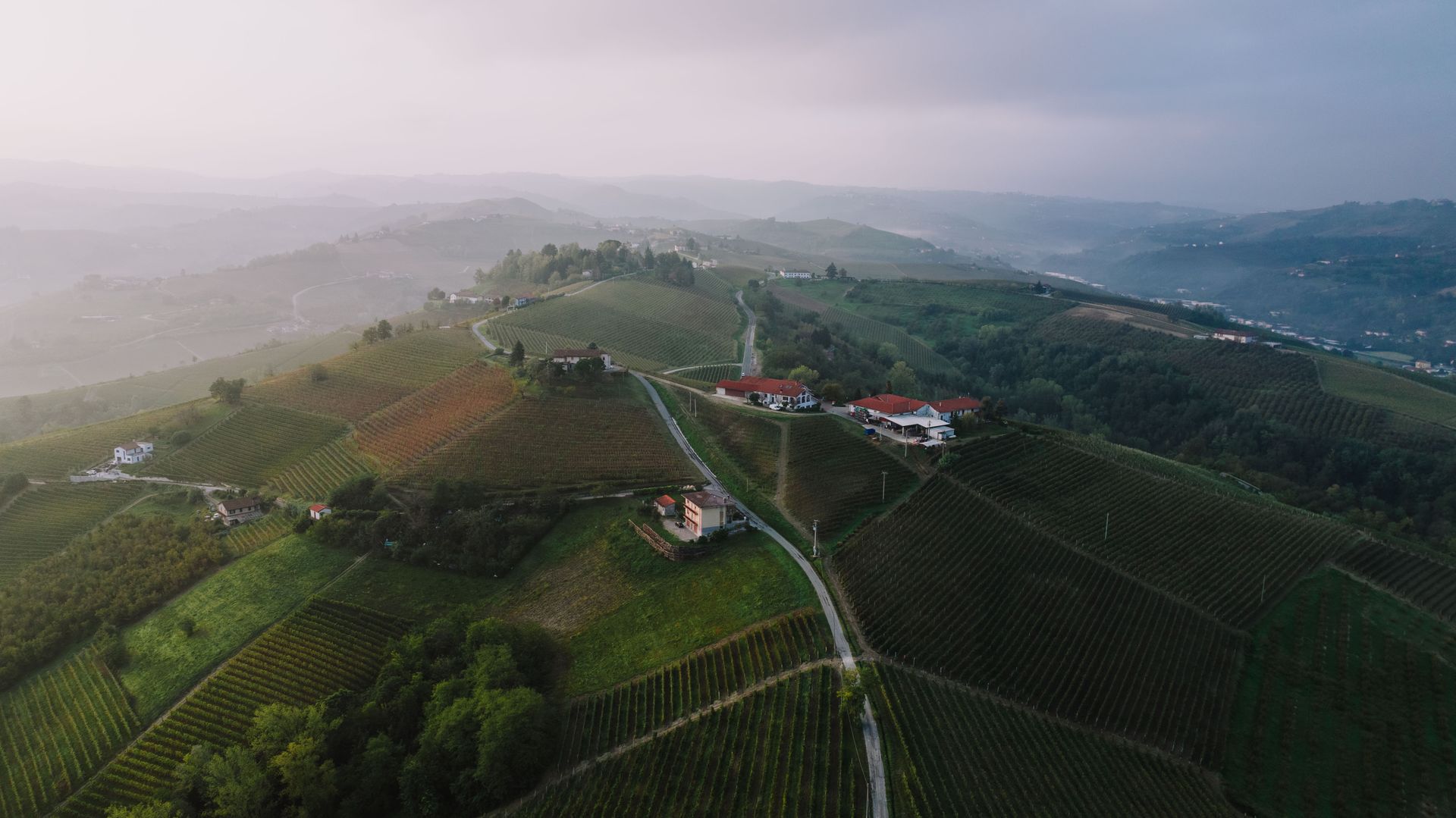
Hills and truffles
Piedmont
Misty hills thick with Nebbiolo vineyards, a kitchen built around truffle and hazelnut, and cities like Turin that have never needed to prove themselves to tourists.
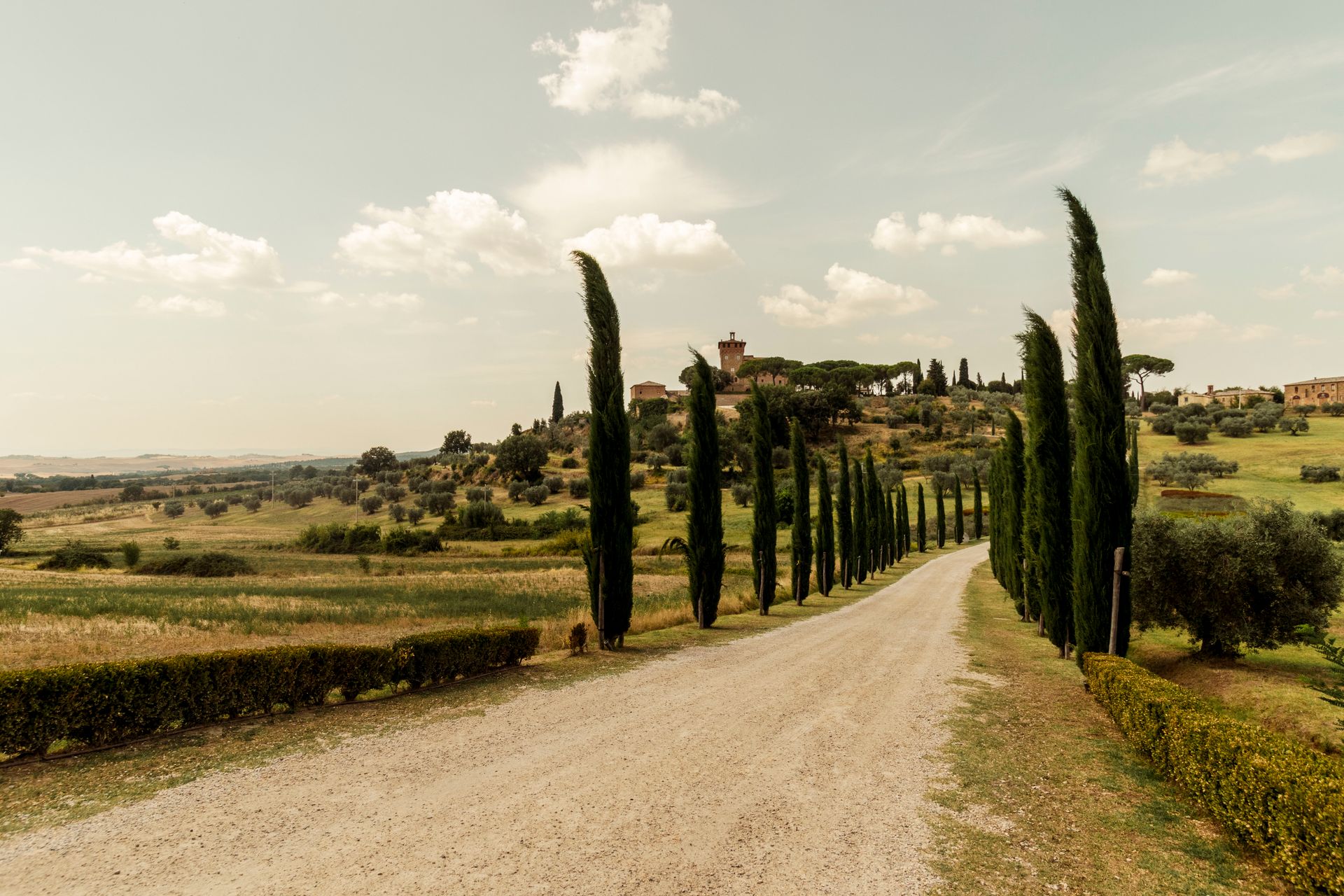
Cypresses and clay
Tuscany & Umbria
Tuscany gets the cameras, but neighbouring Umbria has the same rolling hills and medieval towns, without the crowds. Two regions best not squeezed into the same week.
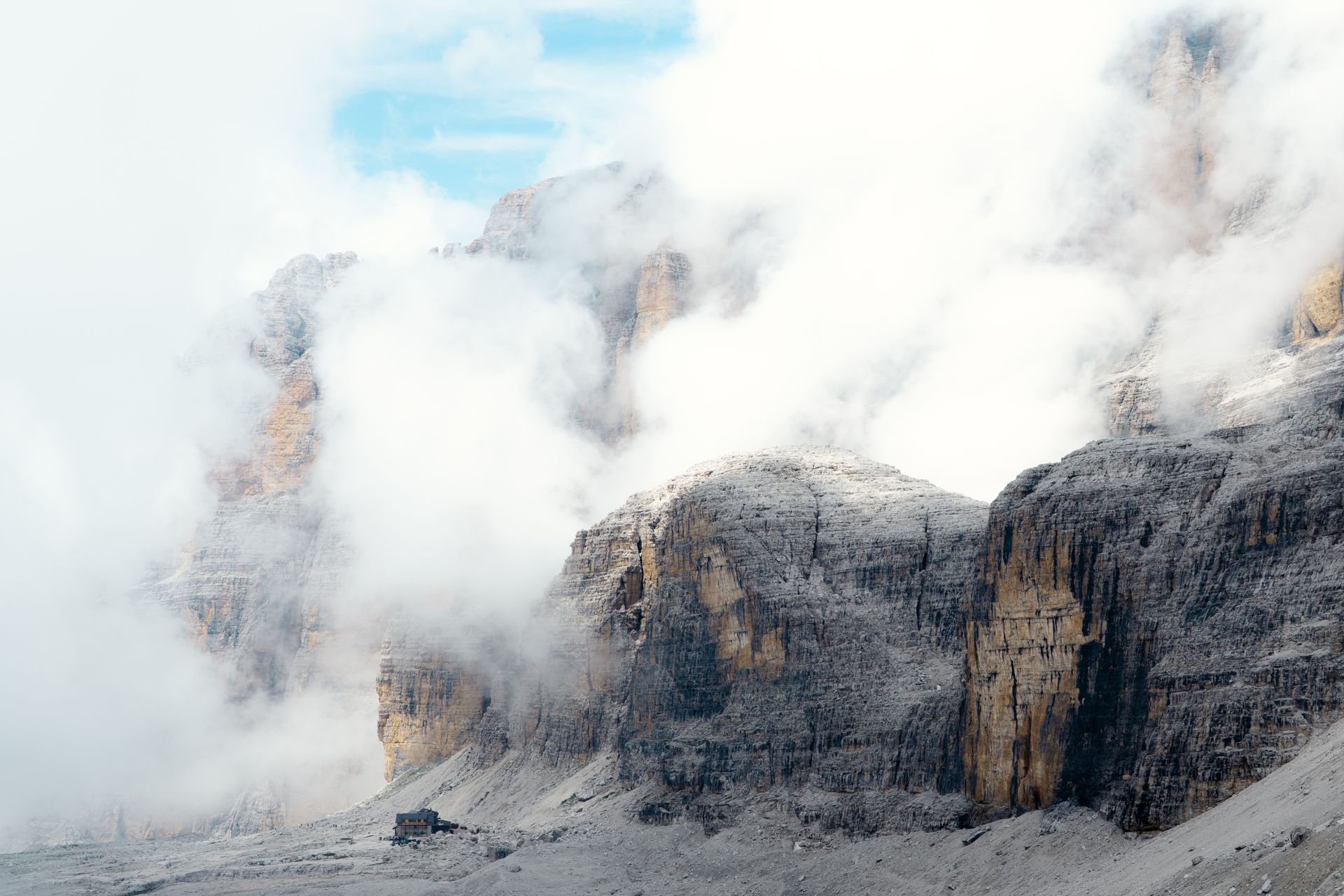
Mountains with a double tongue
Dolomites & South Tyrol
Limestone peaks that turn pink in the morning, villages where the menu reads as easily in German as in Italian, and trails shepherds were already walking a century ago.
Limestone and heat
Puglia
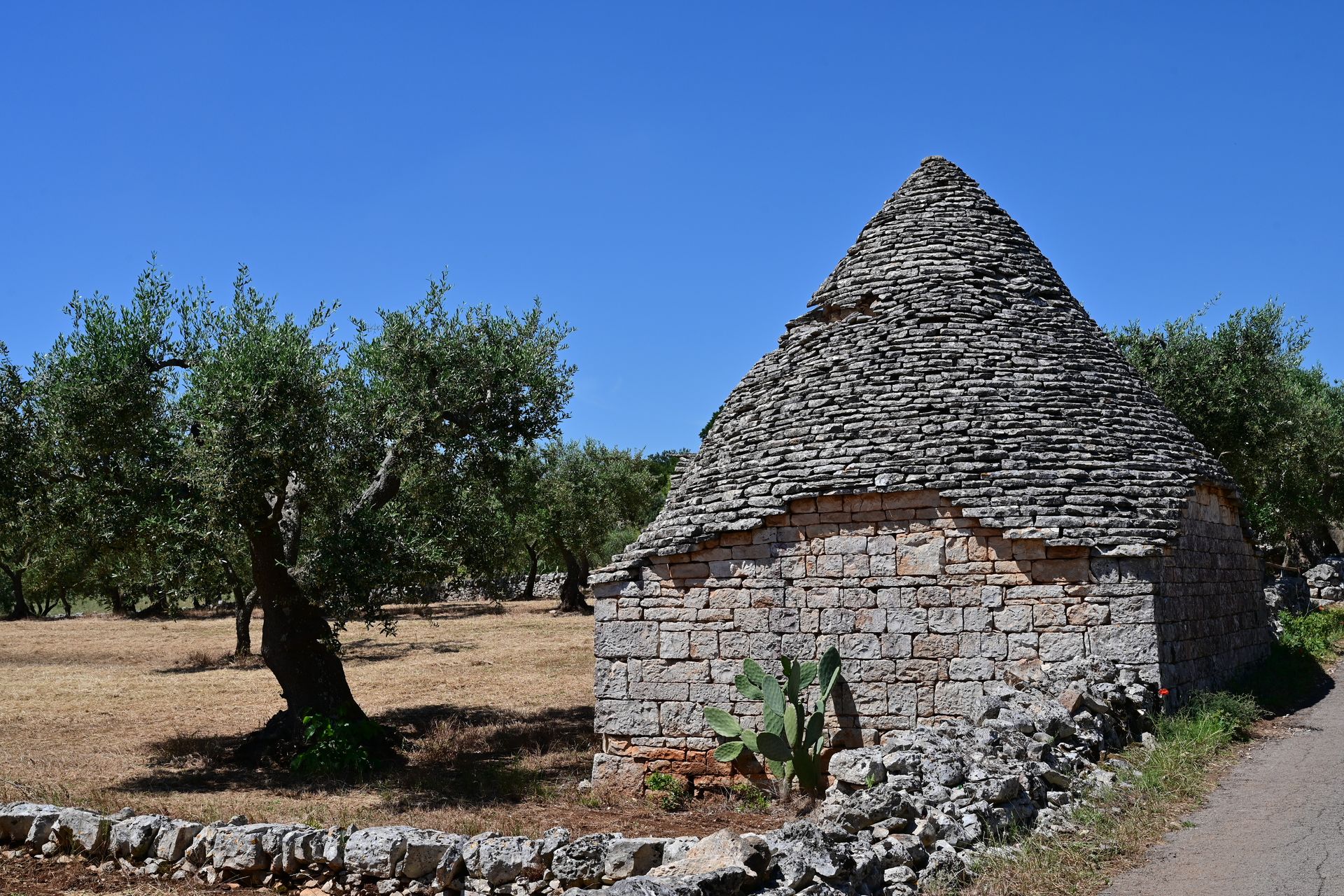
The heel of the boot, with conical trulli, olive trees so old no one counts their age any more, and an Adriatic coast that lives at a slower pace than the Amalfi Coast ever did.
Volcanic crossroads
Sicily
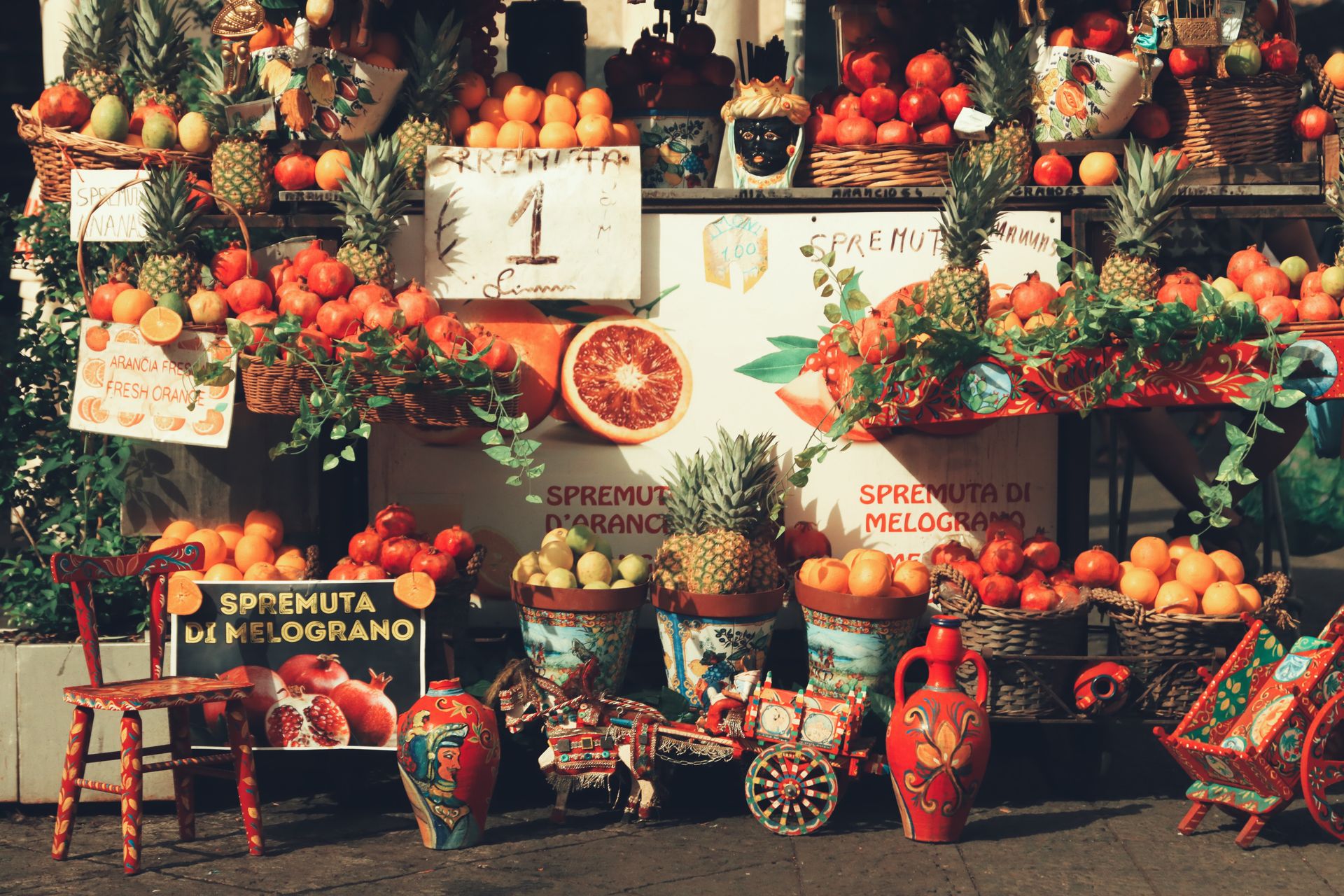
Greeks, Arabs, Normans and Spaniards all left something behind: in the kitchen, the architecture, the dialects. Etna still smokes on, as if nothing were out of the ordinary.
Layer upon layer
Rome & Lazio
Another century lies beneath every street. Stay a few days longer than the obligatory monuments demand, and you find a city of neighbourhoods, morning markets and steps no one is sitting on, waiting for you.
At the table
Food here is not a sight to see
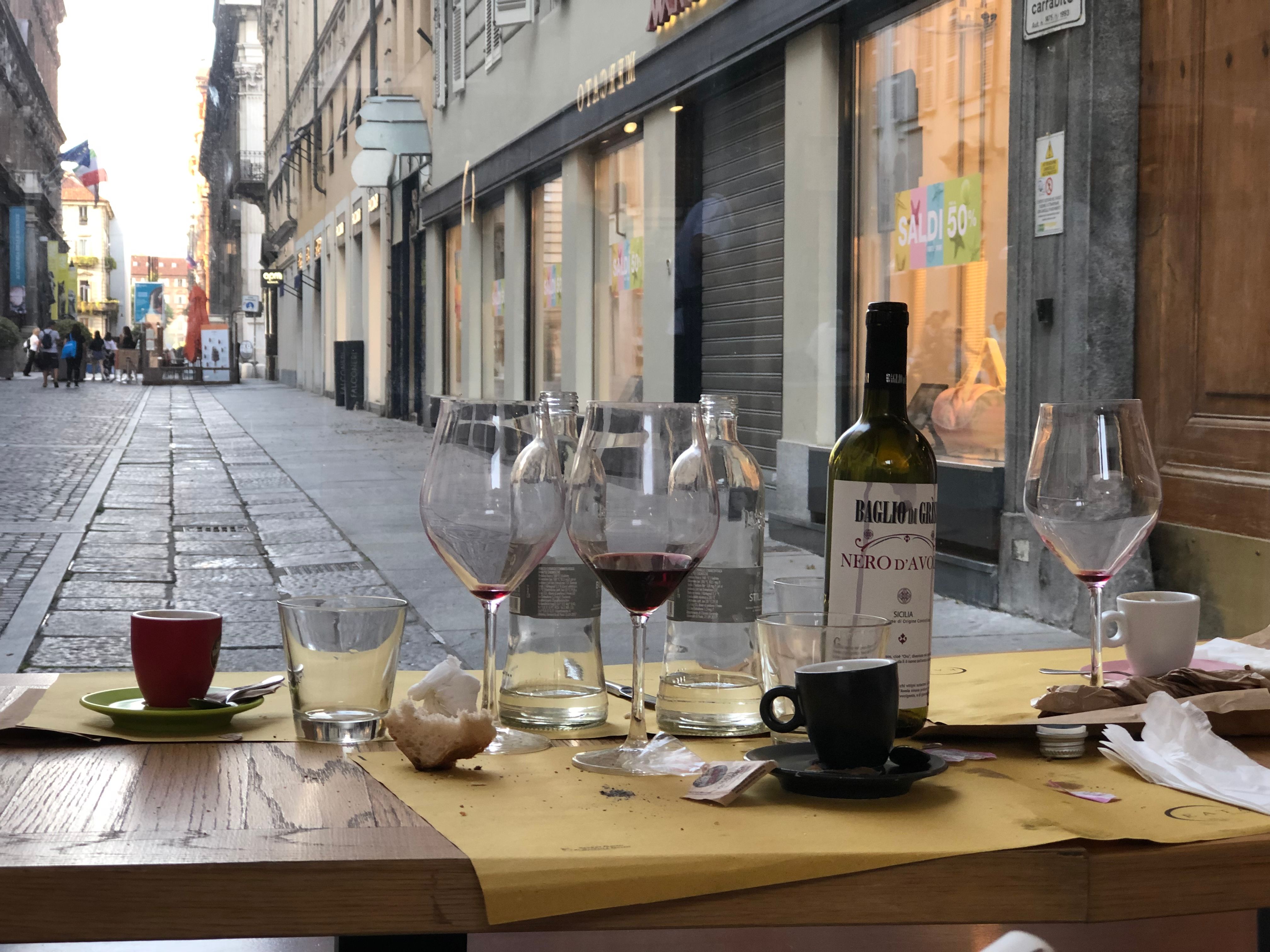
In Italy, the calendar on the table decides what happens that day, not the other way round. A pasta shape belongs to a province, not a country; a cheese ages in the cellar of the same family that started it three generations ago. The trattoria with no menu, where you eat whatever the owner's mother found at the market that morning, still exists. You just shouldn't go looking for it with a guidebook in hand.
We don't book 'authentic' dinners. Our local experts have known the people behind the counter for years, and bring you along when it fits: at harvest time, on market day, at a table really set for the family. No photo opportunity, just pulling up a chair.
Italy doesn't put on a show.
It simply carries on living. And all we ask is a seat at the table.
Looking past the highlights
Why we look at Italy differently
One country, twenty identities We build a trip around one region, at most two, not around a list of cities. Visiting Piedmont and Sicily in the same week says as much about Italy as Norway and Greece in one trip through Europe.
Craft over attraction Watching a glassblower at work on Murano says more about Venice than an hour's queue for a basilica. Our local experts know the people, not just the opening hours.
Slowness is the offer, not a compromise A day with no fixed programme is not a wasted day in Italy. It's how the country itself lives. We deliberately plan in space, not filler.
The big three are a choice, not an obligation Rome, Florence and Venice earn their reputation, but they do not automatically belong in every trip. If Umbria or the Marche suits you better, we simply suggest that instead.
Craft
Hands that know
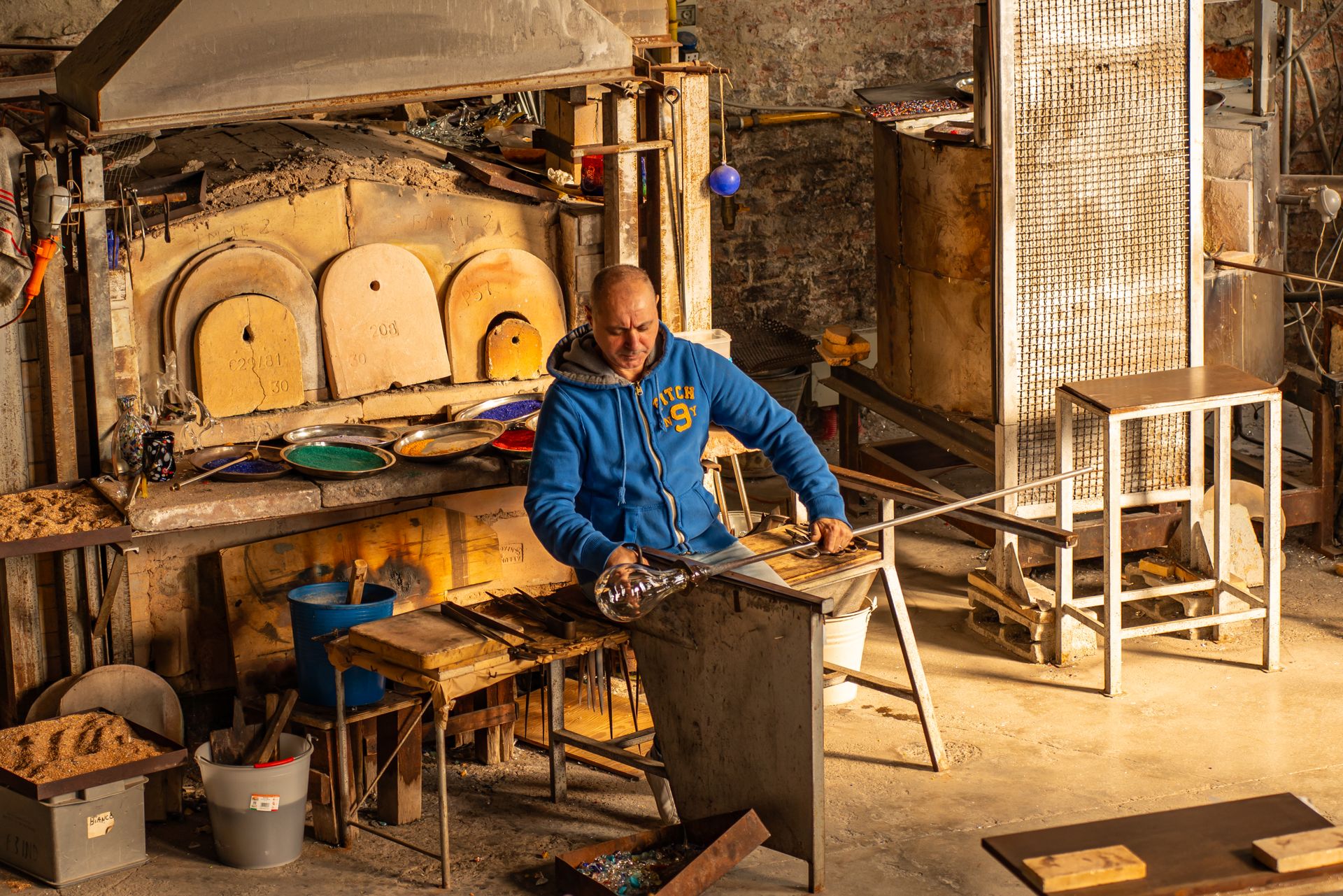
The glassblower of Murano
Five generations, the same furnace, the same family name above the door. He works early in the morning, before the day-trippers arrive from the mainland.
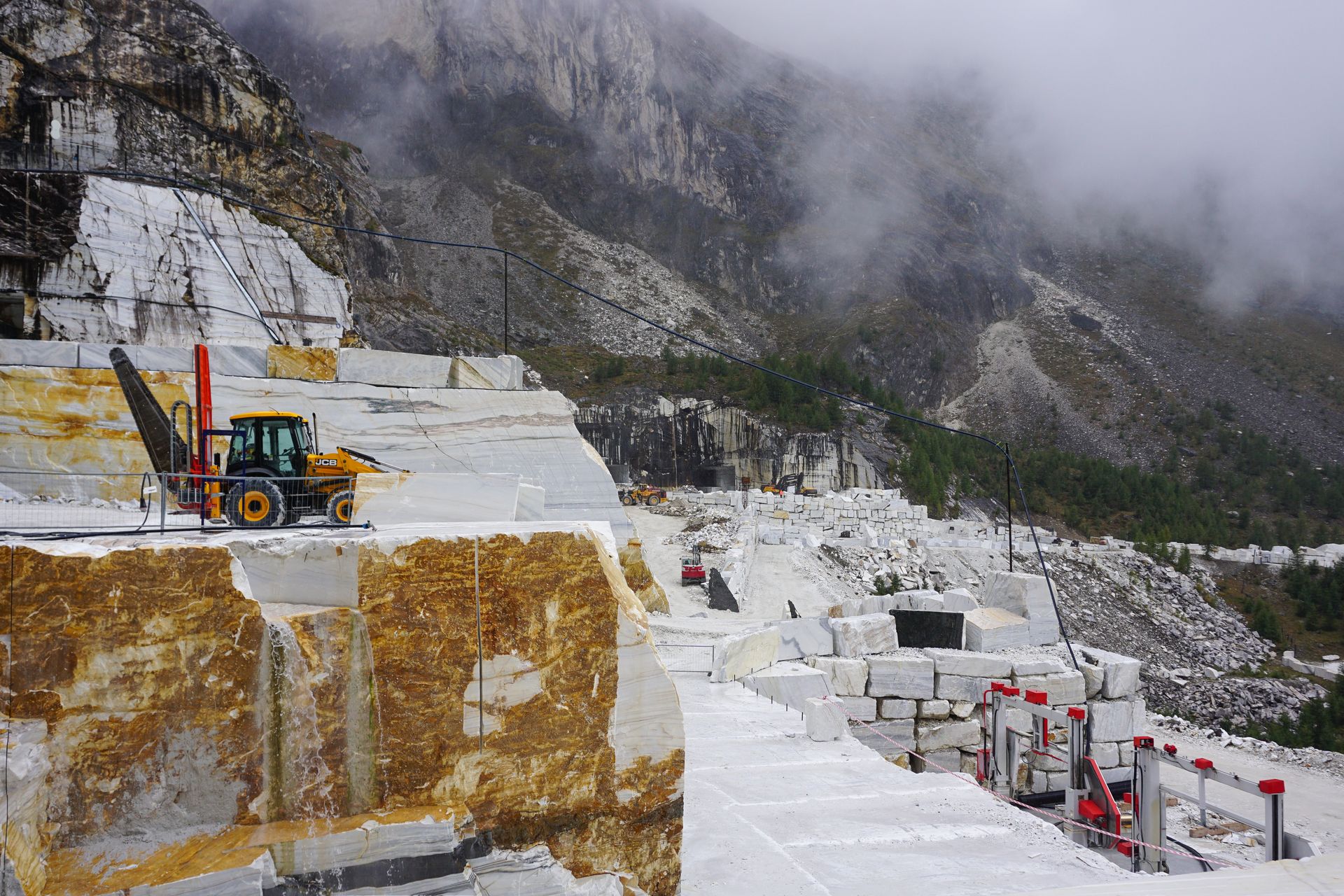
The marble cutter of Carrara
In the quarries above Carrara, marble is still cut the way it was centuries ago. Only the saw is diamond now. The dust turns the mountains white, summer and winter.
The cheesemaker of the Po Valley
Already at work by five in the morning, with milk still warm from the cow. A wheel of Parmigiano Reggiano ages for two years in the same cellar where his father learned the trade.
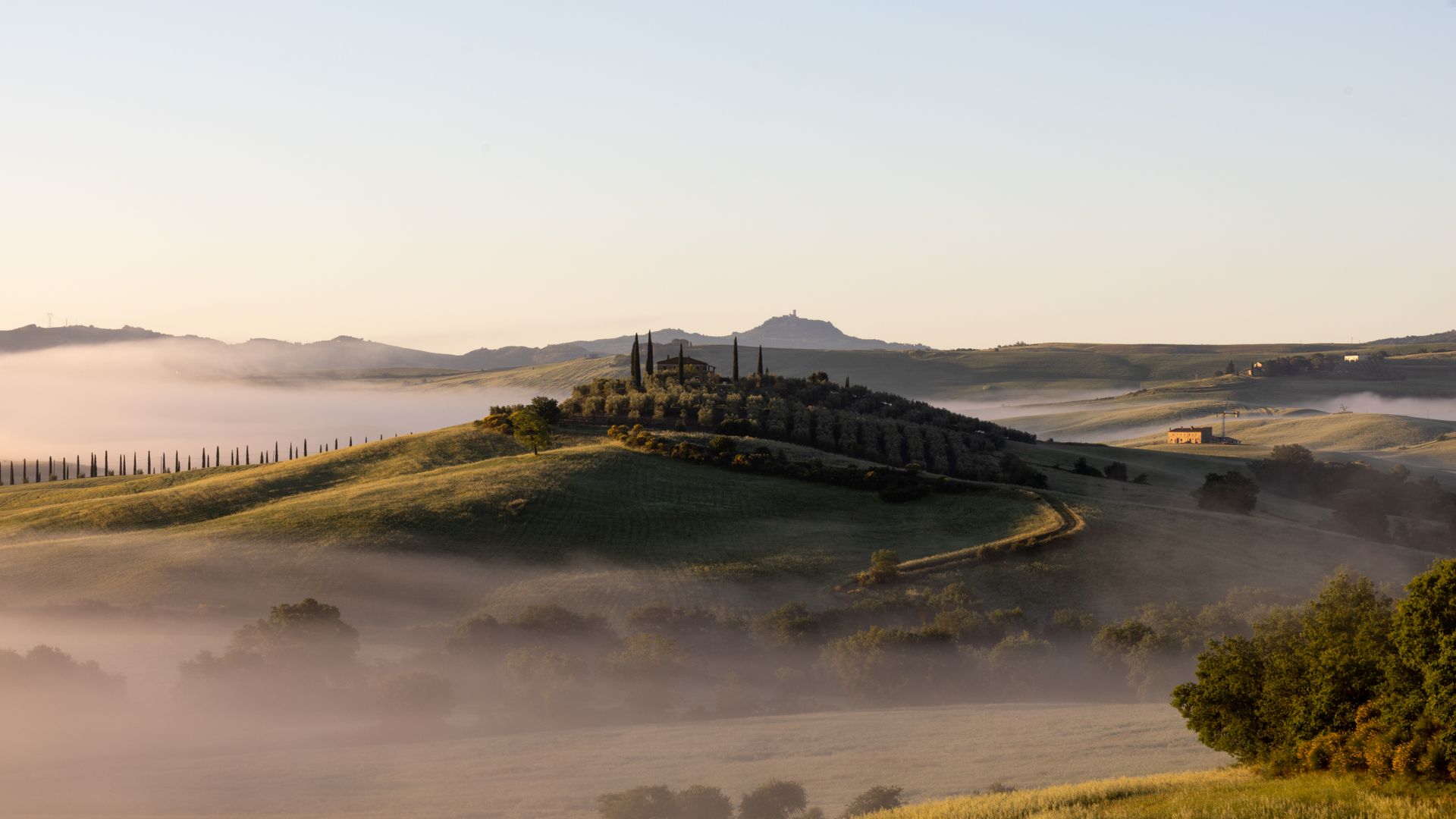
Morning light over the Val d'Orcia, half an hour before the first coach arrives.
Possibilities
What's possible
No day-by-day programme, but a range of possibilities. You choose what suits your pace.

A truffle hunt at sunrise
Into the woods of Piedmont with a trifolau and his dog, before the dew has lifted. Whatever's found reaches the table that same afternoon.
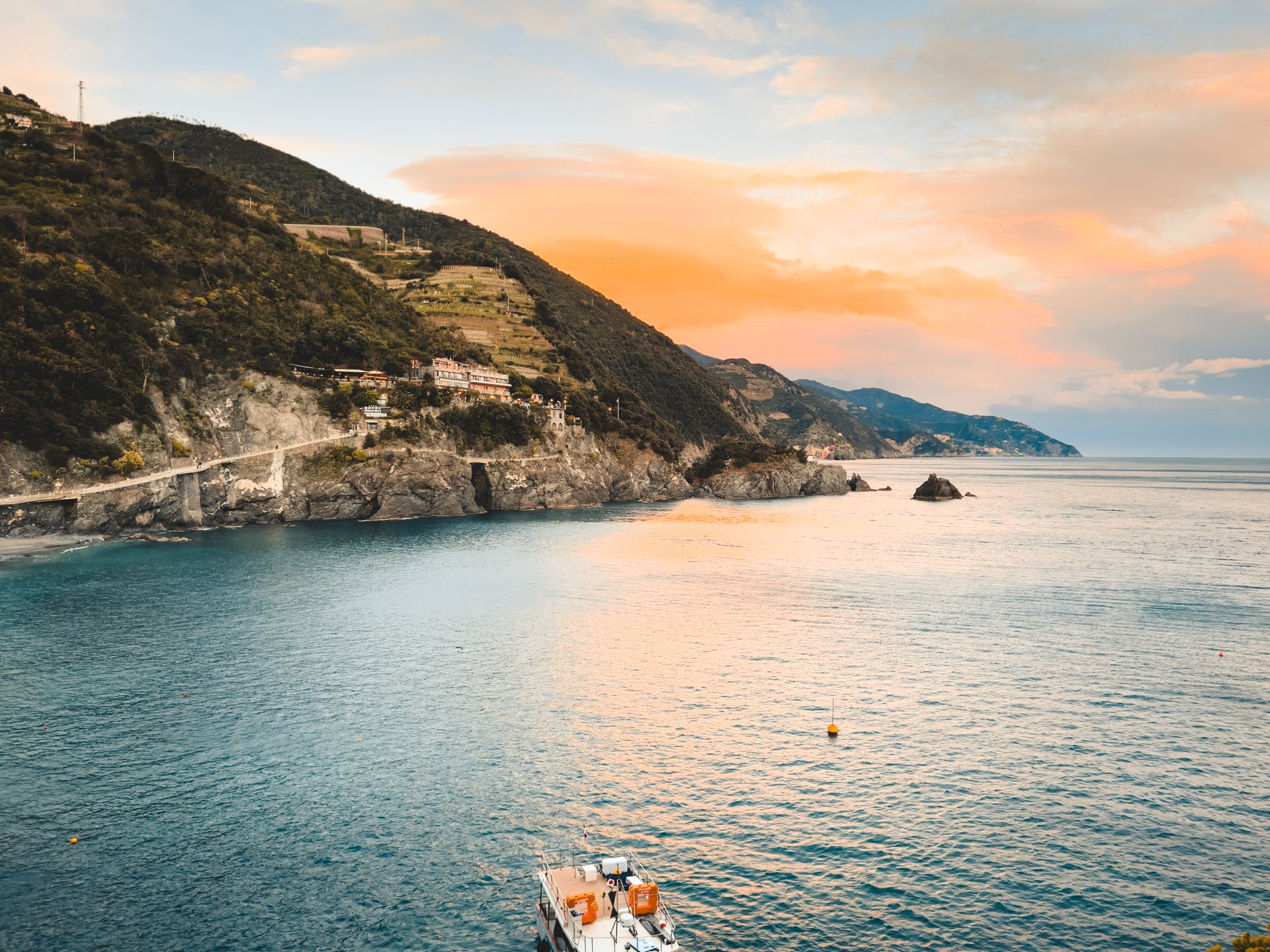
Sailing the Ligurian coast
Approaching the Cinque Terre from a small harbour, the way they were meant to be seen: from the water, without the steps and crowds of the walking trail.
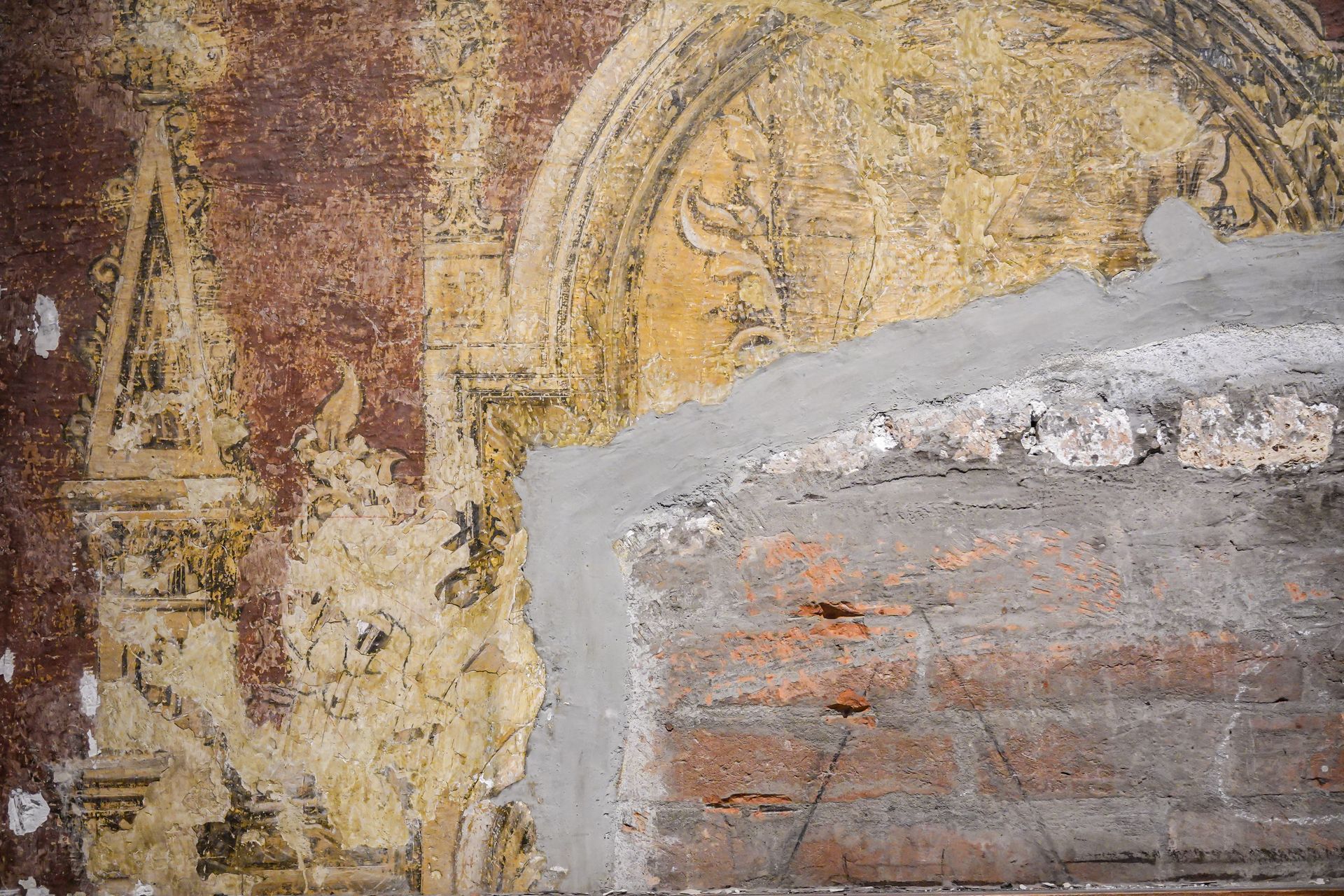
A morning in a restoration studio
In Florence, restorers have spent decades on work that never seems finished. A visit shows just how much patience sits behind every restored fresco.
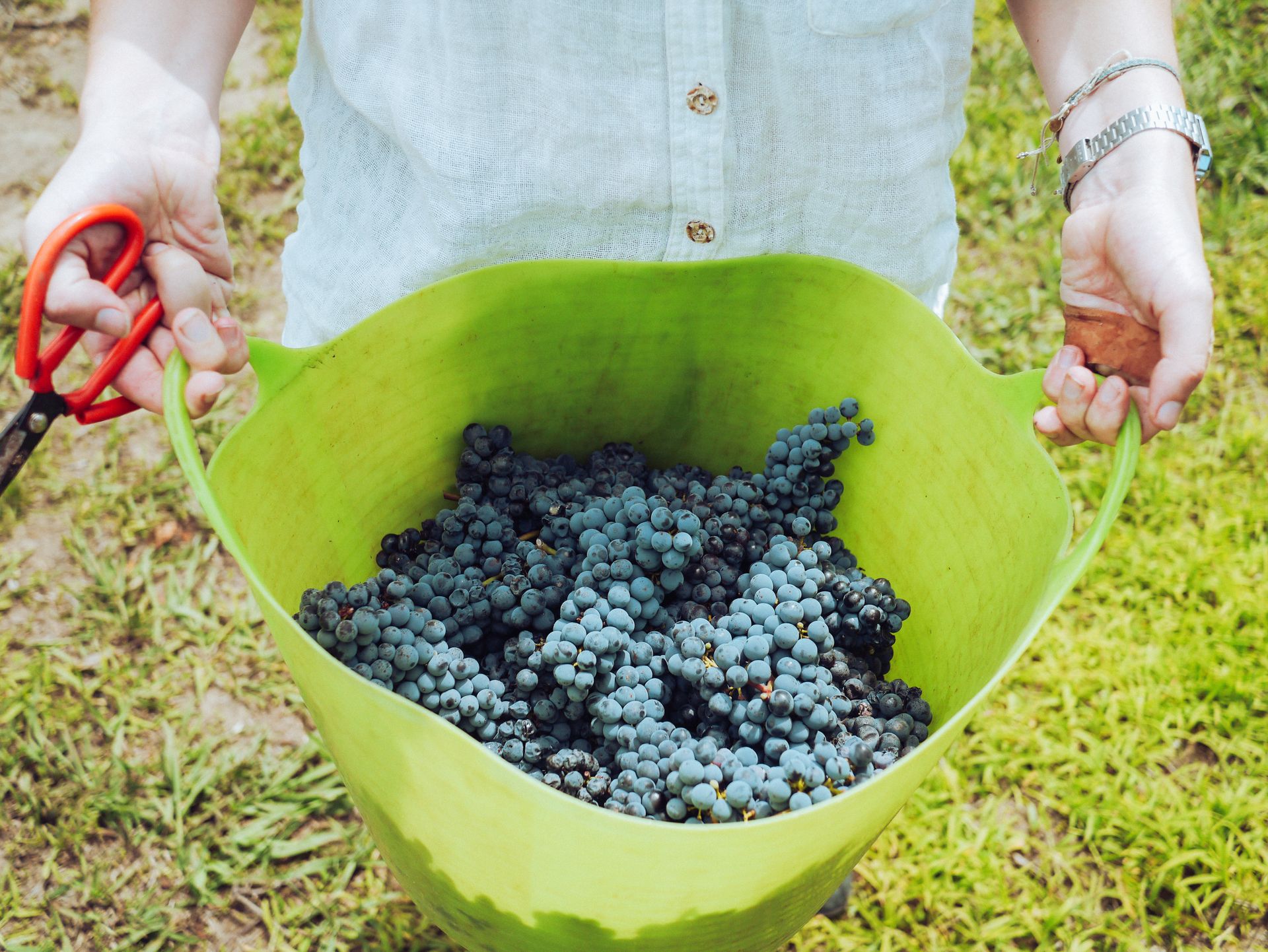
Joining the grape harvest
Helping with the picking in the Langhe or Chianti, hands stained purple by the end of the day. The glass that follows in the evening tastes different when you have earned it.
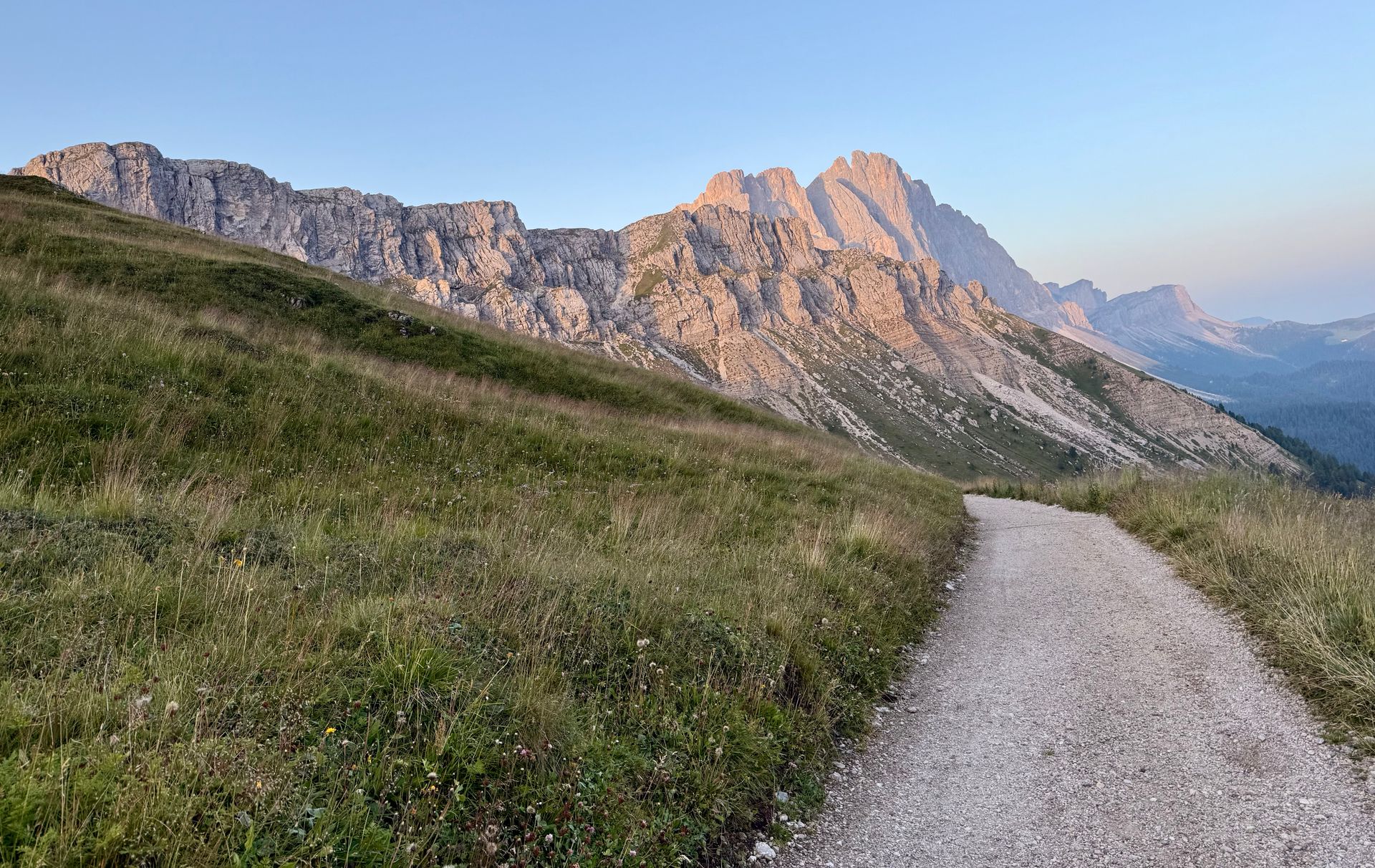
Walking among the Dolomite peaks
Via rifugi that have welcomed walkers for a hundred years, far from the cable cars. Setting off early often means having the whole ridge to yourself.
These are directions, not a fixed route. We suggest what suits the pace you're looking for.
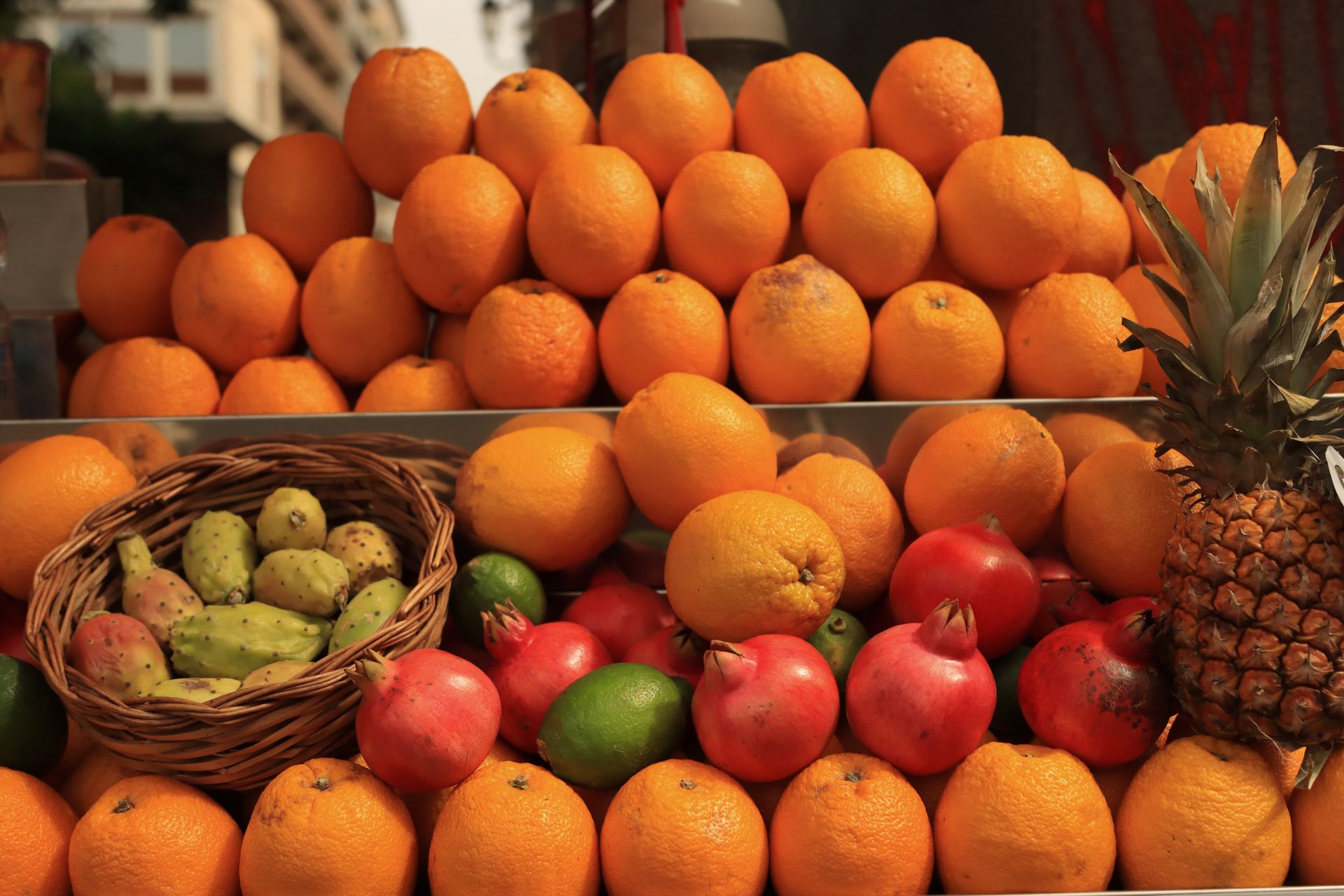
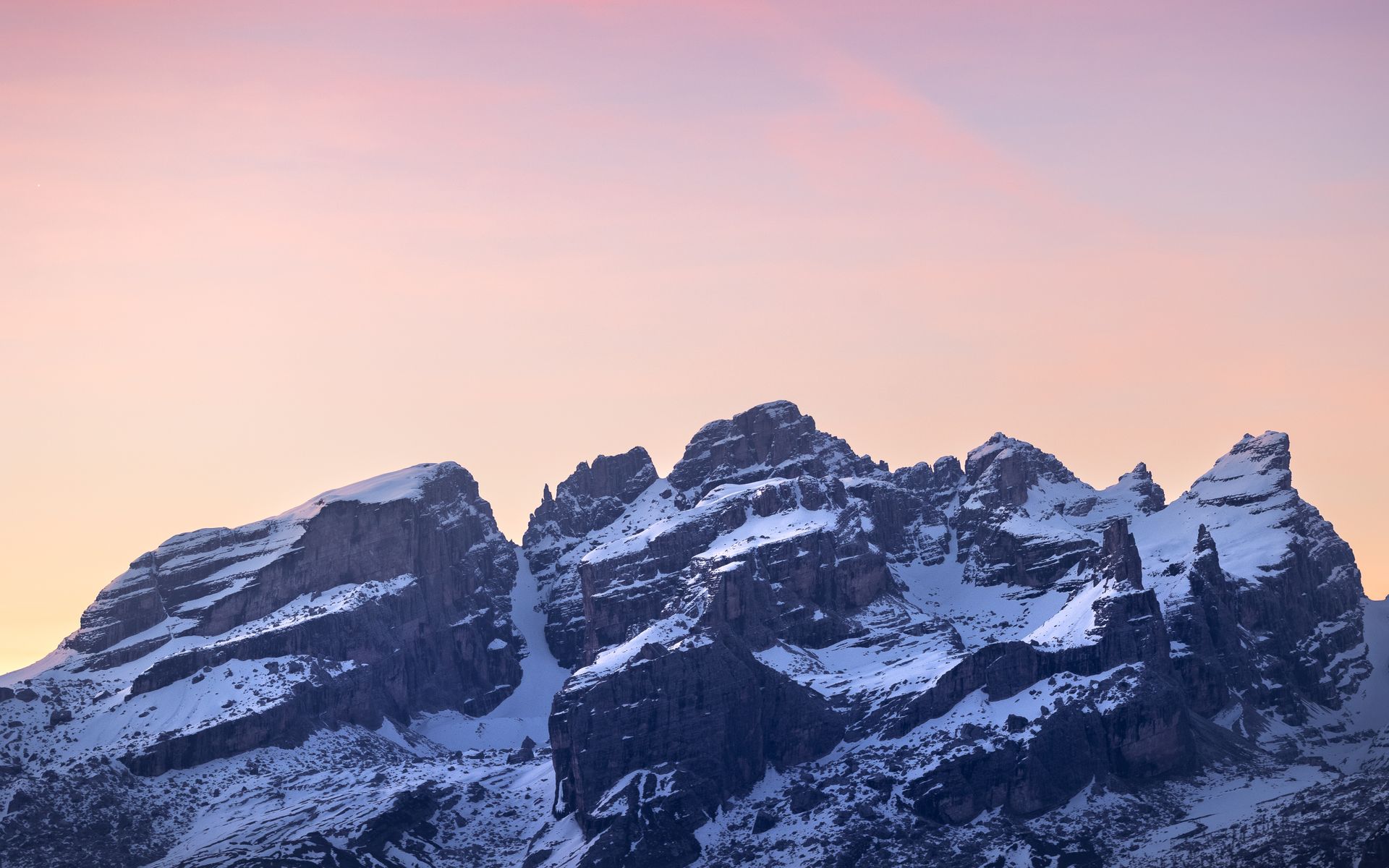
From volcanic soil to snow-capped summit, the same passport, two different worlds.
When would you travel?
When to travel to Italy
July and August are the months when Italy itself goes on holiday: the coast is packed, the cities are hot, and plenty of family-run businesses close their doors just then. Anyone after the calm this country is known for does better at the edges of the season.
April to June and September to October offer the best of both worlds: long light, terraces not yet overrun, and temperatures that make a walk in the Dolomites or a day among the vineyards a pleasure rather than an ordeal. December brings a completely different mood, especially in the north, with Christmas markets in South Tyrol and a calm in the cities the summer never sees.
Best time to visit Italy
Jan
Feb
Mar
Apr
May
Jun
Jul
Aug
Sep
Oct
Nov
Dec
Top: long daylight, pleasant temperatures, regions not yet crowded.
Good: fine weather, slightly more chance of rain or early heat.
Fair: high season with crowds and heat, or quiet winter months when much is closed.
Same months, other destinations
Who else is at their best in these months?
Not ready to ask yet?
Leave your email address. A month before the good time begins, we send you one reminder. Nothing more.
You will first get an email to confirm. You can unsubscribe at any time, with one click.
Rather talk it over?
Leave your name and number. We will call you at a time that suits you.
Worth knowing
Practical, without the noise.
Italy is close and familiar, but twenty regions mean choices have to be made.
- Getting there
- Alongside Rome and Milan, direct flights serve Pisa, Verona, Bari, Catania and Bolzano, often closer to your destination than the capital.
- Documents
- Italy is an EU member state: a valid identity card is enough.
- Health
- No vaccinations required, good medical care available everywhere.
- Pace
- With twenty regions, the temptation to see too much is real. We recommend choosing at most two.
- Language
- A few words of Italian open more doors than flawless English, especially outside the big cities.
Frequently asked questions
Do we need to speak Italian?
Not necessarily, certainly not in the big cities. But a few words of Italian noticeably open more doors, and more hearts, outside the tourist centres.
Can you take us to lesser-known places too?
That's exactly what our local experts are for. From a village in the Marche to a winemaker in Basilicata, if it's worth the visit, they know it.
Is summer too hot to travel?
July and August can indeed be tough, especially in the south and in the cities. We'll often suggest the mountains instead, or moving the trip to spring or autumn.
Do you also go to the islands, like Sicily or Sardinia?
Certainly. Both islands have a character entirely their own and deserve a trip in their own right, rather than a day trip from the mainland.
Can we combine several regions?
It is possible, but we rarely recommend it. Italy rewards those who stay. Two regions properly explored say more than five seen in passing.
Or perhaps this
Other destinations
Still weighing it up? That is no problem at all. The right country often only becomes clear once the conversation starts.
Southern Africa
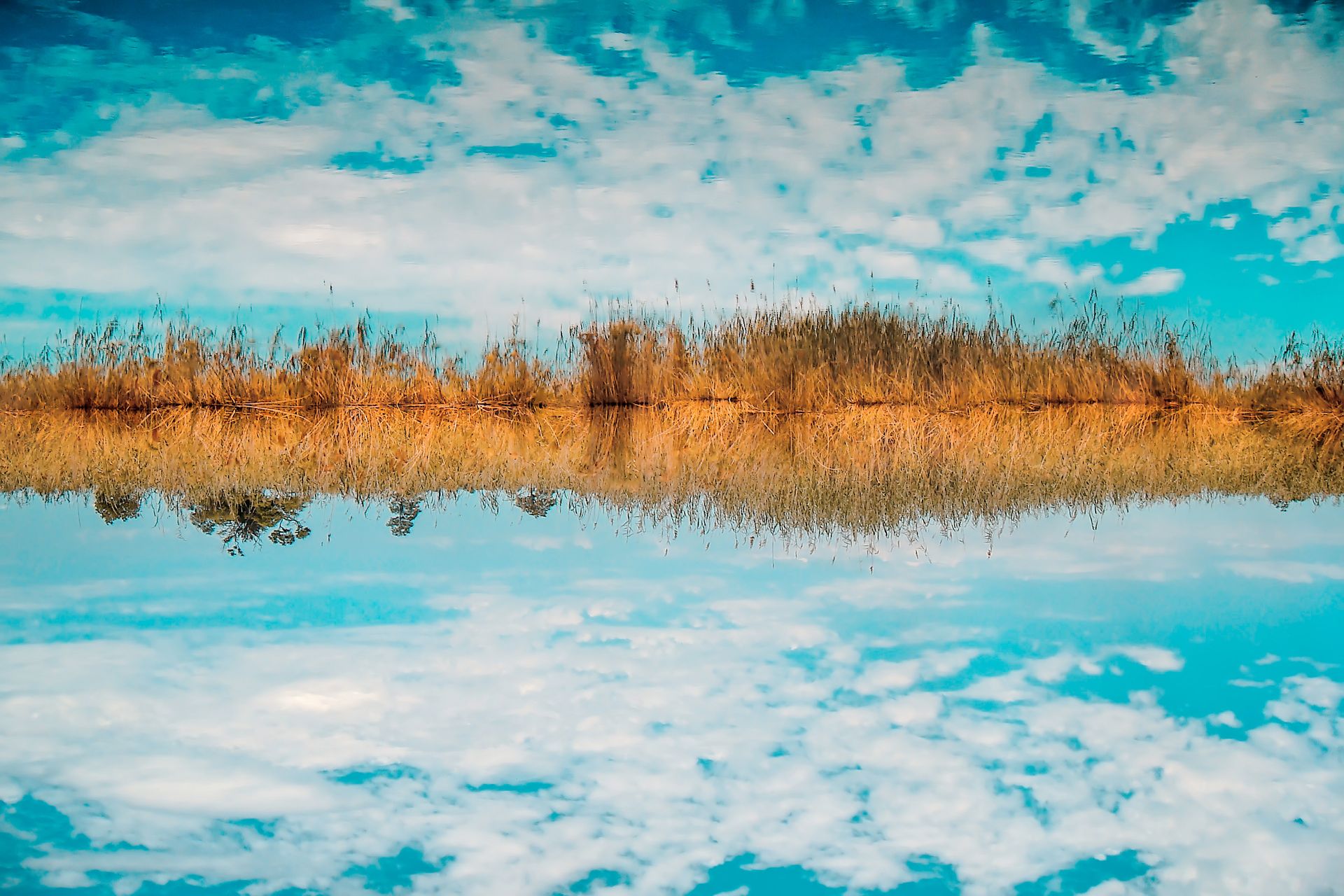
Botswana
A delta that changes with every season, in a country that deliberately keeps visitor numbers low across a vast expanse.
South America
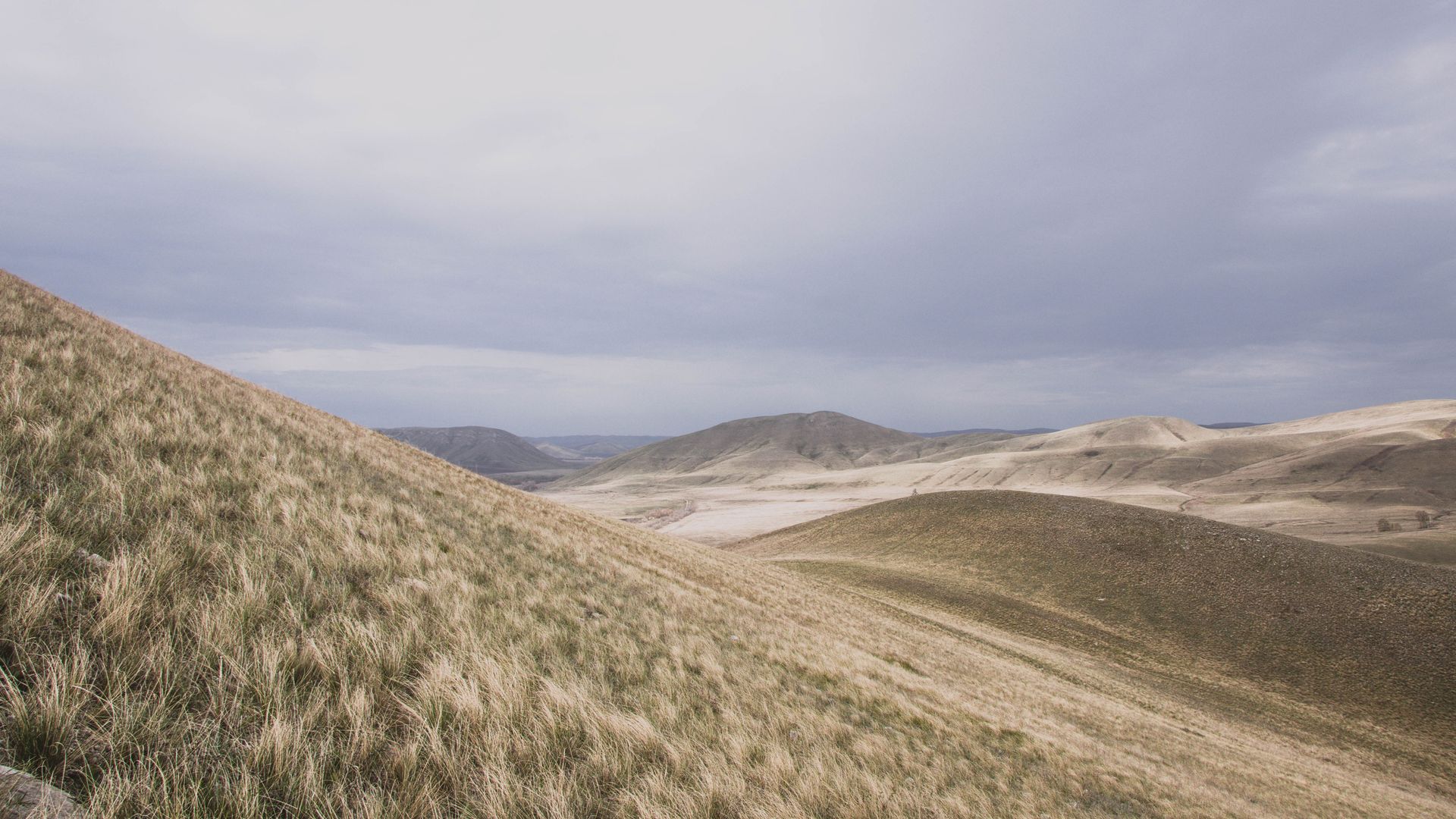
Argentina
From city rhythm to Patagonian wind, a country whose vast distances are part of the appeal.
South Asia
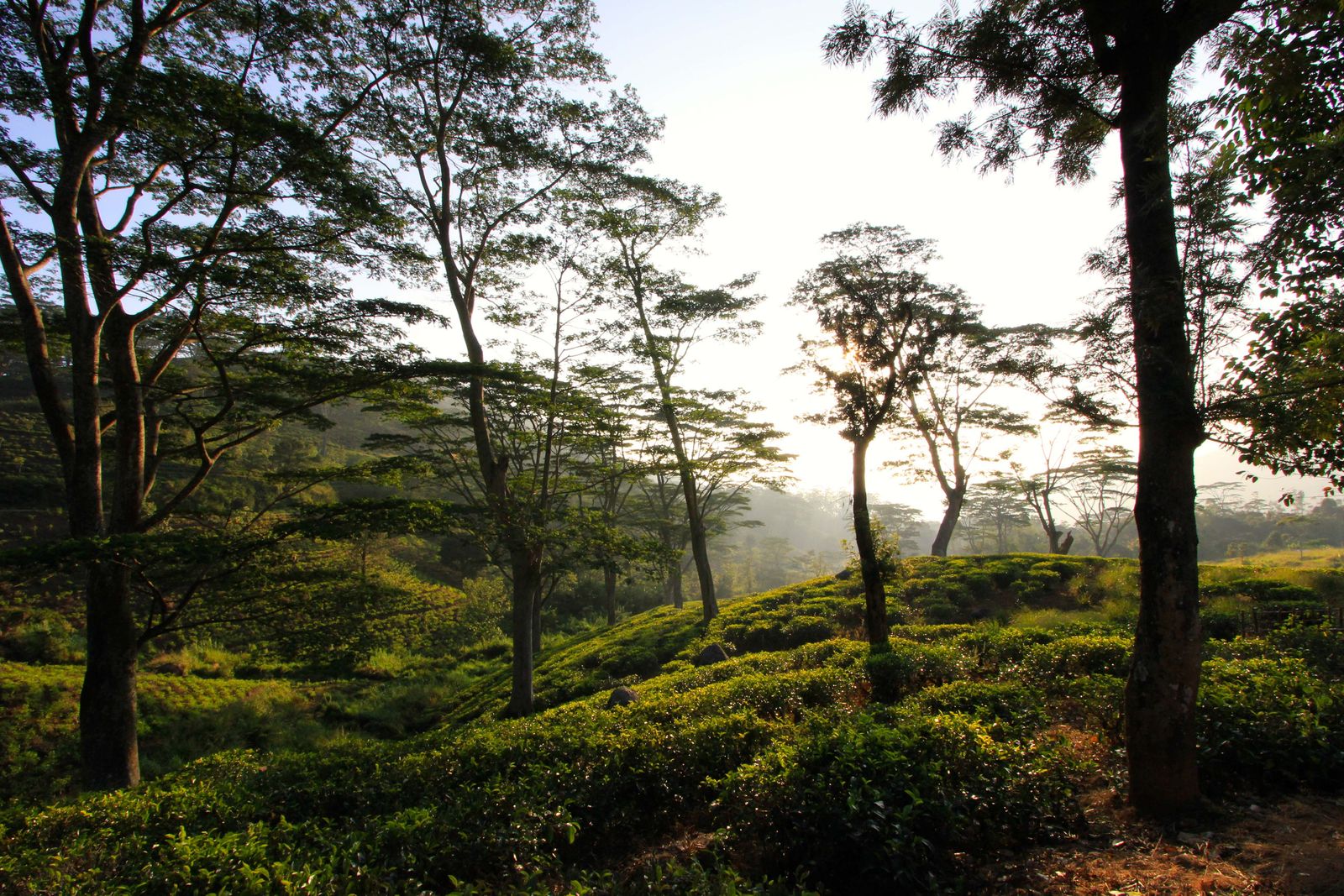
Sri Lanka
Small on the map, yet coast, highlands and culture can feel worlds apart after just a few hours' drive.
How it works
This is how your journey to Italy takes shape.
Six steps, from your first story to your homecoming. The conversation and the feasibility check cost you nothing.
-
01
Tell us your story
Fill in the form or give us a call. You do not need a route yet: a country, a period or just an idea is enough.
-
02
The conversation and the check
We call you within two working days. We talk through what you are looking for and check whether it can be done. If it can, we set down together what we will make for you.
-
03
We design your journey
We build your programme up, day by day, together with our own people in the country itself.
-
04
Your proposal
You read your journey day by day, with everything that is included. You say what you would like differently, until it is right.
-
05
Ready to depart
You send us your details, we send you your travel documents. You have one fixed contact who knows your journey.
-
06
Travelling, and after
Your contact stays reachable while you are away. Once you are home, we call one more time.
The next step
Which Italy speaks to you?
Tell us whether it's the misty hills of Piedmont, the heat of Puglia, or the quiet of a mountain hut in the Dolomites. We build the trip around what you're looking for, not around a fixed route.
Updated in October 2026