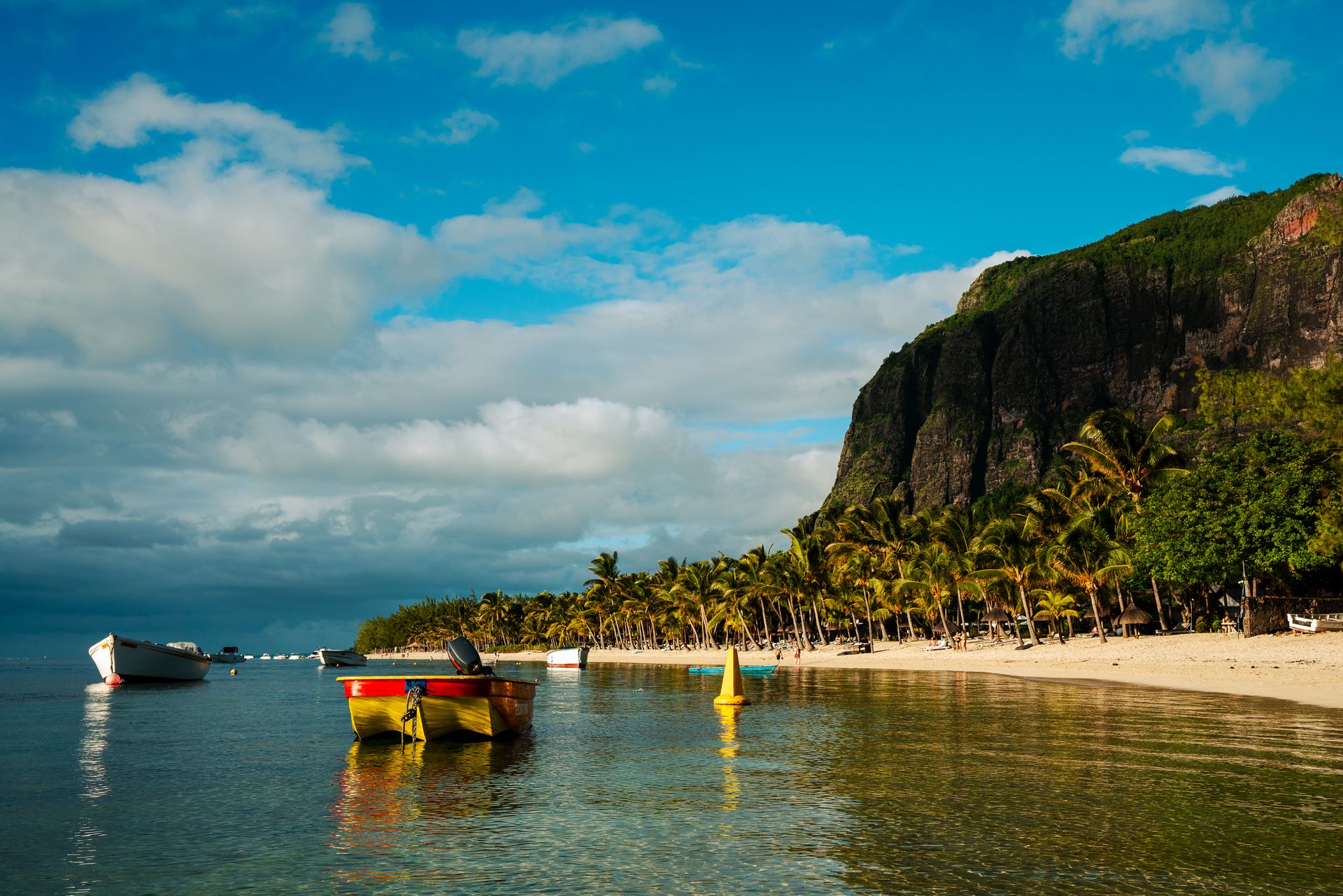
Mascarene Islands, Indian Ocean
Mauritius
An island with more layers than the lagoon suggests.
This is Mauritius
Four communities, one small island.
An island where Indian, African, Chinese and French layers live intertwined, far beyond the image of the beachfront villa. Walk through the Central Market in Port Louis and within a hundred metres you'll catch curry spices, incense and roasted chestnuts mingling in the air. Not a coincidental mix, but the result of almost two centuries of migration on an island of barely two thousand square kilometres.
That history hasn't been tidied away, it simply sits side by side. A Hindu temple, a mosque, a Catholic church and a Chinese pagoda can stand within a hundred metres of each other, each still used daily by its own community. Most Mauritians descend from indentured labourers who came from India after the abolition of slavery in 1835; the Creole community carries the island's African and Malagasy history; Chinese trading families settled in the nineteenth century; a small Franco-Mauritian minority still owns much of the sugar cane that shapes the landscape.
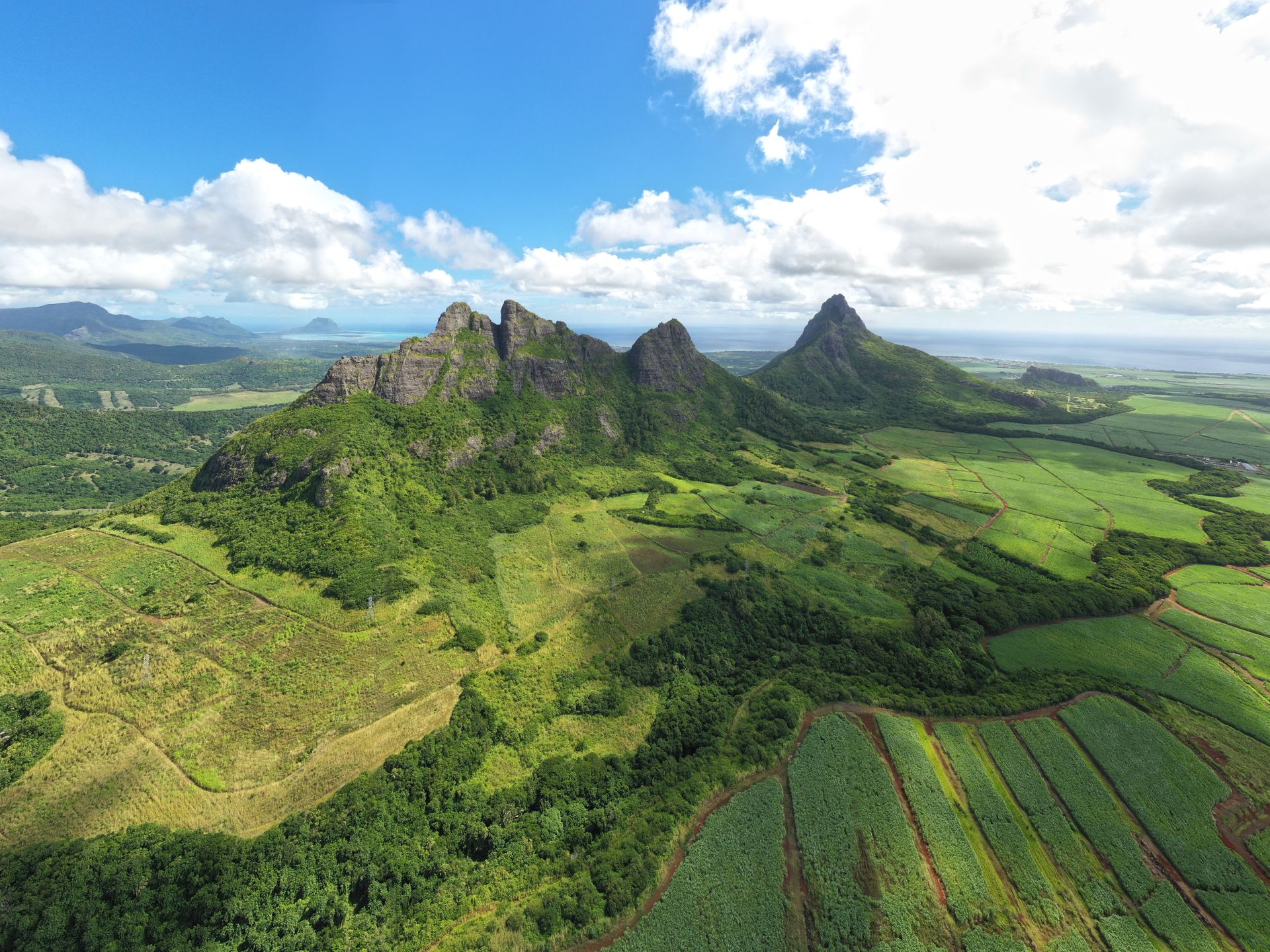
That landscape is volcanic and more compact than most visitors expect: barely 65 by 45 kilometres, yet with a relief that runs from flat sugar cane to rugged mountain peaks. Le Morne rises sheer out of the lagoon, Black River Gorges holds the last stretch of original forest, and the Central Plateau around Curepipe sits cool and misty above an extinct volcanic crater. Six hundred kilometres further lies Rodrigues, officially the same country, in practice a different island.
Visit only the lagoon, and you see a cocktail with a view. Look further, and you see one of the most layered islands in the Indian Ocean.
In short
- Best time to go
- May to September, the cooler and drier winter, with clear weather for walking. April and October are still warm, with less risk of cyclones than January to March, the heart of the cyclone season.
- How long
- Ten days to two weeks, perhaps with a few nights on Rodrigues. The island is small but the roads are slow, so two bases work better than driving around every day.
- Who it suits
- For travellers who want to see the island beyond the lagoon and the beach: the market in Port Louis, temples, mosques and pagodas close together, walks in Black River Gorges and the rugged south coast.
- What sets it apart
- About two-thirds of Mauritians have Indian roots, through the indentured labourers who arrived at Aapravasi Ghat between 1834 and 1920. English is used in parliament, Creole and French in daily life.
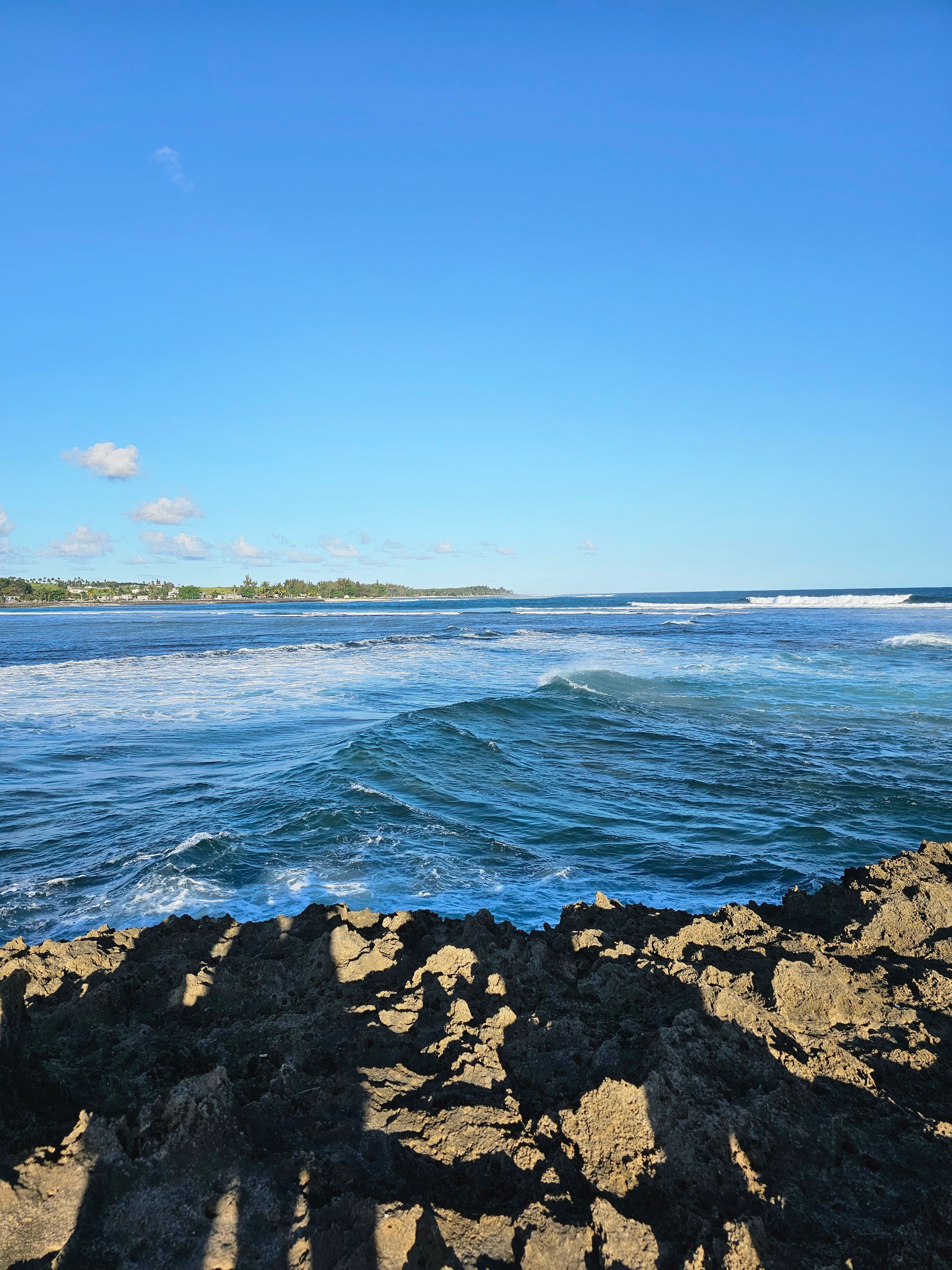
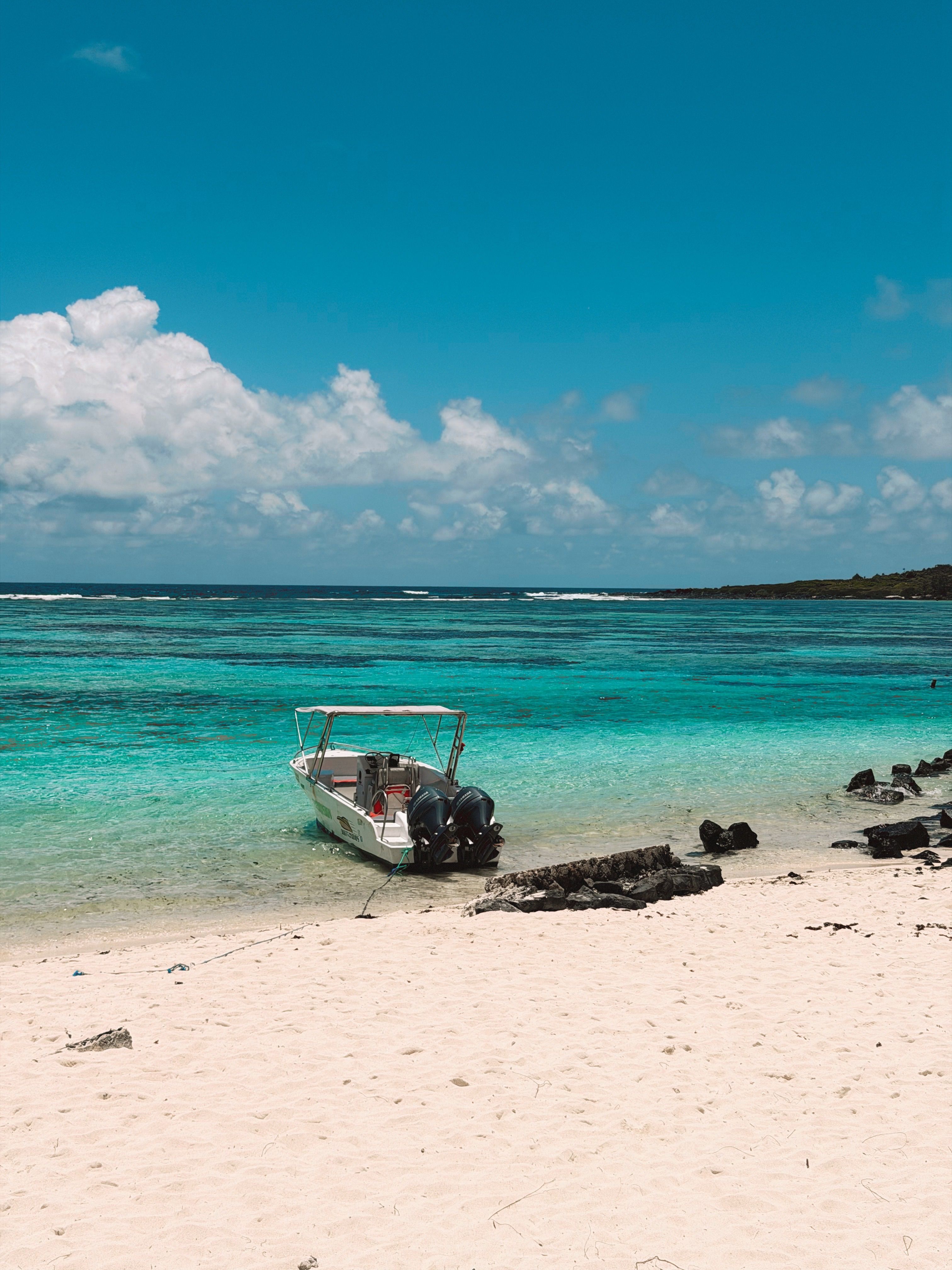
One island, two coastlines. The lagoon is only half the story.
The many faces of the island
From sugar cane plains to lava coast.
Mauritius is small enough to drive around in a day, and layered enough to fill weeks. Each region has a different pace, a different community and a different kind of morning.
The capital
Port Louis
Not a resort town but a trading town, busy and informal. The Central Market sells spices, tropical fruit and street food side by side; Chinatown and the Aapravasi Ghat, the UNESCO monument to the first indentured labourers who arrived here, lie within walking distance of each other. Fort Adelaide looks out over the harbour from its hill. Drive straight through on the way to the beach, and you miss the island the rest is built on.
The west
Tamarin, Le Morne and Chamarel
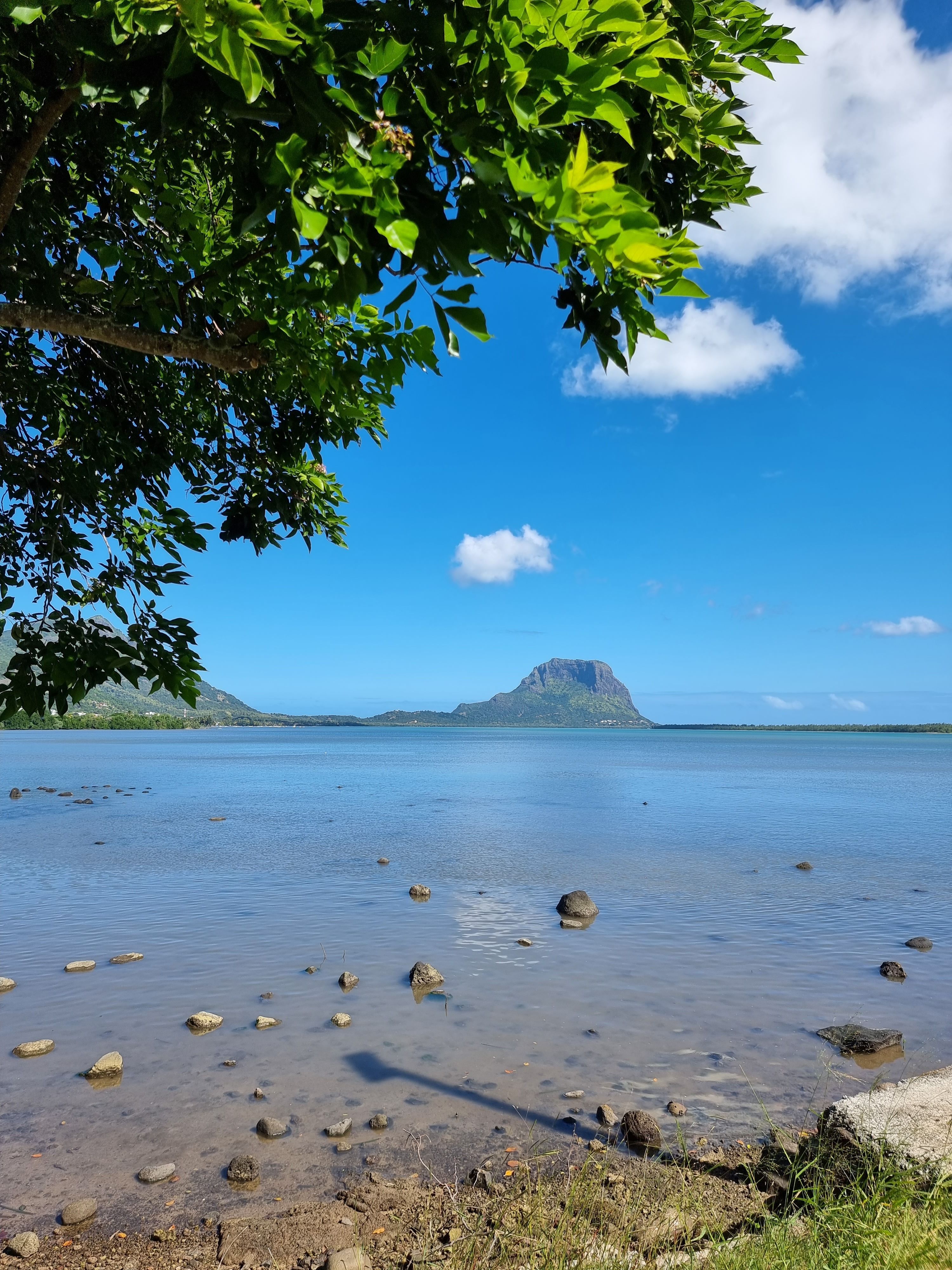
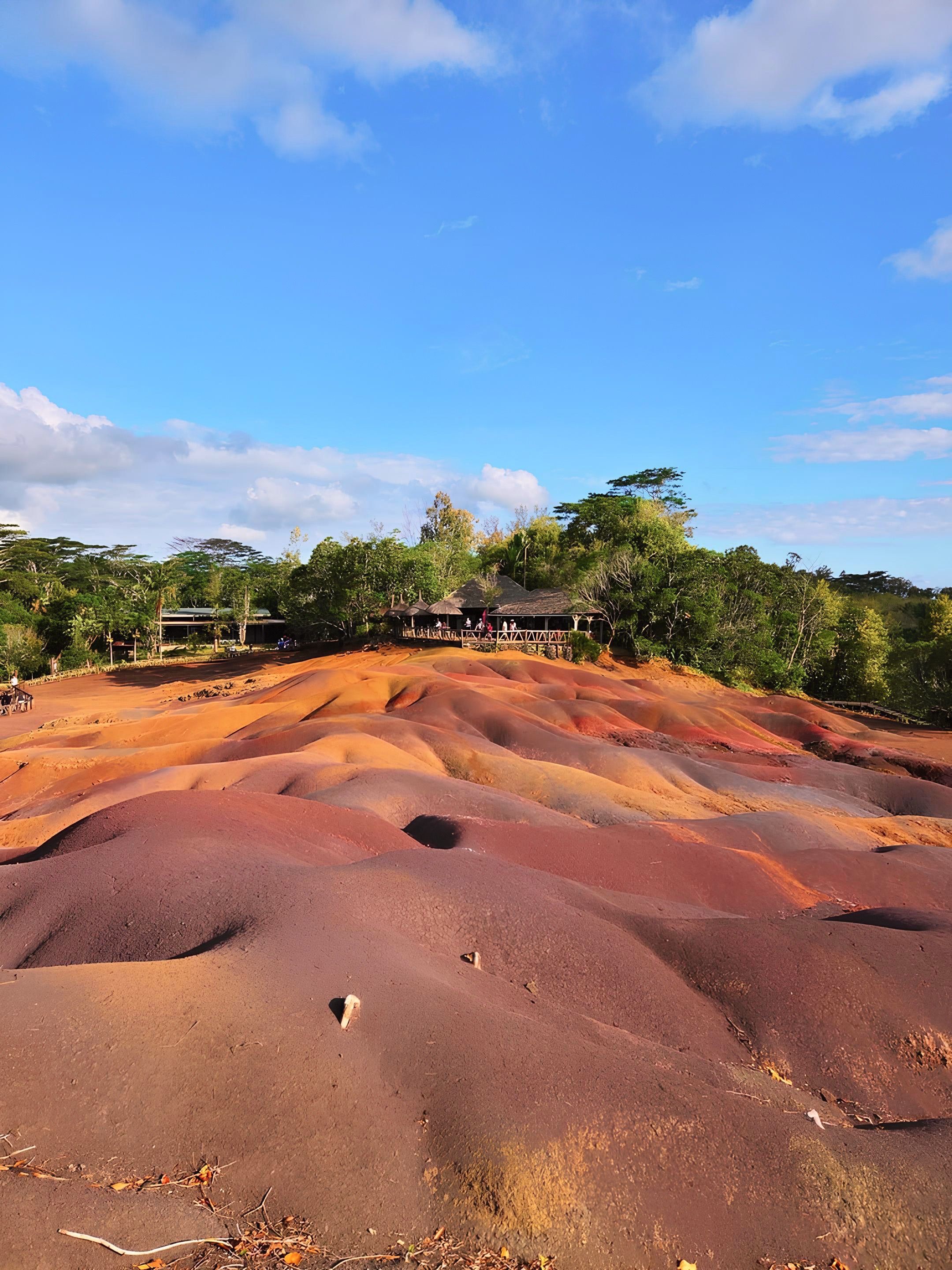
The wildest stretch of coastline with tourist infrastructure. Tamarin is a surf village with a bay full of tumbling dolphins in the early morning; Le Morne, a basalt rock that rises sheer from the sea, carries the history of escaped slaves who sought their last refuge there and is at the same time one of the island's best kitesurfing spots. Inland lie the seven coloured earths of Chamarel, a waterfall and one of the island's best-known rum distilleries.
The north
Grand Baie and Pamplemousses
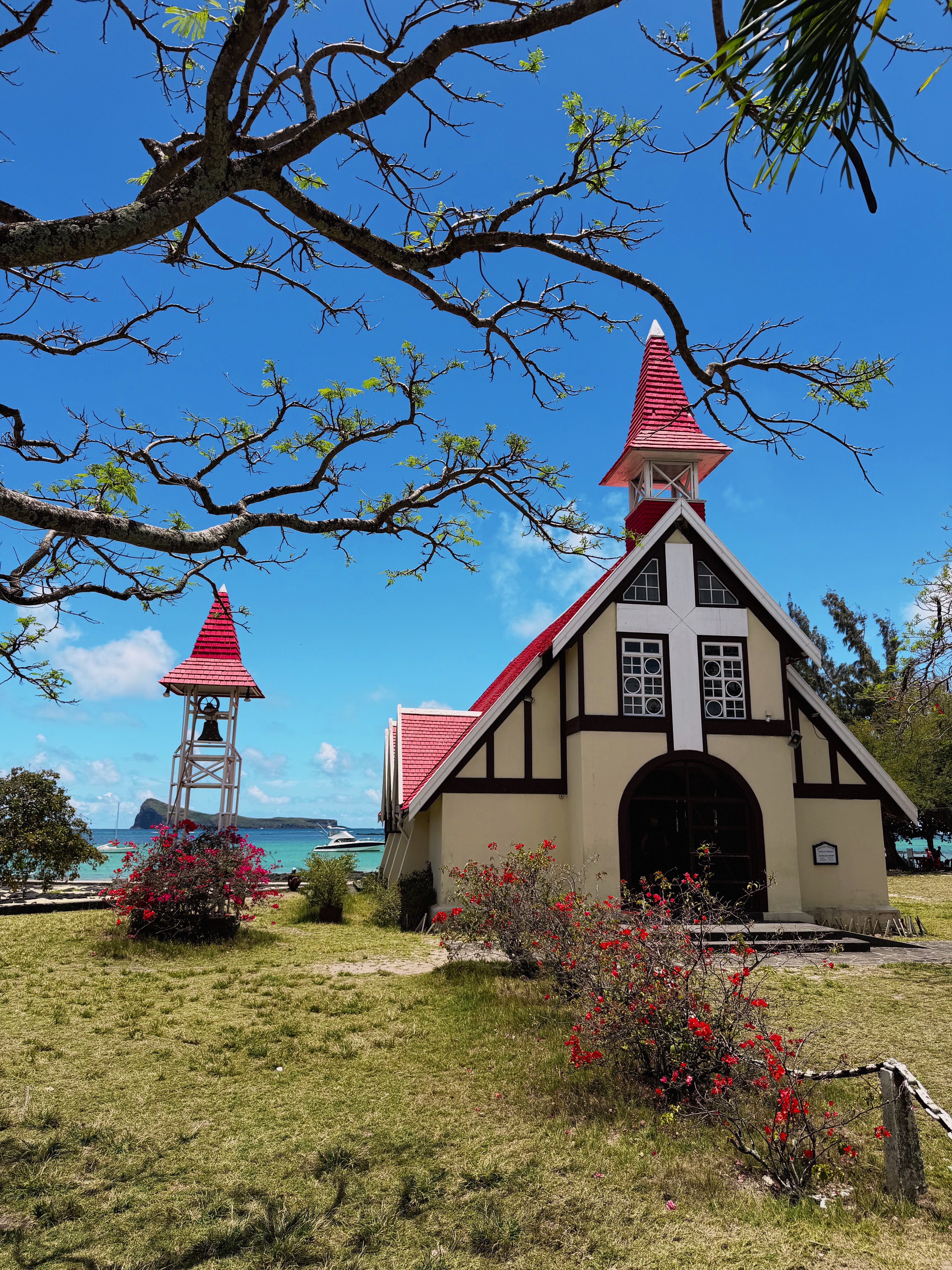
The busiest, most touristy part of Mauritius: restaurants, nightlife, watersports. Drive on to the botanical garden at Pamplemousses and you'll find giant water lilies planted a hundred and fifty years ago, while at Cap Malheureux a red-and-white church looks like it belongs on every postcard, yet in person is smaller and quieter than the photos promise.
The south
The wild south coast
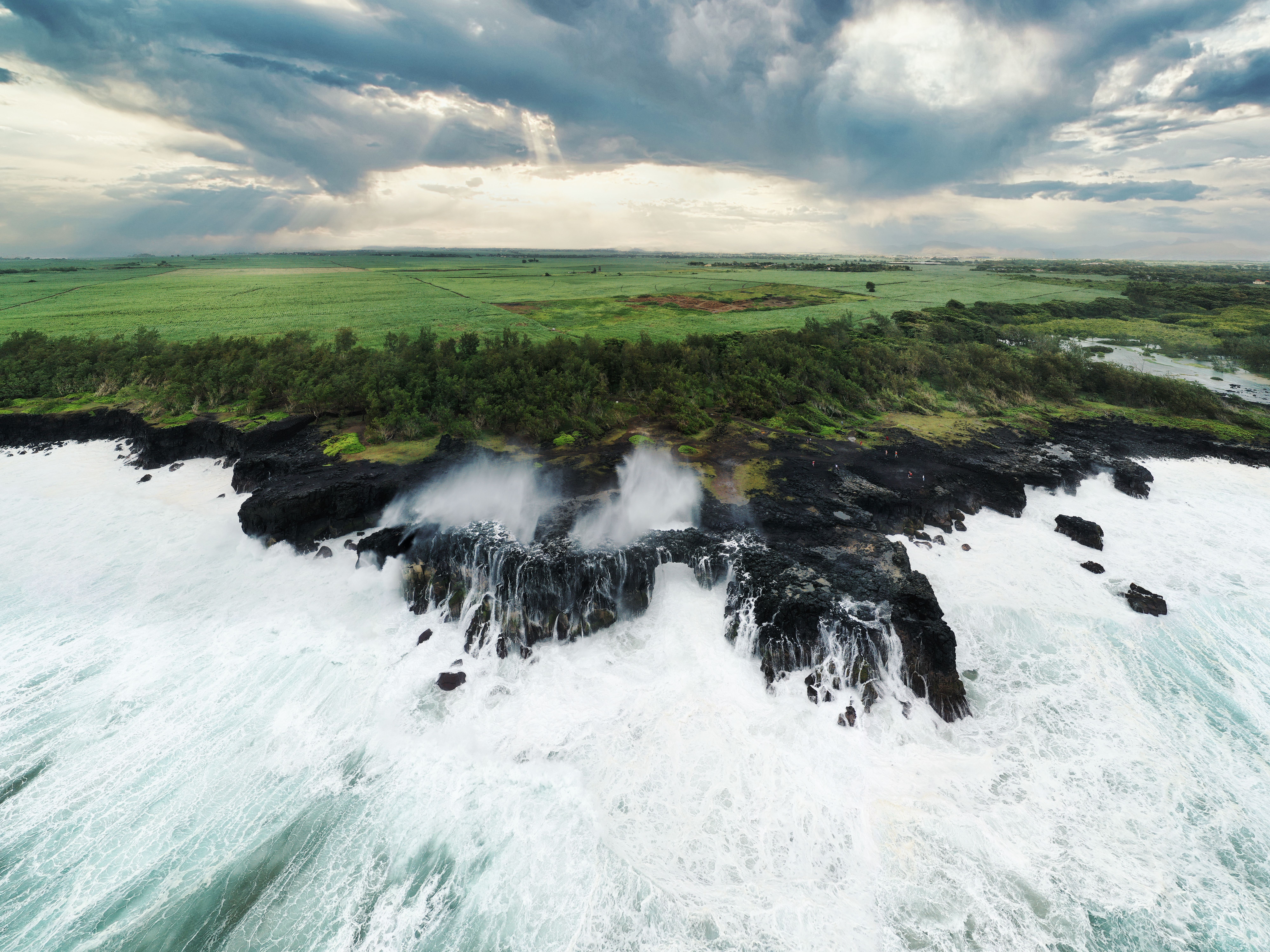
Here the Indian Ocean breaks untamed on black lava rock. Gris Gris and Baie du Cap have no lagoon to soften the waves, so there is no swimming here, but this is the island's most photogenic coastline. Rivière des Anguilles and the fishing villages around Bel Ombre see barely any tourists. This is the Mauritius most visitors skip on the way from the airport to the north coast.
The interior
The Central Plateau
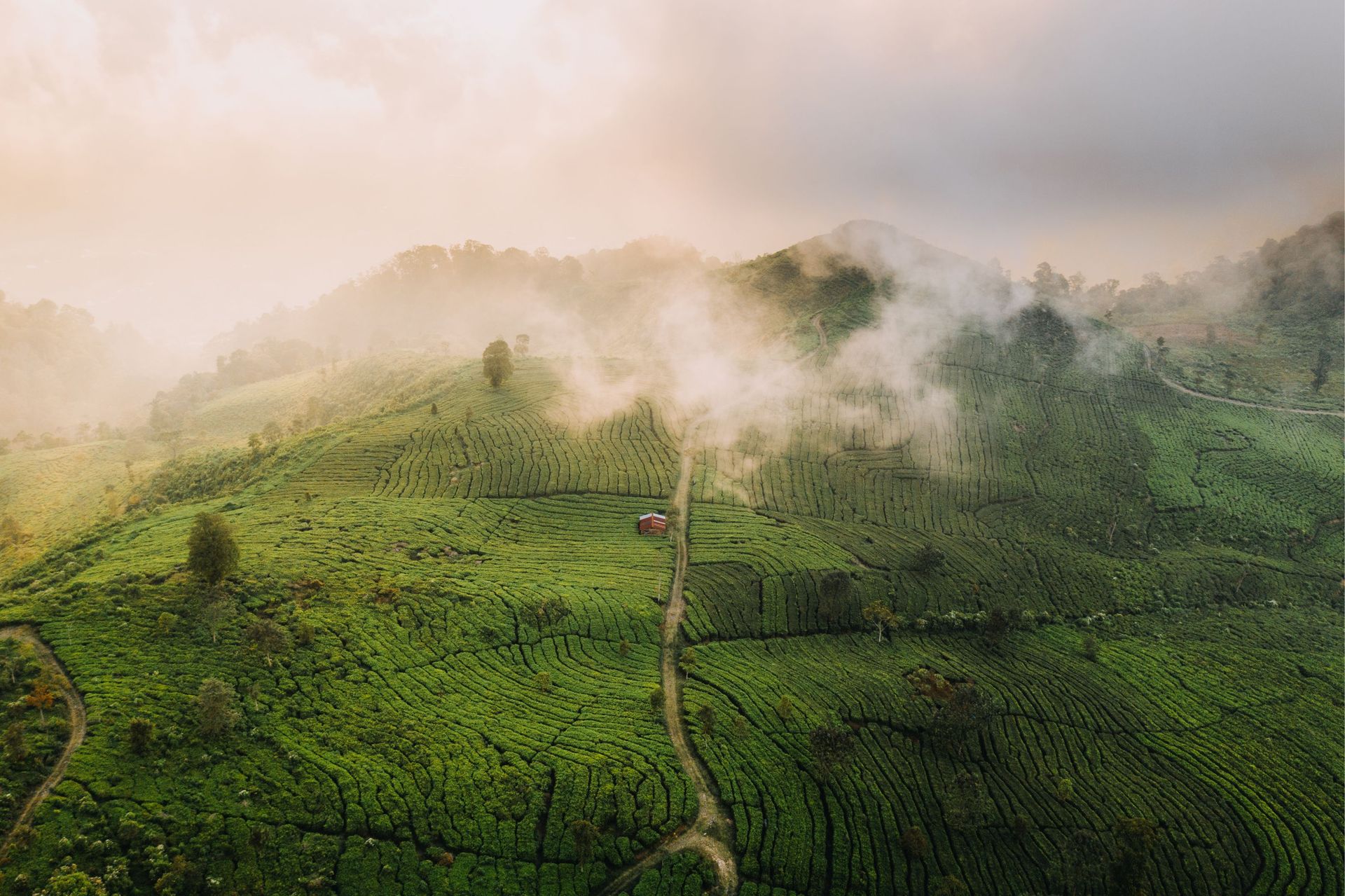
Around Curepipe, Mauritius is at its coolest and mistiest, with the overgrown crater of Trou aux Cerfs right in the middle of town and tea plantations such as Bois Chéri around it. It's the least visited part of the island despite having the highest population density, a colonial hill town where French planters once escaped the summer heat, and one that still keeps a different pace from the coast today.
The sister island
Rodrigues
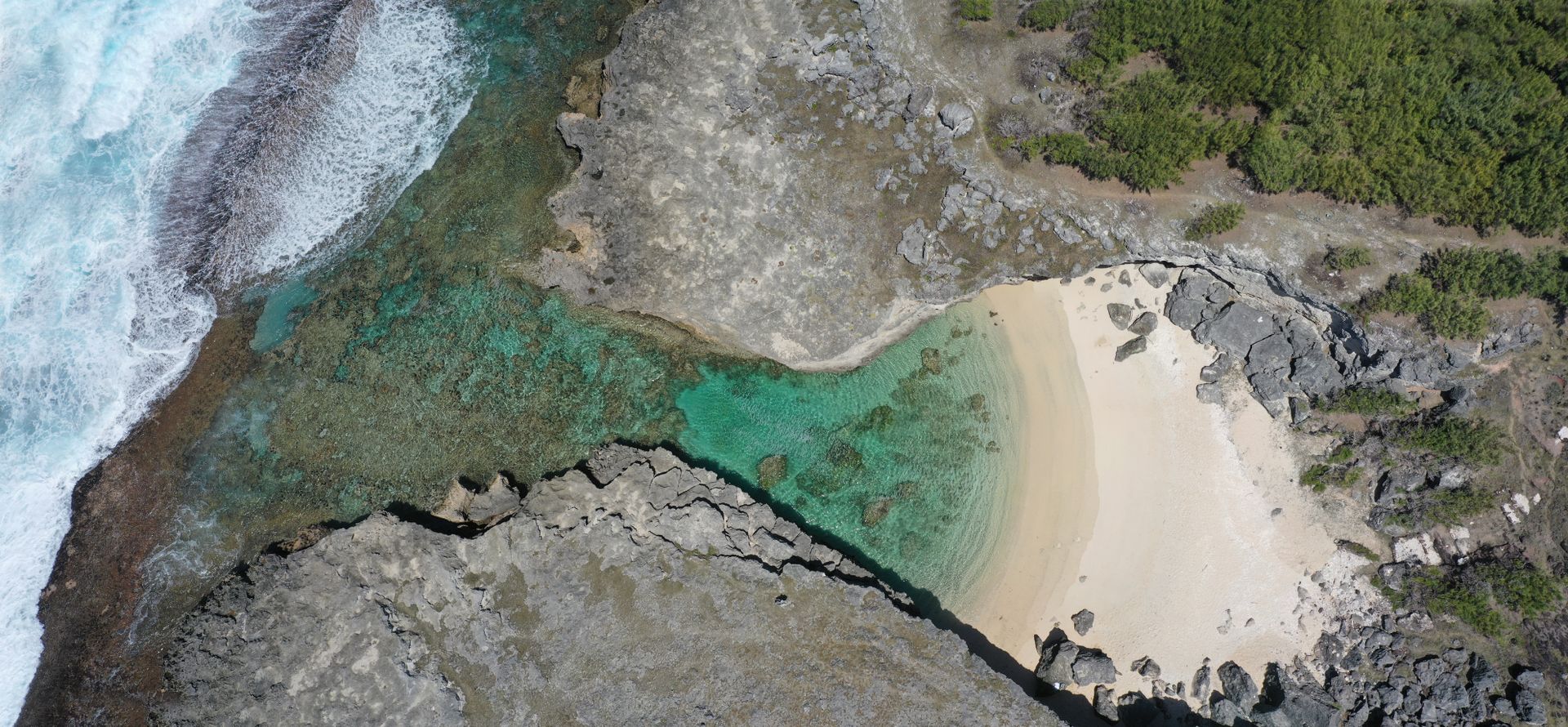
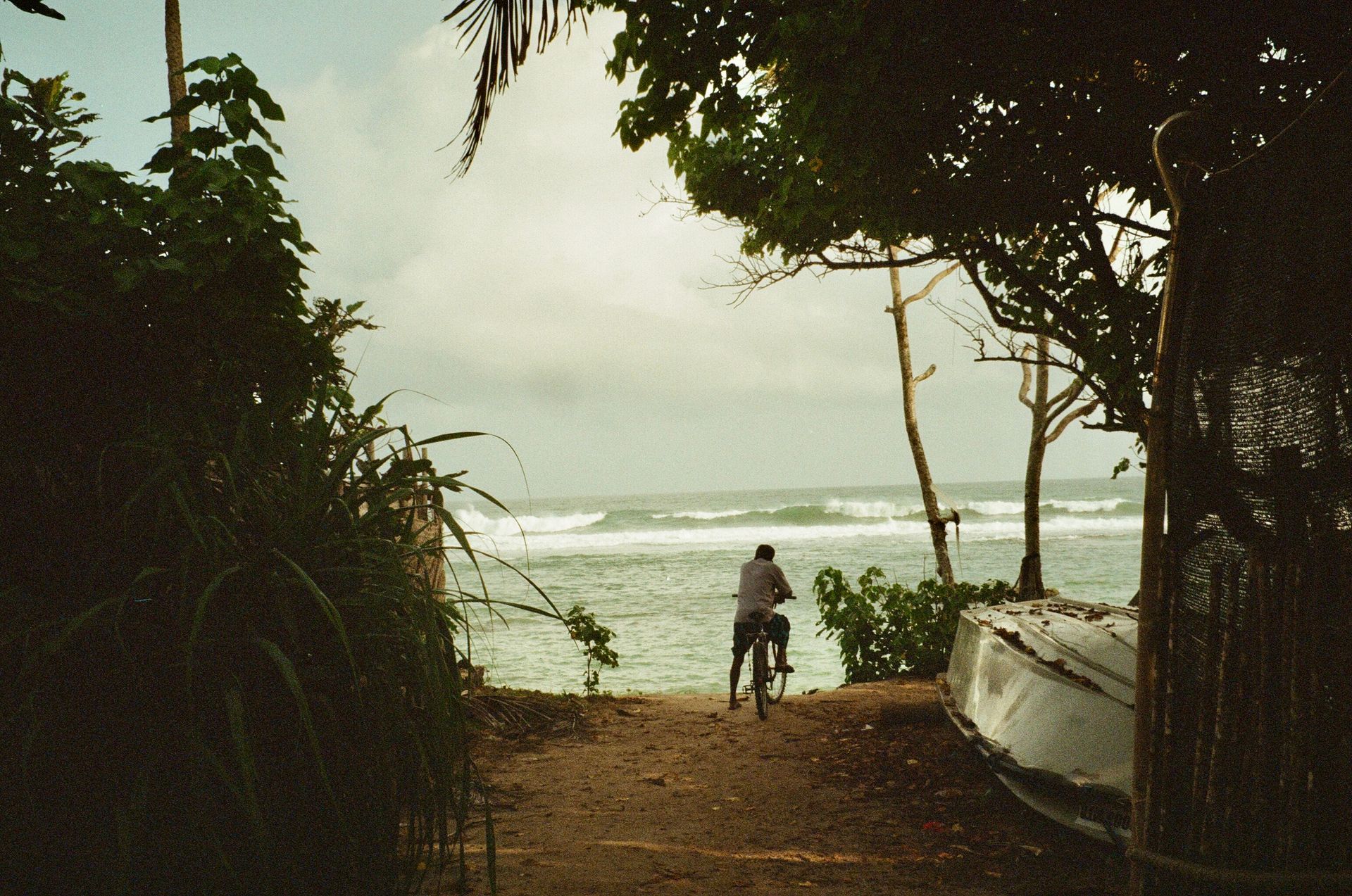
Six hundred kilometres east of Mauritius, and a different country in feel. Rodrigues is smaller, poorer, Creole and much slower. Fishermen dry octopus on racks along the road, the lagoon is one of the largest in the Indian Ocean and partly a marine protected area, and there's barely any tourist infrastructure to smooth over the experience. Anyone with time stays at least a few nights. A day trip does the island a disservice.
Four communities, one island.
None of them takes the lead role here.
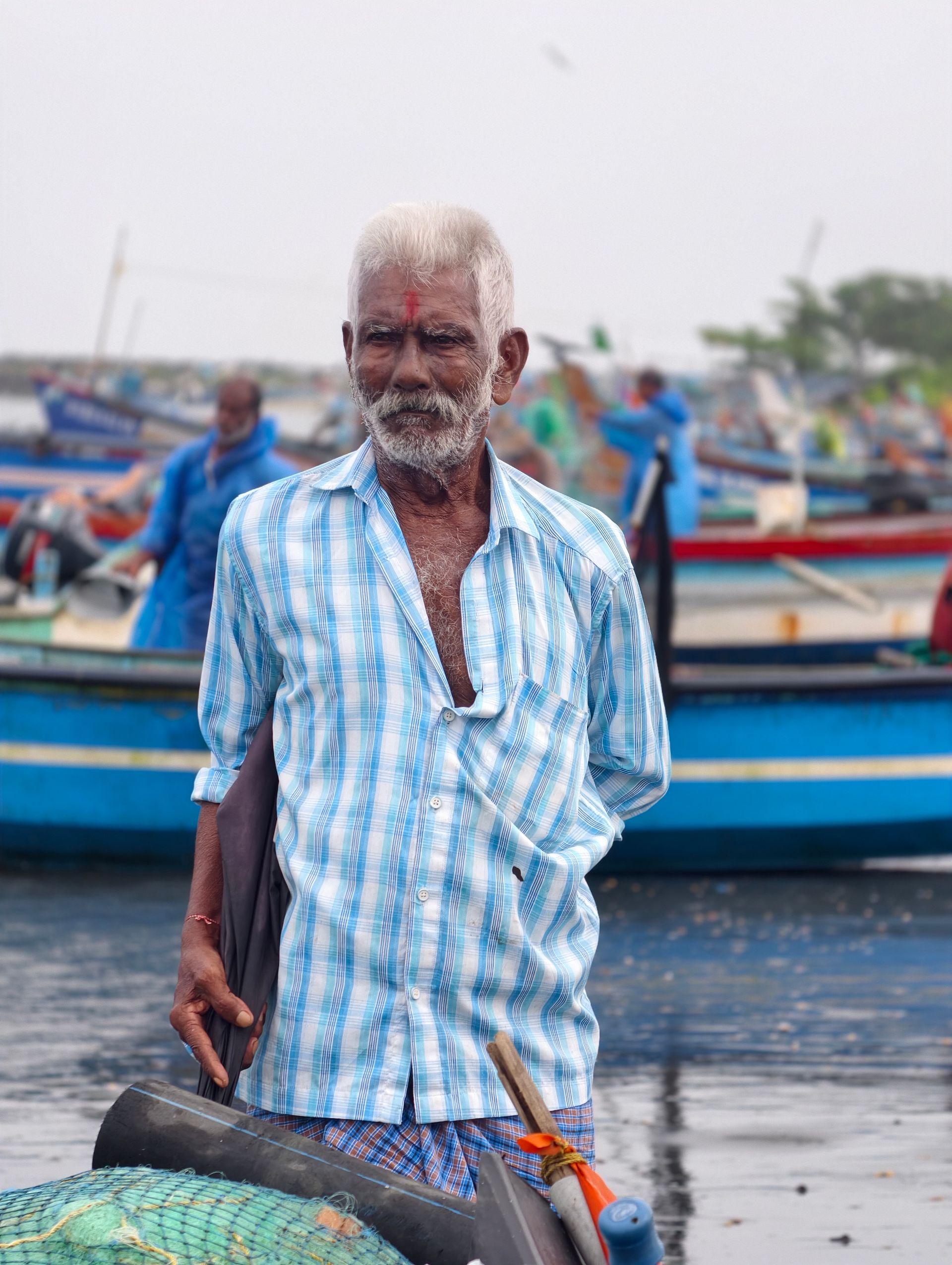
People & culture
One island, four stories that exist side by side.
About two-thirds of Mauritians have Indian roots, descendants of the hundreds of thousands of indentured labourers brought to the sugar cane fields after 1835, when slavery was abolished. The Creole community carries the island's African and Malagasy history from before that time. Sino-Mauritians, descendants of nineteenth-century traders, and a small Franco-Mauritian minority with roots reaching back to the eighteenth century complete the picture.
What binds them is Mauritian Creole, the language of the street and everyday life, while English remains the official language of government and French dominates the media and business world. On top of that, families often still speak Bhojpuri, Hindi, Tamil or Mandarin at home. Four or five languages at once is entirely normal for many Mauritians.
That diversity shows in the calendar of festivals: Diwali, Cavadee, Ganesh Chaturthi, Chinese Spring Festival, Christmas and the Sugar Cane Harvest Festival all appear on the national calendar. No single community is the majority overshadowing the rest here. That balance is exactly what gives the island its character.
Nature & conservation
The island that nearly lost its nature, and partly won it back.
When the Dutch and the French colonised Mauritius, most of the original forest disappeared under sugar cane. The dodo, found nowhere else on earth, was extinct within a century of the first human presence. The world's most famous extinction story began here.
What remains has been actively brought back over the past few decades. The pink pigeon and the Mauritius kestrel both dropped to fewer than ten individuals before targeted breeding programmes saved them; both can now be seen again in Black River Gorges. On a handful of islets off the coast, giant tortoises have been reintroduced to partly take over the ecological role of species that went extinct.
This isn't untouched nature. It's restored nature, and that difference is exactly why a visit here means something.
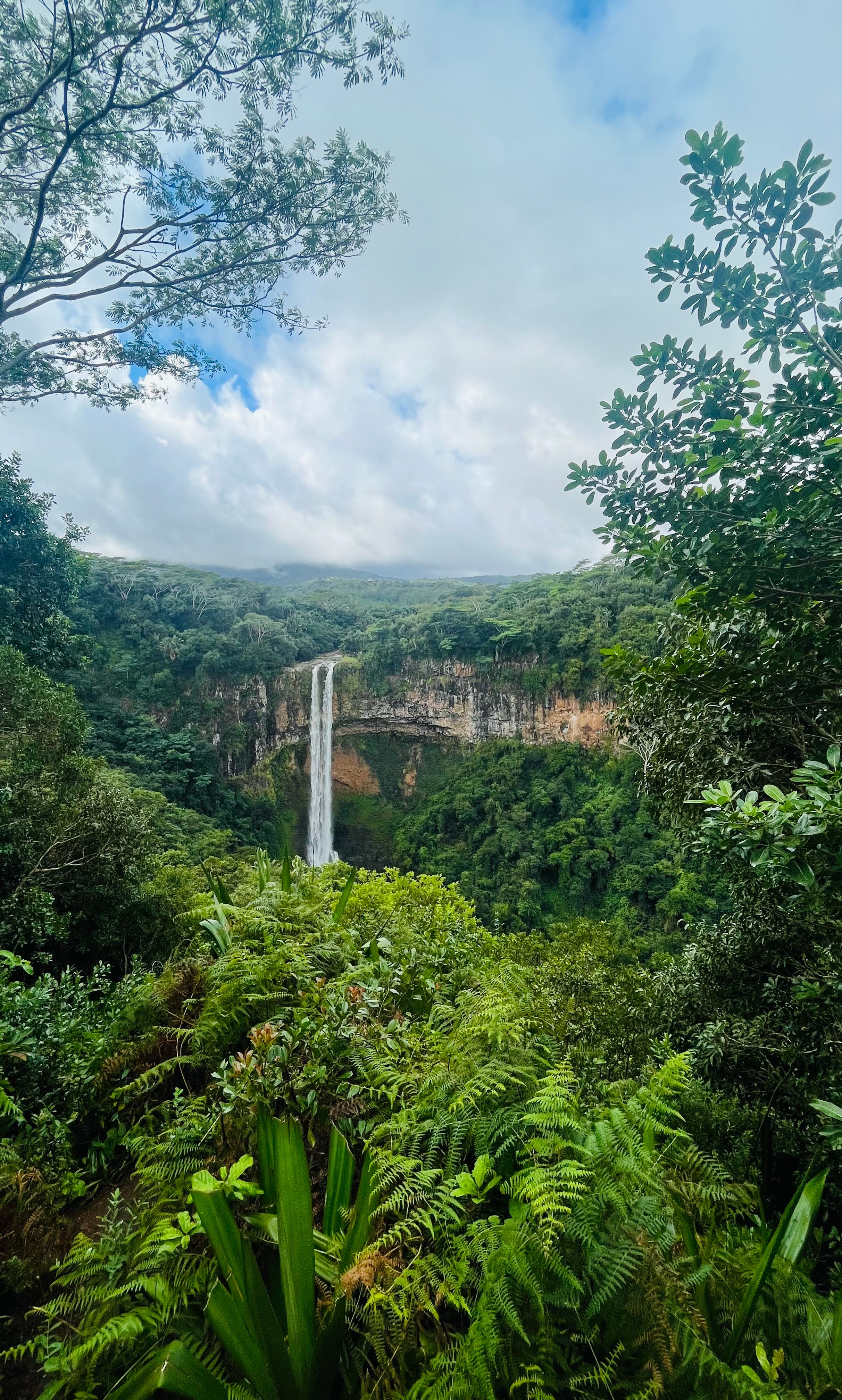
Black River Gorges
The island's last continuous stretch of original forest, with trails to viewpoints such as Alexandra Falls and its highest peak, Black River Peak. This is where you can see the pink pigeon and the Mauritius kestrel in the wild, both once the rarest bird of their kind on earth.
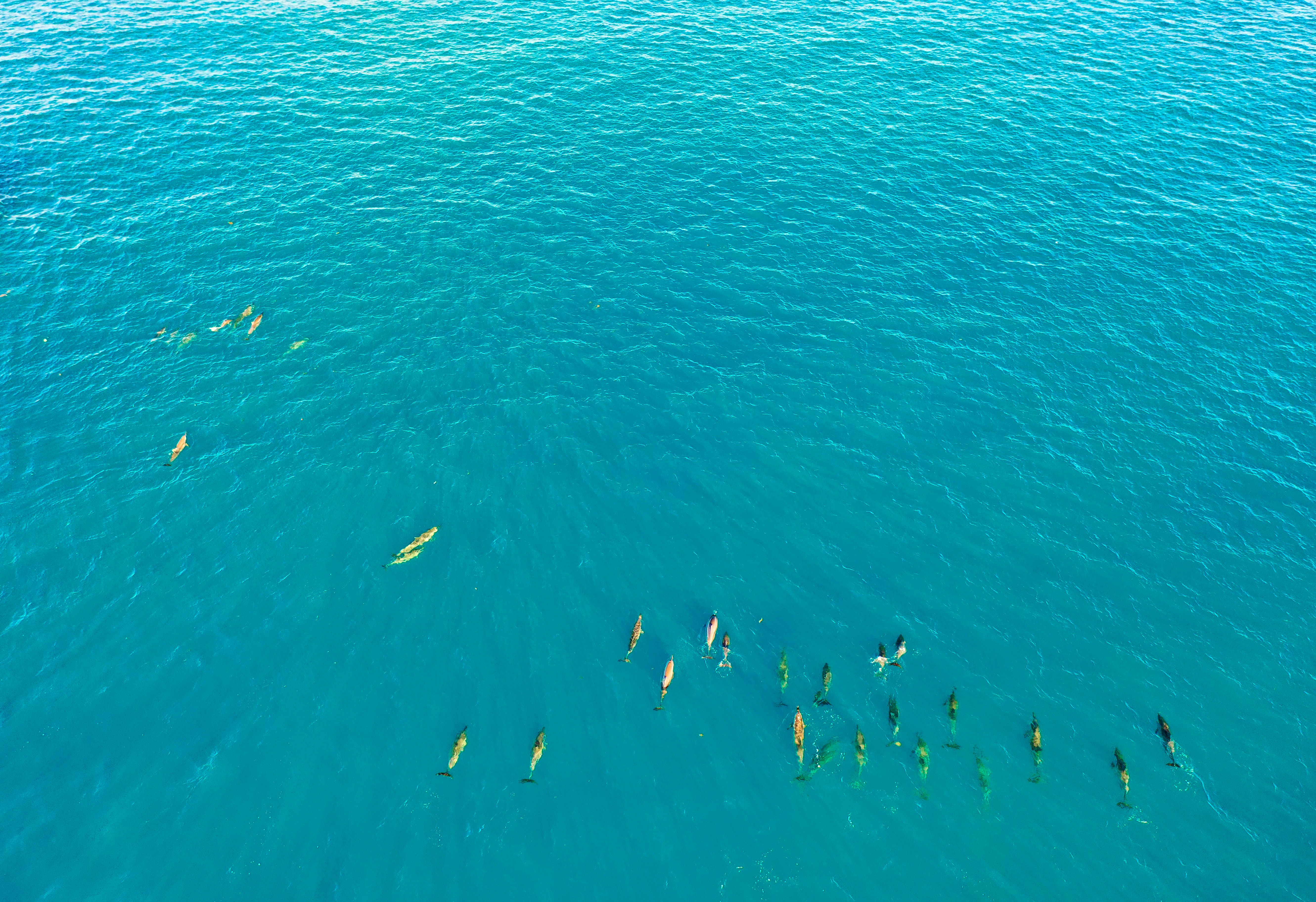
Under and on the water
The lagoon around most of the coastline protects a coral reef; beyond that reef, especially off Tamarin, groups of bottlenose and spinner dolphins regularly swim past in the morning, and between July and September humpback whales pass the west coast.
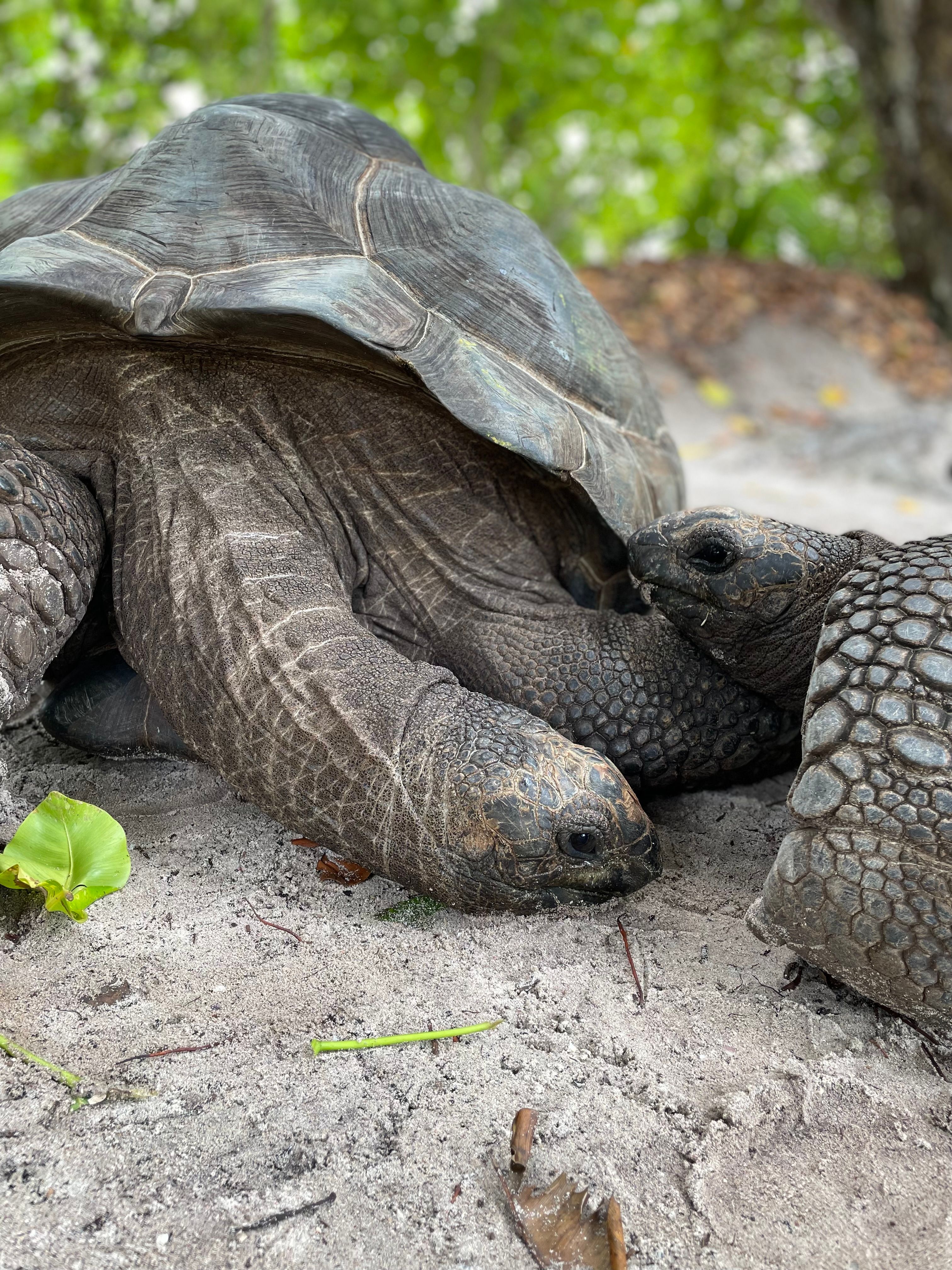
Islands full of second chances
On Île aux Aigrettes and Round Island, both protected islets off the coast, giant tortoises now roam that were, until recently, gone from these shores. Guided visits go straight to the organisations that have kept this recovery going for thirty years.
At the table
A cuisine with four grandparents.
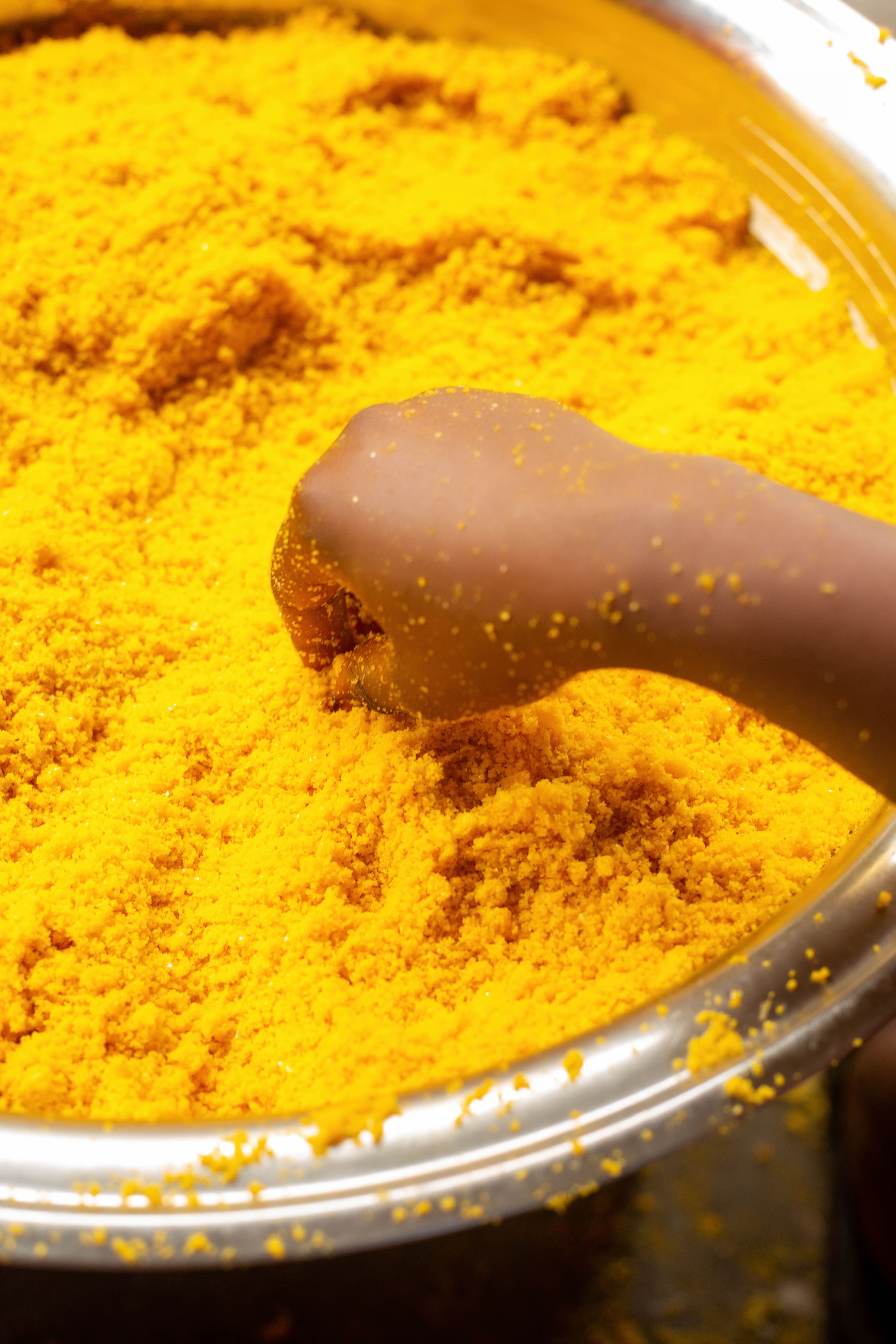
Dholl puri, a thin flatbread filled with ground split peas, sold from street carts and the island's most popular snack from early morning onward, might be the most Mauritian dish there is, precisely because it exists nowhere else quite like this. Rougaille, a spiced tomato sauce served with fish, sausage or chicken, forms the Creole base of everyday eating.
Chinese immigrants brought mine frite and boulettes, now a fixture at every night market; Indian traditions gave biryani, cari and achards; French influence shows in the pastry and the ritual of the Sunday lunch table. Rum, here rhum agricole, is still distilled the traditional way at distilleries such as the one in Chamarel.
At the night markets of Flacq or Grand Baie, all these traditions sit literally side by side along the same row of stalls, the quickest way to taste in one evening where the island comes from.
How you could experience it
What could Mauritius be for you?
These aren't fixed parts of a set itinerary, but directions, to help you feel what draws you in and what doesn't at all.
Walking in Black River Gorges
Trails through the island's last native forest, with views reaching to the west coast and a good chance of spotting the pink pigeon or the kestrel the island nearly lost.
Rodrigues at your own pace
Cycling along coastal lanes, talking with fishermen drying octopus, and a lagoon big enough to explore for days without meeting another soul.
Tasting the interior
A tea plantation on the Plateau, the coloured earths of Chamarel, a rum distillery still working the traditional way, a different Mauritius from the one the coastline reveals.
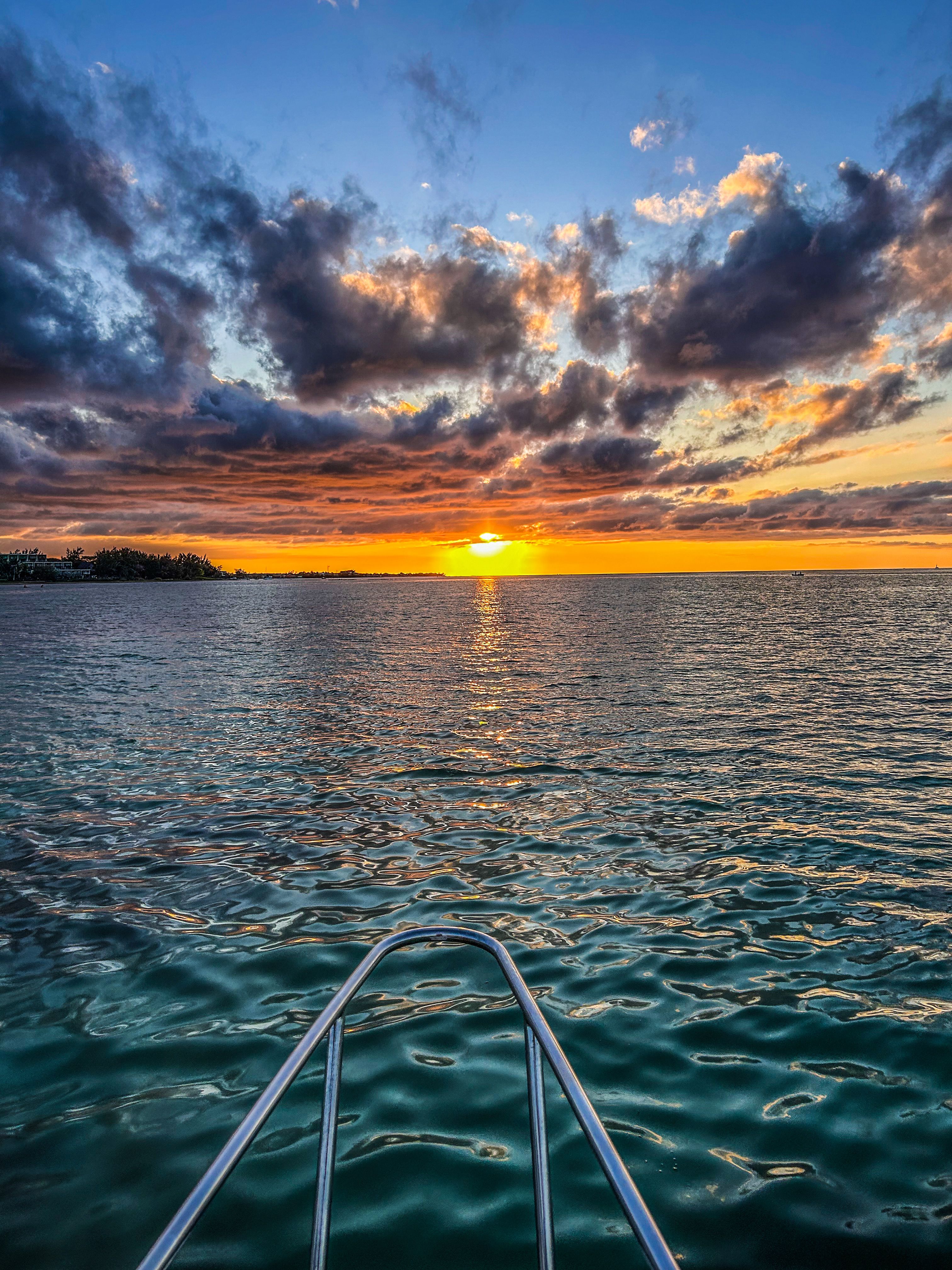
Sailing to the islets
Reaching Île aux Cerfs or Ilot Gabriel by boat, ideally early or late in the day once most day trips are over and the lagoon falls quiet again.
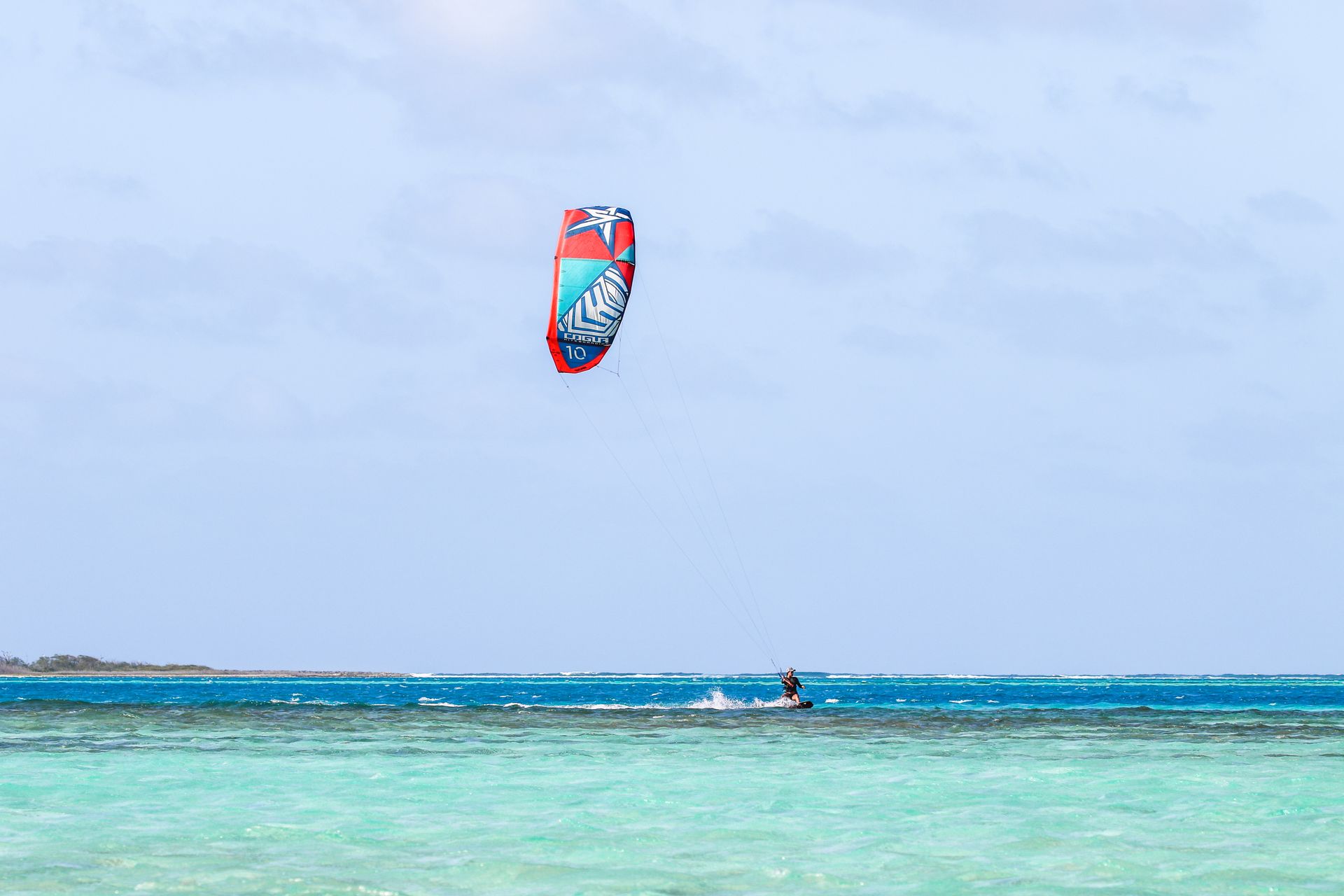
Chasing wind and waves
Le Morne is considered one of the best kitesurfing spots in the Indian Ocean; Tamarin draws surfers for the waves and the dolphins that often swim past in the morning.
These are possibilities.
Not your journey.
When would you travel?
No rainy season to avoid. But a cyclone season worth understanding.
Mauritius lies in the southern hemisphere: winter runs from May to October, drier and cooler, with evening temperatures on the Plateau that can genuinely catch out anyone who packed only summer clothes. This is the most popular season, and not by accident: clear skies, sheltered beaches in the north and west, excellent walking weather in Black River Gorges.
Summer, from November to April, is warmer and more humid, with a chance of tropical cyclones, mostly between January and March. A cyclone usually means a few days of wind and rain, not a lost trip. But it's worth factoring into planning, especially near the coast.
April and October are the insider months: still warm enough for the coast, with markedly less chance of a disrupted week than in the height of summer.
Best time to visit Mauritius
Jan
Feb
Mar
Apr
May
Jun
Jul
Aug
Sep
Oct
Nov
Dec
Dry and cool season: clear skies, more wind
Transition: still warm, markedly lower cyclone risk
Cyclone season: warm and humid, with a chance of a few disrupted days
Same months, other destinations
Who else is at their best in these months?
Not ready to ask yet?
Leave your email address. A month before the good time begins, we send you one reminder. Nothing more.
You will first get an email to confirm. You can unsubscribe at any time, with one click.
Rather talk it over?
Leave your name and number. We will call you at a time that suits you.
Looking past the highlights
Beyond the lagoon.
Rodrigues isn't a side trip. Treat Rodrigues as an excursion and you miss the point. The island deserves at least a few nights. The atmosphere, the pace and the community are different enough that it's almost a second destination within the same trip.
The south coast gets skipped, and that's a missed opportunity. Most routes go straight from the airport to the north or west coast. The rugged south coast, with black lava rock and barely any tourists, shows a very different Mauritius than the lagoon postcard.
Conservation costs money, and that's exactly the point. A visit to Île aux Aigrettes or Black River Gorges with a guide connected to the recovery programme sends the money straight to the organisations that brought back the pink pigeon and the giant tortoise. That's not a detail. It's the reason there's still something to see.
One self-contained resort shows you barely a fraction of the island. A complex on the lagoon is a valid part of a trip, but rarely the whole story. A local partner who knows both the coast and the interior opens up the other side of Mauritius, the side most visitors never see.
Worth knowing
Practical, without the noise.
We discuss the full, up-to-date picture with you personally, including anything specific to your trip.
- Getting there
- No direct flight from Brussels; most routes run via Paris, Dubai or Istanbul, roughly 13 to 15 hours of travel in total.
- Documents
- Which travel documents you need depends on your nationality, and entry rules change regularly. We go through the current requirements with you before you leave.
- Health
- No malaria on the island. Standard travel vaccinations are sufficient; check with your doctor or travel clinic if in doubt.
- Cyclone season
- From January to March there's a chance of a few disrupted days. That doesn't rule out these months, but it does call for flexibility in planning.
- Reaching Rodrigues
- A short domestic flight from Mauritius, about ninety minutes. We build this into the trip as standard, not as an afterthought.
- Pace
- The island is small, but the roads are slow. Expect longer drive times than the distance on the map suggests.
- Paying
- Card payment works smoothly in hotels, restaurants and shops; in smaller villages and at markets, cash still comes in useful.
- Travelling with children
- The calm lagoons on the north and east coasts suit families well; the south coast and the interior are better suited to older children.
Frequently asked questions
When is the best time to visit Mauritius?
From May to October it is winter: drier and cooler, with clear skies, steady trade winds on the east and south coasts and good walking weather. November to April is warmer and more humid, with a chance of tropical cyclones, mainly between January and March. April and October are the quiet shortcuts: still warm enough for the coast, with a much smaller chance of a disrupted week.
Is cyclone season a reason to avoid Mauritius?
Usually not. A cyclone generally means a few days of wind and rain, not a lost holiday. Between January and March it does call for flexibility in the planning, especially for anything on the coast.
Is Mauritius more than a beach destination?
Yes. Port Louis is a busy trading city with a central market and the Aapravasi Ghat, the UNESCO site for the first indentured labourers. Black River Gorges holds the last native forest, the south coast is rugged and black, and around Curepipe the island is cool and misty.
Is Rodrigues worth a day trip?
A day trip does the island a disservice. Rodrigues lies six hundred kilometres further east, about an hour and a half by air, and is smaller, slower and Creole, with a lagoon that is partly a marine protected area. If you go, stay at least a few nights.
Which languages are spoken in Mauritius?
Mauritian Creole is the language of the street, English the official language of government, and French dominates the media and business. Many families also speak Bhojpuri, Hindi, Tamil or Mandarin at home. As a visitor, English or French will get you anywhere.
Or perhaps this
Other destinations
Still weighing it up? That is no problem at all. The right country often only becomes clear once the conversation starts.
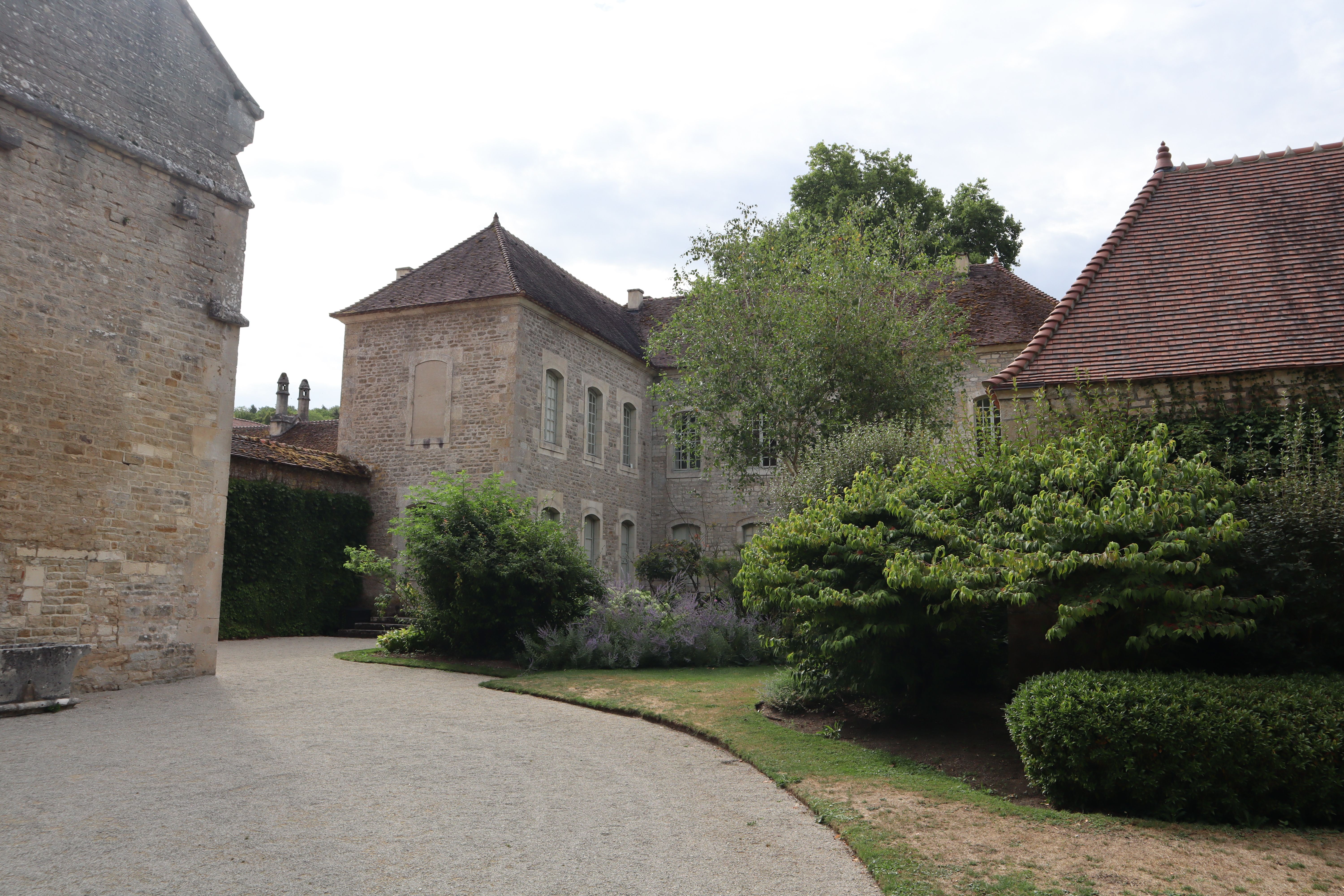
Atlantic Europe
France
France changes character at every provincial border and refuses to be reduced to a single image.
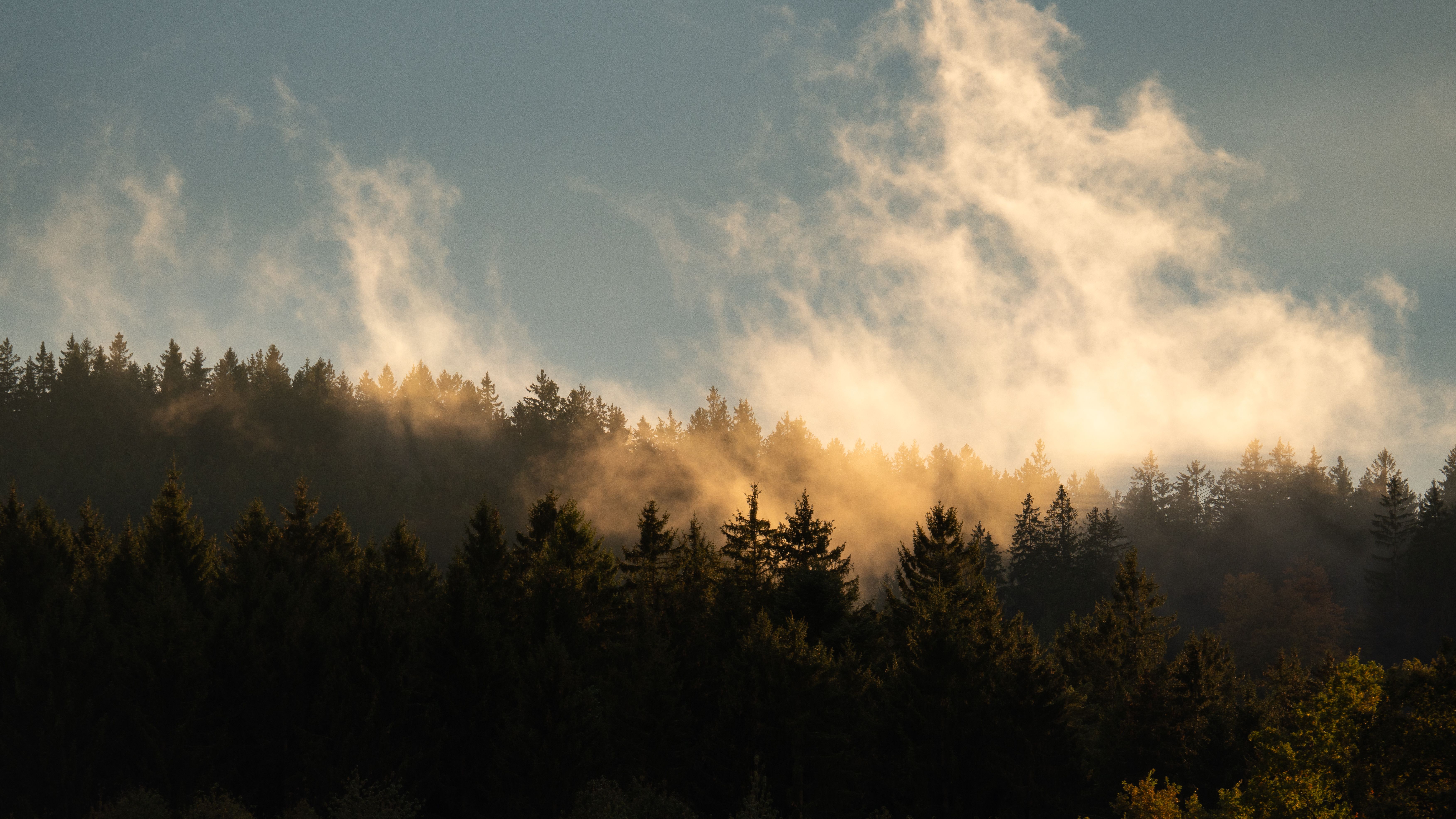
Central Europe
Germany
Germany combines urban precision with forest just a short walk away, and simply lets the two coexist.
Atlantic fringe
Ireland
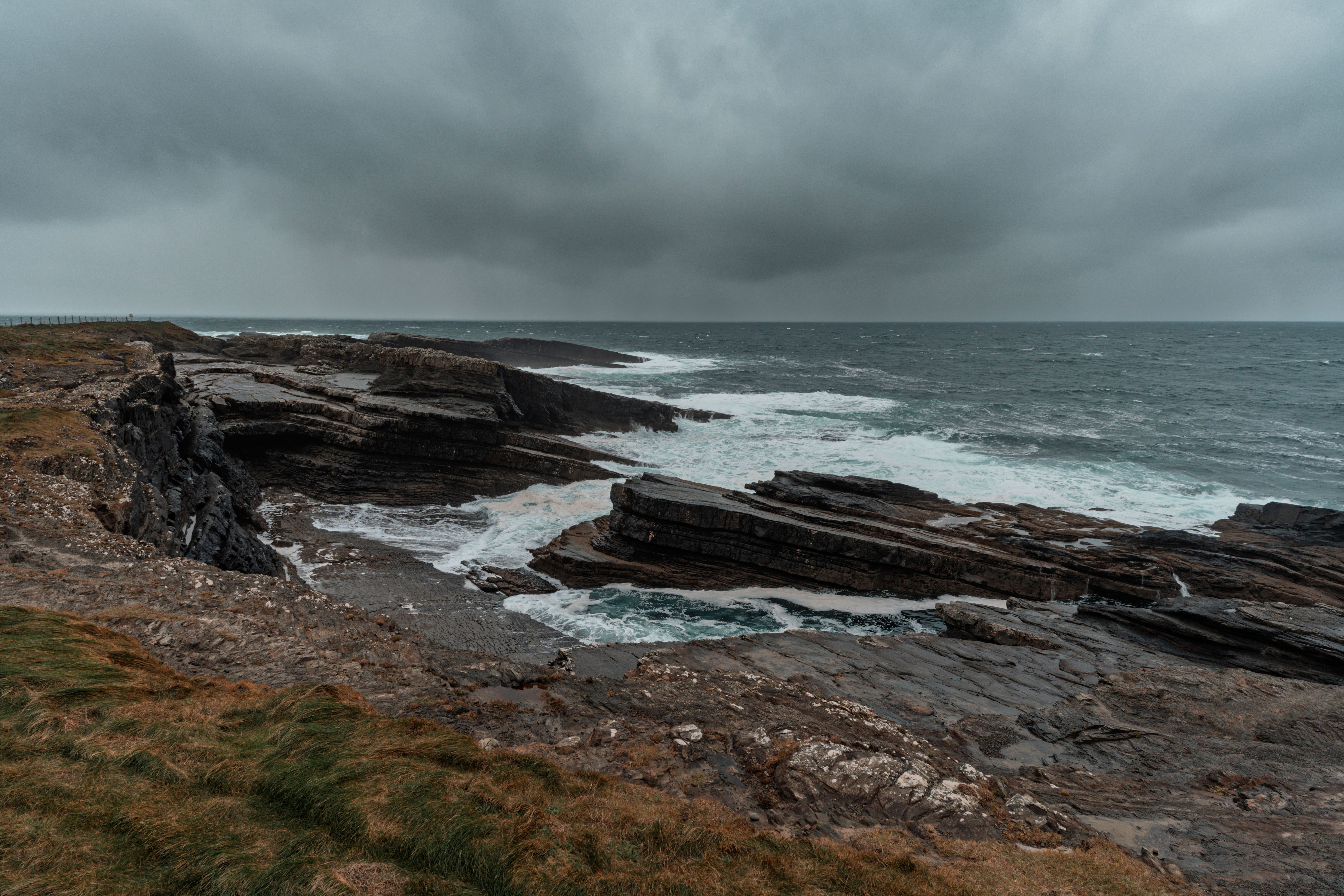
Ireland lets the weather set the scene, and a conversation in the pub rarely stays small talk.
How it works
This is how your journey to Mauritius takes shape.
Six steps, from your first story to your homecoming. The conversation and the feasibility check cost you nothing.
-
01
Tell us your story
Fill in the form or give us a call. You do not need a route yet: a country, a period or just an idea is enough.
-
02
The conversation and the check
We call you within two working days. We talk through what you are looking for and check whether it can be done. If it can, we set down together what we will make for you.
-
03
We design your journey
We build your programme up, day by day, together with our own people in the country itself.
-
04
Your proposal
You read your journey day by day, with everything that is included. You say what you would like differently, until it is right.
-
05
Ready to depart
You send us your details, we send you your travel documents. You have one fixed contact who knows your journey.
-
06
Travelling, and after
Your contact stays reachable while you are away. Once you are home, we call one more time.
The next step
How would you like to experience Mauritius?
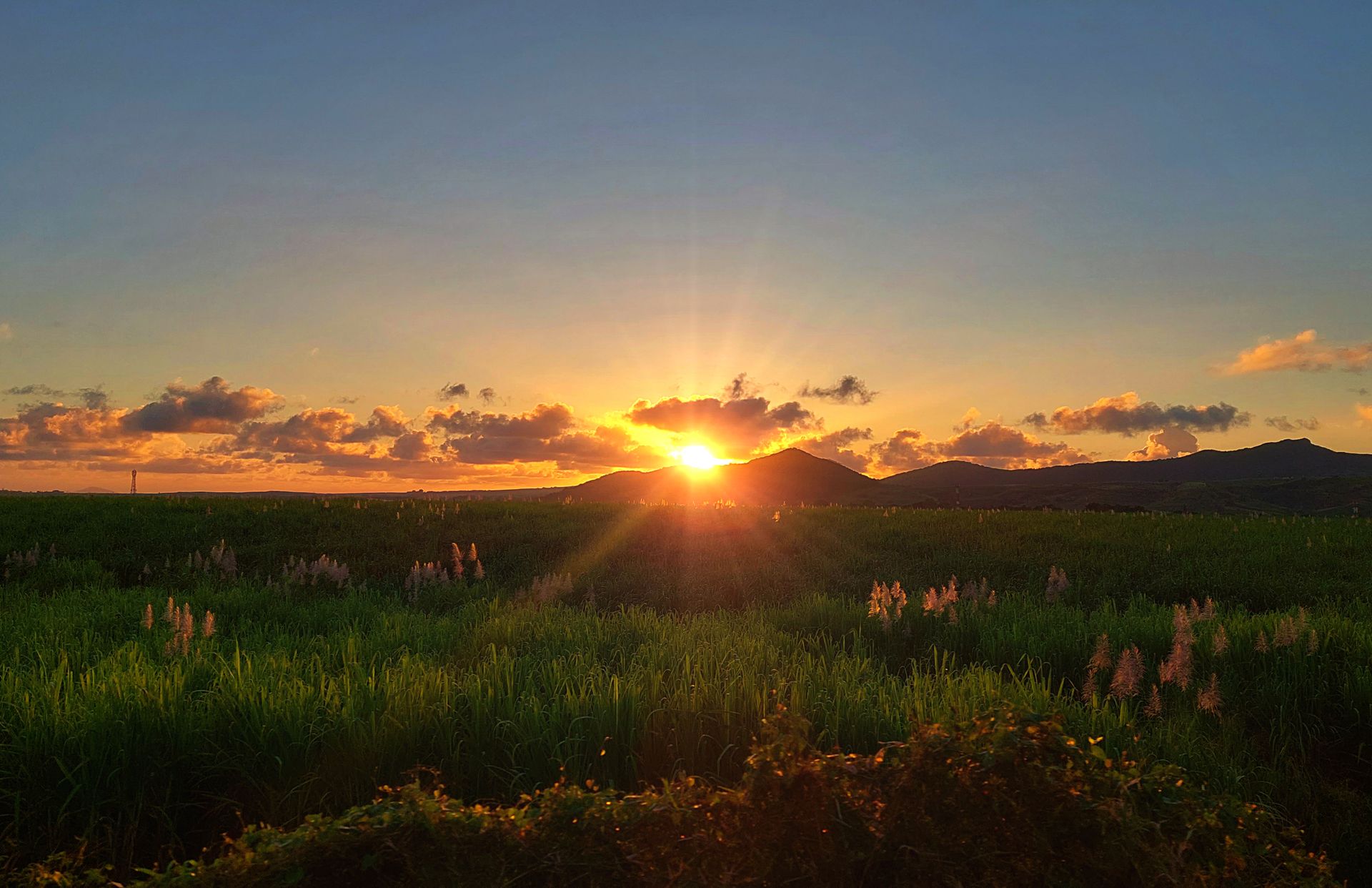
Tell us what draws you to Mauritius, who you want to travel with and what you have in mind. We start by getting to know you as a traveller and build from there, together with a local partner who knows the island from the inside.
Updated in October 2026