United Arab Emirates
Sharjah
The emirate the Arab world calls its cultural capital, and means it.
This is Sharjah
The capital of culture, not of height.
The most understated of the emirates, where culture and heritage matter more than height or gloss.
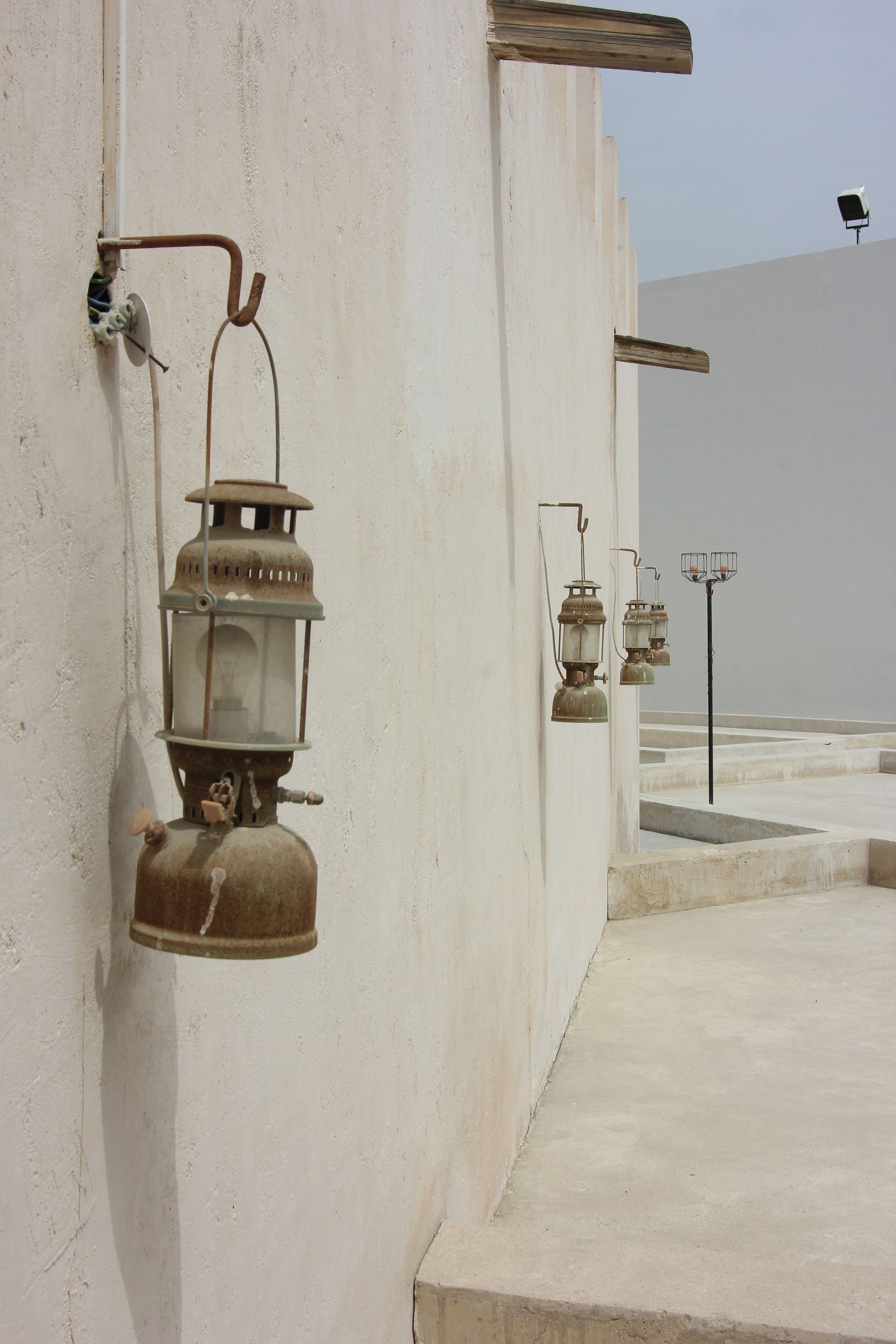
While its neighbours stack towers into the sky, Sharjah restored its old town. The Heart of Sharjah, the historic core around the Al Arsah souq, got its wind towers and coral-stone façades back instead of glass and steel. The emirate calls itself the cultural capital of the Arab world, a title it takes seriously: its own museums authority, UNESCO recognition as a Creative City of Crafts and Folk Art, and an alcohol ban that goes well beyond symbolism. Anyone coming for nightclubs or skyline photos will be disappointed. Anyone coming for calligraphy, architecture and a slower pace finds exactly that.
Sharjah is smaller than Dubai or Abu Dhabi, but geographically more varied than its compact size suggests. The emirate stretches from the Persian Gulf to the Gulf of Oman, with an exclave on the east coast where mountains drop straight into the sea. In between lies Mleiha, a desert plain with fossils and burial mounds thousands of years older than the city itself. From souq to dune to mangrove, this is an emirate you can cross in a few days without it ever feeling rushed.
In short
- Best time to go
- From November to March afternoons sit between 24 and 31 degrees and evenings are mild enough for a walk outdoors. April and October are already hotter, and from May to September temperatures reach 40 degrees or more.
- How long
- Three to five days, because the emirate is compact: time for the old town and the museums, a morning at Mleiha and a night on the east coast. To add Dubai or Abu Dhabi, allow a week or more.
- Who it suits
- Travellers who look for museums, calligraphy and restored traditional architecture at an unhurried pace, and want to balance the city with archaeology in the desert and mangroves on the east coast.
- What sets it apart
- Unlike Dubai and Abu Dhabi, Sharjah does not sell alcohol anywhere. It is also the only emirate that lies on both coasts: the Persian Gulf to the west and the Gulf of Oman to the east.
The faces of Sharjah
One emirate, five landscapes.
Sharjah is never just one thing. It's an old town that rebuilt itself, a modern centre around a lagoon, a desert plain full of fossils, and an east coast where the mountains end in the sea.
old town
The Heart of Sharjah
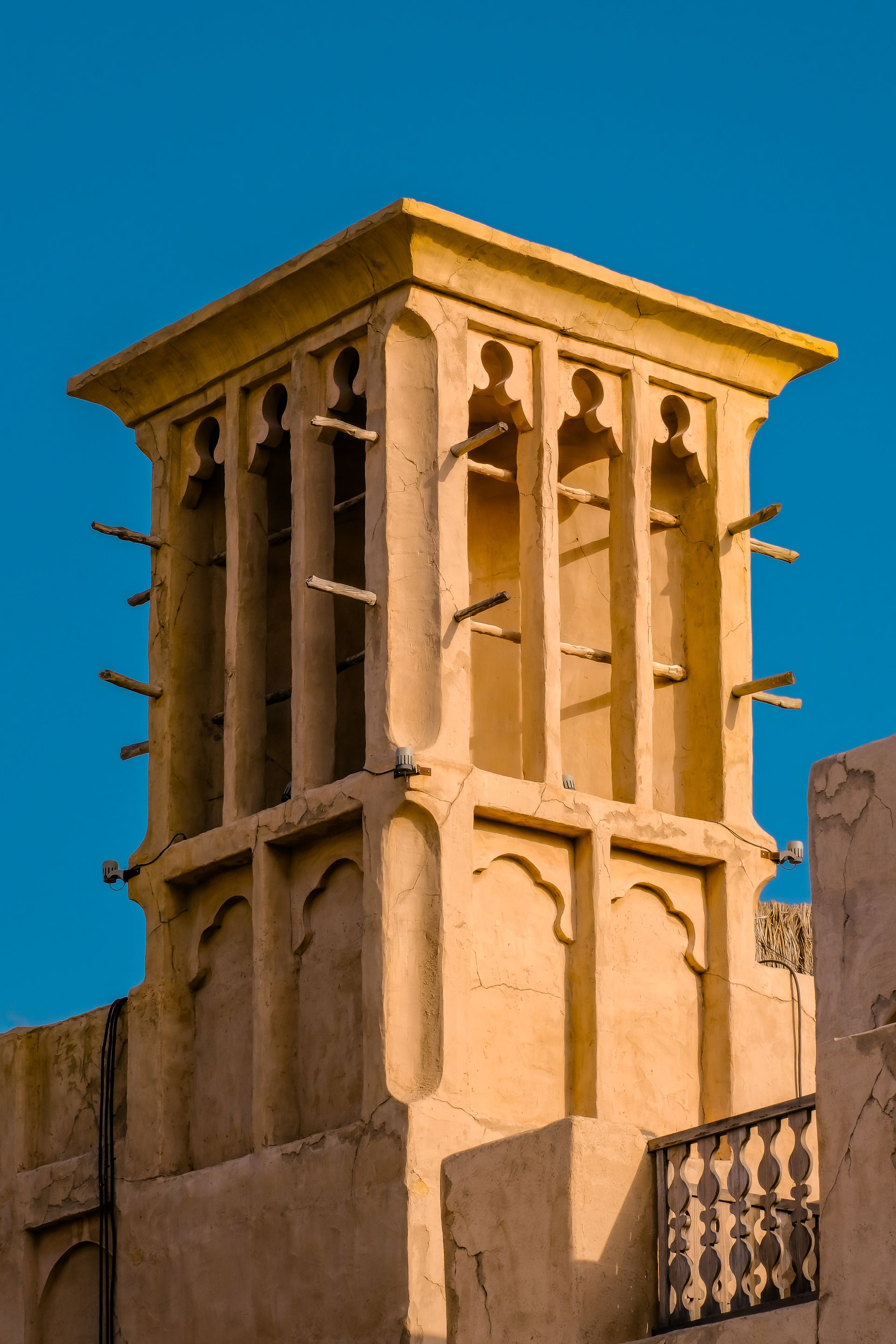
Around the Al Arsah souq, the old town has been carefully brought back: coral-stone houses, wind towers that once provided cooling, courtyards now home to coffee houses. Not a reconstruction for show, but a neighbourhood where daily life has returned.
waterfront
The Corniche and Al Majaz
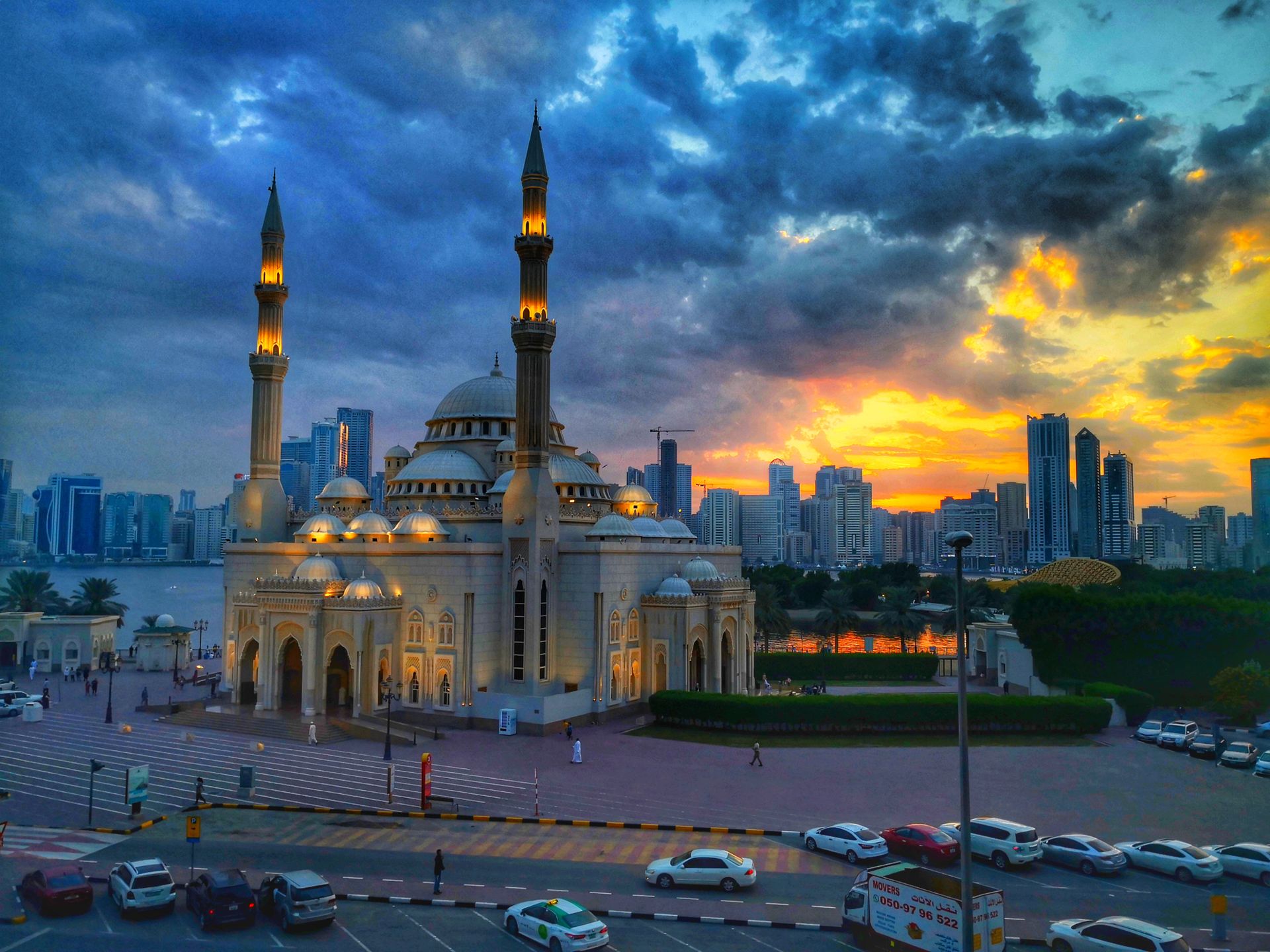
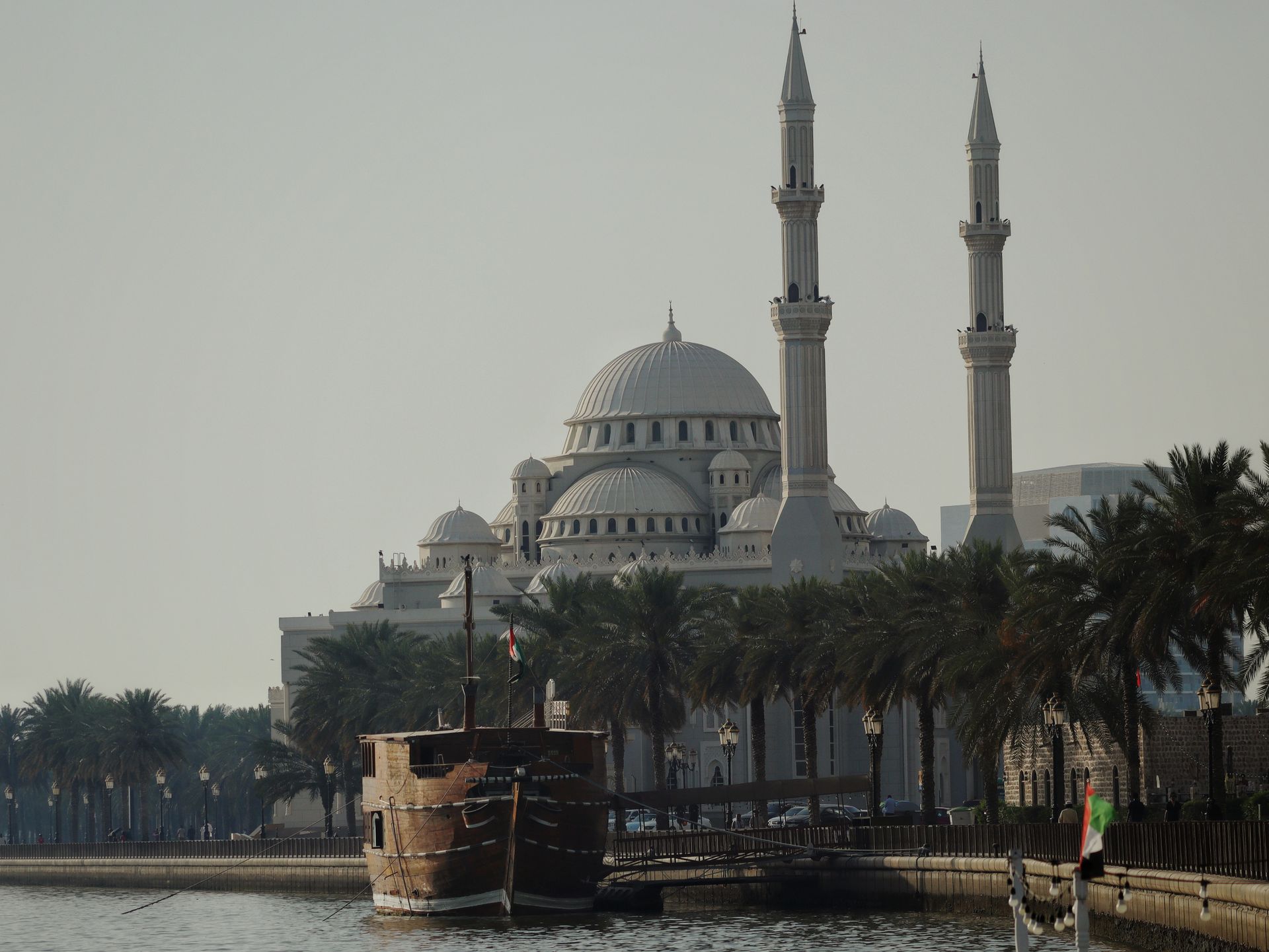
In the evening, families walk along the water around Khalid Lagoon, with the Al Majaz Fountain and Al Noor Mosque as a silhouette. The modern face of Sharjah, but without the high-rise ambitions of its neighbouring emirates.
desert
Mleiha
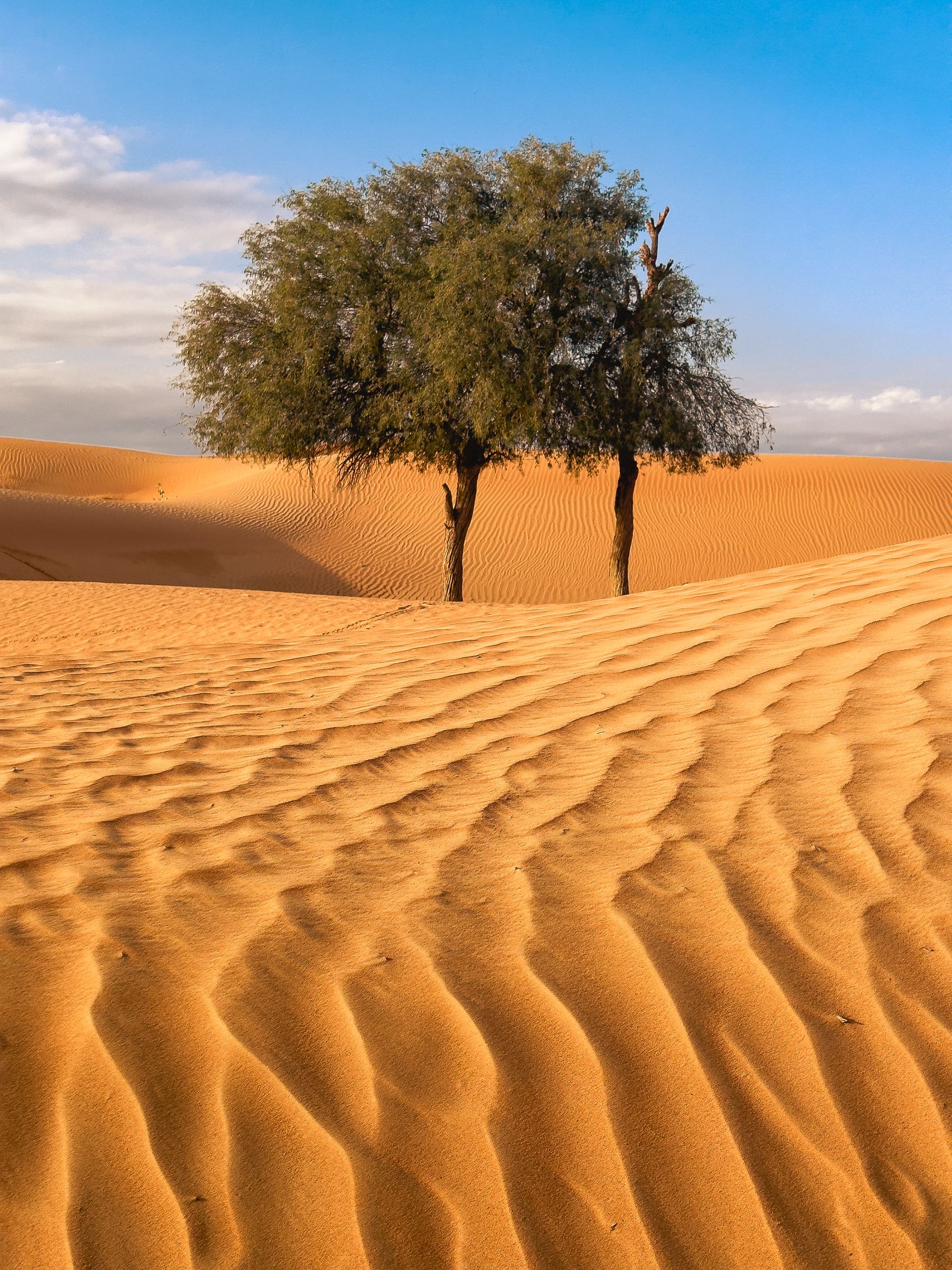
A desert plain forty-five minutes to an hour's drive from the city, where archaeologists have unearthed four-thousand-year-old burial tombs alongside fossils dating back millions of years. The dunes here are high enough to fall completely silent at night.
east coast
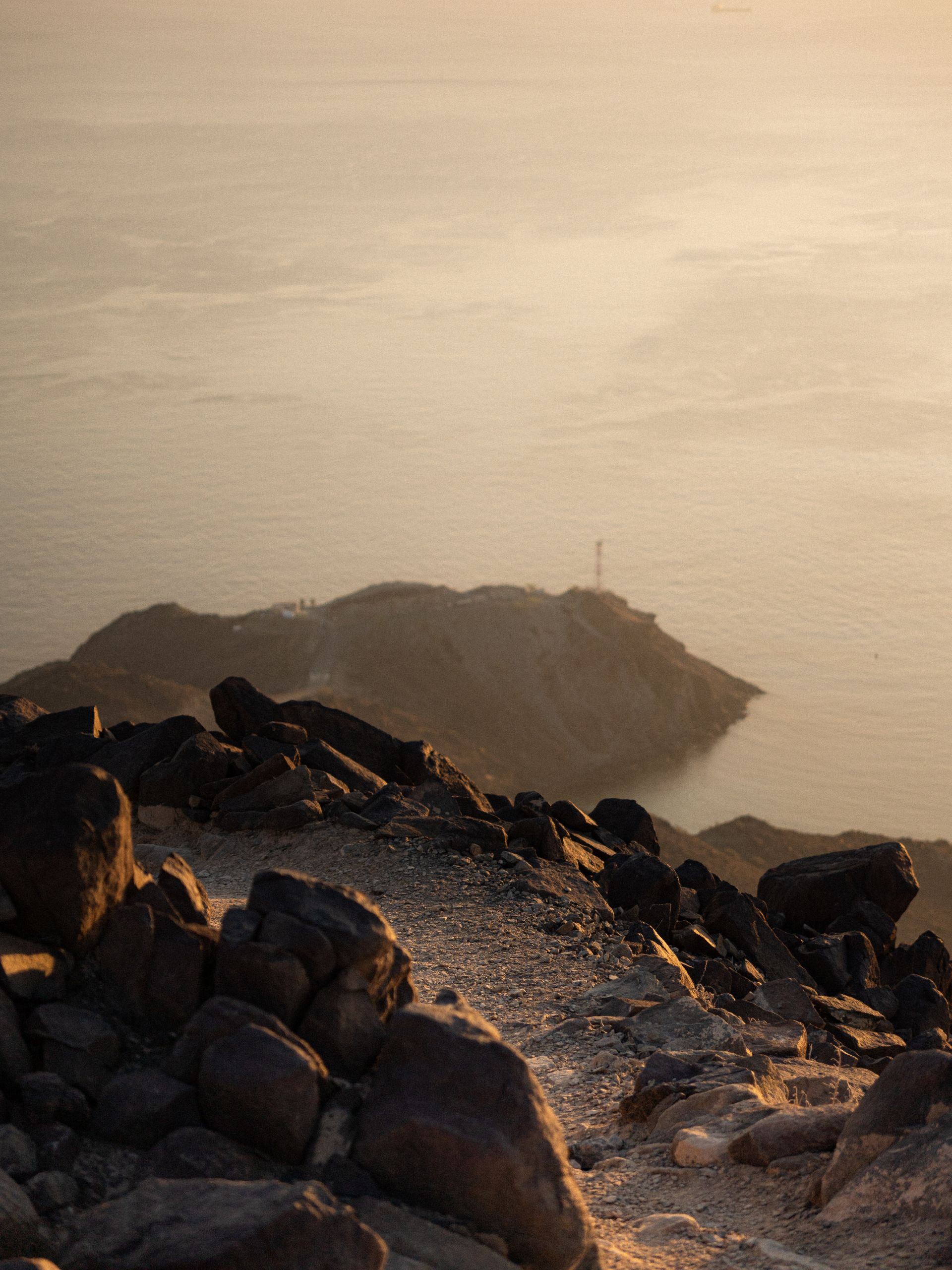
Khor Fakkan
Sharjah's exclave on the Gulf of Oman, where the Hajar Mountains almost fall into the water. A fishing harbour, a crescent-shaped bay, and water clearer than on the west coast.
mangroves
Khor Kalba
The oldest mangrove forest in the Emirates, home to a rare kingfisher that breeds almost nowhere else. Kayaking between the roots, in a silence that seems to belong to another country entirely.
Culture and heritage
A city that treats calligraphy as architecture.
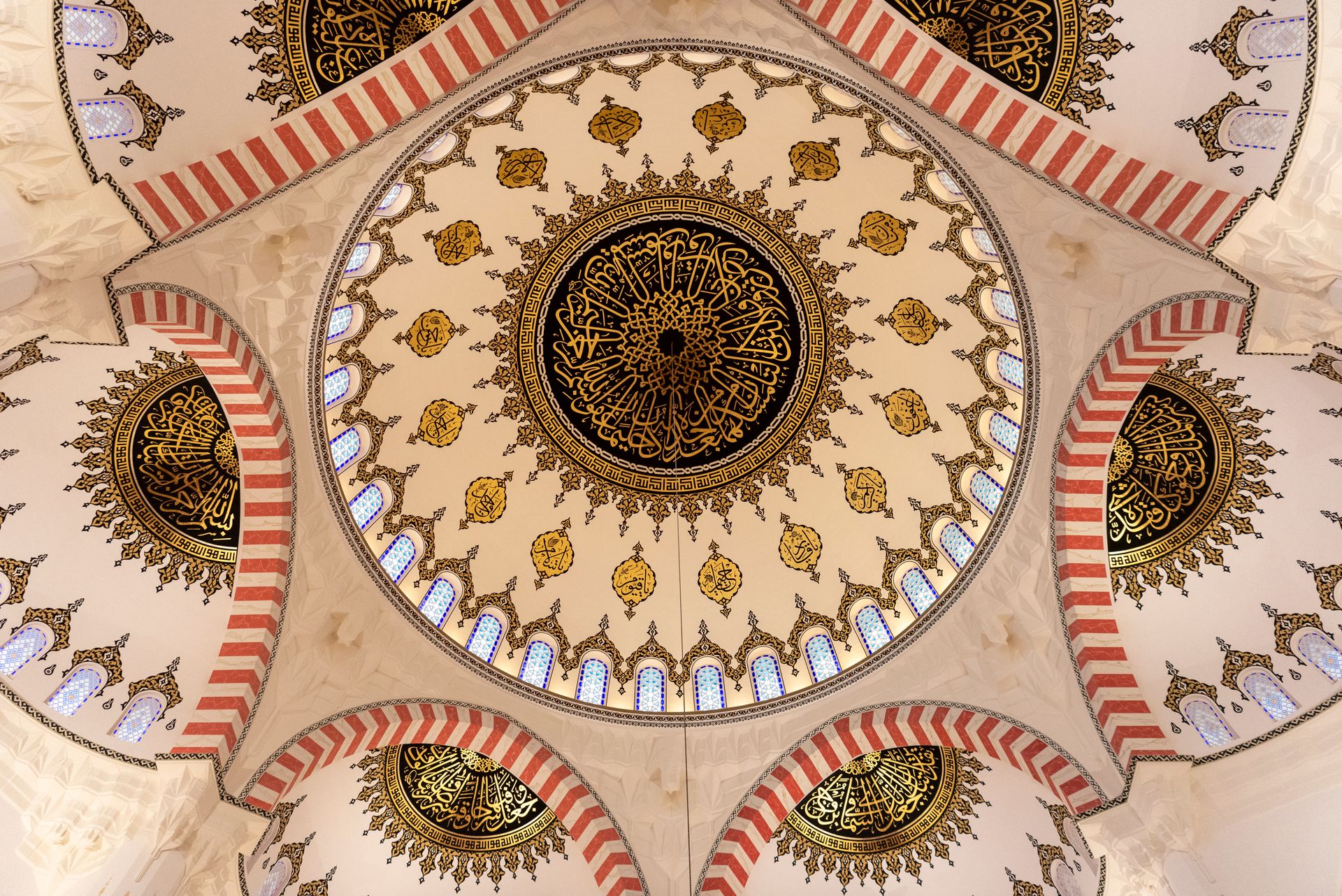
Sharjah spent decades investing in culture while its neighbours invested in height. The result: the Sharjah Museum of Islamic Civilization, whose dome glows like a lantern at night, the Sharjah Art Museum, and a series of smaller museums dedicated to everything from archaeology to classic cars. Calligraphy isn't decoration here, it's a craft, found on mosques, on façades, even on the signage.
That seriousness earned Sharjah the title of UNESCO World Book Capital in 2019, the first city in the Gulf region to hold it. There's an annual international book fair and a House of Wisdom that feels as much like a cultural centre as a library. This is an emirate that believes culture deserves to matter more than entertainment.
Looking past the highlights
Why we don't book Sharjah as an afterthought to Dubai
It's not a stopover Sharjah borders Dubai and is often treated as a day trip. We book it as a destination in its own right, with time for the old town, the museums and the east coast, not as a footnote.
The calm is the point Where other emirates measure themselves by height and spectacle, Sharjah measures itself by culture and hospitality. That calls for a different pace, and we give it that.
The east coast is underrated Most visitors never see Sharjah beyond the city limits. Khor Fakkan and Khor Kalba, on the other side of the Hajar Mountains, feel like a different country.
The rules aren't a minor detail Sharjah is the most conservative emirate, with an alcohol ban and a stricter dress code than Dubai. We prepare travellers for that honestly, rather than leaving it unsaid.
Three kinds of silence
What you hear when there's nothing else to hear.
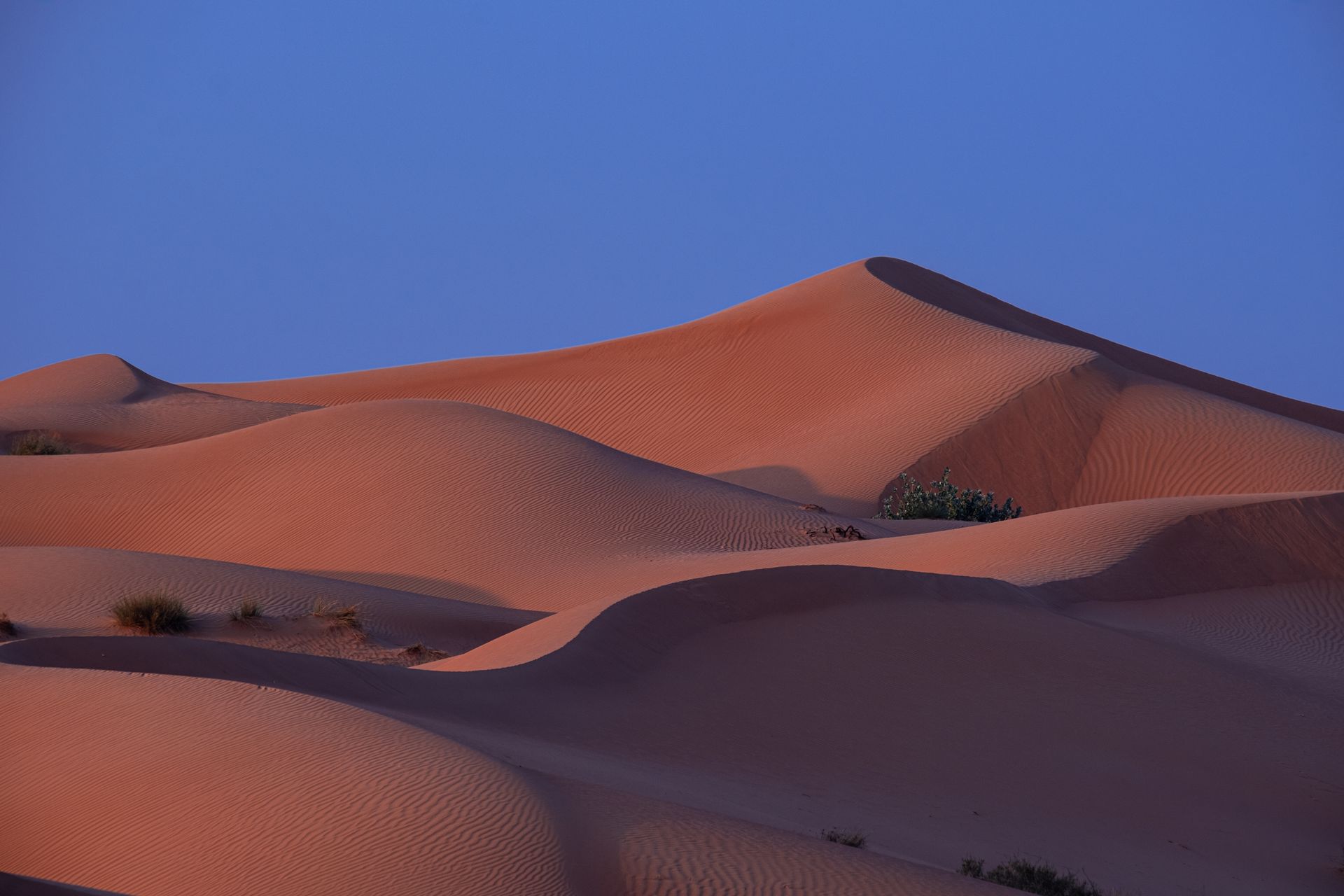
The desert at Mleiha
Early in the morning, before the heat sets in, the dunes turn rust red. No sound but sand shifting underfoot and, somewhere in the distance, a desert lark.
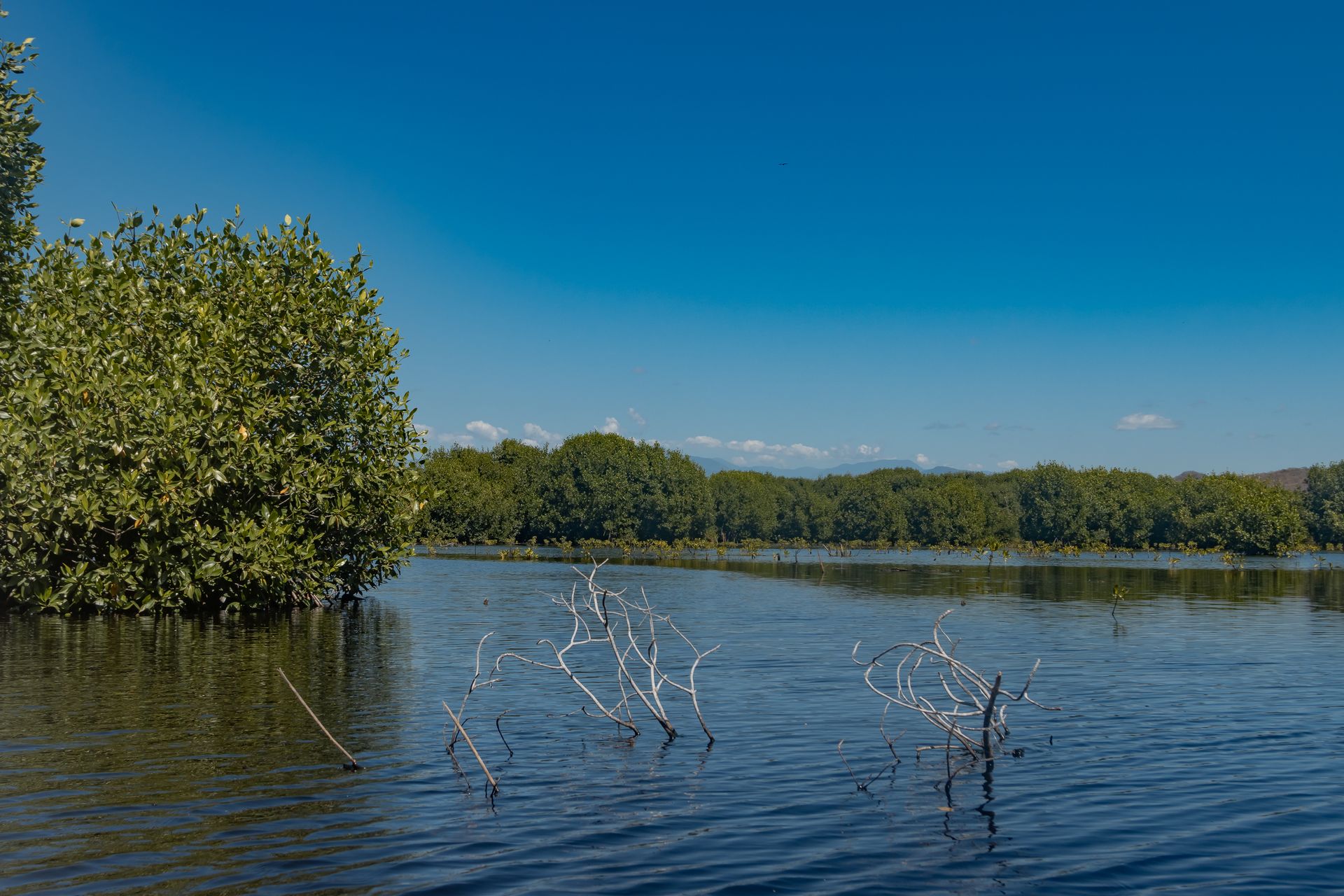
The mangrove at Khor Kalba
Tidal water between the roots, a purple heron darting off at every paddle stroke. It feels more like a river delta in East Africa than the Gulf.
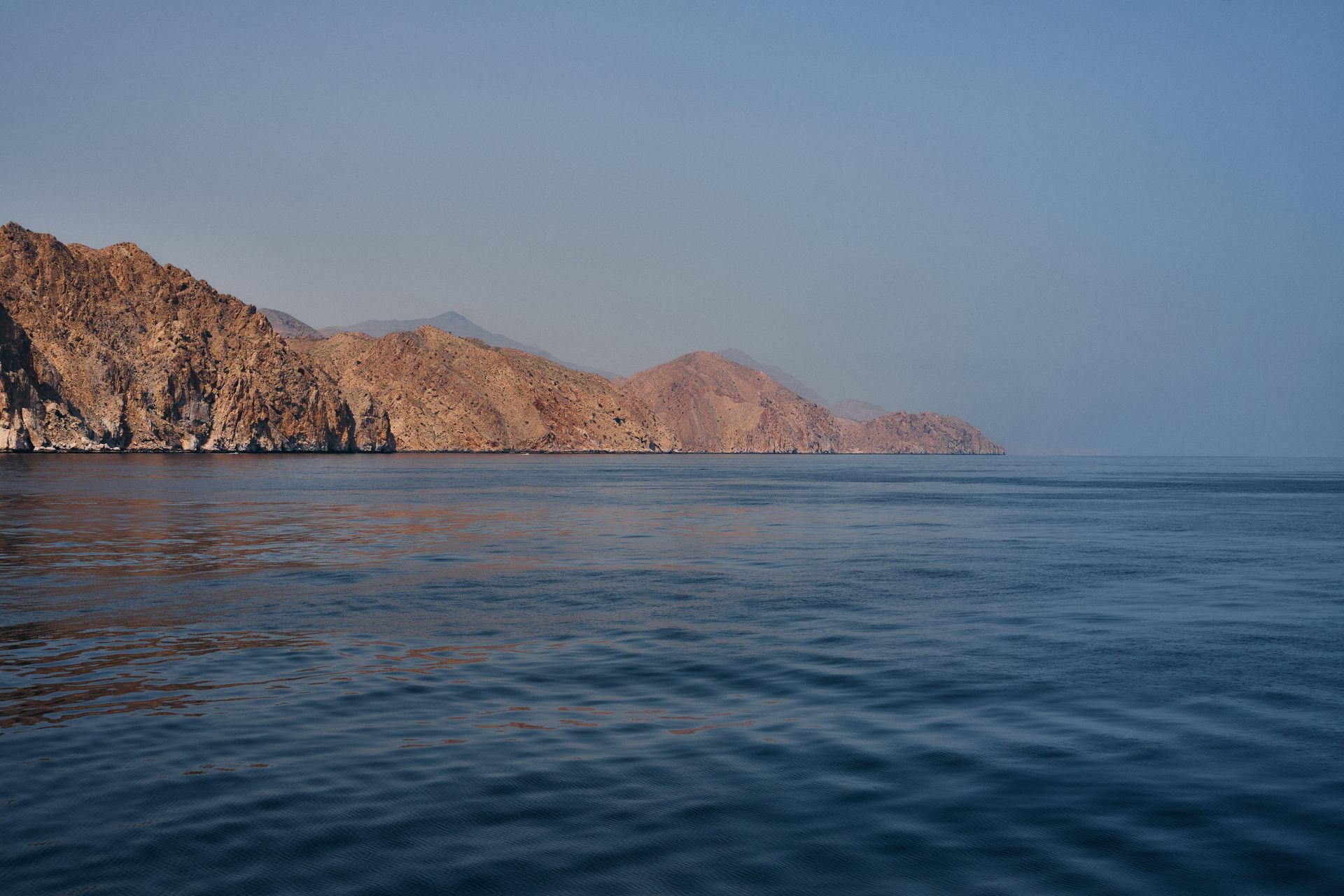
The mountain coast at Khor Fakkan
Where the Hajar Mountains drop straight into the Gulf of Oman, the surf breaks against cliffs rather than sand. Early in the morning, almost no one is out on the water.
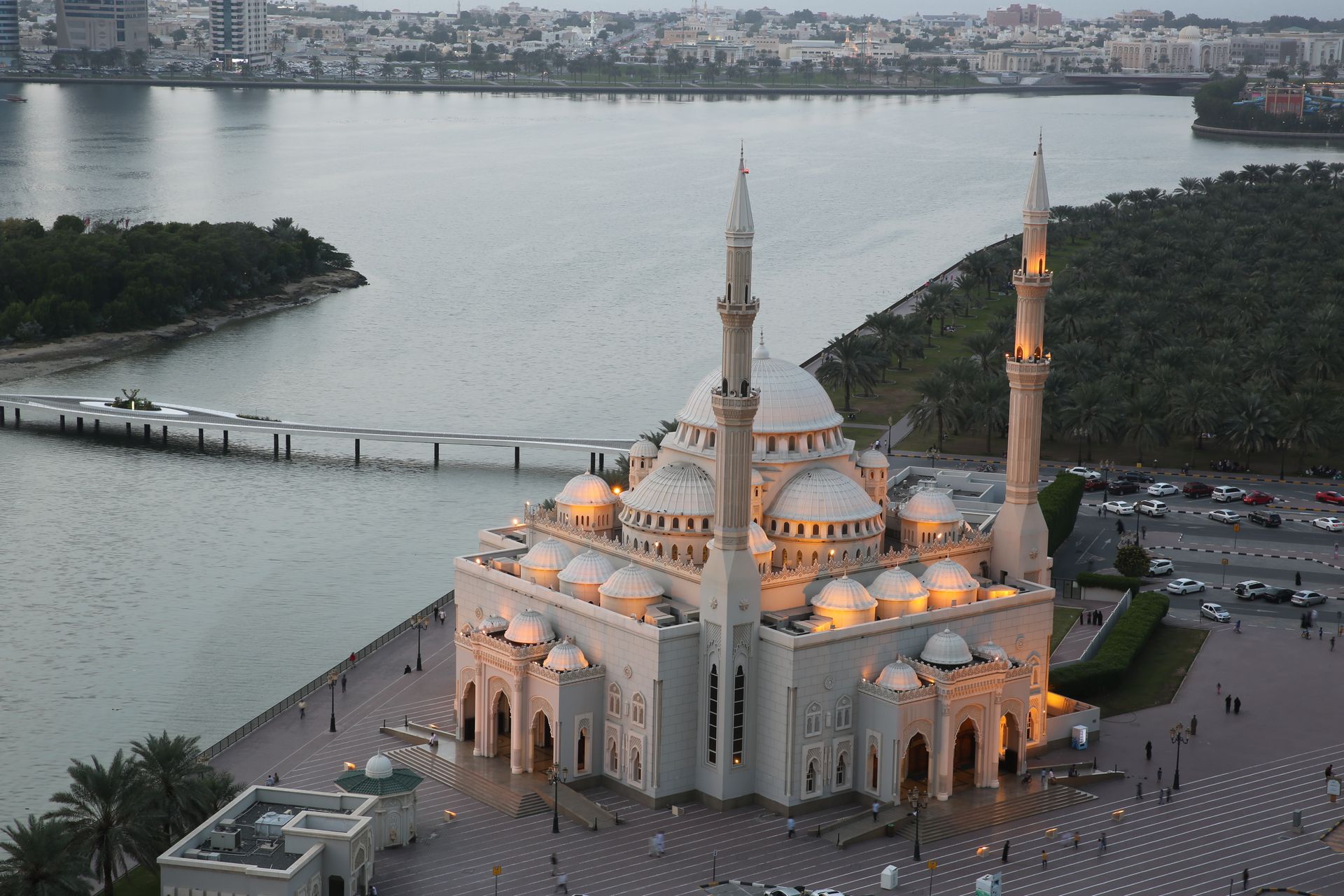
The courtyard of Al Noor Mosque, shortly after sunrise.
What you can do here
No must-see list, just a handful of places that make the difference.
Sharjah doesn't reveal itself to anyone passing through. These are the experiences that introduce the emirate best.
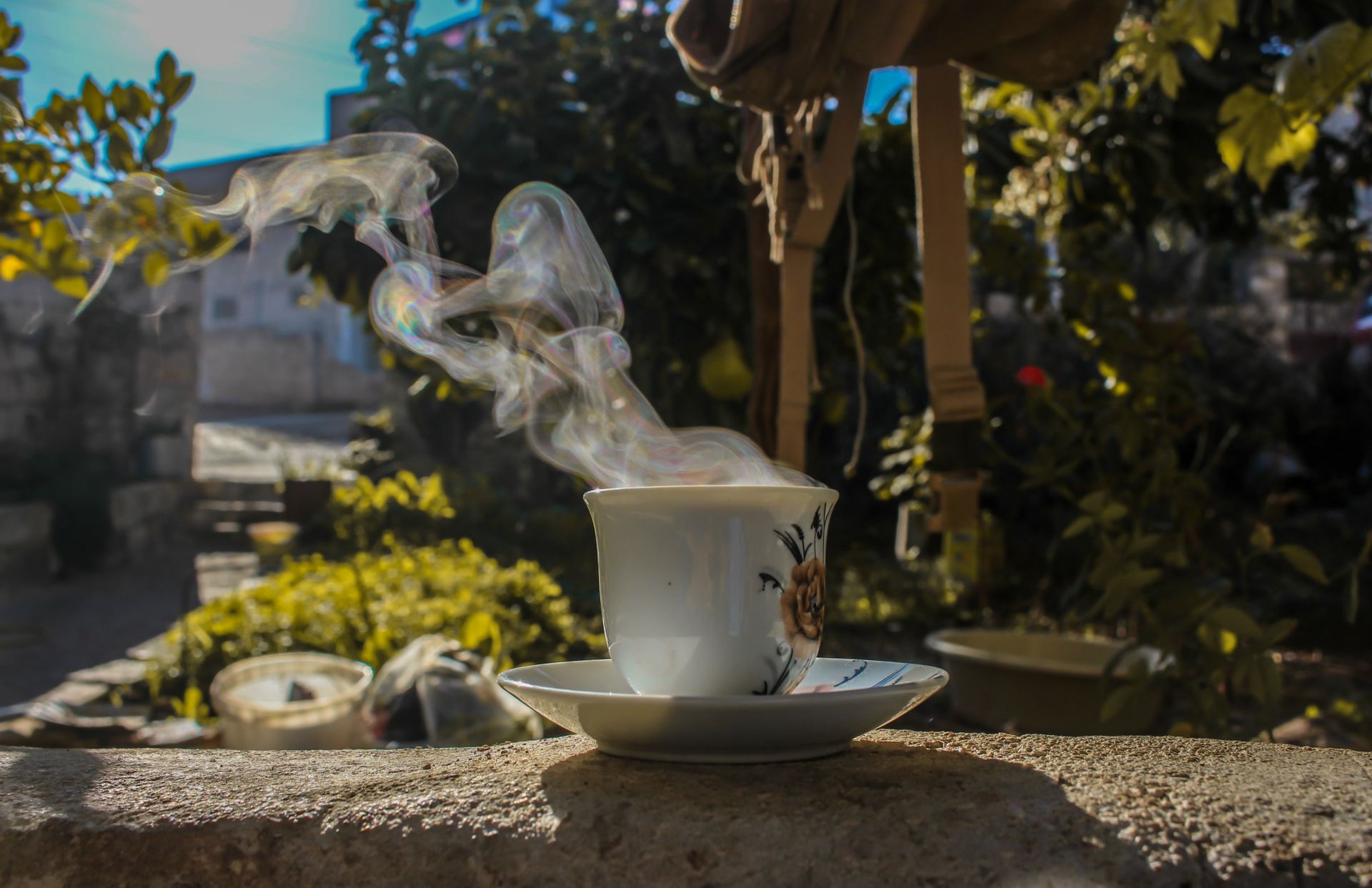
A morning in the Heart of Sharjah
Wandering the restored old town before the heat sets in, with a stop at a traditional coffee house and the Al Arsah souq for textiles and spices.
A night in the desert at Mleiha
Sleeping among the dunes, far from city lights, with a guide who knows the fossils and burial tombs of the area. No quad-bike spectacle, just quiet.
Diving or snorkelling at Khor Fakkan
The east coast has coral and visibility the west coast of the Emirates can't match. A morning on the water here feels like a different country.
Kayaking among the mangroves of Khor Kalba
Paddling through the oldest mangrove forest in the Emirates, looking for the local kingfisher, as the tide uncovers the roots.
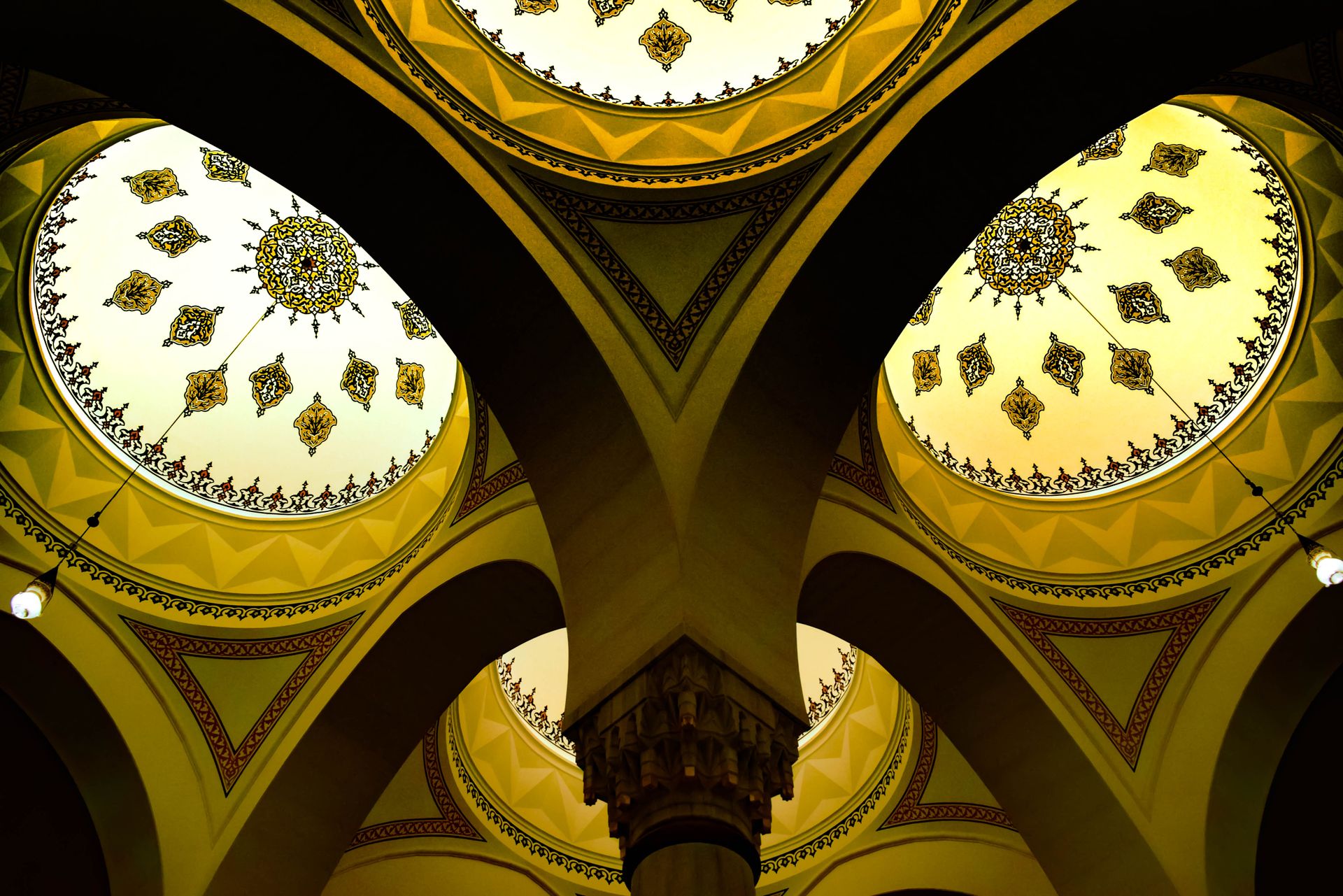
An afternoon in Sharjah's museums
From Islamic art to archaeology, many of the museums in the old town are within walking distance of each other.
All of it planned to measure, at the pace that suits you, never as a fixed programme.
Worth knowing
Practical, without the noise.
A few things that make travelling in Sharjah a little different from the rest of the Emirates.
- Getting there
- Sharjah has its own airport, but Dubai International is just as much within reach, under an hour's drive away.
- Alcohol
- Sharjah is the only dry emirate: no alcohol anywhere, not in hotels and not in restaurants.
- Dress code
- Stricter than Dubai: shoulders and knees covered in public places, for men too.
- Documents
- Which travel documents you need depends on your nationality, and entry rules change regularly. We go through the current requirements with you before you leave.
- Pace
- The whole emirate can be crossed in a day or two. The time you save on travel, we give back to depth.
When would you travel?
When to meet Sharjah at its best
From November to March, the temperature is pleasant, rarely above thirty degrees during the day and cool enough in the evening for a walk along the Corniche. April and October are still manageable, with a bit more heat in the afternoon. From May to September the mercury climbs past forty degrees, not impossible, but it does shape the rhythm of the day: early mornings and late evenings, the rest spent indoors.
Best time to visit Sharjah
Jan
Feb
Mar
Apr
May
Jun
Jul
Aug
Sep
Oct
Nov
Dec
Top: pleasant during the day, ideal for the old town and the east coast
Good: warmer, but still manageable at an adjusted pace
Fair: extreme heat, activities shift to early morning and evening
Same months, other destinations
Who else is at their best in these months?
Not ready to ask yet?
Leave your email address. A month before the good time begins, we send you one reminder. Nothing more.
You will first get an email to confirm. You can unsubscribe at any time, with one click.
Rather talk it over?
Leave your name and number. We will call you at a time that suits you.
Frequently asked questions
Is there really nowhere to get alcohol in Sharjah?
That's right, Sharjah is the only dry emirate in the UAE. Anyone wanting a different kind of evening plans that in Dubai or Ajman, barely half an hour's drive away.
Can you combine Sharjah with Dubai or Abu Dhabi?
Certainly, the emirates border each other and the distances are small. We do recommend not treating Sharjah as a day trip, but making real time for it.
Is Sharjah suitable if you only have a few days?
Yes. The emirate is compact enough to combine the old town, the desert at Mleiha and the east coast in just a few days, without it ever feeling rushed.
How strict is the dress code in practice?
Stricter than in Dubai, but not unmanageable: covering shoulders and knees on the street and in public spaces is enough. Hotels and beaches follow more relaxed rules.
Or perhaps this
Other destinations
Still weighing it up? That is no problem at all. The right country often only becomes clear once the conversation starts.
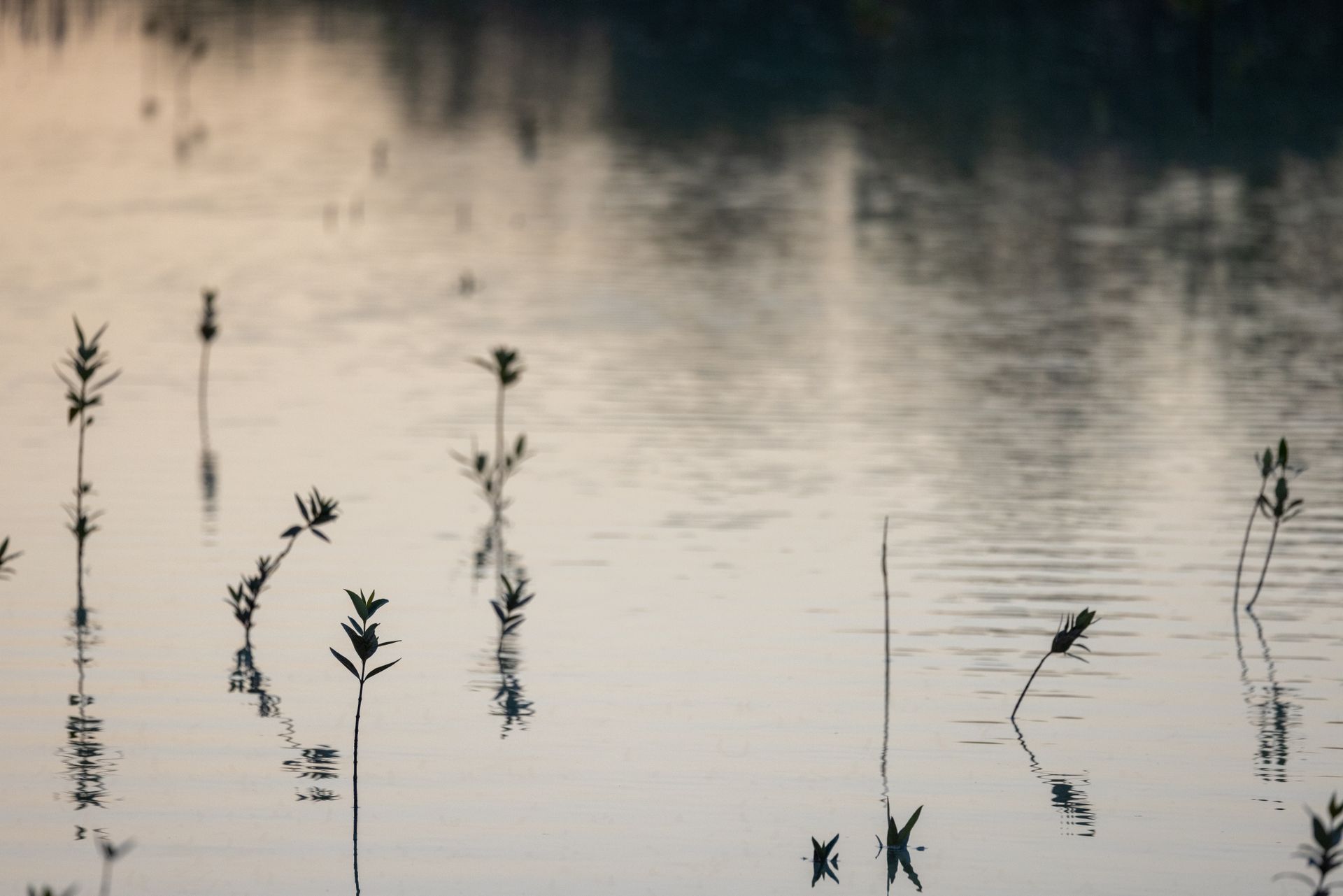
United Arab Emirates
Abu Dhabi
The capital prefers to govern with calm rather than noise, putting its wealth towards culture and space rather than spectacle.
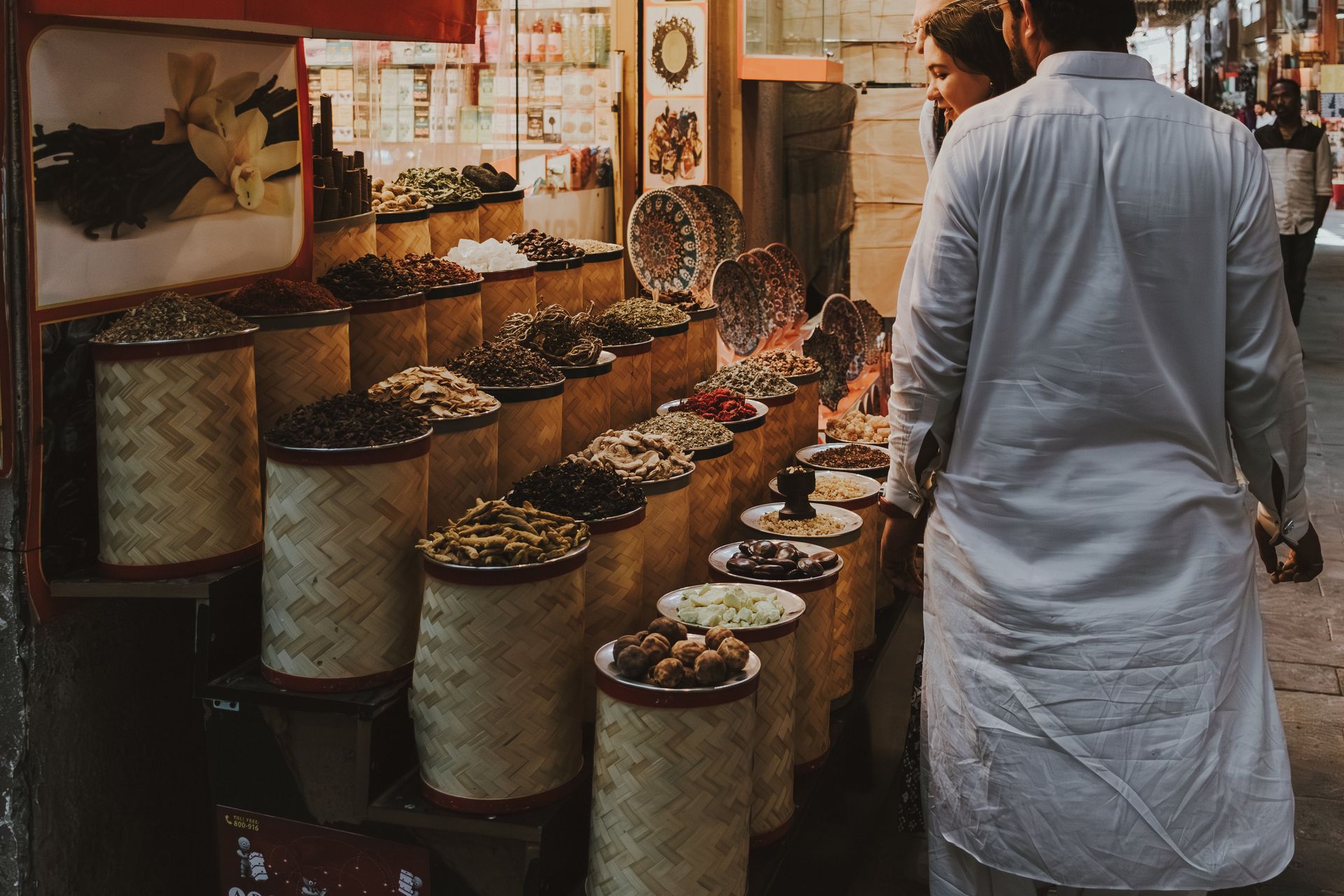
United Arab Emirates
Dubai
A city that keeps rewriting itself, though the old creek and its souks still hold on to the pace of life before the skyscrapers.
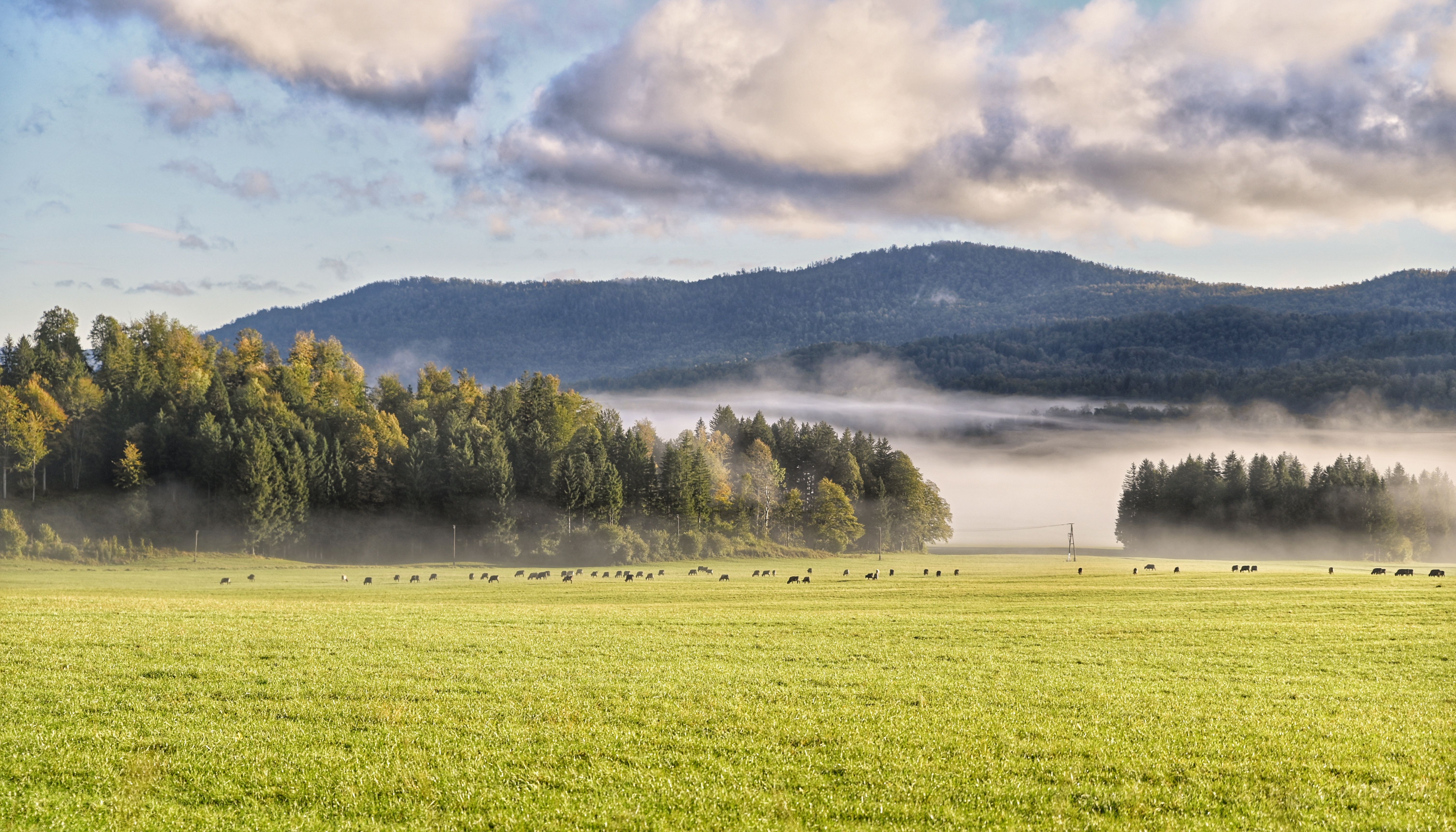
Alpe-Adria region
Slovenia
Alps, karst caves and a sliver of coast all lie within a few hours of each other, in a country that never overdoes it.
How it works
This is how your journey to Sharjah takes shape.
Six steps, from your first story to your homecoming. The conversation and the feasibility check cost you nothing.
-
01
Tell us your story
Fill in the form or give us a call. You do not need a route yet: a country, a period or just an idea is enough.
-
02
The conversation and the check
We call you within two working days. We talk through what you are looking for and check whether it can be done. If it can, we set down together what we will make for you.
-
03
We design your journey
We build your programme up, day by day, together with our own people in the country itself.
-
04
Your proposal
You read your journey day by day, with everything that is included. You say what you would like differently, until it is right.
-
05
Ready to depart
You send us your details, we send you your travel documents. You have one fixed contact who knows your journey.
-
06
Travelling, and after
Your contact stays reachable while you are away. Once you are home, we call one more time.
The next step
How would you like to discover Sharjah?
Tell us whether you're drawn more to the old town and its museums, the quiet of the desert at Mleiha, or the mountain coast on the east side. From there, we put together a trip that suits your pace.
Updated in October 2026