Maghreb, Mediterranean coast
Tunisia
A small country where three thousand years of history and the edge of the Sahara lie a few hours' drive apart.
This is Tunisia
A small country where three thousand years of history and the edge of the Sahara lie a few hours' drive apart.
Carthage, Kairouan and the Sahara lie closer together than you'd think.
Tunisia is easy to overlook between its larger neighbours, and that is precisely what gives it something rarer elsewhere in North Africa: a sense of scale you can actually grasp. From the cliffs at Tabarka to the salt flat of Chott el Djerid is barely five hundred kilometres, and along the way you pass Punic foundations, Roman mosaics, Ottoman medinas and Berber villages carved literally into the rock.
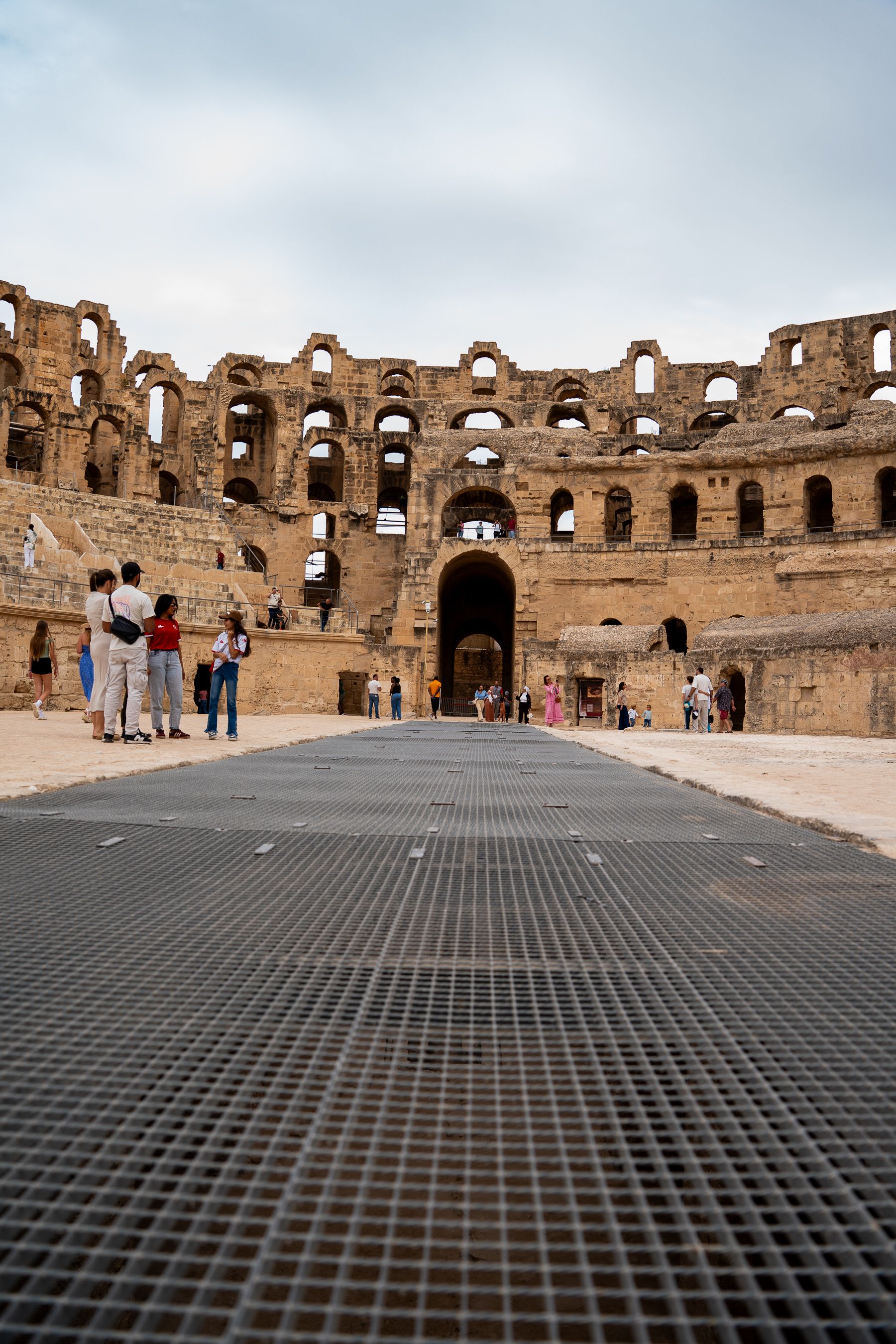
Carthage stood here, on the edge of what is now Tunis, and after Carthage came Rome, Byzantium, the Arabs, the Ottomans and the French, one after another. None of those layers has been erased. In Kairouan, one of the holy cities of Islam, a mosque founded in the seventh century stands beside a medina that still works for its own people, not for visitors. In El Jem, an amphitheatre rises that looks too large for the small town around it.
Head further south and the landscape tilts: olive groves give way to steppe, steppe to palm oases, and eventually to dunes that have served as backdrop to another planet for decades. QualiMundi doesn't turn that into a checklist of sights, but into a route shaped by how much city, how much silence and how much sand you're after.
In short
- Best time to go
- April, May and October are the most pleasant, with afternoons of 22 to 27 degrees in Tunis and up to 32 on the desert edge at Tozeur. In July and August Tozeur averages 40 degrees, and winter nights there can drop below freezing.
- How long
- A week to ten days to combine the north coast, Kairouan and the desert edge. Tunis to Douz is about 470 kilometres, so to add Djerba or the hills around Tabarka, allow more time.
- Who it suits
- Travellers who want more than the beach resorts: medinas, Roman mosaics and the Punic and Roman remains of Carthage, combined with a night among the dunes near Douz.
- What sets it apart
- Within short distances of each other lie Carthage, Kairouan, Roman Dougga and the amphitheatre of El Jem, the largest in North Africa, all of them on UNESCO's World Heritage List.
The regions
From medina to dune, without ever feeling far
Tunisia is small enough to combine coast, interior and desert edge in a single trip, and varied enough for that never to feel rushed.
Capital and coast
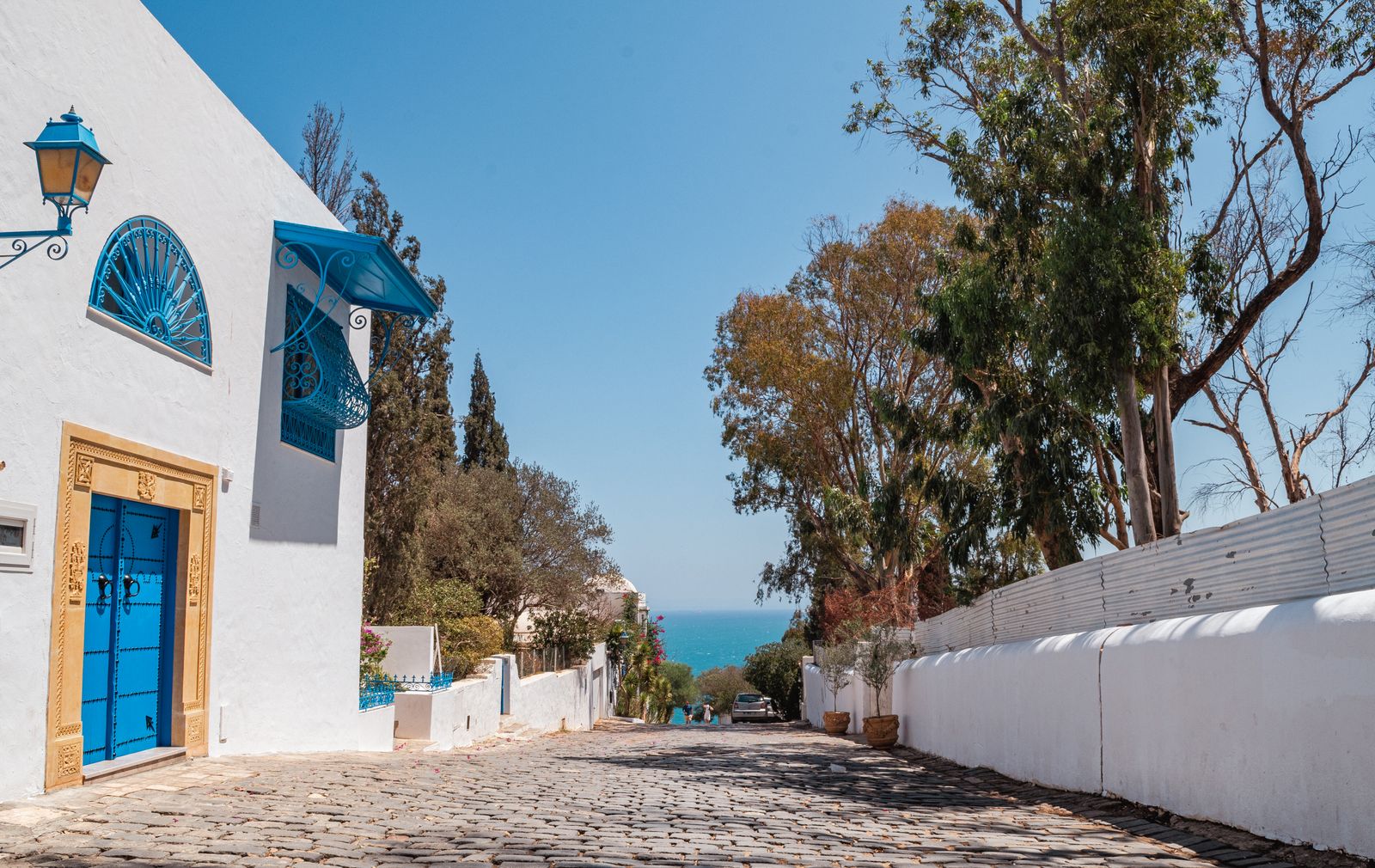
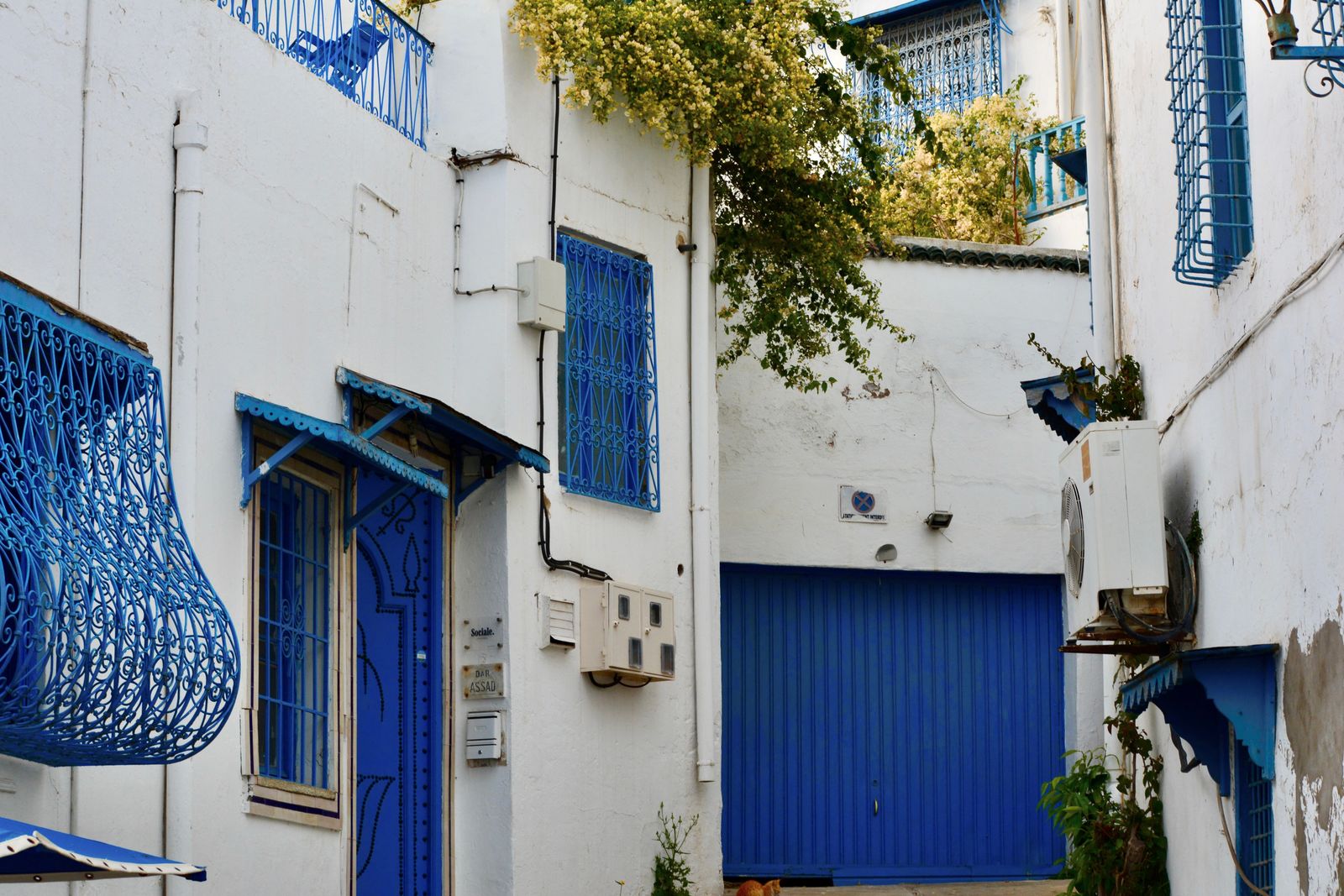
Tunis and Sidi Bou Said
The medina of Tunis is a working city, not an open-air museum: coppersmiths, spice stalls and a nineteenth-century souk stacked one above the other. A quarter of an hour away lies Sidi Bou Said, its blue-and-white houses set against the Gulf of Tunis, and the Bardo Museum, home to one of the richest mosaic collections in the world.
Peninsula
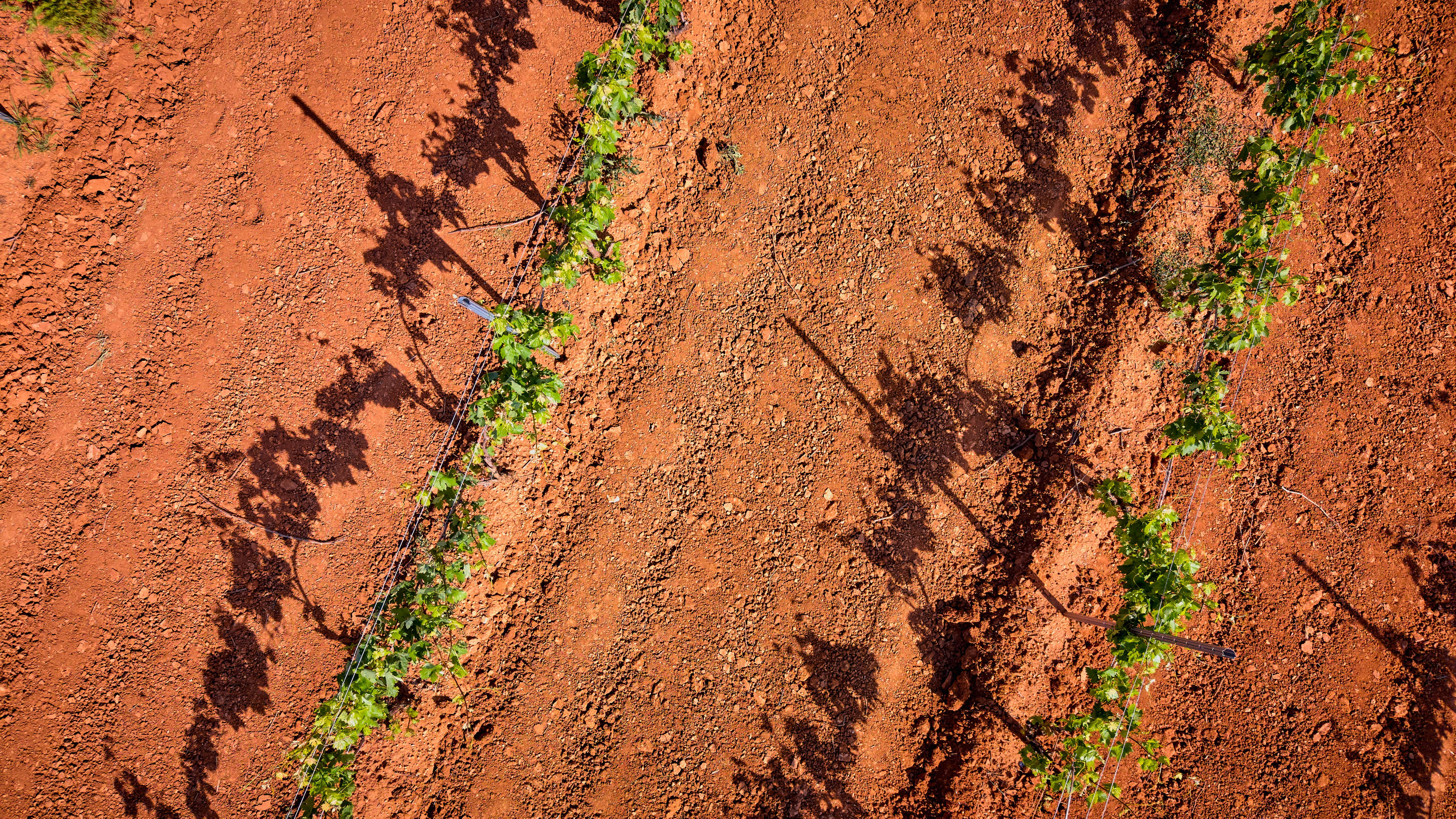
Cap Bon
Vineyards on red earth and fishing harbours such as Kelibia, where the morning catch still comes in at dawn. Nabeul has been known for its pottery for generations, and the coast road between the vineyards and the sea sees barely any tourist traffic.
Holy city
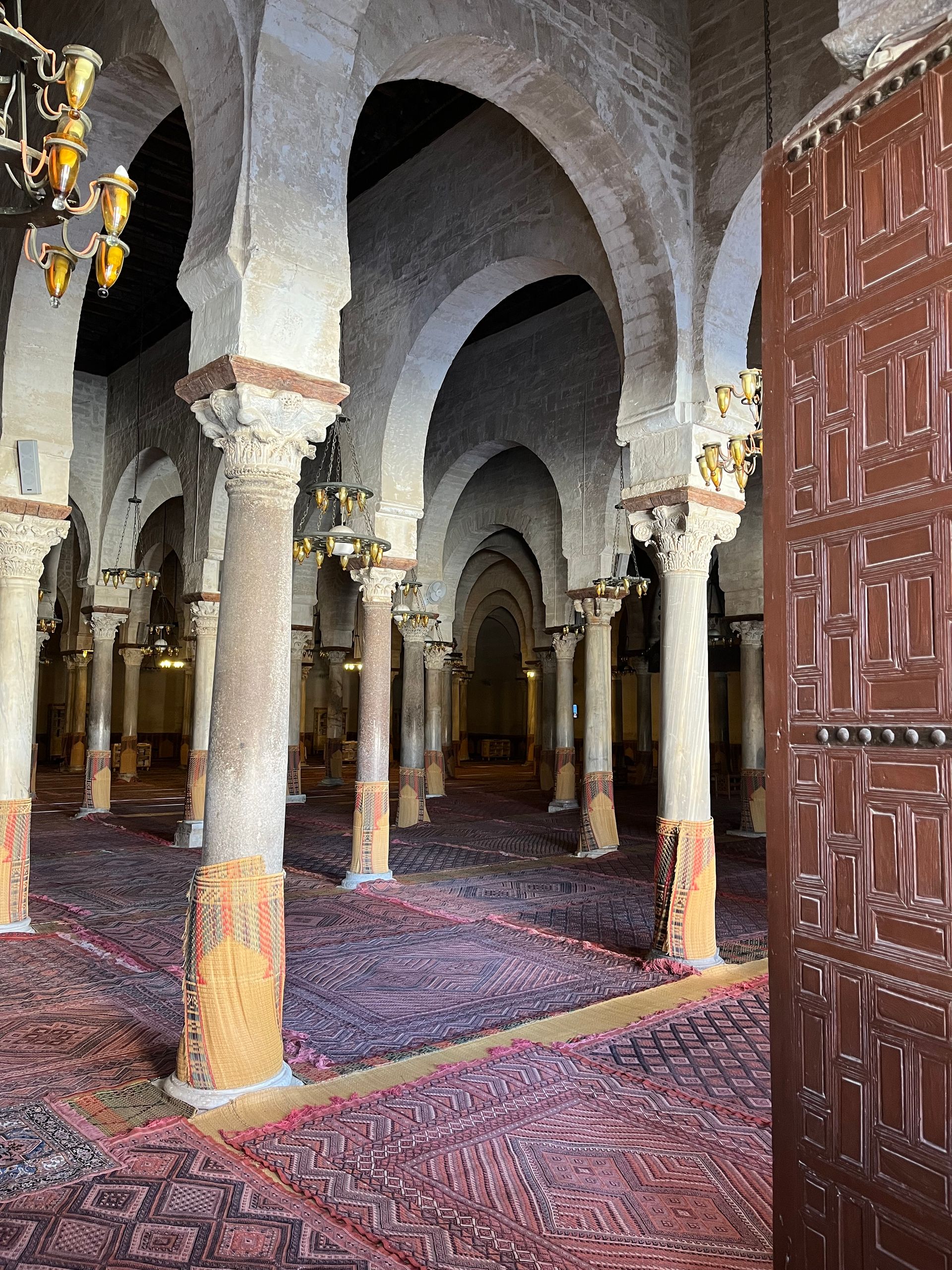
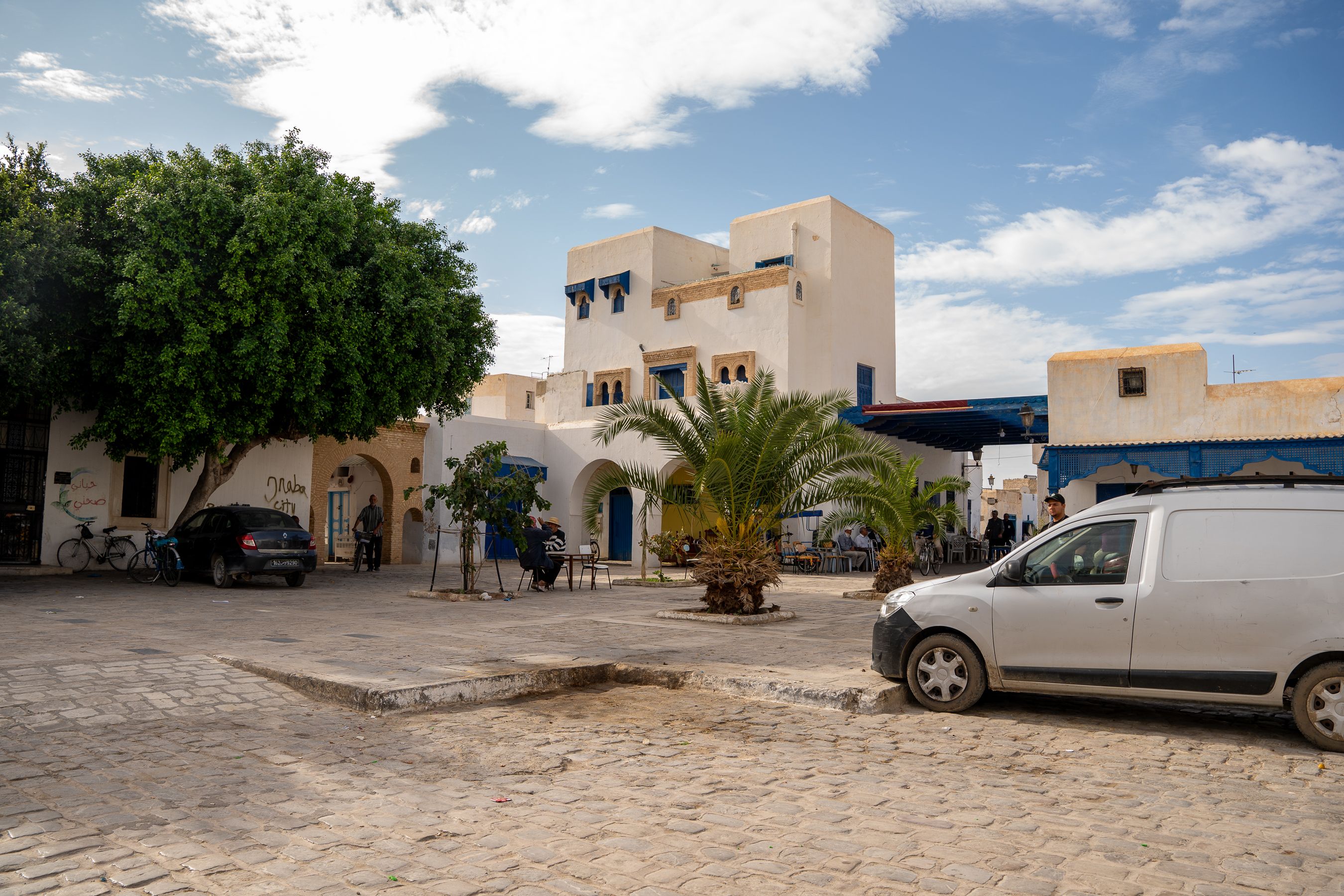
Kairouan
One of the four holy cities of Islam, with a UNESCO-listed medina and a Great Mosque dating back to the seventh century. Carpets are still knotted here by hand, in workshops easily missed if you don't know where to look.
Island
Djerba
Palm groves, the centuries-old El Ghriba synagogue and the pottery village of Guellala, where clay is still fired in underground kilns. Unlike the resort towns on the mainland coast, Djerba has stayed small-scale, with fishing harbours that are still genuinely fishing harbours.
Desert edge
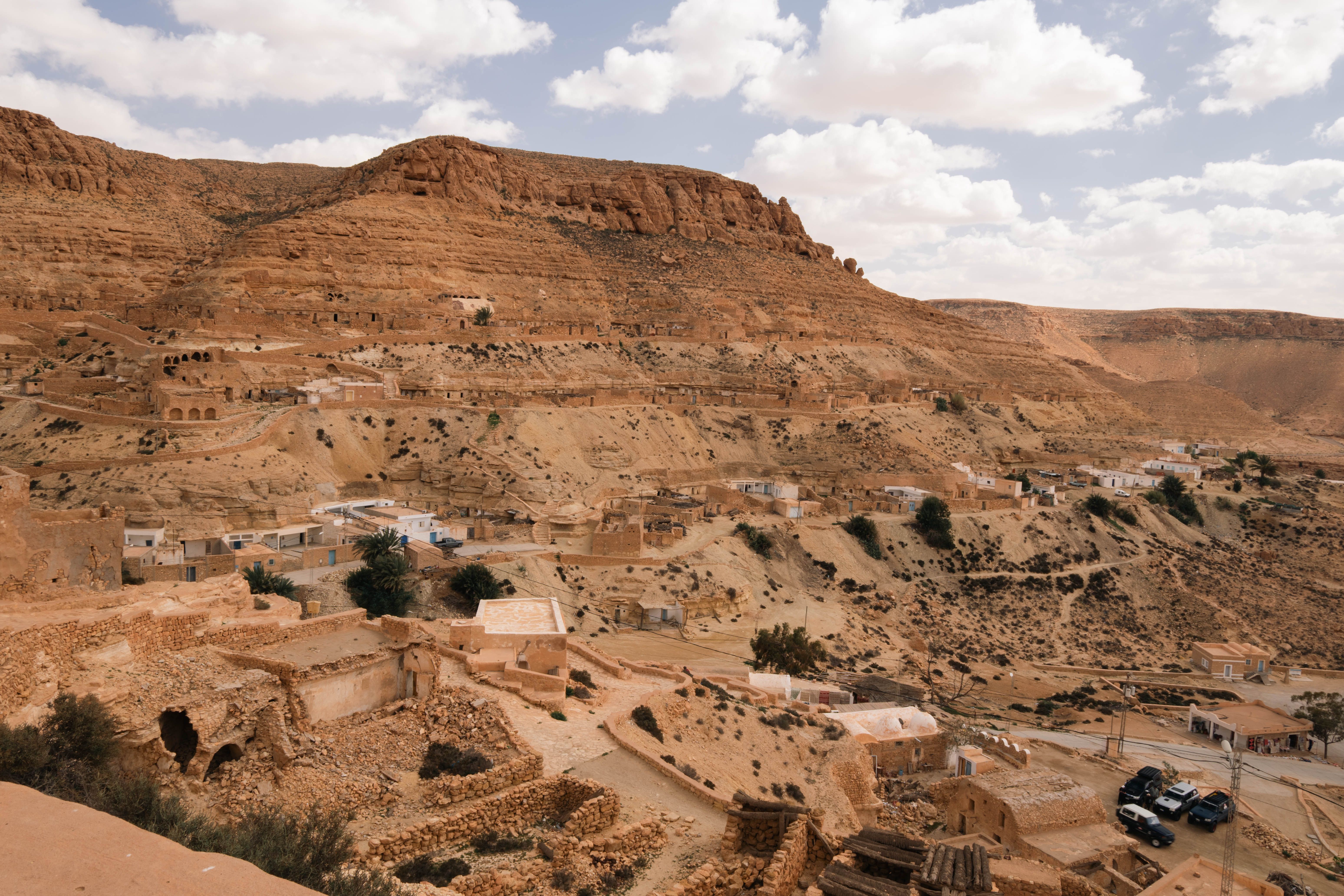
Tozeur, Douz and the edge of the Sahara
Tozeur sits in the middle of an oasis of two hundred thousand palm trees, Douz is known as the gateway to the Sahara, and Matmata is scattered with underground Berber dwellings that became a film set decades ago. Beyond the last oasis, the dunes truly begin.
Mountains and coast
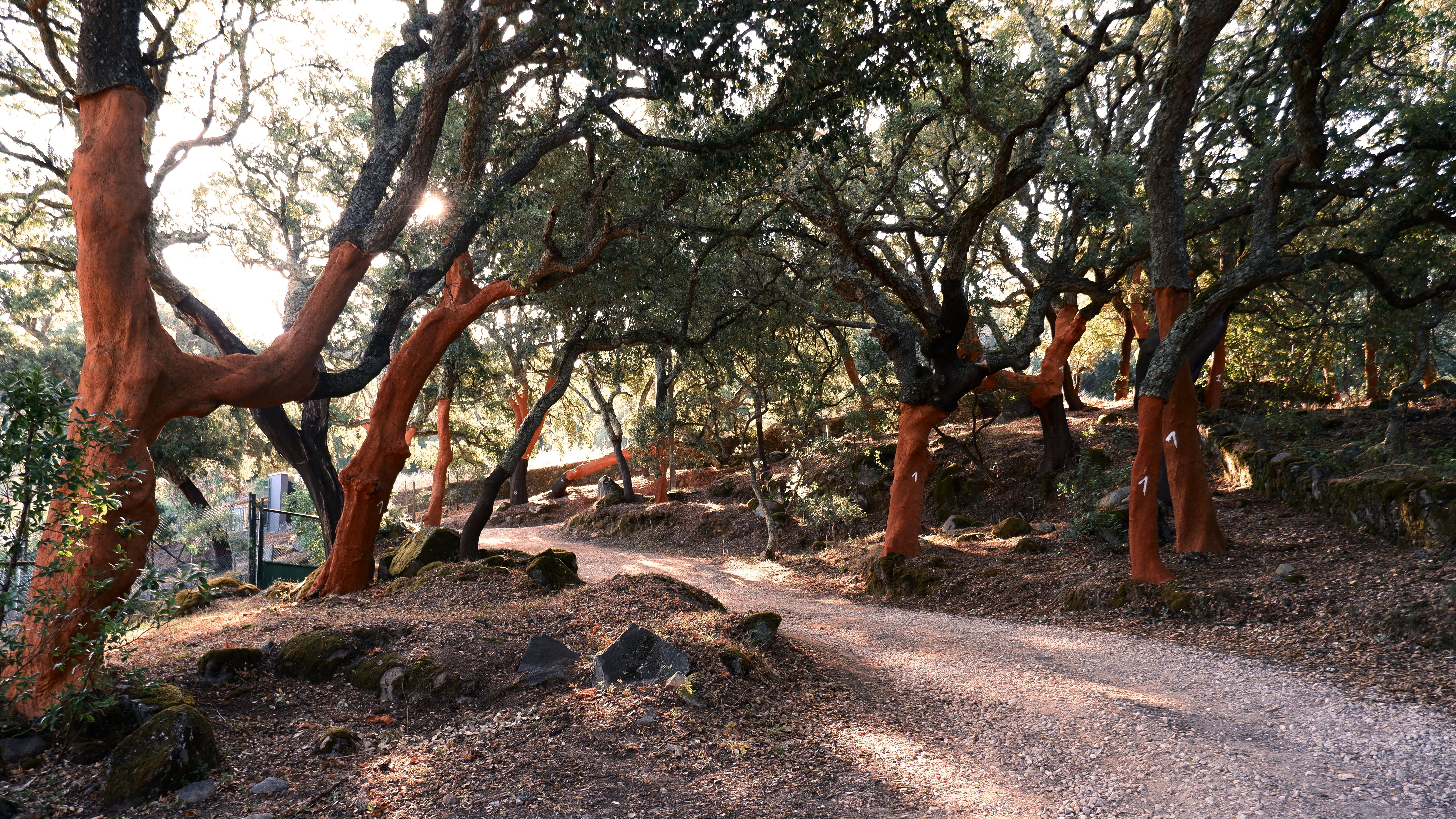
Tabarka and Ain Draham
The northwest is the Tunisia few people expect: cork oak forests, mist in the mountains around Ain Draham, and a rugged coral coast at Tabarka. A completely different climate and pace from the south, only a few hours' drive away.
History and architecture
More layers than a single visit can take in
Carthage today consists mostly of foundations and columns, scattered across a suburb of Tunis, but anyone who knows where to look can still trace the outline of a city that once rivalled Rome. Rome won, and built over it: aqueducts, baths, and further on, the amphitheatre of El Jem, the best preserved in the world after the Colosseum.
The Bardo Museum in Tunis holds mosaics displayed not as isolated fragments but as complete floors: hunting scenes, sea gods, everyday life from houses long since gone. And in the medinas of Tunis, Sfax and Kairouan you walk through street patterns laid out by Arab town planners who accounted for shade and wind long before anyone used the word climate adaptation.
At the table
A cuisine spicier and more sociable than most people expect
Harissa belongs on the table as standard, not as a curiosity but as a basic ingredient: stirred into olive oil for bread, worked into a couscous, or served alongside grilled fish. Brik, a wafer-thin crisp pastry filled with egg, tuna and capers, is the kind of street food that tastes slightly different in every village.
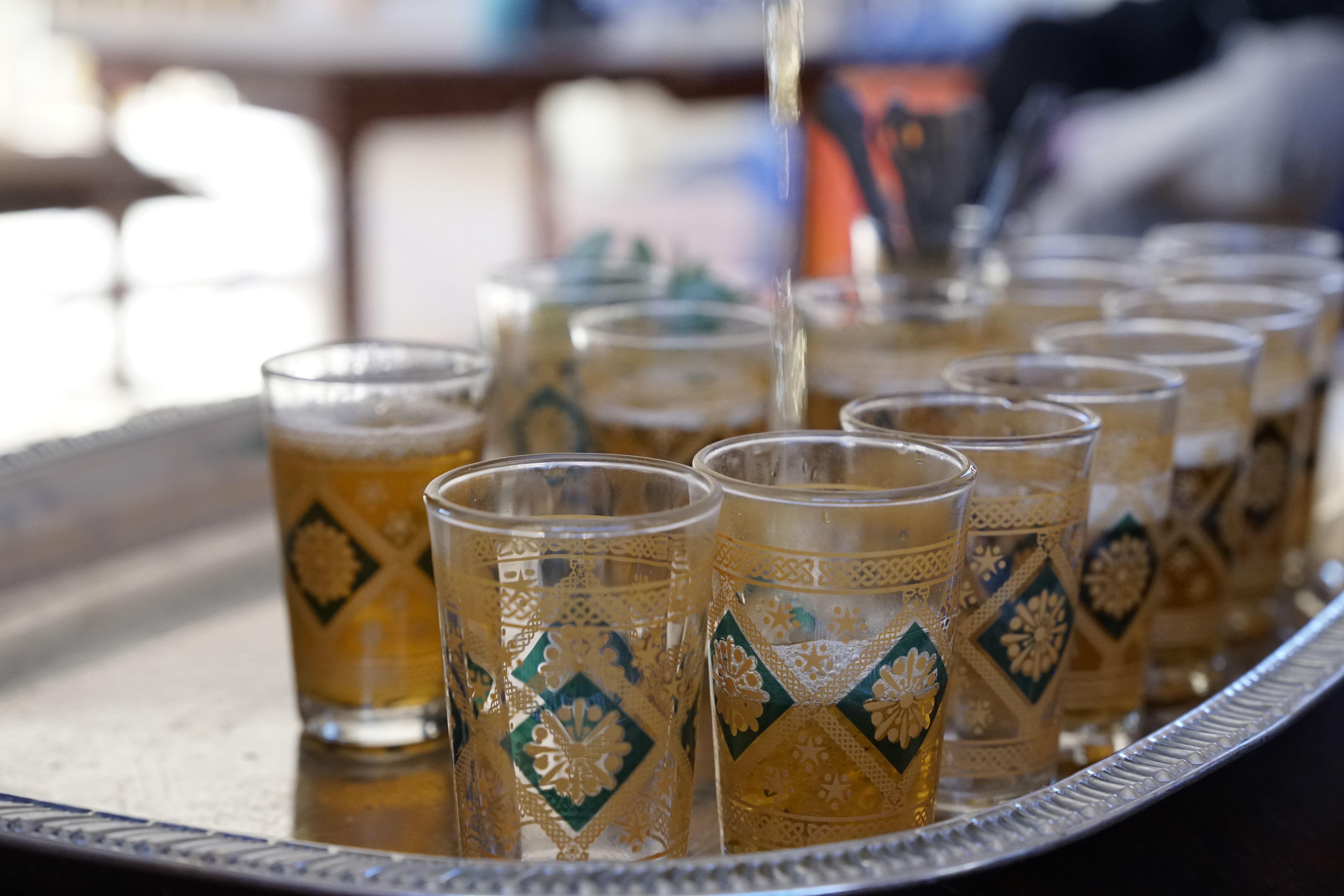
Friday is traditionally couscous day, and an invitation to eat with a local family says more about Tunisian hospitality than any guidebook ever could. After the meal comes mint tea, almost without exception, strongly sweetened and served in small glasses: the sign that the conversation isn't over yet.
Landscape
Salt, sand and, surprisingly, forest
Tunisia is compact enough to take in three entirely different landscapes on a single trip, without days lost to travel.
Chott el Djerid
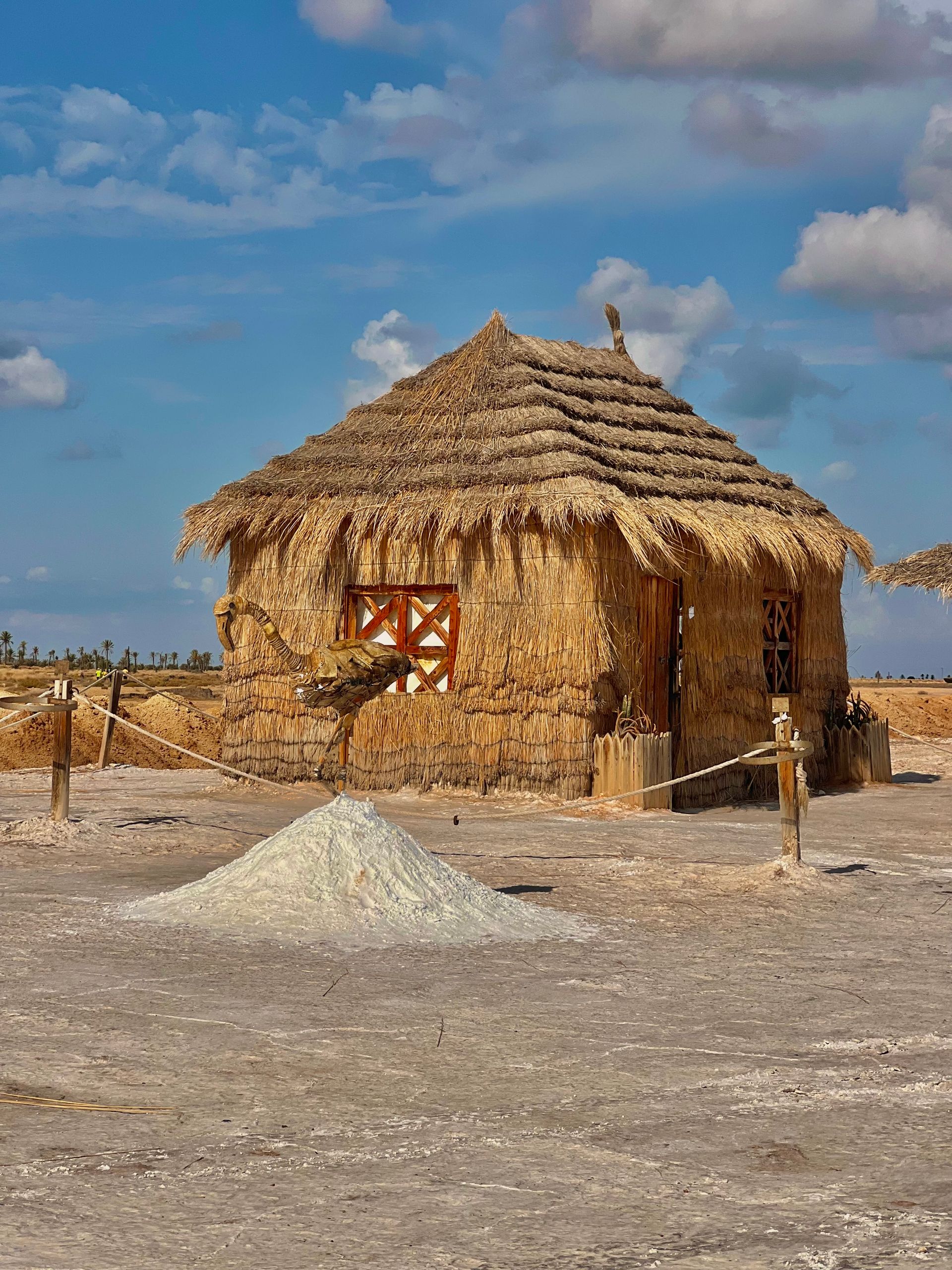
A salt flat as vast as a small country, sliced through by the road between Tozeur and Kebili. In fierce heat the horizon breaks into mirages, one of the few places where a fata morgana isn't a traveller's tale but simply something you see.
The edge of the Sahara at Douz
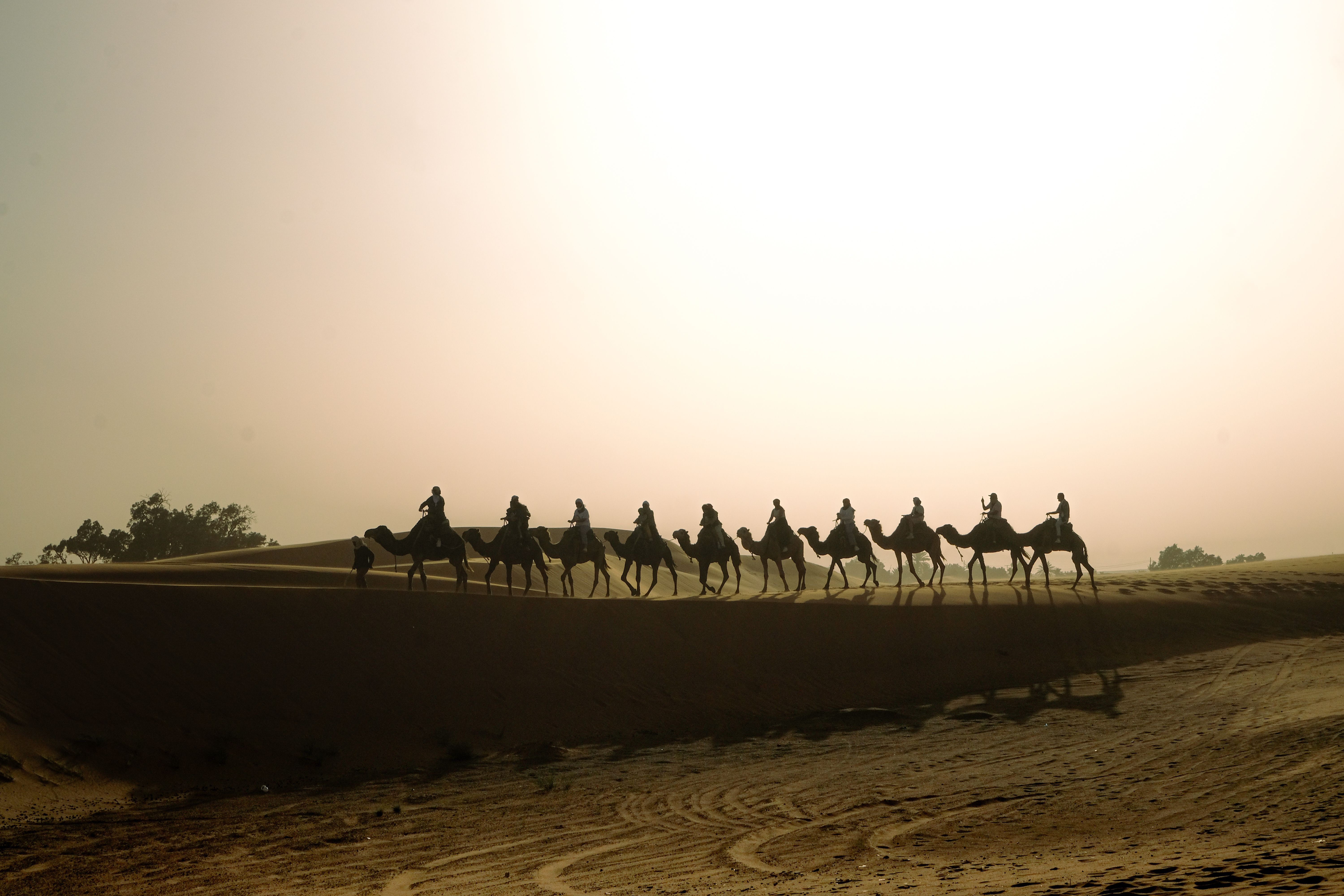
Not the endless Sahara of Algeria or Niger, but the first real dunes, reachable without weeks of travel. At night, far from any artificial light, the sky here is the kind that leaves people quieter than they expected.
Ain Draham and the cork forests
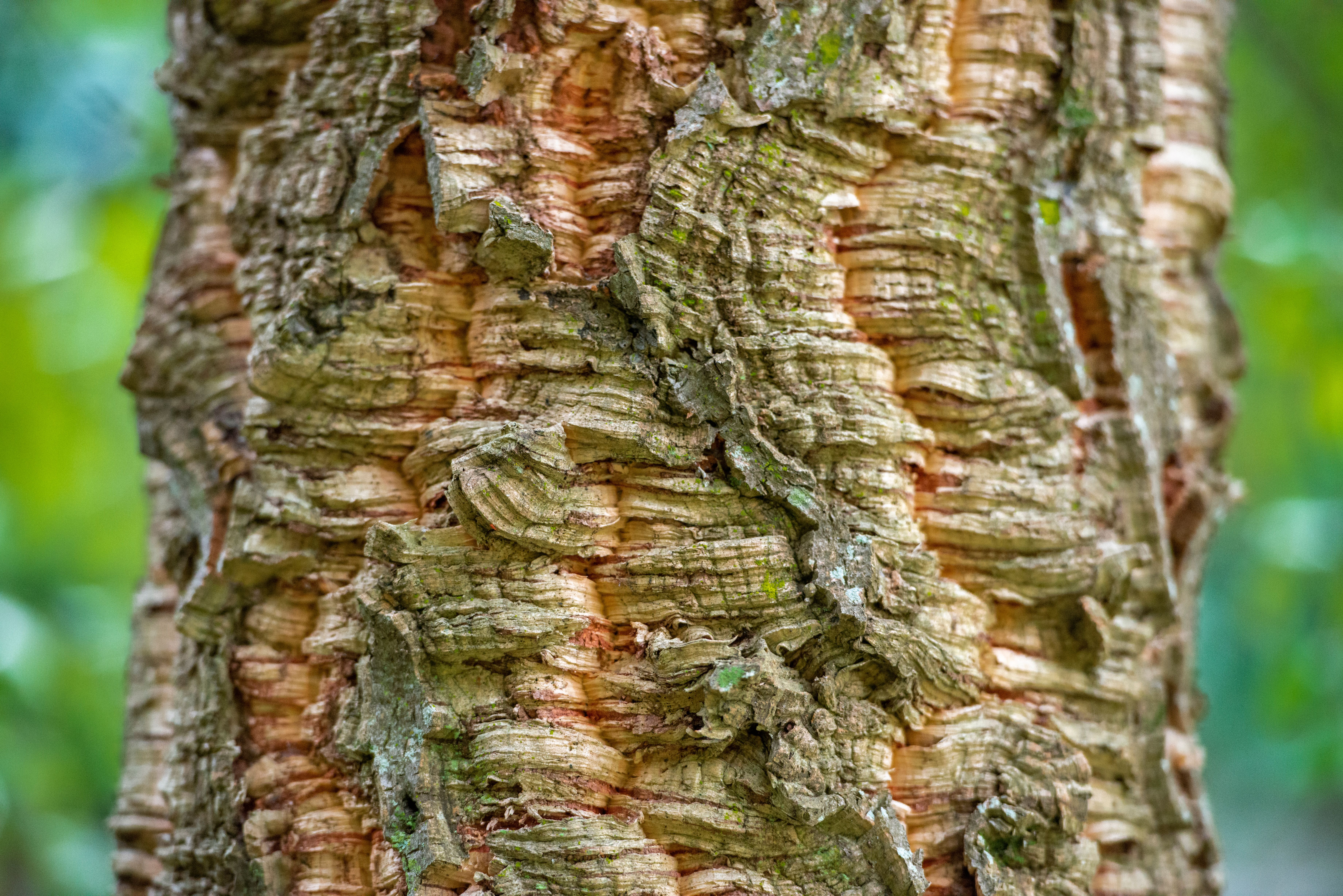
Against the image of Tunisia as a desert country stands the northwest: cork oak forests, wild boar, and in winter, sometimes even snow. A landscape most visitors never see simply because it isn't on their mental map of the country.
What's possible here
No circuit, but a country full of starting points
These aren't day programmes but directions: what's possible, not what's required.
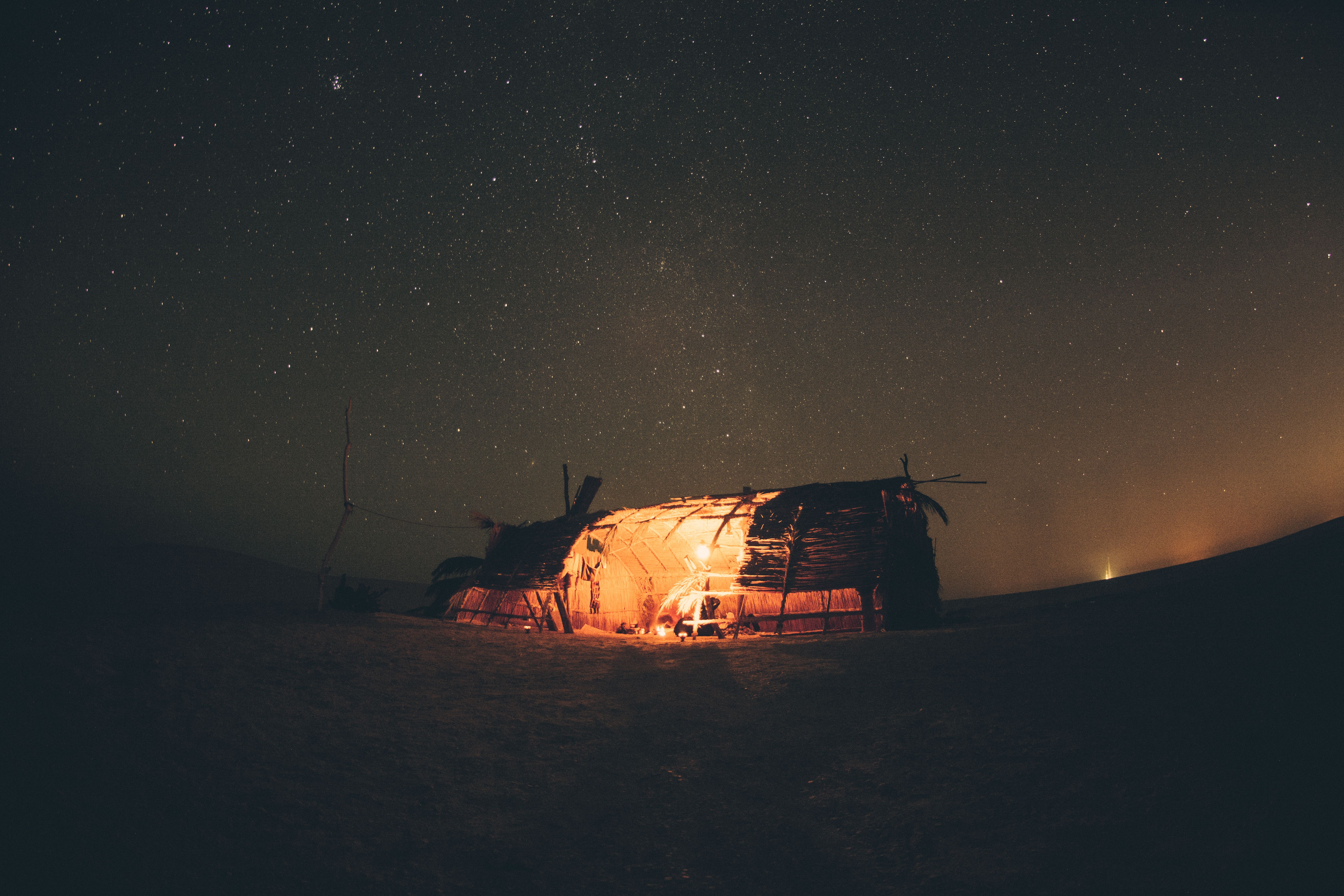
A night in the desert
Staying overnight near Douz or deeper among the dunes, with a campfire and a sky free of light pollution. A camel or 4x4 excursion by day, mostly stillness by night.
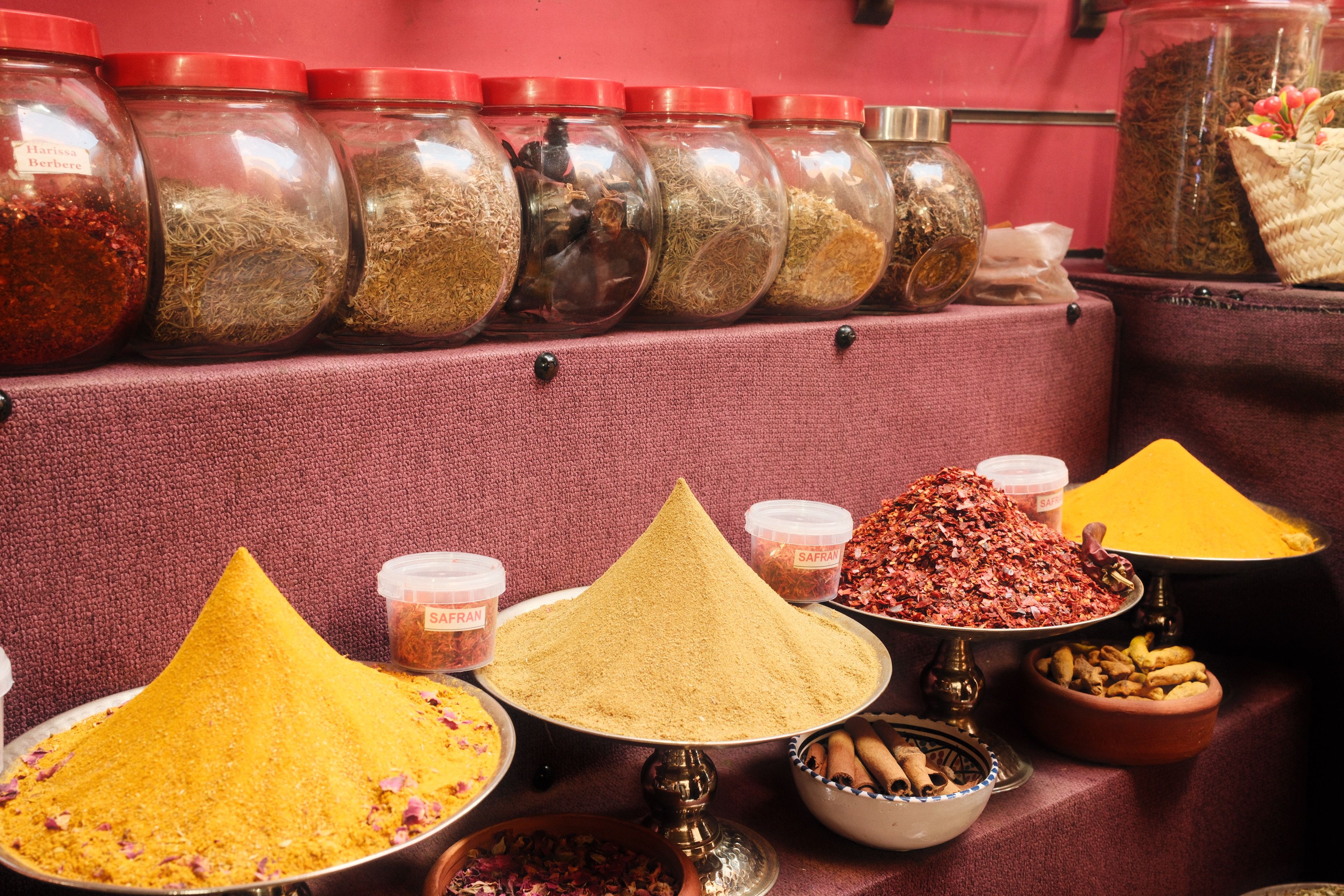
Getting lost in the medina of Tunis
No fixed route, but a local guide who knows the souks the way you know your own street: where the best spices are, which workshop still does genuine coppersmithing, and which rooftop terrace has the best view.
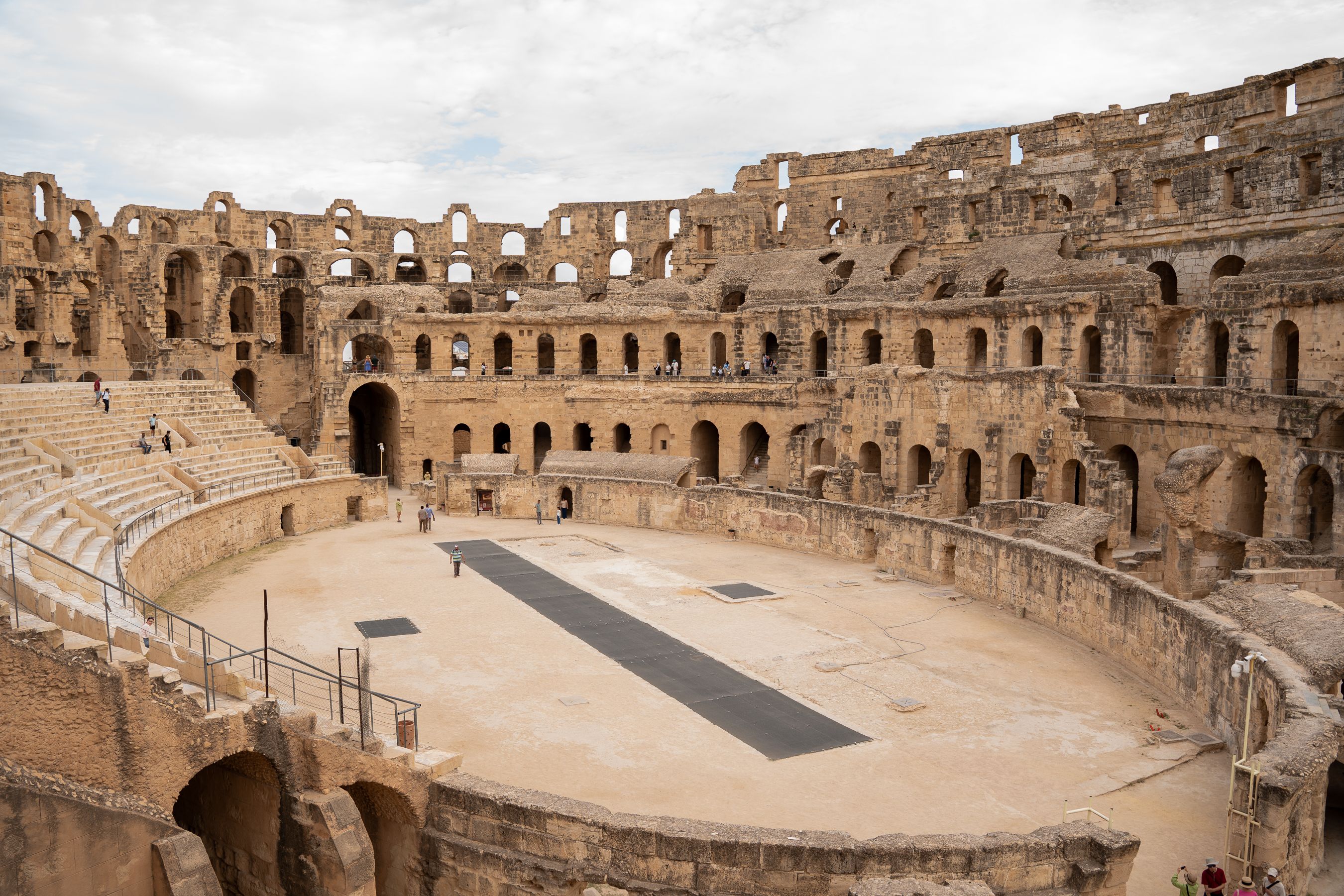
Digging into the Roman layer
El Jem, Dougga and the Bardo Museum show how extensive and refined Roman Africa was, without the crowds found at comparable sites elsewhere around the Mediterranean.
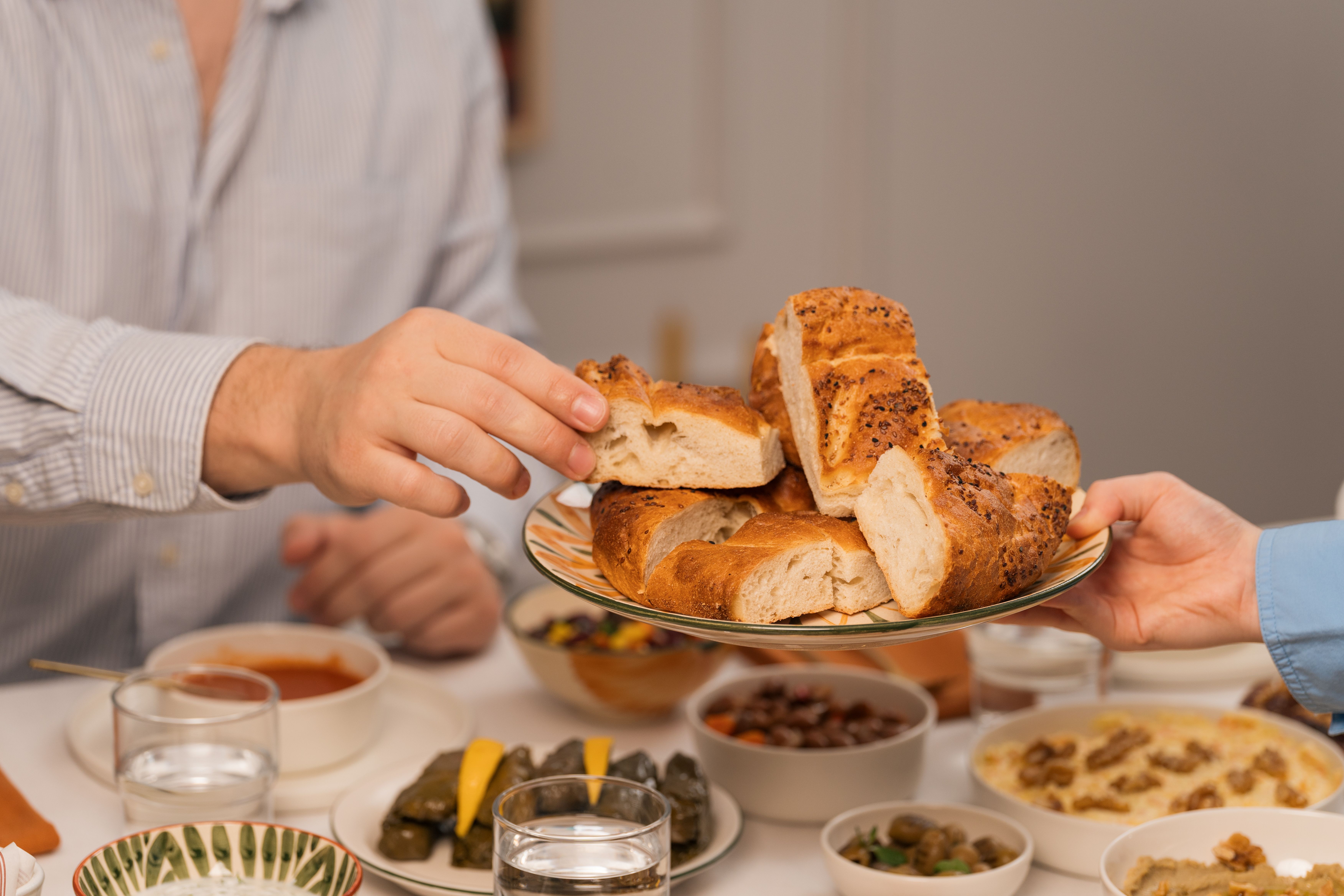
At the table with a local family
A meal that isn't staged for tourists but simply happens, with couscous, brik and a conversation that outlasts the food.
Coastal villages without resorts
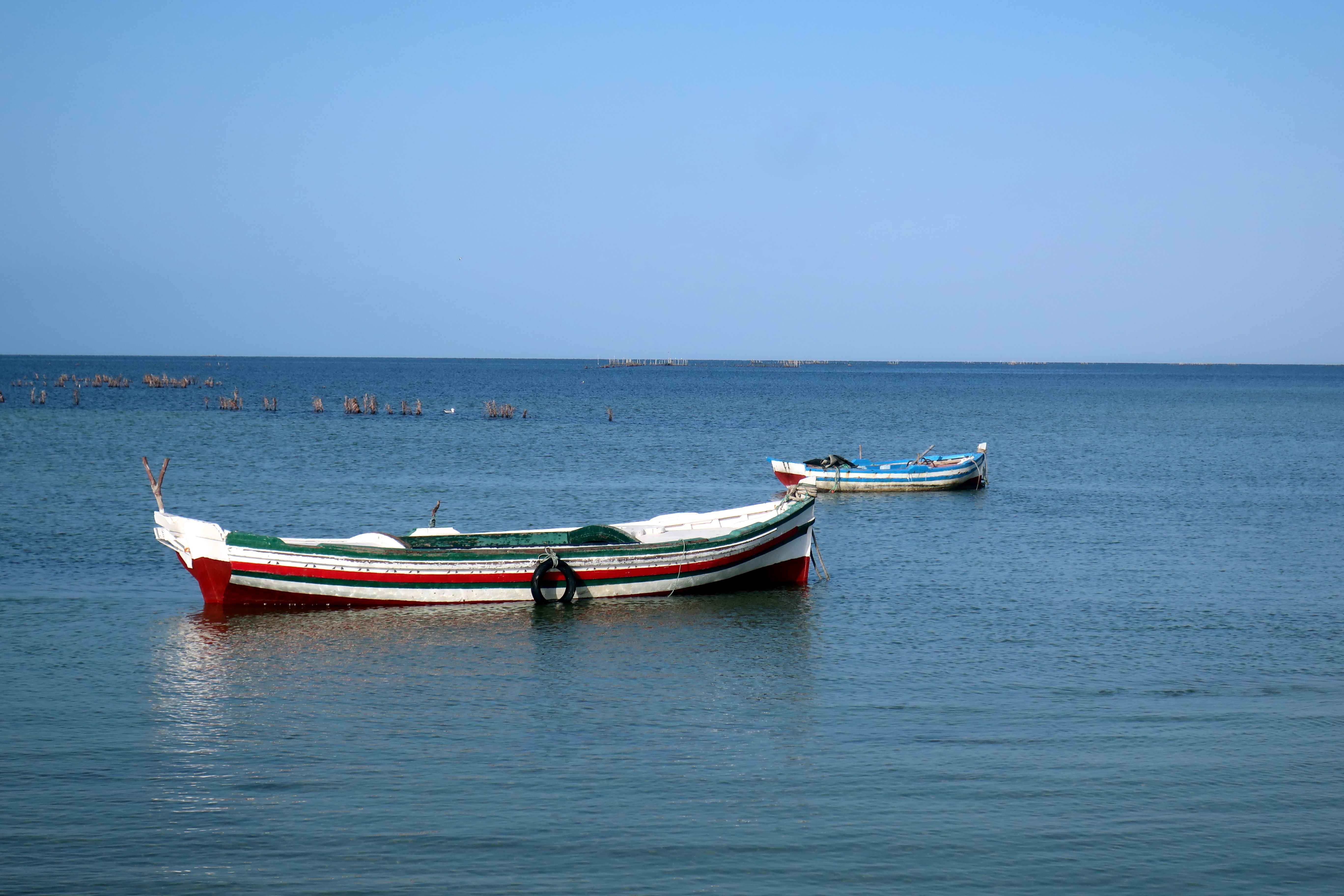
Sidi Bou Said, the Kerkennah Islands, the fishing harbour of Kelibia: coastal spots where the rhythm is still set by the day's catch, not by an all-inclusive buffet.
What you choose depends on how much city, how much silence and how much sand you're after. That's something we work out together.
When would you travel?
When to travel to Tunisia
Spring and autumn are the best periods for most travellers: pleasant temperatures on the coast and inland, and nights in the desert that aren't yet bitterly cold.
In July and August, temperatures in the south and interior often climb well above forty degrees, bearable on the coast but far less pleasant in Tozeur or Douz. December to February is mild by the sea, but desert night temperatures drop sharply and the wind picks up regularly.
Best time to visit Tunisia
Jan
Feb
Mar
Apr
May
Jun
Jul
Aug
Sep
Oct
Nov
Dec
Top: April-May and October, pleasant everywhere from coast to desert edge.
Good: March, June, September and November, a little cool or already warm by the sea, manageable inland.
Fair: July-August due to extreme heat in the south, December-February due to cold and wind in the desert.
Not ready to ask yet?
Leave your email address. A month before the good time begins, we send you one reminder. Nothing more.
You will first get an email to confirm. You can unsubscribe at any time, with one click.
Rather talk it over?
Leave your name and number. We will call you at a time that suits you.
Looking past the highlights
Why QualiMundi looks at Tunisia differently
Beyond Hammamet and Sousse Most Belgian travellers know Tunisia only from the all-inclusive resorts on the east coast. We start exactly where those end: in the medinas, the interior and the edge of the Sahara.
History without the guide on autopilot Carthage and El Jem are impressive, but only once someone shows you what you'd otherwise miss. We work with guides who know the context, not just the dates.
Desert and coast without dead travel days The distances in Tunisia are small enough to combine south and north in a single trip without losing half your days to the car.
Local knowledge of season and pace When the heat in the south really becomes too much, when the mountains in the north are at their best. You only know that once you know someone who lives there.
Worth knowing
Practical, without the noise.
A few things that make planning easier.
- Getting there
- Direct flights from Brussels to Tunis, usually under three hours.
- Documents
- Which travel documents you need depends on your nationality, and entry rules change regularly. We go through the current requirements with you before you leave.
- Health
- No mandatory vaccinations; best to avoid tap water outside the main cities.
- Pace
- Mountain passes in the north and long straight roads in the south can make some distances longer than the map suggests.
- Currency
- The Tunisian dinar can't be taken out of the country; cash is useful outside the main cities.
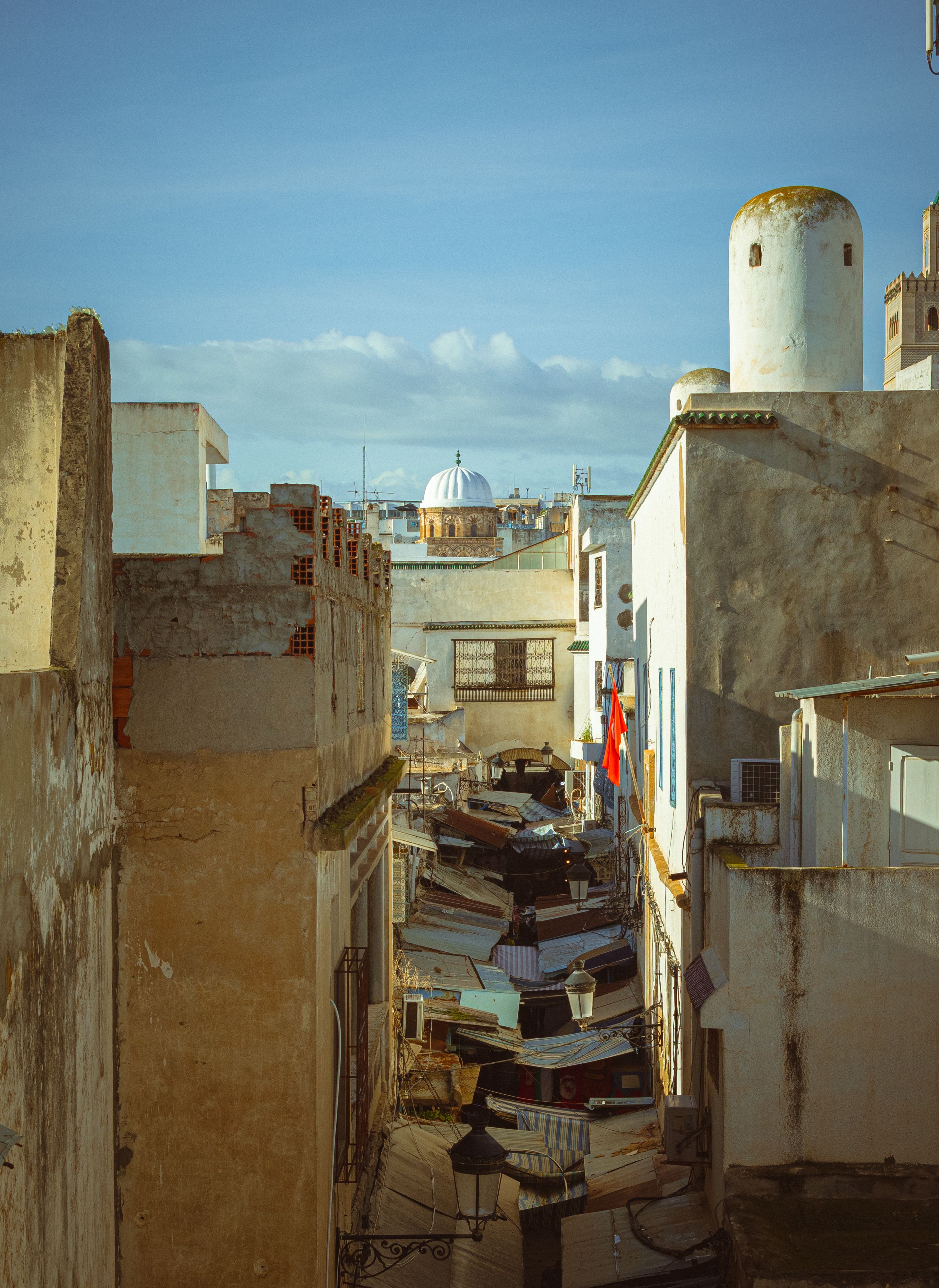
The medina of Tunis, seen from a rooftop terrace that appears on no tourist map.
Tunisia isn't a desert trip or a city break.
Here you get both, on the same day.
Frequently asked questions
Is Tunisia safe to visit?
The tourist regions and the usual travel routes are calm and easy to navigate; we keep an eye on the current situation region by region and shape the route accordingly.
Can you really combine desert and coast without endless driving?
Yes. That's exactly what Tunisia lends itself to. The distances are small enough to go from medina to dunes within a single trip without the travel taking over the trip.
Do I need to speak French?
It helps, especially inland, but in the tourist regions and with a local guide alongside you, English works perfectly well too.
Is this a suitable destination with children?
Certainly, though it depends on what you're after: the coast and Djerba suit a slower pace well, while a night in the desert is a highlight for some children and too much for others.
Or perhaps this
Other destinations
Still weighing it up? That is no problem at all. The right country often only becomes clear once the conversation starts.
East Africa, Swahili coast
Tanzania
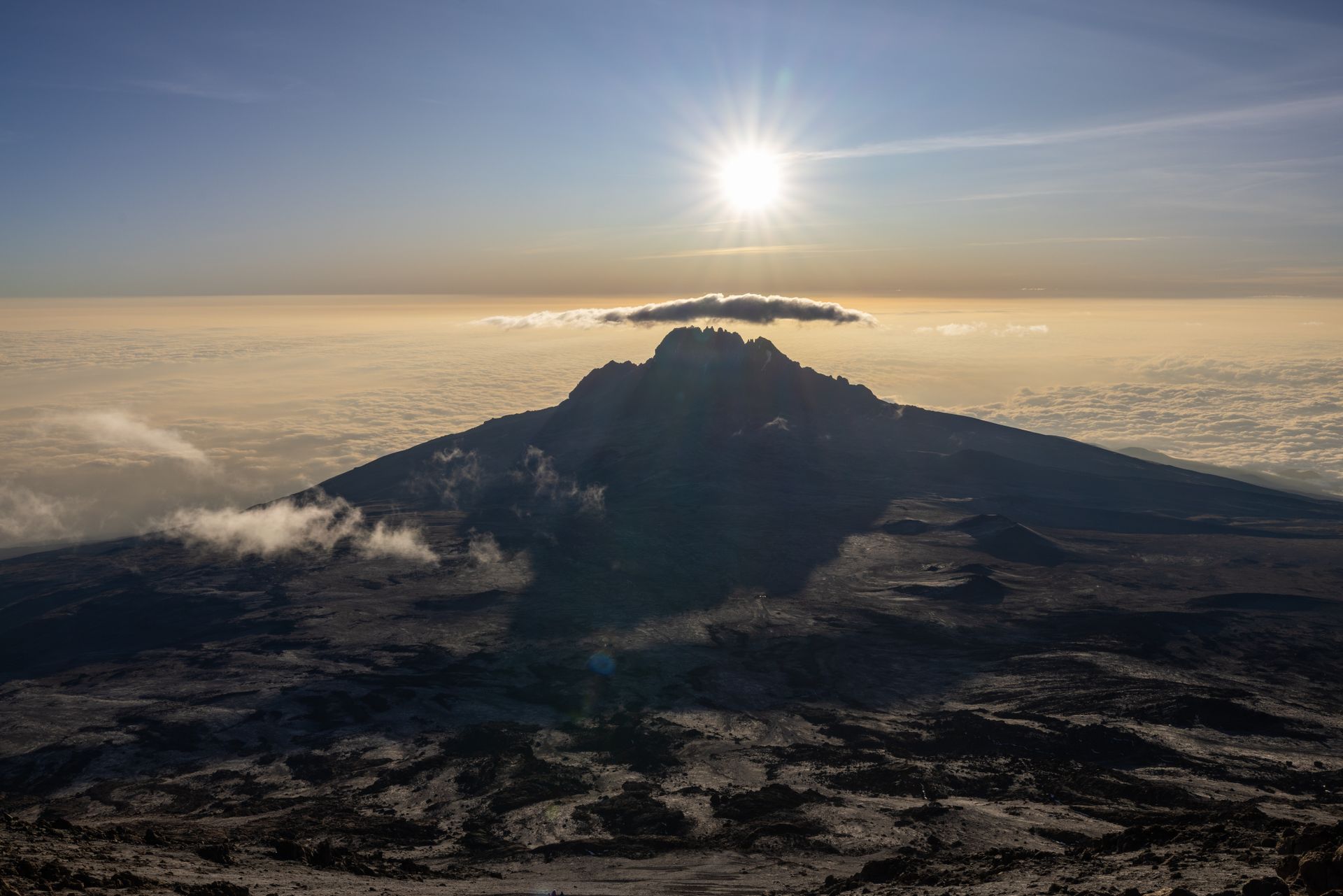
A country whose scale you only grasp once you're standing in the middle of it, with plains, volcano and coast that seem to share little in common.
East Africa, Great Lakes region
Uganda
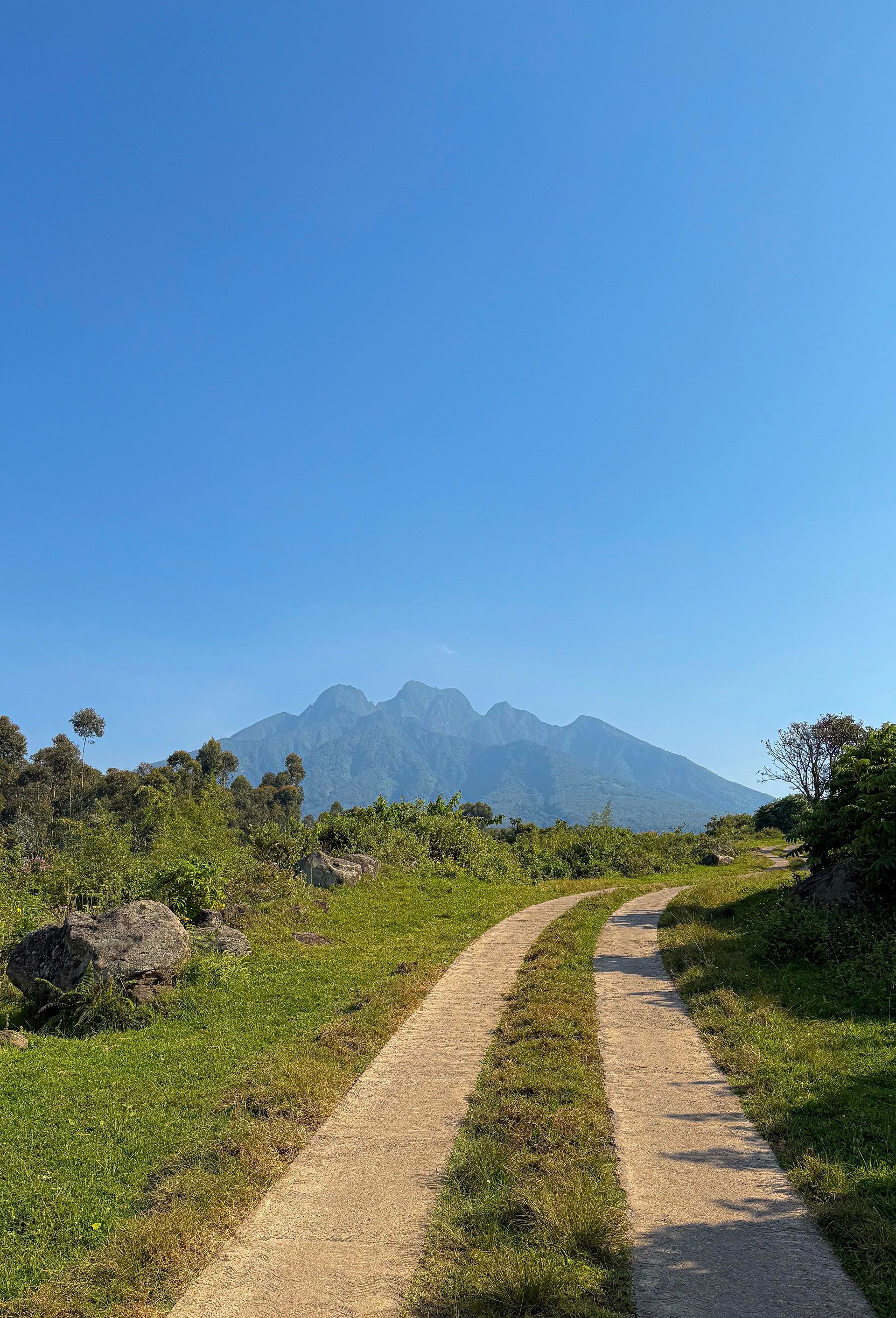
A land of volcanoes, rainforest and the source of the Nile, closer together than the map suggests.
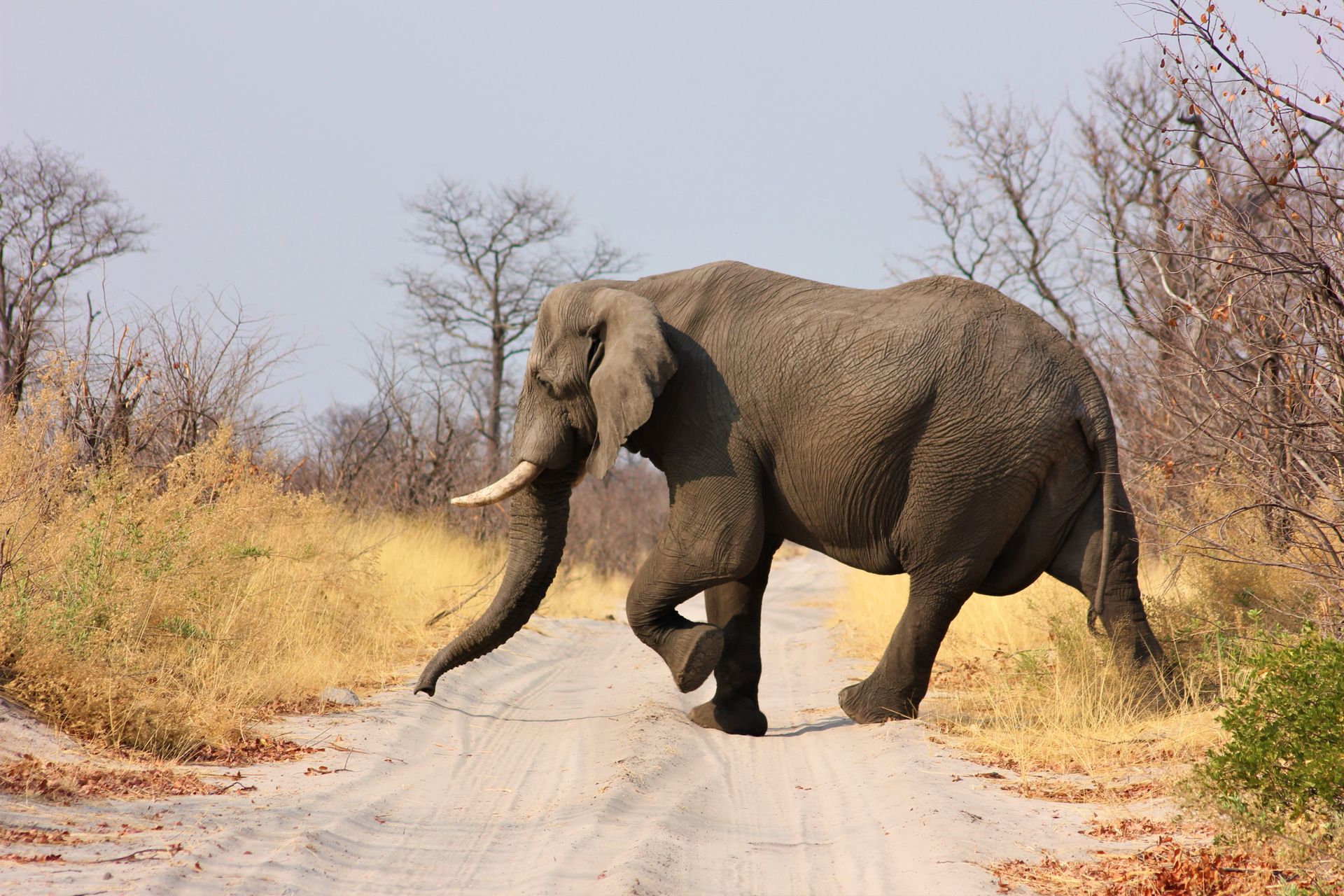
Southern Africa, Zambezi valley
Zambia
A country where the wilderness is still given real space, and the waterfall at its edge almost becomes an afterthought.
How it works
This is how your journey to Tunisia takes shape.
Six steps, from your first story to your homecoming. The conversation and the feasibility check cost you nothing.
-
01
Tell us your story
Fill in the form or give us a call. You do not need a route yet: a country, a period or just an idea is enough.
-
02
The conversation and the check
We call you within two working days. We talk through what you are looking for and check whether it can be done. If it can, we set down together what we will make for you.
-
03
We design your journey
We build your programme up, day by day, together with our own people in the country itself.
-
04
Your proposal
You read your journey day by day, with everything that is included. You say what you would like differently, until it is right.
-
05
Ready to depart
You send us your details, we send you your travel documents. You have one fixed contact who knows your journey.
-
06
Travelling, and after
Your contact stays reachable while you are away. Once you are home, we call one more time.
The next step
What draws you to Tunisia?
Tell us whether you dream of a night under Saharan stars, of wandering through centuries-old medinas, or both on the same trip. We'll work out what suits you best.
Updated in October 2026