Caucasus
Georgia
A wine country with a script of its own: medieval monasteries, Tbilisi, and tower villages high in the Caucasus.
This is Georgia
A country between the Black Sea and the Caucasus.
In the north, the Caucasus mountains rise to Shkhara, at 5,203 metres the highest peak in the country. Along the Black Sea coast lie humid rainforests and wetlands, World Heritage since 2021.
Tbilisi is the capital and the largest city. It has been the centre of the country for fifteen centuries. Mtskheta was the older capital, and its churches are on the World Heritage List.
Georgian is the official language. It is unrelated to any other language family and has a script of its own. You pay in lari.
A trip here usually revolves around three things: old churches and monasteries, wine, and the mountains.
In short
- Best time to go
- May and June, September and October are the most pleasant months for Tbilisi, the monasteries and the wine region. In July and August it is around 32 degrees during the day in Tbilisi, and that is the time to hike in the mountains of Svaneti, Kazbegi and Tusheti. In winter it is cold and mountain roads can be closed by snow.
- How long
- Ten days to two weeks for Tbilisi, Mtskheta, Kakheti and Kazbegi. Add Kutaisi, Svaneti and the cave city of Vardzia and you are looking at two to three weeks.
- Who it suits
- For those who want to taste wine where it is made. For those who want to hike in the Caucasus, with a guide. And for those who want to see churches, monasteries and old towns that have been in use for centuries.
- What sets it apart
- Georgia has been making wine for some 8000 years, in the qvevri: a large clay vessel that is sealed and buried in the ground. Unesco added the method to its list of intangible heritage in 2013.
The regions
From the capital to the mountain villages.
Seven regions, from the old town of Tbilisi to the mountain villages of the Caucasus.
Capital
Tbilisi
The old town is home to the sulphur baths of Abanotubani, fed by naturally hot water. The Colourful Bath has stood there since the 17th century. In the same streets you will see Georgian Orthodox, Armenian and Catholic churches, a mosque and two synagogues.
Mtskheta-Mtianeti
Mtskheta
The old capital. Svetitskhoveli Cathedral was built between 1010 and 1029, on the site of a wooden church from the 4th century. The historical churches of Mtskheta have been on the World Heritage List since 1994. Jvari Monastery is also close to the town.
Wine region
Kakheti
The country's main wine region, around the Alazani Valley. Saperavi, Rkatsiteli, Kakhuri Mtsvane and Khikhvi are its best known grapes. The palace of King Erekle II stands in Telavi, and the monasteries of Alaverdi, Ikalto and Gremi are in the region.
Kazbegi
Stepantsminda
Above the village stands Gergeti Trinity Church, from the 14th century, at 2,200 metres. You walk up in 30 to 40 minutes. For longer hikes, you take a guide.
Tusheti
Omalo and the Abano Pass
You reach Tusheti over the Abano Pass, up to 3,000 metres high. The road is 72 kilometres long and takes at least 4 hours by four-wheel drive. The pass is open from late May to September. Omalo is on Unesco's tentative list.
Imereti
Kutaisi and Gelati
Gelati Monastery, 11 kilometres from Kutaisi, was founded in 1106 by King David IV the Builder and was a centre of science and learning. It has been on the World Heritage List since 1994. Inside you will see a mosaic from the 12th century.
Svaneti
Mestia and Ushguli
A high region in the Caucasus, World Heritage since 1996 for its medieval villages with tower houses. According to Unesco, the village of Chazhashi still has more than 200 of them. In Mestia, the historical and ethnographic museum shows the treasures of the region.
Wine from the qvevri
Wine fermented in a clay vessel underground.
According to Georgia Travel, the country's tourism board, people here were already making wine around 6000 BC. Grape pips and potsherds have been found at more than 50 sites, including Gadachrili Gora in Marneuli.
In the qvevri, the juice, skins, stalks and pips go together into a large clay vessel. It is sealed and buried in the ground, and the wine ferments there for five to six months. Unesco added the method to its list of intangible heritage in 2013.
The harvest is called rtveli. It starts in September in Kakheti with the Rkatsiteli and ends in December with the Chkhaveri in Guria and Adjara. Not only wineries but ordinary families make wine, and the grapes are pressed the same day.
Tailor-made tour
A tailor-made tour of Georgia
A tour of Georgia usually starts in Tbilisi. From there you go to Mtskheta, to the Kakheti wine region and to Stepantsminda in the mountains. For that, allow ten days to two weeks. Add Kutaisi and Gelati, Svaneti and the cave city of Vardzia and it becomes two to three weeks. Tusheti is only possible from late May to September, when the pass is open.
You usually travel with your own driver. In the mountains you need a four-wheel drive. Driving yourself is possible: a Belgian licence is enough, and an international permit is strongly recommended. To Mestia in Svaneti you go by road with a driver. A day train runs between Tbilisi and Batumi on the Black Sea.
As a couple, you combine Tbilisi with days in the wine region and days in the mountains. With children it works too: the short walk to Gergeti Trinity Church, the caves of Vardzia, the train to the coast. Bear in mind the long drives on mountain roads. Travelling alone, you take a guide in the mountains. With your own group of friends or family, you travel together with a driver and taste wine together in the cellars of Kakheti.
Special places to stay here are in the mountains and among the vineyards. In Tusheti you mostly stay in family guesthouses or in a tent. In Kakheti you stay among the vineyards, close to the cellars. In Tbilisi you stay in or near the old town, within walking distance of the sulphur baths.
Stone, song and script
Heritage in stone, in song and in script.
Besides the churches and monasteries on the World Heritage List, three Georgian traditions are on Unesco's list of intangible heritage: the qvevri, polyphonic singing and the three scripts.
Vardzia
A cave city in a cliff face in Samtskhe-Javakheti, mainly built in the 12th century under Giorgi III and his daughter, Queen Tamar. The complex is 900 metres long and has 242 caves, some 300 kilometres from Tbilisi.
Polyphonic singing
On Unesco's list of intangible heritage since 2008. The song Chakrulo, from Kakheti, was sent into space as a message from Earth.
Three scripts
Georgian has three alphabets, all three still in use: Mrgvlovani, Nuskhuri and Mkhedruli. Mkhedruli is the everyday script. Unesco recognised the living culture of the three scripts in 2016.
Possibilities
What could Georgia be for you?
Not parts of a fixed route, but directions, to find out what draws you and what you would rather skip.
A sulphur bath in Abanotubani
In the old town of Tbilisi, in a domed bathhouse, with water that comes naturally hot out of the ground.
The harvest in Kakheti
In September, when the Rkatsiteli is picked and the grapes are pressed the same day.
Up to Gergeti Trinity Church
A 30 to 40 minute walk uphill from Stepantsminda, to a church at 2,200 metres.
Mestia and the towers of Svaneti
The museum in Mestia and the church of Saint George, with icons and crosses from the 12th and 13th centuries.
The caves of Vardzia
A city in a cliff face from the time of Queen Tamar, 900 metres long, with 242 caves.
Tusheti in summer
Over the Abano Pass to Omalo, with a guide, and a night in a family guesthouse.
These are directions, not a route. What you end up doing, we build around what drives you.
When would you travel?
Spring and autumn for the towns, summer for the mountains.
May and June, September and October are the most pleasant months in Tbilisi and Kakheti. May and June do bring the most rain in Tbilisi. In September the grape harvest begins in Kakheti.
In July and August it is around 32 degrees during the day in Tbilisi. That is the time to hike in the mountains of Svaneti, Kazbegi and Tusheti, and the Abano Pass to Tusheti is open from late May to September.
April and November are in-between months: in Tbilisi it is around 19 and 13 degrees during the day.
In winter it is around 7 degrees during the day in Tbilisi, and in the mountains it freezes. Snow can close mountain roads for a time. On the coast at Kobuleti it rains a lot all year, more than 2,500 millimetres a year.
Best time to visit Georgia
Jan
Feb
Mar
Apr
May
Jun
Jul
Aug
Sep
Oct
Nov
Dec
Spring and autumn: pleasant weather for towns, monasteries and the wine region
Summer for the mountains, April and November as in-between months
Winter: cold, mountain roads sometimes closed
Same months, other destinations
Who else is at their best in these months?
Not ready to ask yet?
Leave your email address. A month before the good time begins, we send you one reminder. Nothing more.
You will first get an email to confirm. You can unsubscribe at any time, with one click.
Rather talk it over?
Leave your name and number. We will call you at a time that suits you.
Tower houses in Svaneti, with the Caucasus behind them.
Worth knowing
Practical, without the noise.
We discuss the full, current picture in person, including what matters specifically for your trip.
- Getting there
- From Belgium you fly to Tbilisi or Kutaisi.
- Documents
- According to the Belgian Foreign Affairs service, a valid Belgian identity card is enough. A passport is advisable if you also visit a neighbouring country. Belgians need no visa for a stay of up to 1 year. For travel with young children, a passport photo that no longer looks like the child causes problems, according to the same service.
- Insurance
- Since 1 January 2026 you must be able to show health and accident insurance on arrival, in English or Georgian, with cover of at least 30,000 GEL.
- Medicines
- Georgia has strict rules on bringing in medicines containing codeine or benzodiazepines, such as Dafalgan with codeine and Tramadol. A prescription alone is not enough. Check the rules before you leave; we will confirm them with you.
- Health
- Recommended vaccinations are listed on Wanda, the travel health site of the Institute of Tropical Medicine in Antwerp. Discuss it with your doctor too.
- Paying
- You pay in lari. Paying by card is becoming more common, but take cash to remote areas. You will find cash machines in towns and large villages.
- Churches
- You can enter churches freely, also during a service, if you stay discreet. Women are advised to wear a headscarf there. Tusheti has its own customs, for example around holy places.
- Time
- Georgia is 3 hours ahead of Belgium in our winter and 2 hours ahead in our summer.
- Travel advice
- The current travel advice is published by the Belgian Foreign Affairs service. We follow it and adapt the trip where needed. Also register your trip on Travellers Online.
Looking past the highlights
Where we look differently.
In the mountains with a guide. For longer walks near Stepantsminda and Mestia, and for the journey to Tusheti, we work with a guide who knows the mountains.
The season decides the route. Tusheti is only possible when the pass is open, from late May to September. In winter, snow can close mountain roads. We set the order of the regions accordingly.
Wine is tasted where it is made. In Kakheti not only wineries but ordinary families make wine, in the qvevri. In September the harvest, the rtveli, begins there, and the grapes are pressed the same day. Travel then and you see the wine being made.
Frequently asked questions
When is the best time to visit Georgia?
The best time for Georgia is May and June, and September and October. It is pleasant then in Tbilisi, at the monasteries and in the Kakheti wine region. To hike in the mountains of Svaneti, Kazbegi and Tusheti, choose July and August.
How do you fly to Georgia?
From Belgium you fly to Tbilisi or Kutaisi. A tour usually begins in Tbilisi. If you land in Kutaisi, Gelati Monastery is 11 kilometres away.
Do you need a passport for Georgia?
No, for Georgia a valid Belgian identity card is enough, according to the Belgian Foreign Affairs service. A passport is advisable if you also visit a neighbouring country. You do need health and accident insurance with cover of at least 30,000 GEL.
Can you pay by card in Georgia?
Yes, in Georgia paying by card is becoming more and more common, especially in the towns. The currency is the lari. Take cash to remote areas, such as the mountains.
Or perhaps this
Other destinations
Still weighing it up? That is no problem at all. The right country often only becomes clear once the conversation starts.
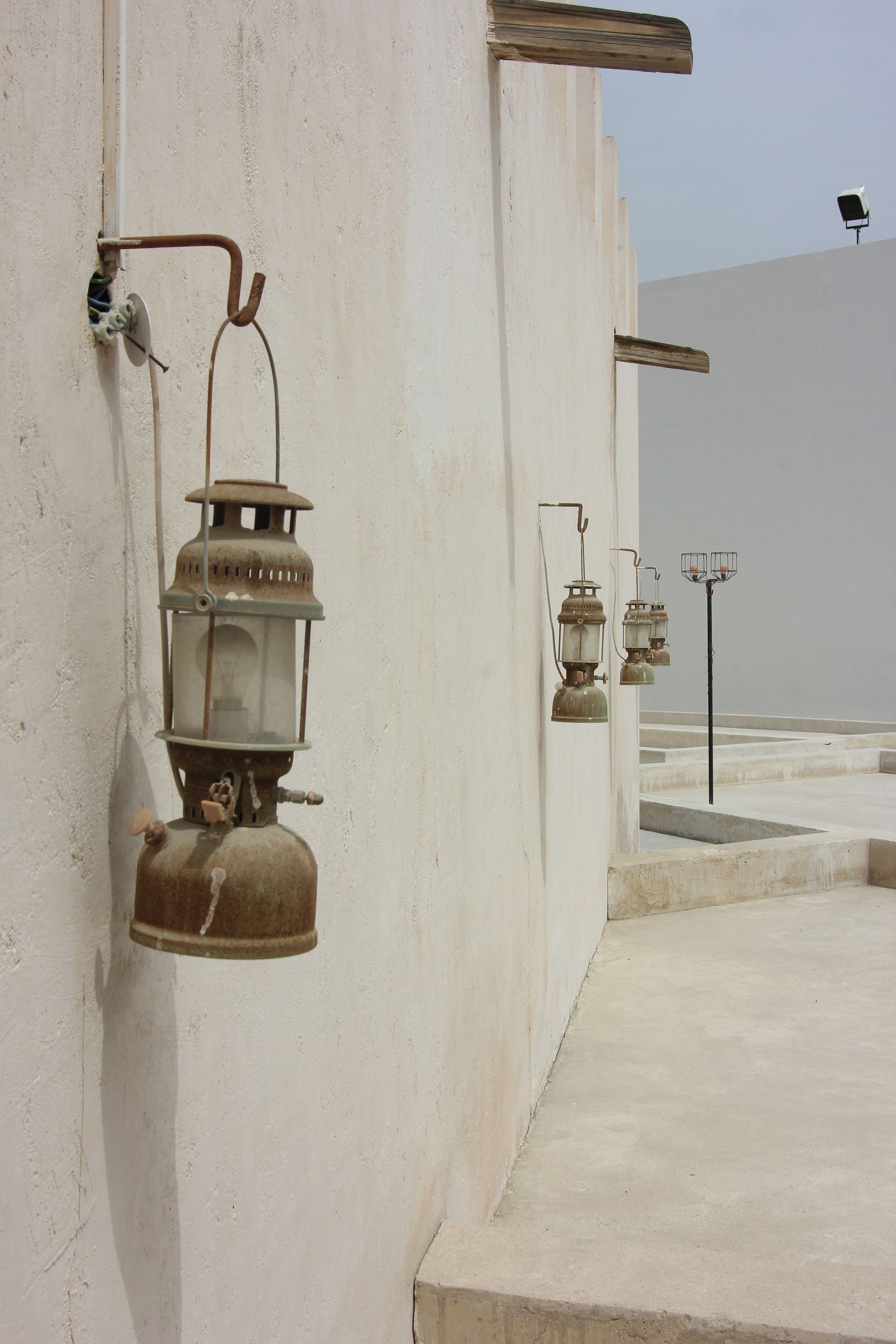
United Arab Emirates
Sharjah
The most understated of the emirates, where culture and heritage matter more than height or gloss.
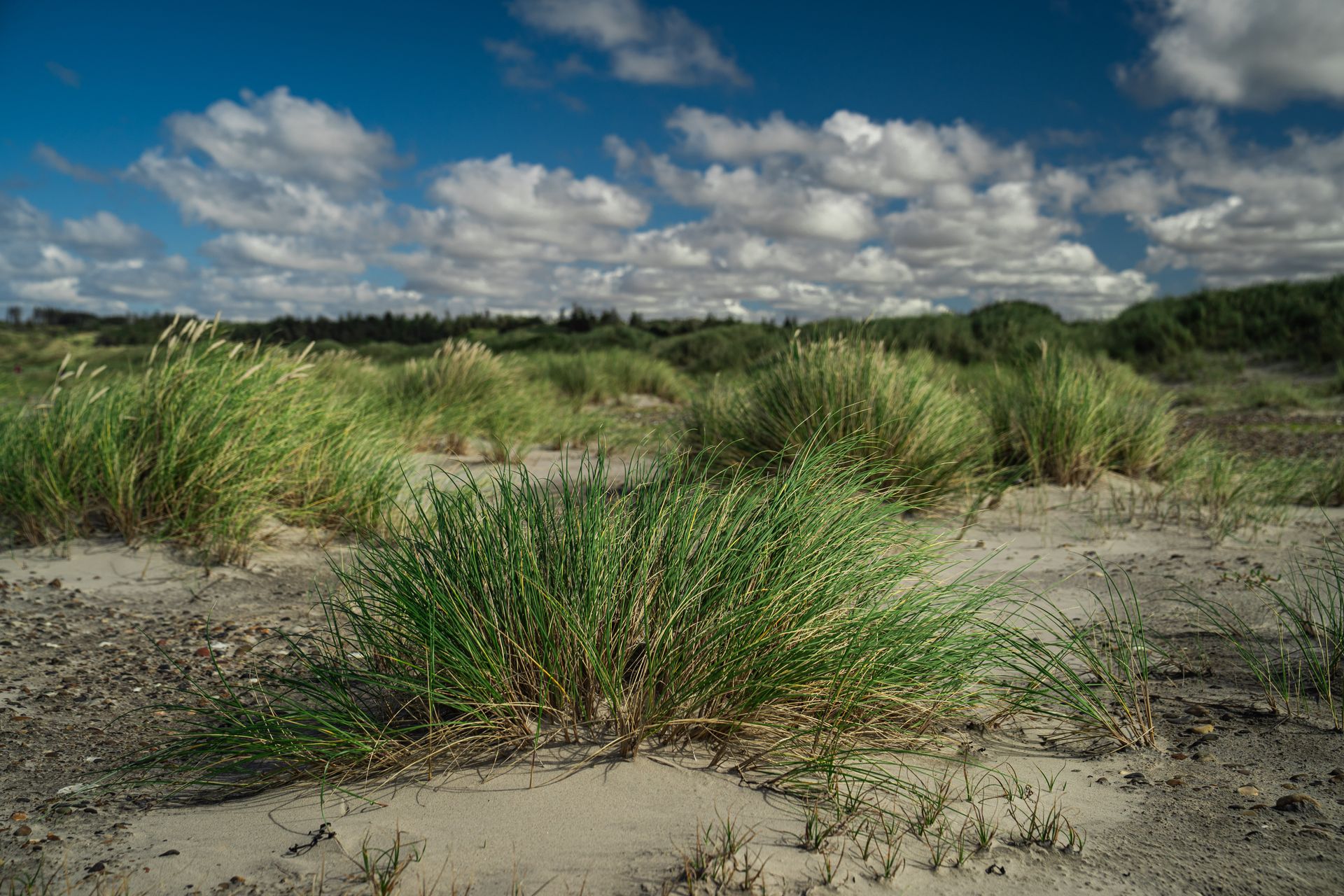
Scandinavia
Denmark
Flat, coastal and steeped in a light that never shouts, a country that finds its calm in understatement.
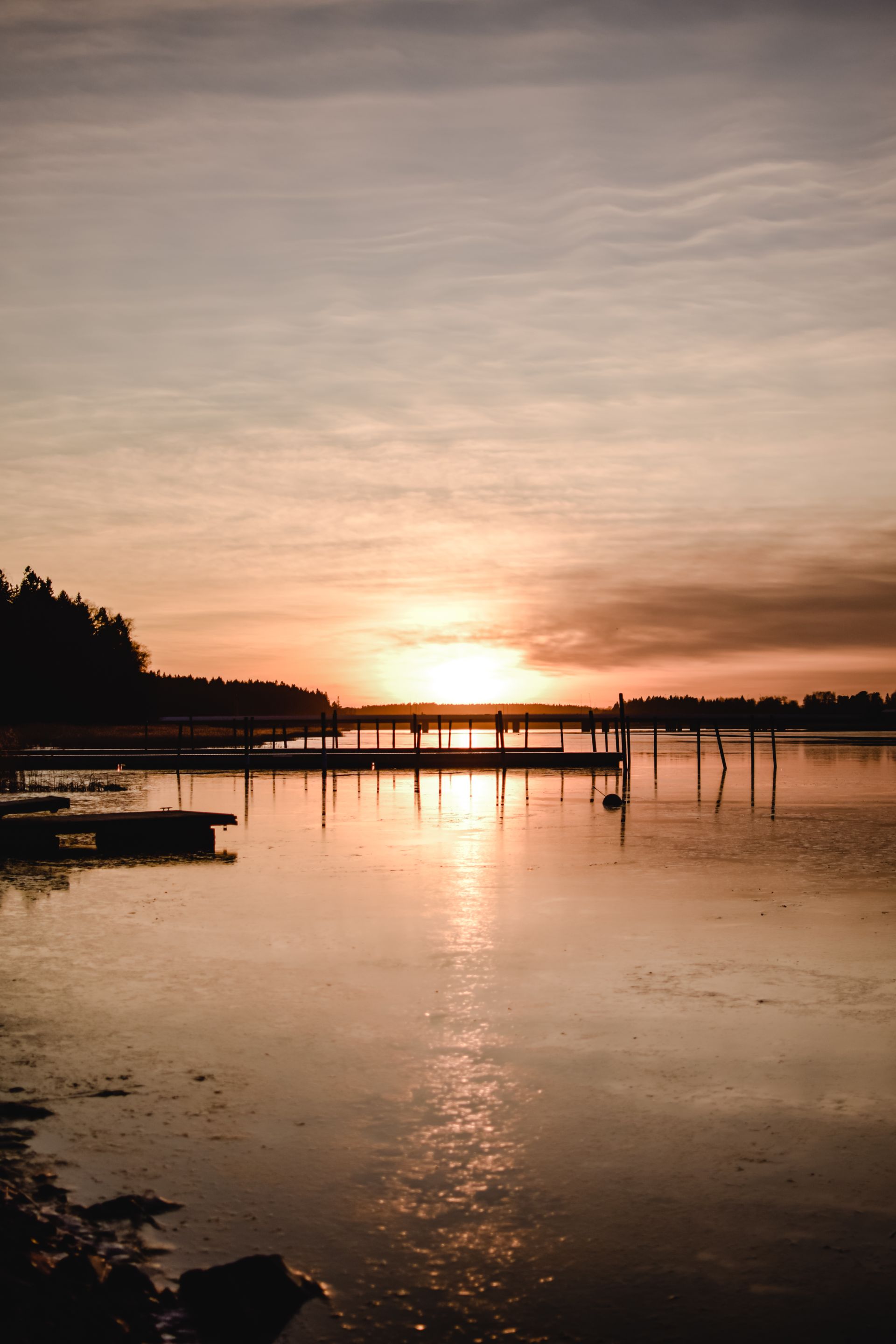
Nordic countries
Finland
Forest and water alternate so often that the boundary blurs, a country that never needs to sell its silence because it already has plenty.
How it works
This is how your journey to Georgia takes shape.
Six steps, from your first story to your homecoming. The conversation and the feasibility check cost you nothing.
-
01
Tell us your story
Fill in the form or give us a call. You do not need a route yet: a country, a period or just an idea is enough.
-
02
The conversation and the check
We call you within two working days. We talk through what you are looking for and check whether it can be done. If it can, we set down together what we will make for you.
-
03
We design your journey
We build your programme up, day by day, together with our own people in the country itself.
-
04
Your proposal
You read your journey day by day, with everything that is included. You say what you would like differently, until it is right.
-
05
Ready to depart
You send us your details, we send you your travel documents. You have one fixed contact who knows your journey.
-
06
Travelling, and after
Your contact stays reachable while you are away. Once you are home, we call one more time.
The next step
How would you like to experience Georgia?
Tell us what draws you to Georgia, who you are travelling with and how keen you are to head into the mountains. We get to know you as a traveller first and build from there, together with a local partner who knows the country from the inside.
Updated in October 2026