Highlands and Yucatán
Mexico
From a capital built on the ruins of Tenochtitlan to the Maya cities in the forests of Yucatán.
This is Mexico
A capital on top of an Aztec city, and Maya cities in the forest.
The Aztecs built their capital, Tenochtitlan, on a small island in Lake Texcoco. In the sixteenth century the Spaniards built Mexico City on its ruins.
In the south-east lies the Yucatán peninsula. Here you find the Maya cities of Uxmal and Chichén Itzá, the fortified town of Campeche and, deep in the tropical forest, the Maya city of Calakmul.
A tour with us stays in the capital, Puebla and the Yucatán peninsula.
In short
- Best time to go
- December to March: dry in the highlands and in Yucatán, with days of 29 to 33 degrees in Mérida. April and November are good in-between months. Most rain falls from May to October, and the hurricane season on the Atlantic coast runs from June to the end of November.
- How long
- Fourteen to eighteen days. That lets you combine Mexico City and Puebla with Yucatán: Mérida, Uxmal, Chichén Itzá, Campeche and Calakmul. With less time, you choose either the capital or Yucatán.
- Who it suits
- For travellers who want to see ancient cities where they were built, and would like to spend a few days in the tropical forest. For anyone who finds a colonial town as absorbing as a pyramid.
- What sets it apart
- On one trip you see an Aztec capital beneath a colonial city and Maya cities in the forest. You fly between the capital and Yucatán.
Tailor-made tour
A tailor-made tour of Mexico
A tour of Mexico usually starts in Mexico City. From there you go to Puebla, about 100 kilometres to the east. Then you fly to Yucatán and travel via Mérida, Uxmal, Chichén Itzá and Campeche to the Calakmul forest. Sian Ka'an lies on the east coast of the peninsula. For that combination, count on fourteen to eighteen days.
Within each region you travel with your own driver. Between the capital and Yucatán you take a domestic flight.
As a couple you have a guide and driver to yourselves, and you reach the sites early, before the heat. With children Mexico works well if the days are not too full: a boat on the canals of Xochimilco and a day in the Calakmul forest both appeal to children. Travelling alone, a regular guide and driver help a great deal, certainly in the capital. With your own group of friends or family you travel in a private vehicle, and the group can split for a day: half to a Maya site, the other half in Mérida.
The most unusual stays are around Calakmul, deep in the tropical forest. In Mexico City you stay in the centre around the Zócalo or in a district such as Roma, Condesa, Polanco or Coyoacán. In Puebla and Campeche you sleep in the old town, among the colonial facades.
The regions
The capital, Puebla and the Yucatán peninsula.
Mexico is far larger than these regions. A tour with us stays here.
The capital
Mexico City and Xochimilco
The Spaniards built the city in the sixteenth century on the ruins of Tenochtitlan. The centre holds the remains of five Aztec temples and a cathedral. Xochimilco lies 28 kilometres to the south, with canals and artificial islands from Aztec times.
At the foot of the volcano
Puebla
Puebla was founded in 1531, about 100 kilometres east of Mexico City, at the foot of Popocatépetl. The city has a sixteenth and seventeenth-century cathedral and many houses with tiled facades.
The heart of Yucatán
Mérida and Uxmal
Uxmal lies 62 kilometres south of Mérida. The Maya city was founded around 700 and had some 25,000 inhabitants. It is the centre of the Puuc, a region of low hills with its own architectural style.
By two cenotes
Chichén Itzá
Chichén Itzá grew up beside two natural wells, the cenotes, which gave access to groundwater. It was one of the largest Maya centres on the peninsula, with El Castillo, the Temple of the Warriors and the round observatory known as El Caracol.
The Gulf coast and the forest
Campeche and Calakmul
Campeche is a colonial port that has kept its walls and fortifications against attacks from the sea. Inland, deep in the tropical forest, lies the Maya city of Calakmul, in a protected area of 331,397 hectares.
The east coast
Sian Ka'an
On the east coast of Yucatán, in Quintana Roo, Sian Ka'an protects 528,148 hectares of tropical forest, mangroves, marshes and sea with a barrier reef. More than 300 bird species are found here.
Three eras
The Aztecs, the Maya and the Spaniards.
On one trip you see three eras, each of which built its own cities. All three are on the World Heritage List.
Mexico City and Xochimilco
The capital stands on the ruins of Tenochtitlan, and Xochimilco keeps canals and artificial islands from Aztec times. World Heritage since 1987.
Uxmal and Chichén Itzá
Two Maya cities in Yucatán. Uxmal was founded around 700; Chichén Itzá had a history of almost a thousand years. World Heritage since 1996 and 1988.
Puebla and Campeche
Puebla was founded in 1531. Campeche kept its city walls. World Heritage since 1987 and 1999.
The Yucatán forest
Calakmul lies deeper in the forest than the other Maya cities.
Calakmul lies in the central and southern part of the peninsula, in the tropical forest of the Tierras Bajas. The city played a key role in the region for more than twelve centuries.
The protected area around it covers 331,397 hectares. Together with its buffer zone it makes up the entire Calakmul Biosphere Reserve.
On the east coast lies Sian Ka'an, a different kind of nature: forest, mangroves and marshes that merge into the sea.
We plan one or two nights near Calakmul, so that you visit the site early in the day.
Possibilities
What could Mexico be for you?
Directions to help you notice what draws you and what you would rather leave out.
The canals of Xochimilco
By boat between the artificial islands, 28 kilometres south of the centre.
Puebla and its tiles
The cathedral and the tile-fronted houses of the old town.
The Puuc around Uxmal
Uxmal and the smaller sites in the hills south of Mérida.
Calakmul in the forest
A Maya city deep in the tropical forest, early in the day.
By boat in Sian Ka'an
Through the mangroves of the biosphere reserve on the east coast.
What you end up doing, we build around what drives you.
When would you travel?
December to March, the dry season.
December to March is the dry period. Mexico City then gets at most 10 millimetres of rain a month, with days of 21 to 25 degrees. In Mérida daytime temperatures reach 29 to 33 degrees.
April and November are good in-between months. By April Mérida is already around 35 degrees; in November there is much less rain than in the months before.
Most rain falls from May to October: in Mexico City an average of 133 millimetres in July, in Mérida 180 in September. On the Atlantic coast the hurricane season runs from early June to the end of November.
Best time to visit Mexico
Jan
Feb
Mar
Apr
May
Jun
Jul
Aug
Sep
Oct
Nov
Dec
Dry in the highlands and in Yucatán
In-between months, warmer or with some rain
Rainy season, with hurricane season on the coasts
Same months, other destinations
Who else is at their best in these months?
Not ready to ask yet?
Leave your email address. A month before the good time begins, we send you one reminder. Nothing more.
You will first get an email to confirm. You can unsubscribe at any time, with one click.
Rather talk it over?
Leave your name and number. We will call you at a time that suits you.
Looking past the highlights
What we look at differently.
One flight between two regions. Between Mexico City and Yucatán you take a domestic flight, so there are no long drives between the two regions.
One or two nights near Calakmul. Calakmul lies deep in the forest. With one or two nights nearby, you visit the site early in the day.
Early at the sites. In Mérida the average in May is 36 degrees. We plan the Maya sites early in the day.
Worth knowing
Practical, without the noise.
We go through the full, current picture with you personally, including what matters specifically for your trip.
- Getting there
- From Brussels you fly to Mexico City with a connection. We look with you at which connection suits you best.
- Documents
- Which travel documents you need depends on your nationality, and the rules change. Check with the Belgian Foreign Affairs service. According to the travel advice, children under 18 travelling without their parents need parental consent. We confirm the current requirements before departure.
- Health
- Recommended vaccinations are listed on Wanda, the travel health site of the Institute of Tropical Medicine in Antwerp. Discuss it with your doctor too.
- Travel advice
- The current travel advice is published by the Belgian Foreign Affairs service. We follow it and adapt the trip where needed. Also register your trip on Travellers Online.
- Driving yourself
- According to the current travel advice, a Belgian category B licence is accepted for stays of under 3 months. We work with a private driver.
- Local laws
- E-cigarettes are banned in Mexico.
Frequently asked questions
When is the best time to go to Mexico?
The best time for a tour of Mexico is December to March. It is dry then in the highlands and in Yucatán, with days of 29 to 33 degrees in Mérida. Most rain falls from May to October, and the hurricane season on the Atlantic coast runs from June to the end of November.
Which regions of Mexico does a tour cover?
A tour of Mexico with us stays in Mexico City, Puebla and the Yucatán peninsula, with Mérida, Uxmal, Chichén Itzá, Campeche, Calakmul and Sian Ka'an.
How do you travel between Mexico City and Yucatán?
Between Mexico City and Yucatán you take a domestic flight. Within each region you travel with your own driver.
What is the travel advice for Mexico?
The current travel advice for Mexico is on the website of the Belgian Foreign Affairs service, diplomatie.belgium.be, under Travel advice. We follow it before departure and during your trip, and adapt the trip if the advice changes.
Or perhaps this
Other destinations
Still weighing it up? That is no problem at all. The right country often only becomes clear once the conversation starts.
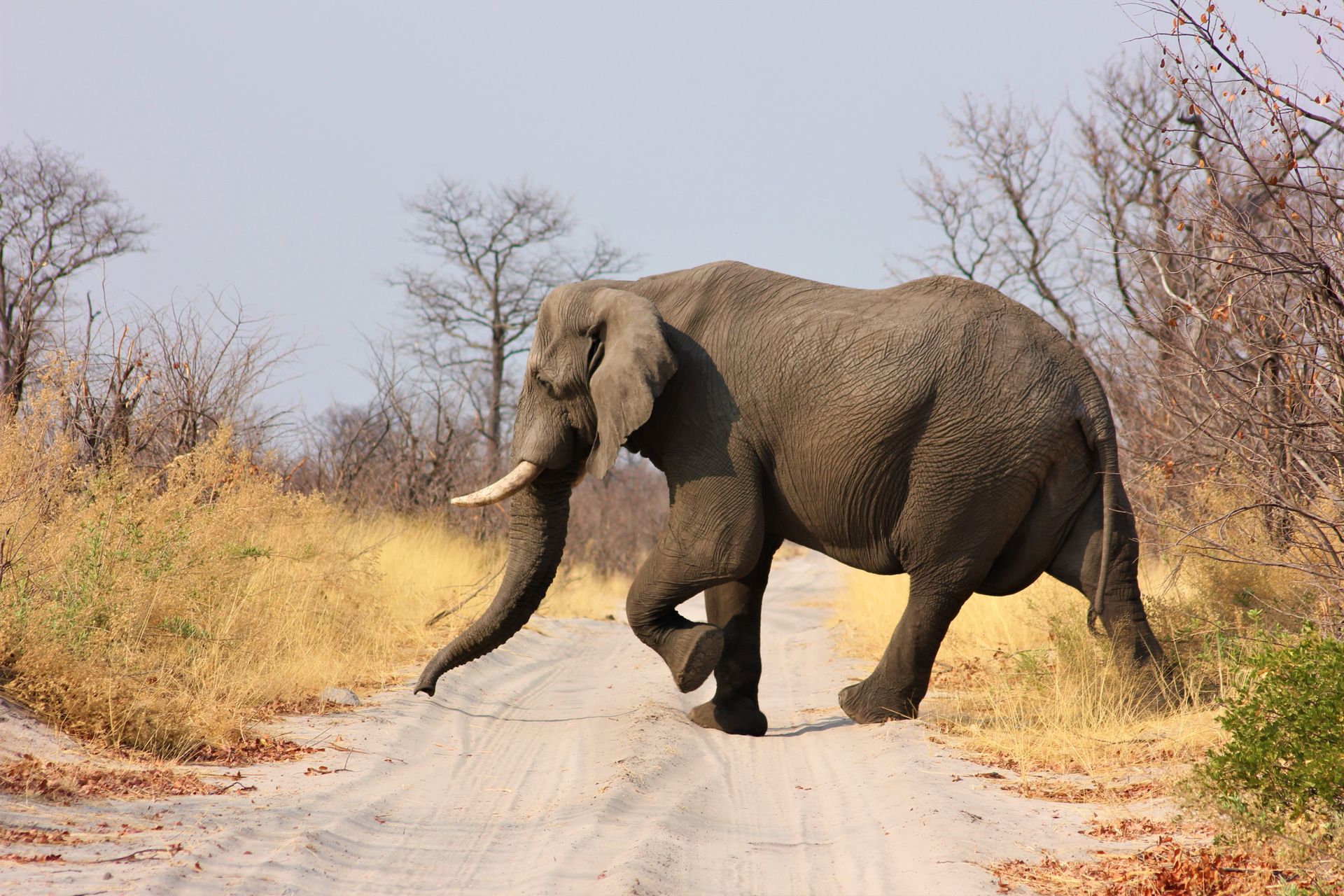
Southern Africa, Zambezi valley
Zambia
A country where the wilderness is still given real space, and the waterfall at its edge almost becomes an afterthought.
Southern Africa, Zambezi plateau
Zimbabwe
A country that has kept its national parks and hospitality intact, and it shows in the quality of its guides.
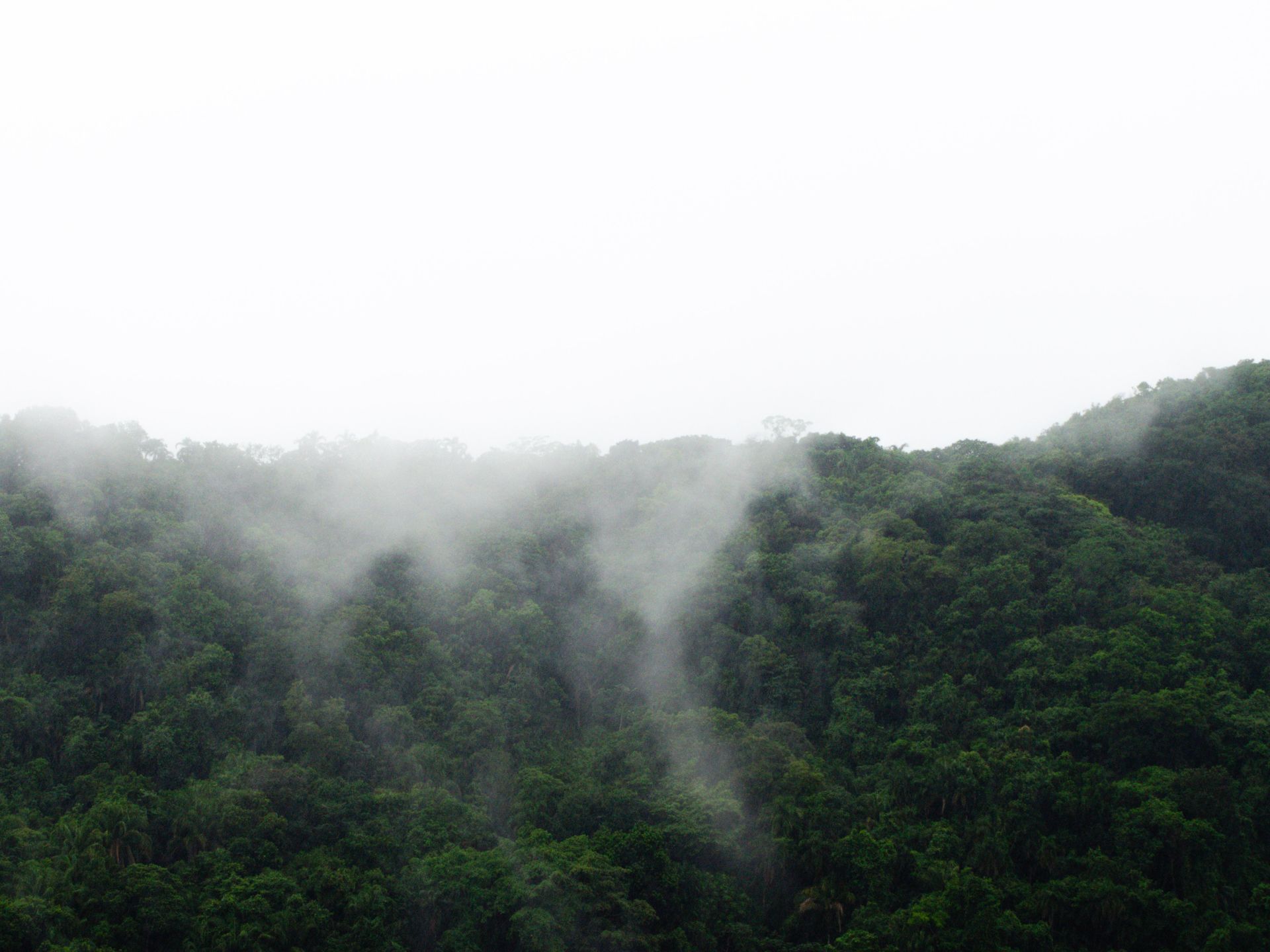
South America
Brazil
A country so vast it constantly contradicts itself, with rainforest, coast and metropolis each living at their own pace.
How it works
This is how your journey to Mexico takes shape.
Six steps, from your first story to your homecoming. The conversation and the feasibility check cost you nothing.
-
01
Tell us your story
Fill in the form or give us a call. You do not need a route yet: a country, a period or just an idea is enough.
-
02
The conversation and the check
We call you within two working days. We talk through what you are looking for and check whether it can be done. If it can, we set down together what we will make for you.
-
03
We design your journey
We build your programme up, day by day, together with our own people in the country itself.
-
04
Your proposal
You read your journey day by day, with everything that is included. You say what you would like differently, until it is right.
-
05
Ready to depart
You send us your details, we send you your travel documents. You have one fixed contact who knows your journey.
-
06
Travelling, and after
Your contact stays reachable while you are away. Once you are home, we call one more time.
The next step
How would you like to experience Mexico?
Tell us what draws you to Mexico, who you are travelling with and what you want to see. We get to know you as a traveller first and build from there, together with a local partner who knows the country from the inside.
Updated in October 2026