When to travel
Where to go in March
A turning month. The north is waking up, the south is winding down, and in between sits a run of countries at their most pleasant.
At their best
These countries call March their strongest month: weather, landscape and rhythm all line up.
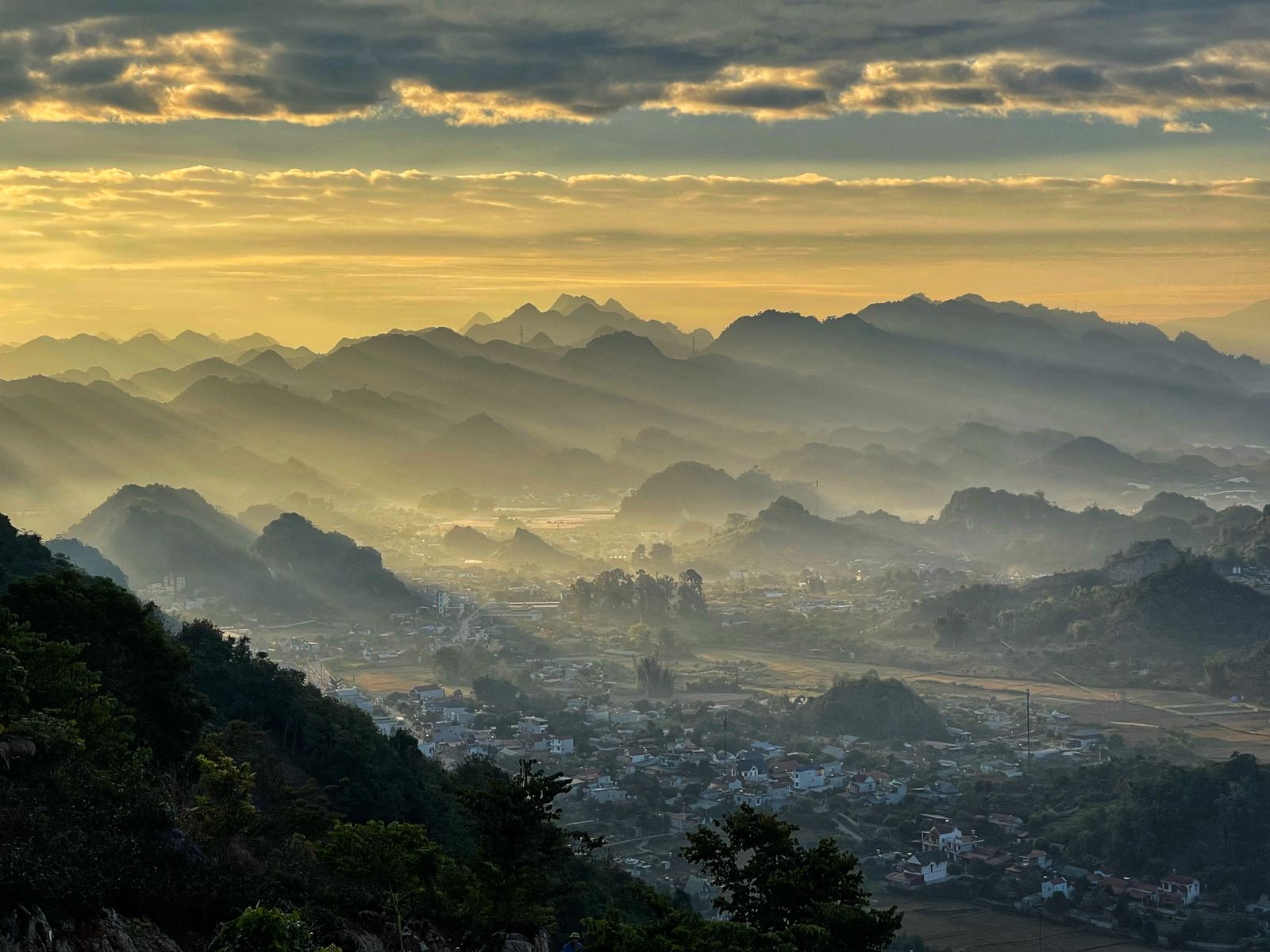
South-East Asia
Vietnam
A country best discovered at the table, one that feels like an almost different place from north to south.
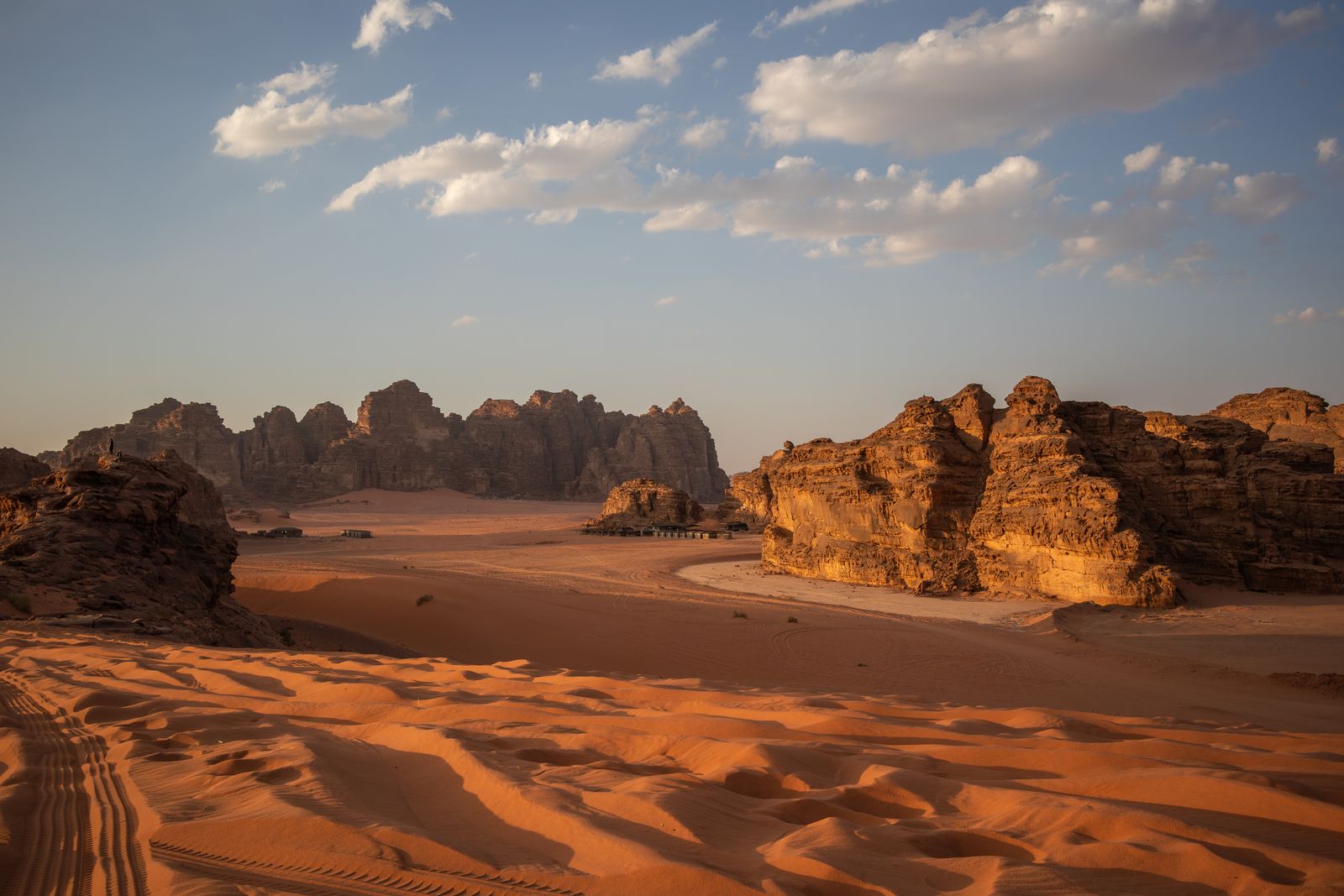
Middle East
Jordan
Desert, history and a hospitality that often turns out to be the most memorable part of the journey.
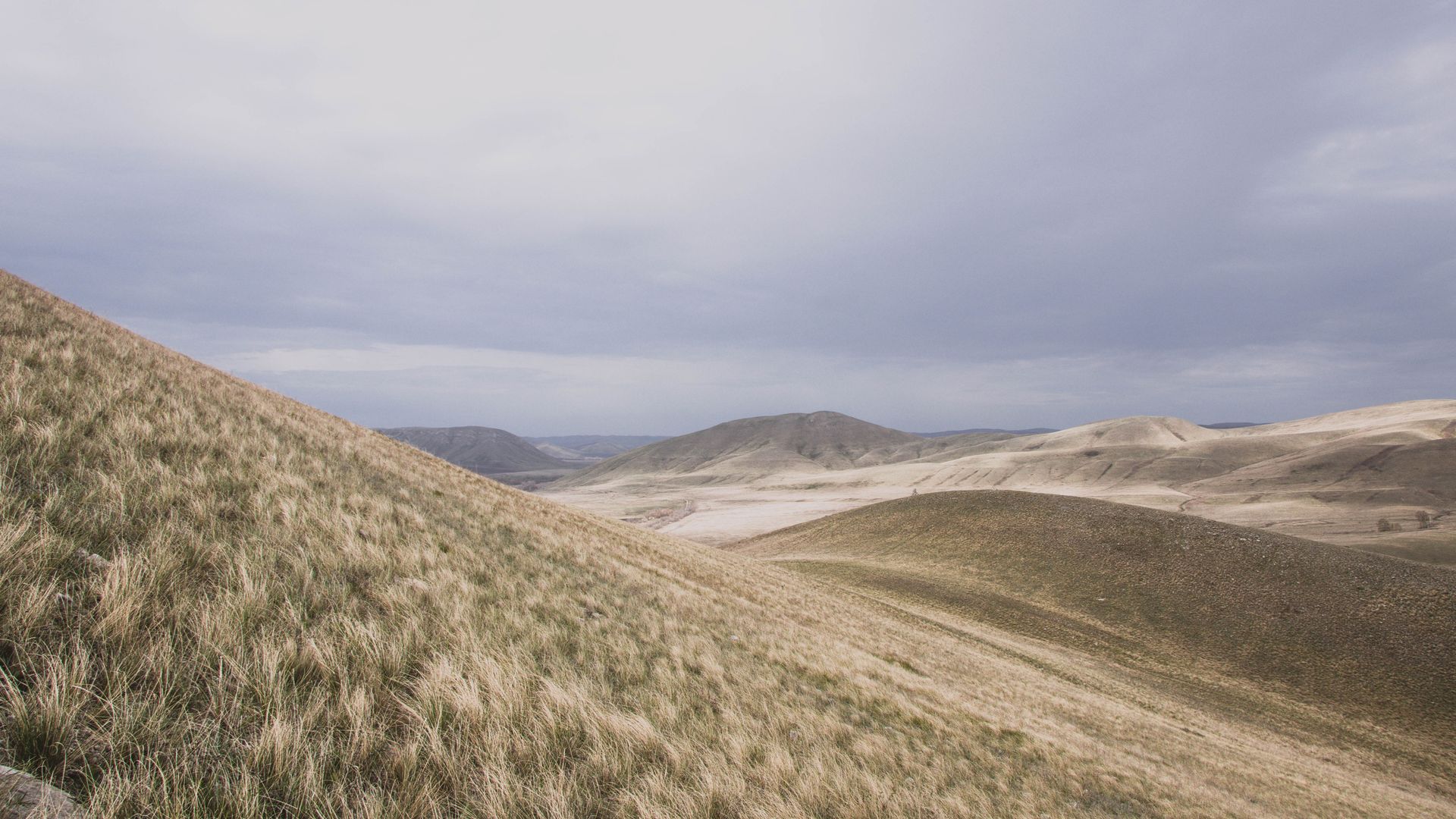
South America
Argentina
From city rhythm to Patagonian wind, a country whose vast distances are part of the appeal.
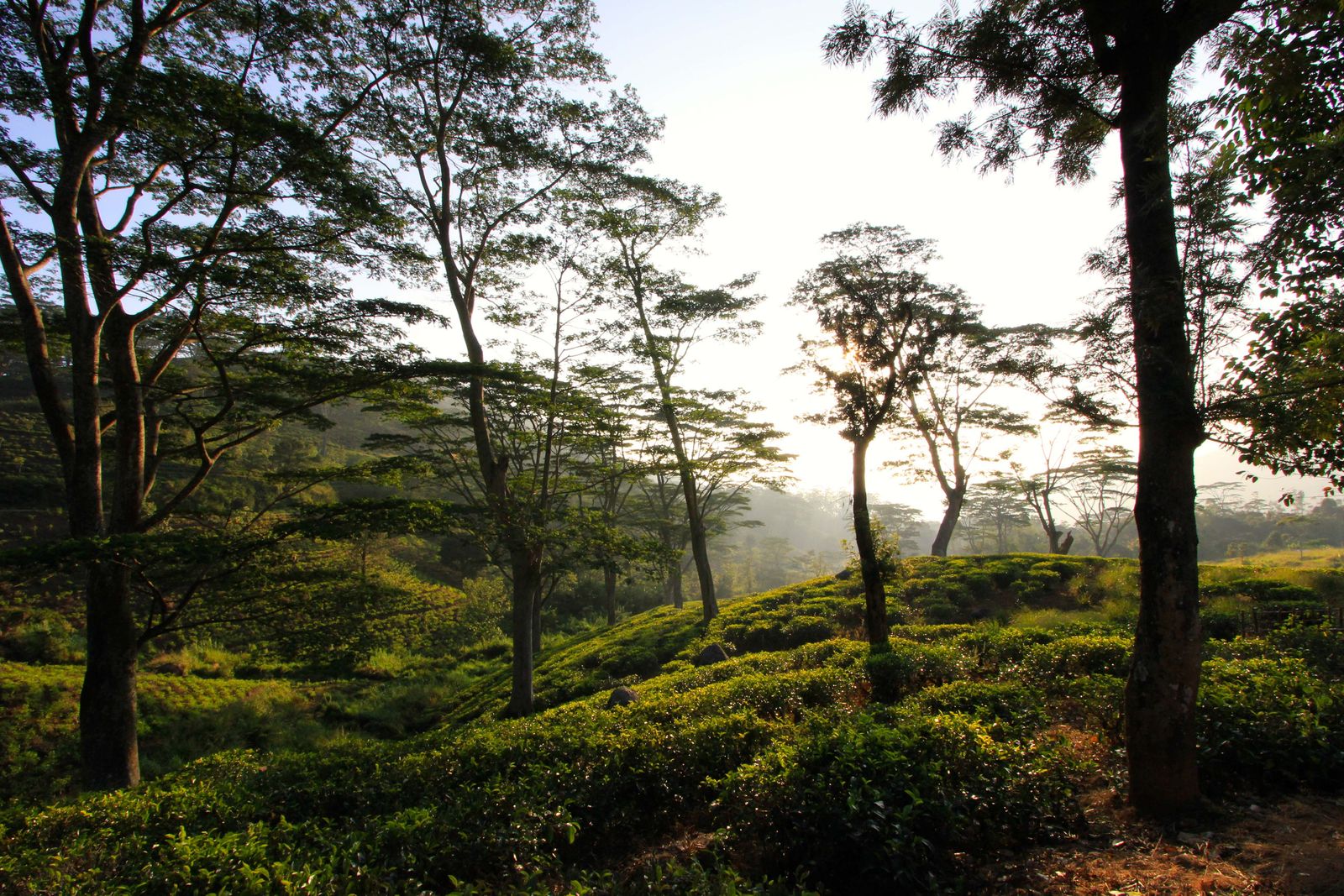
South Asia
Sri Lanka
Small on the map, yet coast, highlands and culture can feel worlds apart after just a few hours' drive.
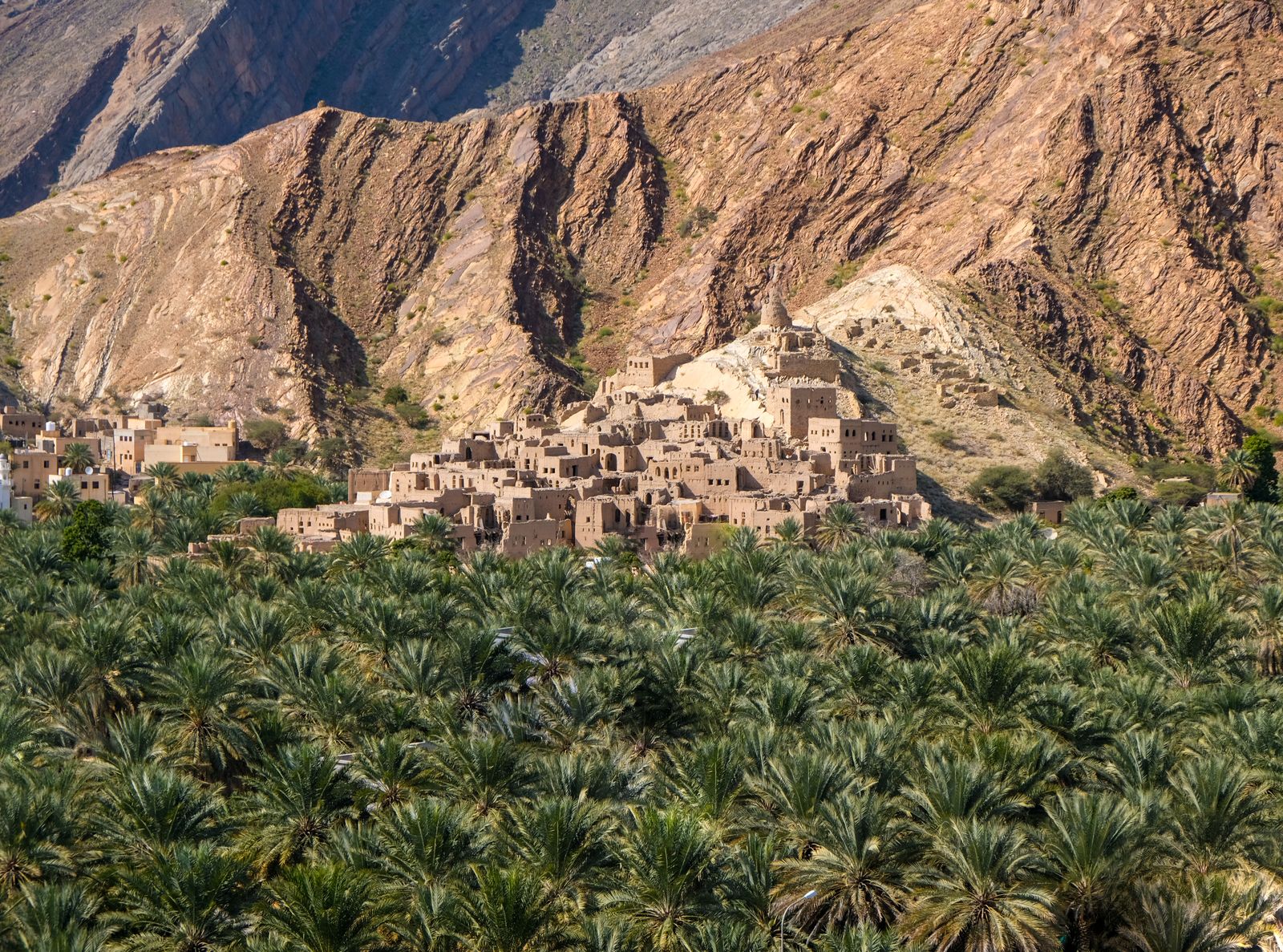
Arabian Peninsula
Oman
Mountains, wadis and a quiet coastline: a destination that reveals itself at an unhurried pace.
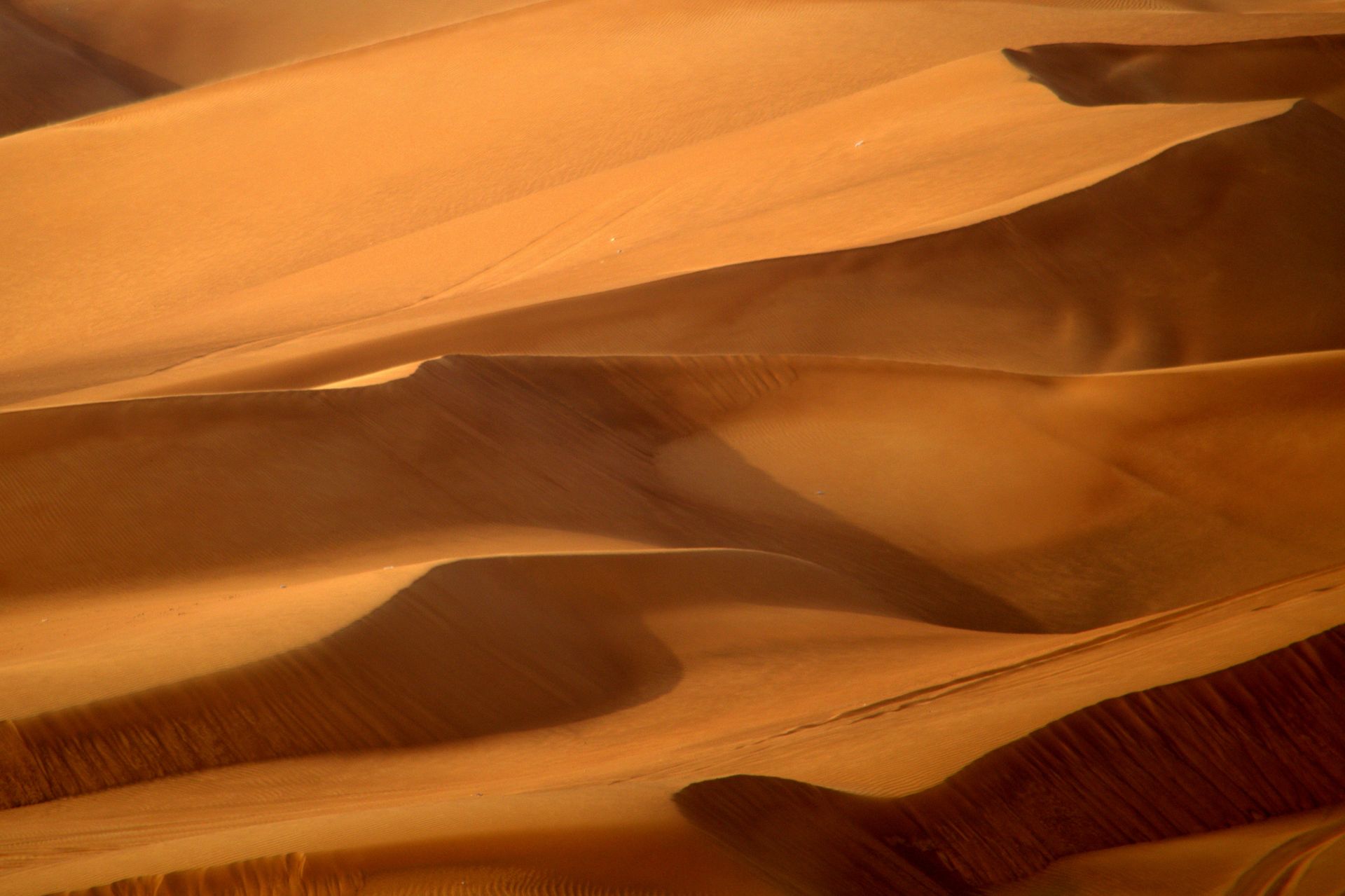
Arabian Gulf
United Arab Emirates
Seven emirates, not all of them skylines. Beyond the famous cities lies a land of dunes, wadis and oasis villages that move at a very different pace.
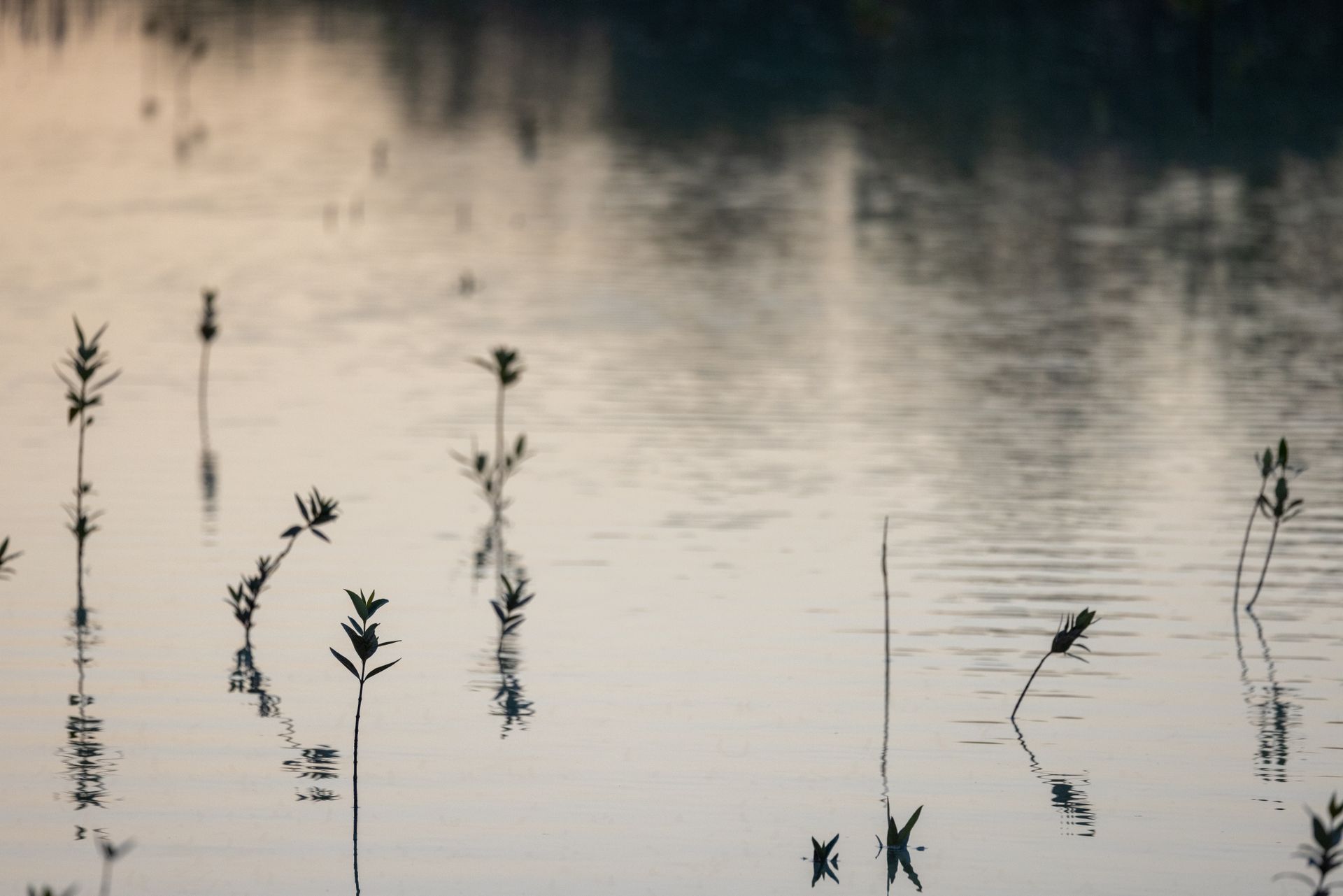
United Arab Emirates
Abu Dhabi
The capital prefers to govern with calm rather than noise, putting its wealth towards culture and space rather than spectacle.
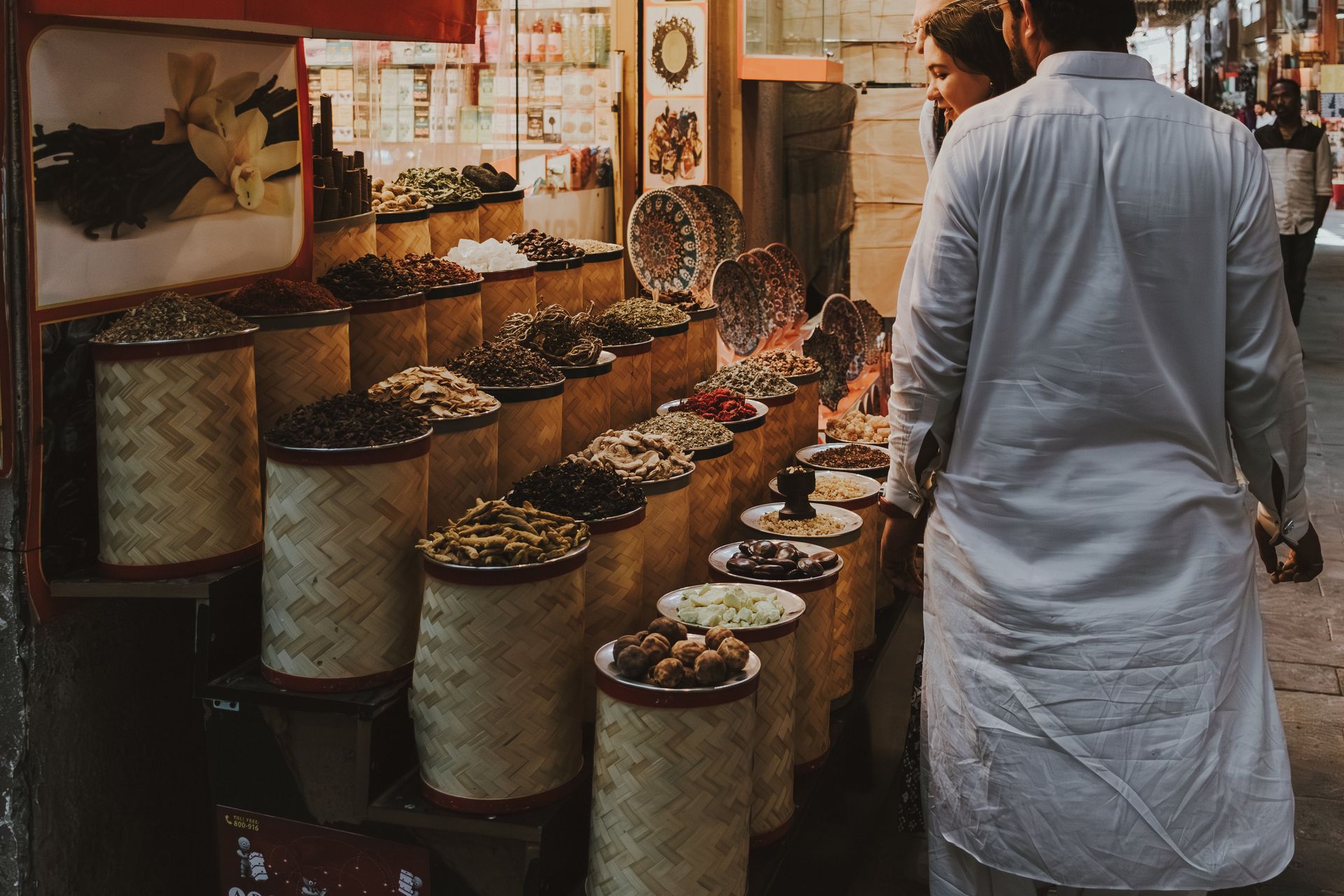
United Arab Emirates
Dubai
A city that keeps rewriting itself, though the old creek and its souks still hold on to the pace of life before the skyscrapers.
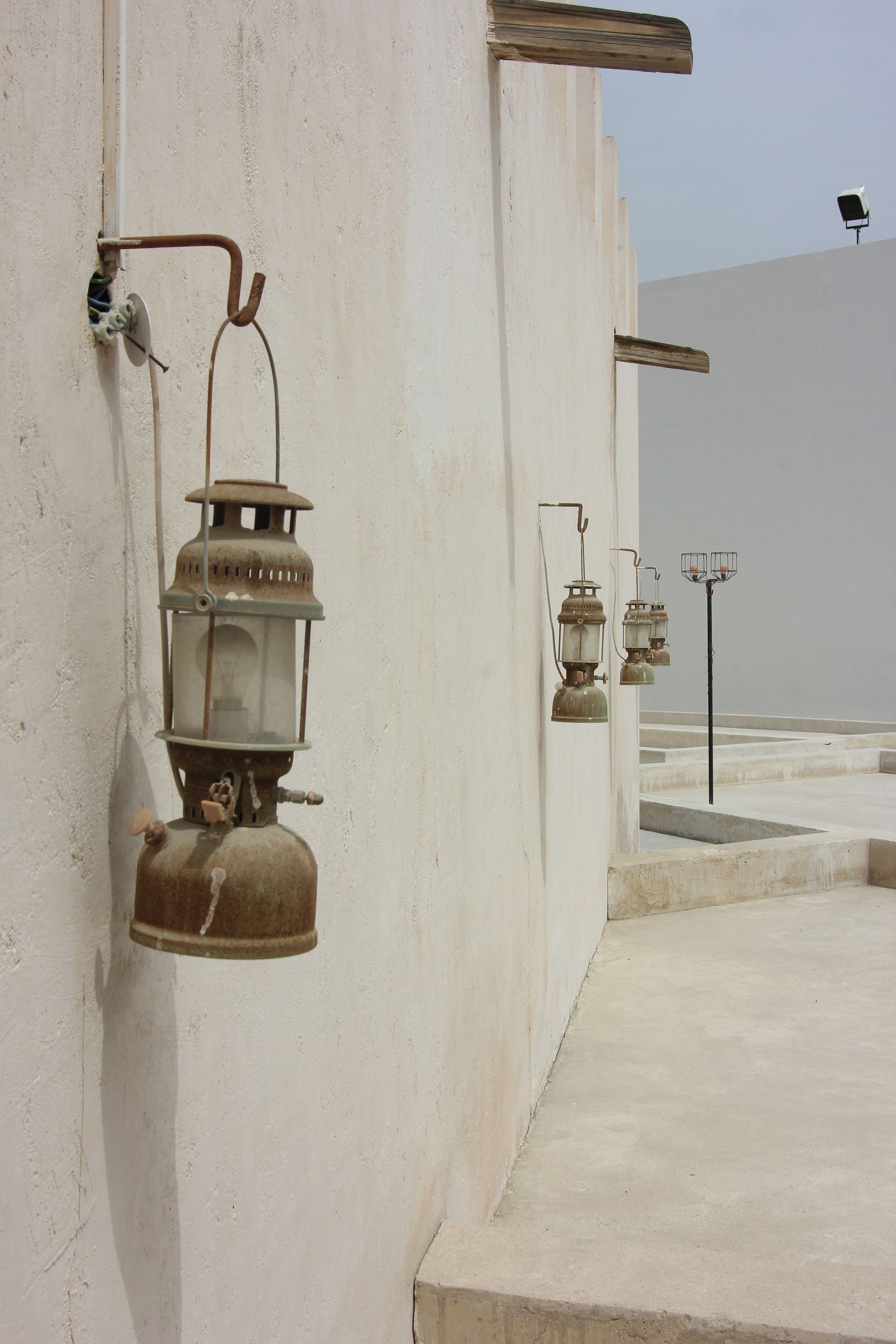
United Arab Emirates
Sharjah
The most understated of the emirates, where culture and heritage matter more than height or gloss.
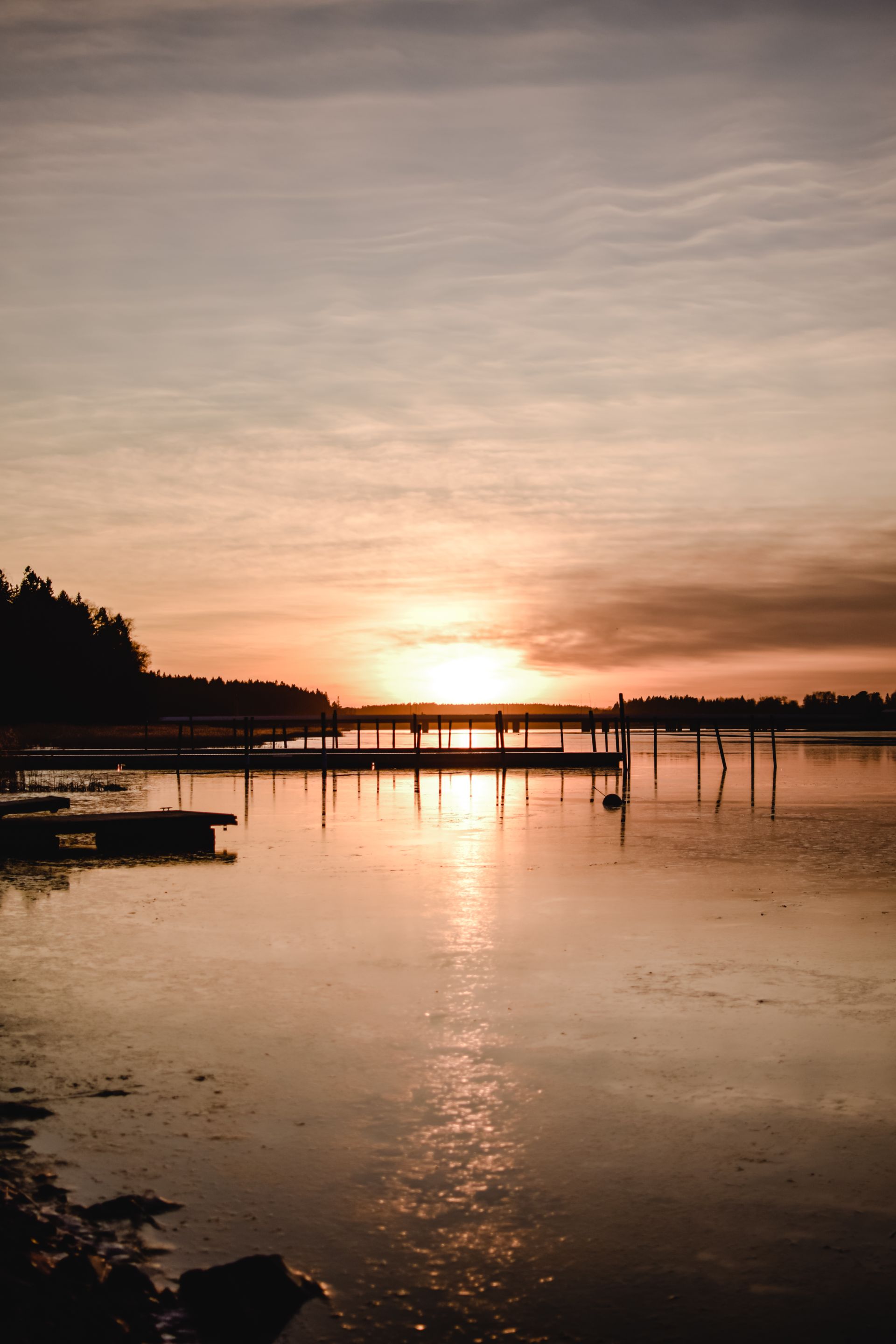
Nordic countries
Finland
Forest and water alternate so often that the boundary blurs, a country that never needs to sell its silence because it already has plenty.
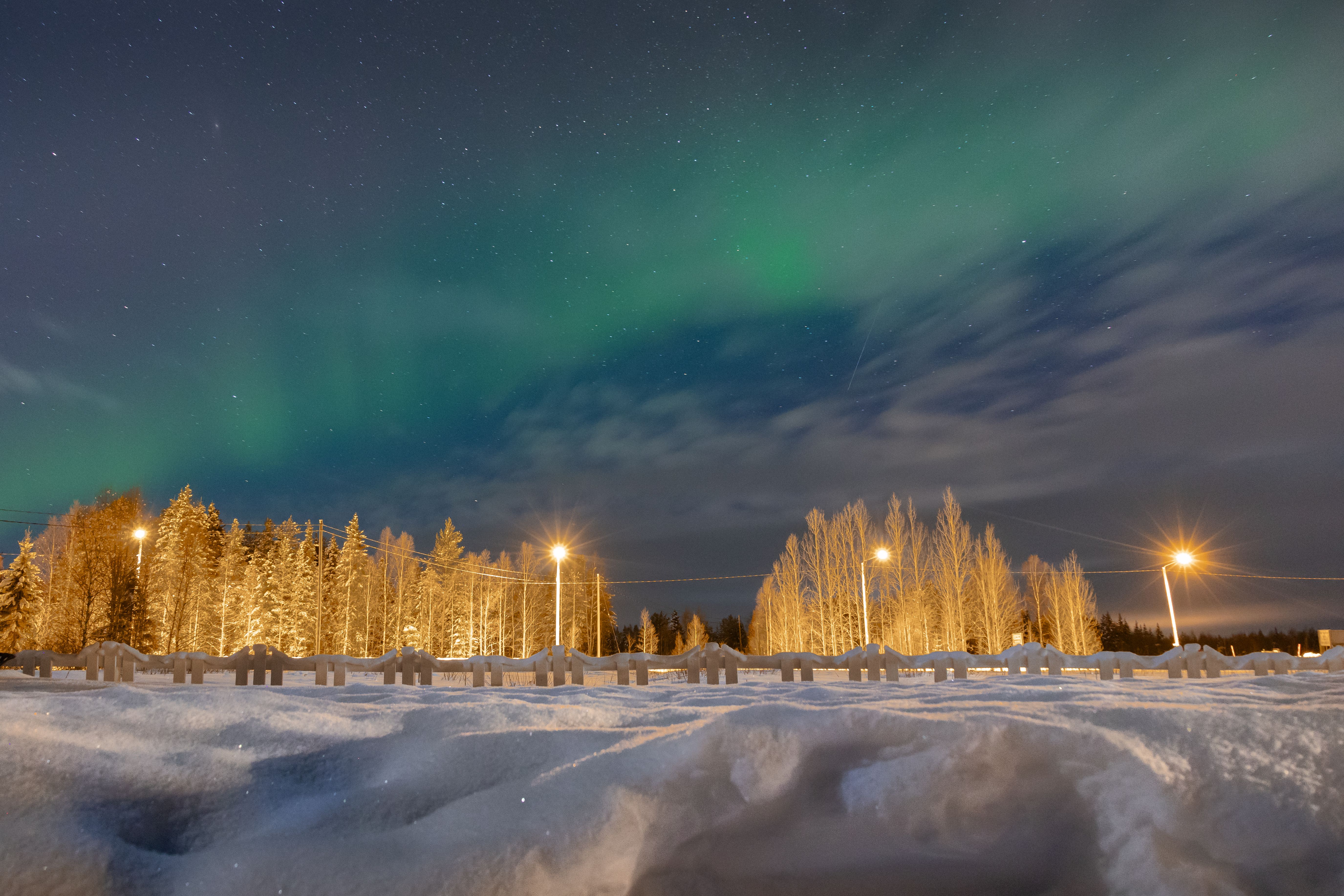
The High North
Lapland
A region without hard borders, where tundra and pine forest live under a light that swings between two extremes throughout the year: months of sun or months of night.
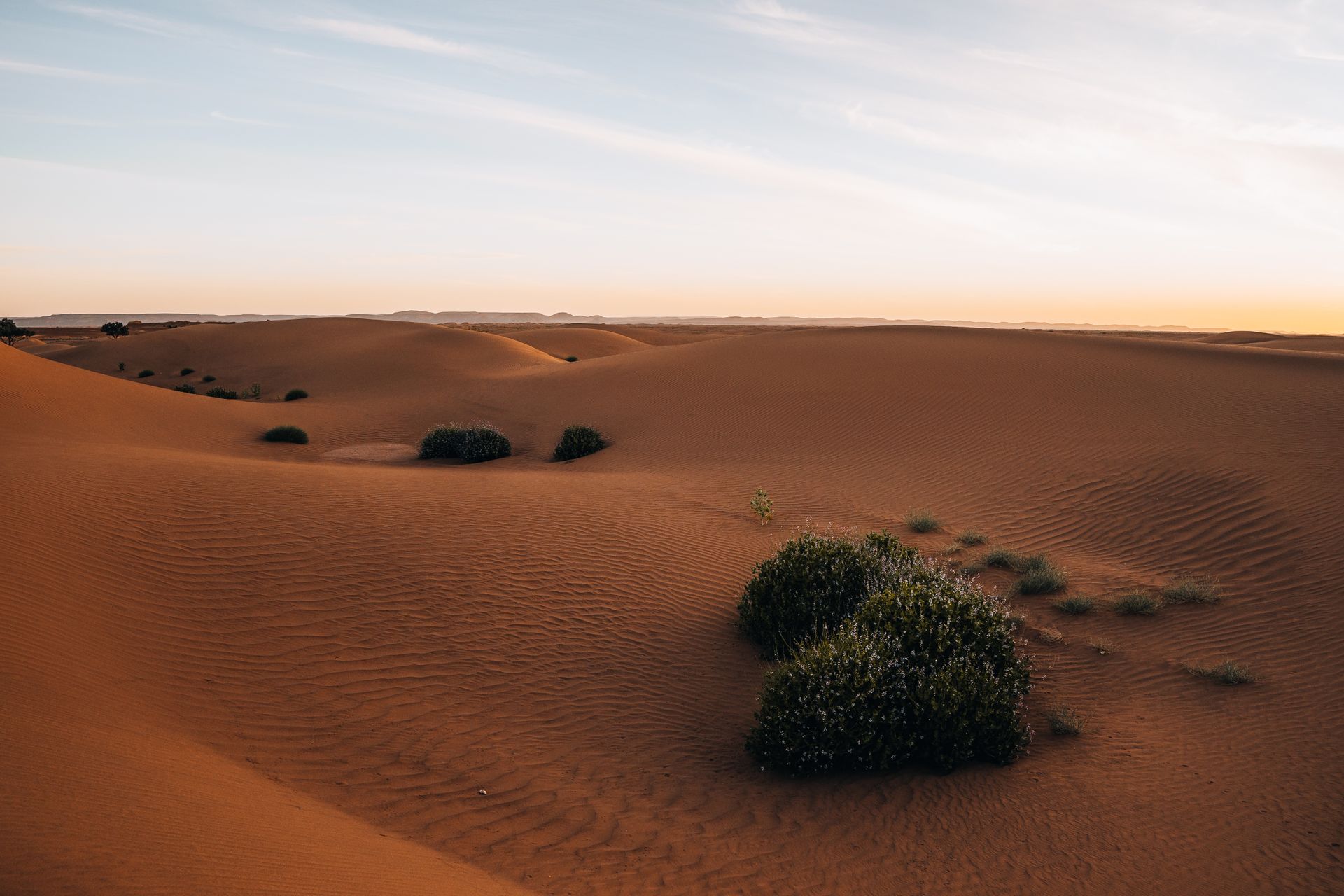
Maghreb, north-west Africa
Morocco
A country where desert, mountains and coast merge within a few hours' drive, and the cities hold their own just as well.
Indian Ocean, granite islands
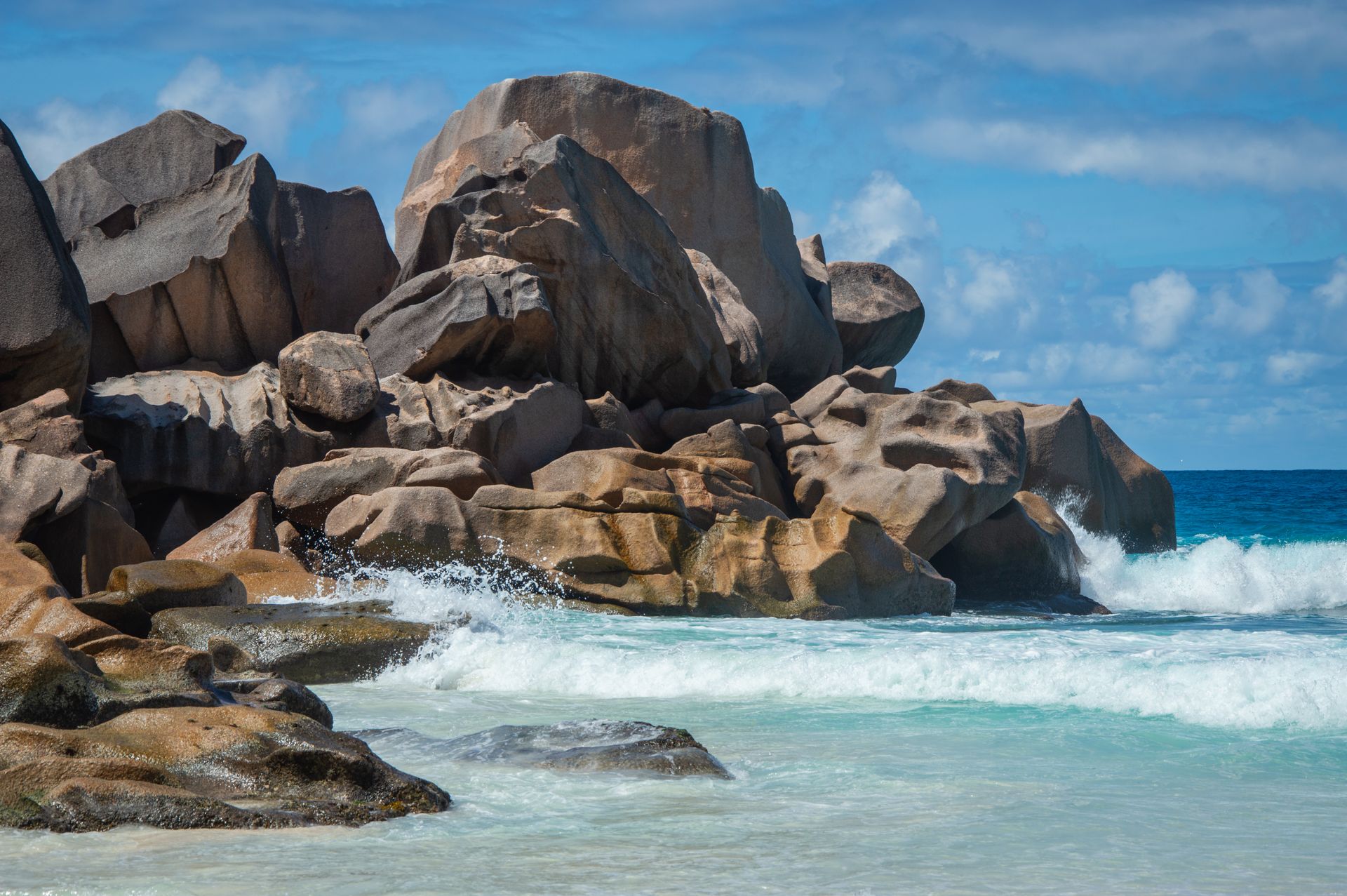
Seychelles
An archipelago where granite, primeval forest and sea sit so close together it almost feels unreal.
Central America
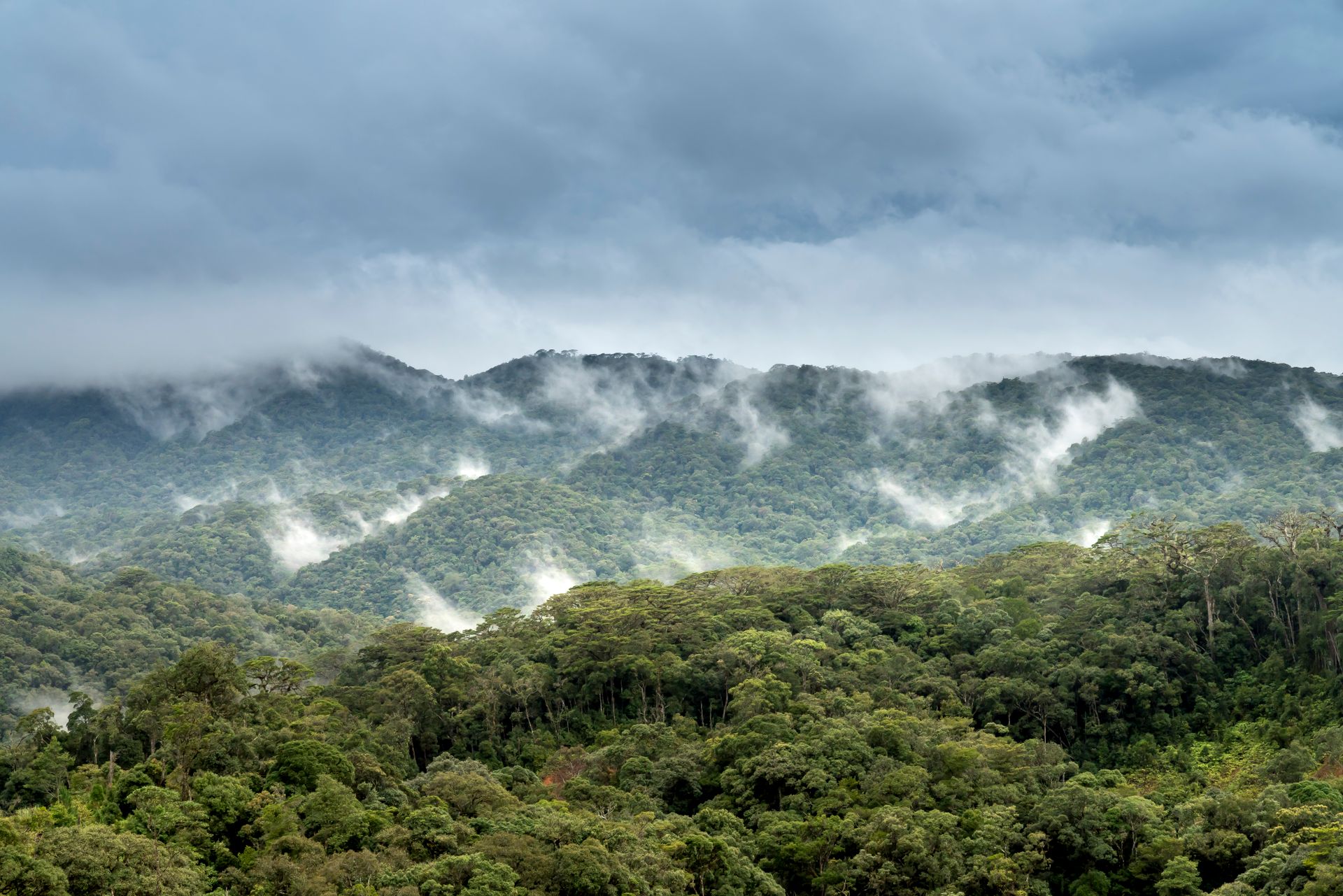
Costa Rica
Sandwiched between two oceans, with volcanoes and cloud forest that need no introduction.
Central American Pacific coast
El Salvador
A country that's compact, not small, with volcanoes running all the way to a coast that's never far away.
Central American highlands
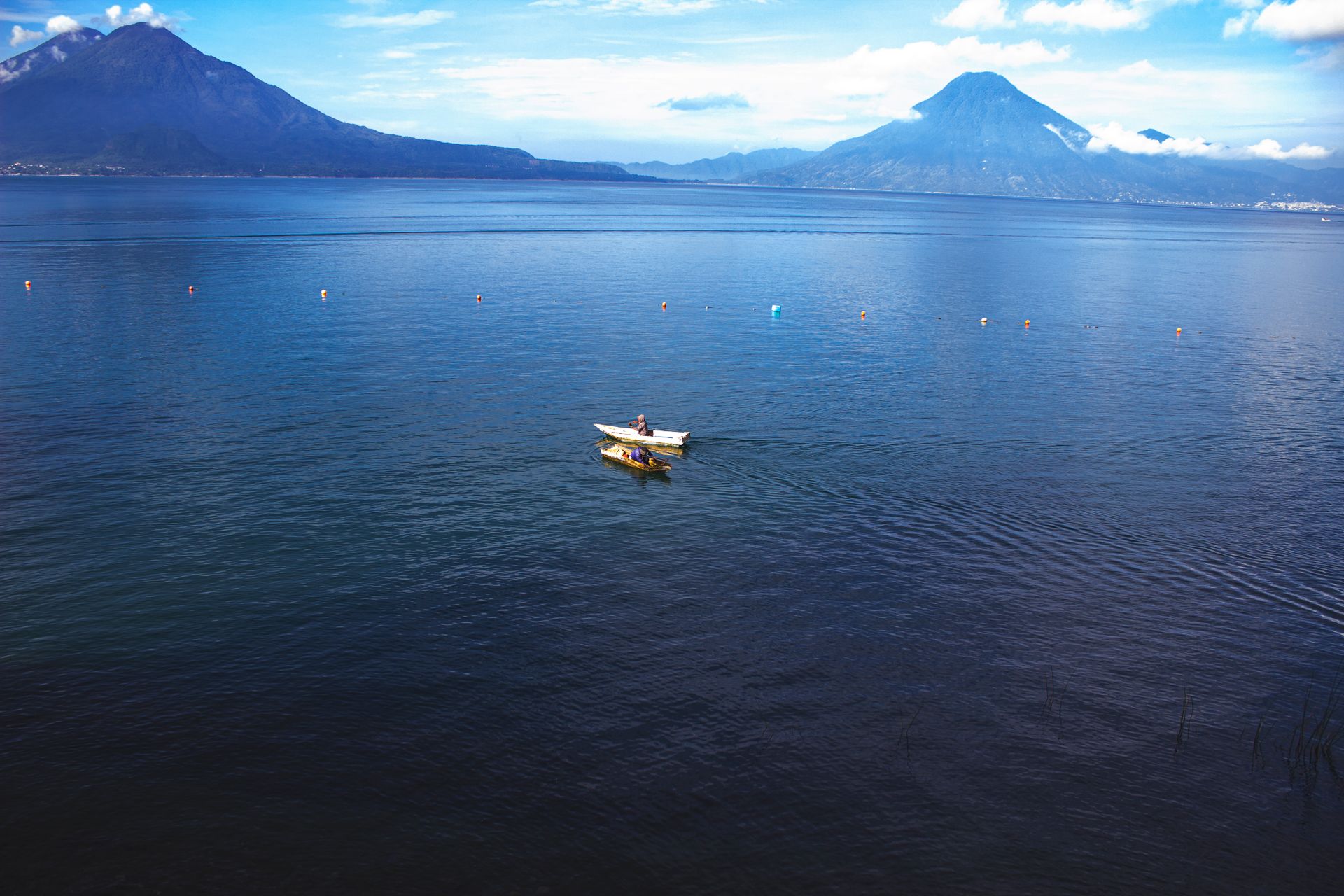
Guatemala
A highland where Maya culture isn't a backdrop but sets the rhythm of everyday life.
Central American lake district
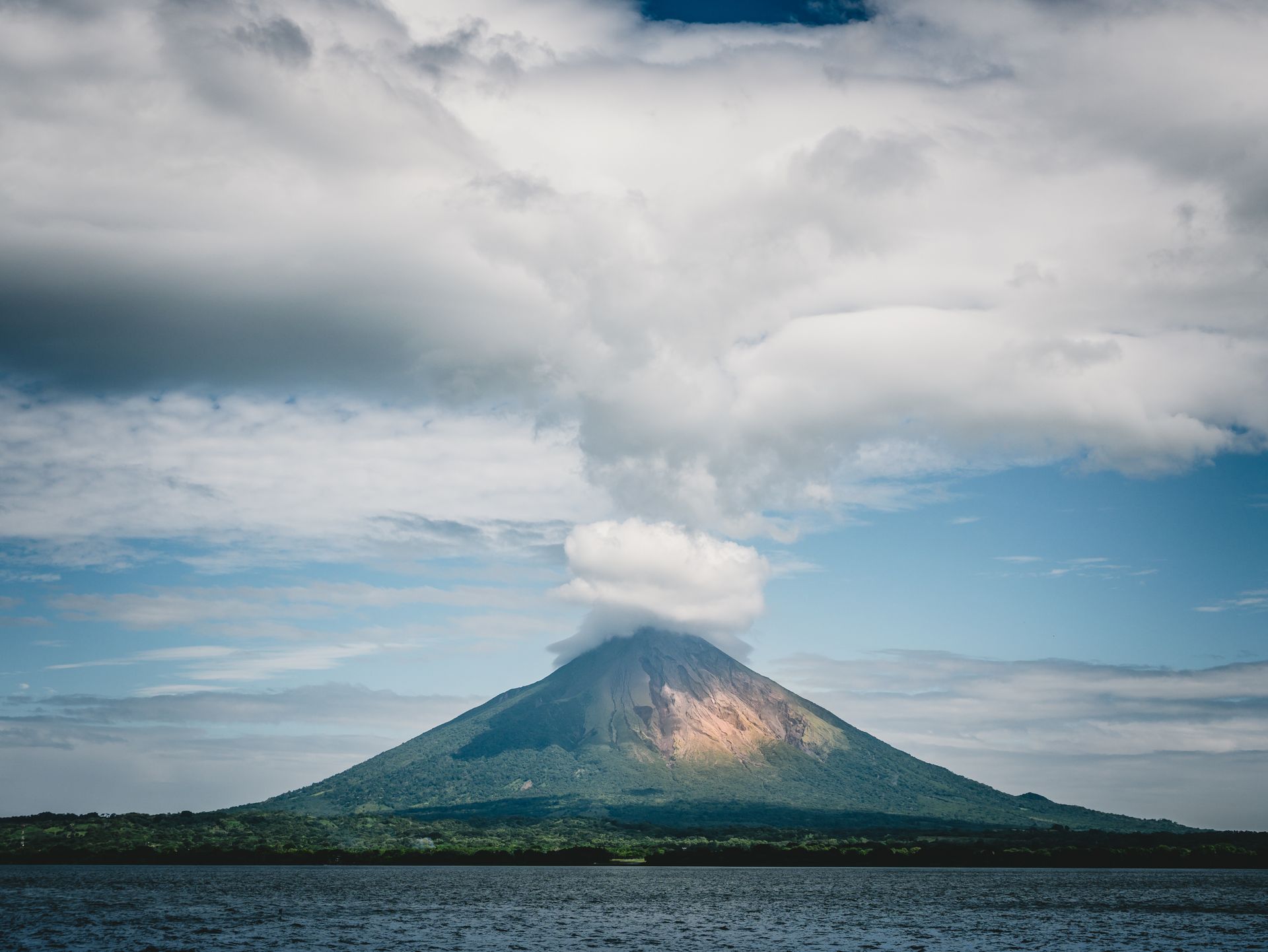
Nicaragua
Two colonial cities, centuries-old rivals, separated by a lake dotted with volcanic islands, rougher around the edges than its neighbours.
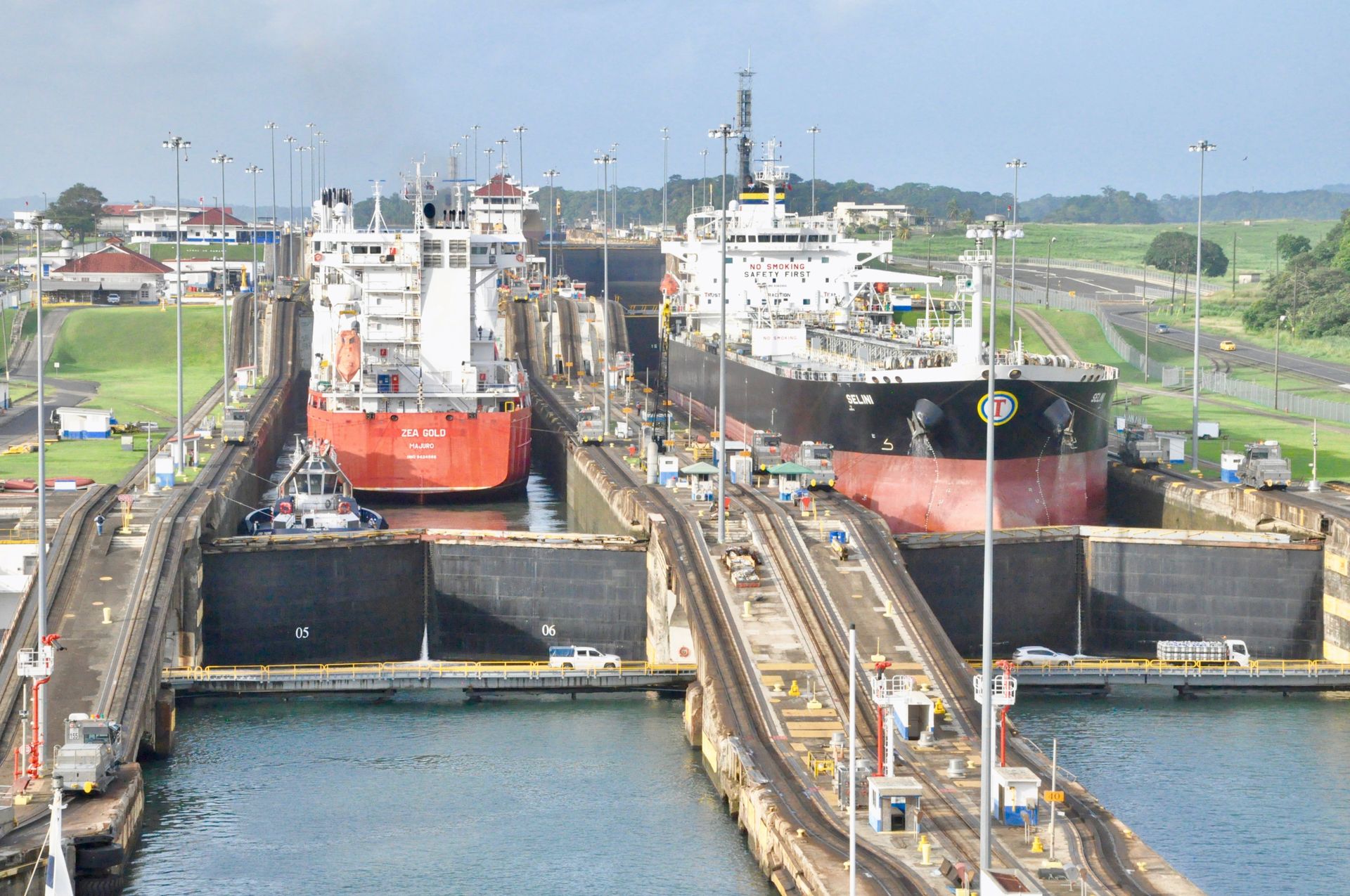
Central American isthmus
Panama
An isthmus where two oceans almost touch and the rainforest reaches right up to the edge of the city.
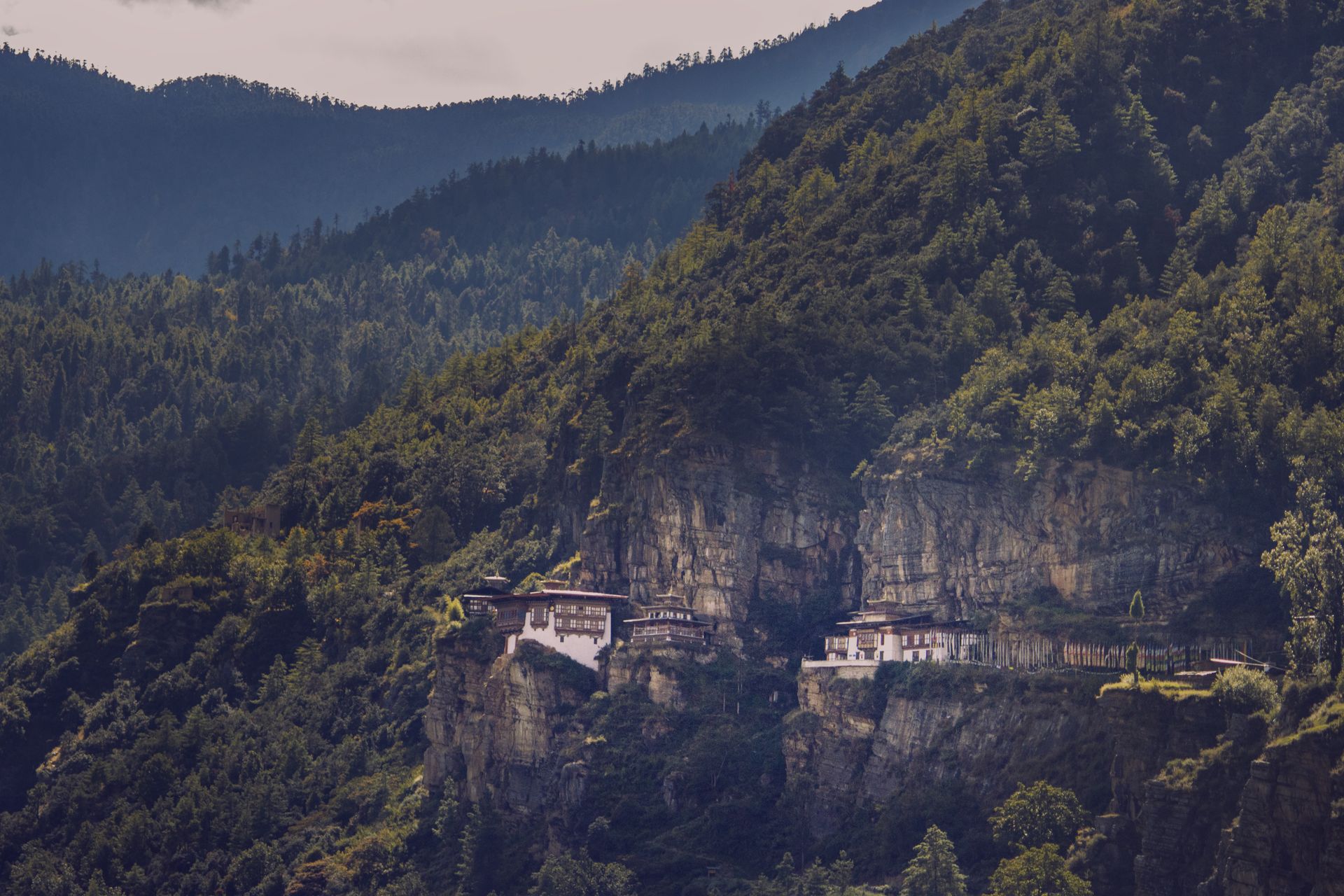
Eastern Himalaya
Bhutan
Monasteries clinging to cliffs, valleys without traffic and access the country deliberately keeps limited, a calm its neighbours lost long ago.
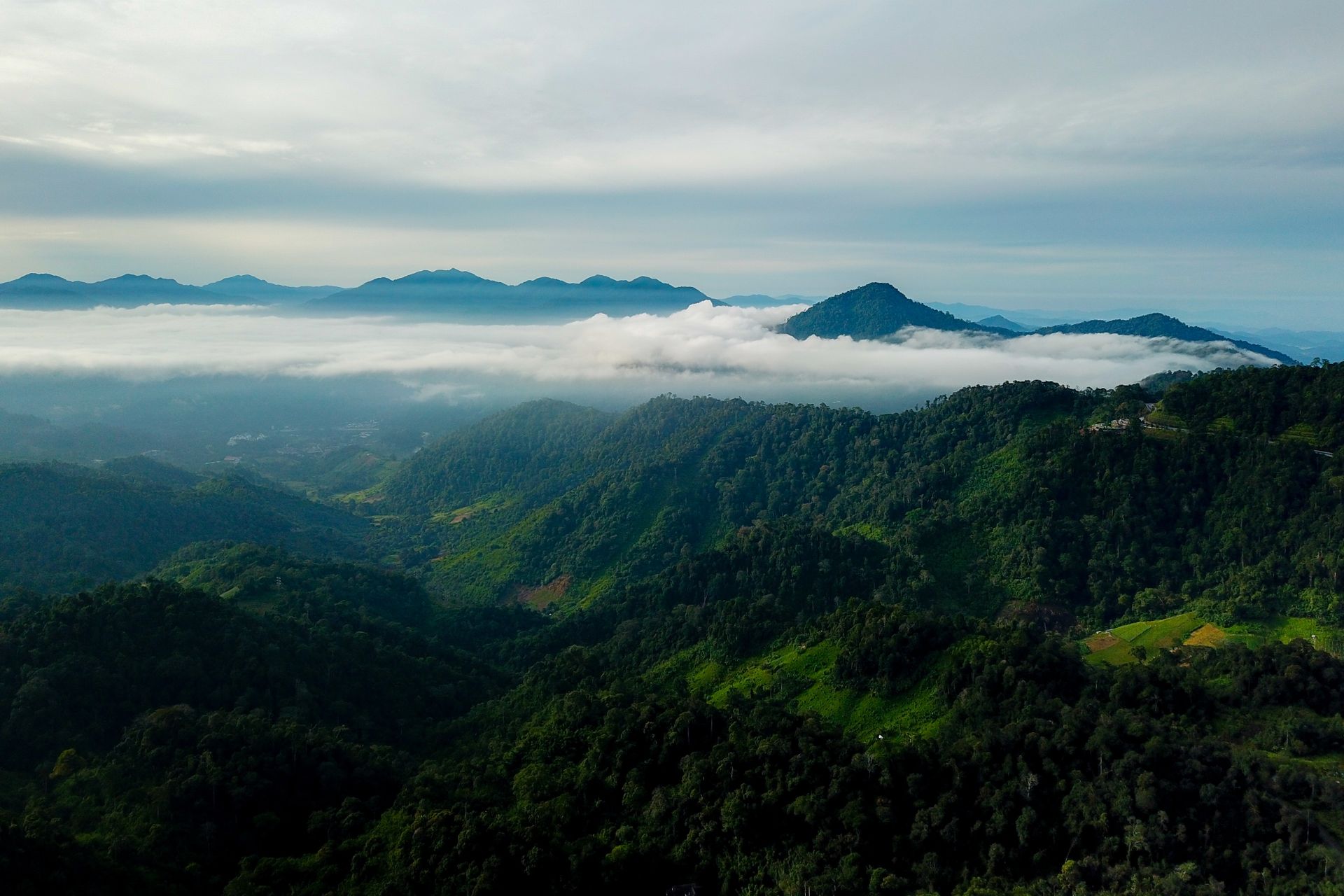
Malay Peninsula and Borneo
Malaysia
Malay, Chinese and Indian life exist side by side with ease, and the rainforest is never far away, not even from the cities.
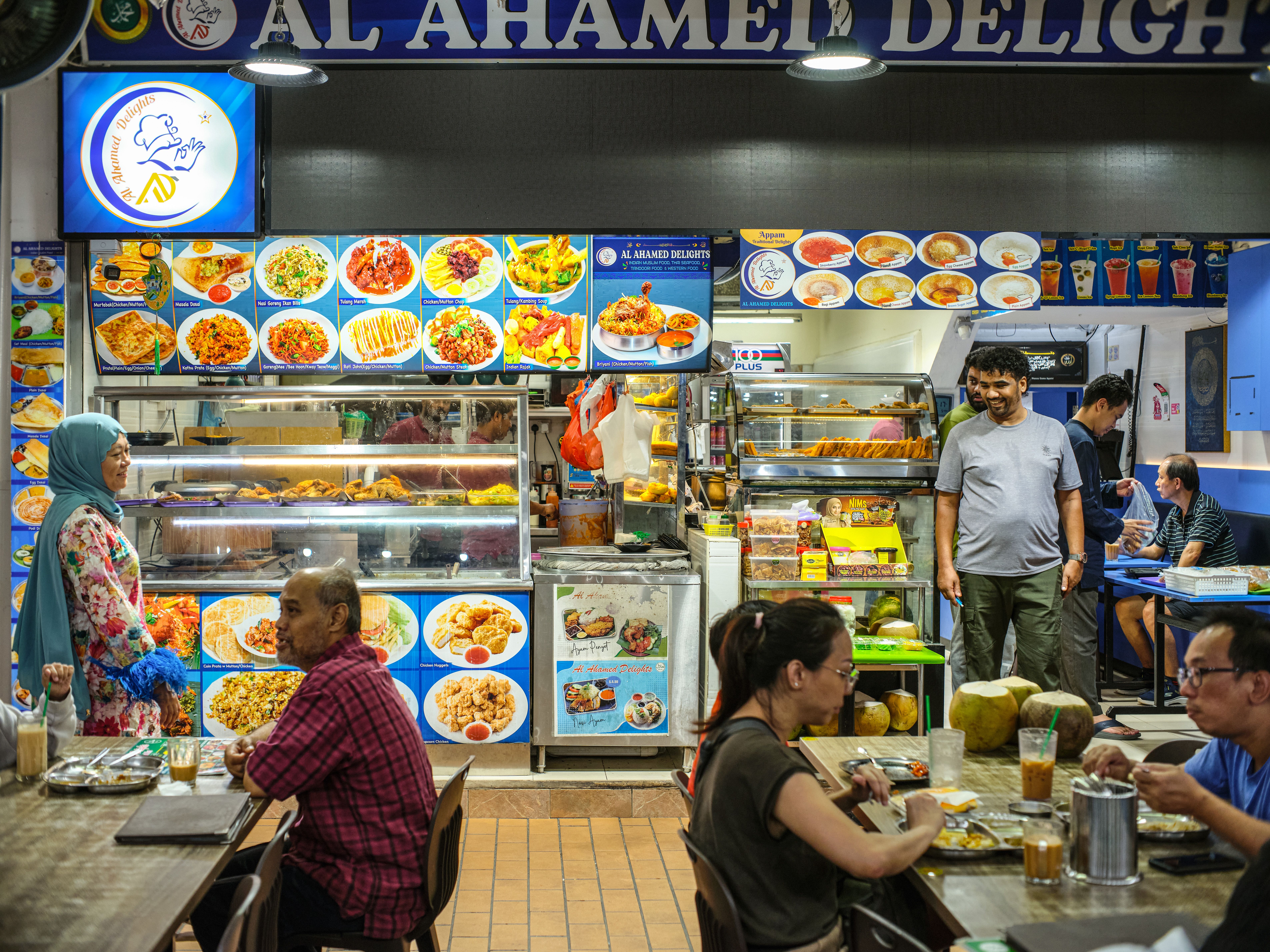
South-East Asian city state
Singapore
Order and jungle blend here with ease, and the food comes closer to the country's true character than its skyline does.
Alpine republic
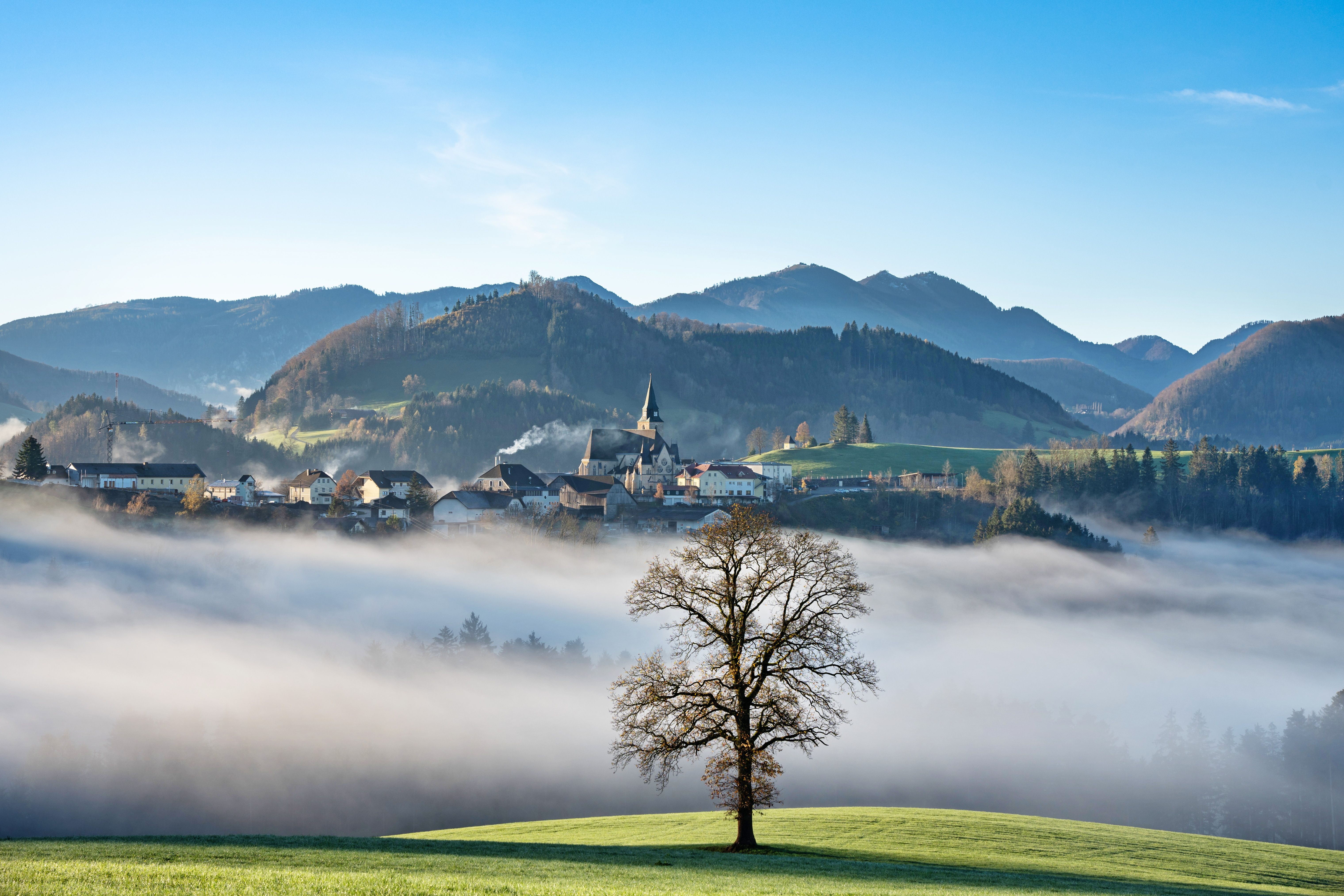
Austria
Austria pairs the calm of high mountains with an urban elegance that rarely raises its voice.
Andes and Pacific
Chile
A country 4,270 kilometres long: desert in the north, glaciers in the south and an island in the middle of the Pacific.
Nile Valley and Red Sea
Egypt
A green strip along the Nile, with temples, tombs and desert on either side.
Indian Ocean
Maldives
Rings of coral in the Indian Ocean, with islands to go quiet on and islands where people live.
Highlands and Yucatán
Mexico
A capital built on the ruins of Tenochtitlan, colonial cities and Maya cities in the forests of Yucatán.
Oceania
New Zealand
Two islands of volcanoes, glaciers and fjords, with a Māori history you meet everywhere.
Also good
Perfectly workable in March, with a caveat spelled out on the destination page itself.

East Asia
Japan
A world where centuries-old tradition and radical modernity sit effortlessly side by side.
Southern Africa
Botswana
A delta that changes with every season, in a country that deliberately keeps visitor numbers low across a vast expanse.
North America
Canada
Space, forests and coastlines where nature still sets the agenda.
Arabian Gulf
Qatar
A peninsula that rebuilt itself within a few decades, yet just beyond the new skyline remains quiet and bare.
Scandinavia
Norway
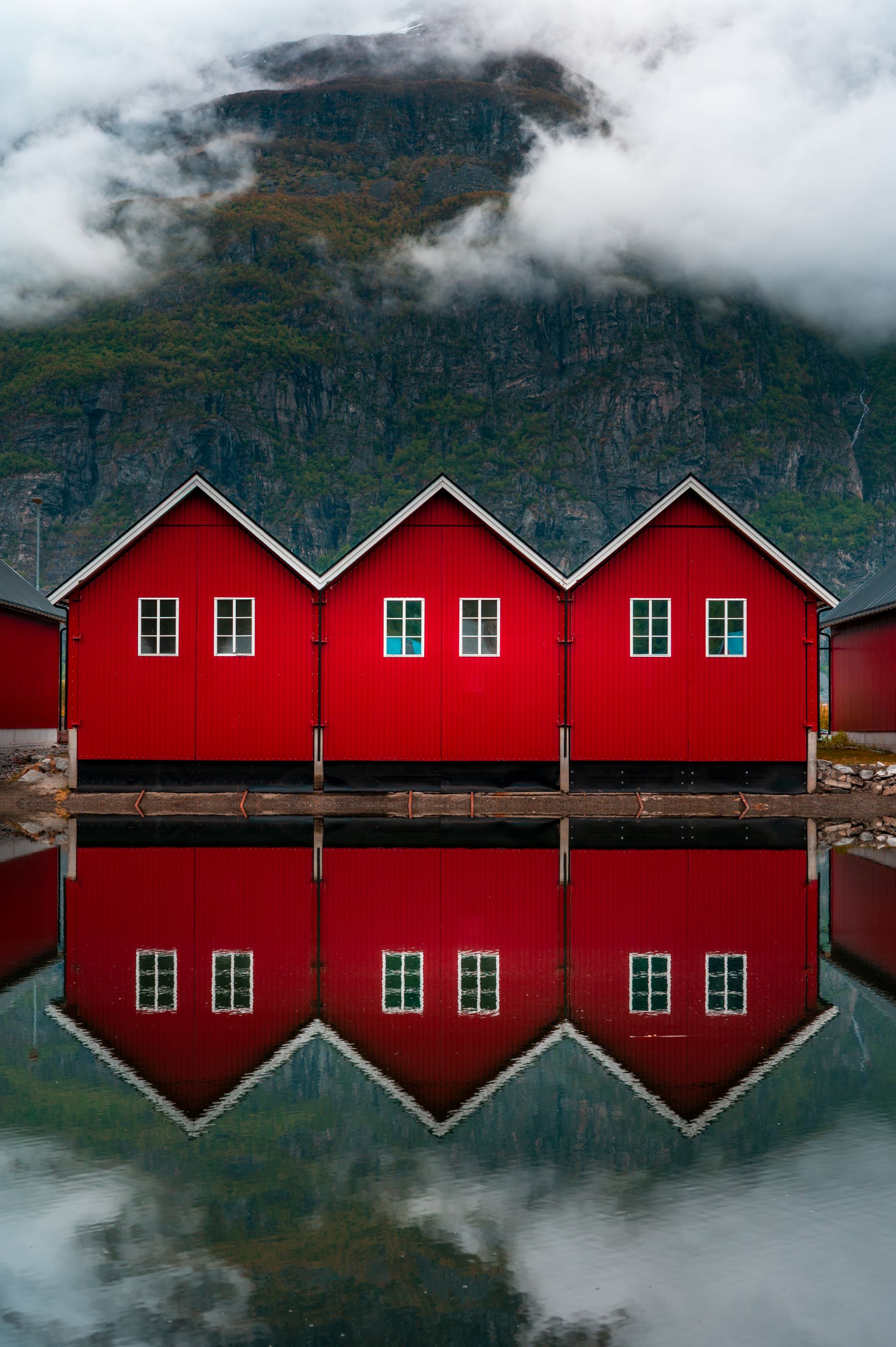
Vertical and unyielding: rock faces plunging straight into the fjords, with villages clinging to the edge between mountain and water.
Scandinavia
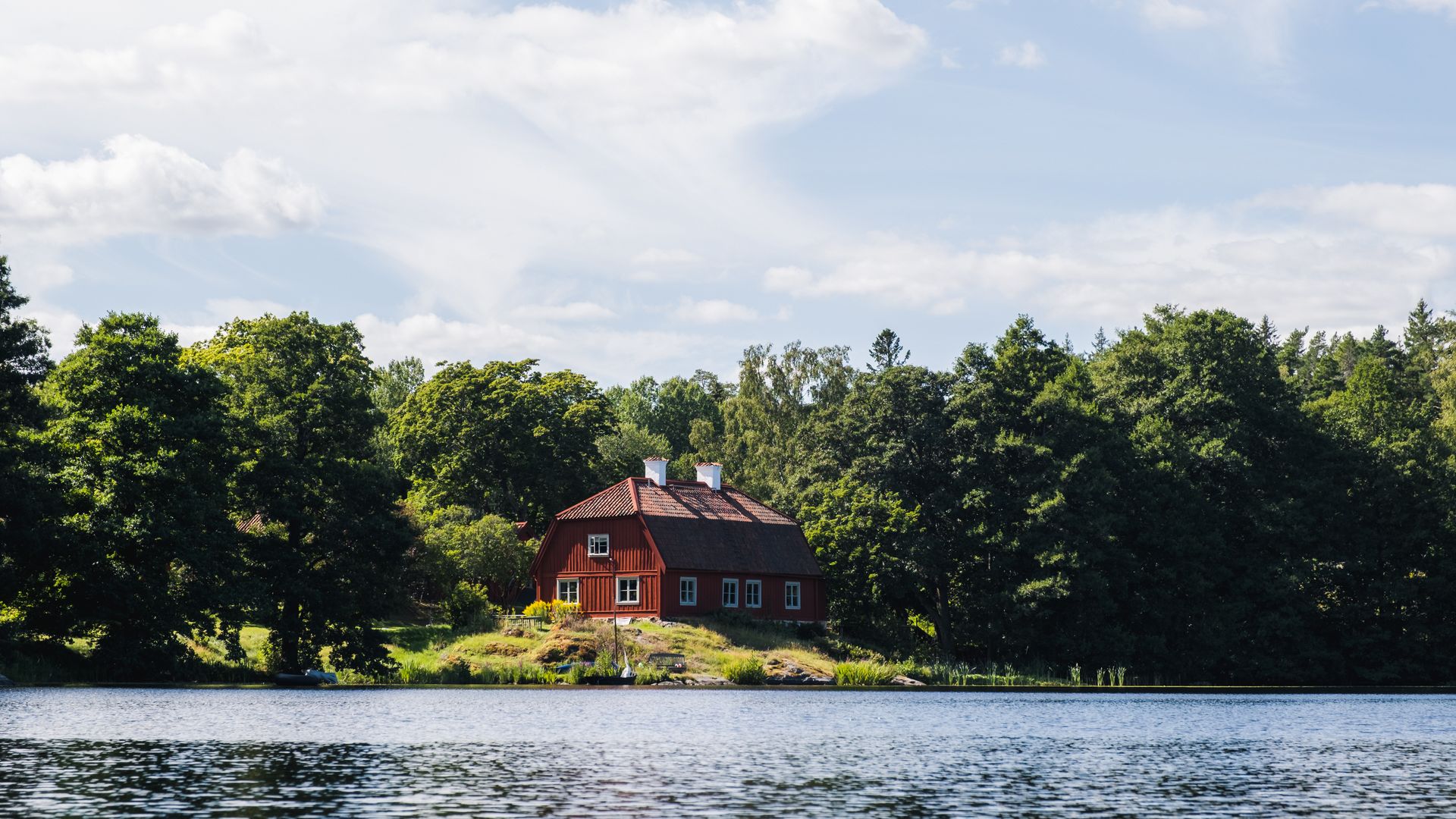
Sweden
Forest and water repeat in every direction, broken only by rust-red villages that feel as much a part of the scenery as the pine trees themselves.
Southern Africa
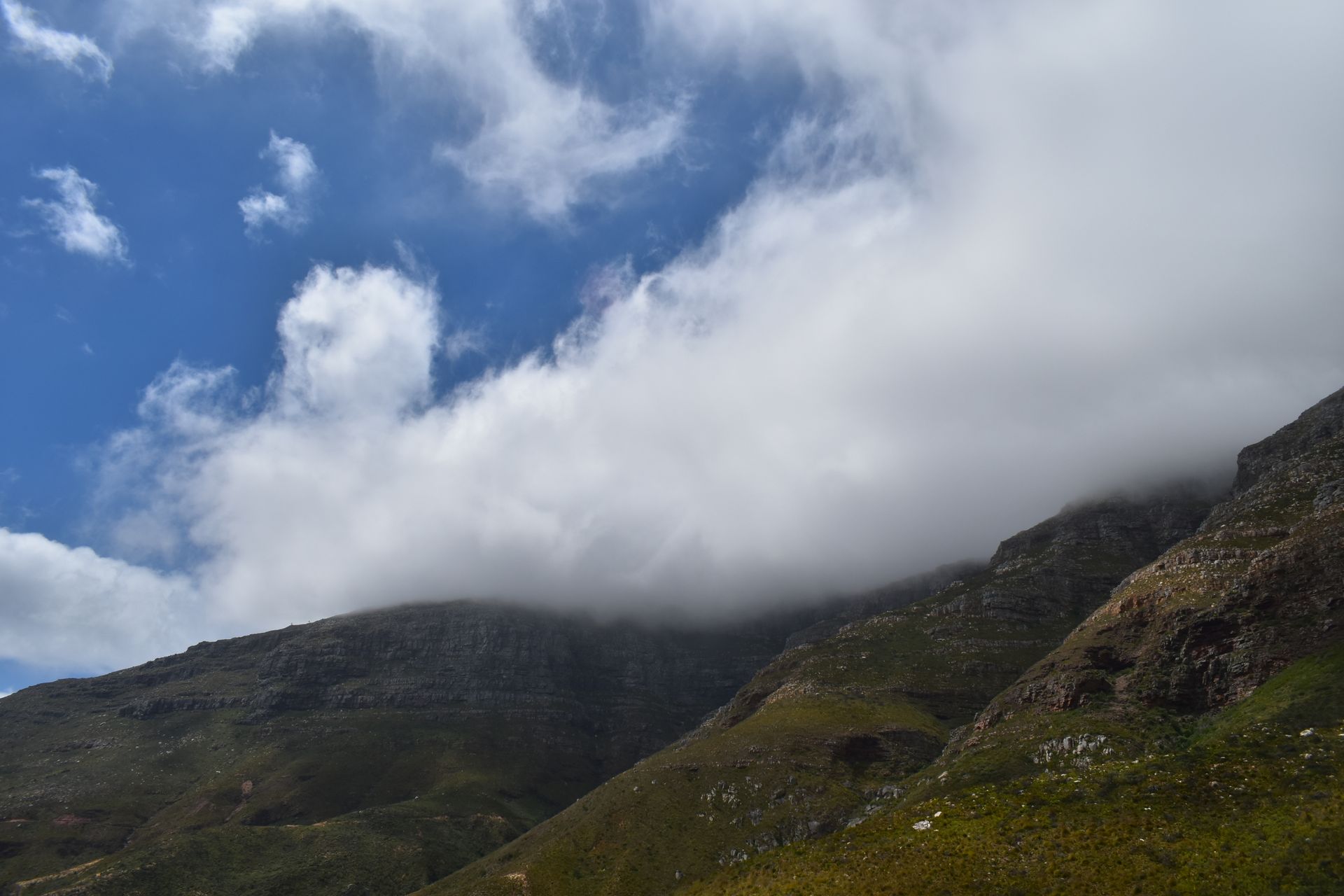
South Africa
A country with so many faces that two travellers rarely tell the same story about it.
Southern Africa, a kingdom in the Drakensberg
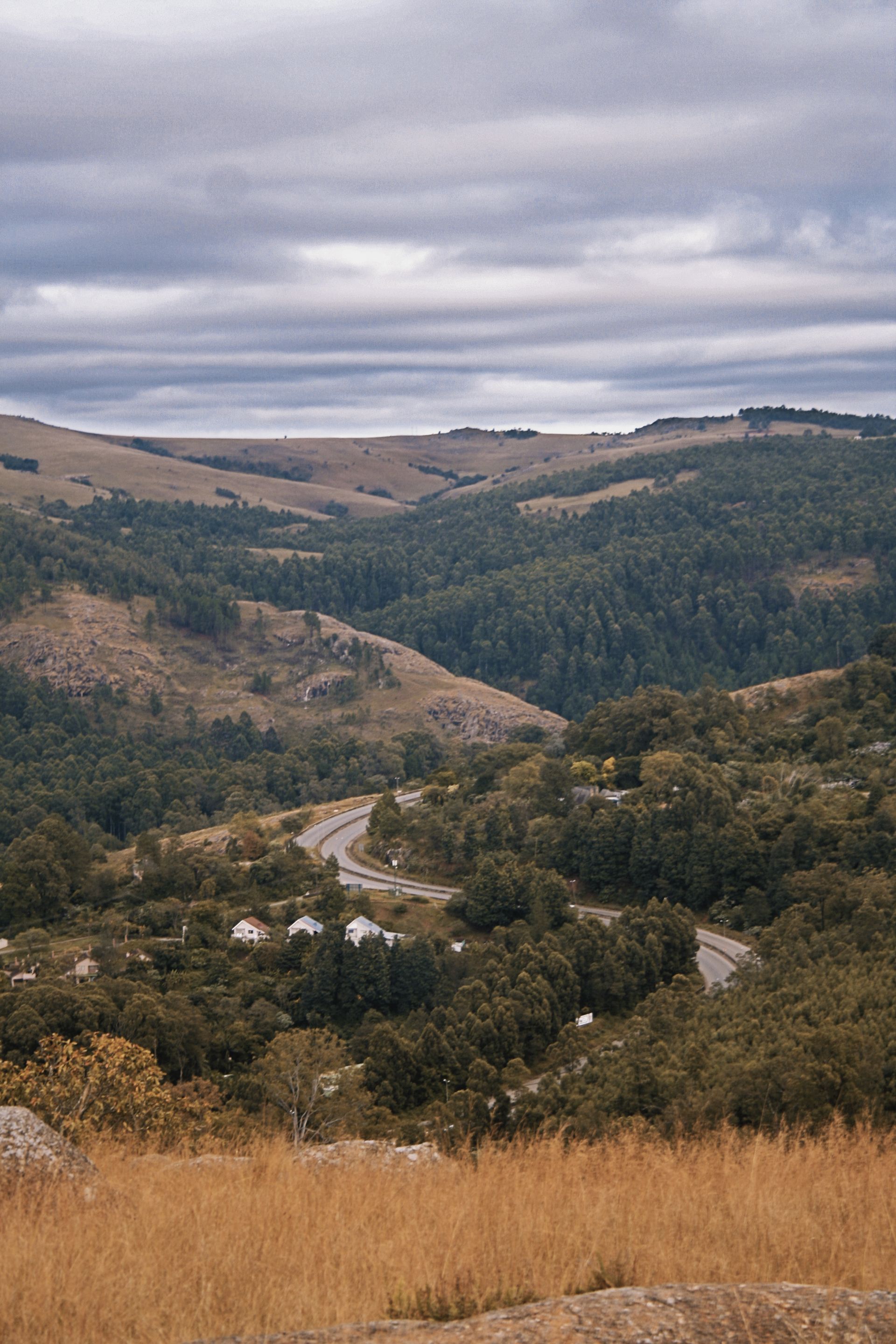
Eswatini
A tiny kingdom usually overlooked in the shadow of its larger neighbours, which has let it keep a pace all its own.
Maghreb, Mediterranean coast
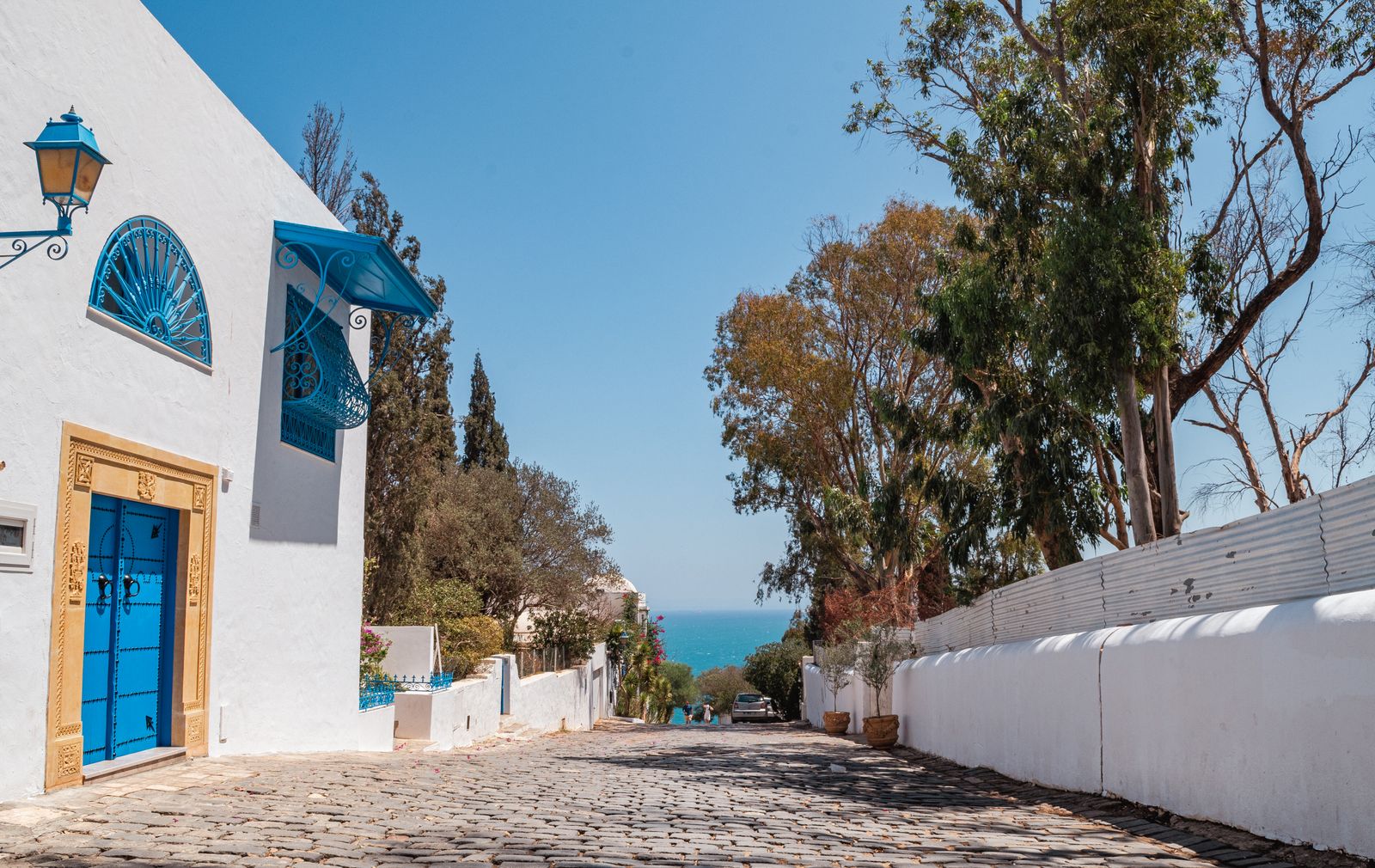
Tunisia
A small country where three thousand years of history and the edge of the Sahara lie just a few hours' drive apart.
Southern Africa, Zambezi plateau
Zimbabwe
A country that has kept its national parks and hospitality intact, and it shows in the quality of its guides.
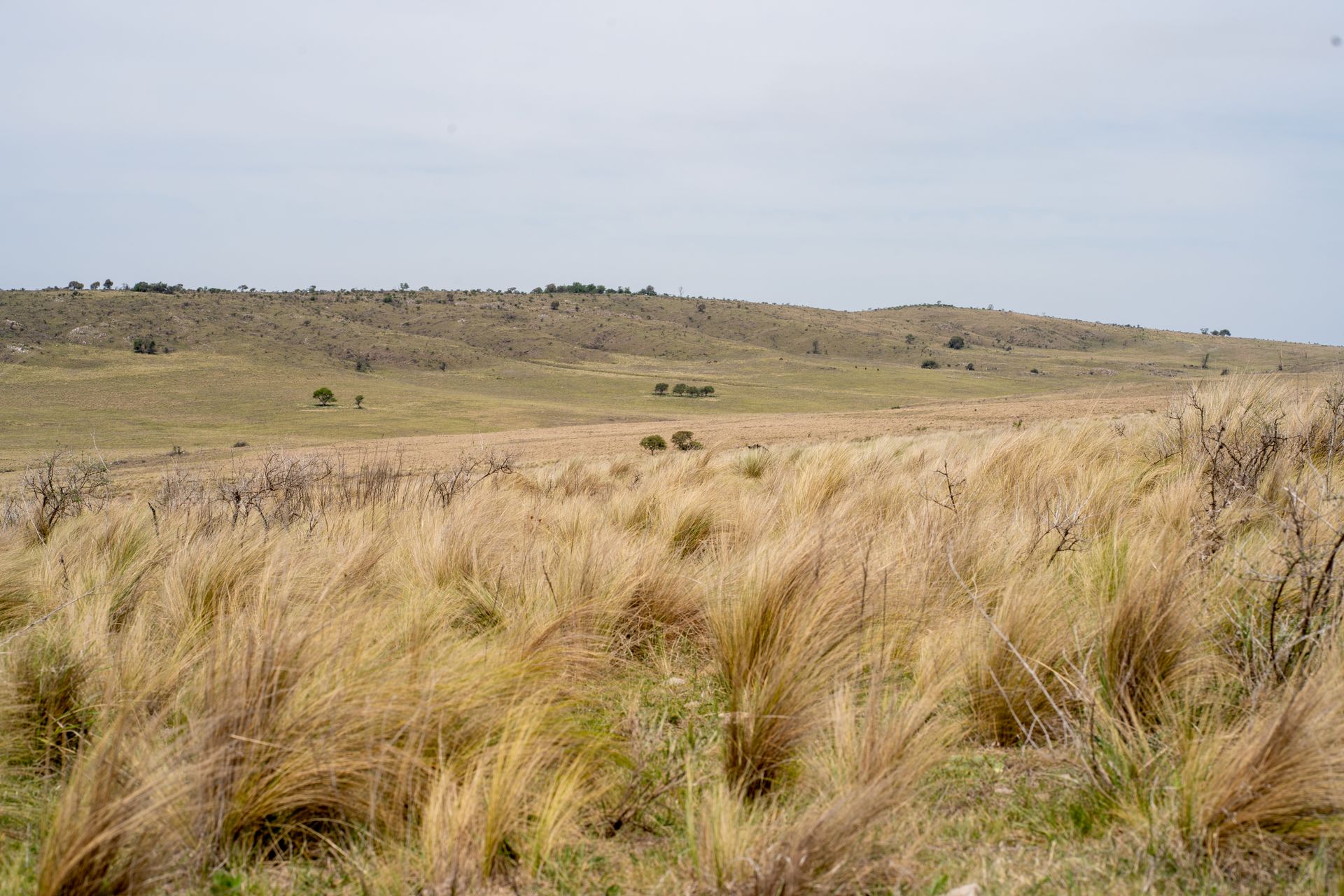
Southern South America
Uruguay
Flat, green and rarely loud, a country that prefers quiet over the spectacle of its neighbours.
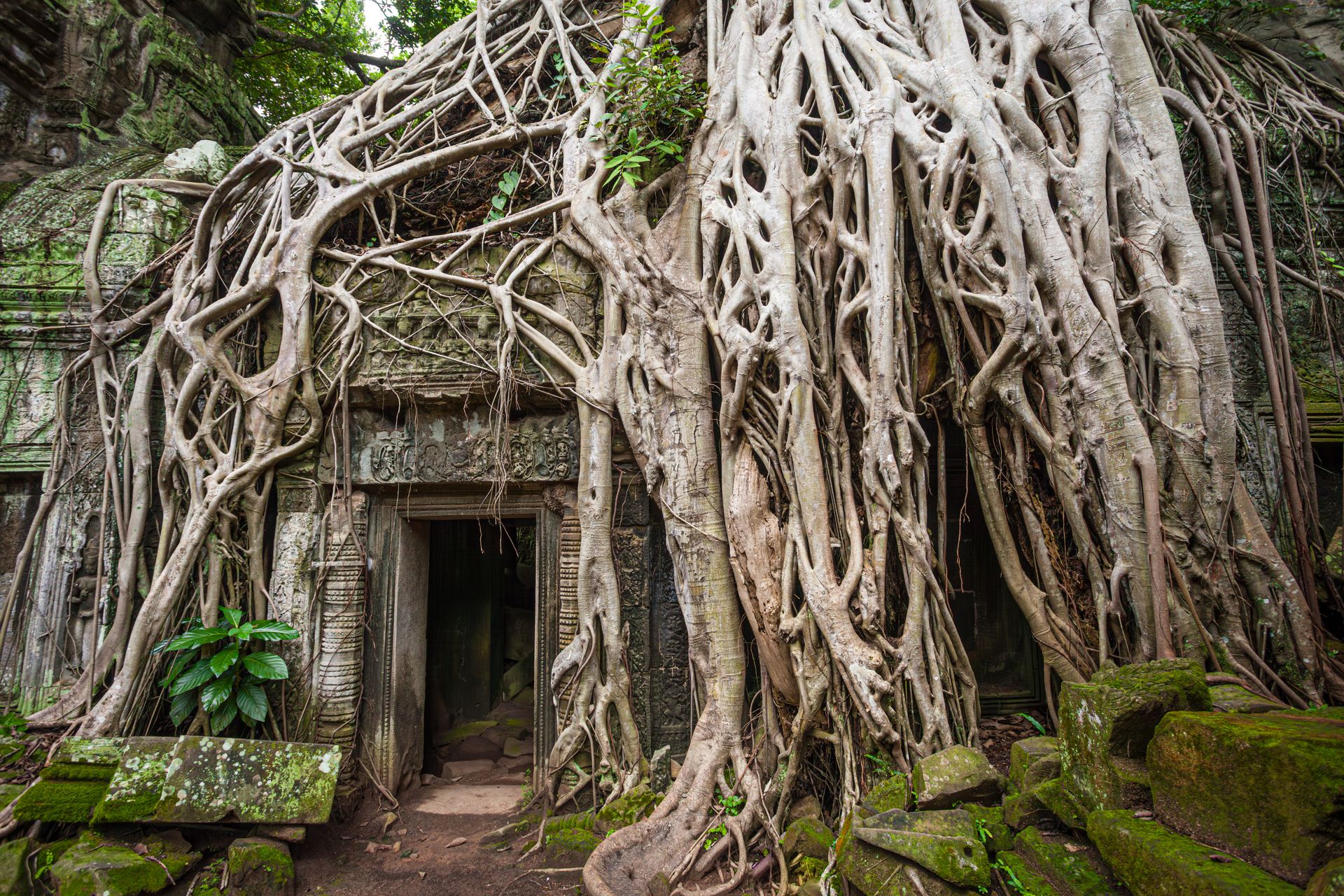
South-East Asia
Cambodia
Overgrown temples and a quiet resilience that say more about the past than any history book.
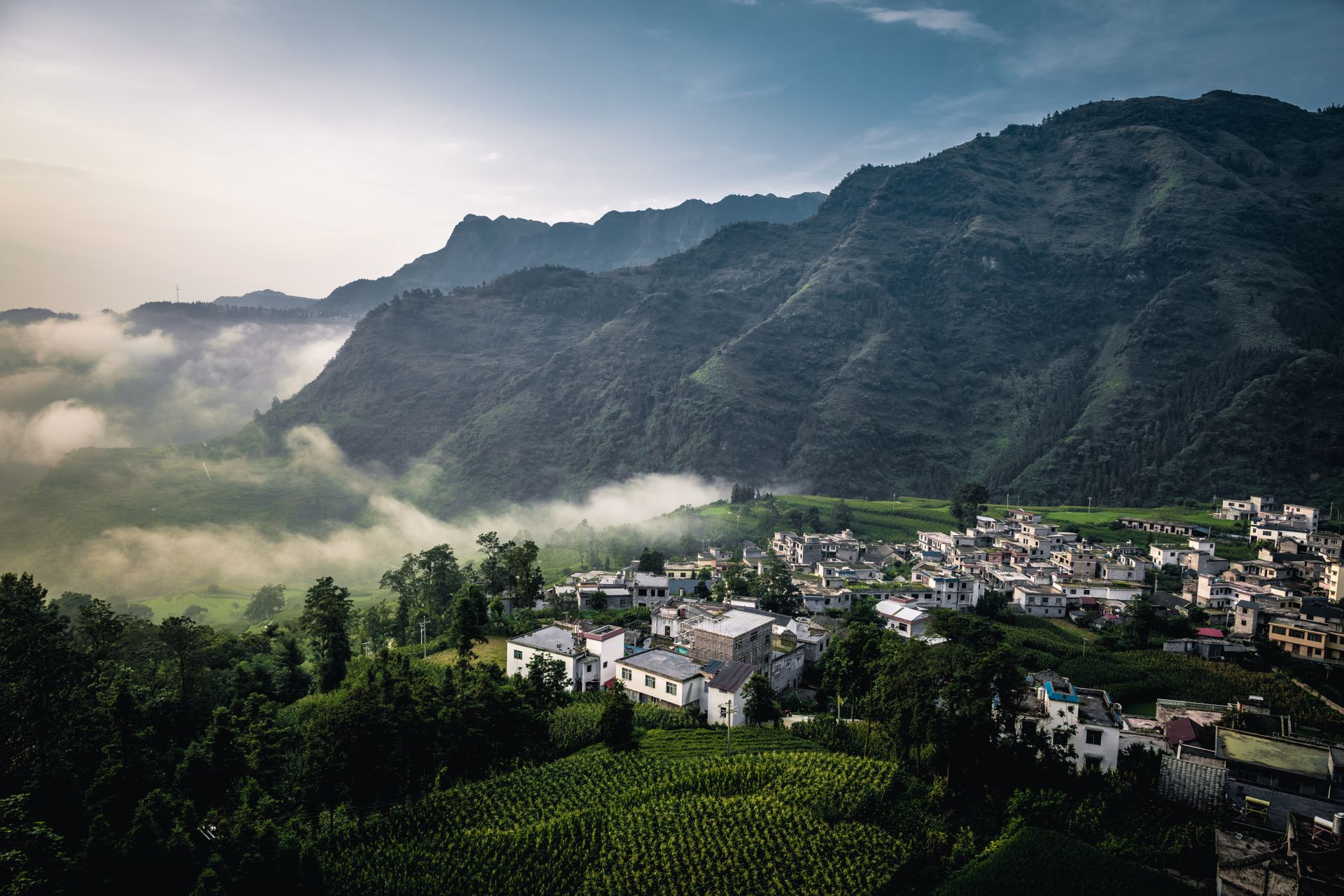
East Asia
China
Ancient traditions, fast-paced cities and still landscapes exist side by side, in a country that seems to reinvent itself everywhere you look.
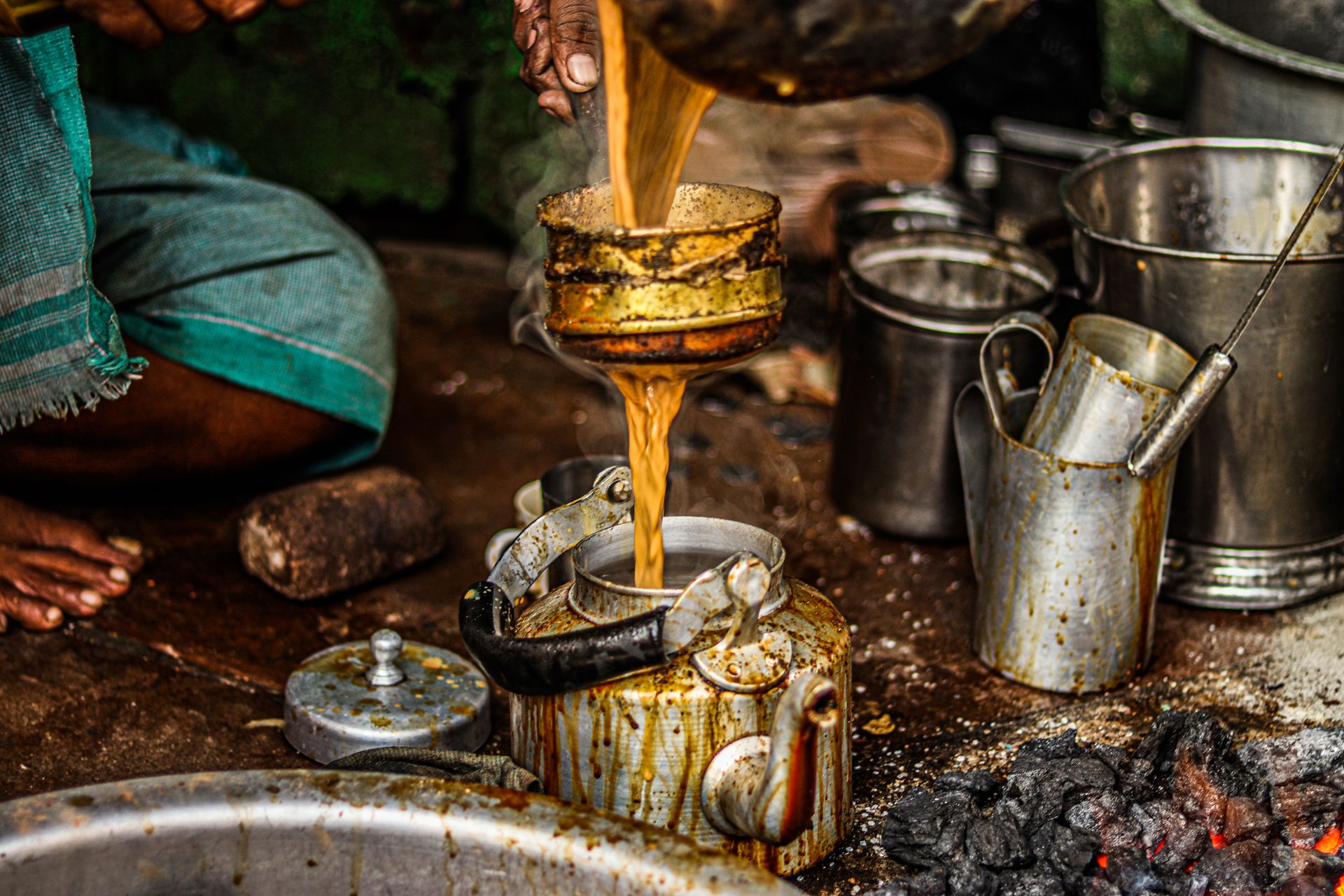
South Asia
India
Sacred and everyday, silence and noise: extremes that simply coexist on this subcontinent, no explanation needed.
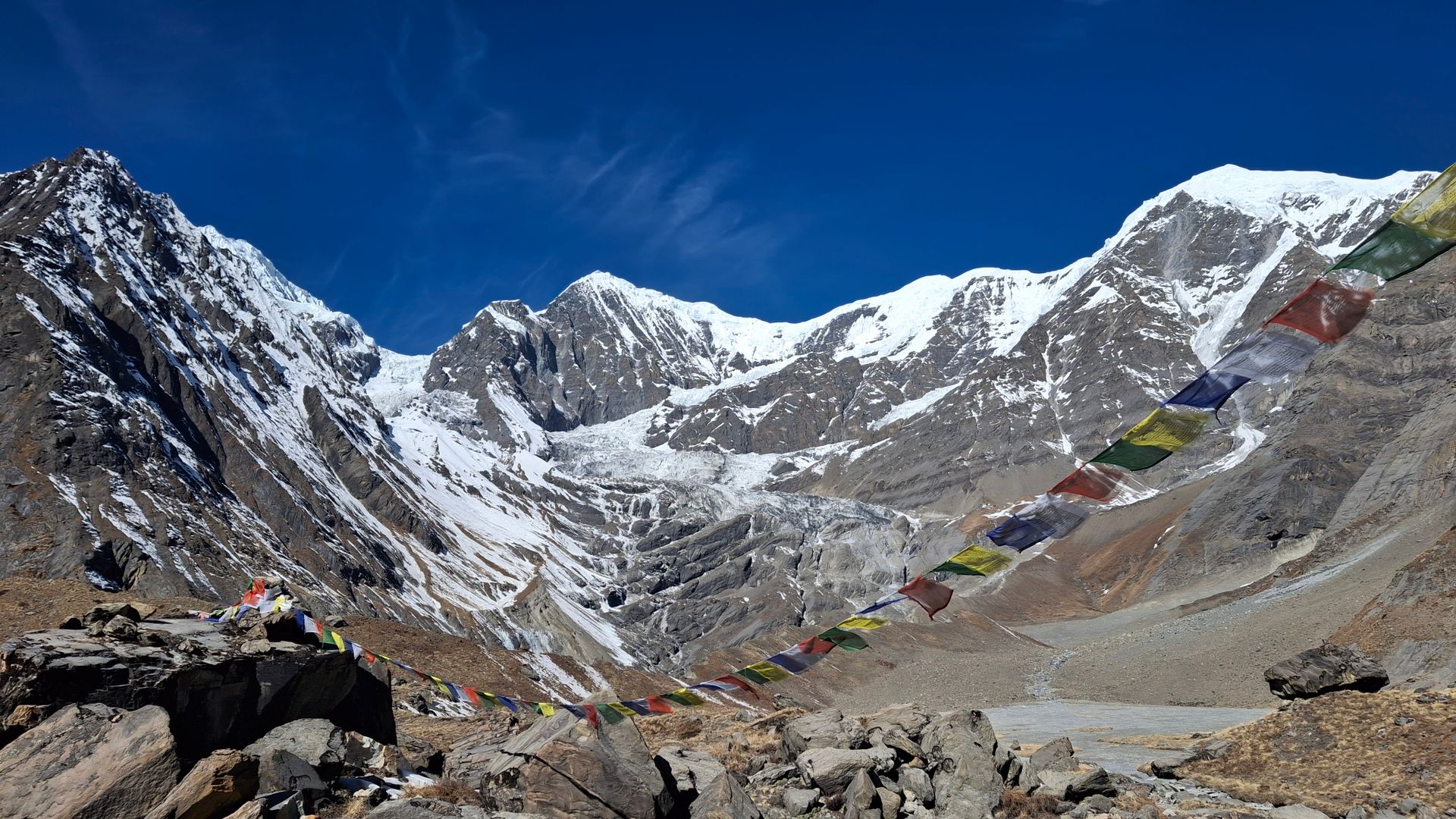
Central Himalaya
Nepal
Valleys and temple towns that reveal as much about the country as its mountains do: there is far more here than Everest.
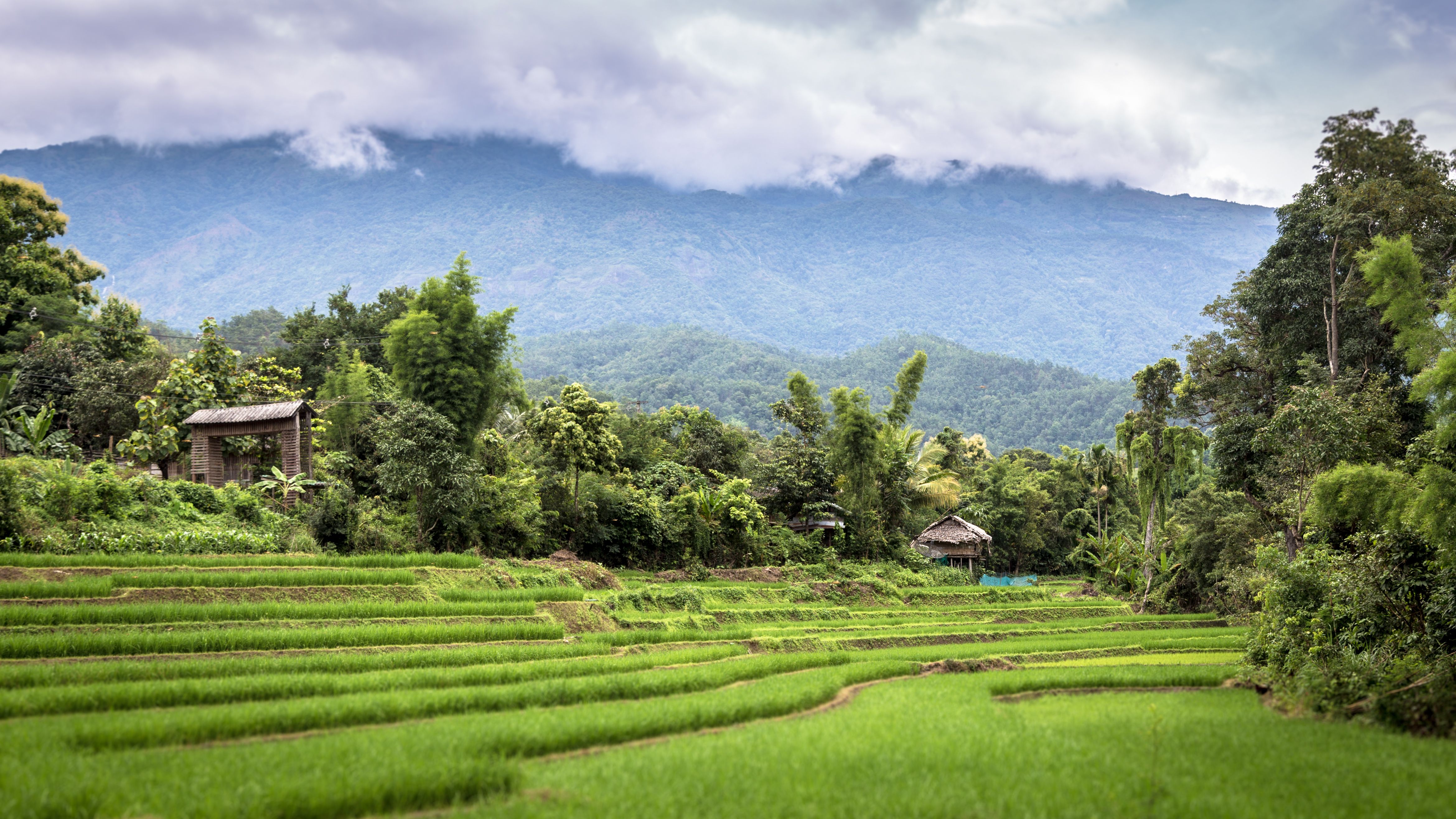
South-East Asia
Thailand
From busy Bangkok streets to quiet mountain villages in the north, this country has as many faces as it has provinces.
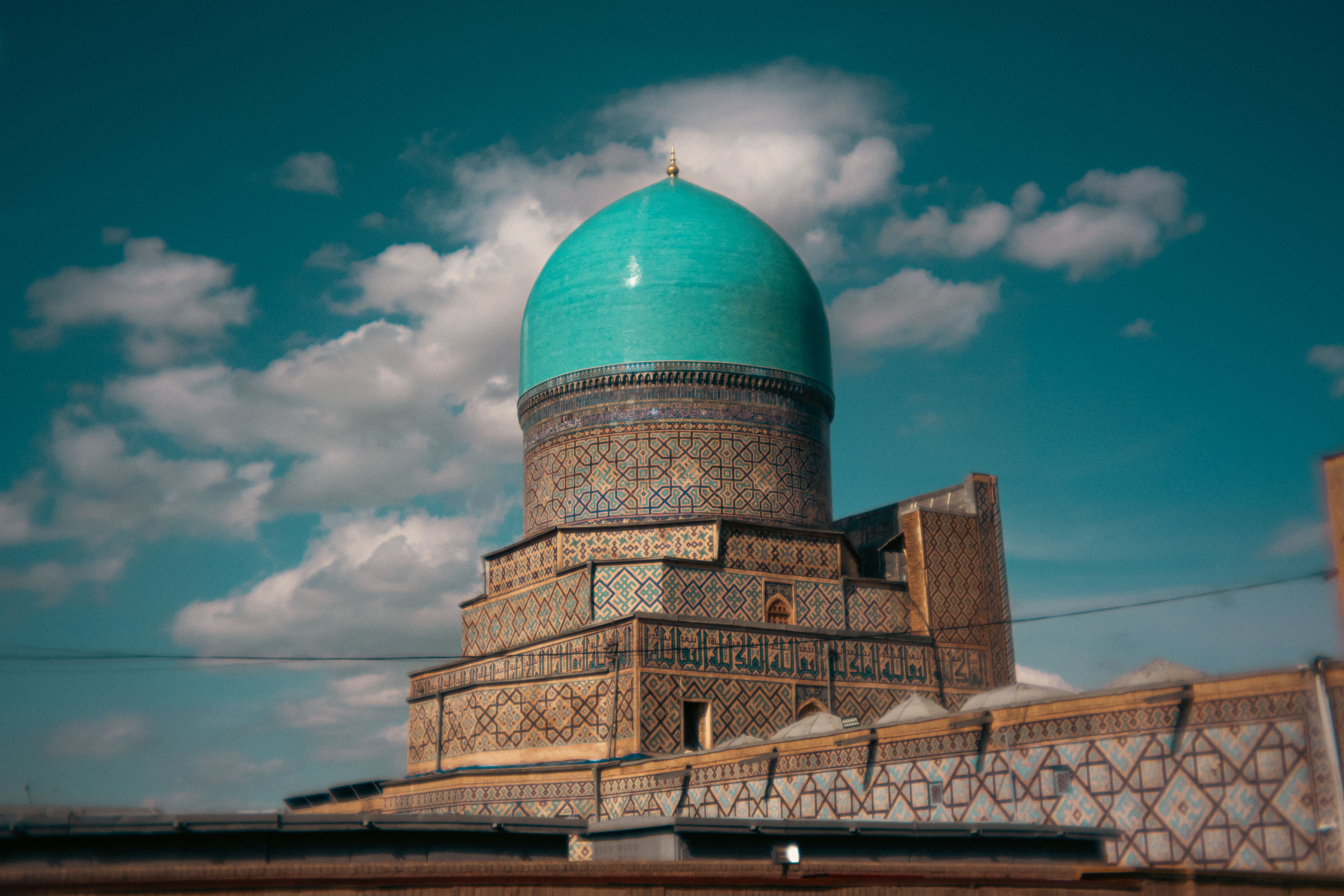
Silk Road, Central Asia
Uzbekistan
Turquoise domes and hushed caravanserais that still tell the story of where the Silk Road once converged.
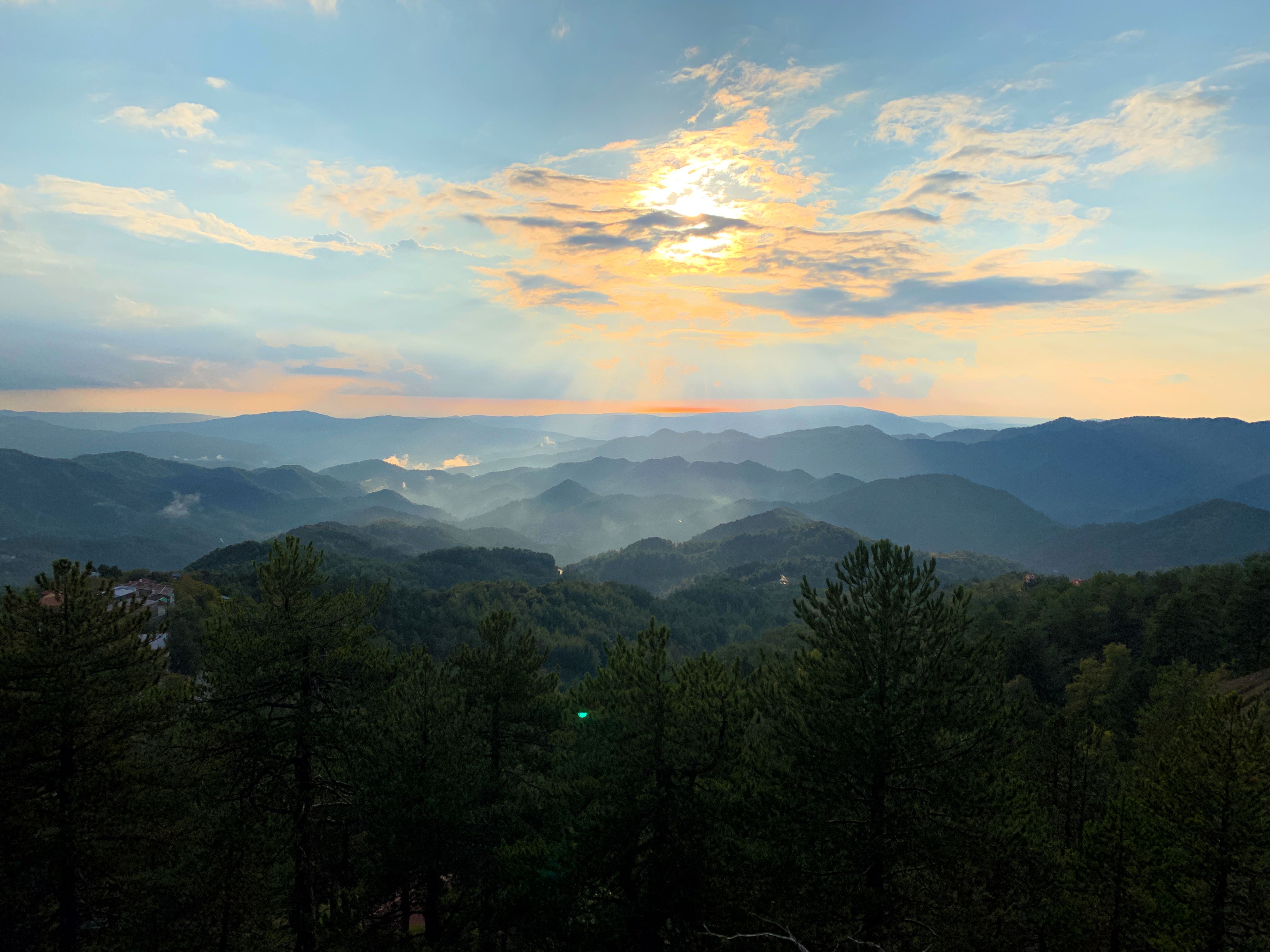
Eastern Mediterranean
Cyprus
An island that calls itself Greek, feels Turkish, and is fully neither, with an interior that few visitors ever see.
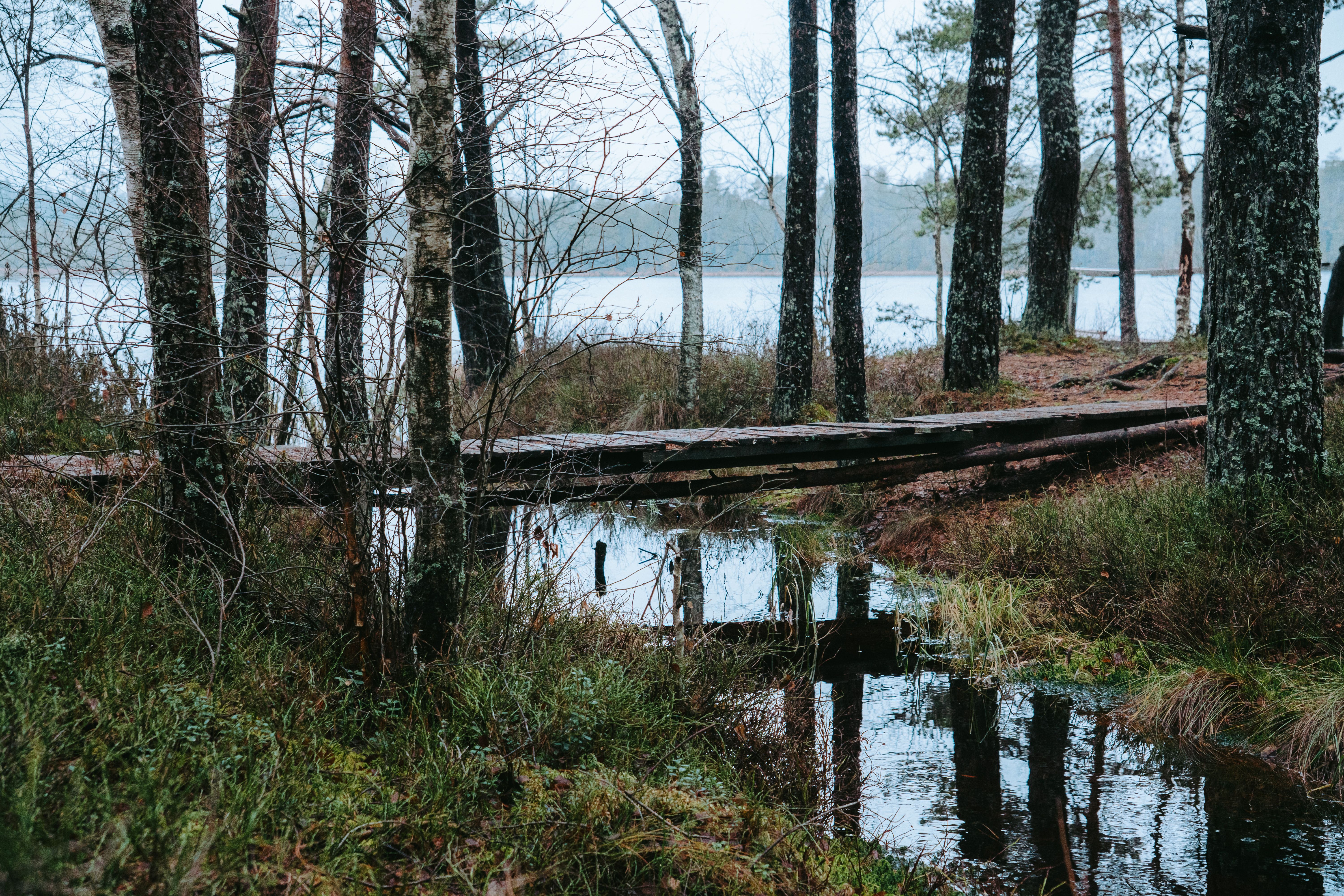
Baltic states
Estonia
Forest and marsh stretch to the horizon, a digital capital, and a stillness that feels further north than the map suggests.
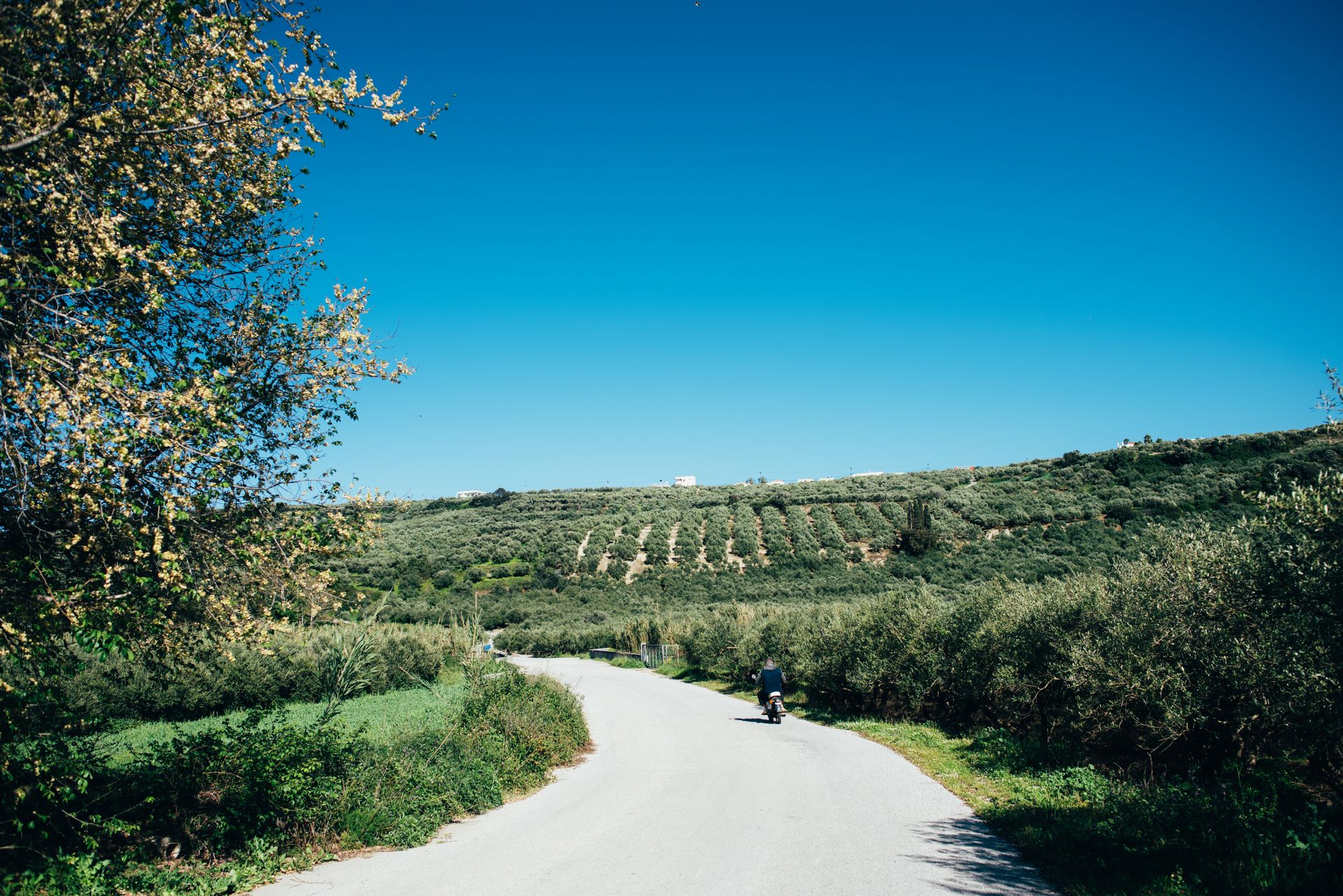
Aegean world
Greece
Every island is a different Greece, and the mountainous mainland remains unknown territory for most visitors.
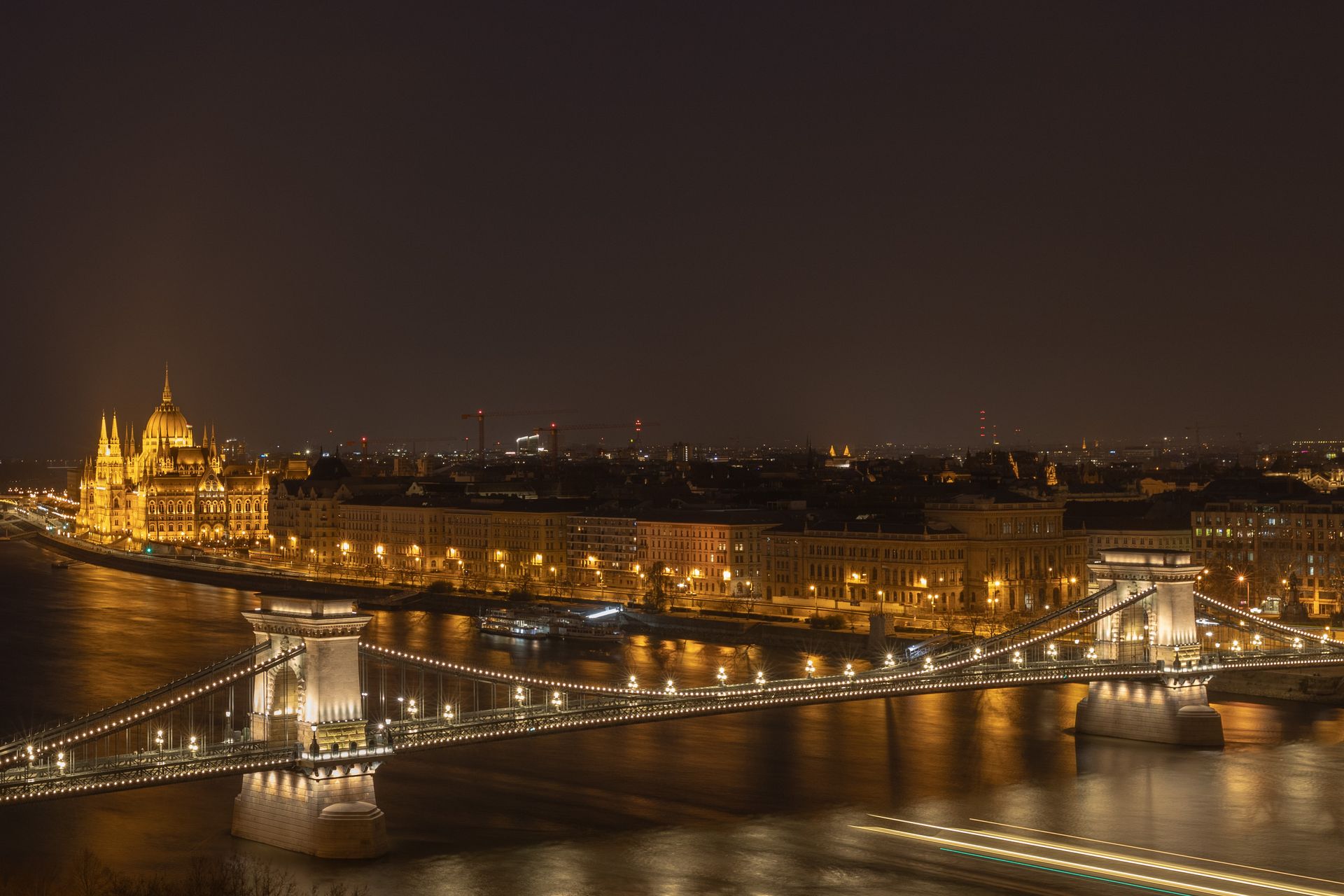
Danube basin
Hungary
A land of plains and rivers, thermal springs beneath the surface, and a capital that looks weightier than it feels.
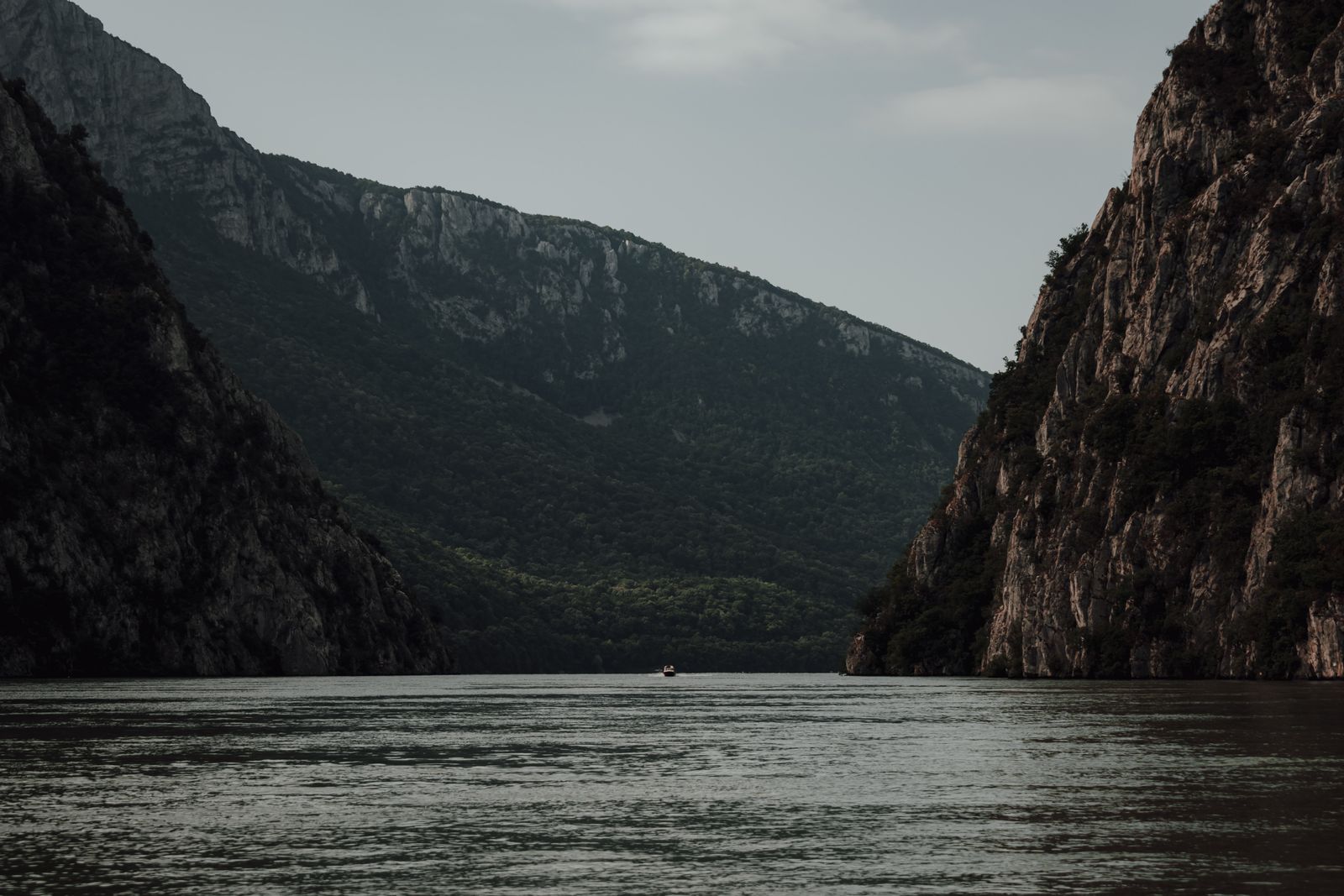
Central Balkans
Serbia
A country that does not sell itself to visitors, with hospitality that is unfiltered and nightlife that lives up to its reputation.
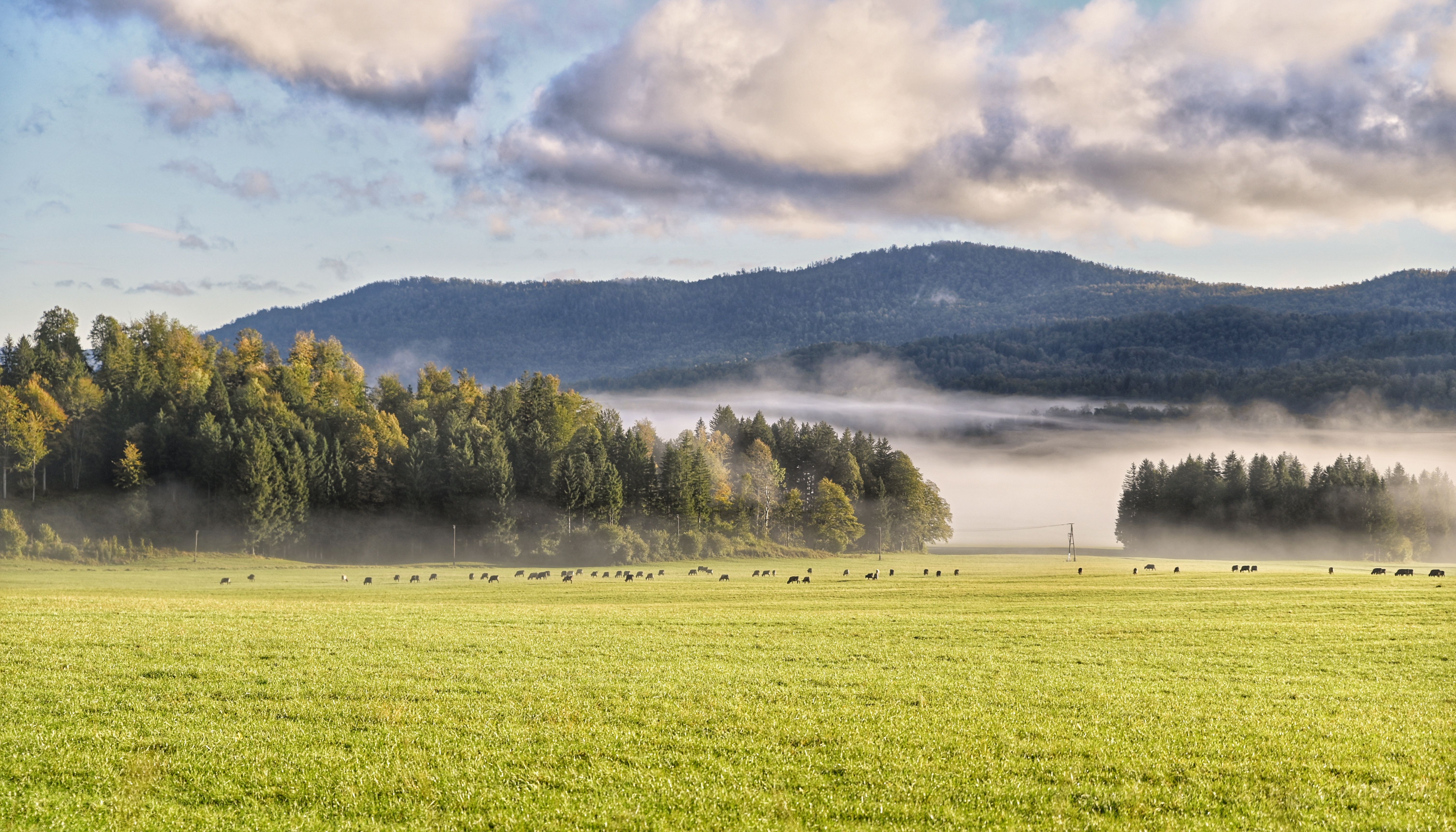
Alpe-Adria region
Slovenia
Alps, karst caves and a sliver of coast all lie within a few hours of each other, in a country that never overdoes it.
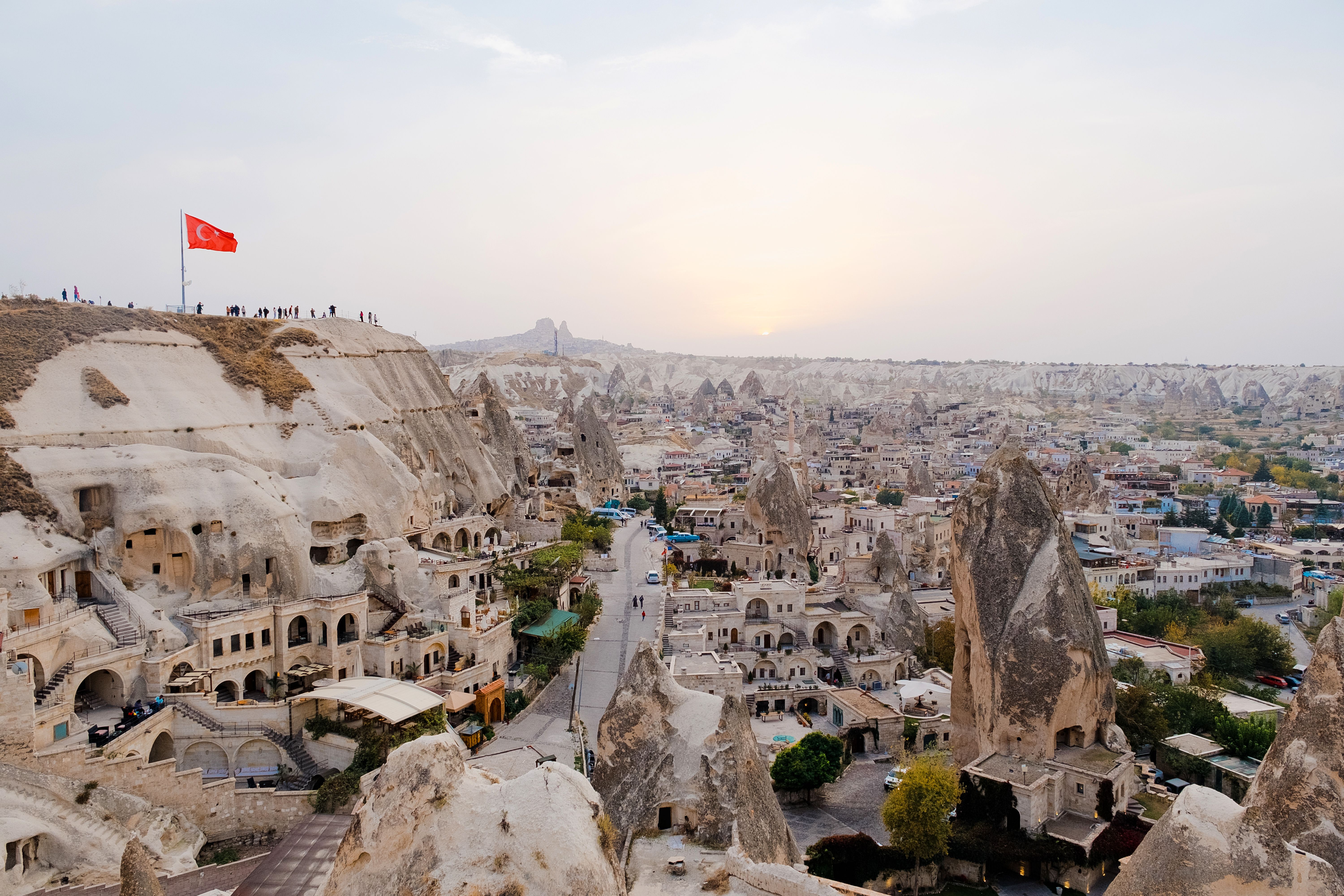
Anatolia
Turkey
A country spanning two continents and some ten layers of civilisation, with an interior far larger and quieter than its coast.
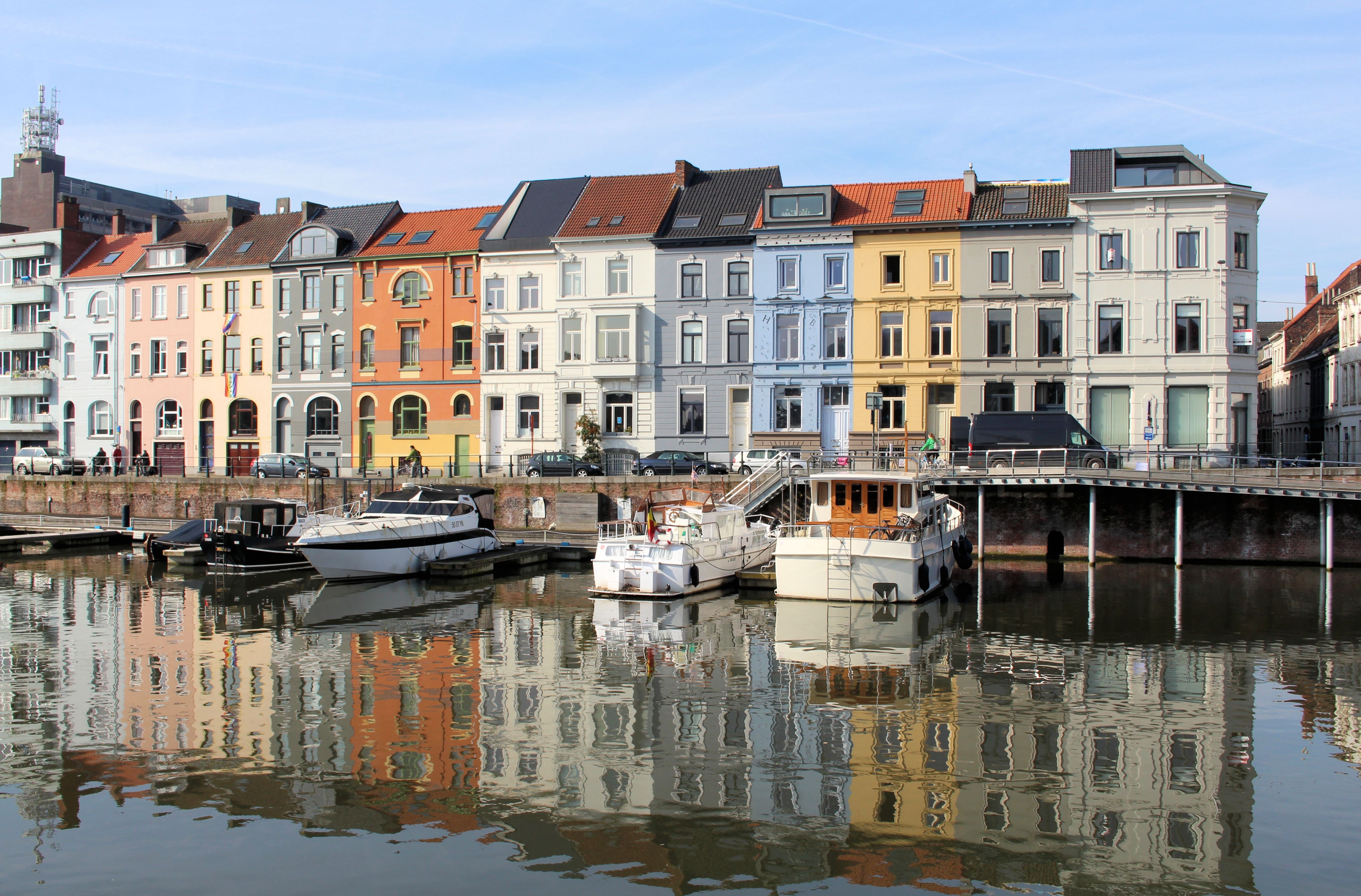
Low Countries
Belgium
Belgium keeps its grandeur indoors: behind a façade, in a workshop, on a plate, and never needs a big story to go with it.
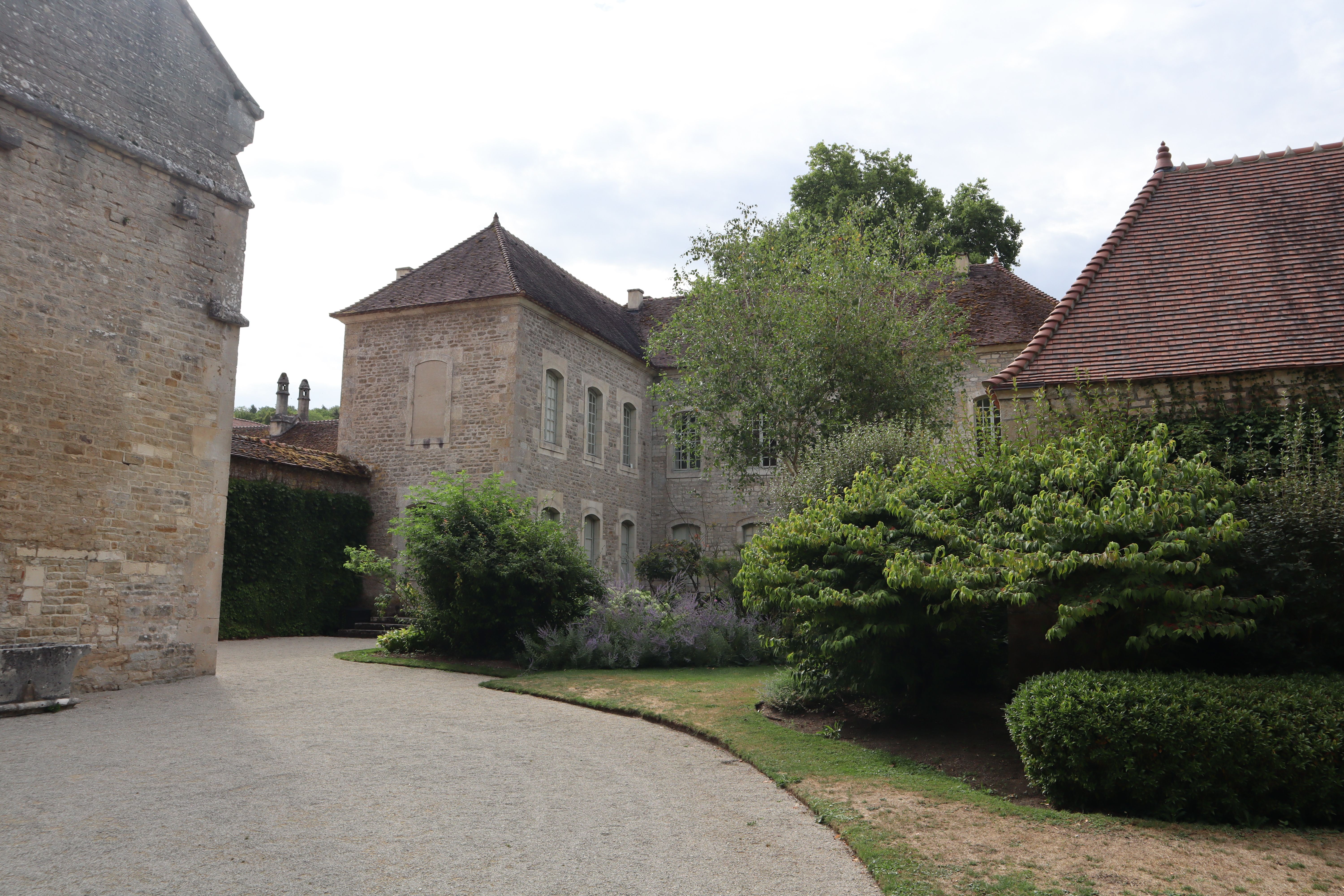
Atlantic Europe
France
France changes character at every provincial border and refuses to be reduced to a single image.
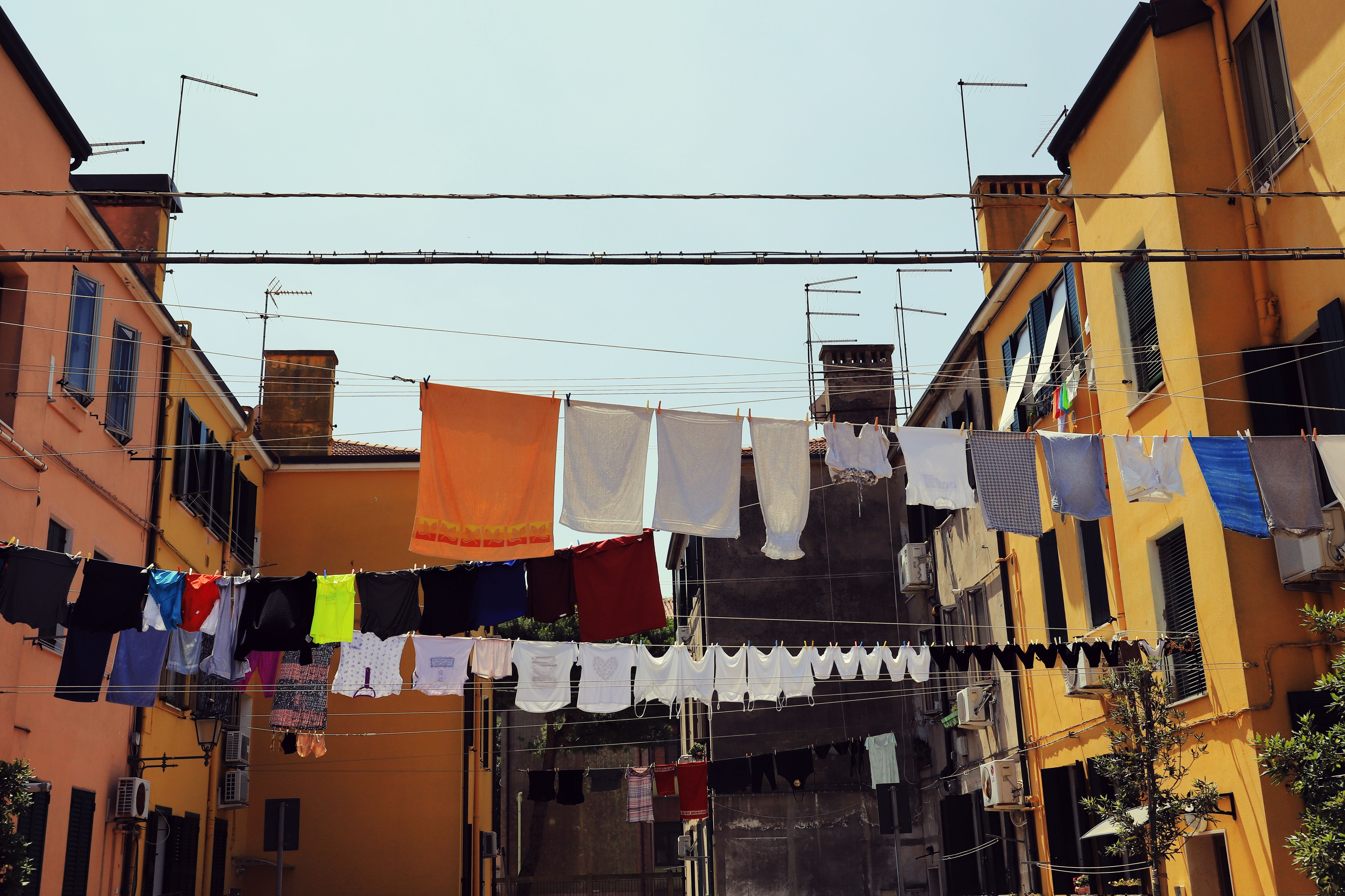
Mediterranean Europe
Italy
In Italy, beauty is not the exception but the habit, from a kitchen table to a square's façade.
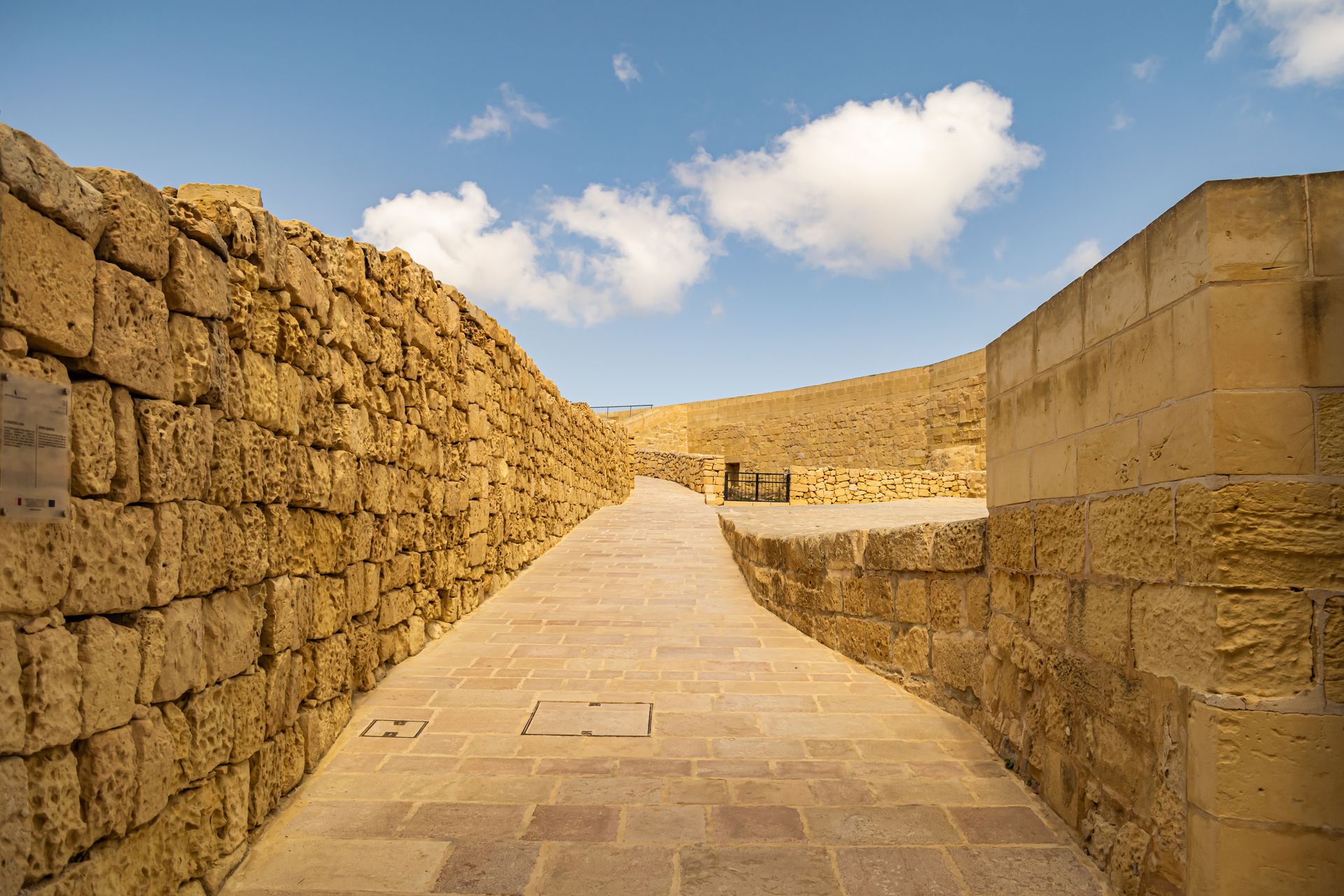
Central Mediterranean
Malta
Malta is an island of limestone and fortress walls where every layer of history is still legible.
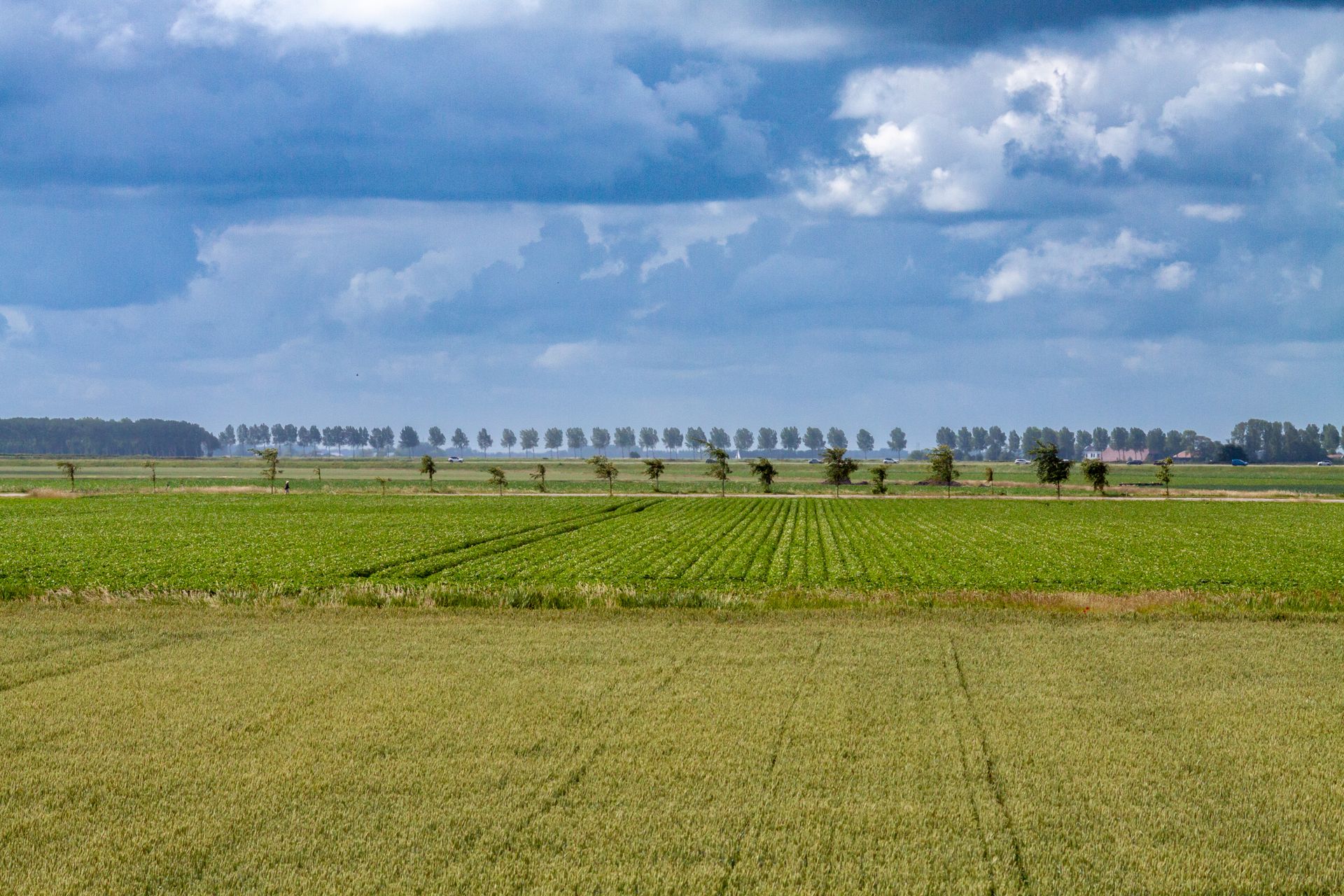
Low Countries
Netherlands
The Netherlands has fought for its space from the water for centuries, and loves an empty polder as much as a busy canal.
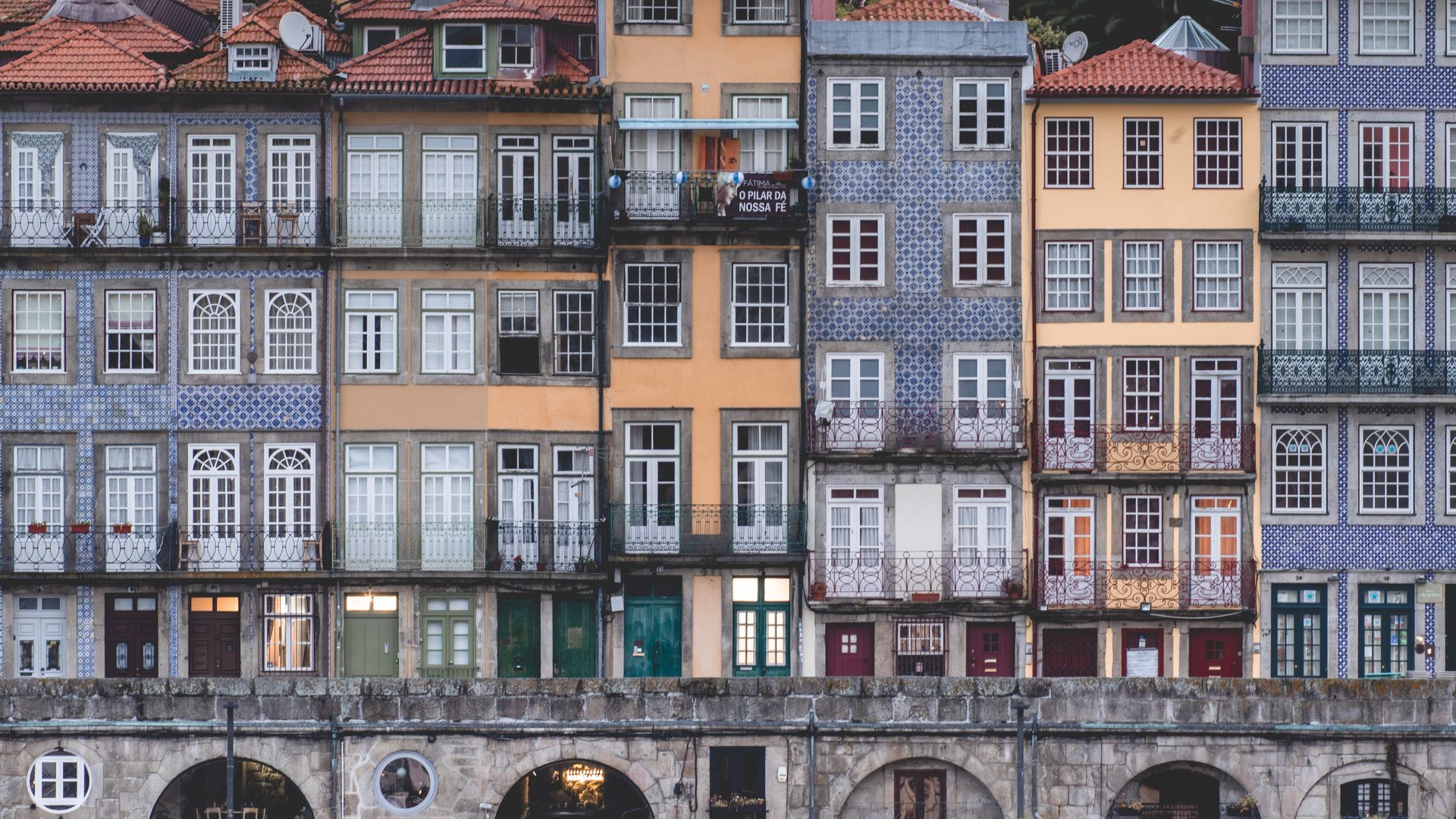
Iberian Peninsula
Portugal
Portugal turns its back on Europe and its face to the ocean, with a wistfulness that rarely turns heavy.
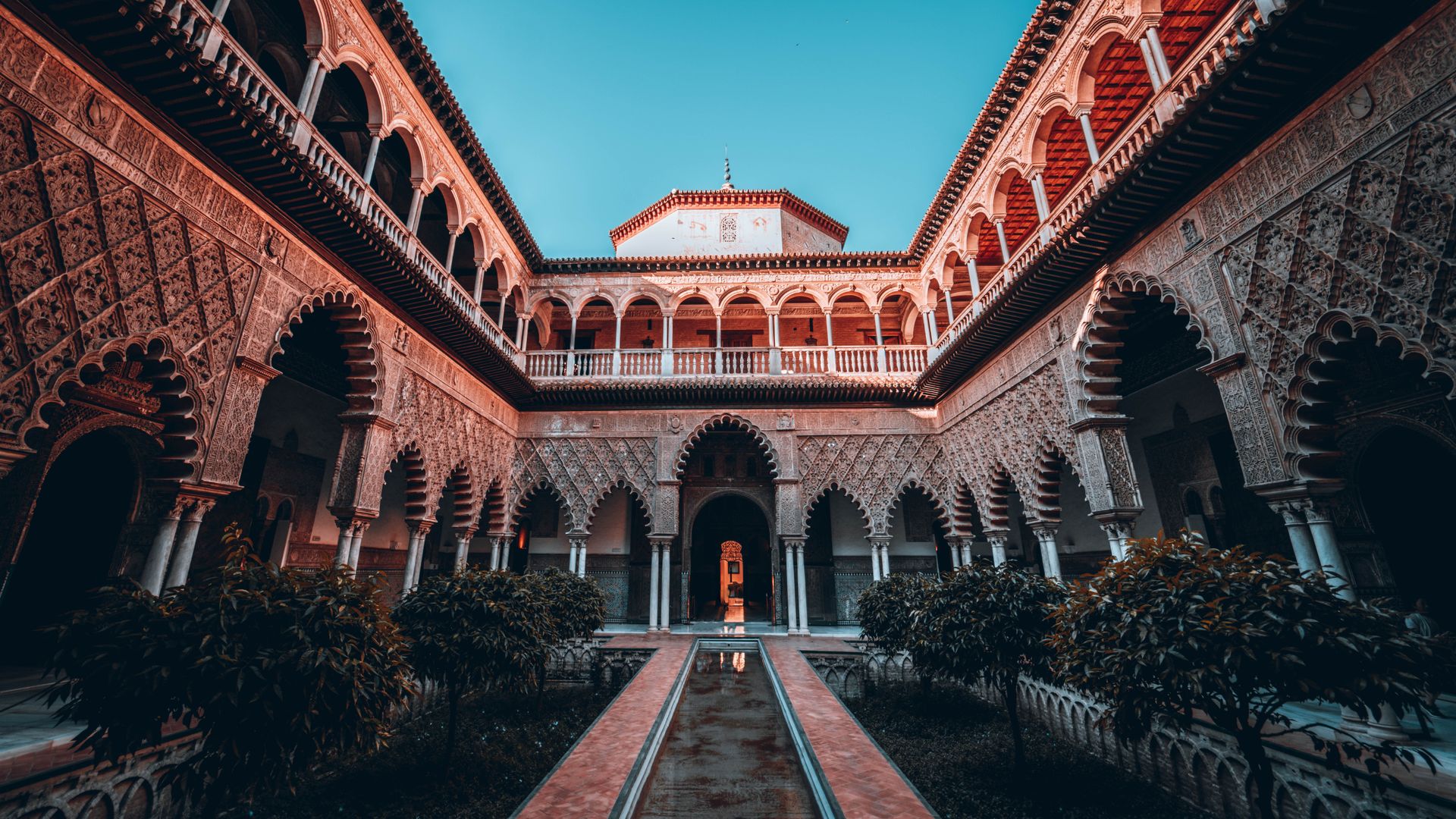
Iberian Peninsula
Spain
Spain differs as much from itself as from its neighbours, with a dry interior, a green north, and a day that starts late and ends later.
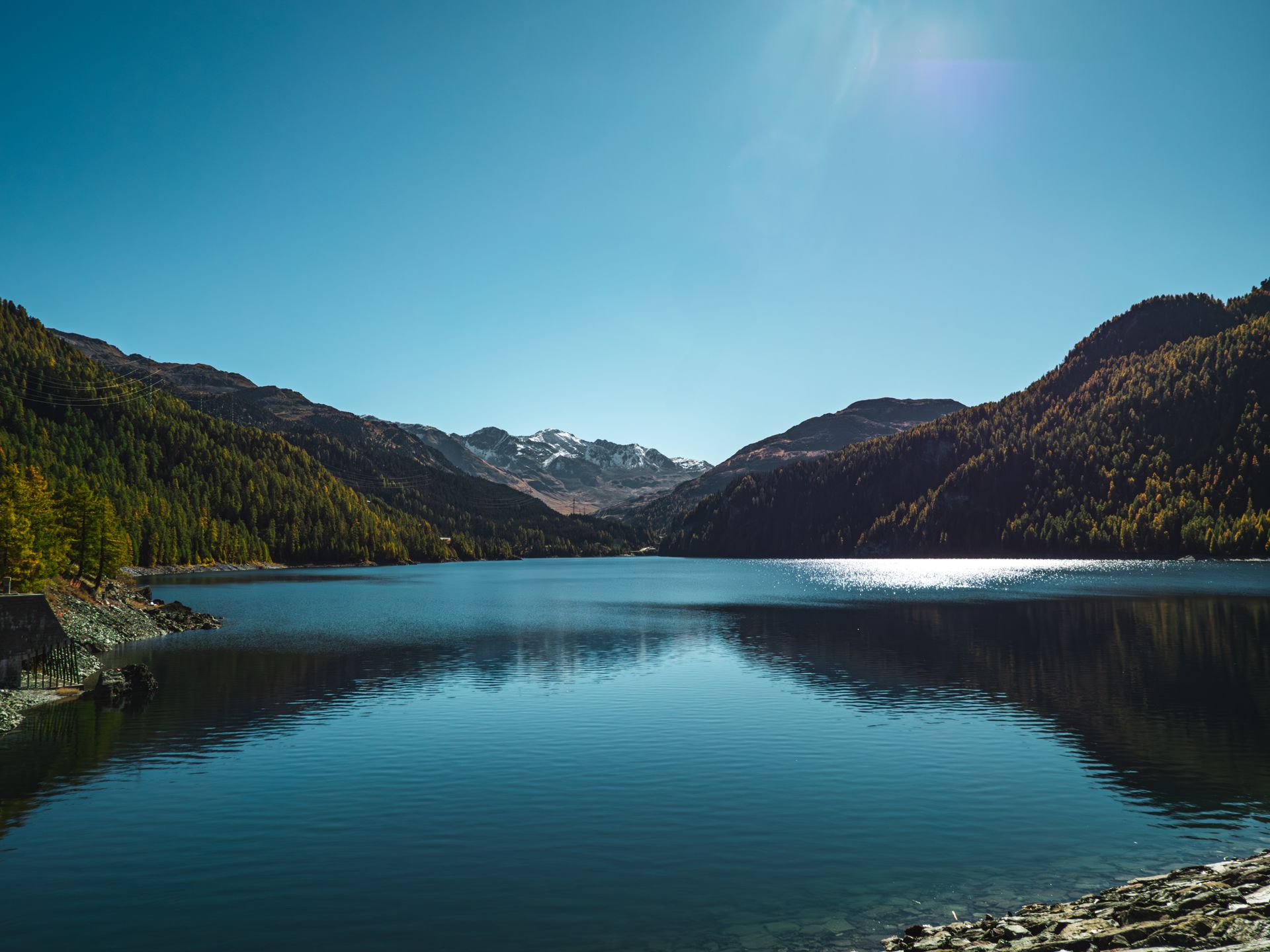
Alpine countries
Switzerland
In Switzerland the mountains do not ask for attention, and order is almost a feature of the landscape.
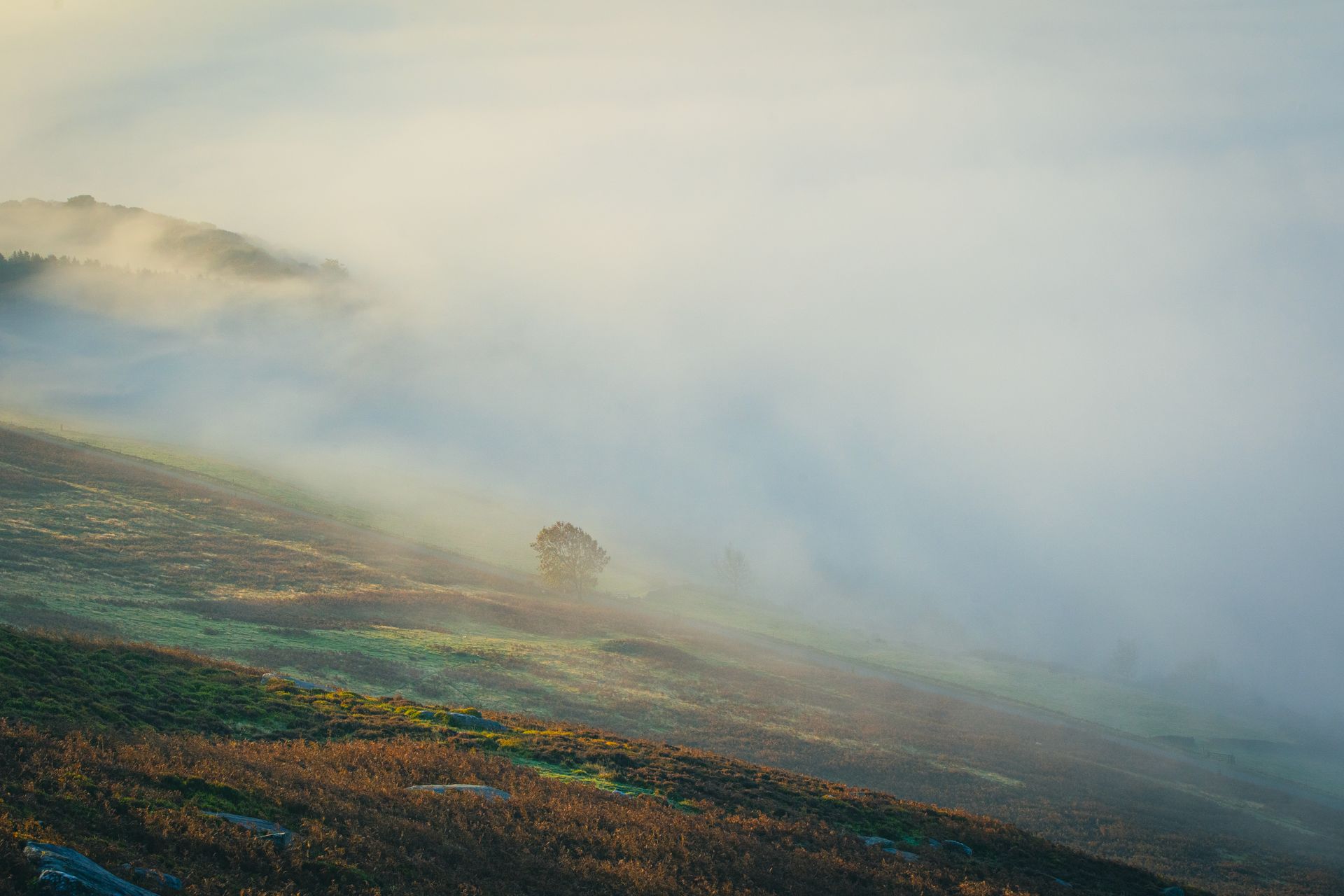
British Isles
United Kingdom
The United Kingdom never has to prove its character, made up as much of a wet moor as of a smart London street.
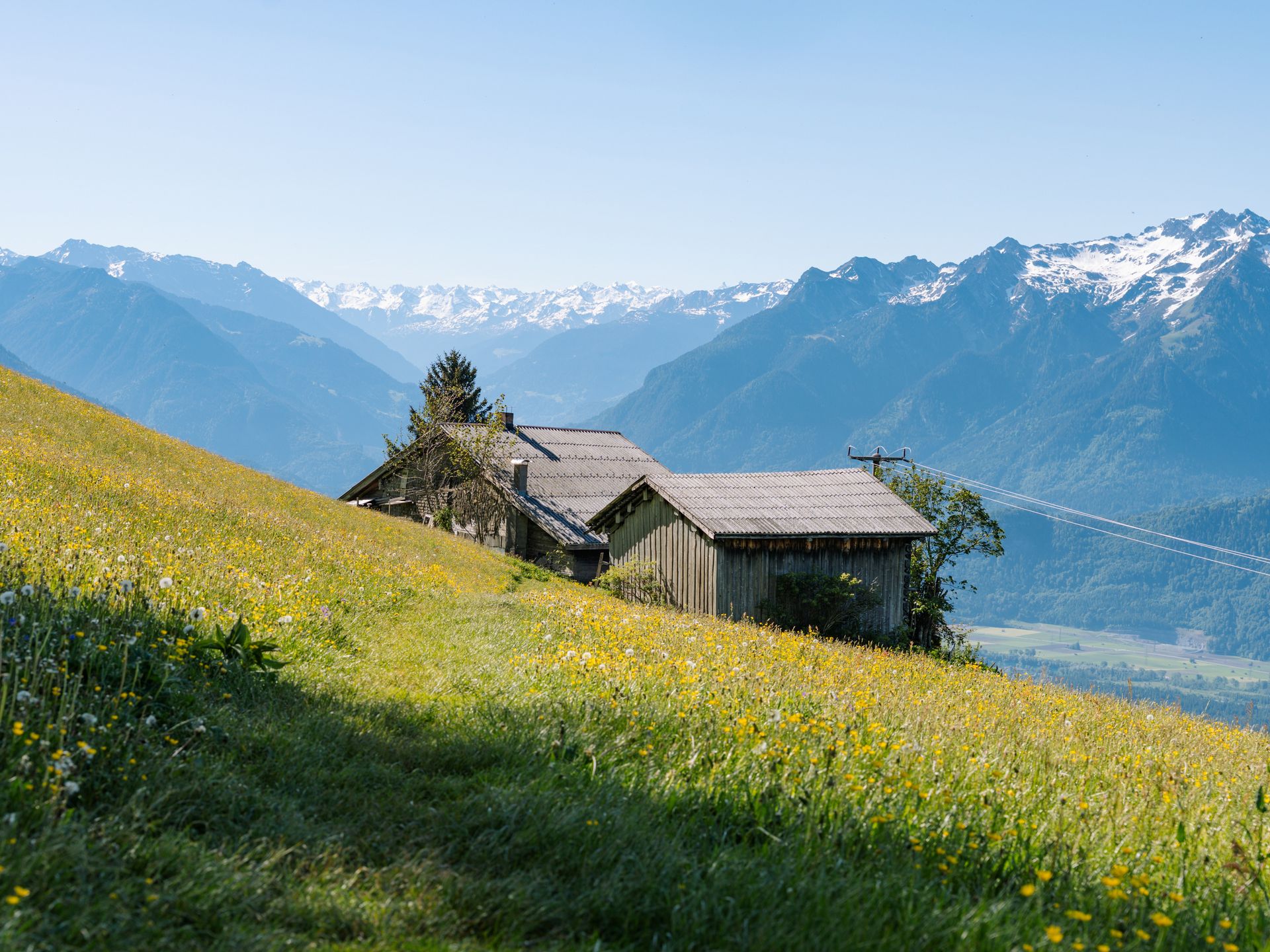
Alpine arc
The Alps
The Alps ignore national borders and impose their own, slow rhythm above the tree line.
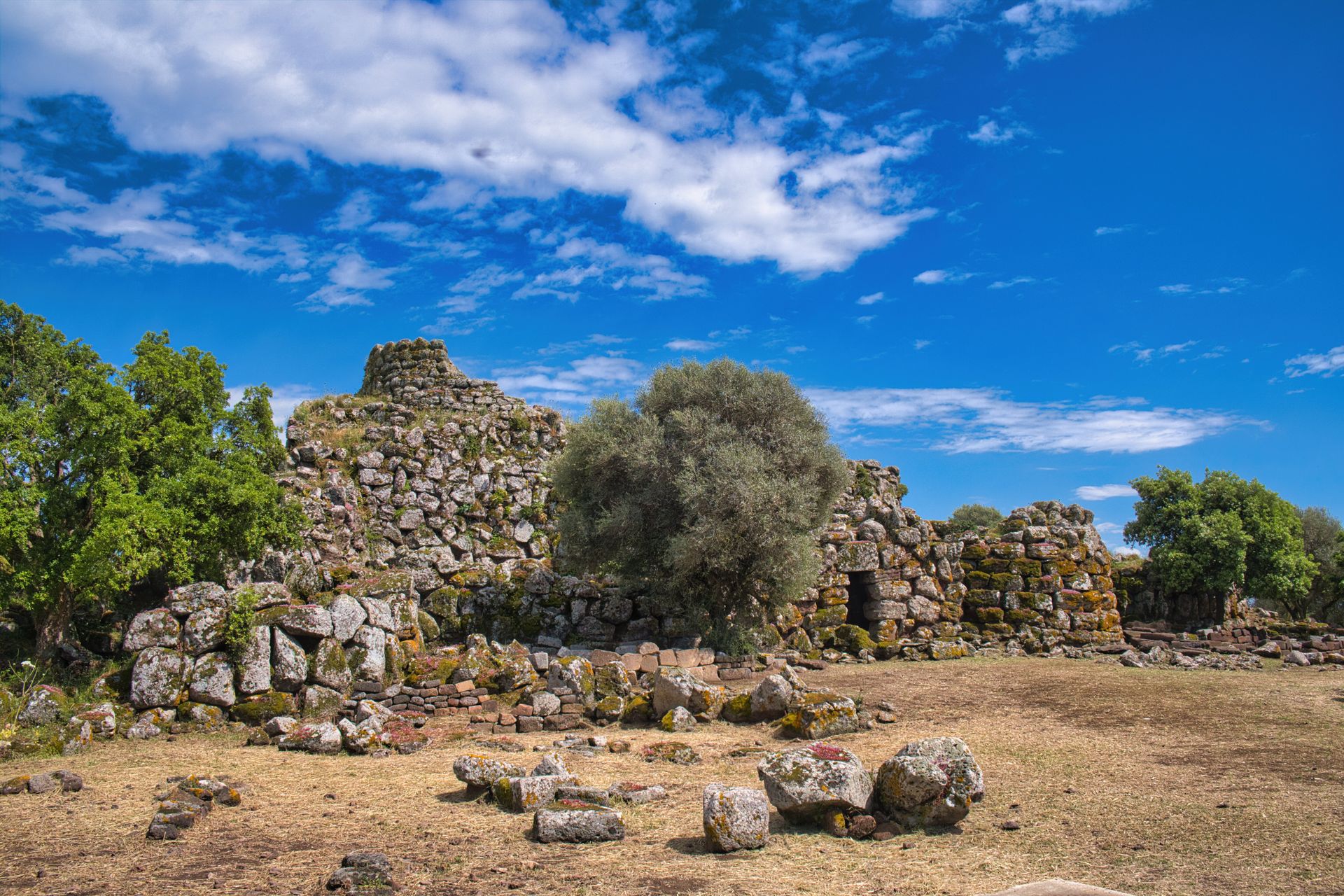
Tyrrhenian Sea
Sardinia
Sardinia has a rugged interior that wants little to do with the glamour of its own coastline.
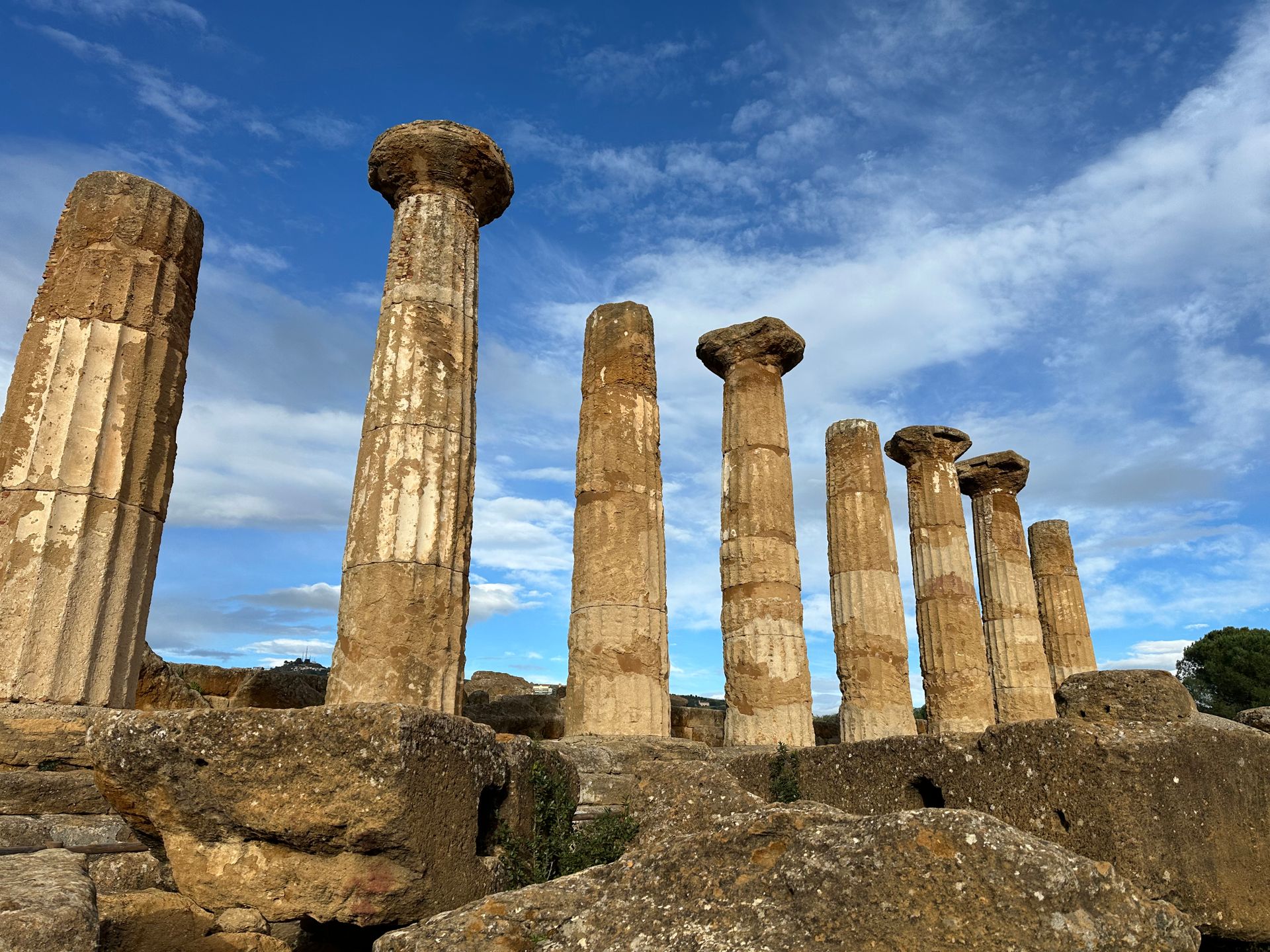
Strait of Sicily
Sicily
Sicily carries the traces of Greeks, Arabs and Normans, with a volcano that always keeps the last word.
Oceania
Australia
A reef off the north-east coast, red rock in the centre, and an Aboriginal history tens of thousands of years deep.
Atlantic Ocean
Madeira
A Portuguese island in the Atlantic, with peaks up to 1,862 metres, levadas along the mountainsides and a laurel forest on the north side.
East Asia
South Korea
A mountainous peninsula where a fast-moving capital and centuries-old monasteries sit a few hours apart by train.
Frequently asked questions
Where should you travel in March?
In March, 27 destinations are at their best, including Vietnam, Jordan, Argentina and Sri Lanka. Another 39 are good to visit, such as Japan, Botswana and Canada. Every destination is listed here because its own seasonal information says so.
Is March a good month for Argentina?
Yes. According to the seasonal information for Argentina, March is one of the strongest months of the year there. Its strongest months are March, April, October and November.
Can you visit Canada in March?
Yes. Canada is good to visit in March, with a caveat described on the destination page itself. Its strongest months are June, July, August, September and October.