Journal
Ryokan and onsen: staying and bathing the Japanese way
A ryokan is not a hotel with Japanese decor. On shoes and slippers, the yukata, washing before you bathe, tattoos, kaiseki, and why a stay like this is part of the journey.
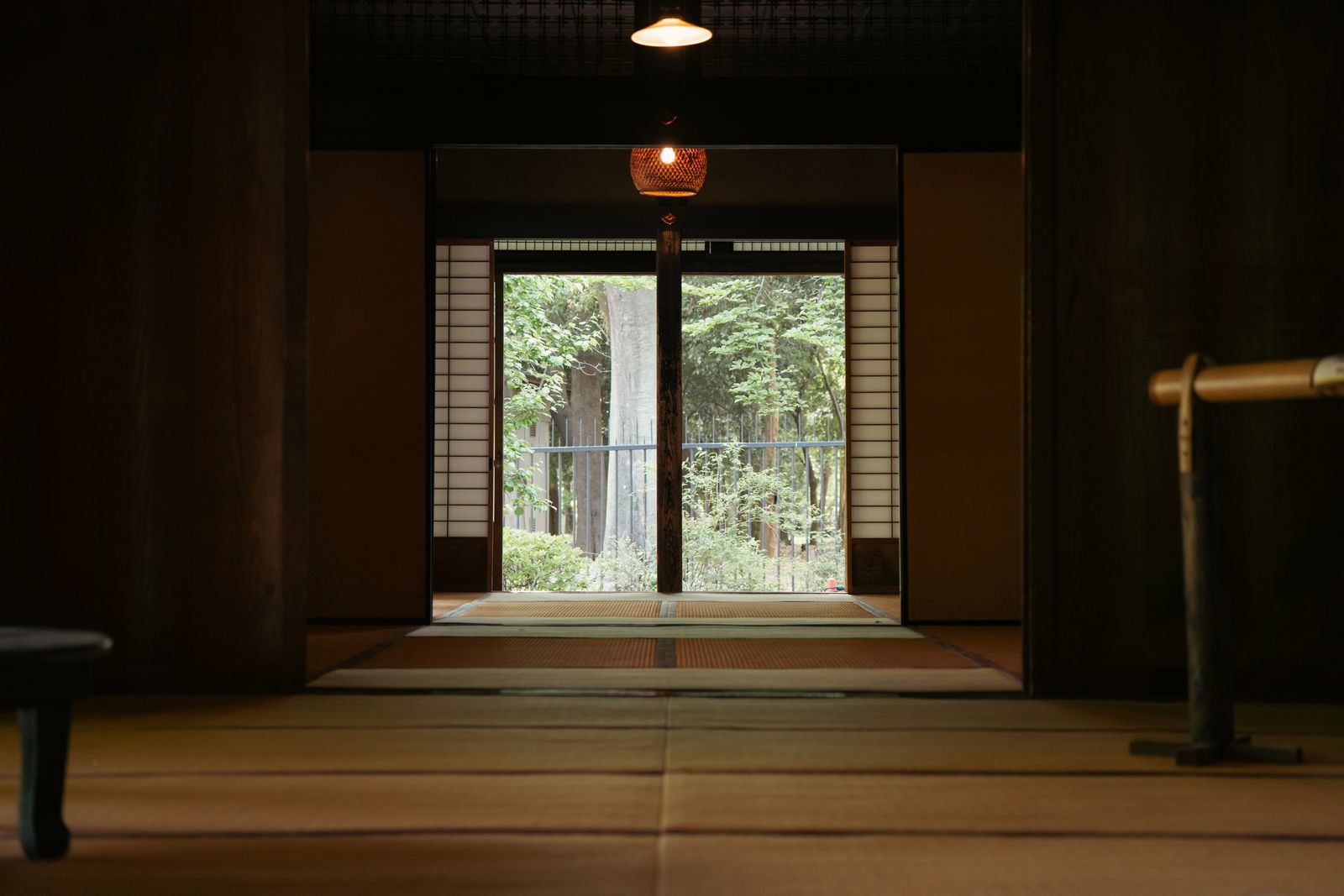
At a ryokan, the stay begins at the threshold. Your shoes stay in the entrance hall, you step into slippers, and a little later you are sitting on tatami at a low table set with everything you need to make tea. What follows has its own order: the bath, the meal, the futon, and the next morning breakfast.
That order is old. According to the Japan National Tourism Organization, ryokan are said to date back to the eighth century. Nishiyama Onsen Keiunkan in Yamanashi Prefecture was founded in 705 and is listed by Guinness World Records as the oldest hotel in the world. Staying in a ryokan means stepping into a form of hospitality the Japanese call omotenashi. It helps to know how it works.
Shoes off, and sometimes slippers too
The custom of removing shoes comes from a long history of sitting and sleeping on tatami. At the entrance you take off your shoes, place them neatly in the shoe cupboard or to one side, and put on the indoor slippers provided. On tatami you walk without slippers. The toilet usually has a separate pair, which you leave there when you come out.
The room itself is simple. Tatami on the floor, sliding doors, a low table. While you are out, staff move the table aside and lay out the futon on the tatami. What was a sitting room during the day becomes a bedroom. If you are used to a hotel room where everything is always in place, you notice here how the space changes with the day.
If you are unsure about anything, ask. JNTO stresses that staff are happy to explain customs such as removing shoes, bathing and wearing a yukata. Nobody expects a visitor to know it all from the start.
The yukata
In your room you will find a yukata, an unlined cotton kimono. The garment comes from the bath. Nippon.com writes that yukata first appeared in the Heian period, between 794 and 1185, as bathing garments among the aristocracy, and that today they are worn mainly after the bath and as nightwear, particularly at a ryokan. In hot spring towns such as Kinosaki, Kusatsu and Atami, hotels and inns provide one for guests to wear during their stay.
There is one rule you really need to know. The Victoria and Albert Museum describes it this way for the kimono: it is worn wrapped left side over right and secured with a sash called an obi. The same goes for the yukata, and the other way round is wrong. Whether you can wear the yukata outside the ryokan varies. Sometimes you can, sometimes not, and the same goes for the slippers. Simply ask at reception.
Wash first, then bathe
Most ryokan have an onsen, a bath fed by geothermally heated water. Japan sits on the Pacific Ring of Fire, the belt of volcanoes that, according to National Geographic Education, runs from the southern tip of South America up along North America and down through Japan to New Zealand. JNTO writes that the natural composition of the water, and its benefits, vary from area to area. Changing rooms are always separated by gender, as are the vast majority of baths.
You bathe naked. Clothes and swimwear stay in the changing room. The small towel can come with you for washing or for modesty on the way, but it never goes into the water. Fold it and put it on your head or on the edge. Tie up long hair.
Before getting in, wash thoroughly at one of the washing stations, seated on a stool, and rinse off completely. Then pour hot water over your body. This is called kakeyu and helps you adjust to the temperature. In the bath you speak softly, leave your phone outside, and don't swim or splash. Don't stay too long in hot water, have a cool drink in between, and avoid alcohol before bathing.
Tattoos: what is changing
For a long time, tattoos were a reason to be turned away. The original ban was meant to keep out members of the yakuza, who traditionally have elaborate tattoos. JNTO writes that tattoos are generally not permitted in hot springs, public bathhouses, swimming pools or gyms, but that there are exceptions. Outdoor-style bathhouses and municipal hot springs, including some in hot spring towns, tend to be more tolerant, as do many local bathhouses.
That picture is shifting, and it has been measured. In 2016 the Japan Tourism Agency sent a questionnaire to around 3,700 places with a public bath. Of the six hundred that replied, 56 percent turned away guests with tattoos, 31 percent admitted them, and 13 percent admitted them as long as the tattoo was covered. The same agency asked operators to bear in mind that people have tattoos for religious, cultural or aesthetic reasons, and that a tattoo is not in itself a hygiene problem. JNTO writes that the number of onsen and bathhouses accepting tattoos keeps growing, but says just as plainly that many still do not: about thirty percent of hotels and inns will let someone with a tattoo into the communal bath. Many onsen offer or sell small cover stickers for smaller tattoos.
If you have a larger tattoo, there are good alternatives: a private bath, called a kashikiriburo, or a room with its own bath, sometimes open-air. Policies differ from house to house and are rarely on the website, so we ask in advance. Let us know and we will take it into account when choosing the ryokan.
Kaiseki, and why the meal belongs to the stay
A ryokan stay usually includes a kaiseki dinner and a traditional Japanese breakfast the next morning. Depending on the ryokan, you eat in your room or in a shared dining hall. The dishes are made with local, seasonal ingredients and carefully presented.
Kaiseki has its roots in the tea ceremony. JNTO writes that the word can be written with two different sets of characters, and that one of them comes from tea culture: originally three small, simple dishes plus rice, served before the tea. The tea master Sen no Rikyū, who lived from 1522 to 1591, raised that tea culture to a refined art, built on wabi and sabi, on simplicity and serenity, as Kikkoman puts it. A kaiseki meal today usually runs to about ten courses, and JNTO notes that the order varies by house and by season: an appetiser, a set of small starters, a clear soup, sashimi, a dish of the chef's own, something from the grill, a light palate cleanser, a meat course, then rice with miso soup and pickles, and finally fruit or a seasonal dessert.
Some ryokan also offer stays without meals. JNTO nonetheless calls the chance to dine in-house an essential part of the experience. Meals are served at set times, and that is exactly what turns the stay into something more than a place to sleep. You shape your evening around the bath and the table, not around a restaurant in town. Our advice: do not treat a ryokan as an extra squeezed in between two cities, but as a place you arrive at before dark and leave the next morning without hurrying.
Questions we are often asked
Do you have to be naked in an onsen?
Yes, in a standard onsen you bathe without clothes, swimwear included. Baths are almost always separated by gender. Some places have introduced mixed baths, where you wear a bathing garment provided on site, the yuami-gi.
Can I use an onsen if I have a tattoo?
Sometimes yes, sometimes no. The number of onsen that accept tattoos is growing, and cover stickers can help with a smaller tattoo. For larger tattoos, a private bath or a room with its own bath is the easiest solution. Check in advance.
How do you wear a yukata?
Left side over right, tied with the obi, the way the Victoria and Albert Museum describes the kimono. The other way round is wrong. Ask at the ryokan whether you can wear the yukata outside too.
Can you stay at a ryokan without eating there?
At some ryokan, yes. Even so, the in-house meals, usually a kaiseki dinner and a Japanese breakfast, are an essential part of the stay. We recommend not skipping them.
What if I don't want to bathe with other people?
Choose a ryokan with a private bath, a kashikiriburo, or a room with its own bath, sometimes open-air. That way you enjoy the hot water without sharing the space.
Further reading
More from the journal
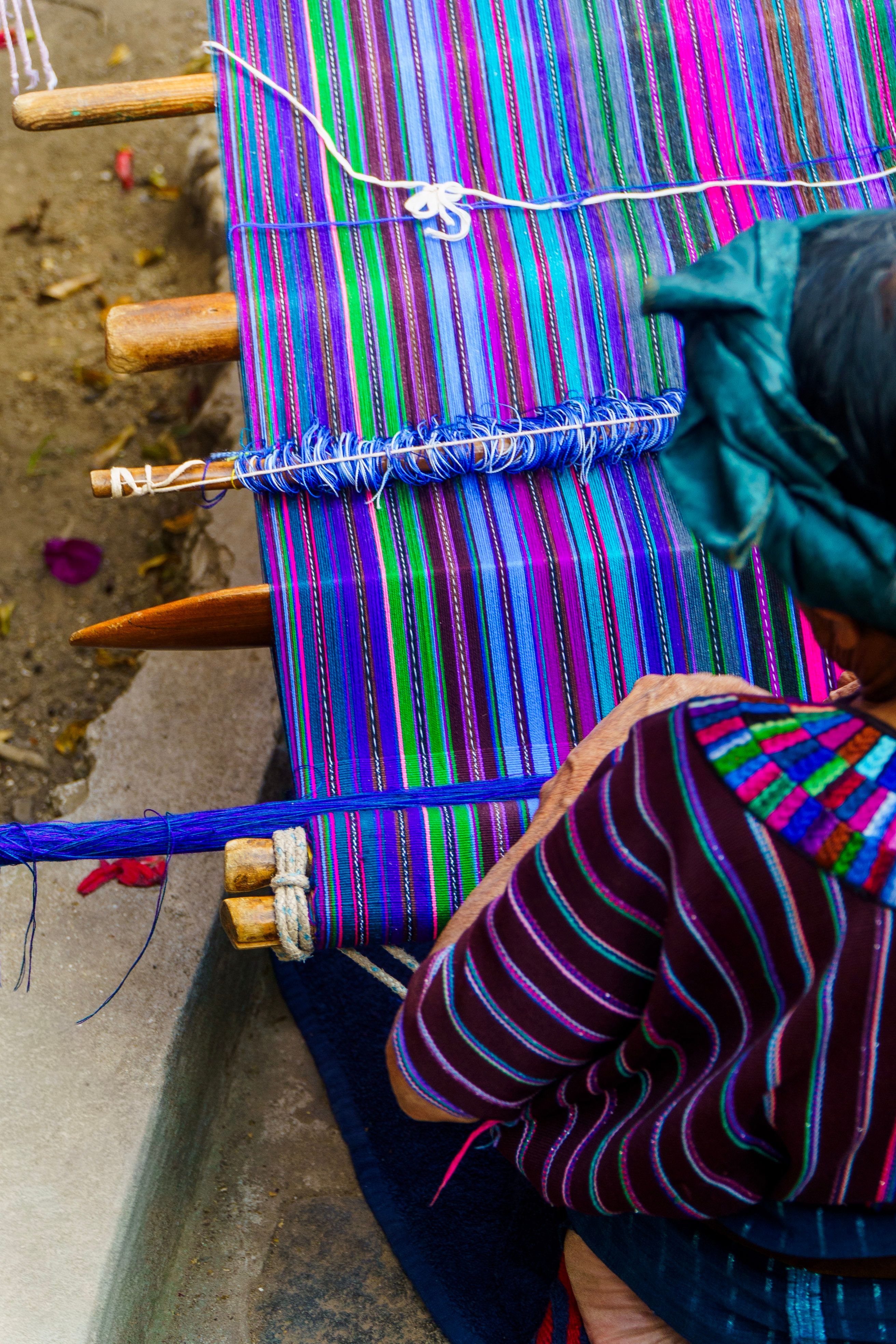
The huipil: how a Guatemalan village speaks through thread
In the Guatemalan highlands, a huipil tells you where a woman comes from. On backstrap weaving, designs that belong to a community, and what visitors should and shouldn't do.
Read more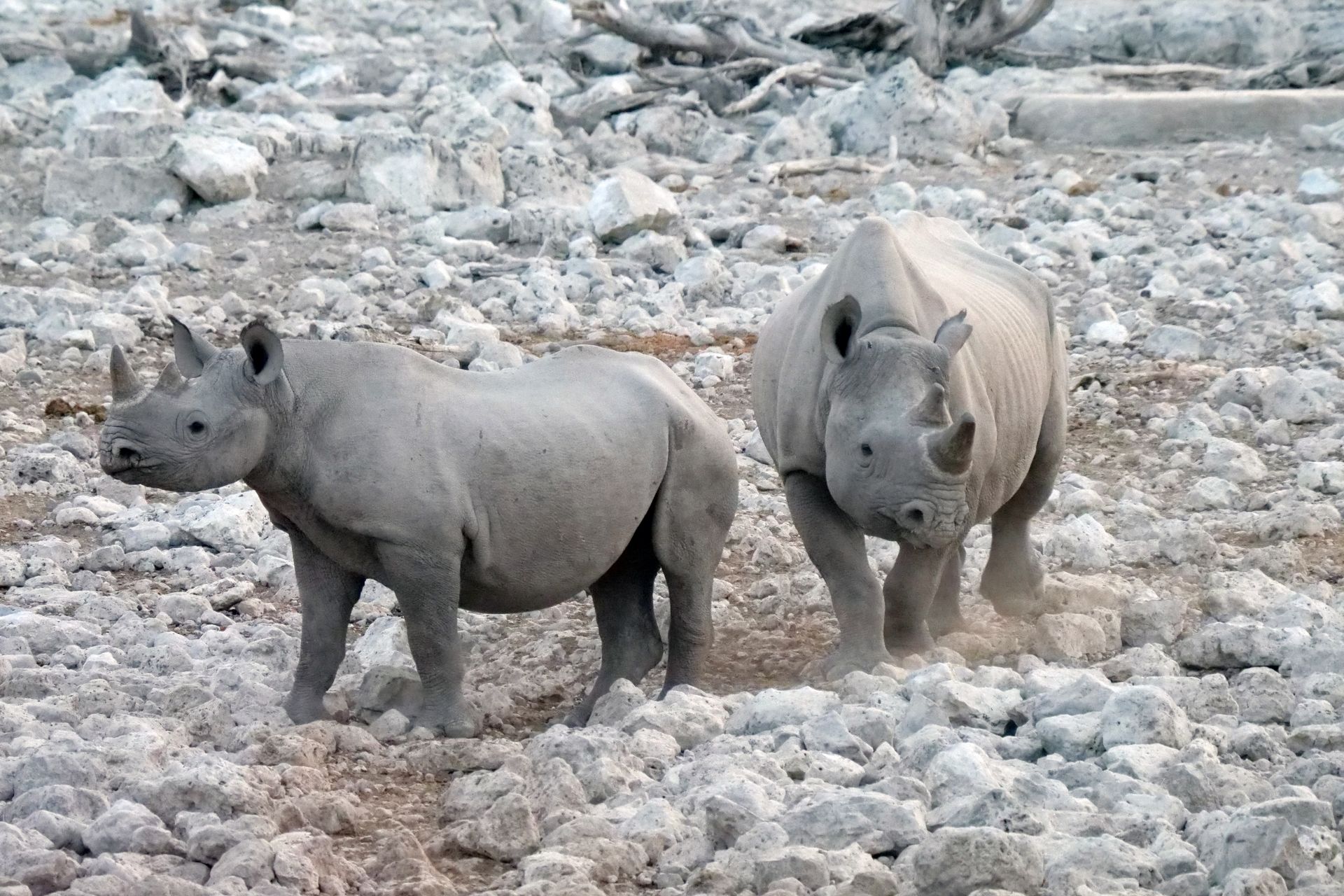
Namibia's conservancies: when the wildlife belongs to the community
Since 1996, communities in Namibia have been able to form conservancies and earn from wildlife themselves. Today they cover a fifth of the country. On income, rhinos, lions and your stay.
Read moreAnd your trip?
From reading to a conversation.
What you read here is background, not an offer. Curious how a place like this fits into your trip? Tell us what you are looking for. That is where it starts.
Updated in October 2026