Oceania
French Polynesia
Five archipelagos in the Pacific: volcanic islands with a lagoon, atolls around a lagoon, and the steep Marquesas.
This is French Polynesia
A country of islands, scattered across a vast stretch of ocean.
French Polynesia is made up of 118 islands and atolls in five archipelagos: the Society Islands, the Tuamotu, the Gambier, the Marquesas and the Austral Islands. Tahiti is the largest island and has the only international airport.
The islands differ greatly. The Society Islands include green volcanic islands such as Tahiti, Moorea and Bora Bora, each ringed by a lagoon. The Tuamotu are 76 atolls: coral reefs around a lagoon. The Marquesas lie 1,500 kilometres north-east of Tahiti, with sharp ridges and cliffs rising straight out of the ocean.
It is a French overseas territory. French is the official language, Tahitian is widely spoken, and you pay in CFP francs.
A trip here starts with deciding which islands to combine, and how many flights you are willing to take to get there.
In short
- Best time to go
- May to October is the dry season: less humid, more sun. April and November are good too. December to March is the rainy season, with more than six times as much rain in Tahiti in December and January as in July and August. It is warm all year, around 29 to 31 degrees by day.
- How long
- Two to three weeks for Tahiti, two or three of the Society Islands and one Tuamotu atoll. If you also want to see the Marquesas, add a week.
- Who it suits
- For travellers who want to be in the water: snorkelling, diving, paddling in a lagoon. For those who want to hike on steep volcanic islands. And for anyone who wants to see Polynesian history in the places where it happened.
- What sets it apart
- Almost the entire sea area of French Polynesia, some 5 million square kilometres, is a managed marine area. On land stand marae, ancient ceremonial sites, and the one at Taputapuātea on Raiatea is a World Heritage site.
Island to island
Between the islands, you fly or take the boat.
Moorea lies 17 kilometres from Tahiti. The ferry crosses in about 45 minutes, the fast shuttle in 25 minutes.
To the other islands you fly, on domestic flights from Tahiti's airport: 35 minutes to Huahine, an hour to Rangiroa in the Tuamotu. Bora Bora and the Marquesas are also reached on a domestic flight.
On the islands themselves you rent a car, scooter or bicycle. On Huahine, according to Tahiti Tourisme, that is the way to get around, as taxis are rare. We time the flights and crossings so you wait no longer than necessary.
The archipelagos
From volcanic islands to atolls, with great distances in between.
Each archipelago is different. Between the islands you usually fly.
Society Islands
Tahiti and Moorea
Tahiti has two parts, Tahiti Nui and the Tahiti Iti peninsula, joined by an isthmus. It is home to the capital, Papeete, and the international airport. Moorea lies just opposite, 17 kilometres away.
Society Islands
Raiatea and Huahine
Raiatea is home to the marae of Taputapuātea, a World Heritage site since 2017. The island also has the only navigable river in Polynesia, which you follow by kayak or outrigger canoe. Huahine is a 35-minute flight from Tahiti, with villages, beaches and archaeological sites.
Society Islands
Bora Bora
Bora Bora lies 277 kilometres from Tahiti. The island is known for its lagoon, which you explore by boat, kayak or paddleboard.
Tuamotu
Rangiroa and Fakarava
The Tuamotu are 76 atolls. Rangiroa, some 350 kilometres north-east of Tahiti, has the largest lagoon in French Polynesia, Fakarava the second largest. Fakarava is a UNESCO biosphere reserve, and in its passes you see grey sharks, manta rays, dolphins and sea turtles.
Marquesas
Nuku Hiva and Hiva Oa
The Marquesas lie 1,500 kilometres north-east of Tahiti. The landscape is one of sharp ridges, peaks and cliffs rising straight out of the ocean. In Atuona on Hiva Oa, the painter Paul Gauguin and the singer Jacques Brel are buried.
Austral Islands
Rurutu and Tubuai
Around Rurutu, an hour and a half by air from Tahiti, humpback whales come from July to November to nurture their young. You can sometimes see them from a headland just outside the village.
Tailor-made tour
A tailor-made tour of French Polynesia
A tour of French Polynesia starts on Tahiti and usually takes in two or three of the Society Islands, for example Moorea, Huahine or Raiatea, and Bora Bora, plus one Tuamotu atoll such as Rangiroa or Fakarava. Allow two to three weeks for that. The Marquesas are further away and need an extra week, as do the Austral Islands in whale season.
Between the islands you fly, and to Moorea you take the boat. Not every route flies every day, so the order of the islands depends on the flights. On the islands themselves you rent a car, scooter or bicycle. According to the Belgian Federal Public Service Foreign Affairs, a Belgian licence is accepted in the French overseas territories; check this before departure, and we will confirm it. You mostly need a driver on Tahiti, on arrival and departure.
As a couple, you alternate a lagoon with an island for walking. With children it works too: a boat trip on the lagoon with a picnic on a motu, and the history of the islands at the Musée de Tahiti et des Îles. Do factor in the long journey. Travelling alone, you take your own guide for diving and hiking. With your own group of friends or family, you travel together by boat and plane and, where possible, rent a house or a sailing boat together.
The most memorable nights are spent on the water or with a family. On Bora Bora you sleep in a bungalow over the lagoon. In the Tuamotu, the Marquesas and the Austral Islands you often stay in a family guesthouse, a Tahitian Guesthouse, with people who live on the island. On Tahiti itself you stay on the coast, close to the airport for an early flight.
Possibilities
What could French Polynesia be for you?
Not parts of a fixed itinerary, but directions, to help you notice what draws you and what you would rather leave out.
Diving the pass at Fakarava
With grey sharks, manta rays and sea turtles, in a UNESCO biosphere reserve.
Taputapuātea with a guide
The marae on Raiatea, a political, ceremonial and funerary centre at the heart of the Polynesian Triangle.
Whales off Rurutu
From July to November, when humpback whales nurture their young, by boat or in the water with a guide.
Hiva Oa and the Marquesas
Tiki, stone platforms and the graves of Gauguin and Brel, on an island of mountains and cliffs.
Kayaking the river on Raiatea
The only navigable river in Polynesia, by kayak, paddleboard or outrigger canoe.
The Heiva in July
The festival of traditional song and dance on Tahiti, held every year in July.
These are directions, not a route. What you end up doing, we build around what moves you.
Marae and tiki
Marae, the Marquesas and a protected ocean.
These islands were among the last places on earth to be settled by humans, who came by sea. What remains of that stands on land and lies in the water.
Taputapuātea
The marae complex on Raiatea was a political, ceremonial and funerary centre at the heart of the Polynesian Triangle. UNESCO calls it a testimony to 1,000 years of mā'ohi civilisation.
Te Henua Enata
The Marquesas have been on the list since 2024, for both nature and culture. A civilisation that arrived by sea around the year 1000 left stone structures, sculptures and rock engravings.
Tainui Atea
Almost the entire sea area around the islands, some 5 million square kilometres, is a managed marine area.
When would you travel?
May to October, the dry season.
From May to October it is the dry season on Tahiti and the Society Islands: less humid, more sun and a light breeze. The Heiva takes place in July, and from July to November you can see humpback whales around Rurutu.
April and November are shoulder months between the two seasons.
December to March is the rainy season. In December and January Tahiti gets more than six times as much rain as in July and August, often in short tropical showers. It stays warm all year, around 29 to 31 degrees by day.
The Marquesas are different: on Hiva Oa the most rain falls from March to July, and the least from September to December.
Best time to visit French Polynesia
Jan
Feb
Mar
Apr
May
Jun
Jul
Aug
Sep
Oct
Nov
Dec
Dry season: less humid, more sun
Shoulder months between the two seasons
Rainy season: warm, humid, tropical showers
Same months, other destinations
Who else is at their best in these months?
Not ready to ask yet?
Leave your email address. A month before the good time begins, we send you one reminder. Nothing more.
You will first get an email to confirm. You can unsubscribe at any time, with one click.
Rather talk it over?
Leave your name and number. We will call you at a time that suits you.
A Tuamotu atoll: a narrow ring of land around a lagoon.
Worth knowing
Practical, without the noise.
We go through the full, current picture with you personally, including what matters specifically for your trip.
- Getting there
- From Belgium you fly to Tahiti, for example via Paris. From Paris the journey takes around 22 hours, usually with a stopover in the United States or Canada.
- Documents
- French Polynesia is a French overseas territory. According to the Belgian Federal Public Service Foreign Affairs, Belgians travel there with a valid identity card or passport. For a stopover in the United States you do need an ESTA or visa, even if you are only in transit. Check the rules; we confirm them before departure.
- Health
- Recommended vaccinations are listed on Wanda, the travel health site of the Institute of Tropical Medicine in Antwerp. Discuss it with your doctor too.
- Paying
- You pay in CFP francs (XPF). Cards are accepted on the main islands and in hotels; for the more remote archipelagos, such as the Tuamotu, bring cash.
- Driving
- According to the Belgian Federal Public Service Foreign Affairs, a Belgian licence is accepted in the French overseas territories. Check the rules before departure; we confirm them with you.
- Time
- Tahiti is 11 hours behind Belgium in our winter and 12 hours behind in our summer. In the Marquesas you set your watch half an hour forward.
- Travel advice
- The current travel advice is published by the Belgian Foreign Affairs service. We follow it and adapt the trip where needed. Also register your trip on Travellers Online.
Looking past the highlights
Where we look differently.
Fewer islands, longer on each. Each island means a flight, a transfer and a new place to sleep. Three islands done well make a better trip than six islands by halves.
The flights set the order. Not every island is connected every day. We fix the flights first and build the trip around them.
An atoll is not a volcanic island. In the Tuamotu, everything revolves around the lagoon and the passes. If you want to hike, add a high island such as Moorea, Raiatea or the Marquesas.
The stopover in the United States counts. If you fly via the United States, you need an ESTA or visa, even for a transfer. We handle that with you as part of the preparation.
Frequently asked questions
When is the best time to visit French Polynesia?
The best time for French Polynesia is May to October, the dry season. It is less humid then, with more sun. April and November are shoulder months, and December to March is the rainy season. In the Marquesas, the least rain falls from September to December.
How do you travel between the islands?
In French Polynesia you travel between the islands on domestic flights from Tahiti, and by boat to Moorea. Huahine is a 35-minute flight, Rangiroa an hour. The ferry to Moorea takes about 45 minutes.
Do you need an ESTA for a stopover in the United States?
Yes, if you fly to French Polynesia with a stopover in the United States, you need an ESTA or visa, even if you are only in transit. This is set out by U.S. Customs and Border Protection. Check it before departure; we will confirm it.
Can you pay by card in French Polynesia?
Yes, in French Polynesia you can pay by card on the main islands and in hotels. The currency is the CFP franc (XPF). For the more remote archipelagos, such as the Tuamotu, bring cash.
Or perhaps this
Other destinations
Still weighing it up? That is no problem at all. The right country often only becomes clear once the conversation starts.
Oceania
Australia
A reef off the north-east coast, red rock in the centre, and an Aboriginal history tens of thousands of years deep.
Oceania
New Zealand
Two islands of volcanoes, glaciers and fjords, with a Māori history you meet everywhere.
Central Europe
Germany
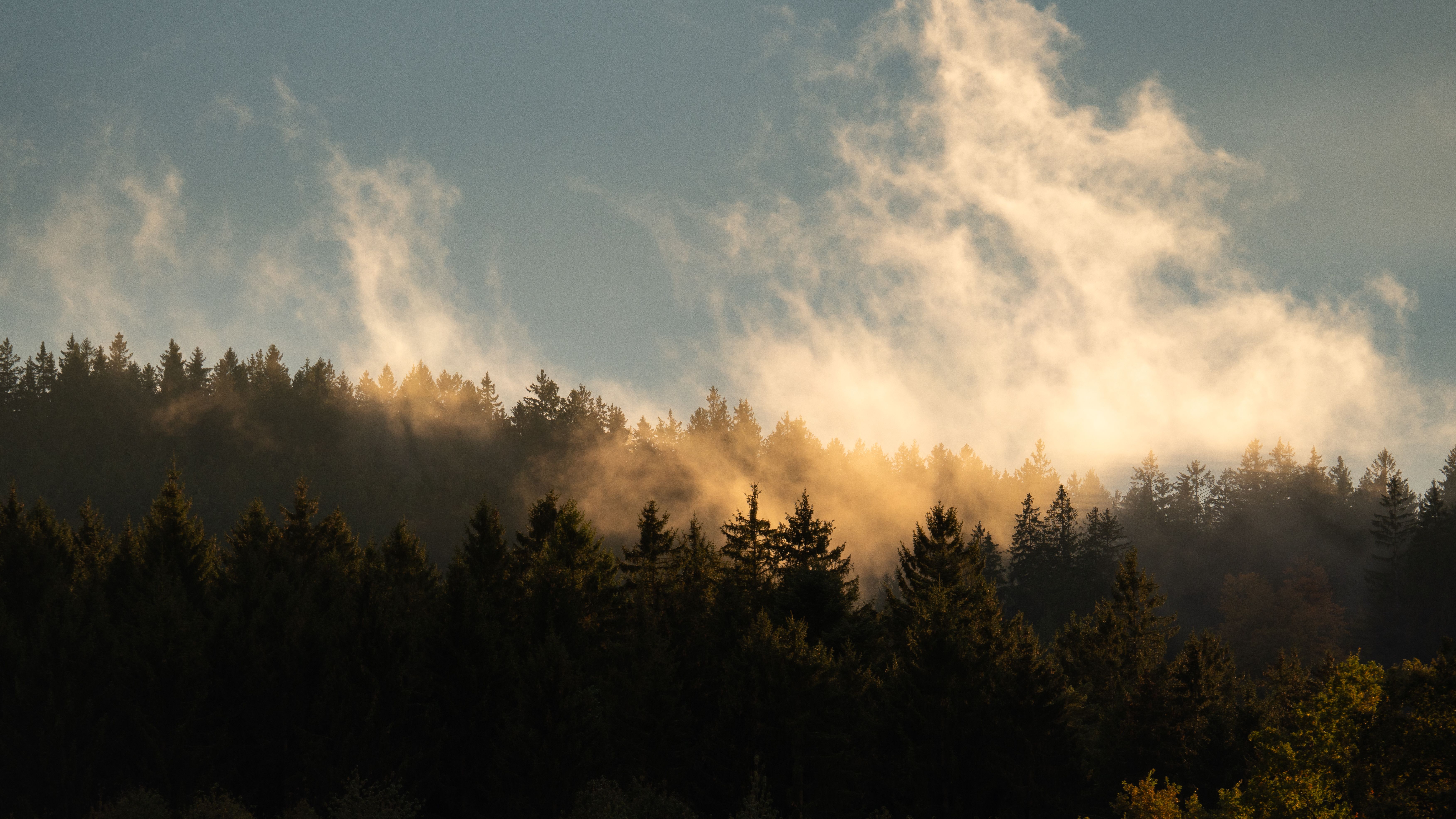
Germany combines urban precision with forest just a short walk away, and simply lets the two coexist.
How it works
This is how your journey to French Polynesia takes shape.
Six steps, from your first story to your homecoming. The conversation and the feasibility check cost you nothing.
-
01
Tell us your story
Fill in the form or give us a call. You do not need a route yet: a country, a period or just an idea is enough.
-
02
The conversation and the check
We call you within two working days. We talk through what you are looking for and check whether it can be done. If it can, we set down together what we will make for you.
-
03
We design your journey
We build your programme up, day by day, together with our own people in the country itself.
-
04
Your proposal
You read your journey day by day, with everything that is included. You say what you would like differently, until it is right.
-
05
Ready to depart
You send us your details, we send you your travel documents. You have one fixed contact who knows your journey.
-
06
Travelling, and after
Your contact stays reachable while you are away. Once you are home, we call one more time.
The next step
How would you like to experience French Polynesia?
Tell us what draws you to French Polynesia, who you are travelling with and how many islands you would like to see. We get to know you as a traveller first and build from there, together with a local partner who knows the islands from the inside.
Updated in October 2026