East Asia
South Korea
Palaces, mountain monasteries and a capital that never slows down, a few hours apart by train.
This is South Korea
A country of mountains, with a capital running at full speed.
Around three quarters of the Korean peninsula is mountainous. Yet more than half of all South Koreans live in and around a single city: Seoul. That explains a great deal. The capital is dense, fast and always open. The mountains around it are quiet.
Between the two lie layers you do not see straight away. Joseon-era palaces among office towers. Monasteries that have stood in the mountains for more than a thousand years and are still lived in. Clan villages where the same families have lived for centuries. An alphabet of its own, devised in the 15th century so that everyone could learn to read.
And because a high-speed railway crosses the country, those worlds sit closer together than you would expect. A morning in the city, an evening in a monastery. Here, that fits into a single day.
The city shows how fast Korea is. The mountains show how old.
In short
- Best time to go
- April, May and October: mild days, plenty of sun, cherry blossom in spring and autumn colour in the autumn. March, June, September and November work well. July and August are hot and wet, and from December to February Seoul drops below freezing at night.
- How long
- Twelve to fourteen days for Seoul, Gyeongju, Busan and Jeju. If you also want Andong, the east coast and Seoraksan, you are closer to three weeks. The KTX keeps distances short, so your time goes to the places themselves.
- Who it suits
- For travellers who want to balance a big, fast city with stillness: a night in a mountain monastery, a historic clan village, a walk along a granite ridge. And for anyone happy to eat whatever arrives at the table, even when it is unfamiliar.
- What sets it apart
- Around three quarters of the Korean peninsula is mountainous. Even so, the high-speed train takes you from Seoul to Busan, on the far side of the country, in about two and a half hours.
Seoul lives at full speed.
In the mountain monasteries, life has kept its own pace for more than a thousand years.
The regions
From a capital of millions to an island made of lava.
Six regions, linked by rail, road and one short flight, each with a rhythm of its own.
The capital
Seoul
More than half the country lives in and around this city, and you feel it. Yet Changdeokgung Palace sits here at the foot of a mountain, with a vast rear garden known as the Secret Garden. At Jongmyo Shrine, the ancestors of the Joseon kings are still honoured with music, song and dance. And between the towers lies Bukchon, a neighbourhood of traditional wooden houses.
The southeast
Gyeongju
For almost a thousand years, from 57 BCE to 935 CE, the Silla kingdom ruled from this city. The royal burial mounds rise in the middle of Gyeongju. On Mount Namsan, the remains of 122 temples, 53 stone statues and 64 pagodas have been found. Just outside town stand Bulguksa Temple and Seokguram Grotto, with its Buddha looking out to sea.
The interior
Andong and Hahoe
Hahoe village lies in a bend of the Nakdong River, sheltered by forested hills. It was founded in the 14th and 15th centuries, and around 70 per cent of its residents still belong to the same clan. Grand timber houses stand beside mud-walled cottages with thatched roofs. The village is also known for its masks, and you can stay the night in a traditional house.
The port city
Busan
A port city between mountains and sea, some 325 kilometres from Seoul as the crow flies. On the waterfront road is Jagalchi Market, one of the largest seafood markets in the country. After the Korean War it grew into a true fish market. Most of the fish is sold by women, and you can eat it raw right there.
The volcanic island
Jeju
An island of lava and sea, an hour and a quarter by air from Seoul. Hallasan, the highest mountain in the country, holds a crater lake at its summit. On the eastern tip, the Seongsan Ilchulbong tuff cone rises from the ocean like a fortress, and underground run lava tubes with multicoloured carbonate deposits. Together they are on the World Heritage List.
The northeast
The east coast and Seoraksan
On the east coast, the mountains drop steeply to the sea. Seoraksan, a massif of granite and gneiss, is the third-highest mountain in the country, with its main peak Daecheongbong at 1,708 metres. The area has been a UNESCO Biosphere Reserve since 1982. Gangneung, further along the same coast, is about two hours from Seoul by KTX.
Tailor-made tour
A tailor-made tour of South Korea
A tour of South Korea almost always begins in Seoul. From there you head south to Gyeongju, the old capital of the Silla kingdom, and on to the port city of Busan. Andong, with Hahoe village, lies about 90 kilometres from Gyeongju as the crow flies and fits in naturally. In the northeast are the east coast and Seoraksan, and off the south coast lies the volcanic island of Jeju. For Seoul, Gyeongju, Busan and Jeju, allow twelve to fourteen days. Add Andong, the east coast and Seoraksan and you are closer to three weeks. If you want to see Japan as well, cross over from Busan: a flight of less than an hour to Fukuoka, or the overnight ferry to Shimonoseki.
Between the major cities you take the KTX, the high-speed train. Seoul to Busan takes about two and a half hours; Gyeongju, or Gangneung on the east coast, about two. Jeju is a flight: an hour and a quarter from Gimpo in Seoul, with more than fifty departures a day. For the villages, the mountain monasteries and the coast, you travel with your own driver. Driving yourself is possible with an international driving permit, but the train and a driver let you watch the country rather than the road.
As a couple, you can alternate the energy of Seoul with quiet places: a night in a monastery, a traditional house on the edge of a village. South Korea works well with children. Distances are short, public transport is well developed and reliable, and Jeju brings sea and nature in between the cities. Travelling alone, you have the 1330 tourist helpline, which answers in English day and night and can interpret for you, with a taxi driver for instance. With your own group of friends or family, you travel with your own driver and minibus and, where possible, stay in a traditional house that is yours alone.
Two kinds of stay stand out here. A hanok is a traditional Korean house built of wood, with a yard in front. You find them in Bukchon in the heart of Seoul, in Gyeongju and in Hahoe. At a number of historic temples you can stay as a guest, with a Buddhist service, meditation and communal work. It is a different kind of luxury from a high-rise hotel in Seoul: less service, more silence, another rhythm. Alternate the city and the stillness, and the trip finds its own pace.
Layers of history
Seventeen World Heritage sites, and an alphabet designed by a king.
Korea has seventeen UNESCO World Heritage sites. Together they tell a long story: Buddhist art from the Silla kingdom, palaces and shrines of the Joseon dynasty, Confucian academies and clan villages, mountain monasteries that are still inhabited.
Much of it is not behind glass but in use. At Jongmyo, music still accompanies the rites. In Hahoe, the families still live there. In the monasteries, monks still meditate.
Without someone to explain it, you see roofs. With someone beside you, you see a society living in its own past.
The Silla kingdom
From the 7th to the 10th century, Buddhist sculpture, reliefs and pagodas flourished in and around Gyeongju. Seokguram Grotto, built in the 8th century, is considered a masterpiece of East Asian Buddhist art.
The Joseon dynasty
The Joseon dynasty ruled from 1392 to 1910. From that era come Seoul's palaces, Jongmyo Shrine and nine Confucian academies, built near mountains and water to cultivate both mind and body.
The alphabet
In 1443 King Sejong had a script of Korea's own devised, so that reading and writing would not be reserved for scholars. Of the original 28 letters, 24 are still in use today.
The mountain monasteries
Monasteries that never left the mountains.
Seven mountain monasteries in the south of the country share a single World Heritage listing. They were founded between the 7th and 9th centuries and survived suppression under the Joseon dynasty and centuries of war. They never became museums. Monks live here, study here and meditate here.
At a number of historic temples you can stay as a guest. A stay usually includes a Buddhist service, meditation, the 108 prostrations and communal work. Some also teach the monastic meal and the tea ceremony. The food is vegetarian.
It is simple, and that is exactly the point. After a day in Seoul, a night in the mountains is not a break from the trip. It is the counterpoint that completes it.
A granite ridge in October colours. A volcano rising from the sea.
At the table
A cuisine that plans the whole year ahead.
Kimchi is vegetables preserved with spices and fermented seafood, and it belongs at every Korean meal, whatever the region or social class. Making it follows a yearly cycle. In spring, shrimp and anchovies are salted; in summer, sea salt is bought; at the end of summer, red chillies are dried and ground.
Late autumn brings kimjang: families and neighbours make and share large quantities of kimchi together, so that every household gets through the winter. Since 2013 the custom has been on UNESCO's list of intangible heritage. Every family has its own recipe.
Then there is the simple, vegetarian cooking of the monasteries, and the markets on the coast, where you eat the fish on the spot. Sit down at someone's table here and you will understand more of the country than after three palaces.
Possibilities, not an itinerary
What could South Korea be for you?
Not stops on a fixed route, but directions, to help you notice what draws you and what you would rather leave out.
The divers of Jeju
Along Jeju's coast, women, some of them in their eighties, dive ten metres down for shellfish without oxygen masks. With someone who knows them, you hear how the community works and why it is on the UNESCO list.
A ridge in October
In the second half of October, Seoraksan turns red and gold. You choose between walks in the valleys and the long climb to the 1,708-metre summit.
A night in a hanok
Sleep in a traditional wooden house with a yard in front, in Bukchon in the heart of Seoul, in Gyeongju or in Hahoe village. In the evening it is quiet in a way you would not expect of the city.
Busan's fish market
At Jagalchi Market the fish is mostly sold by women, and on the road outside, mackerel and sea squirts are laid out on wooden crates. You eat the raw fish right there, as fresh as it gets.
At the edge of the border
Since 1953 a demilitarised zone has divided North and South. You can visit it only as part of an organised group, escorted by soldiers. We check which visits are possible at the time.
Kimchi in autumn
Travel in late autumn and you may be able to join a kimjang, when families make kimchi together for the winter. It is work, it is convivial, and you go home with a recipe that is written down nowhere.
These are possibilities.
Not your journey.
When would you travel?
Spring and autumn, with the blossom moving from south to north.
April, May and October are the strongest months. Spring and autumn are usually sunny and dry. In Seoul, average daytime highs are 18°C in April, 24°C in May and 20°C in October. The cherry trees flower in the south first: on Jeju and in Busan usually in late March, in Seoul in early April. In autumn it runs the other way. The colours start in the mountains, on Seoraksan in the second half of October, and only reach Jeju in early November.
March, June, September and November work well. March and November are cool, with daytime highs of 11 to 12°C in Seoul. June turns warm, and at the end of June the jangma, the monsoon rains, begins and lasts until the end of July. September is drier again, but August and September are also typhoon months, especially in the south.
July and August are hot, humid and wet. Seoul averages 414 millimetres of rain in July, more than the six months from October to March combined. December to February is dry and cold: in January Seoul averages a daytime high of 2°C and a night-time low of -5.5°C. Busan and Jeju stay milder, around 8°C by day.
Keep an eye on the air and the calendar too. Fine dust peaks in March, April and May, mainly in the big cities. And around Lunar New Year and the Chuseok harvest festival the whole country travels home and the trains fill up. We take both into account when planning.
Best time to visit South Korea
Jan
Feb
Mar
Apr
May
Jun
Jul
Aug
Sep
Oct
Nov
Dec
Sunny and mild, with blossom or autumn colour
Cool in March and November, warmer and wetter in June and September
Wet, muggy summer or dry winter cold
Not ready to ask yet?
Leave your email address. A month before the good time begins, we send you one reminder. Nothing more.
You will first get an email to confirm. You can unsubscribe at any time, with one click.
Rather talk it over?
Leave your name and number. We will call you at a time that suits you.
Looking past the highlights
Where we look differently.
Seoul is not an opening act. Many trips use the capital only for arrival and departure. Stay a few days, with someone who knows the neighbourhoods, and you see palaces, markets and a city that is constantly changing.
Gyeongju needs more than an afternoon. Mount Namsan alone holds the remains of 122 temples. Two nights in the city leave time for the burial mounds, the grotto and a walk over the mountain.
The train, not the motorway. Between the major cities, the KTX is the obvious choice. We keep the driver for where the train does not go: the villages, the monasteries, the coast.
Jeju is more than a beach add-on. The island is a volcano, with a crater lake, lava tubes and a coast where women still dive without oxygen masks. Give it the time of a region, not a day trip.
The season sets the order. In spring the south blossoms first; in autumn the mountains colour first. Let the route shift with the season and you are more often in the right place at the right moment.
Worth knowing
Practical, without the noise.
We go through the full, current picture with you in person, including what matters specifically for your trip.
- Getting there
- There is no direct flight from Brussels: you fly with one connection to Incheon, Seoul's airport. Direct flights from Paris, Amsterdam and Frankfurt take around twelve hours.
- Documents
- Whether you need a visa or an electronic travel authorisation (K-ETA) depends on your nationality, and the rules change. Check with the Belgian Federal Public Service Foreign Affairs. We confirm the current requirements before you leave.
- Health
- Recommended vaccinations are listed on Wanda, the travel health site of the Institute of Tropical Medicine in Antwerp. Discuss it with your doctor too.
- Travel advice
- The current travel advice is published by the Belgian Foreign Affairs service. We follow it and adapt the trip where needed. Also register your trip on Travellers Online.
- Air quality
- Fine dust occurs all year and peaks in March, April and May, mainly in the big cities. On those days we move outdoor plans where we can.
- Payment
- Credit cards are accepted almost everywhere, including in taxis and for small amounts. Some Belgian cards do not work there, so bring some cash or withdraw it on arrival. At markets you pay in cash.
- Driving yourself
- Possible with an international driving permit, together with your Belgian licence and your passport. The roads are in good condition. We still recommend the train and your own driver.
- On the road
- Mobile coverage and wifi are excellent. The 1330 helpline gives tourist information in English day and night and interprets when needed.
Frequently asked questions
When is the best time to visit South Korea?
April, May and October are the best months for South Korea: sunny, dry and mild, with cherry blossom in spring and autumn colour in the autumn. March, June, September and November work well. July and August are hot and wet, and from December to February Seoul drops below freezing at night. Busan and Jeju stay milder.
How do you get around South Korea?
In South Korea you take the KTX, the high-speed train, between the major cities: Seoul to Busan in about two and a half hours, Gyeongju or Gangneung in about two. Jeju is an hour and a quarter by air from Gimpo. For the villages, the monasteries and the coast, you travel with your own driver.
Can you combine South Korea with Japan?
Yes, South Korea and Japan combine well in a single trip. From Busan you fly to Fukuoka in less than an hour, or take the overnight ferry to Shimonoseki. Allow more time, though. To really see both countries, you will soon be looking at more than three weeks.
Do you organise group tours to South Korea?
No, we do not organise group tours with strangers, to South Korea or anywhere else. We do design trips for your own group of friends or family, fully tailor-made: with your own driver and minibus, a guide who suits you, and where possible a traditional house for your group alone. You set the pace and the choices together, not a fixed programme.
Can you stay overnight in a monastery in South Korea?
Yes, in South Korea you can stay as a guest at a number of historic temples. A stay usually includes a Buddhist service, meditation, the 108 prostrations and communal work, and sometimes the monastic meal and the tea ceremony. It is simple, and that is the point. We look at which monastery suits your trip and your expectations.
Or perhaps this
Other destinations
Still weighing it up? That is no problem at all. The right country often only becomes clear once the conversation starts.

East Asia
Japan
A world where centuries-old tradition and radical modernity sit effortlessly side by side.
East Asia
China
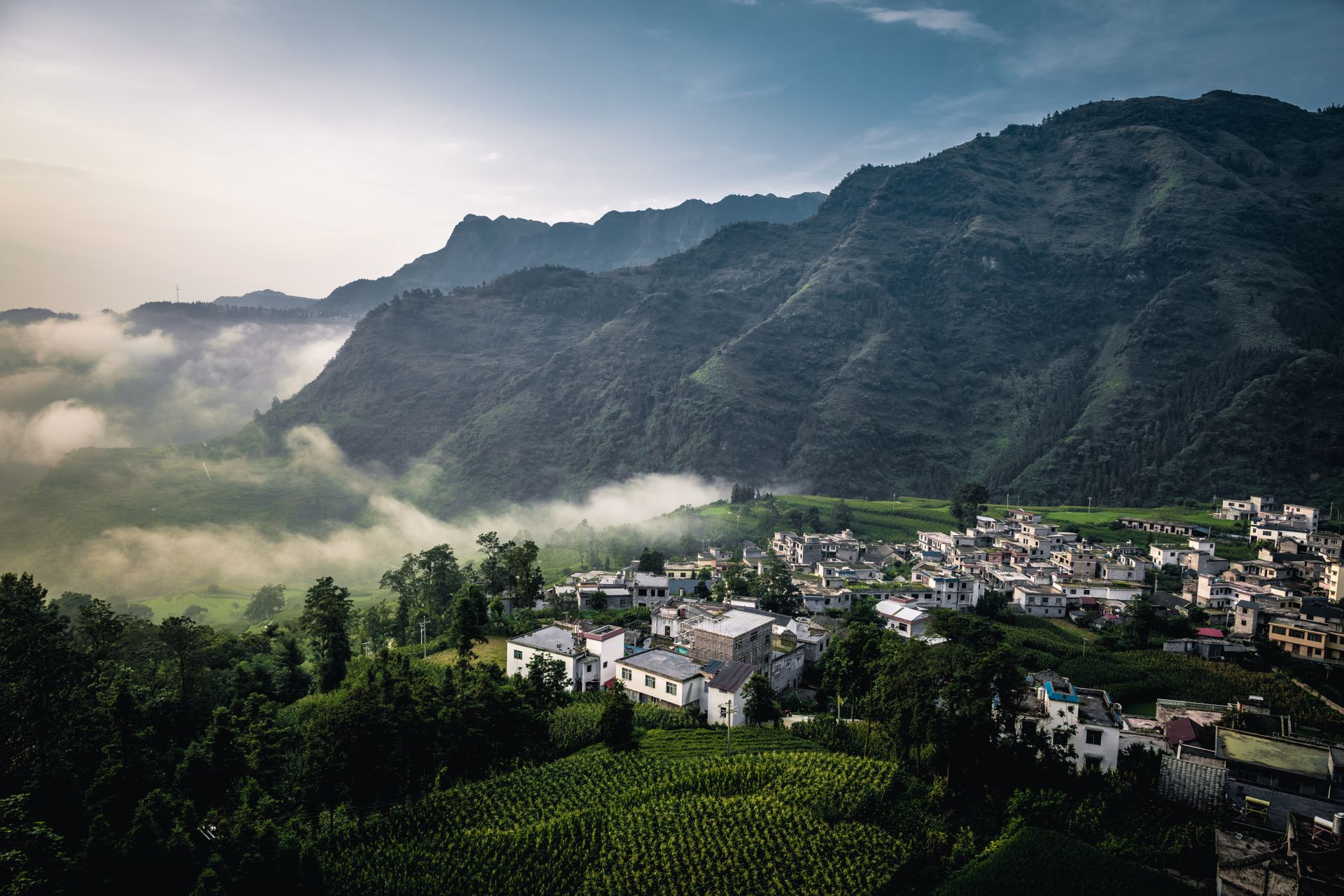
Ancient traditions, fast-paced cities and still landscapes exist side by side, in a country that seems to reinvent itself everywhere you look.
Eastern Himalaya
Bhutan
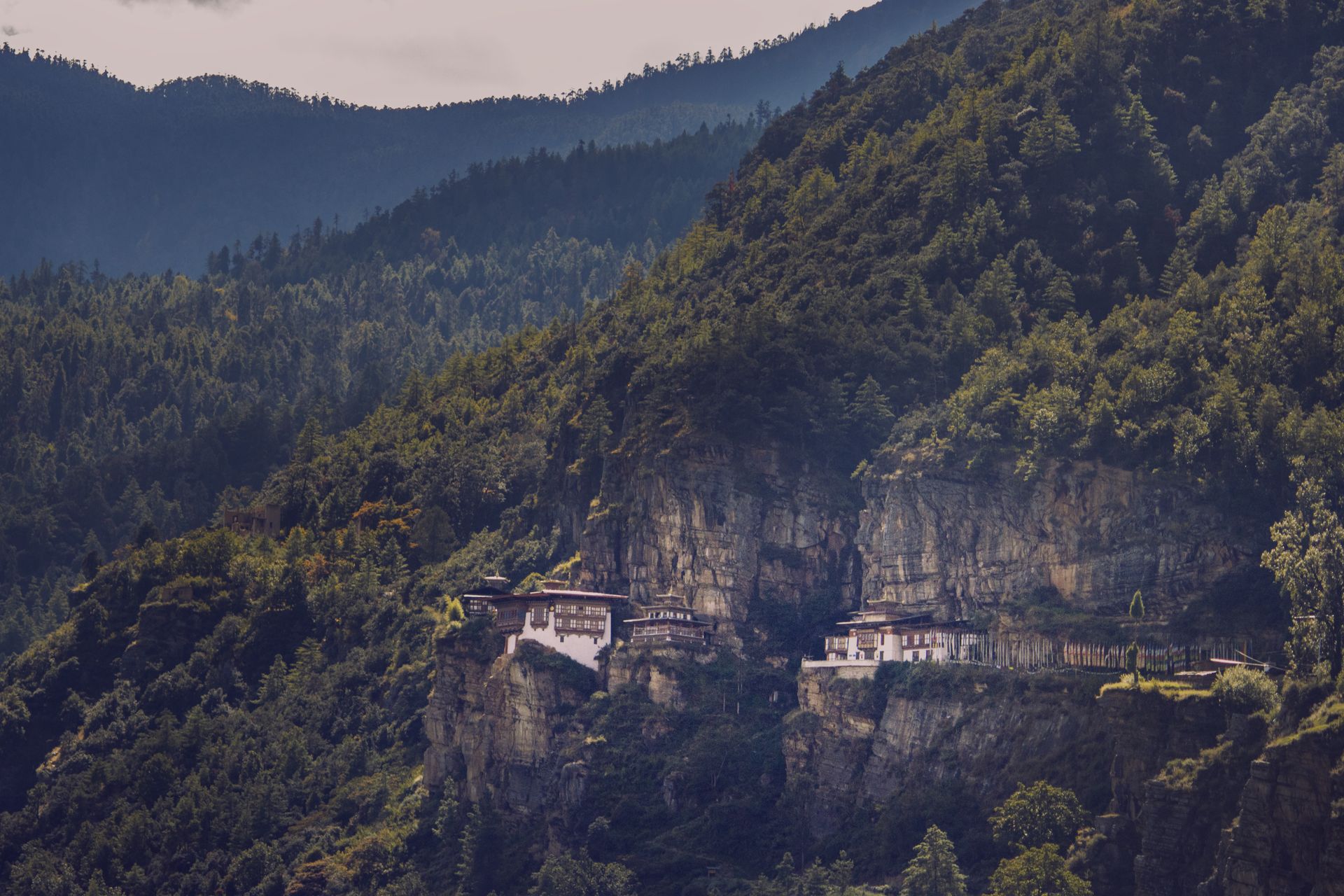
Monasteries clinging to cliffs, valleys without traffic and access the country deliberately keeps limited, a calm its neighbours lost long ago.
How it works
This is how your journey to South Korea takes shape.
Six steps, from your first story to your homecoming. The conversation and the feasibility check cost you nothing.
-
01
Tell us your story
Fill in the form or give us a call. You do not need a route yet: a country, a period or just an idea is enough.
-
02
The conversation and the check
We call you within two working days. We talk through what you are looking for and check whether it can be done. If it can, we set down together what we will make for you.
-
03
We design your journey
We build your programme up, day by day, together with our own people in the country itself.
-
04
Your proposal
You read your journey day by day, with everything that is included. You say what you would like differently, until it is right.
-
05
Ready to depart
You send us your details, we send you your travel documents. You have one fixed contact who knows your journey.
-
06
Travelling, and after
Your contact stays reachable while you are away. Once you are home, we call one more time.
The next step
How would you like to experience South Korea?
Tell us what draws you to South Korea, who you are travelling with, and how much city and how much quiet you are looking for. We get to know you as a traveller first and build from there, together with a local partner who knows the country from the inside.
Updated in October 2026