Nile Valley and Red Sea
Egypt
A river through the desert, and everything people built along it.
This is Egypt
A green strip a few kilometres wide, and everything built along it.
Look down on Egypt from a plane and you mostly see sand and rock. Through it runs a single green line. For some 1,200 kilometres the Nile cuts its way through bare desert, and between Cairo and Aswan the cultivated valley is usually only eight to sixteen kilometres wide.
Everything hangs on that strip. The pyramids on the edge of the Giza plateau. The temples of Karnak and Luxor on the east bank, the royal tombs cut into the rock of the west bank. The Nubian temples upstream of Aswan. To travel through Egypt is to follow the river. The pharaohs did it, and so did the travellers of the nineteenth century.
Today's Egypt is busy and full of life. Cairo is a world city with a medieval heart. In Luxor, the town sits among the temples. And spend a few nights on the water, and you notice how quickly the pace slows.
You know the monuments from photographs. The light, the rhythm and the river you only get to know once you are there.
In short
- Best time to go
- November to March: mild days in the Nile Valley, around 23 degrees in Luxor and around 19 degrees in Cairo in January, with cool nights. April and October are warm but manageable. From May to September, average afternoon temperatures in Luxor and Aswan sit between 39 and 42 degrees.
- How long
- Ten to fourteen days. That gives you time for Cairo and Giza, a few nights on the Nile between Luxor and Aswan, and then Abu Simbel or a few days on the Red Sea. Shorter is possible, but then you choose between the river and the coast.
- Who it suits
- For travellers who want to see history where it happened, with a good guide alongside, and who don't mind an early start. And for anyone who wants the slow rhythm of the river after the bustle of Cairo.
- What sets it apart
- Almost everything you want to see lies on one river. Between Cairo and Aswan, the green valley of the Nile is usually just eight to sixteen kilometres wide. On either side, the desert begins.
Tailor-made tour
A tailor-made tour of Egypt
A tour of Egypt follows the Nile almost by itself. In the north are Cairo and Giza, with Saqqara and Dahshur a little further south. Upstream lies Luxor, ancient Thebes, with its temples and royal tombs. Between Luxor and Aswan stand the temples of Edfu and Kom Ombo, and from Aswan you continue to Abu Simbel. For Cairo and the Nile Valley together, allow ten days. If you want to unwind on the Red Sea afterwards, add a few more.
How you get around depends on the stretch. In Cairo and around Luxor you travel with your own driver. Between Cairo and the south you take a domestic flight of one to one and a half hours, or the overnight train, which runs daily. Between Luxor and Aswan you go by boat. We arrange the drive between the Nile Valley and the Red Sea with the necessary permits.
As a couple, you choose a small boat and a private guide, and start the day when the light is right. With children, Egypt works if you adapt the rhythm: out early, rest through the hottest hours, and a few days by the sea to finish. Travelling alone, you gain a lot from a guide who explains local customs from the outset. With your own group of friends or family, you can charter an entire dahabiya, so the boat is yours alone.
The truly special nights here are on the water. On a dahabiya you sail for part of the day, moor at a temple or an island, and sleep by a quiet bank. It is a different kind of luxury from a large hotel: fewer staff, more silence, no crowded quay. In Cairo and Aswan you can also choose between hotels with a story of their own and quiet addresses on the river. Here, the pace matters more than the number of stars.
Along the river
Upstream, from the pyramids to Abu Simbel.
Everything lies on the same river, and yet each stop has a character of its own.
The capital
Cairo
The city was founded in 969 as the seat of the Fatimid caliphate and kept growing for centuries after. The old city gates still stand in the historic centre, and the mosque of Ibn Tulun, with its spiral minaret, is even older than the city itself. Cairo is loud and crowded. That is exactly why a day with someone who knows the neighbourhoods pays off.
The plateau
Giza, Saqqara and Dahshur
The Great Pyramid of Khufu is the only wonder of the ancient world still standing. Further south, at Saqqara, stands the Step Pyramid of Djoser, the first pyramid ever built. The whole area, from Giza to Dahshur, counts more than thirty-eight pyramids.
Ancient Thebes
Luxor
On the east bank stand the temples of Karnak and Luxor. The hypostyle hall at Karnak alone rests on 134 columns. On the west bank, the 'City of the Dead', lie the Valley of the Kings with the tomb of Tutankhamun, the Valley of the Queens and the terraced temple of Queen Hatshepsut.
Upstream
Edfu and Kom Ombo
Between Luxor and Aswan are two temples from the Ptolemaic era. The Temple of Horus at Edfu, built between 237 and 57 BCE, is considered the classic example of an Egyptian temple. At Kom Ombo stands a double temple to Sobek, the crocodile god, and Horus, the falcon god, right on the river.
At the First Cataract
Aswan
In antiquity Aswan was Egypt's border town, just north of the First Cataract. Here the river is strewn with rocks and islands. On the island of Agilkia stands the Temple of Isis from Philae, moved during UNESCO's rescue campaign between 1960 and 1980. Upstream of Kom Ombo, the valley was historically home mainly to Nubians.
On the lake
Abu Simbel
More than 230 kilometres south of Aswan as the crow flies, Ramses II had two temples carved out of a sandstone cliff. Between 1963 and 1968 they were cut into some 16,000 blocks and rebuilt more than sixty metres higher, away from the rising water. Around 22 February and 22 October, the first sun reaches all the way into the innermost sanctuary.
The coast
The Red Sea
On the east coast, another Egypt awaits: water, reefs and desert mountains. South of Marsa Alam, the Wadi el Gemal protected area safeguards coral reefs, mangroves, sea turtles and dugongs. The Ababda, traditionally nomads between the Nile and the Red Sea, are themselves involved in tourism there.
On the Nile
A Nile cruise at the pace of the wind.
Until the 1870s, visitors travelled up the Nile in a dahabiya: a flat-bottomed boat with two or more sails, named after the Arabic word for gold. Then came the steamers, and much later the large cruise ships.
Today, dahabiyas sail between Luxor and Aswan once again. They have no engine of their own: when the wind drops, a tug pulls them along. They are small, moor where large ships cannot, and take you to the temples of Edfu and Kom Ombo.
It is a different way of travelling. The valley slides past: fields, palms, a village, then desert right down to the bank. In the evening you lie moored by a sandbank or an island, and mostly what you hear is the river.
A larger cruise ship is also possible, and sometimes it suits better. We set the two side by side for you.
Layers of time
Pyramids, temples and minarets: three eras on one river.
What often goes under the name 'ancient Egypt' in fact spans thousands of years. The pyramids of Giza were already around a thousand years old when the royal tombs were cut at Thebes. And between those tombs and the mosque of Ibn Tulun in Cairo lie at least another eighteen centuries.
A good guide separates those layers. Without one, you mostly see stone.
The Old Kingdom
At Saqqara and on the Giza plateau you see how the royal tomb became a pyramid: from the Step Pyramid of Djoser, the first ever built, to the Great Pyramid of Khufu.
The New Kingdom
Thebes was then the capital of an empire stretching from the Euphrates to northern Sudan. The hypostyle hall at Karnak and the tombs in the Valley of the Kings date from that time.
Islamic Cairo
The Fatimids founded the city in 969, the Ayyubids built a citadel there as the seat of government, and under the Mamluks it spread beyond the old walls.
Early light over Luxor's west bank, where the green fields stop and the mountains of the dead begin.
The new museum
Tutankhamun has moved to the edge of the plateau.
On 1 November 2025 the Grand Egyptian Museum opened its doors, close to the pyramids of Giza. It is the largest museum in the world devoted to ancient Egyptian civilisation, from prehistory to the end of the Greek and Roman period.
The Tutankhamun galleries are open, with the golden burial mask, the golden throne and the young king's diadem among the pieces on show. There is also a separate museum for the boats of Khufu. The museum opens daily.
The old Egyptian Museum on Tahrir Square remains open too, although most of its masterpieces have moved to Giza.
Give the museum a half-day of its own, apart from the pyramids. You will see it with fresh eyes.
Possibilities
What could Egypt be for you?
Not parts of a fixed itinerary but directions, to find out what draws you and what you would rather leave.
A few nights on a dahabiya
Sailing between Luxor and Aswan, mooring at Edfu and Kom Ombo, and spending the nights by a quiet bank.
The west bank at first light
The Valley of the Kings, the Valley of the Queens and the terraced temple of Hatshepsut, early in the day and before the heat.
Abu Simbel on the right day
Around 22 February and 22 October, the first sun reaches into the innermost sanctuary. If you prefer calm, you deliberately choose another day.
Cairo with someone who knows the neighbourhoods
From the mosque of Ibn Tulun to the old city gates, through the lanes of the Fatimid city.
Saqqara and Dahshur, not just Giza
Drive further south than the famous plateau and you see how the pyramid came to be, from the Step Pyramid of Djoser to the pyramids of Dahshur.
Snorkelling in Wadi el Gemal
Coral, mangroves and, with a little luck, a sea turtle, in a protected area on the southern Red Sea.
These are directions, not a route. What you end up doing, we build around what drives you.
When would you travel?
November to March, and above all early in the day.
November to March is the best time for the Nile Valley. In January, daytime temperatures average around 23 degrees in Luxor and around 19 degrees in Cairo. Nights cool down sharply, to around 7 degrees in Luxor, so a warm jumper belongs in your case.
April and October are warm, with afternoons around 35 degrees in Luxor. With an early start and a long midday break, you still travel well.
From May to September, average afternoon temperatures in Luxor and Aswan sit between 39 and 42 degrees. Temples are for sunrise then, and the rest of the day you look for shade or water.
Rain hardly matters: Aswan averages 2 millimetres a year. Do keep an eye on the religious calendar. Ramadan begins ten to twelve days earlier each year. During the day the rhythm changes; after sunset everything comes alive. We look at it for each travel period.
Best time to visit Egypt
Jan
Feb
Mar
Apr
May
Jun
Jul
Aug
Sep
Oct
Nov
Dec
Mild days in the Nile Valley, cool nights
Warm, very doable with early starts
Around forty degrees in Luxor and Aswan
Same months, other destinations
Who else is at their best in these months?
Not ready to ask yet?
Leave your email address. A month before the good time begins, we send you one reminder. Nothing more.
You will first get an email to confirm. You can unsubscribe at any time, with one click.
Rather talk it over?
Leave your name and number. We will call you at a time that suits you.
You know the pyramids from photographs.
You only get to know the river when you sleep on it.
Looking past the highlights
Where we see things differently.
Giza at opening time, not at midday. The plateau is vast and open, and shade is scarce. Arrive early and you have the light, the space and the cool.
Cairo is more than a stopover. Use the capital only as a gateway to the south and you miss a great deal. Historic Cairo, with its mosques, gates and lanes, is a reason to come in itself.
Time on the water. A two-night Nile cruise is mostly a transfer. A few more nights turn it into a journey.
Not everything at once. Cairo, the Nile Valley, Abu Simbel and the Red Sea fit into two weeks, but with little room to breathe. Sometimes leaving out a region is the best choice. We weigh that up together.
Worth knowing
Practical, without the noise.
We go through the full, up-to-date picture in person, including whatever matters specifically for your trip.
- Getting there
- Direct flights to Cairo in about four and a half hours. Luxor and Aswan are usually reached with one connection, or from Cairo by domestic flight or overnight train.
- Documents
- Which travel documents you need, and whether you have to apply for a visa, depends on your nationality, and entry rules change. Check with the Belgian Federal Public Service Foreign Affairs. We confirm the current requirements before departure.
- Health
- Recommended vaccinations are listed on Wanda, the travel health site of the Institute of Tropical Medicine in Antwerp. Discuss it with your doctor too. If you travel with medication, check in advance whether it is allowed in Egypt: some medicines available over the counter in Belgium fall under drug laws there.
- Travel advice
- The current travel advice is published by the Belgian Foreign Affairs service. We follow it and adapt the trip where needed. Also register your trip on Travellers Online.
- Photography
- According to the current travel advice, photographing military buildings, bridges and airports is prohibited, and drones are banned throughout Egypt, including at tourist sites.
- Clothing
- Egypt is a conservative country. What is fine at a beach resort is not always appropriate elsewhere. Away from the resorts, it is best to dress modestly.
- Paying
- Cards work in larger hotels and restaurants, and you will find cash machines in every town. For small purchases and tips, keep some Egyptian pounds to hand.
- Travelling with children
- Very doable with an adapted rhythm: early starts, rest through the hottest part of the day, and not too many temples in a row.
Frequently asked questions
When is the best time to visit Egypt?
For the Nile Valley, November to March is the best period in Egypt. In January, daytime temperatures average around 23 degrees in Luxor and around 19 degrees in Cairo, with cool nights. April and October are warm but manageable. From May to September, average afternoon temperatures in Luxor and Aswan sit between 39 and 42 degrees.
What is a Nile cruise between Luxor and Aswan like?
A Nile cruise in Egypt lasts a few nights and takes you past the temples of Edfu and Kom Ombo. You choose between a larger cruise ship and a dahabiya, a flat-bottomed sailing boat with no engine of its own. The dahabiya is smaller, slower and quieter, and moors where large ships cannot. Which suits you depends on how you like to travel.
Is the Grand Egyptian Museum open?
Yes, the Grand Egyptian Museum in Egypt opened on 1 November 2025, close to the pyramids of Giza, and opens daily. The Tutankhamun galleries, with the golden burial mask, can be visited. The old Egyptian Museum on Tahrir Square remains open as well.
What is the travel advice for Egypt?
The current travel advice for Egypt is on the website of the Belgian Foreign Affairs service, diplomatie.belgium.be, under Travel advice. We follow it before departure and during your trip, and adapt the trip if the advice changes.
Can you combine the Nile and the Red Sea?
Yes, in Egypt the Nile Valley and the Red Sea combine well, and for that you allow ten to fourteen days in total. We arrange the drive between the coast and the Nile Valley with the necessary permits.
Or perhaps this
Other destinations
Still weighing it up? That is no problem at all. The right country often only becomes clear once the conversation starts.
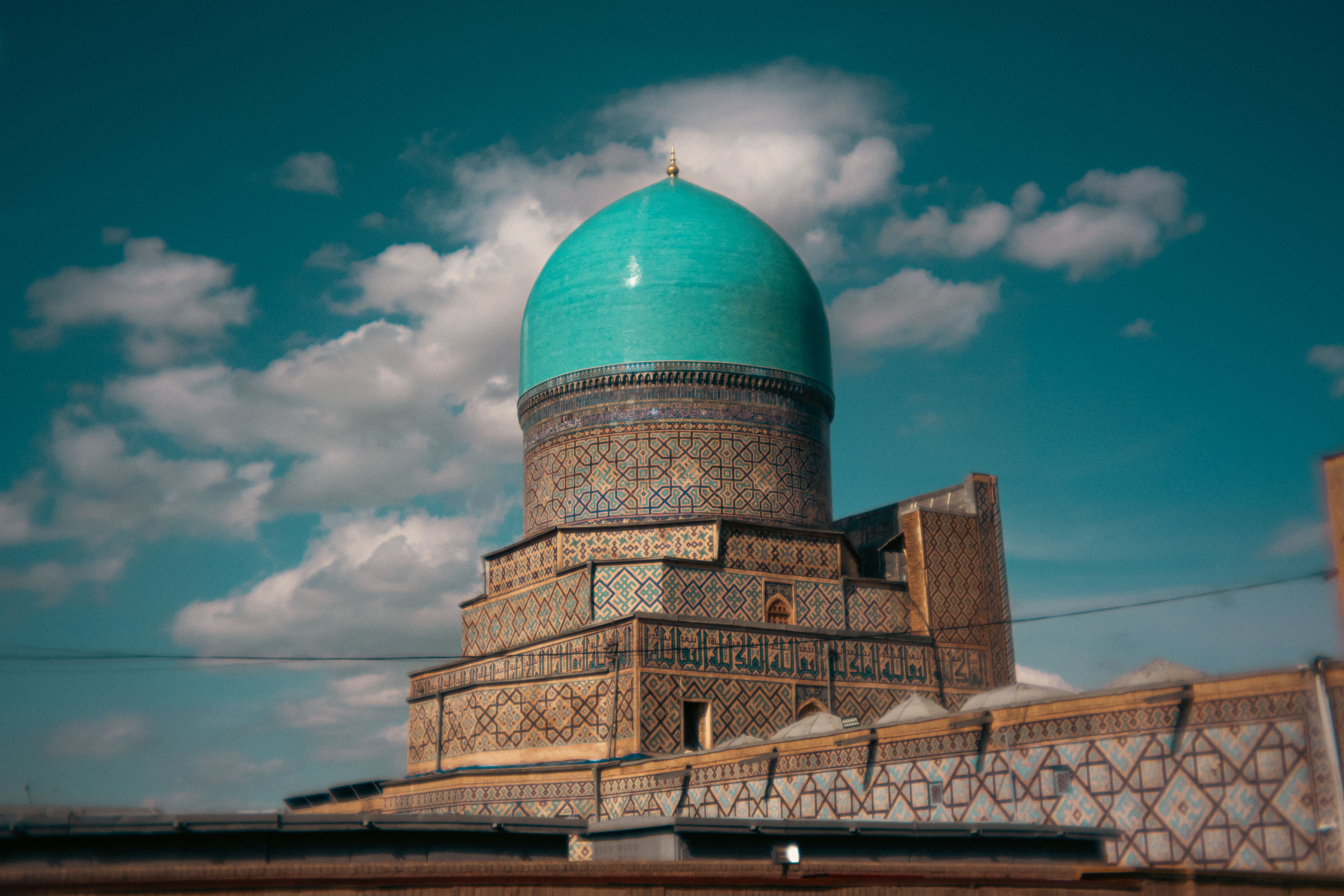
Silk Road, Central Asia
Uzbekistan
Turquoise domes and hushed caravanserais that still tell the story of where the Silk Road once converged.

South China coast
Hong Kong
Skyscrapers give way to green islands and hiking trails within half an hour, in a city that rarely stands still.
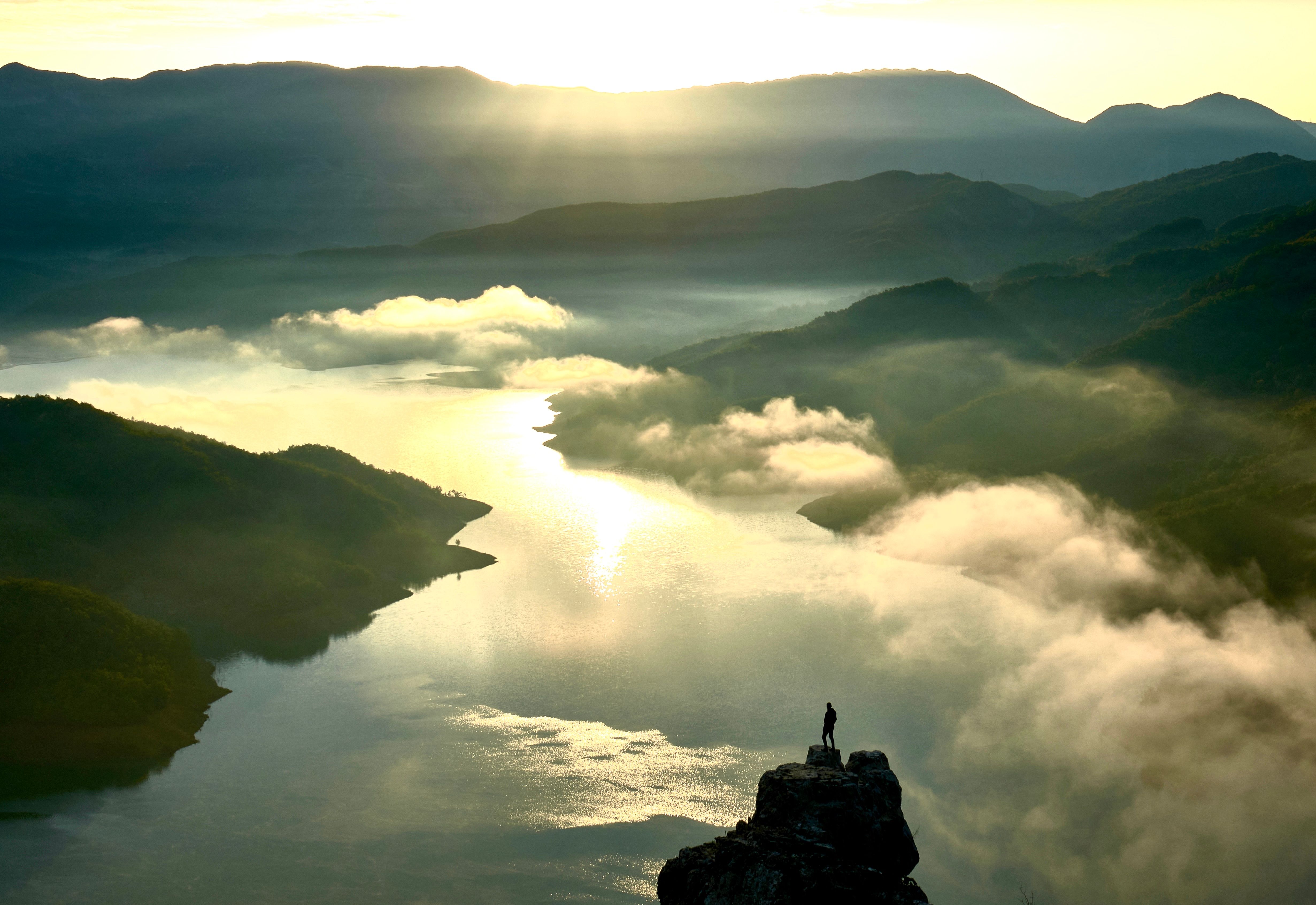
Western Balkans
Albania
Mountains that plunge straight into the sea, towns layered with history, and a coastline that has not yet bent itself to visitors.
How it works
This is how your journey to Egypt takes shape.
Six steps, from your first story to your homecoming. The conversation and the feasibility check cost you nothing.
-
01
Tell us your story
Fill in the form or give us a call. You do not need a route yet: a country, a period or just an idea is enough.
-
02
The conversation and the check
We call you within two working days. We talk through what you are looking for and check whether it can be done. If it can, we set down together what we will make for you.
-
03
We design your journey
We build your programme up, day by day, together with our own people in the country itself.
-
04
Your proposal
You read your journey day by day, with everything that is included. You say what you would like differently, until it is right.
-
05
Ready to depart
You send us your details, we send you your travel documents. You have one fixed contact who knows your journey.
-
06
Travelling, and after
Your contact stays reachable while you are away. Once you are home, we call one more time.
The next step
How would you like to experience Egypt?
Tell us what draws you to Egypt, who you are travelling with and at what pace. We get to know you as a traveller first and build from there, together with a local partner who knows the country from the inside.
Updated in October 2026