Indian Ocean
Maldives
Some twelve hundred islands, and still mostly water.
This is the Maldives
The word atoll comes from the language of this country.
Look out of the window as you come in to land and you see rings. A rim of coral, a paler lagoon inside it, and here and there on the rim an island that barely clears the water. A ring like that is called an atoll. The word comes from Dhivehi, the language of the Maldives.
The country is made up of some 1,200 coral islands and sandbanks, spread over more than 820 kilometres from north to south. About 200 of them are inhabited. Malé, the capital, is the only place that resembles a town. On the other islands people live in villages, from fishing, the coconut palm and tourism.
That tourism is young. Before 1972 it did not exist. Today there are more than 130 resort islands, separate from the islands where Maldivians live. So travelling here means choosing more than an atoll. You also choose a kind of island.
The water is the reason to come. The island you choose decides how you experience it.
Two kinds of island
A resort is an island of its own. An inhabited island is a village.
Resorts in the Maldives sit on islands of their own, away from the villages. The island is the hotel. Your beach, your reef and your restaurant are all within walking distance, and beyond that there is nothing. That is exactly what many travellers come for.
Then there are the inhabited islands, with houses, a harbour, a health centre and guesthouses where you can stay as a traveller. There, the rules of the country apply. This is an Islamic country. Alcohol is only allowed on the resort islands, and on an inhabited island you dress modestly.
Both have their value. On a resort you have quiet and space. On an inhabited island you eat what people there eat and see how a village runs its day, with the sea on every side.
Combine the two and you see both sides of the same country.
In short
- Best time to go
- January to March: the dry northeast monsoon, with 10 to 11 hours of sunshine a day. December and April are transition months. From May to November the southwest monsoon blows, bringing more rain, and also the manta rays of Baa.
- How long
- Ten to fourteen days if the Maldives are your whole trip, with two or at most three islands. As an extension of a journey through Sri Lanka or a few days in Dubai, five to seven nights is enough.
- Who it suits
- For those who want to get to know the sea by being in it: snorkelling on the reef, with manta rays or whale sharks nearby. And for those who want real stillness after a busy trip, without spending every day inside the limits of a single resort.
- What sets it apart
- You do not get around here by road, but by water and by air. The seaplane only flies in daylight, and that shapes more of your trip than you might expect.
The atolls
More than 820 kilometres of islands, from the north to beyond the equator.
What lies close to the airport you reach by speedboat. For the rest you take the seaplane or a domestic flight.
The capital
Malé
The only place in the Maldives that resembles a town. In the middle of Malé stands the Friday Mosque of 1658, built from blocks of coral cut from the reef while still soft. The country's first mosque stood on the same spot, dating from 1153, the year the Maldives converted from Buddhism to Islam. The coral stone mosques are on UNESCO's World Heritage Tentative List.
Around the airport
The atolls around Malé
The islands around the capital are reached by speedboat, with no wait for a seaplane. That helps if you only have a few nights, or if the Maldives come at the end of another journey.
The west
Baa and Ari
Further from the airport, by seaplane. Baa has been a UNESCO biosphere reserve since 2011, with reefs, lagoons and deep channels. In South Ari, whale sharks live all year round. People who stay here come mainly for what happens under water.
The north
The northern atolls
The north gets the least rain: an average of 1,779 millimetres a year, against 2,218 in the south. On Ihavandhoo, in Haa Alifu atoll, stands a Friday Mosque from 1701, built of coral stone and still in use. It belongs to the same group of mosques on UNESCO's Tentative List.
The deep south
Fuvahmulah and Addu
Fuvahmulah is an atoll made up of a single island, with tiger sharks, thresher sharks and whale sharks around it. Addu, the southernmost atoll, lies just south of the equator and has 30 islands around a heart-shaped lagoon, with mangroves and freshwater lakes. Both have been UNESCO biosphere reserves since 2020. You reach them on a domestic flight of about an hour and a half.
Tailor-made tour
A tailor-made tour of the Maldives
A tour of the Maldives is not an overland route. You combine islands and atolls. A resort island with a few nights on an inhabited island, for instance. Or Baa in manta season with South Ari, where whale sharks are present all year. If you want to see the deep south, Fuvahmulah and Addu, you add a domestic flight. For two, at most three islands, allow ten to fourteen days. The Maldives are also often the extension of a journey through Sri Lanka or a few days in Dubai. Then five to seven nights is enough.
How you get around depends on the distance from the airport. The islands around Malé are reached by speedboat. Further out you take the seaplane, which lands on the water close to your island. For the deep south you fly domestic, about an hour and a half to Fuvahmulah or Addu. The seaplane does not fly in the evening. If your flight lands late, you spend the first night close to the airport.
As a couple you choose an island that suits your rhythm: small and quiet, or with a reef you can slip into every morning. With children you look at the distance to the airport. Travelling alone, an inhabited island gives you more contact than a resort. With your own group of friends or family you can charter a boat with crew and spend a few nights sailing from atoll to atoll.
Here, the stay is the journey. On a resort island, luxury mostly means space: a stretch of beach to yourself, a reef on your doorstep, no road and no traffic. On an inhabited island you sleep more simply, in a guesthouse, and the village comes with it. The pace drops by itself. You do less here than on a tour elsewhere, and that is exactly the point.
An atoll from above: a ring of coral, a pale lagoon and islands that barely rise above the water.
Under water
Above the water the country is flat. Below it, the relief begins.
According to UNESCO, the reefs of the Maldives together form the seventh largest reef system in the world, about 5 per cent of the world's reef area. In Baa alone, around 250 coral species and 1,200 species of reef fish have been recorded. The lagoons there are 30 to 80 metres deep, the channels between the reefs up to 300 metres.
Much of what you see here does not require diving. A mask, a calm morning and someone who knows where to look are often enough.
The landscape of the Maldives lies a few metres below the surface.
Manta rays in Baa
During the southwest monsoon the tide draws plankton into Hanifaru Bay, and the reef mantas follow: sometimes more than 250 at once, the largest known gathering in the world. The bay has been protected since 2009. Scuba diving is not allowed there, snorkelling is.
Whale sharks in South Ari
In the South Ari marine protected area whale sharks live all year round, almost all of them young males. Few places in the world see them stay in one area for so long. The biggest threat to them is boat propellers. How you visit them matters.
The reef on your doorstep
On quite a few islands the reef begins a few strokes from the beach. Into the water early in the morning, no boat and no programme: often the best moment of the day.
When would you travel?
Dry from January to March, warm with showers the rest of the year.
January to March is the dry northeast monsoon. The Maldives Meteorological Service counts on 10 to 11 hours of sunshine a day. In Malé, February brings an average of 38 millimetres of rain, spread over about three days.
December and April are transition months. April is warm, with afternoons around 32 degrees. In December the dry monsoon gets going, but Malé still receives an average of 212 millimetres.
From May to November the southwest monsoon blows. It usually sets in around mid-May. Rain comes more often, mostly in short showers with sunshine in between. In October, the wettest month in Malé, an average of 245 millimetres falls. It is also when the manta rays gather in Hanifaru Bay.
It is warm all year: around 30 to 32 degrees by day, and around 26 degrees at night in Malé. The further south, the wetter. The north receives an average of 1,779 millimetres a year, the south 2,218. In Addu, January is not a dry month: it brings an average of just over 200 millimetres.
Best time to visit Maldives
Jan
Feb
Mar
Apr
May
Jun
Jul
Aug
Sep
Oct
Nov
Dec
Dry northeast monsoon, 10 to 11 hours of sunshine a day
Transition month, warm with changeable showers
Southwest monsoon: more rain, but the mantas are in Baa
Not ready to ask yet?
Leave your email address. A month before the good time begins, we send you one reminder. Nothing more.
You will first get an email to confirm. You can unsubscribe at any time, with one click.
Rather talk it over?
Leave your name and number. We will call you at a time that suits you.
Possibilities, not an itinerary
What could the Maldives be, for you?
Not stages of a fixed route, but directions, to find out what draws you and what you would rather leave.
Snorkelling among manta rays
In Baa, during the southwest monsoon. You do not need to be a diver: in Hanifaru Bay only snorkelling is allowed.
A whale shark in South Ari
Possible all year, with a boat that keeps its distance and moves slowly. We pay attention to that when choosing who takes you out.
A few nights on an inhabited island
Sleeping in a guesthouse, breakfast of mas huni, and seeing how a village in the middle of the ocean lives.
Malé with someone who lives there
The coral stone Friday Mosque, the streets around it, and a place for hedhikaa, the snacks served with afternoon tea. Half a day that colours the rest of the trip.
A day on a sandbank
A strip of coral sand in the middle of the lagoon, with no palm and no shade. You head out in the morning or late afternoon, when the light is soft.
Diving the channels
Where the lagoon meets the open ocean, water flows through channels that reach 300 metres deep in Baa. For experienced divers. If that is not you yet, start on the reef.
These are possibilities.
Not your journey.
An island to go quiet on.
An island where people live.
At the table
Tuna, coconut and lime, from breakfast to dinner.
Maldivian cooking revolves around fish, coconut and rice. Breakfast is mas huni: tuna with grated coconut, onion, chilli and lime, eaten with roshi, a round flatbread. Later in the day there is garudhiya, a fish soup, with rice, lime and chilli.
That tuna has been caught the same way for centuries: with pole and line, one fish at a time. In 2012 the fishery was awarded the MSC label for sustainable fishing.
In the afternoon the hedhikaa come out, the snacks served with tea: bajiyaa, a kind of small samosa, or kulhi boakibaa, a fish cake. On a resort you eat what you like. On an inhabited island you eat what the island eats.
Looking past the highlights
Where we look at it differently.
The seaplane only flies in daylight. If your flight lands late, there is no seaplane left that day. So you spend the first night close to the airport. We plan that in advance, not on arrival.
The island matters more than the room. How big is the island, how close is the reef, how long is the crossing? That shapes your days more than the decor of your room. Those are the questions we ask first.
Fewer islands, longer stays. Every move between islands takes time: packing, waiting for the boat or the plane, arriving all over again. Two islands in ten days is often better than four.
Wildlife with respect. In Hanifaru only snorkelling is allowed, and in South Ari propellers are the biggest threat to the whale sharks. We work with partners who keep their distance and move slowly.
You see the Maldives from the air.
You get to know them with your head under water.
Worth knowing
Practical, without the noise.
We go through the full, current picture with you personally, including what matters specifically for your trip.
- Getting there
- There are no direct flights from Brussels. With one stop, for example in Dubai, Doha or Istanbul, you fly just over eleven hours, plus the connection. From Colombo it is an hour and a half to Malé, from Dubai just over four hours.
- Documents
- Which travel documents you need, and what you have to fill in online before arrival, depends on your nationality and changes regularly. Check with the Belgian Federal Public Service Foreign Affairs. We confirm the current requirements before you leave.
- Health
- Recommended vaccinations are listed on Wanda, the travel health site of the Institute of Tropical Medicine in Antwerp. Discuss it with your doctor too.
- Travel advice
- The current travel advice is published by the Belgian Foreign Affairs service. We follow it and adapt the trip where needed. Also register your trip on Travellers Online.
- Local rules
- This is an Islamic country. Alcohol is only allowed on the resort islands, and bringing it in is not permitted. On inhabited islands you dress modestly. Nude or topless sunbathing is forbidden, as is collecting and taking away coral or shells.
- Paying
- The currency is the rufiyaa. Cards are increasingly accepted, also outside the resorts, and in many shops, restaurants and taxis you can pay cash in US dollars.
- Getting married
- As a tourist you cannot contract a marriage there that is recognised in Belgium. A symbolic ceremony is possible, but it has no legal value.
- Travelling with children
- Very doable: short distances on the island and snorkelling from the beach.
Frequently asked questions
When is the best time to visit the Maldives?
January to March is the best period for the Maldives: the dry northeast monsoon, with 10 to 11 hours of sunshine a day. December and April are transition months. From May to November it rains more often, mostly in short showers with sunshine in between, and that is when the manta rays gather in Baa. It is warm all year, around 30 to 32 degrees by day.
Are the Maldives a good choice for a honeymoon?
Yes, the Maldives work well for a honeymoon, especially if you are after quiet and water. Choose January to March for the most sunshine, and combine a resort island with a few nights on an inhabited island if you want to see more than your own beach. Getting married there is not legally possible: according to the Belgian Federal Public Service Foreign Affairs, tourists cannot contract a marriage there that is recognised in Belgium. A symbolic ceremony is possible. If the Maldives round off a journey through Sri Lanka or Dubai, five to seven nights is enough.
Can you combine the Maldives with Sri Lanka or Dubai?
Yes, the Maldives are often the extension of a journey through Sri Lanka or a few days in Dubai. From Colombo it is an hour and a half to Malé, from Dubai just over four hours. For the Maldives part, five to seven nights is then enough. Plan to arrive in daylight, because the seaplane does not fly in the evening.
Do you need to dive to see manta rays or whale sharks?
No, in the Maldives you can see manta rays and whale sharks while snorkelling. In Hanifaru Bay in Baa, scuba diving is actually banned and only snorkelling is allowed, during the southwest monsoon. In South Ari, whale sharks live all year round.
What is the travel advice for the Maldives?
The current travel advice for the Maldives is on the website of the Belgian Foreign Affairs service, diplomatie.belgium.be, under Travel advice. We follow it before departure and during your trip, and adapt the trip if the advice changes.
Or perhaps this
Other destinations
Still weighing it up? That is no problem at all. The right country often only becomes clear once the conversation starts.
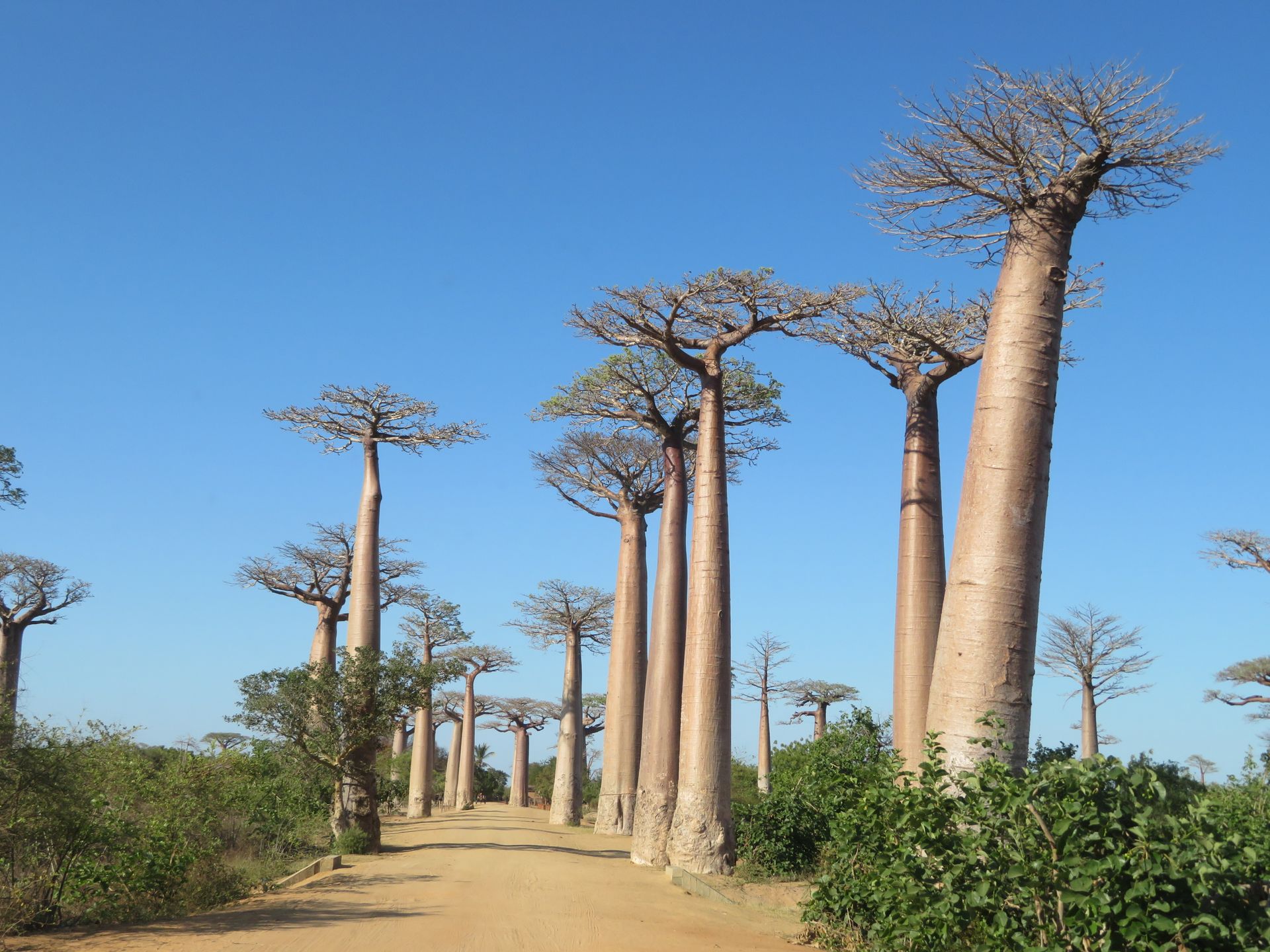
Indian Ocean
Madagascar
An island that has gone its own way for millions of years, and it shows in almost everything.
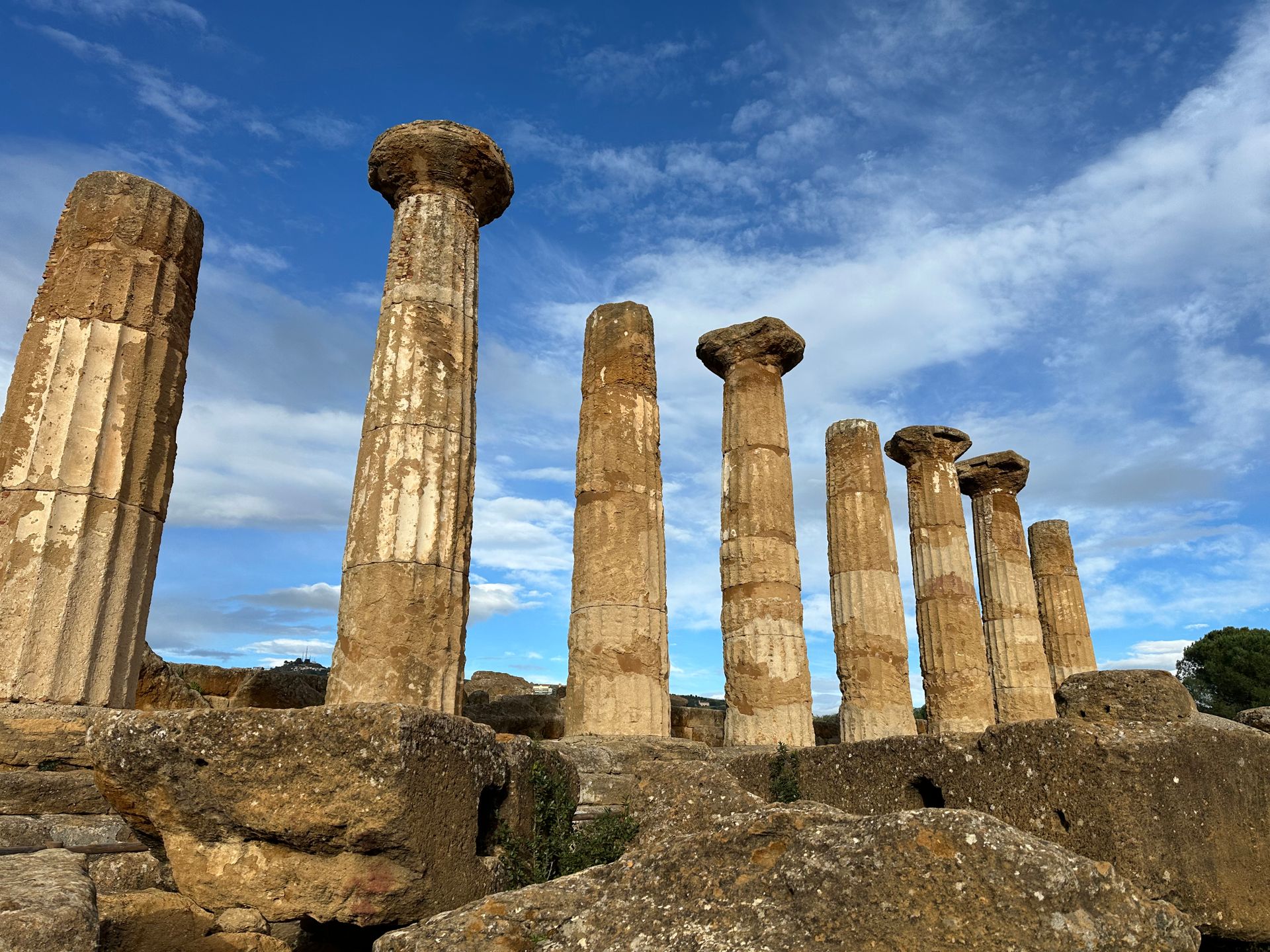
Strait of Sicily
Sicily
Sicily carries the traces of Greeks, Arabs and Normans, with a volcano that always keeps the last word.
Oceania
Australia
A reef off the north-east coast, red rock in the centre, and an Aboriginal history tens of thousands of years deep.
How it works
This is how your journey to Maldives takes shape.
Six steps, from your first story to your homecoming. The conversation and the feasibility check cost you nothing.
-
01
Tell us your story
Fill in the form or give us a call. You do not need a route yet: a country, a period or just an idea is enough.
-
02
The conversation and the check
We call you within two working days. We talk through what you are looking for and check whether it can be done. If it can, we set down together what we will make for you.
-
03
We design your journey
We build your programme up, day by day, together with our own people in the country itself.
-
04
Your proposal
You read your journey day by day, with everything that is included. You say what you would like differently, until it is right.
-
05
Ready to depart
You send us your details, we send you your travel documents. You have one fixed contact who knows your journey.
-
06
Travelling, and after
Your contact stays reachable while you are away. Once you are home, we call one more time.
The next step
How would you like to experience the Maldives?
Tell us what you are looking for in the Maldives: quiet, time in the sea, an island where people live or all of it, and who you are travelling with. We get to know you as a traveller first and build from there, together with a local partner who knows these islands from the inside.
Updated in October 2026